

>
>
>
Ben Wilson
–
info@benwilsondesign.co.uk
07973 667 654
–
www.benwilsondesign.co.uk
www.wilsonbrothers.co.uk
–
Ben Wilson Design Ltd incorporated in England Company no 09698216 registered office unit 15-16 7 Wenlock road London n17sl
Posted by Ben.


Ben Wilson
–
info@benwilsondesign.co.uk
07973 667 654
–
www.benwilsondesign.co.uk
www.wilsonbrothers.co.uk
–
Ben Wilson Design Ltd incorporated in England Company no 09698216 registered office unit 15-16 7 Wenlock road London n17sl
Posted by Ben.


-- John Michael Greer

Ben Wilson
–
info@benwilsondesign.co.uk
07973 667 654
–
www.benwilsondesign.co.uk
www.wilsonbrothers.co.uk
–
Ben Wilson Design Ltd incorporated in England Company no 09698216 registered office unit 15-16 7 Wenlock road London n17sl
Posted by Ben.


Ben Wilson
–
info@benwilsondesign.co.uk
07973 667 654
–
www.benwilsondesign.co.uk
www.wilsonbrothers.co.uk
–
Ben Wilson Design Ltd incorporated in England Company no 09698216 registered office unit 15-16 7 Wenlock road London n17sl
Posted by Ben.


Ben Wilson
–
info@benwilsondesign.co.uk
07973 667 654
–
www.benwilsondesign.co.uk
www.wilsonbrothers.co.uk
–
Ben Wilson Design Ltd incorporated in England Company no 09698216 registered office unit 15-16 7 Wenlock road London n17sl
Posted by Ben.


 Blocking [ 03-Jun-17 5:27pm ]

 Utrecht [ 03-Jun-17 5:27pm ]

 Kart [ 03-Jun-17 5:24pm ]

 T a [ 03-Jun-17 5:24pm ]

 Bond [ 03-Jun-17 5:22pm ]

 Dump find [ 03-Jun-17 5:20pm ]

 Chopped [ 03-Jun-17 5:19pm ]

 Pday [ 03-Jun-17 5:16pm ]

 W [ 03-Jun-17 5:14pm ]

 Salvage [ 03-Jun-17 5:13pm ]

 pure research [ 30-May-17 11:11am ]
Ben Wilson
–
info@benwilsondesign.co.uk
07973 667 654
–
www.benwilsondesign.co.uk
www.wilsonbrothers.co.uk
–
Ben Wilson Design Ltd incorporated in England Company no 09698216 registered office unit 15-16 7 Wenlock road London n17sl
Posted by Ben.


- Give up and find other things to do. There are Other Things.
- Design and build a competitive club racer. Not doing it would be a waste of opportunity.
- 17 x 3.5" wheels with split hub center steering at both ends. If I can steer the rear wheel, I can drive the front wheel. An overrunning clutch to the front wheel will eliminate the need for a differential. Initially, entirely machined wheels were planned, but previous generation R1 front wheels are ideal - they are very light for a production wheel, and the hub area is big enough to bore out and install a smaller universal joint in the center with a lighter machined hub. A cheap damaged wheel verified that it will work.
- 500 single 2-stroke power, with a combination counterbalancer/intake valve (My design), and a 6 speed transmission with a dry clutch. A KX500 engine (On hand) will provide most of the mechanical parts, a Ducati 999 engine (On hand) will provide most of the transmission and clutch parts (Similar to the Tul-Aris set-up), and a foundry (Not on hand - yet) will provide the cases necessary to make it all work. That will be a lot of work, but it should make a lot of power for a very small engine, with much less maintenance, tuning work, exhaust fabrication, and cost than a multi-cylinder engine.
- Very narrow triangulated steel tube chassis. Exotic construction techniques were studied with a lot of enthusiasm, but none of them had any practical appeal. The ergonomics of the first racer were excellent, as viewed from the side, but the hands, knees, and feet need to move a LOT closer together to improve safety and aerodynamics.
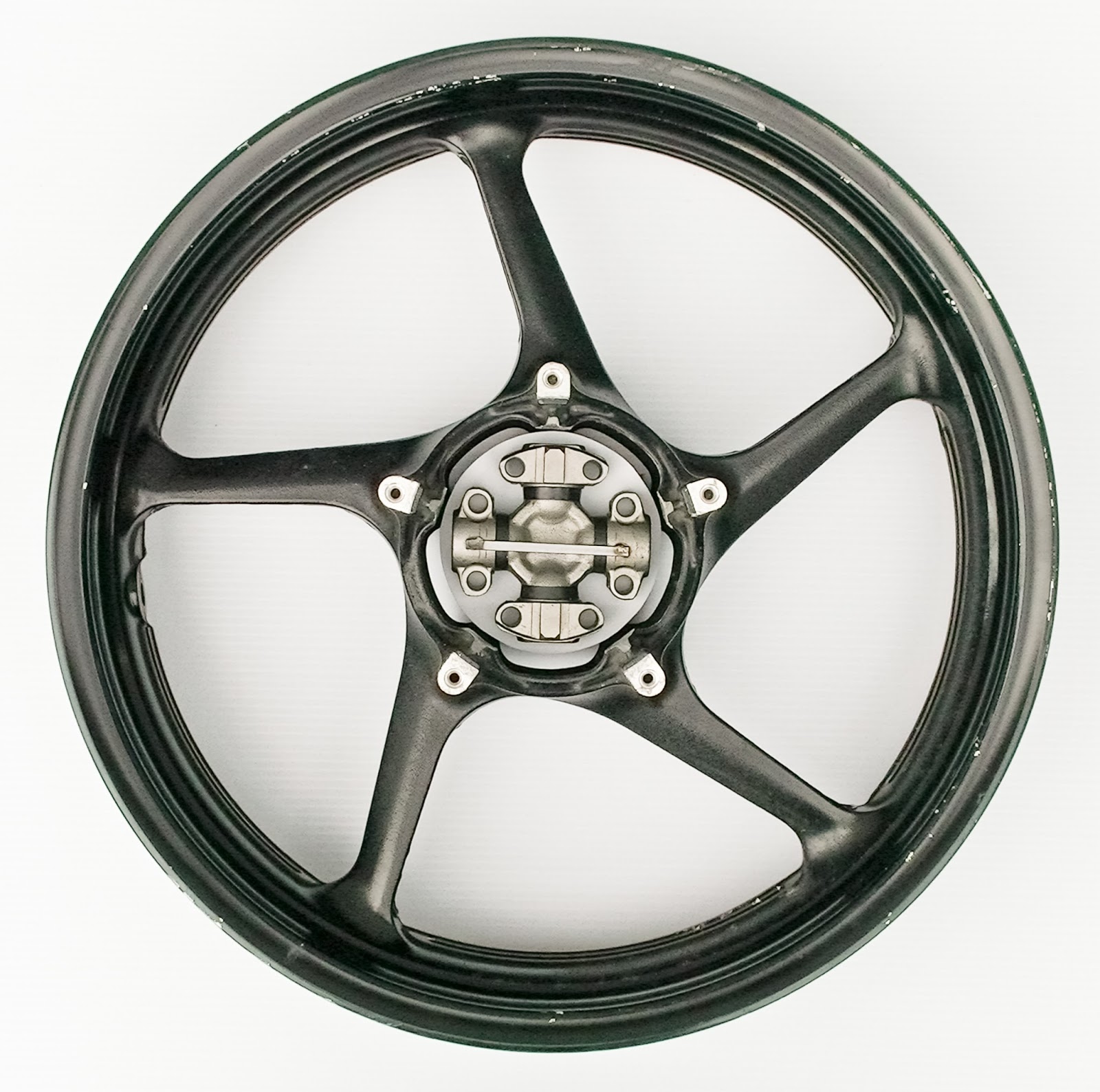
When? Not soon enough....
WINGMAN [ 26-May-17 10:44am ]
Ben Wilson
–
info@benwilsondesign.co.uk
07973 667 654
–
www.benwilsondesign.co.uk
www.wilsonbrothers.co.uk
–
Ben Wilson Design Ltd incorporated in England Company no 09698216 registered office unit 15-16 7 Wenlock road London n17sl
Posted by Ben.


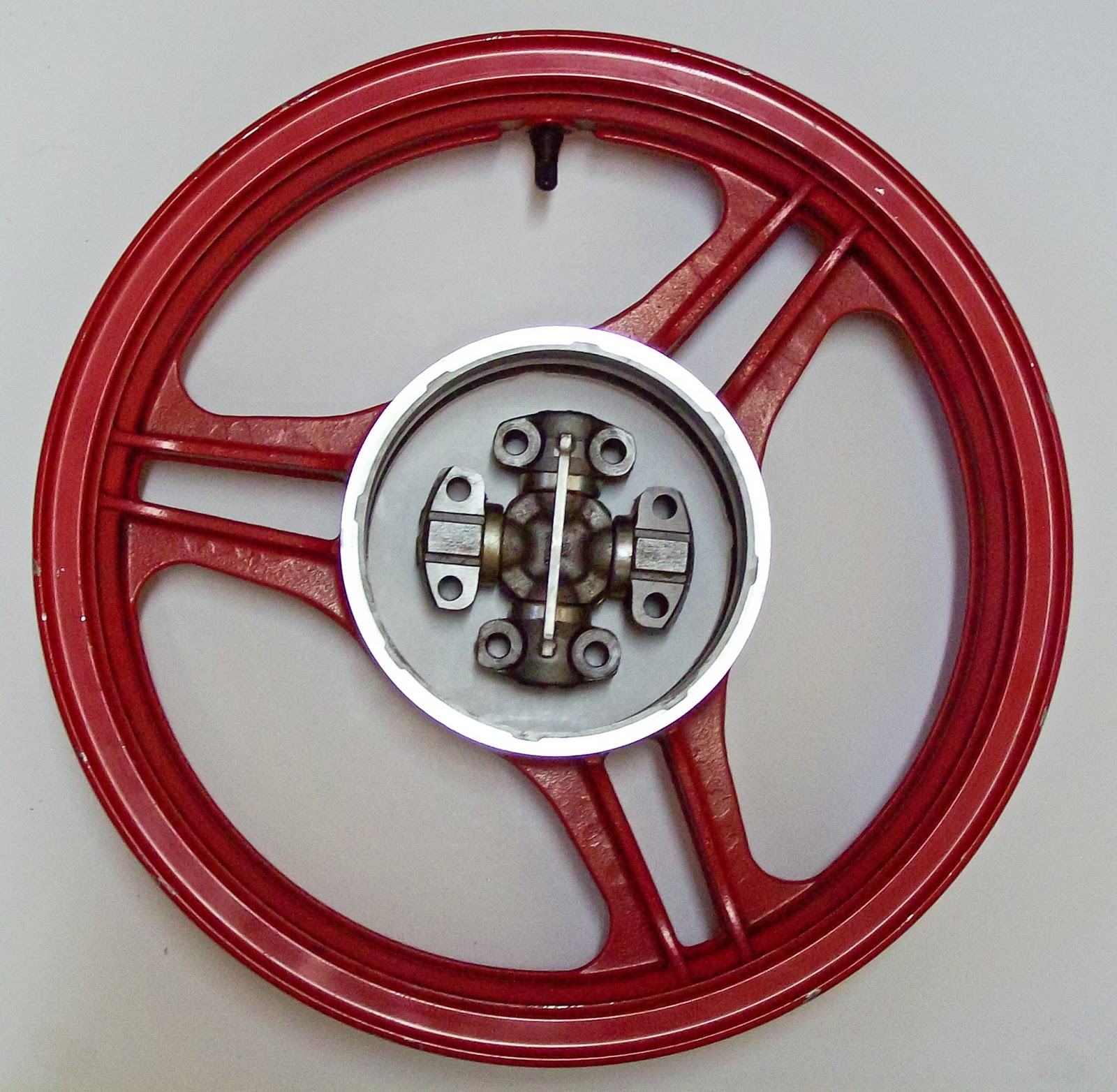
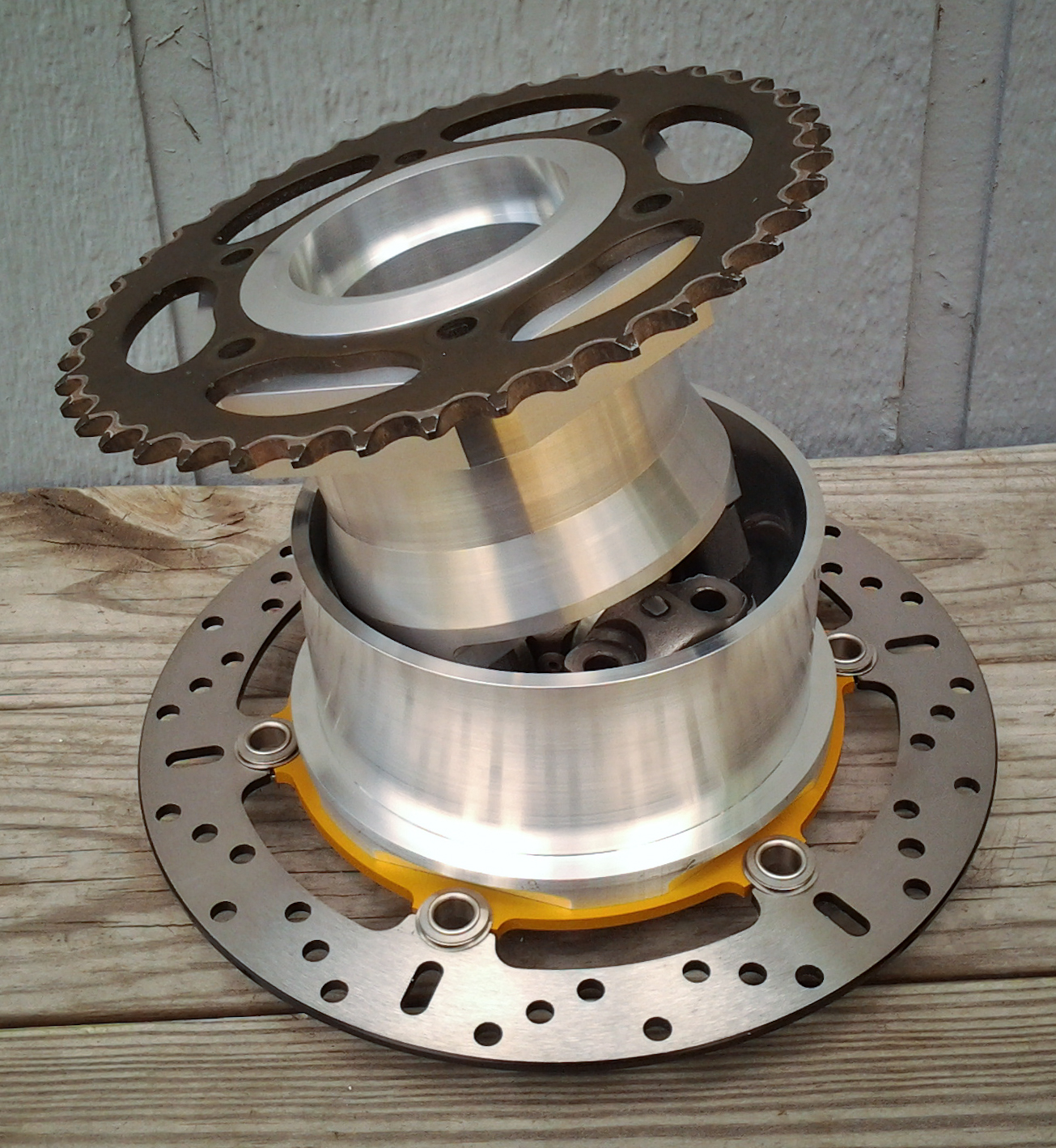
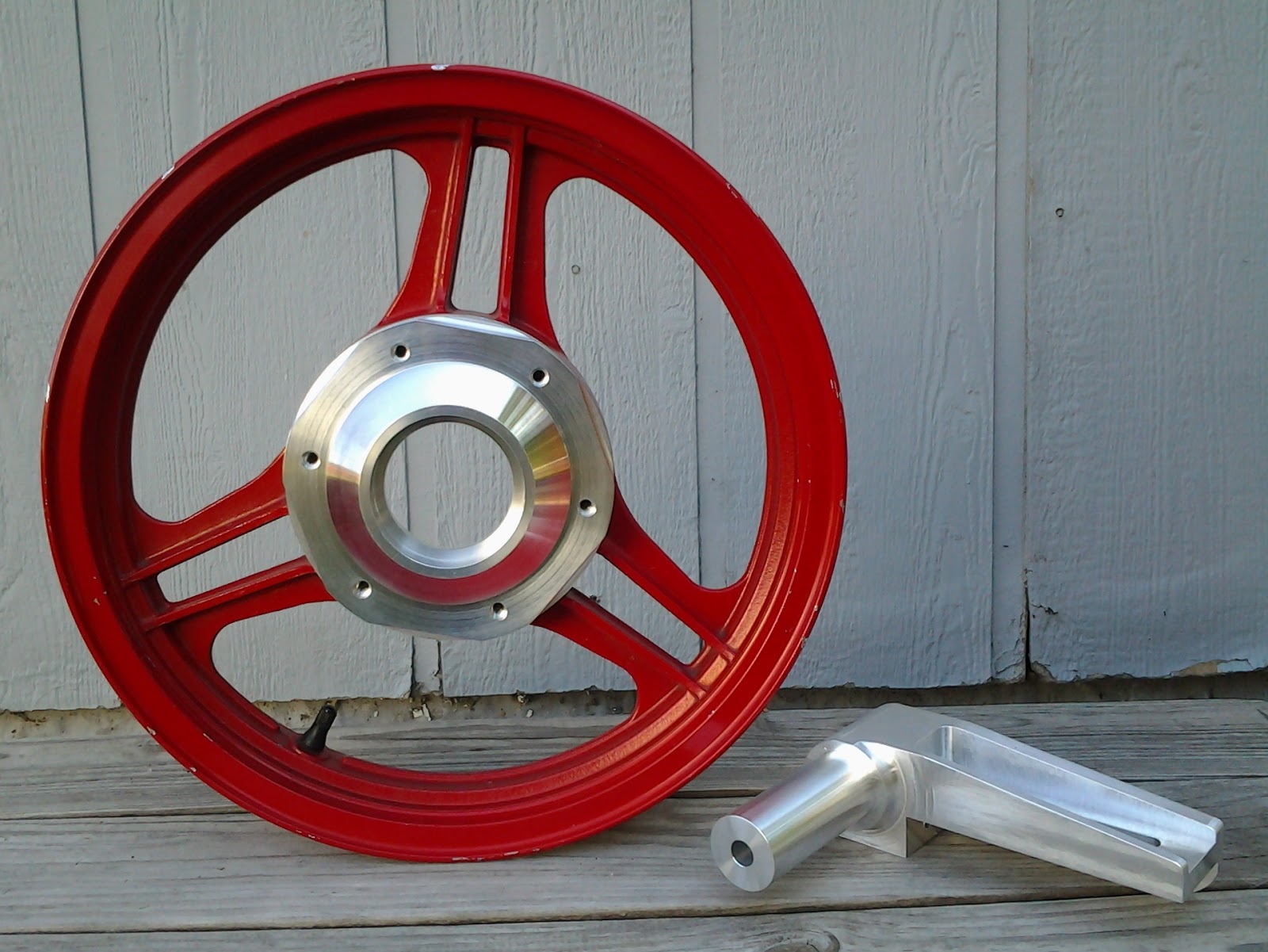
2WS With Split Hub Center Steering [ 21-May-17 8:33am ]Yes, steering geometry matters at the rear wheel as much as the front. A LOT of work was done to determine which geometry works and which doesn't. Instability from weaves, and speed wobbles with just the rear wheel, is no fun. That hasn't happened to this bike, but has happened with the electric one.
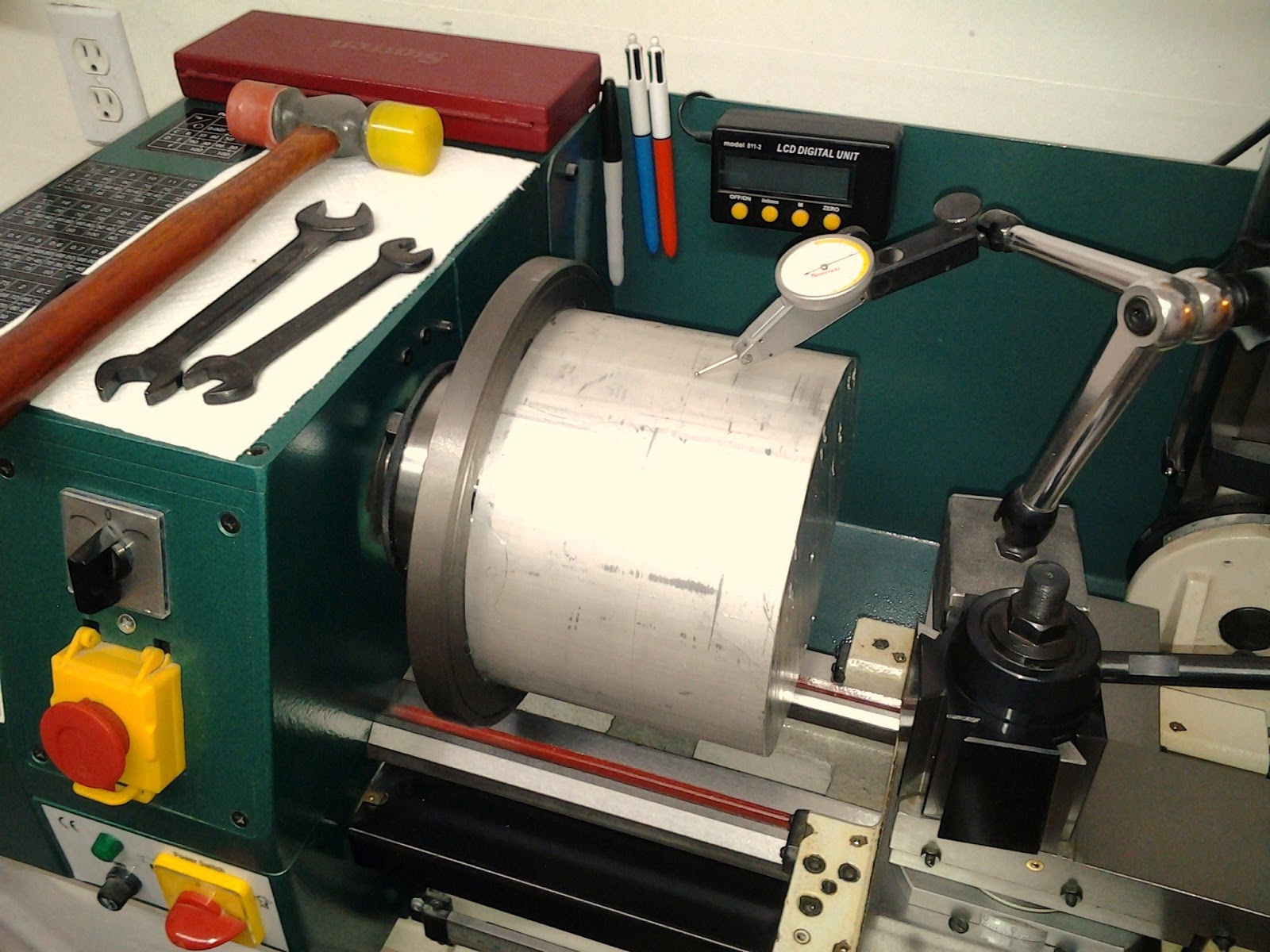
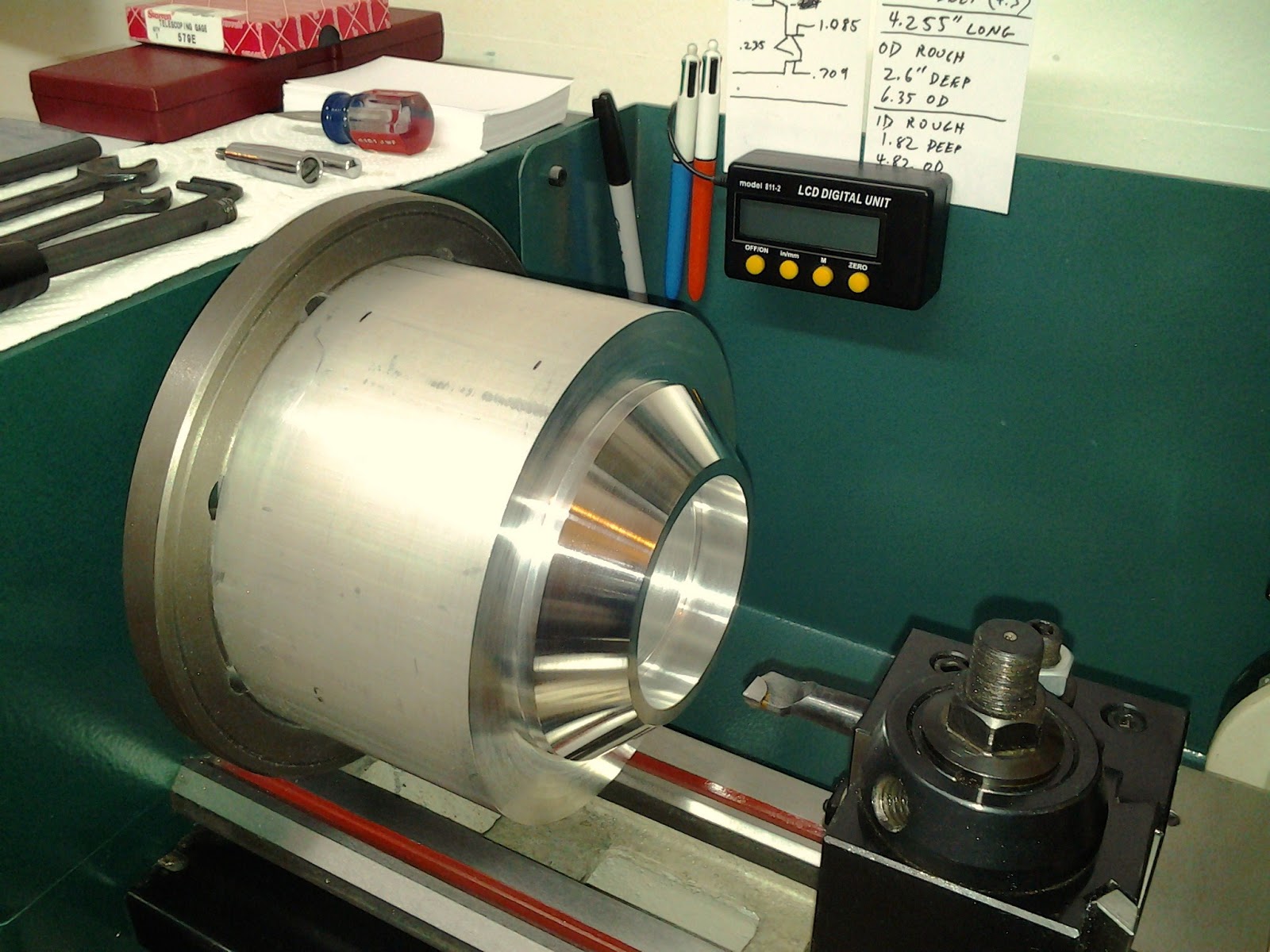
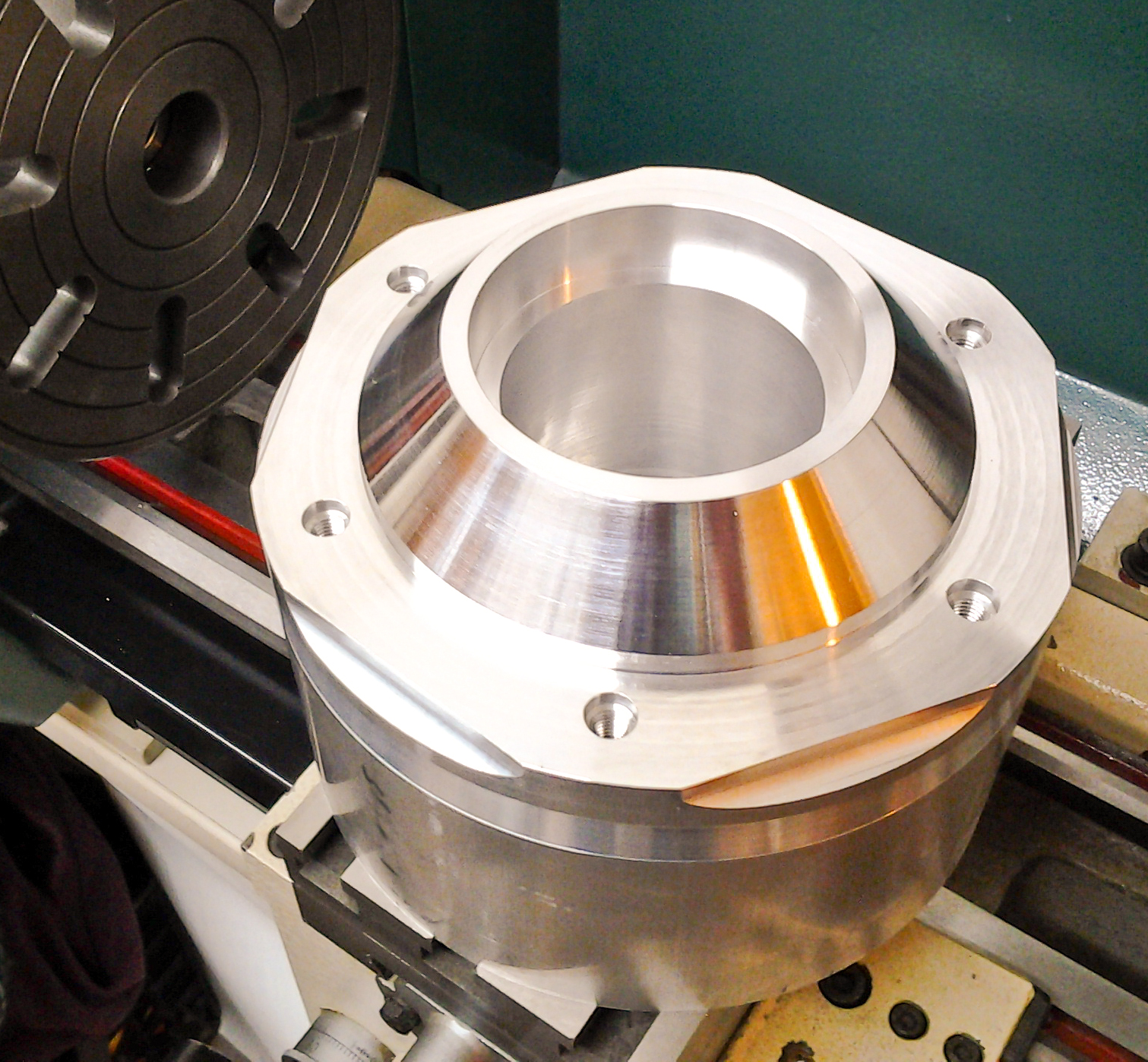
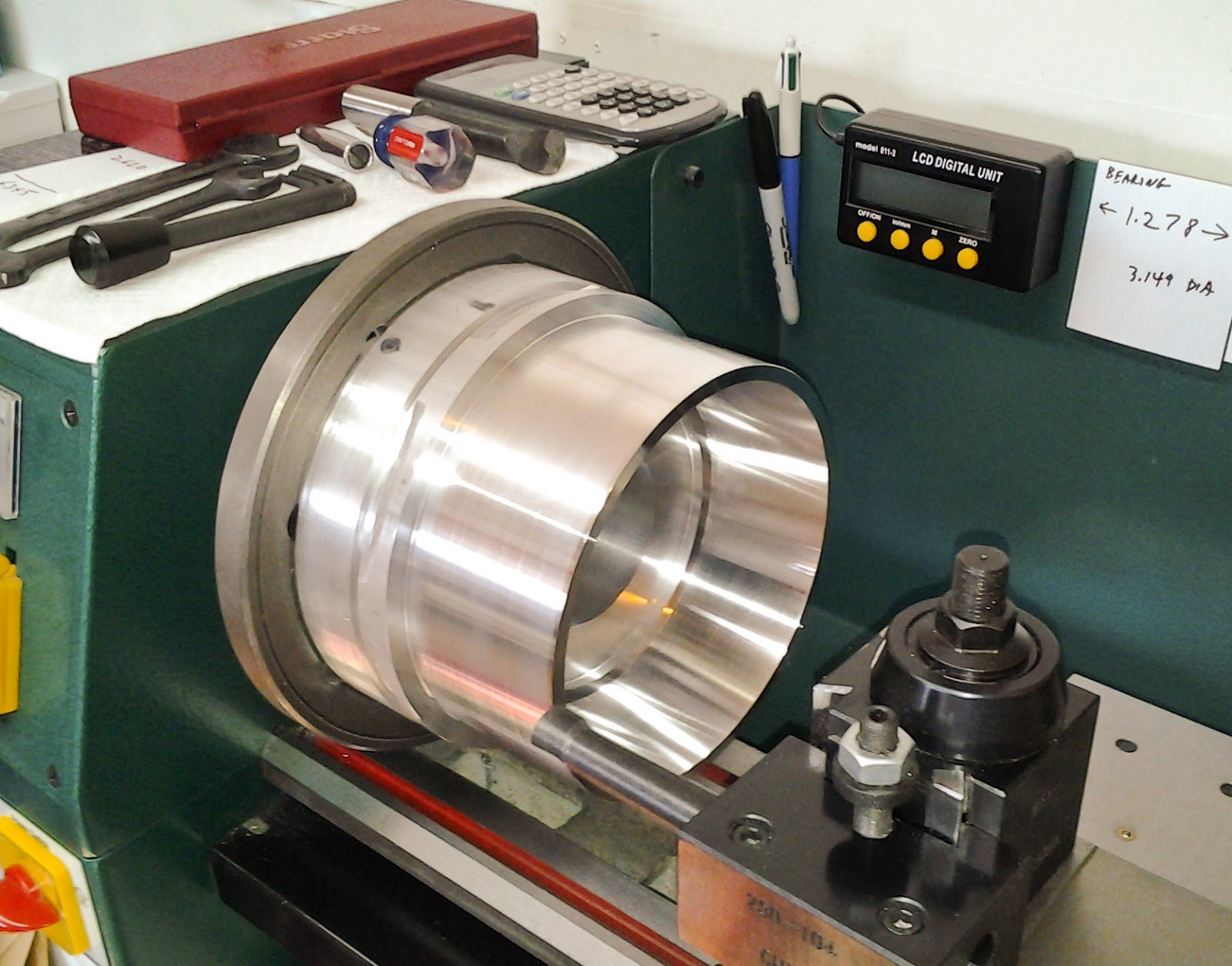
The drum brake rear wheel from the EX500 worked very well for this experiment. It is red because the donor bike came with a parts bike that had red wheels - no clever or creative aesthetics involved. The wheel was sent to Kosman Specialties to have the hub bored out back in 2009. That was the only machine work for this project that I didn't perform, since the wheel didn't fit in my lathe/mill.
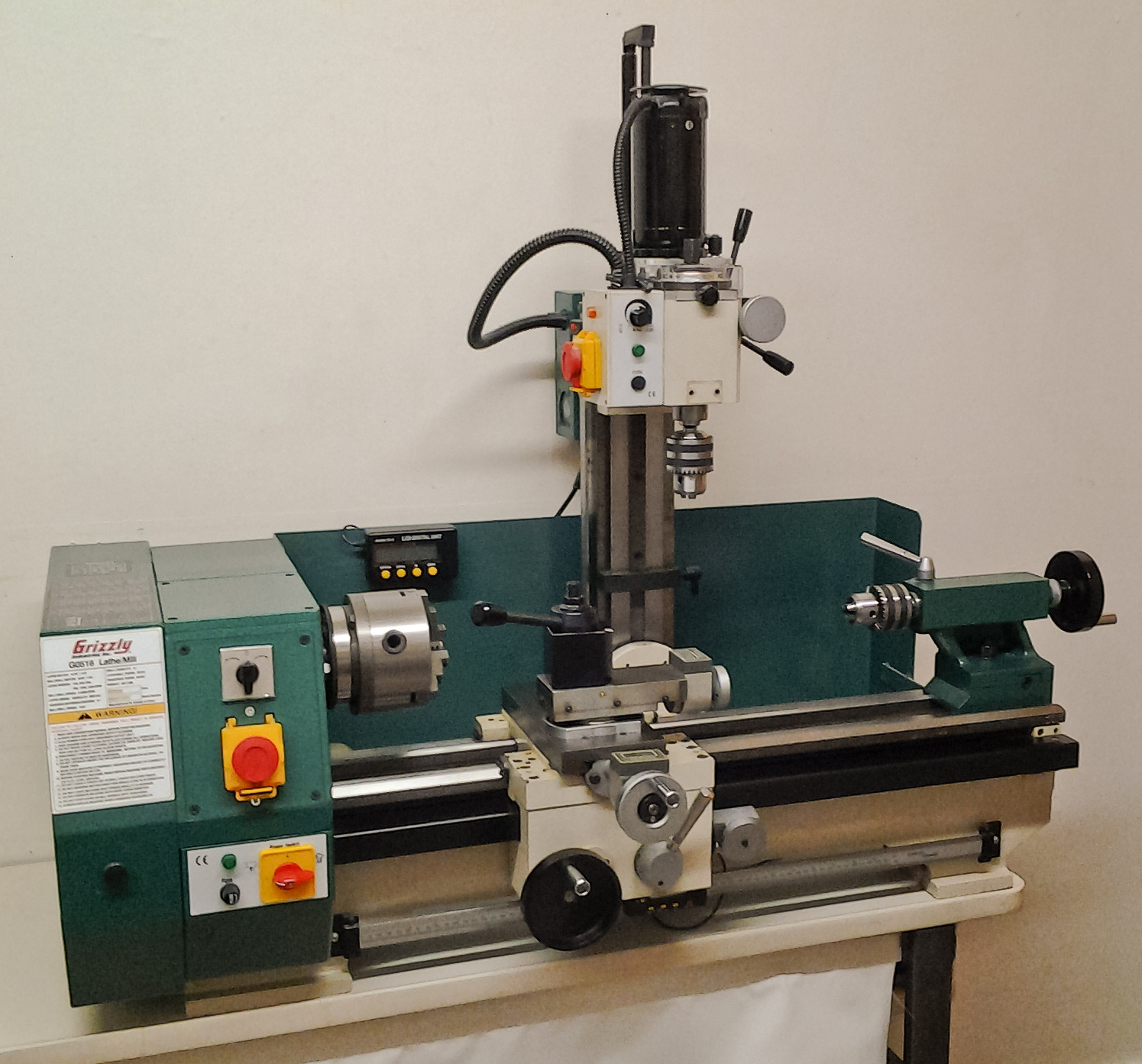
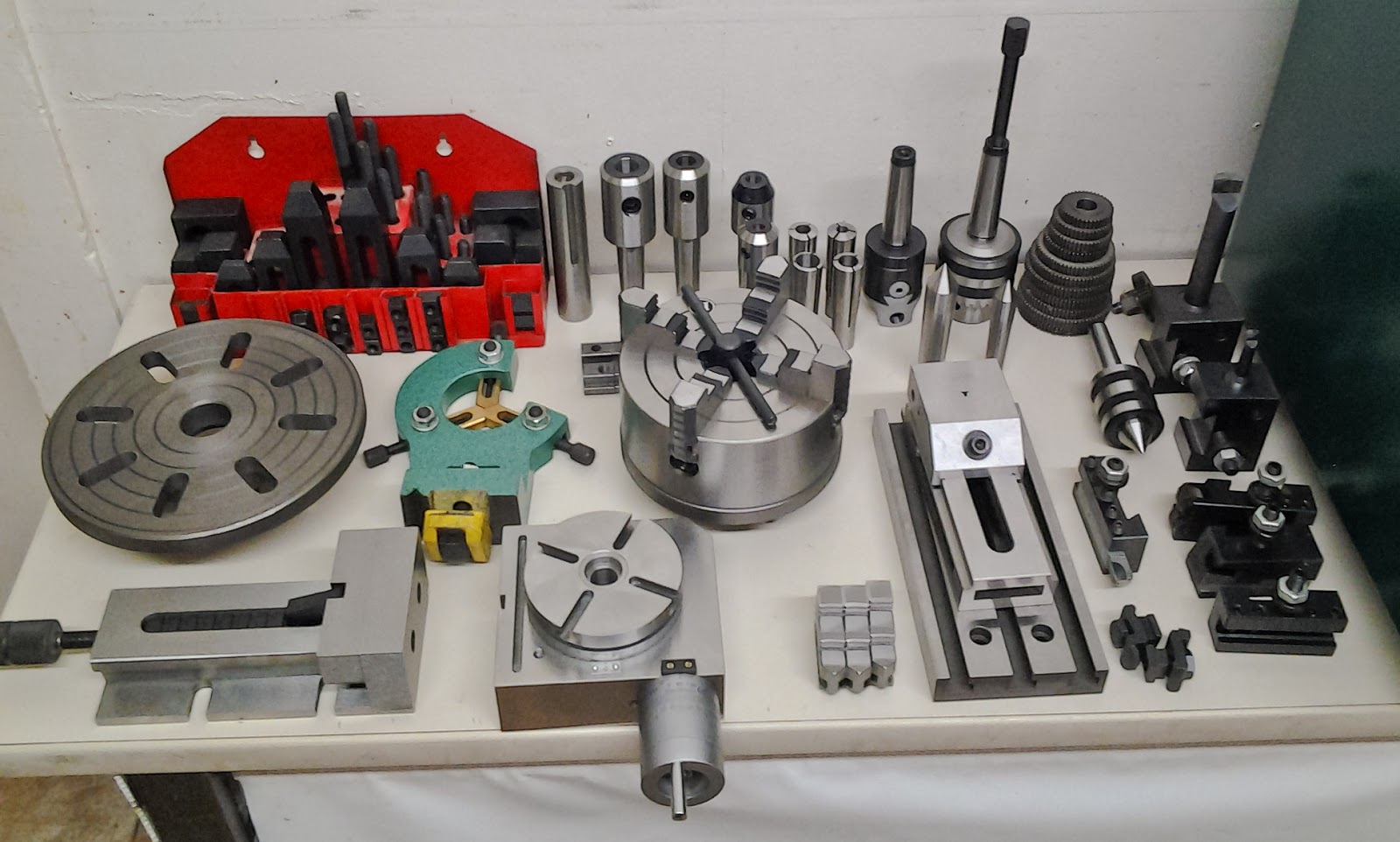
The rest of the machined parts came out of my Grizzly G0516 lathe/mill. I got a lot of good parts out of that machine, but it has since been sold. The next racer will need more serious machinery located in a serious shop, rather than my kitchen (Seriously!).

 OOOPS [ 20-May-17 7:40pm ]
Ben Wilson
–
info@benwilsondesign.co.uk
07973 667 654
–
www.benwilsondesign.co.uk
www.wilsonbrothers.co.uk
–
Ben Wilson Design Ltd incorporated in England Company no 09698216 registered office unit 15-16 7 Wenlock road London n17sl
Posted by Ben.


STILL RIPPING [ 20-May-17 7:39pm ]
Ben Wilson
–
info@benwilsondesign.co.uk
07973 667 654
–
www.benwilsondesign.co.uk
www.wilsonbrothers.co.uk
–
Ben Wilson Design Ltd incorporated in England Company no 09698216 registered office unit 15-16 7 Wenlock road London n17sl
Posted by Ben.


Fwd: W [ 20-May-17 7:31pm ]
>
>
Ben Wilson
–
info@benwilsondesign.co.uk
07973 667 654
–
www.benwilsondesign.co.uk
www.wilsonbrothers.co.uk
–
Ben Wilson Design Ltd incorporated in England Company no 09698216 registered office unit 15-16 7 Wenlock road London n17sl
Posted by Ben.


I had such a wonderful time living in Melbourne and I know it’s a period of being settled (by my standards), that I’ll always look very fondly upon. It’s amazing how much I managed to make my home and routine in a mere six months.
I feel really proud that not only did I manage the basics of moving to a new place, such as finding a job, a place to live and gaining an idea of the surroundings in a foreign country, but I also forged true friendships, joined and created community and was able to deeply follow my passion, giving me a great sense of achievement and possibility. Sometimes we need to put ourselves out of our comfort zone to remind us what we are capable of.
 The skyline of Melbourne taken from Northcote
Finding a balance
Striving to find a balanced and healthy lifestyle is something I’ve been continually experimenting with and honing over the past few years. In Melbourne I was able to create the most balance I have ever had.
It all starts with work…
Having lived resourcefully for over a year from savings, it felt good to earn money again and be able to pay for the lifestyle I wanted to have in the city. Since my dreams of working in a hippy paradise cafe had abruptly ended and money was running out, irregular cafe work seemed like less of an option. So I ended up signing up to some temp agencies specialising in office work knowing this would be the best way to save and comforting myself in that it would just be for a short while.
I was feel very grateful that I managed to get a temporary administrative role at the Department of Veteran’s Affairs. Working in the public sector felt good as the few days of work I had done for a Corporate before this role just didn’t feel right. It was a fairly easy job which worked for me at this time.
Admittedly it was extremely boring, pretty much just processing forms and writing letters but the perks were numerous – I was able to work 9am – 5pm, earn a decent wage that allowed me to save up (as the minimum wages in Australia is high) and have very minimal stress as I had very little responsibility. I would never think about work once I got home for the day.
The people were friendly and I appreciated that I could walk around the office in my socks and get up to make myself cups of tea without feeling clock watched. For the 5 months I did this job, that was ideal as I had so much space and energy to live a really fulfilling life outside of work.
 Melbourne City Centre
Remembering the magic in the world
I know people sometimes wonder how I can live such a lifestyle of uncertainty and not knowing what is ahead. I acknowledge there’s a lot of value in planning and working towards a goal, but sometimes there’s something special in releasing yourself to an experience to see what it brings you.
Somehow the universe has always provided me with what I have needed at the right time. By complete serendipity it turns out that I already had a friend from England living in Melbourne which made my experience of living there better than I could ever have hoped. I now had my wwoofer friend Kaitlyn from the blueberry farm as my room mate (yes sharing a bed to cut costs) and Kim, my friend from England.
Kim arrived in Australia just four months before me with his girlfriend Kiki. They’ve been in the process of trying to settle there through the work route as Kim has lots of family close by and was also drawn to the lifestyle. Kim and I had lots of mutual friends in London – we sung in a few choirs together, used to go on weekends away to sleep in a yurt and sing, but we weren’t what you’d call close. I was aware he had been planning to go to Australia but at that time I had not yet a clue that I would ever even go there and so it slipped my mind.
 Kim ‘gardening’ aka burning things!
It was amazing to discover from a friend that he was in Melbourne and to have such a connection drop seemingly out of nowhere. Meeting up with him was so easy, we already understood eachother and could pickup our favourite activities that we had done together in London. It felt like we’d been great friends for a really long time and we both appreciated the sense of home.
In addition, it meant I had an instant family base in Melbourne as he was living with his mum Avis who also welcomed me into their home with open arms and that was always a great joy for me. Their home felt very warm and comfortable and I loved helping out around the garden, eating dinner and being treated as part of the family. It also felt so familiar having that Englishness around me whilst living in Australia – no one makes a proper cup of tea like a Brit!
Life comes in cycles
Melbourne is a really cycle friendly city and it’s the only time I’ve enjoyed a traffic jam as it was one consisting of only cyclists and not drivers! It’s so heartening to me to see so many people getting to work this way and living such active, healthy lifestyles. My cycle commute to work was one of the most enjoyable parts of living in Melbourne, I felt so fit, from just doing my normal daily routine and not having to set aside time to do this. Kim could immediately tell me where all the best cycle lanes were and we had alot of fun going on bike trips to explore the city and surrounding countryside.
 A day of exploration in the sun – we cycled 80km from Lilydale to Warburton and back. Just an hour outside of the city
Music brings me home
I think that maybe music is my religion….. It’s the one constant in my life that brings me home to myself and makes me feel most connected to the world wherever I am. Bearing that in mind, being suddenly put in contact with Kim who has this whole shared history of the same songs, was really powerful.
We had so much fun meeting up to sing songs we had sung together in choirs in London and working together on songs with us singing and playing guitar to sing at open mics. I think it’s one of the most fun things ever for me to do. In a short amount of time we were invited to perform as a support act for a local choir and we were meeting up regularly to play. One thing led to another and before we knew it, we were setting up our own pop up choir to campaign for the creation of a national park around Melbourne that would end the disastrous logging – More on that in my next blog. This experience was particularly dear to my heart and is the closest experience I have had to feeling like ‘having a calling’ in life.
 Our Pop up Choir Singing for Toolangi on the steps of Parlaiment House
Nothing is ever perfect
That’s not to say it was perfect completely perfect but it was pretty damn good. For me finding a meaningful, enjoyable job that is not too high stress and earns a decent enough wage to live comfortably has always been the holy grail. I don’t think it’s impossible but perhaps I need to accept there are always to be some compromises ( I haven’t quite yet been able to).
My job was boring as hell and my saving grace was that all day (quite literally) I listened to podcasts and music, so I could still get a sense that I was growing through my work, but it wasn’t sustainable. By the end, it was quite a drag and one of my favourite songs by Martha Tilston about wanting to run across the office tables and feeling like a drone going to work, would regularly march through my head.
Bringing in an income
This might sound strange but it was nice to have some income again as my travel lifestyle has been funded by saving up and then when I am travelling living extremely frugally. I even just appreciated the fact I could afford to pay to attend a weekly yoga class in a nice studio, which gave me grounding, strength and flexibility as well as routine.
I was also really lucky to be able to live in some really cute neighbourhoods in Melbourne including Brunswick and Carlton North – both close to my work and with a great deal of character and life. I love the Victorian architecture, the amount of trees and green spaces and the cafe culture. One extremely unique thing about Melbourne is that there are still so many independent shops and businesses adding to the quirkiness and uniqueness. Also unlike a lot of Australia, Melbourne is a melting pot of diversity and is very open minded, liberal and forward thinking.
 Kaitlyn and I discover art on the way to finding a Sunday brunch spot
Melbourne is said to have quite a European feel and have some of the best coffee shops. I really connected with this. Especially when the weather is great, I’m much more drawn to waking early, being productive and spending time outside than to staying up and enjoying night life. This period of my life is the time in which I have drunk the least alcohol which for me personally I have found to bring lots of balance. Kaitlyn and I had a tradition of going for brunch at a different cafe every week which was so delicious, felt like a proper treat and meant we really made the most of the delicious food on offer.
We Brits love to talk about the weather
Melbourne is know for having ‘four seasons in one day’, but a more accurate assessment in my eyes is four seasons in one week. Located on the South of Australia, Melbourne is subject to weather influences from the cool sea combined with the heat of the North, depending on which way the wind blows.
In one week it could go up to nearly 40 degrees with humidity and then drop right down to 18 degrees the following day, with cool winds and rain. It meant the mantra ‘always be prepared’ really rang true. Some Australians I encountered found this a great source of annoyance, but for me it was a breath of fresh air compared with English weather. You really appreciate rain after the intense heat, yet it was comforting to know that a grey sky would never linger for too long and that soon I would feel the glow of the sun on my skin, one of my favourite feelings in the world. For fleeting moments, this warmth brings me to peace no matter what is happening.
Speaking of sun, there is a huge hole in the O Zone directly above Australia and you really notice the power of the UV rays. The sun feels all consuming and powerful. Suncream of factor 50 is a must during all these weathers as people are known to burn in just 15 minutes. One of Australia’s many dangers!
 Glorious sun, but beware, it’s easy to get burnt!
Quite the impression
Were visas not an issue and were Australia not on the otherside of the world, I think I could very happily live in Melbourne. However this is not the case!
I feel lucky that I got to experience this time in Melbourne and these friendships – I’ll miss these a lot. It’s hard to leave Melbourne as it felt so much like home but ultimately I know my time there was always limited and it’s exciting to have had a great glimpse of what a balanced and fulfilling home base can look and feel like. I look forward to bringing these elements into my future living situation.

 Playlist - April [ 01-May-17 10:01am ] Octo Octa [ 29-Apr-17 6:08pm ]
What on earth is an RCP? [ 30-Jan-15 11:35pm ]
Playlist - April [ 01-May-17 10:01am ] Octo Octa [ 29-Apr-17 6:08pm ]
What on earth is an RCP? [ 30-Jan-15 11:35pm ]If you're reading beyond the headlines about the recent climate change report, you'll quickly hit lots of references to emissions scenarios called Representative Concentration Pathways (RCPs). I'd heard of these, but they were different from the scenarios used in the previous reports by the IPCC in 2001 and 2007. Here's my summary of these scenarios based on an excellent guide by Graham Wayne at skepticalscience.com
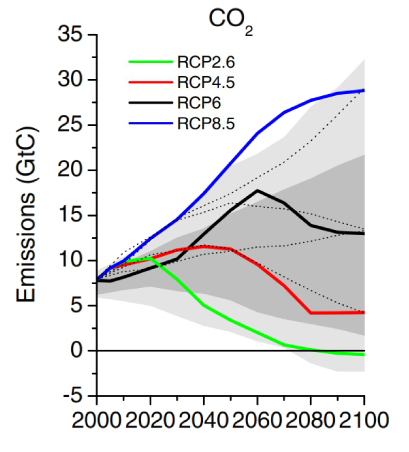 Figure 1. Global carbon dioxide emissions (gigatonnes of carbon per year) under 4 scenarios with different population and economic growth and climate policies (van Vuuren etal, 2011)
RCPs are scenarios that describe alternative trajectories for carbon dioxide emissions and the resulting atmospheric concentration from 2000 to 2100. They encompass the range of possible climate policy outcomes for the 21st century. By agreeing on a limited set of scenarios, researchers (especially climate modelers) can be more sure they are comparing apples with apples when conducting their research and communicating their results.
The RCPs describe 4 different scenarios based on different assumptions about population, economic growth, energy consumption and sources and land use over this century. Details can be found at skepticalscience.com or the source for much of Wayne's document ie van Vuuren etal (2011).
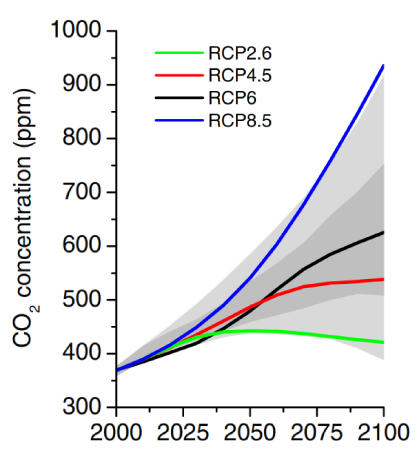 Figure 2. Atmospheric concentration of carbon dioxide (parts per million) under 4 scenarios
The scenarios are named after the level of "radiative forcing" that each scenario produces (measured in watts per square metre). While crucial to describing the mechanics of climate change, I've found that an understanding this term is not needed to comprehend the problem of climate change, its scale and its implications.
Notice how concentration continues to increase even after emissions slow and then drop. Carbon dioxide accumulates in the atmosphere and stays there for decades. Even if emissions start reducing in 2020, the concentration continues increasing and starts falling very slowly only after 2050. Understanding this relationship between our emissions today and the CO2 concentration experienced by our grandchildren is key to grokking the problem of climate change.
So now a brief look at each of the scenarios.
RCP 2.6This scenario might be described as the best case for limiting anthropogenic climate change. It requires a major turnaround in climate policies and a start to concerted action in the next few years in all countries, both developing and developed.
Global CO2 emissions peak by 2020 and decline to around zero by 2080. Concentrations in the atmosphere peak at around 440 ppm in mid century and then start slowly declining.
Global population peaks mid century at just over 9 billion and global economic growth is high. Oil use declines but use of other fossil fuel increases and is offset by capture and storage of carbon dioxide. Biofuel use is high. Renewable energy (eg solar & wind) increases but remains low.
Cropping area increases faster than current trends, while grassland area remain constant. Animal husbandry becomes more intensive. Forest vegetation continues to decline at current trends.
RCP 4.5Emissions peak around mid century at around 50% higher than 2000 levels and then decline rapidly over 30 years and then stabilise at half of 2000 levels. CO2 concentration continues on trend to about 520 ppm in 2070 and continues to increase but more slowly.
Population and economic growth are moderate but slightly lower than under scenario RCP 2.6
Total energy consumption is slightly higher than RCP 2.6 while oil consumption is fairly constant through to 2100. Nuclear power and renewables play a greater role.
Significantly, cropping and grassland area declines while reforestation increases the area of natural vegetation.
RCP 6In this scenario, emissions double by 2060 and then dramatically fall but remain well above current levels. CO2 concentration continues increasing, though at a slower rate in the latter parts of the century, reaching 620 ppm by 2100.
Population growth is slightly higher peaking at around 10 billion. This scenario assumes the lowest GDP growth of the four.
Energy consumption increases to a peak in 2060 then declines and levels out to finish the century at levels similar to RCP2.6. Oil consumption remains high while biofuel and nuclear play a smaller role than in the other 3 scenarios.
Cropping area continues on current trend, while grassland area is rapidly reduced. Natural vegetation is similar to RPC4.5
RCP 8.5This is the nightmare scenario in which emissions continue to increase rapidly through the early and mid parts of the century. By 2100 annual emissions have stabilised at just under 30 gigatonnes of carbon compared to around 8 gigatonnes in 2000.
Concentrations of CO2 in the atmosphere accelerate and reach 950 ppm by 2100 and continue increasing for another 100 years.
Population growth is high, reaching 12 billion by centuries end. This is at the high end of the UN projections. Economic growth is similar to RCP6 but assumes much lower incomes and per capita growth in developing countries.
This scenario is highly energy intensive with total consumption continuing to grow throughout the century reaching well over 3 times current levels. Oil use grows rapidly until 2070 after which it drops even more quickly. Coal provides the bulk of the large increase in energy consumption
Land use continues current trends with crop and grass areas increasing and forest area decreasing.
Climate forecastsWith this information on board I can try to make at least some sense of the forecasts included in the IPCC's latest report. Figure 3 below is a chart showing forecast temperature change under the best (RCP2.6) and worst (RCP8.5) scenario.
 Figure 3. Projected global surface temperature change under different emissions scenarios. Zero is set at the average of 1986-2005 levels (Figure SPM.7(a). IPCC Working Group I Assessment Report, Summary for Policy Makers, 2013)
If we get it together and emissions peak by 2020 and reduce to zero this century (ie RCP2.6), global temperature could be stabilised at around 1°C above levels in the late 1900's. The IPCC say it is unlikely (<33% probability) that the rise will exceed 2°C.
On the other, hand if we carry on as if there is no problem without even a slow down in emissions growth until late in the 21st century (ie RPC8.5) , the forecast outcome is not pretty. Temperatures are forecast to continue increasing and by 2100 and reach around 4°C higher than late 20th century levels. The likely range of outcomes for 2100 is approximately 3°C to 5.5°C higher.
While these projections are similar to those produced by the IPCC in 2007, the prospect of a +4° or higher world seems more possible or even probable now 5 years later. The colossal impacts and implications of a +4° or +6° world are better understood now than in 2007. The IPCC's Working Group II will release their report on impacts, adaptations and vulnerability in March 2014. I don't expect it to be fun reading.
ReferencesWorking Group I Contribution to the IPCC Fifth Assessment Report. Climate Change 2013: The Physical Science Basis. Summary for Policymakers (draft 27 September 2013) (pdf)
Wayne, G.P. (2013) The Beginner's Guide to Representative Concentration Pathways, Version 1.0 August 3013 www.skepticalscience.com
van Vuuren, D.P. et al (2011), The representative concentration pathways: an overview. Climatic Change, Vol 109, Issue 1-2, pp 5-31 Springerlink Open Access
why I care so damn much about climate change [ 19-Feb-14 7:15pm ]jdeboi.com & goCaptainPlanet.com
1. Katrina
Katrina hit when I was a junior in high school, flooding my home, my school, my city— rendering my family, like thousands of other families, homeless 21st century climate refugees. My hurricane experience was unequivocally the most emotionally traumatic, significant, and life-defining experience of my life to date. And the mental scars associated with watching my home and its citizens get swallowed alive by one of the most destructive natural disasters in American history is the reason I decided to study climate change and is the number one reason why I am so passionate about combating the climate crisis.
I could spend hours talking about this subject, but for the sake of holding your attention, I'm going to share just a few particularly vivid memories.
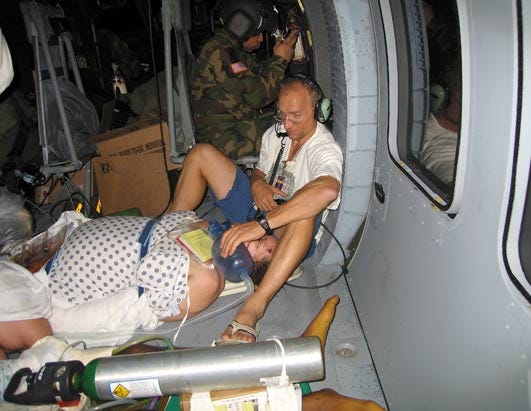
The first is about my father. As the Medical Director of the Intensive Care Unit at Charity Hospital, a public hospital and a long-time sanctuary for less fortunate New Orleanians, he had to remain in the city to keep the hospital running during the storm.
There were 11 patients in the Medical ICU at the time, 9 of whom were on breathing machines- all of them very, very sick. When the levees broke on Tuesday, the day after the eye of the storm passed, water rushed into the city, flooding the hospital and destroying the backup up generators. All of the infusion pumps, defibrillators, monitors, and batteries started to fail.
For four days, they were forgotten; they were left without food, without water, without electricity, air-conditioning,flushing toilets, or any way to communicate with the outside world. At one point my father had to perform surgery on a young man in the back up a pickup truck— without anesthesia— using a flashlight and a scalpel. And while they were struggling to keep their patients alive with limited resources, refugees from the city were coming to the hospital for a safe haven.
Here's a pic of my dad in a Black Hawk with a patient when FEMA finally showed up:
In the interest of time, I'll leave you with a link to the ABC story written about his experience.
Needless to say, I didn't hear from my father for over a week, a horrendously agonizing experience, especially when every news outlet was reporting rampant looting, and chaos, and fire, and deluge. I'll share a few more — I came back to New Orleans for the first time in November (the storm was in August). At the time, the national guard was only allowing first responder type personnel into the city, so my best friend and I had to hide under blankets in the back of her minivan while my father drove through the security checkpoint. We left really early to make sure we could get into the city. It was probably about 4:30 in the morning when we rolled into the CBD, and I pulled my head out from under the blanket for the first time. Here are some imagery bullet points:
- completely unlit skyscrapers; an early morning sky pocked with stars
- thick brown sludge coated every car, plant, surface.
- a desolate, sepia post-apocalyptic war zone; the only sign of life— National Guard trucks
- brown water marks circling every home like the rings of Saturn
- spray-painted neon Xs, a sign the National Guard had searched for bodies
- interiors: mold-infested, black oozy, smelly alien planets
There's one thing that no New Orleanian who returned after the storm will ever forget: the smell. I don't know how to do it justice. It's reminiscent of mildew or some other type of mold, but it had a faintly sweet scent- almost like pine sap. Or spoiled eel sauce- sweet and noxious at the same time. I'll stop there and finish with a conclusion:
Katrina gave me a truly visceral understanding of the destructive capacity of nature as well as the fragility of modern society.
And so senior year of high school when I learned that climate change had the potential to create more frequent and more powerful storms- storms like Katrina- I knew that combatting climate change was my calling.
2. Sandy
After graduating from college, I moved to New York City and started working for a software company. I had been there for about a year when Hurricane Sandy, the second costliest hurricane in US history, hit the East Coast.
If Katrina was my wakeup call, Sandy was the fire the under my ass. This "superstorm" marks my transition from environmentalist to activist.
I'll share a few Sandy stories that really hit home. I lived in Brooklyn, but I evacuated to my office building in SoHo- a trick I learned in New Orleans to prevent cabin fever (which was critical in New York since I lived in a tiny studio). When the lights went out Monday afternoon, I was afraid to be in the building by myself (and technically, I wasn't supposed to be there at all), so I decided to go across the street and stay with a coworker at his uncle's SoHo apartment. As a seasoned hurricane pro, I itched to experience the storm on the ground, and so at 10pm that night, as the storm made landfall on the coast of New Jersey, with sturdy boots and thick parkas my coworker and I ventured out into the city.
Exploring the southern tip of Manhattan as the rain and the wind whipped through man made glassy steel canyons, was oddly reminiscent of my experience entering New Orleans for the first time after Katrina. The streets of Manhattan- streets that never sleep, streets continuously packed with busy bodies, luminous advertisements, pungent smells and sounds— a deluge of stimuli— these streets were desolate; the starry steel skyline— completely black. Eerie to the core.
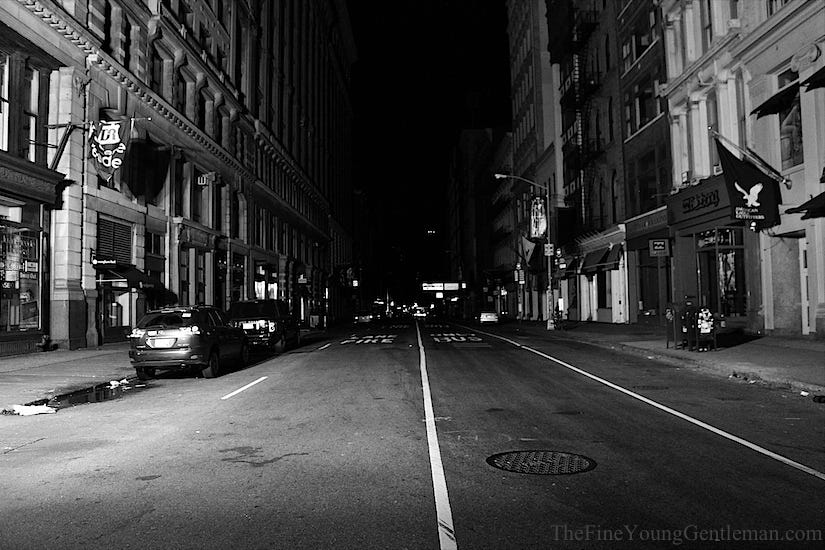
At that moment I realized a natural disaster had the power to render the world's most vibrant metropolis completely silent, empty, and lifeless.
But even more profound was the following morning's revelation. When we woke up on Tuesday there was no power, no internet, no cellphones, no way to communicate with the outside world whatsoever. We had no idea when the power was going to come back on. And we quickly realized that we had enough food to comfortably feed the group for one or two days, which was especially frightening considering the fact that most of the grocery stores were already empty. There was no leaving the city. The subways weren't running, and very few New Yorkers have cars. Even if we did have a car, it probably would have been easier to walk out of the city given the traffic insanity that would undoubtedly ensue.
And that's when it hit me: 9 million people trapped on a tiny rock without food, running water, electricity, or communication with the outside world. And I experienced, for the second time, the fragility of modern society; self-subsistence is a thing of the past. I felt certain that if all of New York City- not just the southern tip of Manhattan- had lost power for multiple days, the situation could have easily devolved into mass chaos.
Last story. While New York was in a limbo state (no subways or electricity or work), I decided to do some exploring. I walked around the tip of the island and up the west side along the Hudson River. When it was time to head back, I had to cross Lincoln Highway. Cars were barreling down the West Side at 40 mph, blazing through intersections DESPITE THE LACK OF TRAFFIC LIGHTS (which were completely defunct without electricity). The cars were traveling fast enough and the traffic was thick enough that one driver's decision to tread cautiously and politely through an intersection might actually lead to a massive pile up. So who's to blame?
So there I was, playing a very difficult level of human Frogger with no brake [pun intended] in sight. Several minutes later a pool of pedestrians had formed around me- all of us wondering how we might make it across the road to tell the tale. After five minutes, I was fed up (perhaps not realizing that East Coasters weren't accustomed to post-hurricane driving etiquette). I took a bold step into the highway, jabbed the palm of my hand at the windshield of an oncoming car, and stared the driver in the eyes. I felt like Moses parting the waters, and I got my people across. Why did I choose to tell this story?
For a second time I recognized that modern society's resiliency is diminishing while nature's propensity for destruction burgeons.
I was very upset after Sandy (and a little insane in the membrane), and to get some of these intense emotions off my chest, I wrote a letter to the American people:
3. New Orleans
4. I ♥ Science
academic background
- major: physics
- minor: Environmental Analysis
research experience
- organic photovoltaics— here's my senior thesis
- chemical and environmental engineering research at the University of Arizona
- studied lithium-ion battery technology for electric vehicles in the Advanced Technologies Division of Southern California Edison- one of the largest utility companies in the nation
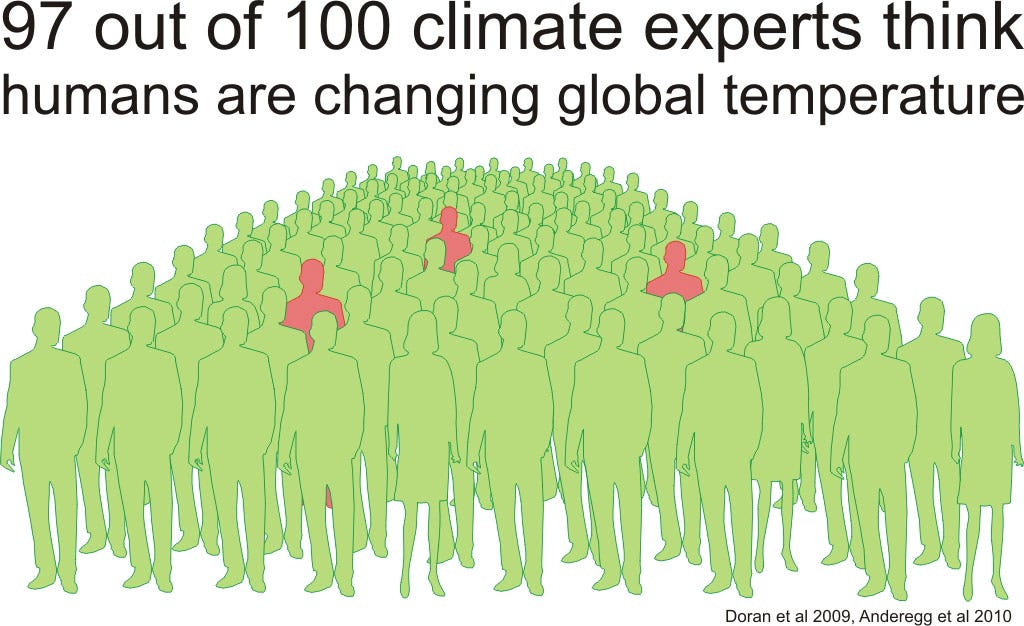 long story short: I love science; I heed science; the science is clear.
5. Hot Music Festivals
I'll keep this section short. I've had the same eye-opening experience at two very hot (>95° F) music festivals— Electric Zoo in NYC and Coachella in CA. It's blazing hot, lots of kids are on drugs, lots of kids are sweaty, and lots of kids need water. And here's the problem: these stupid effing music fests have 1 or 2 watering holes for thousands of people. The lines in the middle of the day are insanely long- about a 40 minute wait to get to a hose.
Let me say this again: it's 100°F. Lots of kids on drugs. Lots of sweating. HUGE WATER LINE. Everyone's a little bit afraid that the waters going to run out (probably irrational fear, but it's damn hot and the line's damn long), and eventually the bros get tired of waiting. So what do they do? Cut the line. Then guess what happens…fights.
In the water lines at hot music festivals I have witnessed the devolution of humanity, precipitated by the scarcity of a basic necessity: water.
Climate change means more frequent droughts and food shortages. Droughts and food shortages lead to unrest. Period.
6. BP Oil Spill
 Fishing with my pops
As a Gulf Coast resident who grew up fishing, hunting, and camping in the Louisiana marshes, BP oil spill, "considered the largest accidental marine oil spill in the history of the petroleum industry" (wiki), was a heart-wrenching, maddening reminder of dirty energy's detrimental impacts on our region.

The negative implications of the oil spill on Gulf Coast wildlife and communities were overwhelming. I immediately recognized the need to internalize the environmental and health costs of fossil fuels, which are enormous in accidents like this, and when considered, render renewables dirt cheap. So I'll conclude with one poignant question:
Why are we putting the very existence of civilization at risk for a filthy, finite, deleterious, and ultimately, uneconomic form of energy?
It's Like An Enron, But For Insurance [ 26-Jan-14 11:46pm ] Creative Commons (C) 2012 by flickr/atmospheric-infrared-sounderGet Rich From Climate Denial and Free Markets
Congratulations!
From your recent letter to the editor, I understand that you question the science proving human-caused climate change.
I have an incredible opportunity that could make you more wealthy than Bill Gates.
I meet far too many otherwise intelligent people who refuse to believe in human-caused climate change either because their politics or their religious beliefs lead them to deny it. If this is you, then you are missing out on billions of dollars.
Let me explain.
There is not even a single insurance company in the world which accepts the premise that climate change is fake. Every insurance company is raising rates or even completely pulling out of insurance markets like Florida and the United Kingdom which are known to have high climate risk.
There is a HUGE potential for a disruptive, start-up insurance company to enter those markets and undercut all of their competitors. If you are right about climate change, then you can be richer than anyone else on Earth.
Why are you still working at your menial job?
Are you brighter than the Oracle of Omaha? You are if climate change turns out to be a hoax.
The most successful investors on Earth like Warren Buffett and Prem Watsa became rich by running large insurance companies and investing their corporate treasuries on Wall Street. All of these leading Wall Street wizards made their business decisions based upon the belief that climate change is real and is caused by human activities.
If you are right about your belief that climate change is a massive hoax, then everyone else in the insurance industry is wrong. You know more than the six million Americans working in the insurance industry.
You are truly one in a million.
Your privileged information allows you to undercut your competitors on price and win markets they concede. If you are right, you could beat them all.
You could sell insurance at lower rates along the coastlines of every continent. In this way, you would win all of those insurance markets.
You could beat every insurance industry expert at their game if you're right.
Of course, I should add an important disclaimer.
If you turn out to be wrong, you will likely be jailed like Ex-Enron CEO Jeffrey Skilling.
If you are wrong, chances are almost certain that you will commit fraud to reassure investors and the media that your company was right about its bets. You would tell them that your company will remain solvent. It's human nature.
If you turn out to be wrong, your company will become so bankrupt from climate disaster claims that even an insurance bailout cannot save it. The claims will keep coming and will increase in size and volume.
If you are wrong, you will likely need to declare personal bankruptcy. Your mortgage will go unpaid as you languish in jail. No one will want to hire you again when you finally emerge from prison.
Are you willing to bet your freedom and your reputation for the potential to become insanely rich from your climate denial?
Or is this fantasy too hot to handle?
Park your igloo here [ 05-Jan-14 5:54pm ]I'm a bit amazed at the weather forecast for the next upcoming week. Could be one of coldest temperatures for an NFL playoff game. Lots of snow coming down? Oh, what about freezing rain and planes skidding off the runway?
When I was a kid, I had to trek a mile in the snow uphill, both ways. (When I left school, I had to walk to the public library to work, thus trekking up the hill again. Gotcha.) It wasn't so bad…
Yet, what about super storm Sandy? Or record hot temperatures in Australia last year?
Just to warp your brain a little more, the earth in 2014 was closest to the Sun…its perihelion…yesterday. Which really doesn't matter because its the Earth's axis tilt gives us our four seasons — not how close we are to a ball of flaming gas. Bet you didn't know that.
Don't think the global warming is causing this? According to NASA, it is. They also say—
This has been the result of the "Arctic oscillation" -- a see-sawing pressure system over the North pole -- that has driven cold air into more southern latitudes.
So, we're on a tilt, close to the sun, yet our weather patterns are like seesawing with a guy who's trying to throw you off because he's just a mean old bitch.
When someone says well, there's no global warming because we're freezing — I really have to ask…are you serious?
To help those who know what's going on, my suggestion today is to rename global warming as global chaos. Already in use by me for more than a year. Keeping calling it warming and I'll make fun of you—
Get the 75 SPF sunscreen and larger than life hats before they goes out of stock. Also get them wool sweaters purchased more because you'll be getting more bone-chilling winters for years to come.
After all, a little chaos is fun. Right?
Convincing Congress to Act on Climate Change [ 19-Dec-13 8:49pm ]Compelling arguments for Congressional climate change action were offered by Ernie Cohen in his Nov. 22 letter to the editor, but he omitted the strongest argument: Justice.
Scientists agree carbon dioxide emissions must be reduced to stabilize the climate and protect the long-term health and security of future generations, our children and grandchildren. However, cutting fossil fuel usage might hurt short-term interests of some businesses, investors, politicians, utility customers and trade associations.
Those with short-term financial interests in maintaining the status quo pressure Congress not to act, resulting in our children's long-term well-being unjustly compromised.
Is Congress biased against children? Of course, not. But we — parents, grandparents, nurses, doctors, teachers, clergy, firefighters, newspaper editors — must work harder to convince Congress the political will exists for equitable climate change legislation. Without demonstrable public support, Congress hesitates.
Become an activist
How can you persuade Congress that the political will exists? Attend marches to close coal-fired power plants. Protest pipelines. Divest. Or join me as a volunteer with Citizens Climate Lobby. We serve as a counterweight to paid, corporate fossil fuel lobbyists.
By writing letters to the editor, meeting with newspaper editorial boards, and visiting our Senators and representatives, we advocate for legislation for emissions reductions via energy efficiencies, the development of clean energy and other solutions the free market will support.
Our approach is straightforward, administratively easy, transparent, and fair. We want Congress to charge fossil fuel producers a fee based on the amount of emissions their products cause. Justice requires paying for one's pollution.
The government would collect the fees and send rebates to households so it would not be unjustly regressive, or drag the economy down by going into government coffers.
International effort
With an emissions fee, the private sector will shift investments into clean energy. The fee would also apply to imported goods to encourage international cooperation against climate change. Justice requires that nations work together.
CCL members understand that government will only protect us from climate change if we spend time studying the issue and informing our elected officials about optimal solutions. CCL has chapters nationwide, including Bridgeport, Providence and Boston. Please contact us for more information.
The Bible commands: Justice, Justice, you shall pursue. Justice must be pursued both by courtroom judges, and ordinary people, in the short- and long-term, for one's own family and others.
We might add: Justice must be sought in the streets and in the halls of Congress, for those already suffering from climate change droughts, rising seas, health impacts and severe weather, and for those at risk in the future.
Rabbi Judy Weiss of Brookline, Mass., is a member of the Citizens Climate Lobby
WEBLINK: http://www.norwichbulletin.com/article/20131202/OPINION/131209999/0/SEARCH
___________________________________________________________
If you like this click "Recommend" below. Thanks!
FALSE CHOICE AND CLIMATE CHANGE [ 08-Oct-13 4:54am ]I have come to believe that there is a false choice represented in the debate around climate change these days. On the one hand, we are told, we may choose environmental conservation and productive moderation. And on the other, we are told, we may choose social and ecological adaptation along with unfettered development. Either we keep carbon at bay and India and China languish, or we allow the World's populations to continue pursuing prosperity and bear the consequences of its externalities.
This analysis, obscured itself by the juvenile pre-occupation with the debate concerning the validity of global warming, obscures alternative possibilities that might preferably balance our valued commitments. Indeed, we need neither sacrifice ecological conservatism nor global prosperity.
Our attitude to China, as one example, is essentially this: if you want to deliver yourselves from poverty, you must devote yourselves to the production of endless junk that we over here do not actually need. Rather than collaborating to redistribute global resources and to harness the varied powers residing in your people, we'd prefer to relegate them to machine-like tasks for the time being, thereby subsidizing the cost of junk for us with a sacrifice in the meaning of individual lives by them. It is apparent to me that this cannot last; it is merely the most recent in a lineage of eager populations that we have mesmerized with the promise of development for a brief time. Once they have transcended the basic thresholds of industrial and urban life they, like we once did, will inevitably refuse to submit to this lifeless work.
The pollution assumed to inhere in China's development, in short, is unnecessary, but to obviate it would require the rest of the World's proposing an alternative path, one befitting the natural aspirations of a billion people who seek lives as full of opportunity, health, and nominal freedom as ours. Such an alternative would call upon us to sacrifice, but perhaps to sacrifice very little in the way of real freedom, real happiness, or real prosperity. It would mean that we perhaps think of our phones as more than disposable commodities. It would mean that we restrain our pursuit of bigger and bigger homes and cars, not by some arbitrary ascetic devotion but by a respect for what we know to be the limits of incremental gains in happiness. We would need to view the admission of the World's bottom billions into our modern digital community as a far greater realization of value than incessant, and incessantly disappointing, iOS upgrades.
As always, our choices are far more plentiful than the binaries that have ossified our discourse suggest. Those who advocate adaptation and those who advocate conservation ought to commit themselves to a collaborative and dispassionate accounting of the costs associated with different blended approaches, including more radical reorientations of the global economy of the sort that I'm proposing. Creativity, generosity, and imagination — paired with a reckless disregard for scarcity — can unlock a third path around climate and development that I am eager to embrace.
Mood J [ 27-Apr-17 5:06pm ] Baltra [ 27-Apr-17 5:00pm ]So exciting.
Beacon [ 27-Apr-17 6:54am ] No Moon [ 26-Apr-17 2:24pm ]
It actually leaves me confused, as I had already prepared to think of poststep as something that had run its course, and all that was left was to analyse the remains in further depth, figuring out what it was all about and why it didn't get the recognition it deserved. Now, the problem is even more complex, because this unexpected bouncing back seems pretty unprecedented - looking back at other golden ages, the pattern should be that once the rot has set in, it's only going to be diminishing returns from then on. Sure, slight resurgences happen, but only after the golden era is over - that's why it's resurgences, a conscious effort to keep the dream alive that pays off for a while. In retrospect, that's what something like breakcore was, and why it never felt completely convincing as a new development, and perhaps that's also what dubstep was until it unexpectedly turned into wobble and horrified the original true believers. With post dubstep, though, all the great new stuff coming out in 2016 felt like powerful, necessary unfoldings of developmental paths still far from exhausted, rather than attempts to keep poststep going through refining (like with early dubstep) or hybridization (breakcore). And who would try to do that anyway? If there's any "true believers" in poststep, they're rare, nonpartisan and probably has completely different opinions on what constitutes the great stuff and the golden age. But then again, perhaps this is exactly why the style was able to come back in 2016: It had no idea it was finished, because it wasn't even aware it existed in the first place. Which once again brings us back to the question of what the hell post step was and why it didn't get a whole generation exhilarated to be living through such incredible times, musically. Recently I've come further towards thinking this problem through, and hopefully I'll get around to writing it all down soon. Meanwhile, here's a belated "best of 2016" list - heaps of incredible stuff that everyone should own:
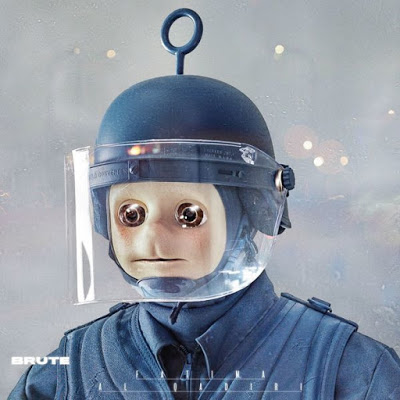
Fatima al Qadiri: Brute (Hyperdub)
In terms of formal innovation, Brute didn't add much to the style Qadiri established with the Desert Strike-ep, but instead it offered plenty of what you could call emotional innovation, creating a truly terrifying slow motion-vision of a world falling apart, permeated by supressed fear and violence lurking just below a surface of ghostlike exhaustion. Each time I listen to it, it seems to become more overwhelming and ominously prophetic. In a league of its own really.
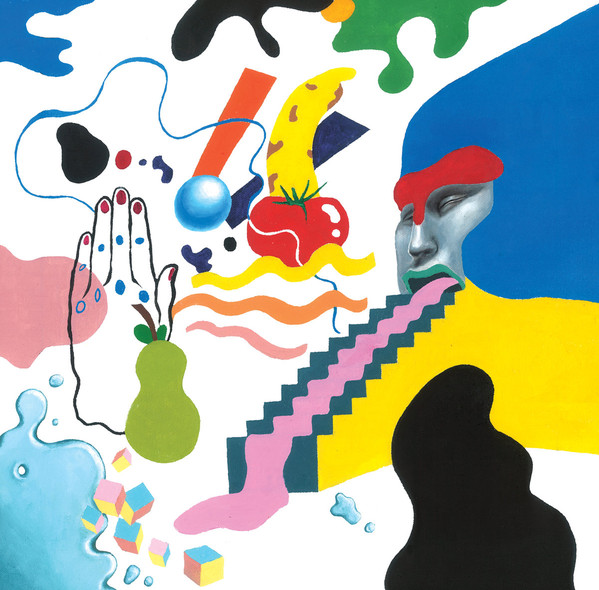
Foodman: EZ Minzoku (Orange Milk)
Also in a league of its own, but a completely different beast, this album exists in its own disturbing grotesque-comical unreality. At times resembling a swarm of cartoon microbes skittering about, writhing and mutating in a sonic petri dish, at times exhibiting an oddly compelling - albeit also thoroughly bizarre and alien - sense of groove and melody, but first and foremost simply not sounding like something a human mind could ever have created, or even imagined.
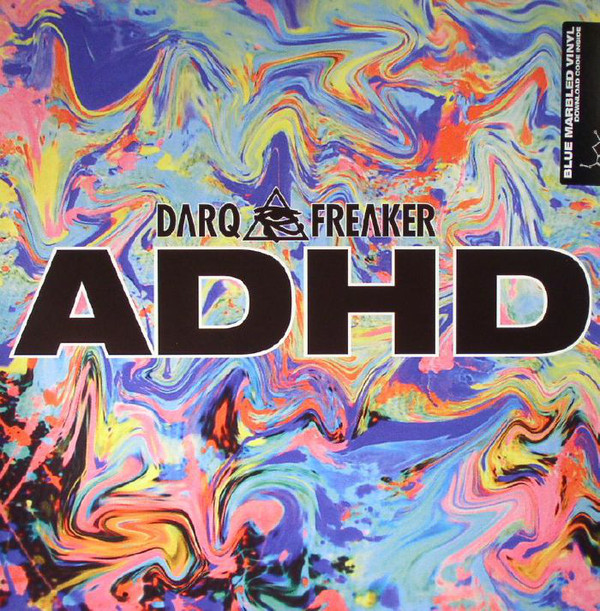
Darq E Freaker: ADHD (Big Dada)
Where most experimental grime is ethereal and atmospheric, this amazing EP twists and exaggerates all the most euphoric and deliberately synthetic grime elements into unrecognizable mutant shapes. As explosive, colourful and hyperactive as old Hyper on Experience-records.
Murlo: Odyssey (Mixpak)Every bit as original and relentlessly inventive as Darq E Freaker, yet also a completely different, much more playful and quirky take on hyper-coloured neo-grime. The melodic structures are as odd and unpredictable as they're catchy, and the overall sound is deeply inorganic in the most compelling way, like a virtual playground overrun by living, neon-coloured plastic toys - fascinating and slightly insidious.
Ískeletor: Lurker (Blacklist)To some degree working within a mini-tradition of raw and ugly experimental grime - where we have previously found Filter Dread, SD Laika and Acre - but also making it much more loose, loud and visceral. Refreshingly different in a year where most forms of post dubstep were dominated by polished digital sounds and shiny virtual surfaces.
Wwwings: Phoenixxx (Planet MU)Infusing cyber-maximalism with a weird sense of para-organic grittiness and unusual melodic twists - often making it downright catchy or touching -, Phoenixxx is simultaneously a disturbing reflection of a fractured present, as well as a deep sci fi-experience that sounds like rave music made a thousand years from now, by war machines faithfully continuing humanity's carnage long after humanity itself has been wiped out.

Amnesia Scanner: AS EP (Young Turks)In many ways inhabiting the same post human virtual space as Wwwings, but making it even more brutally mangled, at times almost doomcore-heavy, and at the same time taking it in a much more bizarre and surreal direction. Deeply fascinating in its utter strangeness and sheer originality.
Brood Ma: Daze (Tri Angle)As for gloomy cyber-soundscapes, Brood Ma was probably the purest and most fully fledged of 2016s many virtual maximalists. Perhaps not being quite as strange and forward-sounding as Wwwings and Amnesia Scanner, Daze nevertheless worked brilliantly as an integrated, atmospheric whole - claustrophobic, apocalyptic, and yet often surprisingly beautiful.
DJ NJ Drone: Syn Stair (Purple Tape Pedigree)Taking digital maximalism to the most abrasive, pummelling extreme, Syn Stair is pretty much an endless staccato structure of hydraulic stutter-beats and hyper-digital rave sounds processed into ear-slicing treble-terror. With only the slightest, most dysfunctional hints of melody or groove, this is one ugly, brutally inorganic record - and it's all the more fascinating for it.
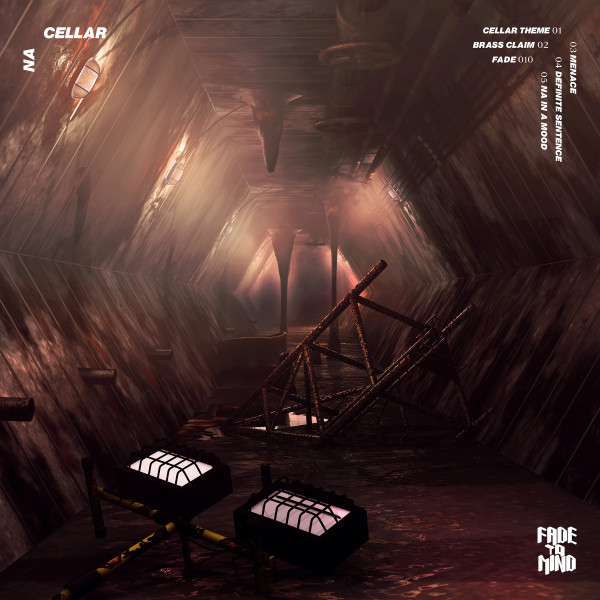
NA: Cellar (Fade to Mind)Appropriately named, this is dark, dank and slimy underground-tunnel-grime, at times recalling the gloomy imperial marches of early dubstep, or even PCP-style doomcore, but recreated fully within the current hyper-inorganic, cyber-maximalist aesthetic.
Halp: Polar (Golden Mist)Clearly building on the compositionally complex and subtly orchestrated ghost-grime of Fatima al Qadiri, but adding a hearty dose of the twitchy hydraulic rhythms usually associated with the Jam City/Brood Ma/Rabit-lineage of cybernetic maximalism. A very obvious hybrid, in other words, but one that works brilliantly.
Loom: European Heartache (Gob Stopper)Oscillating between crass, hyper coloured intensity and melancholic beatless ambience, this EP not only span the furthest extremes of experimental grime - it somehow also manages to make them complementary elements of a broader sci fi-vision.

Rushmore: Ours After (Trax Couture)Weightless trap and new age grime at its most floaty, airy and almost impossibly lithe. The affected emo-vocals of the title track are hard to stomach, but the rest of the album has just the right transparent, untouched-by-human-hand quality to give it a genuine - albeit discrete - futuristic sheen.
Yamaneko: Project Nautilus (Local Action)Consisting almost entirely of icy bleep-patterns glittering like pixilated crystals in an endless empty blackness, Projet Nautilus is as cold and bleak as the most puritan minimal techno, yet also inflicted with an original sense of abrupt, weirdly structured melody - the last traces of grime in what has now become something completely different.

Ash Koosha: |AKA| (Ninja Tune)Containing some of the most captivating melodic material of 2016, |AKA| often seems like a hybrid of "new synth" (Oneotrhrix Point Never et al.), glitchy EDM and dreamy indietronica. Still, it's all filtered through an entropic poststep-prism of digtial ghost sounds and disintegrating structures, creating a feel that is simultaneously contemporary and sort of timeless.
Lolina: Live in ParisThe kind of broken aural dreamscape that shouldn't really sound "new", using well known elements like messy rudimentary beats and minimally palpitating sequencers, manipulated samples and aloof narration. Nevertheless, it's put together in such a thoroughly weird and idiosyncratic way that it's almost impossible to describe, simply not sounding like anything you've heard before.
Patten: Psi (Warp)Combining a hazy sense of loss and sadness with blurry elements of rave and club music, Psicould perhaps be seen as belonging to the ongoing hauntological trend of "rave deconstruction". The actual result is a much stranger beast, though, like an AI trying to recreate what we used to think the future would sound like, based on assorted scraps and fragments found in decaying memory banks. Cod futurism gone so awry that it's actually sounding genuinely weird and futuristic.
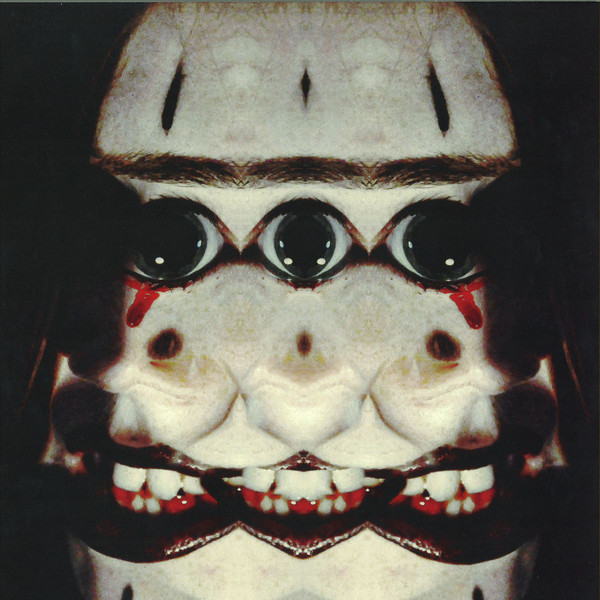
Sinistarr: Naine Rouge (Exit)Where most recent footwork mutations have tried to make the style more intricate and atmospheric, Sinistarr takes it in the opposite direction, back to the original raw febrility and then further into something even more weird and twitchy visceral, with the hackneyed ghetto clichés thankfully absent.
Zomby: Ultra (Hyperdub)Despite being perhaps a couple of tracks too long, Ultra contain lots of brilliant music, often pushing the patented Zomby-style in slightly new directions, and offering a bleaker, more splintered and icy cold take on the sound. Makes it clear that he's still a force to be reckoned with, and at this point perhaps the most enduring of the original poststep key players.
Debruit: Debruit & Istanbul (ICI) Usually Debruit's ethnotronic funk is bright and playful, but this time he's both darker and more introverted, and the sound more raw and organic (and, unfortunately, traditional) - which makes sense, given that it's a collaboration with a bunch of Turkish musicians, recorded on location in Istanbul. Intense and timely stuff, if perhaps not as uniquely Debruit-ish as before.
Moving to Australia [ 11-Apr-17 11:54pm ]The Working Holiday Visa
I wasn’t ready to return home after the amazing adventure that was California. I felt deep down in my soul that I wanted to continue to travel, be in beautiful surroundings and I wasn’t ready to leave my dear friend, the sunshine. Yet I was aware that my finances couldn’t support me for much longer to just travel. It was then I remembered talking to other travellers who had gone to Australia under the Working Holiday Visa.
It allows you to earn money there for a year (or two if you are willing to do some of the more arduous farming the Aussies don’t want to do) and if you are under 30. The bonus is that the minimum wage there is very high, it’s not so much of a culture shock and it’s fairly easy to save up money.
What better kick in the backside to actually go and do it than being 29 and it being the ‘last opportunity’. In all honesty there was never that much that appealed to me about Australia – I’m done with hanging out with 18 year old backpackers, drinking too much and sleeping in bunk beds in hostels, but the idea of living in one place for a while so I could get to know people and my surroundings, of working and establishing routine, of living abroad, that really appealed to me and felt exciting. Plus….it would be Summer in Australia. And so it all began to fall into place.
 The blueberry field at Duckworth – the site of many a story, inspiration and discussion that changed the course of a life
Plant a seed and watch it grow
I planted a seed in Kaitlyn’s head ( a 25 yrs old girl from Texas also volunteering on the farm with a super contagious smile and laugh). She’d mentioned to me she wanted to work and then travel in the future. I asked her ‘why not do both in one sweep, in Australia with me?’ I hoped me being an experienced, trustworthy traveller type might hold some weight.
Having made this fly away suggestion whilst we were blueberry picking, I walked off to empty my bucket knowing that she would be having an ‘aha’ moment of ‘this could actually happen’. Lo and behold, a week later she decided she was in. We’d only known each other maybe 2 weeks, but that’s farm time for you – one day feels like a week and you form really deep connections fast. The fact that my farm love interest would also be coming to Australia to work a few months after I arrived was another bonus, especially as I was really starting to fall in love (that’s a whole other story – maybe a novel!).
I was in luck – flights were cheap, Kaitlyn wanted to come and live with me and do the job hunt together, which I normally find super draining, but I knew having Kaitlyn by my side it would be great – we would make it fun. I had a few people I knew who had already done the working holiday visa who I could refer all my questions about working in Australia to.
Finding my hippy paradise
My flight was from Los Angeles to Brisbane in New South Wales where I headed as I had visions of getting some beachy, tropical vibes. There are some really cute, hippy towns in California and I had an image of me working in a super laid back cafe in the Australian counterpart by the beach in a surfer town. Byron Bay was the place that came to mind (I can’t even remember how) but that became my holy grail of Australia.
 My new home?
I arrived ten days before Kaitlyn which gave me time to scope it out. I realised quickly that although a great place for a holiday, Byron Bay was no longer a hippy paradise, but pretty commercialised – the hostels were really expensive, it would have been nigh on impossible to get an apartment there, especially on a cafe wage with irregular hours and I was surrounded by the kind of crowd I wanted to avoid in the hostel of teens, living in a 8 bed girls dorm.
So I quickly needed a change of direction, especially with Kaitlyn arriving in a few days. Mind you, I am not saying it wasn’t beautiful, there are some really cool spots to visit and nice sites, but I just really didn’t feel ‘home’. But I was infinitely grateful that Kaitlyn was with me, and we were in this together, that makes such a difference.
 A glimpse of Paradise in Byron Bay
That’s when I had to be flexible and adapt fast as I realised that being in a city would be the best way to save up some money fast. I was really getting close to the line, especially having had to pay for an unexpected ‘health check’ to be allowed entry to Australia – I had to pay to have a chest scan and health check in the US before I could be approved for entry as I had been in Asia for over three months and they worry about TB (it was all very last minute and stressful – another story in itself!).
City life wasn’t quite the easy going lifestyle I had envisaged, but beggars can’t be choosers and we spent a couple of days researching and deliberating between whether to move to Sydney or Melbourne. It’s so hard to know if you haven’t been somewhere where you want to spend the next 6 months!
 My two best friends in Australia – Kaitlyn & guitary
Ultimately we decided that although Sydney had the consistent sunny, weather and jobs for sure – it sounded very busy, materialistic, a bit more shallow. We felt that Melbourne sounded like it had more character – an arts and music scene, a cafe culture and Kaitlyn had some family out there.
So Melbourne it was based on not to so much information and a lot of trusting our gut! We made that decision and didn’t look back as Melbourne turned out to be an awesome experience in more ways than one. A huge part of that was forming my friendship with Kaitlyn – finding a home, job and sharing a room (even a bed!) to save up money and discovering new places together. So Kaitlyn thanks for being you and being so easy and fun to be with!

 Keysound Rinse FM March 2017 show ft Ganesa [ 01-Apr-17 12:48pm ]
Next stop....Prime Minister! [ 23-Feb-17 10:12am ]
Keysound Rinse FM March 2017 show ft Ganesa [ 01-Apr-17 12:48pm ]
Next stop....Prime Minister! [ 23-Feb-17 10:12am ]Engineers are trained as problem solvers. Something is broken and needs fixing you call an engineer. Need to find a way to manufacture a new product, then an engineer can turn your ideas into reality. Building a new fancy glass office block, then it is the engineers that turn it into something safe and habitable. It is the whole mindset of thinking through problems from all angles and finding an actual solution, not just talking about it.
So lets pull away the safety nets and move aside the politicians, and see what kind of manifesto we can come up with that solves our problems rather than skating over the issues or making them worse.
Having recently watched the brilliant film "I, Daniel Blake", a moving portrayal of the workings of our benefits system and the struggles of those for whom it should be a lifeline, this has to be the place to start. The words of Daniel Blake describe the current benefits system pretty well.
"It's a monumental farce isn't it. Looking for non-existent jobs and all it does is humiliate me."
1. Provide a basic income to all residents of the UK.
It seems vital to me to value every single person, whether they are rich or poor, working or unemployed, young or old, sick or healthy and just provide a security net for everyone. I don't want to walk round town and see homeless sitting in the doorways, neither do I want children to be hungry or the elderly to be cold. These are all signs of a failed system. Isn't this what the welfare system is supposed to be eliminate? But it does it in the most complicated and degrading way possible, and many people seem to be falling through the net.
How simple would it be if everyone was entitled to £100 a week, £200 to cover rent too. (I am just using rough figures here) Everyone could understand that - one figure for every man woman and child. Cutting out the bureaucracy will make huge savings and reduce time and worry for those involved. I am talking about scrapping tax credits, housing benefit, child benefit, disability living allowance, income support, incapacity benefit, jobseekers allowance and council tax benefit to name just a few. The saving in paper alone would be incredible, let alone the man hours wasted on form filling.
Job centres would become skills centres, and everyone would have a choice whether to live on a basic income and have the freedom of time to raise kids, grow vegetables, study, paint masterpieces, or to get a job. The jobs then would have to pay more than the minimum wage and treat the workers with respect otherwise no one would want to do them. I am fairly convinced that most people would still choose the job option, but the key here is choice and respect.
This is not a new idea, but one that the Green Party promote and has already been trialed around the world, including in parts of the Netherlands and US, with generally positive results for peoples health.
Of course it would also require a simplification of the tax system too. Our current system allows big corporations such as Amazon to dodge tax through legal loopholes. The ethical consumer has a long list of other companies that play the same games. Clearly our tax system is way too over-complicated and, as far as the job of making sure taxation is fair, it is clearly broken.
2. Tax income not profit
Is this so obvious that I am missing something? Workers pay income tax in the UK - that is currently a basic rate of 20% of the money they earn. There is no option to reduce your declared income by taking out your running costs of energy bills, mortgage payments and childcare fees first and just being taxed on what is left (your 'profit'). Yet this is how corporations are charged tax. They generate an income, then employ accountants to discount as much of that income as they can, then transfer the remaining 'profits' to a sister company in a tax haven, so that the actual tax paid is minuscule. According to an article in the guardian Amazon paid only 0.1% tax on their £420 billion revenues in the UK for 2013.
This is a lot easier to track - that any sales in the UK generate tax in the UK, no matter what tax haven the company is registered in. I would just love to see a tax system that everyone can understand at first glance like this. Even with a tax rate of just 1% of all revenue in the UK - that would still mean companies like Amazon paying 10 times what they currently get away with. Neither do I believe that 1% would be high enough.
You may say that higher taxes would drive companies like Amazon away, but before they arrived on the scene the same services were provided by hundreds of smaller businesses, from small bookshops to places like Woolworths. Giants like Amazon have changed the shape of our high street whilst depriving our government of taxes. Smaller businesses who pay their taxes (and generally employ more people), need to have a level playing field. Making the tax system a lot simpler would encourage and sustain more start up businesses.
You may think that we have this tax already in the form of VAT (Value Added Tax) on most of the products we buy. But to my mind the VAT ends up being another tax on the individual when they buy a product. For instance if you buy a new kettle, 20% of what you are paying is VAT, a tax that has been added on top of the original price. If Amazon buy a new kettle for the board room, they get to claim the VAT back, by deducting it from the VAT they have already collected from their own sales. In essence companies don't pay any VAT they only charge VAT - it is just another tax for us mugs at the bottom.
The list below shows the UK governments income from tax for 2013/14 from the Economics Help website.
Type of tax Revenue £ million Income Tax 156,898 32.0% NICs 107,690 22.0% VAT 104,718 21.4% Corporation Tax 39,274 8.0% Fuel duties 26,881 5.5% Alcohol taxes 19,986 4.1% Stamp Duty Land 9,273 1.9% Capital Gains 3,908 0.8% Inheritance tax 3,402 0.7% Shares 3,108 0.6% Insurance premium tax 3,014 0.6% Air passenger duty 3,013 0.6% Betting + gaming 2,098 0.4% Landfill Tax 1,189 0.2% Petroleum Revenue tax 1,118 0.2% Climate Change levy 1,068 0.2% Tax Credits -2,743 -0.6% Total HMRC receipts 489,850
Top is income tax, paid by individuals based on their earnings. Followed by NICs (National Insurance Contributions), partially taken from the employees earnings and partial paid by the employer based on the employees earnings, but it is essentially a labour tax on individuals wages. Then comes VAT which I have already demonstrated is only paid by individuals and micro businesses that are not VAT registered. So already 75% of tax revenue is gathered from individuals, but then comes Corporation Tax at a paltry 8%. If we can afford to pay all that tax from the wages we receive from these companies, then their income must be vastly more, yet their contribution considerably less.
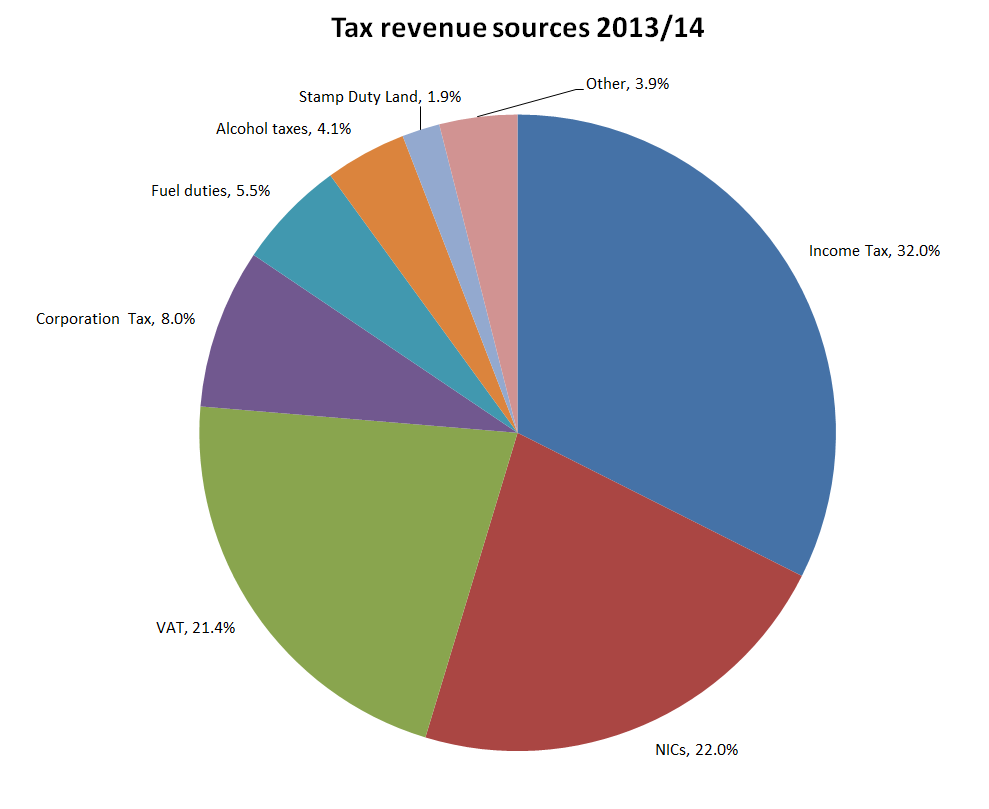
The whole tax system currently benefits the big companies over small businesses, at the expense of individuals. I say turn it on its head, so that all businesses pay the same percentage tax, with no discounts or benefits for the companies that can afford the most accountants, or that use tax havens. Are you with me on this one?
And while we are discussing money I would like to be sure that the finance sector don't continue to abuse their power either....
3. Remove the power to create money from the banks
This is best explained by Positive Money, who have created a whole series of snippets explaining how money is created by the banks every time we take out a loan and why it is so bad for 90% of the population.
In essence when your bank approves you a loan or mortgage they type the numbers into their computer, thereby creating the money for your loan from thin air, and then proceed to charge you interest on it for the next 5 - 25 years. It is a genius scheme to make money from nothing, no wonder their profits are so high (although obviously their profits for tax purposes in the UK are abysmal). There is no pot of grannies savings that you are borrowing from, this kind of banking went out the window with the dawn of computers and the removal of the gold standard by Nixon in the 1970's. The only thing holding the whole system up is our belief, which is probably why they are constantly measuring 'consumer confidence'.
Imagine if that money creation potential is taken away from the banks and given to the government. The money could be created to build hospitals and clean energy systems, providing jobs and improving services. The trouble is governments don't tend to think long term either, so an independent group is needed, that isn't under the influence of bankers or politicians, and this is what Positive Money propose.
Lets have money creation controlled by an independent group, not the banks, who's only motive is increasing their profits. They really aren't interested in whether the economy is stable, that the austerity measures are hurting the very fabric of society or that people are overwhelmed with mountains of debt. The money created can then be used to fund services and infrastructure, rather than to create investment and housing bubbles.
Phew! Just 3 policies that would deal with some of the fundamental issues underlying the fabric of society. Please let me know if you can see any flaws or have some more policies to propose to deal with some of the big issues that the politicians skirt over or ignore. Debate, discussion and differing opinions is very welcome, though personal insults won't make it through my approval.
Please take from this that there is hope. It is possible to defeat the life-sucking 'dementors' of poverty, austerity, greed, inequality, homelessness, debt and environmental destruction, and the solutions really aren't that drastic or impossible to imagine.
Plastic waste [ 09-Feb-17 10:14pm ]It is devastating how little respect we have shown for the ecosystems that support life and the other creatures who share our planet. I am as guilty as anyone of enjoying this convenient disposable lifestyle. Just because I put some things into the recycle bin, it still doesn't make my waste Ok.
So immediately I signed a petition or two, but this really isn't going to cut the mustard if we want to prevent a whole pod of whales dying from our plastic rubbish. And it isn't just whales. Surfers Against Sewage state that
Over 100,000 marine mammals and over 1 million seabirds die every year from ingestion of and entanglement in marine litter.
So I went to the supermarket with my bundle of canvas bags for my shopping, and marvelled at some of the beautiful shopping bags people were using since the 5p charge for carrier bags took effect. This has definitely been a positive change, but it was delayed for far too long. Several European countries had taken action more than 10 years earlier, Ireland being one of the first. 90% of consumers in Ireland switched to reusable bags back in 2002, so their waters would be much safer for marine life..... if it wasn't for England 'sharing' their plastic waste. Whoever pollutes the sea, creates a problem for everyone.
At the checkout I was offered a free carrier bag to pack my already plastic wrapped meat products in. I have been accepting these bags recently, because it is virtually my only source of bags and I use them as bin liners. I really don't want to start buying bin liners, so now the question is can I manage without any? Would it really be so bad to tip all my rubbish loose into the big black wheelie bin? Or can I reduce my non-recyclable rubbish down to virtually nothing? I don't think either of those are practical at present, but maybe I can find some kind of paper bin liner alternative?
I had automatically used a small clear plastic bag on my broccoli - now I know I can cut those bags out. My home grown produce travels home in my wicker basket packaging free, except for salad leaves which I put in plastic bags that I wash and reuse repeatedly. This is a good motivator to grow even more veg myself this year. A year ago I was buying the rest of my fruit and veg from the market early on a Saturday morning. Some of the stalls use traditional brown paper bags for cherries or apples, and even if they have plastic bags you can ask not to use one and bring canvas bags instead. I have other activities on a Saturday morning now, but I need to find another suitable time to support my local market.
I have grown a new and unsustainable habit. I drive my kids to clubs and to save petrol travelling back and forth, I wait in the McDonalds round the corner. Bear in mind that it is winter and my parked car is cold and dark, so the one cup of tea, that I eke out for over an hour, is just an excuse to sit indoors and use the toilets. The 'cardboard' cups are of course lined with plastic, making them non-recyclable. I have some lovely mugs I can bring, but the frugal side of me likes collecting the stickers on the cups, so that I get a free cup of tea for every 6 cups I buy. I will bring my own mug from now on, or maybe even look for a cozy coffee shop that is open those hours instead.
Bottled water still occasionally sneaks into our lives, mainly when there is not enough forward planning, but we re-use the empty bottles and once they are in a fairly distressed state they go to the allotment to become cloches or end protectors for support posts. (They aren't any good for storing an excess of home made comfrey tea fertiliser in, as I learnt the hard way. The decomposing comfrey tea forms gases, that caused the bottles to explode all over my shed, smelling unbearable for weeks.)
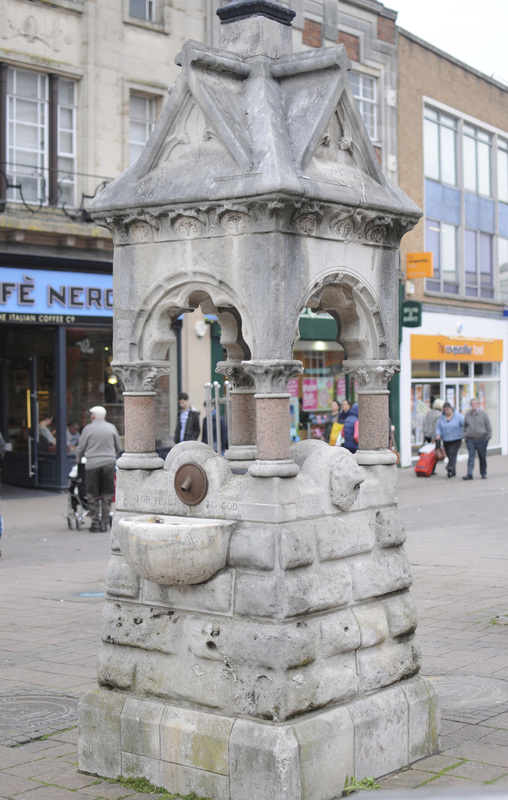
Luckily you can ask for free tap water in most restaurants or bars in the UK. We used to have these lovely drinking fountains in every town or village, but sadly they have fallen out of use. You can look up water refill stations near you in the UK using this handy website. None are listed in Loughborough yet, but there are plenty in London. It was a surprise to find that I can refill my water bottle in Lush for example, who are not a restaurant but sell bath bombs and lotions. It makes me think that there are quite a few places that I can ask for water in future.
Then there is the food packaging itself.Why can't nuts and lentils be packaged in paper bags like flour is? I have all these lovely jars to keep my food fresh, yet the products still come home from the shop wrapped in plastic, so I am still creating plastic waste. I would be quite happy to bulk buy things like oats in sacks, but my problem is where can I get them from? If I order them online they arrive smothered in bubble wrap. Does anyone have an answer to this?
On a more positive note, a young inventor Boyan Slat has a designed a way to collect the plastic at sea and recycle it. It is great that the young people can find ways out of the mess we have created for them, but I feel there is too much at stake to rely on this alone to save our oceans from all our plastic waste.
# [ 08-Feb-17 4:07pm ]
# [ 08-Feb-17 4:07pm ]
LISTEN IN [ 30-Nov-15 12:00am ]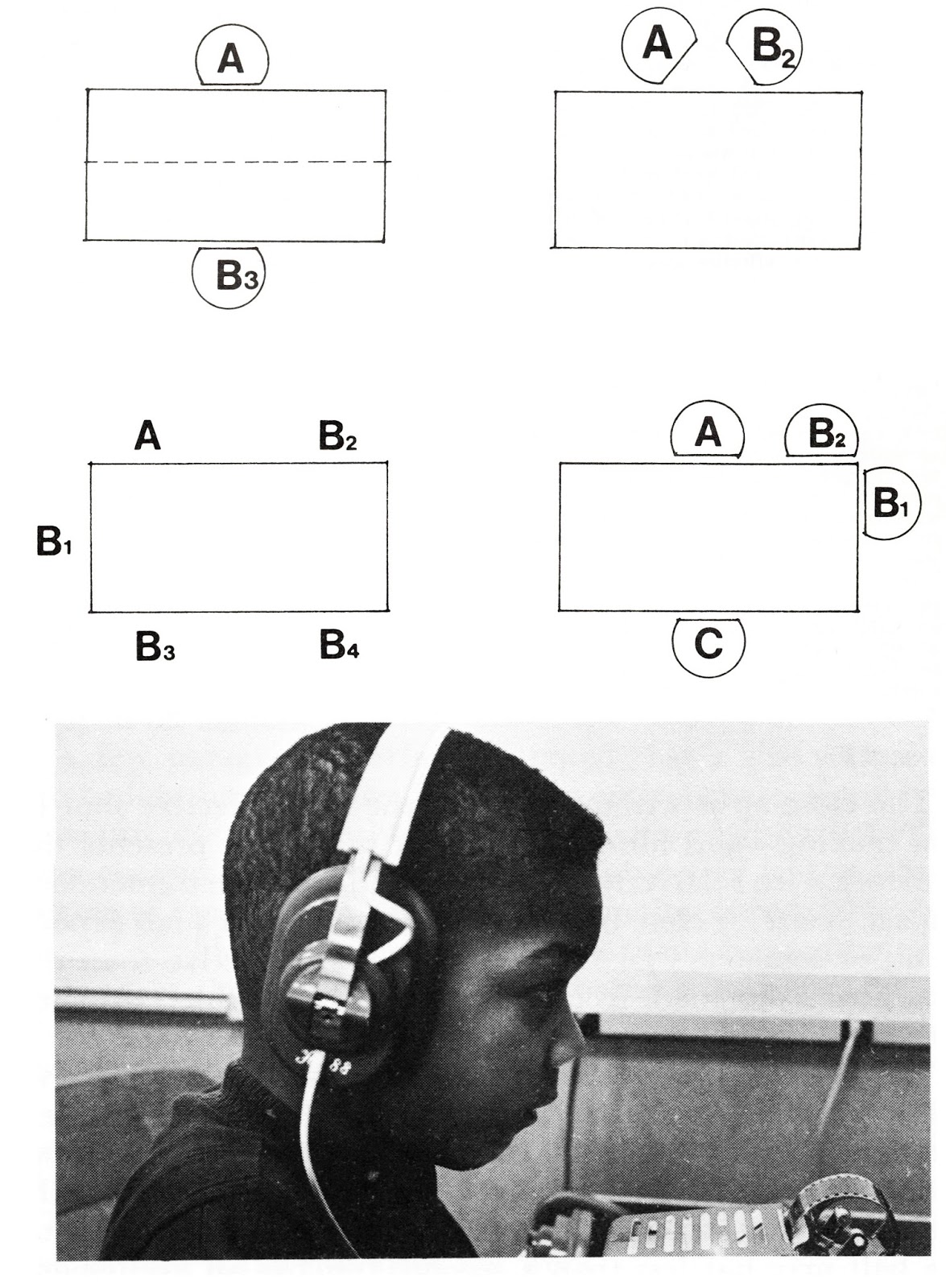 If you don't recognise what this is immediately, then don't bother asking. It's not FOR YOU.
Island News [ 21-Jun-15 12:00am ]
If you don't recognise what this is immediately, then don't bother asking. It's not FOR YOU.
Island News [ 21-Jun-15 12:00am ]
It's been nearly a year since I last posted here, and I still miss the place. There's no point fighting it so, I'm going to come back. Might take the opportunity for a bit of a reboot and to revisit some classics. Just give me a few days to break the news to my other blog.
Negativity, Not Pessimism! (RIP Mark Fisher) [ 15-Jan-17 6:59pm ](7D7B46C409699693BB5299F3ECF1319C).jpg) I was so shocked and upset to learn of Mark Fisher's death yesterday. For me, Mark was both an idol and, as time passed, someone I was always pleased and not a little humbled to encounter in person and sometimes share a platform with. I didn't know Mark very well personally, and being a generation younger than he was I only know second hand the milieu of the 90s and the Cybernetic Culture Research Unit at Warwick University he formed an integral part of, through its growing legacy and some of the reminiscences and thoughts of people who knew him then (Robin MacKay, Simon Reynolds and Jeremy Greenspan among them). But as someone a generation younger than Mark, I can express something about the incalculable impact he had on me, my thinking and writing, and my gratitude for the times when he actively, kindly helped me, as well as the times that were just good times.
I was so shocked and upset to learn of Mark Fisher's death yesterday. For me, Mark was both an idol and, as time passed, someone I was always pleased and not a little humbled to encounter in person and sometimes share a platform with. I didn't know Mark very well personally, and being a generation younger than he was I only know second hand the milieu of the 90s and the Cybernetic Culture Research Unit at Warwick University he formed an integral part of, through its growing legacy and some of the reminiscences and thoughts of people who knew him then (Robin MacKay, Simon Reynolds and Jeremy Greenspan among them). But as someone a generation younger than Mark, I can express something about the incalculable impact he had on me, my thinking and writing, and my gratitude for the times when he actively, kindly helped me, as well as the times that were just good times.Mark simply changed my life. By 2009, the year I started the blogging, he was a central node in a network of bloggers, thinkers and forums that encompassed critical theory, philosophy and several areas of cultural criticism, especially of popular music. It was a conversation and a community I eagerly wanted to participate in, late and all too hot-headed though I was. As commissioning editor of Zer0 books, he fostered the growth and evolution of this network into a collective of thinkers built on diverse, self-contained and regularly powerful statements that went far.
Mark's own essay for the imprint, Capitalist Realism: Is There No Alternative? was undoubtedly one of the best of the lot. I continue to recommend it widely as one of the best, most distilled expression of today's ideological challenges. By the end of 2009, Mark had reached out to me and asked if I wanted to write for Zer0. I was 22. Infinite Music was the result two years later. He told me that I should reconsider the title I had initially proposed - 'The New New Music' (can you believe that!?) - which didn't take Mark's genius, but thank God. His faith in me - this despite my frequent and often crude HTML critiques of his positions on music - led to so many amazing opportunities and blessings for the struggling, wet-behind-the-ears critic I was.I first met Mark in person in April 2010 when we were both part of a panel discussion at London's Café OTO, a 'salon' under the auspices of Wire magazine: 'Revenant Forms: The Meaning of Hauntology'. He was warm, friendly and funny back stage, powerful, precise, provocative and funny on-stage. Someone I brought to the event who didn't know Mark and his ideas said to me 'but capitalism is the only system that works!' (this of course is precisely was Capitalist Realism describes and addresses). I believe I next saw him marching alongside thousands of students at one of the protests against the raising of tuition fees and the cutting of the university teaching budget in late 2010, an issue that inflamed and unified the blog network like nothing else, not least Mark himself.At some point in 2011 I was at a gig behind a pub at which Maria Minerva was playing. Maria had been taught by Mark during her Master's at Goldsmith's college. In an amazing moment, Maria gave a shout-out on stage to her 'professors' - I followed the direction of her outstretched arm, and there was Mark, leaning against a wall next to Kodwo Eshun. I saw him at least twice in 2013, once at a symposium at Warwick University on the Politics of Contemporary music, where I burned with envious ambition at his ability to deliver such an on-point, appropriate and funny lecture from only a small notebook. The other time was in Berlin, where I was talking about accelerationist pop for the CTM festival, Mark was there to talk about the death of rave. We walked from our hotel to the venue, had lunch, and Mark talked sympathetically and encouragingly about my career difficulties. He sat in the front row of the talk I gave. I played some of the kitschiest vaporwave as the audience came in. I'll never forget the bemused look on his face, as if he was trying to figure out what sort of a hilarious prank was being played, and whether he wanted in on it. That image of Mark is still for me the opposite end on the spectrum of vaporwave listeners to the one where vaporwave is, uncritically, 'just good sincere nostalgic vibes', and why I have no regrets about 'politicising' vaporwave (a genre that in any case owes an enormous debt to his theorising of hauntology).But for me there was another Mark as well - the formidable writer and theorist, k-punk. This voice I began to get to know in 2006, the year when he did so much to lay the foundations of hauntology (it was his invention, frankly). It was from k-punk that I learned about something called 'neoliberalism' ('what on earth has this guy got against liberalism?' I would wonder). It was from k-punk that I learned that post-modernism was not necessarily the wonderful cultural emancipation I had naively believed it to be. In fact, during these years I was mostly against k-punk. He was critical of more recent trends in electronic music, believing them a poor comparison to what the 90s had offered. This led to a fierce division between writers and bloggers that manifested not just in blogs but magazine sites and a day-long conference at the University of East London, which I attended (the first time I saw Mark in the flesh). Though we both agreed that new music was necessary, naturally his position irritated my young, idealistic self with my special music, and my own blog posts attempted to intervene in support of the new stuff. 'Loving Wonky', my first blog post to attract more than a handful of readers, was directed at k-punk implicitly throughout and at its conclusion, explicitly.This negativity that got me started, this need to talk back to the authority figure, was a testament to the power of his writing. But more so was the way he subsequently taught me as I took a closer look. In preparation for my post on hauntology, I printed out and re-read everything he'd written on or near the subject, underlining and making notes. And he convinced me of his position. He was right. I didn't want to accept his theorising of 'the end of history', thinking it merely pessimistic. His blog posts are so imaginatively, seductively, persuasively written. He's probably the most referenced person on Rouge's Foam. Then I read Capitalist Realism, and rather than the mere youthful defence of certain musics it could have been, Infinite Music became an attempt to stand with Capitalist Realism and answer k-punk's resounding call for a newfound creative imagination. Later, in 2012, it was from k-punk that I learned of accelerationism, and because of his theory that I used it to describe new forms of electronic music in 'Welcome to the Virtual Plaza.' And it wasn't only theory. Wherever I wrote about music and Mark was writing too (Wire, Electronic Beats), my writing was improved by the honour and by his raising of the bar (this was the guy who had described Michael Jackson as 'only a biotic component going mad in the middle of a vast multimedia megamachine that bore his name.')Mark isn't just the figure behind every significant thing I've done as a critic. His theory is now deeply embedded in who I am and what I say. Even the residue of the ideas I have fought against condition my thinking. I have brought his concepts home, they structure my conversations with my friends and family. Capitalist realism: describing the ideology that miserable as it is, there is no alternative to capitalism and that's just the way it is. Business ontology: the ideology that any social or cultural structure must exist as a business. His use of the concept of the Big Other - the imaginary subjectivity that holds important beliefs but may not in fact exist - has guided me through my personal response to Brexit and Trump. (By the way, I couldn't possibly summarise Mark's writing - if you haven't read it already, what are you waiting for?) Even his blackly comic image of a broken neoliberalism, as a cyclist dead and slumped over the handlebars yet continuing downhill and gathering speed, keeps coming back to me.Mark eventually became something of a role model to me. Asked what sort of space I wanted to carve out between academia and public criticism for my own career, I have often said I wanted to be a Mark Fisher. Yet as he regularly explained with his astonishing balance of passion and precision, the world as it is today, its ideologies and its institutions - it's hardly set up to encourage fringe intellectuals. I'm not sure whether he would have fully encouraged me to aspire to his career, tied so closely as he well knew to challenges of mental health (something I started to live in 2014 when, initially and like so many others, my PhD went nowhere). But he did warmly support and encourage my writing when so many people around me could only regard it with doubt.One of Mark's most abiding lessons, and for me at least the key to his writing, was something he put pithily to me at the end of an email: 'Negativity, not pessimism!' I had not appreciated the subtle but important difference the two, but then I instantly did. What a rallying call for the nightmarish 2010s. And as others have noted, it was his encouragement and optimism that was especially nourishing. It was certainly not a pessimistic new-music naysayer who wrote the final words of Capitalist Realism:
The long, dark night of the end of history has to be grasped as an enormous opportunity. The very oppressive pervasiveness of capitalist realism means that even glimmers of alternative political and economic possibilities can have a disproportionately great effect. The tiniest event can tear a hole in the grey curtain of reaction which has marked the horizons of possibility under capitalist realism. From a situation in which nothing can happen, suddenly anything is possible again.A big long (k-punk-quoting) blog post like the good old days. I used to apologise for them. Mark never did. I still can't wait to read his latest book.The last time I saw Mark was after Dhanveer Brar's lecture on Actress at Goldsmiths last autumn. He was talking to his friends and colleagues in the distance and still, even after all this time, I was too nervous to say hello. What a fool. I had not stopped to gather up and communicate Mark's importance to me until now, and I hope I don't make such a mistake again. What I've seen over the cybernetic systems this weekend has emphasised how important he was to so many others as well, and well beyond the world of theory too.Goodbye Mark, and thank you.


