
 How to avoid catching flu, COVID-19 and other respiratory illnesses this winter [ 02-Dec-25 4:30pm ]
As we brace ourselves for chillier days and look forward to more indoor gatherings and seasonal social events with friends and family, now is the ideal time to remind ourselves of behaviours that can reduce the spread of respiratory infections known to peak during the autumn and winter period.
The early start to the current flu season and the emergence of the drifted influenza A(H3N2) strain has caused some concern. Early data from UKHSA rapidly assessed how well this season's flu vaccines are working. This showed the flu vaccines are providing good protection against hospitalisation in children and adults. There are currently no changes to the advice on what to do if you have, or think you may have COVID-19, influenza (flu) or any other respiratory infection.
Vaccines help protect those most vulnerable from developing serious illness and being hospitalized and we strongly encourage all those eligible to get vaccinated against flu as soon as possible - vaccines remain our best defence.
What actions can I take to avoid catching or spreading respiratory illnesses?Here is a list of simple actions you can take to reduce the spread of respiratory infections, and protect those at highest risk:
- Get vaccinated if you are eligible
- If you are feeling unwell, stay at home
- If you're meeting people indoors, open a window for fresh air. Just keep in mind the room temperature and whether anyone might be sensitive to the cold
- Practise good hygiene:
- cough into your bent elbow, or use a tissue and dispose of it afterwards in the nearest bin
- wash your hands frequently with warm water and soap
- clean your surroundings often, especially areas that are touched frequently such as door handles
- Wear a mask when you are unwell and need to go out
Masks continue to be a useful tool in limiting the spread respiratory viruses in some situations.
Wearing a well-fitting mask when unwell can reduce the number of particles containing viruses that are released from the mouth and nose of someone who is infected with a respiratory infection.
Face coverings can also protect the person wearing them from becoming infected with other respiratory viruses.
There is further information on when people with symptoms of a respiratory infection should wear a face covering in the guidance for people with symptoms of a respiratory infection.
What should I do if I have symptoms?If you have symptoms of a respiratory infection and you have a high temperature or do not feel well enough to go to work or carry out normal activities, try to stay at home and avoid contact with other people, until you no longer have a high temperature (if you had one), or until you no longer feel unwell.
If you need to go out, then avoid close contact with anyone who you know is at higher risk of becoming seriously unwell.
Should I get vaccinated against flu, COVID-19 or RSV?Flu can be particularly dangerous for certain groups, which is why they are eligible for the vaccination programme. This includes pregnant women, young children, those with certain long-term health conditions, and older adults aged 65 years and over. You can find the full list of those eligible here.
For those who are more likely to become seriously ill from COVID-19, the NHS also offers a free vaccine in the autumn and winter. See the list of those eligible here.
RSV can be especially dangerous for infants and the elderly. Pregnant women at week 28 or soon after and everyone aged 75 to 79, or who turned 80 after 1 September 2024, can have a vaccine to protect themselves or their babies against Respiratory Syncytial Virus (RSV).
Should I be vaccinated against flu, whooping cough and RSV during pregnancy?Being pregnant changes the way your body handles infections and can restrict the depth of your breathing as the baby grows and pushes on your lungs. This can make you more vulnerable to severe complications from flu, such as pneumonia. If you catch flu during pregnancy, it can also cause your baby to be born prematurely or have a low birth weight and, if you get infection near to delivery, you can also pass it to your newborn baby. Babies under 6 months of age have one of the highest hospitalisation rates for flu every season. Vaccinating against flu during your pregnancy means that you will make an immune response (including antibodies) to the vaccine, and these protective antibodies are passed onto your baby through the placenta, helping to protect your baby for the first few months of their life. You can have the flu vaccine at any stage of pregnancy, from conception onwards.
The best way to protect babies against RSV infection is for the mother to have the vaccine during pregnancy. Vaccination reduces the risk of severe RSV lung infection by around 70% in the first 6 months of a baby's life.
If you're pregnant, you are also eligible to receive a vaccine against pertussis (whopping cough), to help protect your baby for the first few months of life. This disease can circulate at any time of year, including during the winter months. You'll usually be offered a vaccine called ADACEL that protects against whooping cough, diphtheria and tetanus.
All vaccines go through a regulatory approval process to ensure they meet strict safety and effectiveness checks. And it's fine to have the jabs at any stage of pregnancy. Millions of women in England have had the flu vaccine during pregnancy since this was introduced in 2011. Flu, whooping cough and RSV vaccines do not contain live virus and cannot infect your unborn baby.
What should I do if my child is unwell?Current guidelines for parents state that it's fine to send your child to school with a minor cough or common cold. Children and young people who are unwell and have a high temperature should stay at home and avoid contact with other people, where they can.
There is wide agreement among health and educational professionals that school attendance is vital to the life chances of children and young people. Being in school regularly improves mental and physical health, wellbeing and socialisation throughout children's lives.
This year, school-aged children and young people from reception up to year 11 are being offered the flu vaccination nasal spray at their school: parents should look out for the electronic or paper consent form and be sure to return it when asked to do so.
If you have a child aged 2 or 3 years on 31 August 2025 (born between 1 September 2021 and 31 August 2023), you can book a flu vaccine at your GP practice. Find out more at the NHS website.
Following this guidance should help you and your family avoid catching a respiratory illness this winter, and if someone close to you is eligible for a vaccine, encourage them to take it up - it will reduce their risk of becoming seriously ill this season.
Do I have flu, COVID-19 or a cold? Know the signs and symptoms [ 08-Oct-25 6:09pm ]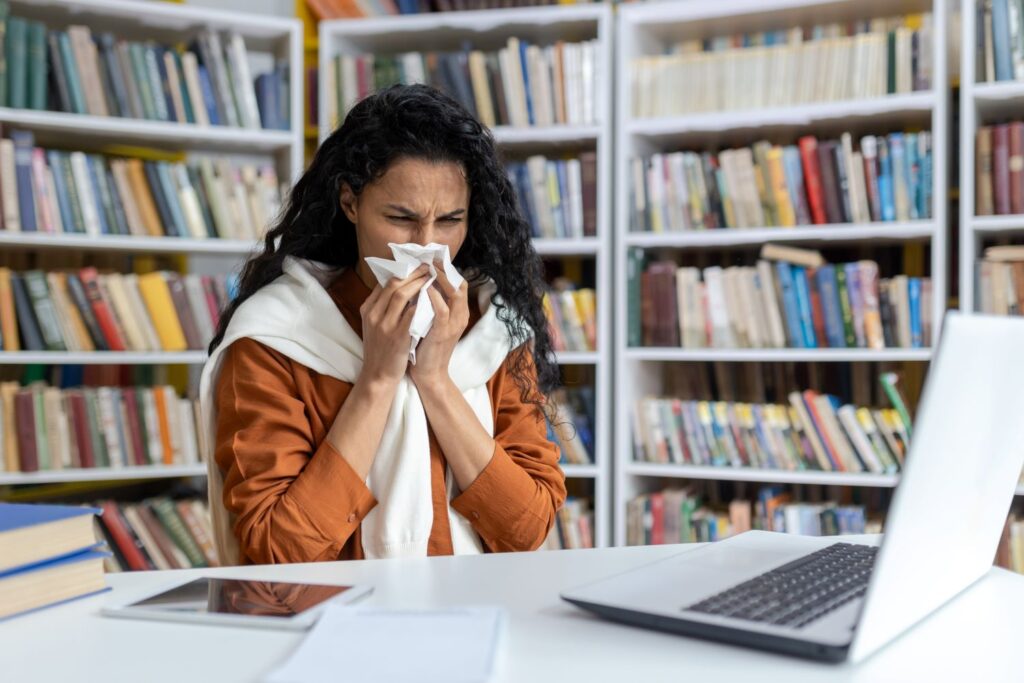
This blog post was last checked and updated December 2025.
You might have a lot on right now, but winter illness could throw all your plans out of the window.
We see cases of influenza (flu), RSV and COVID-19 throughout the year, but in winter they circulate at the same time and can reach high levels.
We also track other respiratory viruses - rhinovirus, adenovirus, human metapneumovirus (hMPV) and parainfluenza - that can also peak over the autumn and winter months.
There are vaccines to help protect against flu, COVID-19 and RSV, which are offered to different vulnerable groups.
Staying at home when you have symptoms of flu or COVID-19 helps protect those who are vulnerable. If you need to go out when unwell, consider wearing a mask around other people.
Simple measures like catching coughs and sneezes in a tissue, regular handwashing, and opening a window when meeting others indoors can all help reduce the spread of respiratory infections.
You can find advice on managing winter illnesses on the NHS website, including how to use medications like paracetamol and ibuprofen. If you are taking cold or flu remedies, check whether they already contain paracetamol to make sure you don't take too much. If you have any concerns, speak to your pharmacist.
The following is an explainer of important information about these winter infections; their signs and symptoms, and information on who is eligible for vaccination.
FluFlu - also known as influenza - is a viral infection affecting the nose, throat, and lungs, mostly during the winter months. It is far worse than an ordinary cold, which usually causes a runny nose, sneezing, watery eyes and throat irritation. Symptoms of a cold usually occur gradually without causing a fever or body aches, which usually occur with flu. Flu signs and symptoms develop very rapidly and extreme tiredness is common.
Flu can lead to serious illness, especially in children, with thousands of hospitalisations each winter. Older people, those with a weakened immune system, and people with certain long-term health conditions are at higher risk. Last winter there were around 8,000 deaths associated with flu - this is higher than the approximately 3,500 deaths recorded the year before, but lower than during the 2022 to 2023 season, when there were around 16,000 deaths.
For those who took up the offer, last year's flu vaccine had a significant impact on reducing severe illness, ranging from an almost 40% reduction in the number of those aged 65 and over being hospitalised, and a 75% reduction in those aged between 2 and 17 years.
Many people are eligible for the flu vaccine including:- everyone aged 65 years and over
- those aged between 6 months and 65 with certain medical conditions
- those living with people who are immunocompromised
- frontline health and social care workers
- all pregnant women, to protect both themselves, their pregnancy and their newborn
- all children aged 2 and 3 years
- school-aged children (reception to year 11) are offered a nasal spray vaccine through school immunisation teams.
Flu is infectious and can easily be spread to other people. You are more likely to give it to others in the first 3 to 5 days
COVID-19While for most people COVID-19 is not as severe as during the early years of the pandemic, the virus is still causing severe illness, hospitalisations, and deaths - particularly among those with a weakened immune system and those 75 year old and over.
It is normal and expected for viruses to genetically change over time and the current COVID-19 variants, much like previous variants, can spread easily through droplets released when an infected person coughs, sneezes or speaks. The autumn COVID-19 vaccines are our best defence against serious illness.
We have seen COVID-19 symptoms change over time. Today, many people now experience cold-like symptoms and some will also experiencefever or chills, continuous cough, shortness of breath, tiredness, body aches, headache, sore throat, blocked nose, loss of appetite, nausea, diarrhoea, or change in sense of taste or smell. Some people report a hoarse voice or a particularly painful sore throat, associated with the latest variants. This has been referred to in the media as 'razor-blade throat'.
People aged 75 and over, living in a care home for older adults, or in who are immunosuppressed and aged over 6 months, are eligible for a COVID-19 vaccine.
Rhinovirus (as the most common cause of the 'common cold')Rhinovirus causes what we know as the common cold. Cold symptoms come on gradually over 2 to 3 days.
The main symptoms include a blocked or runny nose, sneezing, a sore throat, a hoarse voice, a cough, feeling tired and unwell. You may also have a high temperature, aching muscles, a loss of taste and smell and a feeling of pressure in your ears and face.
Symptoms of a cold can last longer in young children. They may also be irritable, have difficulty feeding and sleeping, breathe through their mouth, and get sick after coughing.
You can get more information on telling the difference between colds and flu via the NHS website.
RSVRespiratory syncytial virus (RSV) is a major respiratory virus that is common over the winter period, typically November to February, and can spread through coughs and sneezes.
Symptomsinclude cough, wheezing, shortness of breath, tiredness and fever.
While the symptoms are mild for many, RSV can cause bronchiolitis in infants, which can make it difficult for them to breathe and feed. You may see your baby experiencing fast or noisy breathing and being unsettled or difficult to comfort. This accounts for approximately 20,000 hospitalisations annually in children aged under 1.
RSV can also be severe in older adults, causing pneumonia and flare-ups of existing lung disease and other long-term conditions. It causes around 9,000 hospitalisations in those aged 75 and over in the UK each year.
An NHS vaccine has been introduced for pregnant women, to protect babies once they are born, and for those aged 75 to 79 years. It hasn't been recommended for those age 80 or older because there were too few people of that age in the clinical trials to be sure of protection.
If received during pregnancy, the vaccine reduces the risk of severe bronchiolitis by 70% in the first 6 months of a baby's life.
AdenovirusAdenoviruses are a group of viruses that cause a range of infections. Adenovirus infections can occur at any time of year. While adenovirus infections are most common in babies and young children, people of any age can be affected. Most are mild and cause symptoms similar to a common cold:
- fever
- sore throat
- runny or congested nose
- cough
Adenovirus can also cause other illnesses, including conjunctivitis (pink eye), lung infections (like bronchitis and pneumonia), croup (a barking cough in children), ear infections, and gastroenteritis (tummy bug). Adenovirus can be more severe in people with weakened immune systems.
Parainfluenza and human metapneumovirus (hMPV)These viruses cause a wide range of symptoms similar to those of a cold.
Parainfluenza viruses are common causes of respiratory infections in infants, young children, older adults, and people with weakened immune systems.
hMPV typically causes mild, cold-like illnesses in people of all ages. It is seen throughout the year, but can spread more easily in winter.
Tracking these illnessesYou can see our surveillance reports which track these viruses, plus flu and COVID-19 here.
Should we be worried about the current COVID-19 variants? [ 25-Sep-25 4:28pm ]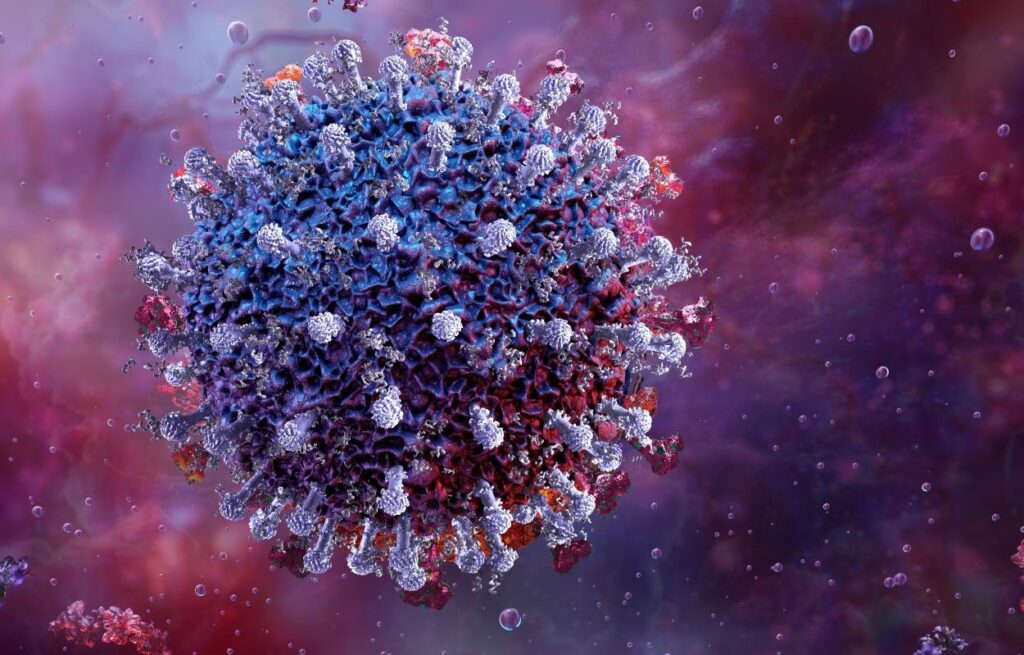
As we enter autumn, rates of respiratory illnesses start to rise and people ask how the most common current lineages - or groups of genetically similar viruses - compare to previous COVID-19 variants.
What have we seen so far?The most common current variants are the XFG and NB.1.8.1 (sometimes referred to in the media as the Stratus and Nimbus variants). Our genomic surveillance of SARS-CoV-2 lineages last month found that 35% were classified as XFG.3, 28% were classified as XFG, 11% were classified as NB.1.8.1, 7% were classified as XFG.5 and 7% were classified as XFG.3.4.1. You can see our latest data on the National flu and COVID-19 surveillance reports.
Current data does not indicate that these variants lead to more severe illness than other variants in circulation.
It's normal for viruses to mutate and change, and as more data becomes available on these variants we'll have a better understanding of how they interact with our immune systems and how to optimise our protection, as well as actions we can take to keep the most vulnerable safe and live our lives as normally as possible. The most important thing is for those eligible to get their vaccination when it is due.
If people become unwell, and are unsure if they have COVID-19, what should they do?If you have symptoms of a respiratory infection, such as COVID-19, and you have a high temperature or do not feel well enough to go to work or carry out normal activities, you should avoid contact with vulnerable people and stay at home if possible.
For those of us who absolutely can't stay at home, the Living with COVID guidance remains unchanged, and will reduce the chance of passing on your infection to others:
- Wear a well-fitting face covering made with multiple layers or a surgical face mask
- Avoid crowded places such as public transport, large social gatherings, or anywhere that is enclosed or poorly ventilated
- Take any exercise outdoors in places where you will not have close contact with other people
- Cover your mouth and nose when you cough or sneeze; wash your hands frequently with soap and water for 20 seconds or use hand sanitiser after coughing, sneezing and blowing your nose and before you eat or handle food; avoid touching your face
Vaccines remain our best defence against severe disease and hospitalisation from flu and COVID-19. You can find details of who is eligible and how they can book their vaccination here.
What surveillance systems are in place?We publish the latest surveillance data for COVID-19 and other respiratory illnesses on the UKHSA data dashboard. We're also getting vital data from those who are admitted to hospital with symptoms, and use genome sequencing to understand which variants people are most vulnerable to.
Hospital is where we will see the more severe cases, and we will be monitoring the numbers of people attending who test positive or with COVID-19 symptoms very carefully. This will help us understand the growth rate and transmission potential of the current variants.
We continue to collaborate globally with health organisations in other countries, WHO and initiatives such as the Global Influenza Surveillance & Response System (GISAID) to ensure that we have the most current data.
Who's eligible for the 2025 COVID-19 vaccine, or 'Autumn Booster'? [ 26-Jun-25 2:28pm ]
This blog post was reviewed and updated in September 2025.
When autumn comes, protection from any earlier COVID-19 vaccination you may have had will be starting to wane. For those who are more likely to become seriously ill from COVID-19, the NHS offers a free vaccine in the autumn, previously known as the 'Autumn Booster'.
Current vaccines provide good protection against severe disease and hospitalisation. UKHSA surveillance data relating to last autumn's programme shows that those who received a vaccine were around 43% less likely to be admitted to hospital with COVID-19 from 2 weeks following vaccination, compared to those who remained unvaccinated.
Vaccination continues to help protect against severe illness, hospitalisations and deaths arising from COVID-19. Last winter, between November, December and January around 13,000 people were admitted to hospital with the virus.
Eligible groups for autumn 2025The Joint Committee on Vaccination and Immunisation (JCVI) has updated its advice for the autumn 2025 COVID-19 vaccination programme, which has been accepted by ministers. The focus of the programme is shifting towards targeted vaccination of those at highest risk of serious disease.
For autumn 2025, COVID-19 vaccination will be offered to:
- adults aged 75 years and over
- residents in care homes for older adults
- individuals who are immunosuppressed aged 6 months and over
This represents a change from the autumn 2024 programme, which also included adults aged 65 to 74 and all those aged 6 months and over in a clinical risk group.
The eligibility is the same across the 4 nations of the UK (England, Scotland, Wales and Northern Ireland).
The vaccine should usually be offered no earlier than around 6 months after the last vaccine dose. If you are eligible, you can get protection from an autumn COVID-19 vaccination even if you have not taken up a COVID-19 vaccine offer in the past.
Eligibility for the immunosuppressedWe understand that having a weakened immune system (immunosuppression) is a lot less straight forward than the other criteria. Looking online can cause even more confusion, as people might see themselves (and be considered by others) as immunosuppressed but might not fit the immunosuppression criteria for vaccination.
So, what are the immunosuppression criteria? Eligibility is outlined in Chapter 14a of the Green Book, a document published by UKHSA specifically for public health professionals. It can be a complicated document for non-experts, so we've listed some of the groups here:
- Organ, bone marrow or stem cell transplant patients
- Those being treated with systemic steroids for more than a month
- Those living with HIV
- Those receiving immunosuppressive or immunomodulating biological therapy, including children who are about to receive therapy
- Those undergoing chemotherapy or radiotherapy
- Those requiring long-term treatment for immunosuppression
- Those with a history of haematological malignancy including chronic leukaemia, lymphomas, and leukaemia
- Those with genetic disorders affecting the immune system
While this list summarises some major groups, it does not cover everything. Please check online at nhs.uk/get-vaccine to see if you are eligible.
How to access the COVID-19 autumn vaccinationCOVID-19 spreads more easily in winter because we spend more time indoors with others.
Appointments for the COVID-19 vaccination are open now.
If you are eligible, having your COVID-19 vaccination this autumn will give you protection from serious COVID illness over winter.
Who's eligible for the 2025 COVID-19 vaccine, or 'Spring Booster'? [ 25-Mar-25 2:52pm ]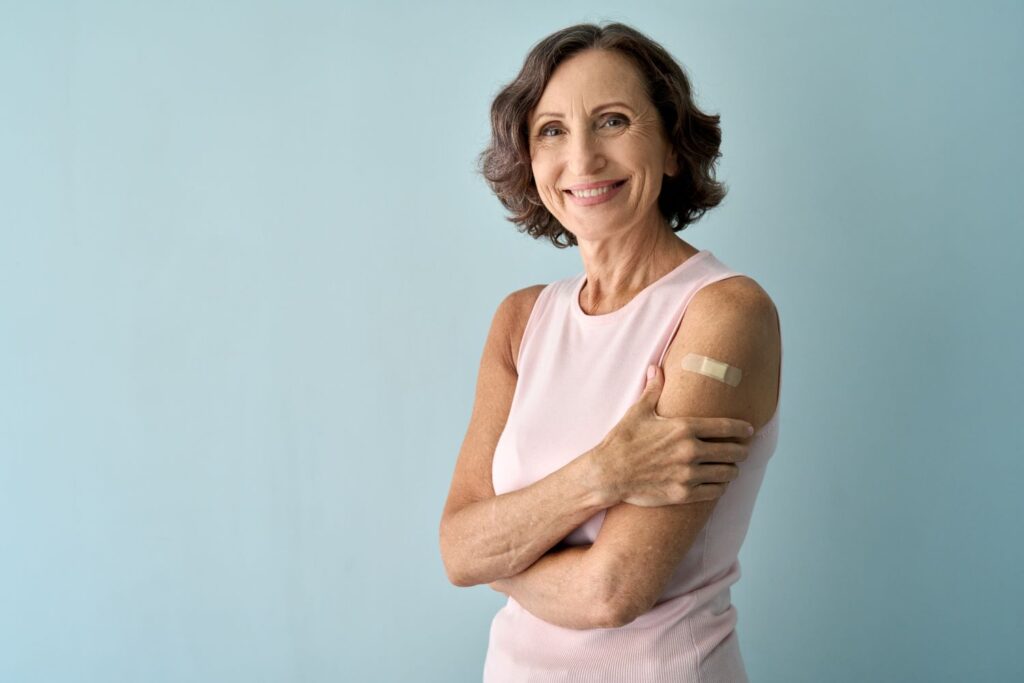
As we move into spring, protection from any earlier COVID-19 vaccination you may have had will be starting to wane.
COVID-19 can still be very dangerous and even life threatening, particularly for older people and those with a weakened immune system.
Thankfully, for those who are more likely to become seriously ill from COVID-19, the NHS offers a free vaccine in the spring to top up their protection. This was previously known as the 'Spring Booster'.
The vaccine has saved countless lives, prevented thousands from needing to go to hospital and helped us to live with the virus without fear or restrictions.
UKHSA surveillance data relating to last spring's programme shows that those who received a vaccine were around 45% less likely to be admitted to hospital with COVID-19 from 2 weeks following vaccination, compared to those who remained unvaccinated.
Eligibility for the COVID-19 vaccination this springThe eligibility criteria is the same as for spring 2024, and similar to spring 2022 and spring 2023, with the addition of immunocompromised people in younger age groups:
- adults aged 75 years and over
- residents in a care home for older adults
- individuals aged 6 months and over who have a weakened immune system
The eligibility is the same across the 4 nations of the UK (England, Scotland, Wales and Northern Ireland).
Age-based criteriaThose who are aged 75 and over can come forward to top up their protection this spring. If you are 74 but turn 75 years old by 17 June 2025, you don't have to wait for your birthday to come forward.
Eligibility for residents and staff in care homesThose who are resident in care homes for older adults are also eligible. Carers and staff in care homes are not eligible, this is because the vaccination programme this spring is targeted towards providing protection to those most vulnerable to severe disease.
Those with a weakened immune systemWe understand that having a weakened immune system (immunosuppression) is a lot less straightforward than the other criteria. Looking online can cause even more confusion, as people might see themselves (and be considered by others) as immunosuppressed but might not fit the immunosuppression criteria for vaccination.
So, what are the immunosuppression criteria? Eligibility is outlined in Chapter 14a of the Green Book, a document published by UKHSA specifically for public health professionals. It can be a complicated document for non-experts, so we've listed some of the groups here:
- organ, bone marrow or stem cell transplant patients
- those being treated with systemic steroids for more than a month
- those living with HIV
- those receiving immunosuppressive or immunomodulating biological therapy, including children who are about to receive therapy
- those undergoing chemotherapy or radiotherapy
- those who require long-term treatment for immunosuppression
- those with a history of haematological malignancy including chronic leukaemia, lymphomas, and leukaemia
- those with genetic disorders affecting the immune system
While this list summarises some major groups, it does not cover everything. Please check online at nhs.uk/get-vaccine to see if you are eligible.
Booking the spring COVID-19 vaccineYou should come forward rather than waiting for the NHS to contact you this year. The National Booking System opens on 25 March to book appointments from 1 April: nhs.uk/bookcovid. If you or someone you know can't get online, book by calling 119 free of charge, where a translator is available if needed.
Getting your COVID-19 vaccine is very convenient, with thousands of appointments available across the country every day, usually at pharmacies and GP practices.
While having your spring vaccine around 6 months after your last dose is the usual timeframe, you can have it as soon as 3 months after a previous COVID-19 vaccine dose. If you are eligible, you can get protection from a spring COVID-19 vaccination even if you have not taken up a COVID-19 vaccine offer in the past. Most people do not need extra vaccinations to make up for any they have missed, but your doctor may advise a further dose if you have a severely weakened immune system.
It is important that everyone who is eligible takes up the offer this spring before the vaccination programme closes on 17 June 2025.
Who's eligible for the 2024 COVID-19 vaccine? [ 16-Apr-24 10:54am ]
As we move into spring, protection from any earlier COVID-19 vaccination you may have had will be starting to wane. For those who are more likely to become seriously ill from COVID-19, the NHS offers a free vaccine in the spring to top up their protection, previously known as the 'Spring Booster'.
Current vaccines provide good protection against severe disease and hospitalisation. UKHSA surveillance data relating to last spring's programme shows that those who received a vaccine were around 50% less likely to be admitted to hospital with COVID-19 from 2 weeks following vaccination, compared to those who remained unvaccinated.
According to World Health Organization data, 400,000 lives in England are estimated to have been saved up to March 2023 due to the COVID-19 vaccine programme.
Are you eligible to top up your COVID-19 protection this spring?While you might have received your COVID-19 vaccine during winter or in past 'Spring Booster' campaigns, the criteria for this year's spring vaccine have changed slightly:
- Adults aged 75 years and over.
- Residents in a care home for older adults.
- Individuals aged 6 months and over who have a weakened immune system.
As you can see, the criteria are similar to the spring 2022 and spring 2023 booster campaigns, but this year the criteria for the immunosuppressed group has lowered to include those 6 months and over.
The eligibility is the same across the four nations of the UK (England, Scotland, Wales and Northern Ireland).
Let's explain the age-based criteriaThose who are aged 75 and over can come forward to top up their protection this spring. If you are 74 but turn 75 years old by 30 June 2024, you don't have to wait for your birthday to come forward.
What about residents, and staff in care homes?Those who are a resident in care homes for older adults are also eligible. Carers and staff in care homes are not eligible, this is because the spring vaccine is targeted towards providing protection to those most vulnerable to severe disease.
I have a weakened immune system, am I eligible this spring?We understand that having a weakened immune system (immunosuppression) is a lot less straight forward than the other criteria. Looking online can cause even more confusion, as people might see themselves (and be considered by others) as immunosuppressed but might not fit the immunosuppression criteria for vaccination.
So, what are the immunosuppression criteria? Eligibility is outlined in Chapter 14a of the Green Book, a document published by UKHSA specifically for public health professionals. It can be a complicated document for non-experts, so we've listed some of the groups here:
- Organ, bone marrow or stem cell transplant patients.
- Those being treated with systemic steroids for more than a month.
- Those living with HIV.
- Those receiving immunosuppressive or immunomodulating biological therapy, including children who are about to receive therapy.
- Those undergoing chemotherapy or radiotherapy.
- Those who require long-term treatment for immunosuppression
- Those with a history of haematological malignancy including chronic leukaemia, lymphomas, and leukaemia.
- Those with genetic disorders affecting the immune system.
While this list summarises some major groups, it does not cover everything. Please check online at nhs.uk/get-vaccine to see if you are eligible.
How do I get my spring COVID-19 vaccine?You should come forward rather than waiting for the NHS to contact you this year. You will be able to book your vaccine online at nhs.uk/get-vaccine from 15 April 2024. If you or someone you know can't get online, book by calling 119 free of charge, where a translator is available if needed.
While having your spring vaccine around 6 months after your last dose is the usual timeframe, you can have it as soon as 3 months after a previous COVID-19 vaccine dose. If you are eligible, you can get protection from a spring COVID-19 vaccination even if you have not taken up a COVID-19 vaccine offer in the past. Most people do not need extra vaccinations to make up for any they have missed, but your doctor may advise a further dose if you have a severely weakened immune system.
It is important that everyone who is eligible takes up the offer this spring before the vaccination programme closes on 30 June 2024.
How does COVID-19 variant JN1 compare to other variants? [ 15-Jan-24 10:04am ]
With the emergence at the end of last year of COVID-19 variant JN.1, there are questions about how it compares to the many other variants that have been identified.
JN.1 descends from variant BA.2.86 and has an additional mutation in the spike protein. It has recently become the most widely circulating variant in the US as well as in France. As of January 2024, approximately 60% of English cases are caused by JN.1.
UKHSA is continuing to monitor data relating to variants both in the UK and internationally, including close monitoring of the JN.1 variant, and assessment of severity and vaccine effectiveness. There is no change to the wider public health advice at this time.
There are no reports of people becoming more ill with this COVID-19 variant than with previous ones.
It is important to note that we will need more data to draw any conclusions about the effect of these mutations on transmissibility and severity of the variant. In this blog post we'll outline what we know so far and what action we are taking.
It's normal for viruses to mutate and change, and more widely we're still getting to grips with how the healthcare system responds to the ebb and flow of seasonal cases. As more data becomes available on this variant, we'll have a better understanding of how it interacts with our immune systems and how to optimise our protection and as well as actions we can take to keep the most vulnerable safe and live our lives as normally as possible.
If people become unwell, and are unsure if they have COVID-19, what should they do?If you have symptoms of a respiratory infection, such as COVID-19, and you have a high temperature or do not feel well enough to go to work or carry out normal activities, you should avoid contact with vulnerable people and stay at home if possible.
For those of us who absolutely can't stay at home, our Living with COVID guidance is unchanged, and outlines how to prevent transmission to others.
Why should people come forward for their vaccine?Vaccines remain our best defence against severe disease and hospitalisation from flu and COVID-19. That's why we're asking over-65s, anyone in a clinical risk group, and anyone living in a household with someone who is in a clinical risk group, to come forward for their vaccination. Their protection since their last vaccination will have waned and they remain at increased risk from a respiratory infection this winter. It's also important to note that COVID-19 isn't a special case; respiratory infections can be unpredictable, and we're asking similar groups to get vaccinated against flu.
The last date that the seasonal COVID-19 vaccination will be available is 31 January 2024.
What surveillance systems are in place?We publish the latest surveillance data for COVID-19 and other respiratory illnesses weekly, to the UKHSA data dashboard. We're also getting vital data from those who are admitted to hospital with symptoms, and we are utilising genome sequencing to understand which variants people are most vulnerable to.
There are also specific surveillance programmes in place, where small sample groups are tested regularly. These allow us to monitor trends in the wider community.
Hospital is where we will see the more severe cases, and we will be monitoring the numbers of people attending with COVID-19 symptoms very carefully. This will help us understand the growth rate and transmission potential of the new variant.
We continue to collaborate globally with health organisations in other countries, the World Health Organisation and initiatives such as the Global Influenza Surveillance & Response System (GISAID) to ensure that we have the most current data.
What is the UKHSA doing to tackle the new variant?When a new variant appears on our radar, at the initial stages it is often quite difficult to know whether the mutations provide any advantages to the virus. Genetic mutations happen all the time, and in some cases have been known to make a virus less transmissible or cause a milder reaction in people.
At these early stages our scientists at the Vaccine Development and Evaluation Centre (VDEC) are busy growing a stock of the JN.1 variant in our high containment facilities, so that we can begin testing.
At the same time, scientists in our COVID-19 Vaccine Unit work hand in glove with vaccine developers to get samples of new, as yet unlicensed, vaccines to assess whether they will give better protection against the virus.
Vaccinations for flu and COVID-19 help to keep vulnerable people out of hospital and carrying on with their day-to-day lives, as well as reduce pressure on our NHS which is always critical in the winter. If you're eligible for the jabs, please don't hesitate, book your vaccine and get winter strong.
How flu and COVID vaccines will help you have a healthy pregnancy in winter 2023 [ 26-Oct-23 12:39pm ]
Flu and COVID-19 can be unpleasant for most people, but if you're pregnant, it's particularly important to get vaccinated to protect both you and your baby.
We recommend that all pregnant women get flu and COVID-19 vaccines in the coming weeks as part of the winter vaccination campaign, no matter what stage of pregnancy they're at. Both vaccinations are available free on the NHS as unvaccinated pregnant women and their babies are at higher risk of complications requiring hospitalisation than women who aren't pregnant.
Why is it crucial for pregnant women to get the jabs?Being pregnant changes the way your body handles infections and can restrict the depth of your breathing as the baby grows and pushes on your lungs. This can make you more vulnerable to severe complications from COVID-19 and flu, such as pneumonia. If you catch flu or COVID-19 during pregnancy, it can also cause your baby to be born prematurely or have a low birth weight and, if you get infection near to delivery, you can also pass it to your newborn baby.
Earlier in the pandemic, many serious cases of COVID-19 were seen in pregnant women often with serious consequences for their babies. Although disease is less likely to be serious with the Omicron variant, vaccination will protect you against getting severe disease in pregnancy and help keep your baby healthy.
Is it safe to have the flu and COVID-19 vaccines while pregnant?All vaccines go through a regulatory approval process to ensure they meet strict safety and effectiveness checks. And it's fine to have the jabs at any stage of pregnancy.
Millions of women in England have had the flu vaccine during pregnancy since this was introduced in 2011. COVID-19 vaccine has been given to millions of pregnant women worldwide with numerous studies, including those in the UK, showing reassuring safety for the mother and her baby. Flu and COVID-19 vaccines do not contain live virus and cannot infect your unborn baby.
Having a vaccine while pregnant passes on some immunity to your baby once they are born, protecting them during their first months of life. This is particularly important for flu as babies are at risk of hospitalisation if they catch it.
The safety record is good for breastfeeding mums too, if you're eligible due to an underlying health condition.
How do I get the flu and COVID-19 vaccines?The best time to get the jabs is in the autumn before infections circulate more widely. But don't worry if you find out that you're pregnant later on - you can have the flu vaccine right up until 31 March 2024. COVID vaccine is being offered between September and December 2023.
You can book your COVID-19 and flu vaccination appointment online, by downloading the NHS App or by calling 119 if you can't get online. You can also book your flu vaccine by finding a local pharmacy or through your GP practice and some maternity services.
And remember, you need the flu vaccine every year as flu viruses can change and the protection from the vaccine decreases with time. So even if you had it last year, it's important to get it again to get winter strong. You should also get a COVID-19 vaccine even if you have had one previously to increase your protection whilst you are pregnant. These vaccines provide essential protection for you and your little one.
Get Winter Strong: revisiting respiratory infection guidance for a safer season [ 19-Sep-23 6:35pm ]
As we brace ourselves for chillier days, more indoor gatherings and seasonal social events with friends and family, now is the ideal time to revisit the current guidance on face coverings, isolation, vaccination and other behaviours that can reduce the spread of COVID-19 and other respiratory infections known to peak during the autumn and winter period.
The recent emergence of COVID-19 variant BA 2.86 has led some people to ask if they should change their behaviour in response to this or any other new variant. However, there are currently no changes to the advice on what to do if you have, or think you may have COVID-19, influenza (flu) or any other respiratory infection.
The current guidance on living safely with respiratory infectionsThe guidance on Living Safely with respiratory infections including coronavirus (COVID-19) issued in April 2022, still applies.
It sets out a range of simple actions you can continue to take to reduce the spread of COVID-19 and other respiratory infections, and protect those at highest risk:
- Get vaccinated if you are eligible
- Let fresh air in if meeting others indoors
- Practise good hygiene:
- wash your hands with warm, soapy water
- cover your coughs and sneezes
- clean your surroundings frequently
- Consider wearing a face covering
If you have symptoms of a respiratory infection, such as COVID-19 or flu, and you have a high temperature or do not feel well enough to go to work or carry out normal activities, try to stay at home and avoid contact with other people, until you no longer have a high temperature (if you had one) or until you no longer feel unwell.
If you need to go out, then avoid close contact with anyone who you know is at higher risk of becoming seriously unwell. The full guidance on what to do if you have symptoms is available at: Guidance for Living Safely with respiratory infections including coronavirus (COVID-19).
Who can get free COVID-19 testsYou may be able to get free COVID-19 rapid lateral flow tests if you have a health condition which means you're eligible for COVID-19 treatments, or work in healthcare or in a hospice.
If you're not eligible, you can buy rapid lateral flow tests from some pharmacies and retailers, in person or online.
What to do if you test positive for COVID-19If you have a positive COVID-19 test result you should try to stay at home and avoid contact with other people for 5 days after the day you took your positive test, even if you have no symptoms.
You should avoid meeting people at higher risk of becoming seriously ill with COVID-19 for 10 days after the day you took your test. See the full guidance on what to do if you test positive for COVID-19.
Who is eligible for COVID-19 vaccinationThanks to the success of our vaccine programme, we have built a strong, broad immune defences against COVID-19 throughout the population. However, some people remain more vulnerable to severe illness from COVID-19, and vaccination will provide the best protection against severe infection this winter.
Those eligible for an autumn COVID-19 vaccine are:
- residents in a care home for older adults
- all adults aged 65 years and over
- people aged 6 months to 64 years in a clinical risk group, as laid out in the Immunisation Green Book, COVID-19 chapter
- frontline health and social care workers
- people aged 12 to 64 years who are household contacts (as defined in the Green Book) of people with immunosuppression
- people aged 16 to 64 years who are carers (as defined in the Green Book) and staff working in care homes for older adults.
All the vaccines advised for the 2023 autumn booster campaign are expected to be effective at preventing serious illness and hospitalisation from COVID-19. If you are offered a booster vaccination, or any other COVID-19 or Flu vaccinations, please accept the offer as soon as you are able to. It is important to have your vaccine to build up your protection against severe illness before the winter.
COVID-19 vaccine and pregnancyAll pregnant women are defined as part of a clinical risk group and are encouraged to get vaccinated to protect themselves and their unborn babies. Being pregnant changes how your body fights infections like COVID-19 and catching it while pregnant increases your risk and your baby's risk of complications which may result in hospitalisation.
The COVID-19 vaccine can be given safely to expectant mothers at any stage of pregnancy, even right from the start.
When to consider wearing a face coveringAlong with the other measures set out in the Living with COVID-19 guidance, face coverings continue to be a useful tool in limiting the spread of COVID-19 and other respiratory viruses in some situations.
As existing guidance states, wearing a well-fitting face covering when unwell can reduce the number of particles containing viruses that are released from the mouth and nose of someone who is infected with COVID-19 and other respiratory infections. This is standard respiratory health advice and guidance on face coverings has not changed since it was published in April 2022.
Face coverings can also protect the person wearing them from becoming infected with other respiratory viruses.
There is further information on when people with symptoms of a respiratory infection or a positive COVID-19 test result should consider wearing a face covering available in the guidance for people with symptoms of a respiratory infection or a positive test result.
What to do if your child is unwellCurrent guidelines for parents state that it's fine to send your child to school with a minor cough or common cold. However, children should not be sent to school if they have a temperature of 38°C or above, or if they feel unable to go to school or do their normal activities. See the NHS 'Is my child too ill for school?' guidance for further information.
There is wide agreement among health and educational professionals that school attendance is vital to the life chances of children and young people. Being in school regularly improves mental and physical health, wellbeing and socialisation throughout children's lives.
This year, children and young people up to year 11 are being offered the flu vaccination nasal spray at their school or college: parents should look out for the electronic or paper consent form and be sure to return it when asked to do so.
If you have a child aged 2 or 3 years on 31 August 2023 (born between 1 September 2019 and 31 August 2021), you can book a flu vaccine at your GP Practice. Find out more at the NHS website.
See our 'back to school' post for more information and advice on keeping children healthy when they return to the classroom.
By all doing our bit to prevent transmission, we can help our families and communities get winter strong.
The triple burden of flu, RSV and COVID-19 [ 07-Feb-23 4:18pm ]
In November 2022 the SARS-CoV2 Immunity and Reinfection Evaluation study, or SIREN for short, expanded to study flu and Respiratory Syncytial Virus (RSV).
The COVID-19 pandemic provided a masterclass in how to rapidly build understanding of a virus - with new studies rolled out, unprecedented levels of data collected, and scores of dedicated researchers tasked with translating this data into answers about the virus.
What is SIREN?SIREN is a nationwide study involving over 44,000 healthcare workers at 135 NHS organisations. The SIREN study was established early in the COVID-19 pandemic, and we have been following participants for over two years now - collecting regular PCR swabs and blood samples from an incredibly dedicated cohort of NHS workers who volunteer their time.
Flu, or influenza, is a highly infectious respiratory virus. In the UK the flu season runs from around October to March, with most cases occurring between December and February.
Each year flu is a major area of focus for healthcare workers and researchers aiming to protect the UK population. This includes the development and rollout of a vaccine, providing a seasonal information campaign on the virus, and treating those who become really unwell.
We saw reduced flu transmission resulting in lower flu levels during the COVID-19 pandemic, thanks to social distancing measures and widespread use of face coverings. The relaxing of these measures means that flu is circulating at higher levels, increasing the burden on healthcare settings.
SIREN will also investigate the impact of RSV infection on healthcare workers as part of this expansion. Like the flu, RSV is a highly infectious respiratory virus, and accounts for over half a million GP appointments and over 40,000 hospitalisations a year, largely affecting young children and the elderly.
Gaps in our knowledgeThis has been a difficult winter for the NHS and we know that flu puts a strain on the system each year. Learning more about the burden of flu and other respiratory viruses on both the NHS and wider population is important. We do not currently have accurate estimates of the levels of flu circulating among healthcare workers.
One reason for this is that we do not know how many people have flu without experiencing symptoms. In addition, we do not yet understand how flu interacts with COVID-19 and what impact this may have. This is particularly important now that we have moved into a phase in the pandemic where protection measures have reduced, and flu and COVID-19 are circulating at the same time.
Knowing more about flu, along with RSV and COVID-19, could help hospitals and policy makers plan effectively for future winters. It is crucial to understand the extent of the burden respiratory viruses place on healthcare workers so that employers can look after the health and wellbeing of staff, which is important in its own right and the foundation of high-quality patient care.
How is the SIREN study looking to fill these knowledge gapsAnalysis of SIREN samples has helped the UK to evaluate the immune response to COVID-19, provided insight into COVID-19 reinfections and has helped us to build an understanding of the level of protection offered by vaccines. SIREN has helped answer some of the most pressing questions about COVID-19, enabling decision-makers - both national and locally - to control the spread of the disease.
SIREN is now turning its attentions to flu and RSV as well as COVID-19. SIREN is uniquely placed to study the impact of additional respiratory viruses - making the most of the samples provided by our fantastic cohort, the data systems we have built and the research collaborations across the UK we have forged, to help answer the most pressing questions.
Some of the key questions we hope to answer are:
- What are the levels of flu in healthcare staff?
- How many people with flu have no symptoms?
- How effective is the influenza vaccination against infection?
- What symptoms do participants experience during respiratory infections?
- How many sick days do respiratory viruses cause in healthcare workers?
We would like to thank the NHS organisations, research teams and lab staff across the UK who have made the SIREN Flu and Winter Pressures sub-study possible, in addition to each and every NHS staff member participating - we could not do this without you.
The SIREN Flu and Winter Pressures sub-study is funded by UKHSA with support from Public Health Scotland, Public Health Wales and the Public Health Agency Northern Ireland. We are pleased to share that the sub-study has also recently been awarded grant funding by Health Data Research UK (HDR UK). SIREN is one of 16 research studies chosen to examine how winter pressures faced by the NHS can be eased.
You can find more information about the SIREN study here.


