
B2B News | Stark Future has begun 2026 with significant acceleration, delivering more than 200% year-on-year growth in January. Tripling sales in a softer overall market underscores sustained demand for high-performance electric motorcycles and growing confidence among customers, dealers, suppliers, and financial partners. Recent international podium finishes further validate the reliability and performance of Stark's electric platform under world-class racing conditions, reinforcing the company's strong commercial trajectory.

The start to 2026 reflects not only demand strength, but a more mature operating foundation. Over recent months, Stark has sharpened execution across the organisation, building clearer operating rhythms with suppliers and dealers while intensifying its focus on unit economics. Targeted capital expenditure has been deployed across manufacturing, quality control, and diagnostics, including line balancing, end-of-line test automation, and app-enabled service tools , all designed to increase throughput, improve first-fix rates, and deliver a more predictable production cadence.

"January's 3x year-on-year growth reflects both healthy demand and the operational performance we have built into the company," said Anton Wass, CEO and Founder of Stark Future. "In 2026, our focus is controlled growth, operational excellence, and long-term platform innovation. We are investing heavily in R&D to expand into the large street motorcycle categories, while strengthening our supply chain to further improve margins and build a more predictable, scalable business for riders, dealers, and stakeholders."
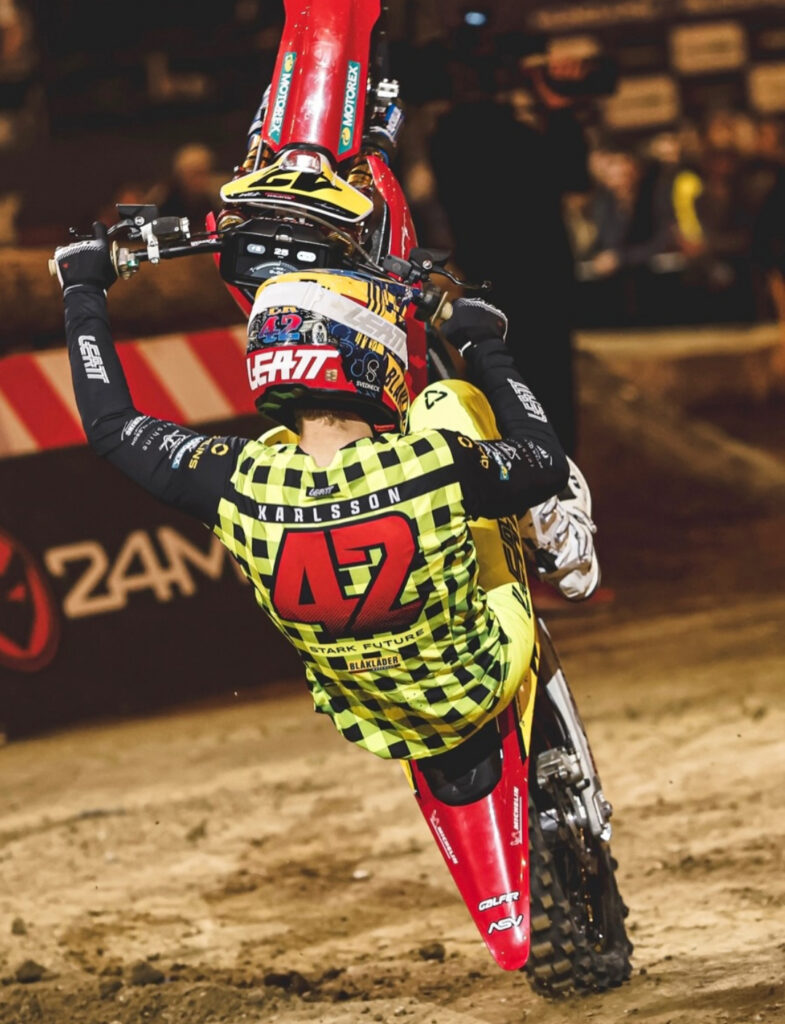
Stark continues to advance motorcycle-specific cell formats and battery pack architectures for future platforms, enhancing performance, range, and cost efficiency. A multi-sourcing strategy across strategic components has further strengthened supply resilience, stabilised lead times, and supported margin discipline as volumes scale.


To accelerate innovation and support its product roadmap, the company has approved a €36 million CAPEX programme for motorcycle R&D in 2026. The investment is primarily focused on new street motorcycle platforms, including the development of next-generation, high-performance electric powertrains and the advanced test-and-measurement infrastructure required to bring technologies from prototype to series production. Where necessary, Stark has also adapted logistics and sourcing strategies to navigate evolving global trade conditions without compromising quality, compliance, or performance.
STARK FUTURE >All images © Stark Future
Earlier this year, THE PACK reported on the bankruptcy of Swedish electric motorcycle manufacturer RGNT. Shortly after publication, CEO Jonathan Åström informed us that discussions were underway to reboot the brand. With respect for the brand and in the interest of the electric motorcycle industry, we agreed on the request to pause this publication while efforts to secure new backing were ongoing. With the relaunch now formally confirmed, RGNT is once again restarting operations under a new entity formed by its existing team.
 RGNT reboots once again following asset acquisition
Swedish electric motorcycle manufacturer RGNT is resuming operations after its core assets were acquired by a new entity formed by the existing team. The move follows the January 20, 2026 bankruptcy filing of RGNT Reborn AB, which the company says was primarily triggered by a serious breach of contract by a former logistics partner that disrupted operations and cash flow.
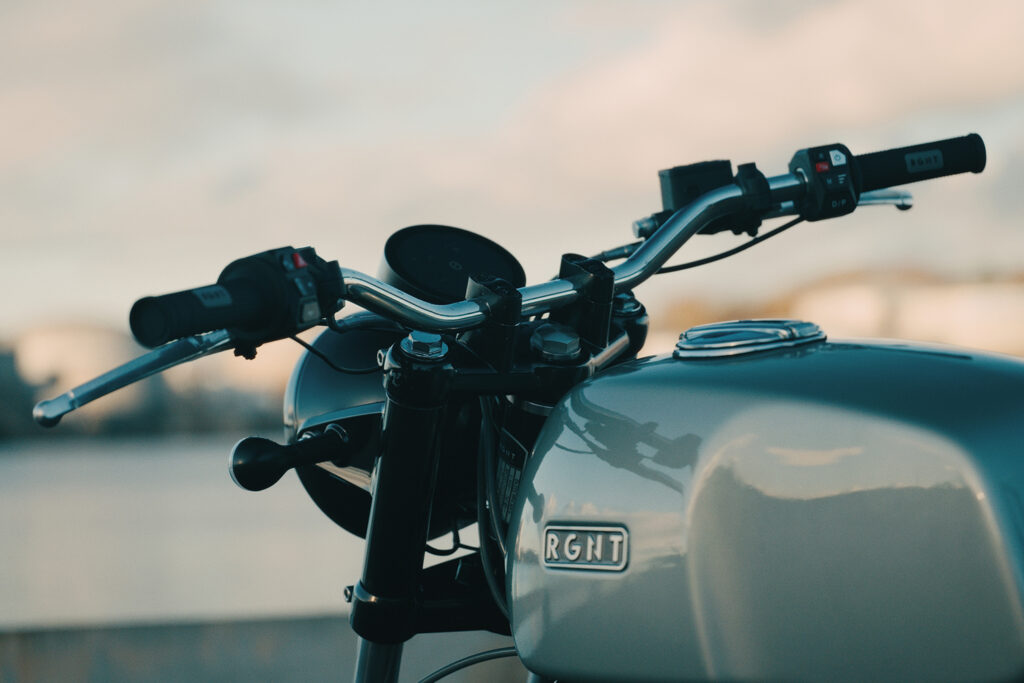
According to CEO Jonathan Åström, the acquisition includes RGNT's intellectual property, tooling, remaining inventory and the full team behind the brand. The company states that this structure ensures business continuity, with the same design philosophy and production approach remaining in place.
Warranties honoured, orders securedRGNT confirmed that all existing warranties on its Turbo models will remain valid and honoured without interruption. Open orders for the Street Classic are secured and will be fulfilled according to the original schedule.
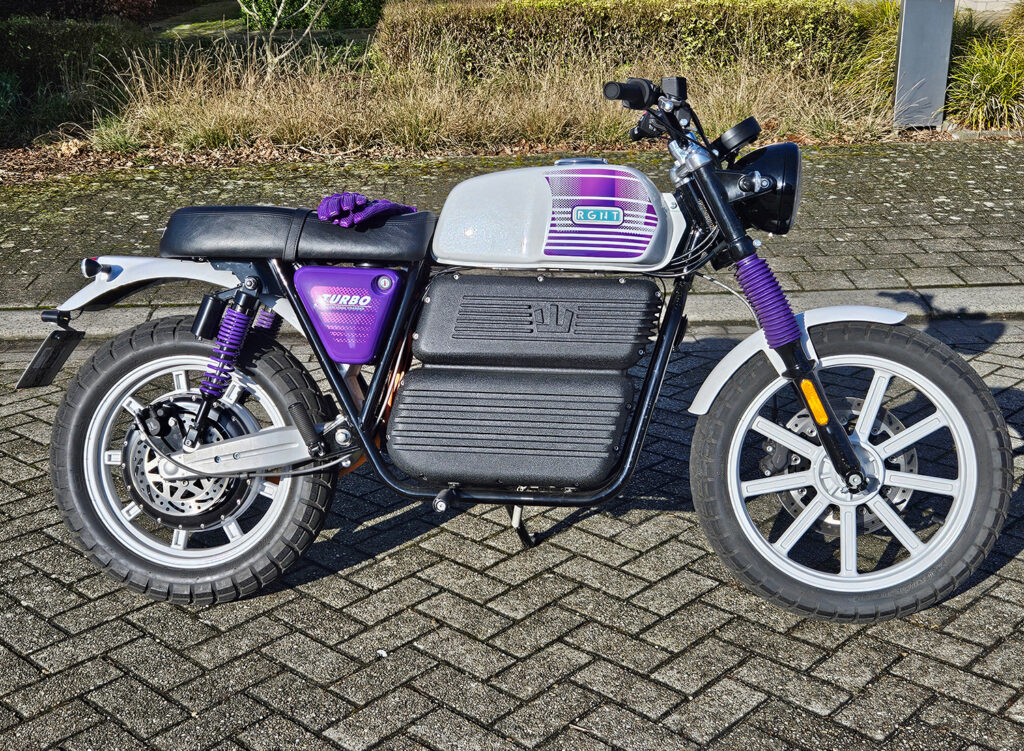 RGNT Turbo
The company also noted that approximately 30 units of the RGNT Turbo remain available for sale in 2026. Once this inventory is sold out, the focus will shift fully to production and customer deliveries of the Street Classic, which are scheduled to begin in Q4 2026.
Focus on Street Classic for 2026The remainder of 2026 will be dedicated to finalising development, certification, homologation and production ramp-up of the Street Classic, positioned as RGNT's flagship model combining Scandinavian design with modern electric performance.
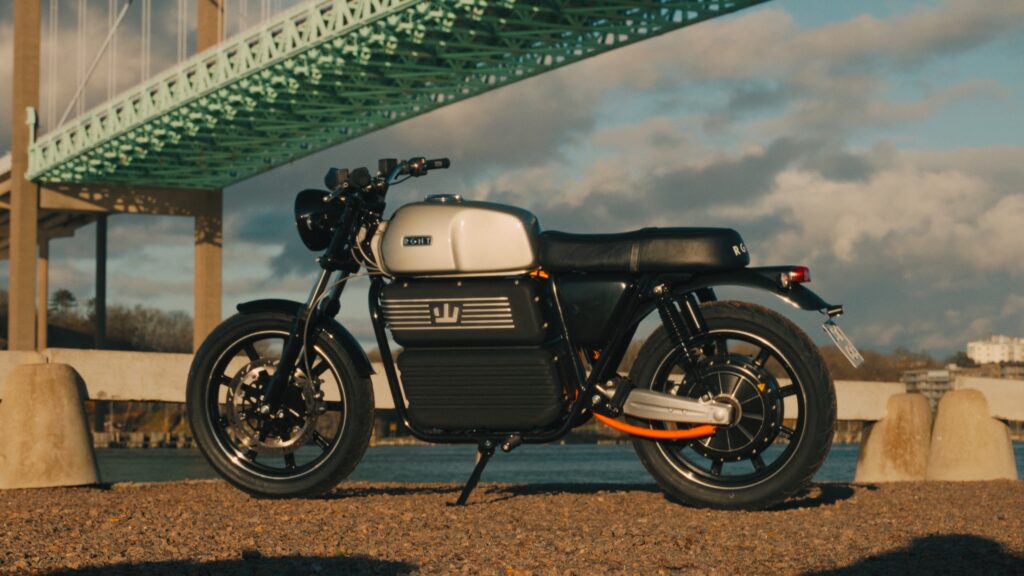
In a statement, Åström said the company is "deeply thankful for the unwavering support from our community, dealers, suppliers and customers throughout this transition."
The relaunch marks yet another chapter for the Gothenburg-based electric motorcycle maker, which has now undergone restructuring more than once as it navigates the challenging landscape of premium electric two-wheeler manufacturing.
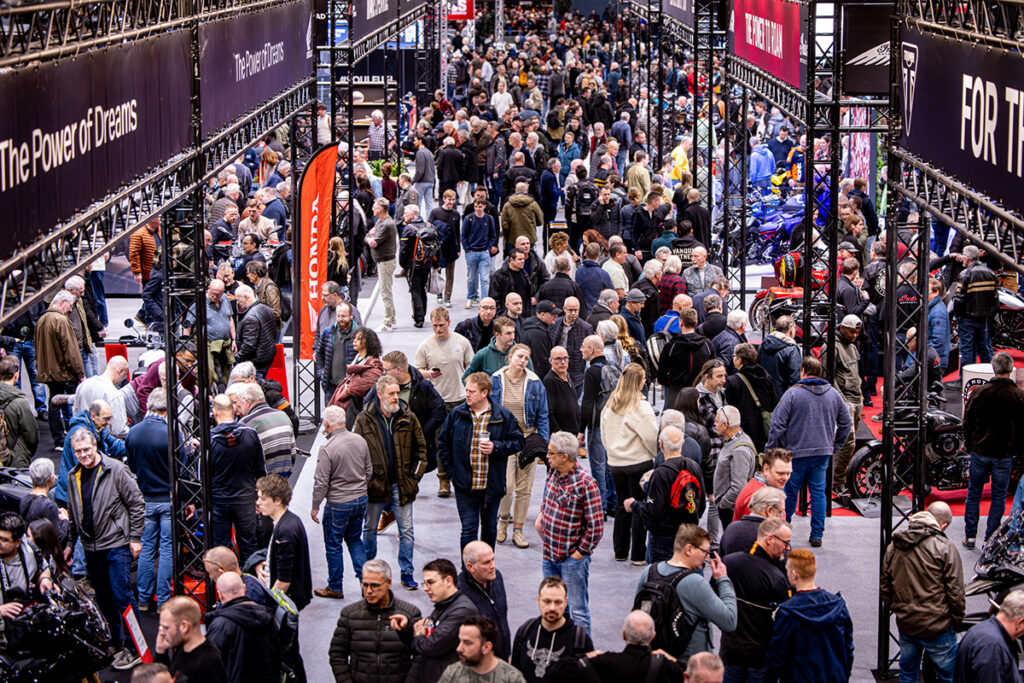
RGNT MOTORCYCLES >Source: press release: RAI Association | © Images: MOTORbeurs Utrecht | For MOTORbeurs Utrecht 2026, RAI Association and Royal Jaarbeurs are once again bringing nearly every major motorcycle brand together under one roof. Operating under the banner "All Brands United," the initiative marks the third time manufacturers have chosen collaboration over competition, and it coincides with a major milestone: the 40th edition of MOTORbeurs Utrecht.

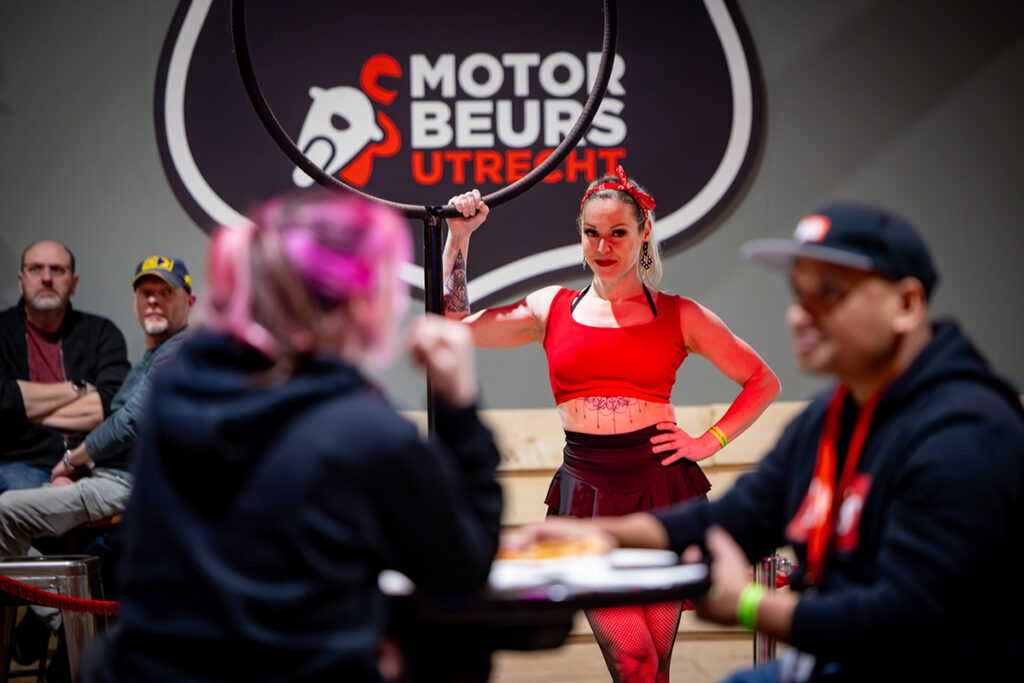
From 19-22 February 2026, Jaarbeurs Utrecht will host what is expected to be the biggest edition yet, with organisers predicting record visitor numbers and the most comprehensive brand line-up in the show's history.
United brands, growing momentumAccording to Tom Crooijmans, Chairman of the Motorcycle Section at RAI Association, the decision to reunite was an easy one.
"We're delighted that the motorcycle brands affiliated with RAI Association have once again committed to participating collectively in MOTORbeurs Utrecht. Visitor numbers have been rising steadily, and by working together we're continuing the positive momentum of recent years."
That momentum reflects a wider shift in the Netherlands, where motorcycling is gaining popularity at pace. More people are earning their motorcycle licences, and two-wheel mobility is increasingly recognised not just as a lifestyle choice, but as a practical and affordable transport solution.
 A jubilee edition with purpose
Royal Jaarbeurs is equally enthusiastic about the collaboration. Rachel Jankowsky, Exhibition Manager of MOTORbeurs Utrecht, sees the collective approach as central to the event's success.
"This year marks the 40th edition of MOTORbeurs Utrecht, and it remains one of the highlights of our annual calendar. Previous editions have shown that cooperation between brands creates a complete and transparent overview for visitors, and that's exactly what they're looking for."
The collaboration is coordinated through RAI Association, with importers joining forces to present a unified view of the 2026 model year. Martijn van Eikenhorst, Section Manager Motorcycles at RAI Association, believes the timing couldn't be better.
"Motorcycling is growing rapidly. More Dutch riders are discovering that riding is about more than just experience, it plays a vital role in accessible and affordable mobility. Employers are increasingly recognising this as well. That makes it essential to showcase two-wheel mobility to a broad audience."
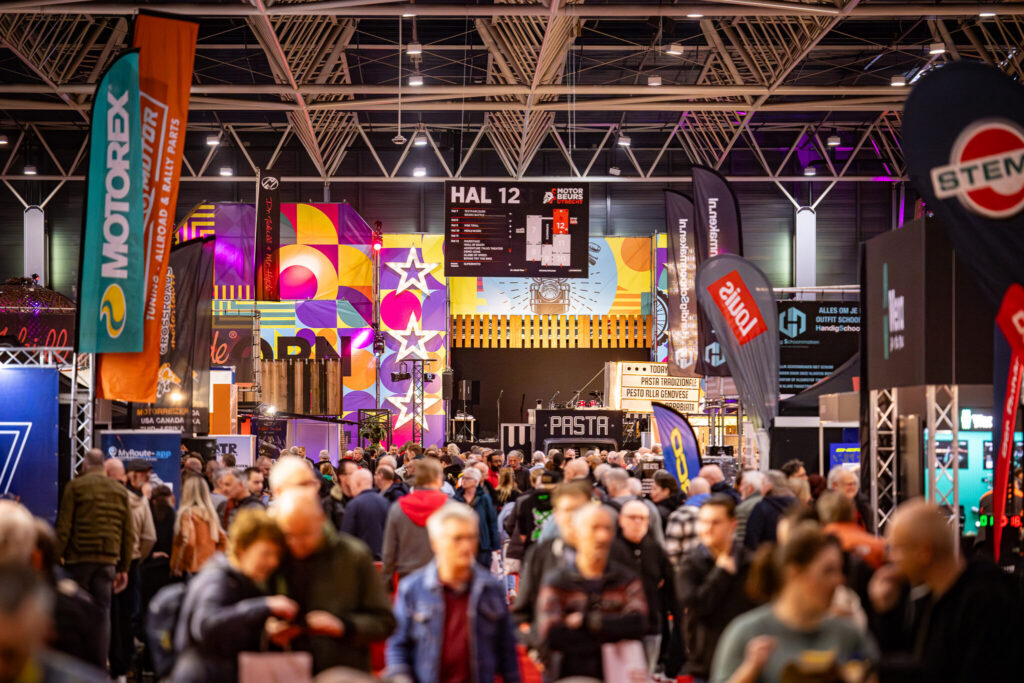 Every major name, one hall
For visitors, "All Brands United" means exactly that: a single destination to see all major 2026 model launches side by side. Brands confirmed for MOTORbeurs Utrecht 2026 include:
Aprilia, Benelli, Bimota, BMW Motorrad, CFMoto, Ducati, Harley-Davidson, Honda, Indian Motorcycle, Kawasaki, KTM, Kymco, Mash, Morbidelli, Moto Guzzi, NIU, Piaggio, QJMotor, Royal Enfield, Suzuki, Triumph, Ultraviolette, Vespa, Voge, Yamaha, Zeeho, and Zero Motorcycles.
Editor's note - THE PACK:Guy Salens - Leader of THE PACK: "I hope that the majority of participating brands will also bring their electric models to Utrecht. With nearly the entire industry represented in one place, MOTORbeurs Utrecht 2026 offers a unique opportunity to introduce electric two-wheel mobility to a truly broad audience. Seeing these machines up close, next to their combustion counterparts, is exactly what helps riders understand where electric fits today, and where it's headed tomorrow".
 Practical info
MOTORbeurs Utrecht 2026
B2B News | Source: press release Zero Motorcycles | Zero Motorcycles closed out 2025 with major momentum, posting strong gains across global sales, dealer expansion, and product adoption as electric motorcycles continue to move further into the mainstream.
In North America, Zero recorded an 89 percent year-over-year increase in retail sales, while Europe and the rest of the world saw combined growth of 17 percent. The surge reflects sustained demand in Zero's core markets, alongside growing interest in more accessible electric models introduced through the brand's new XB and XE platforms.
 Zero XB
Sales of Zero's full-size motorcycles also climbed significantly, rising 28 percent compared to 2024. Meanwhile, the company's X Line proved to be a key growth driver, accounting for more than 30 percent of total North American sales and 16 percent of sales across EMEA and APAC. Designed to lower the barrier to entry for electric riding, the X Line has helped bring new riders into the category while broadening Zero's global footprint.
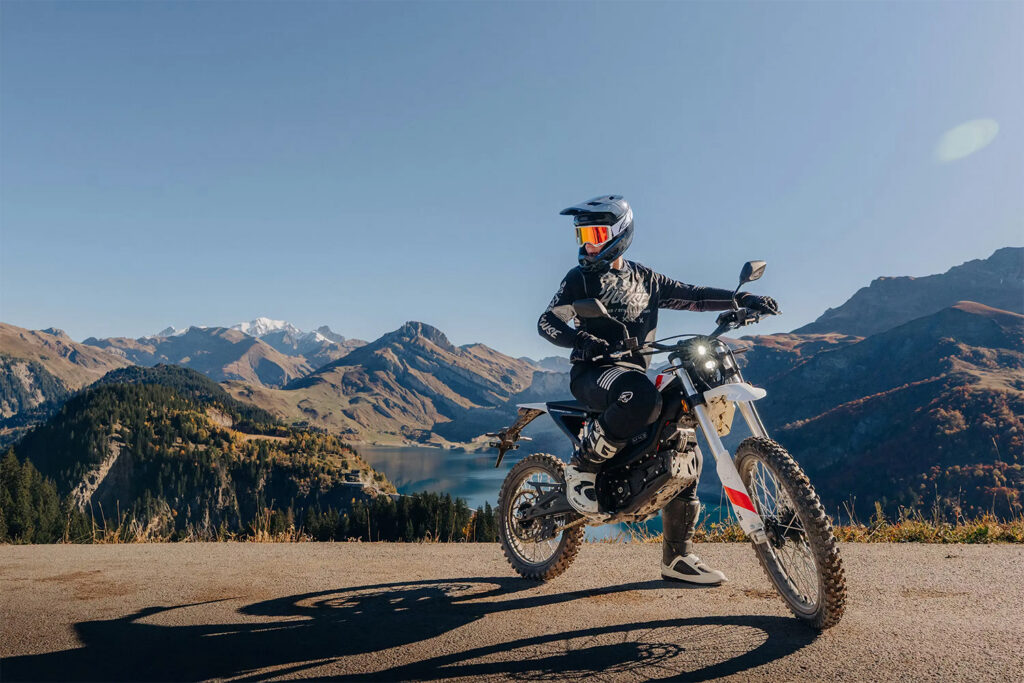 Zero XE
To support the growing customer base, Zero expanded its retail network throughout 2025, increasing its North American dealership count by 40 percent. The brand now operates through more than 250 locations worldwide, reinforcing its focus on improving access to sales, service, and long-term ownership support.

The year ended on a high note in North America, where December retail sales jumped 491 percent compared to the same month in 2024, an indicator of strong late-year demand and growing confidence in electric two-wheel mobility.
"2025 was a defining year for Zero Motorcycles," said CEO Pierre-Martin Bos. "We expanded our global footprint, grew sales, and welcomed more riders into electric mobility than ever before, clear proof that our products and vision continue to resonate worldwide."
Looking ahead to 2026, Zero Motorcycles says it will remain focused on responsible growth, expanding access to electric two-wheel transportation, and continuing to shape the future of sustainable mobility.
ZERO MOTORCYCLES >B2B News | Source: Press release Sur-Ron at CycleNews | After a three-year legal battle, electric off-road motorcycle manufacturer Sur-Ron has secured a decisive victory in a U.S. patent infringement case, with a federal jury awarding the company USD $10 million in damages.

On January 16, 2026, a jury in the U.S. District Court for the Western District of Texas (Austin Division) returned a unanimous verdict in favor of Sur-Ron in its case against Talaria Technology (Chongqing) Co., Ltd. and Talaria Technology (Hong Kong) Co., Ltd. The jury found Talaria liable for willful patent infringement, marking a significant outcome in a cross-border intellectual property dispute within the electric powersports industry.

The ruling concludes a multinational lawsuit that centered on Talaria's alleged infringement of Sur-Ron's core design patent for its flagship electric off-road motorcycle, the Light Bee. According to court filings, Sur-Ron presented extensive documentation, including original design manuscripts, patent registrations, and market development records, all of which were accepted by the court as evidence of infringement.
For Sur-Ron, widely regarded as a pioneer in the electric off-road motorcycle segment, the verdict reinforces the growing global emphasis on intellectual property enforcement, particularly as Chinese manufacturers expand into international markets.

"This case demonstrates that intellectual property protection has no borders," the company stated following the verdict. "Infringement is not a low-risk shortcut, and attempts to profit from copied designs will face serious legal consequences."
The dispute also drew attention due to its backstory. Talaria was founded by former Sur-Ron employees who had previously held senior sales roles and possessed detailed knowledge of Sur-Ron's product designs and distribution channels. The case alleged that this access played a role in the development and commercialization of competing products.

Beyond the financial award, the verdict is being viewed as a broader signal to the global powersports and electric vehicle industries: international courts are increasingly willing to enforce design and utility patents, regardless of where a company is based.
For Sur-Ron, the win not only protects its brand and innovations but also underscores a larger message, that companies operating on the global stage must play by global rules. As the electric off-road market continues to grow, this case may serve as a reference point for future IP disputes across the industry.
SUR-RON US >Images: © Sur-Ron
B2B News | Source: Bcomp | Electric mobility isn't just about batteries and motors anymore. Increasingly, the conversation is shifting toward materials, what vehicles are made from, how they look, and how sustainably they're produced. A new concept vehicle from Indian EV pioneer Ather Energy and Swiss cleantech specialist Bcomp puts that idea front and center.
The result of their collaboration is Redux, a futuristic two-wheeler concept that blends scooter agility with motorcycle dynamics, while showcasing what natural fibre composites can bring to the next generation of electric mobility.
 A "Living Laboratory" on two wheels
Founded in 2013 in Bengaluru, Ather Energy was among India's first electric scooter startups and has since delivered more than 5,000 vehicles. Redux represents a step beyond production realities—a design and engineering experiment exploring new materials, interfaces, and mechanical ideas.
Classified as a motor-scooter, Redux combines compact proportions with a more aggressive, motorcycle-inspired stance. But its most distinctive feature isn't its silhouette, it's what the bodywork is made of.
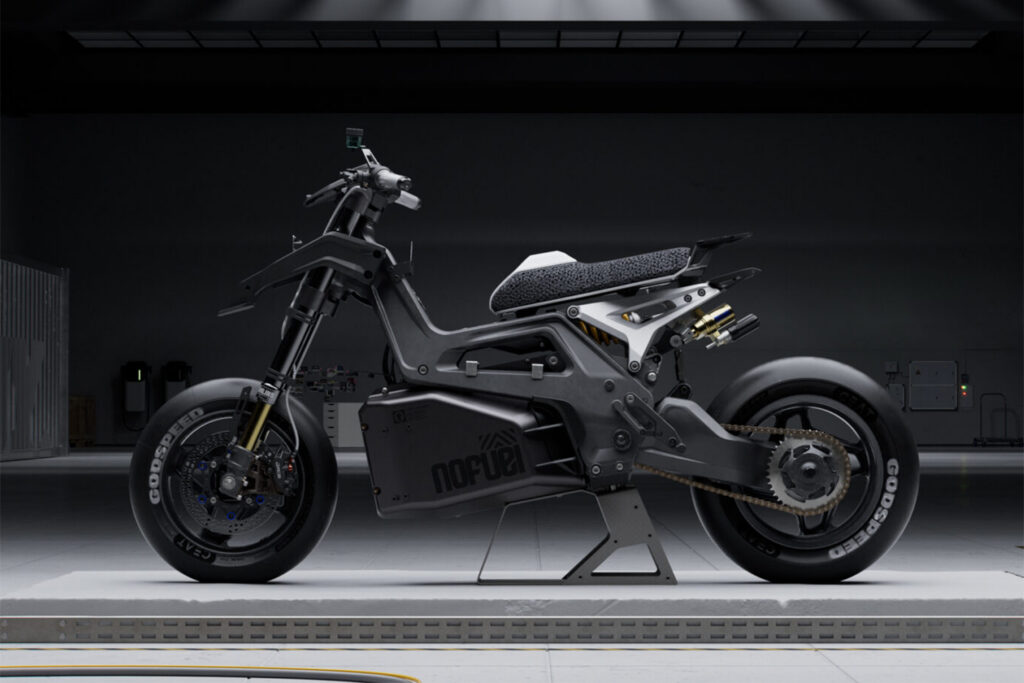
At the core of Redux's visual and structural identity is ampliTex , Bcomp's flax-fibre composite material. Mounted on a lightweight aluminium frame, the ampliTex panels replace conventional plastics and fibre-reinforced materials, reducing weight while still meeting the structural demands of a two-wheeled vehicle.
ampliTex is a woven fabric made from renewable flax fibres, offering a dramatically lower carbon footprint than traditional materials like ABS plastic, glass fibre, or carbon fibre. When combined with a thermoset matrix, the material can reduce CO₂ emissions by up to 85% compared to carbon fibre equivalents.

It also brings practical advantages beyond sustainability. Flax fibre composites provide natural vibration damping and more predictable behaviour under stress, qualities that matter on real roads, not just in design studios. At end of life, the material can be incinerated with energy recovery, offering a clearer sustainability pathway than many composite alternatives.
Design you don't hideRedux follows an "inside-out" design philosophy, where materials and components are meant to be seen rather than concealed. ampliTex plays a major role here, delivering a distinctive woven texture that reads as both technical and organic, perfect for exposed applications.
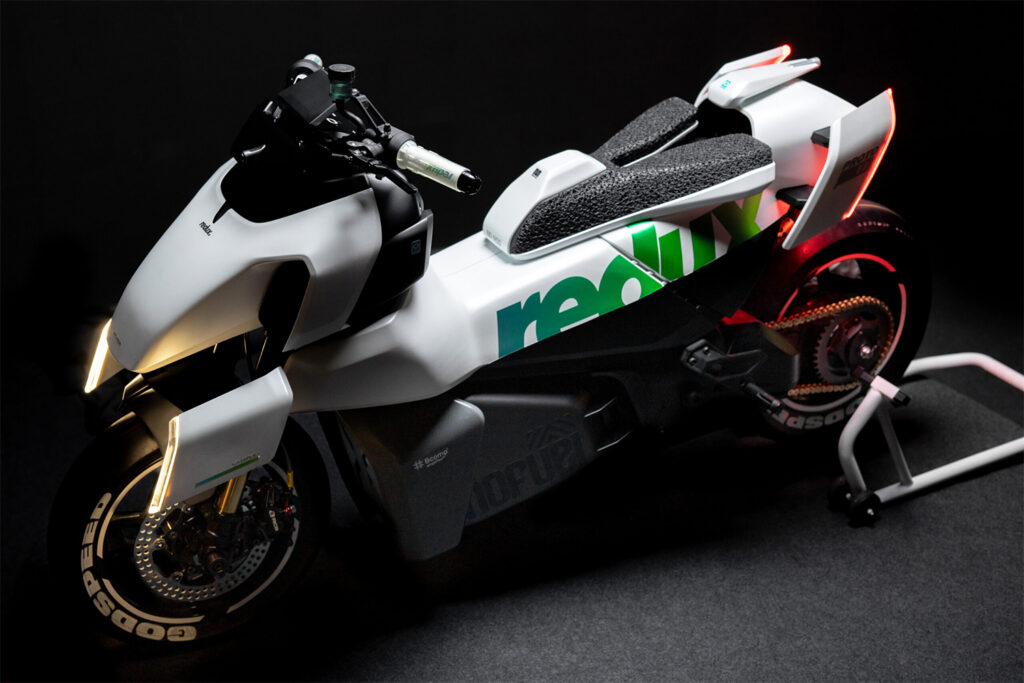
Instead of acting as hidden structure, the flax-fibre panels become a visible part of the vehicle's identity, reinforcing the idea that sustainability doesn't have to come at the expense of performance or visual impact.
As Ather's Head of Design Bikash Jyoti Biswas explains:
Beyond electrification"The Redux concept reflects our belief that materials should actively shape both design and performance. Exploring ampliTex
For Bcomp, Redux is a clear demonstration of where advanced composites are heading.
"Redux shows exactly what ampliTex
As electric two-wheelers evolve into lifestyle products rather than simple transport tools, collaborations like this hint at what's next. Electrification may be the foundation, but materials, design, and sustainability are quickly becoming the differentiators.
Redux may be a concept, but the ideas behind it feel very real.
ATHER ENERGY >Images © Ather Energy
 NUUK Mobility surpasses 30,000 vehicles managed, cementing its role as a leader in professional delivery fleets [ 30-Jan-26 11:44am ]
B2B News | Source: NUUK Mobility | NUUK Mobility has crossed a significant milestone: more than 30,000 vehicles under management, reinforcing its position as one of Spain's most relevant players in professional delivery and connected fleet mobility.
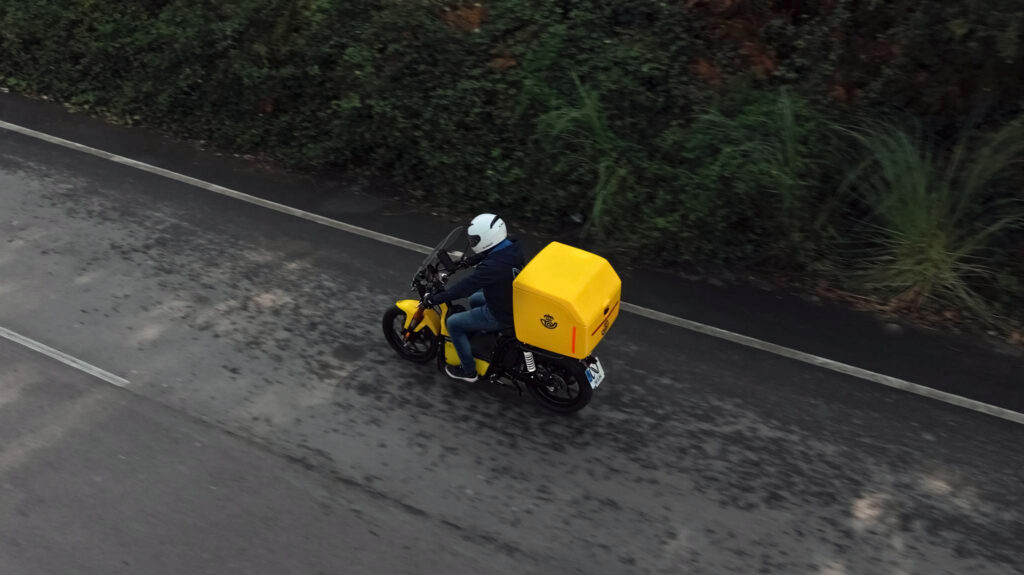
Specialised in end-to-end fleet management and the design and commercialisation of light electric vehicles, NUUK has become a key operator for professional distribution, working with nearly 50 major clients nationwide. Its business model combines electric vehicles purpose-built for professional use with a comprehensive ecosystem of services, delivered as a flexible, turnkey solution that allows companies to fully outsource fleet operations and focus on scaling their core business.
A key player in the electrification of professional fleetsToday, NUUK manages a highly diverse fleet of two-, three- and four-wheel vehicles, providing services such as maintenance, roadside assistance, logistics support and geolocation, among other value-added solutions. The fleet includes mopeds, motorcycles, vans and even trucks, both electric and combustion-powered.
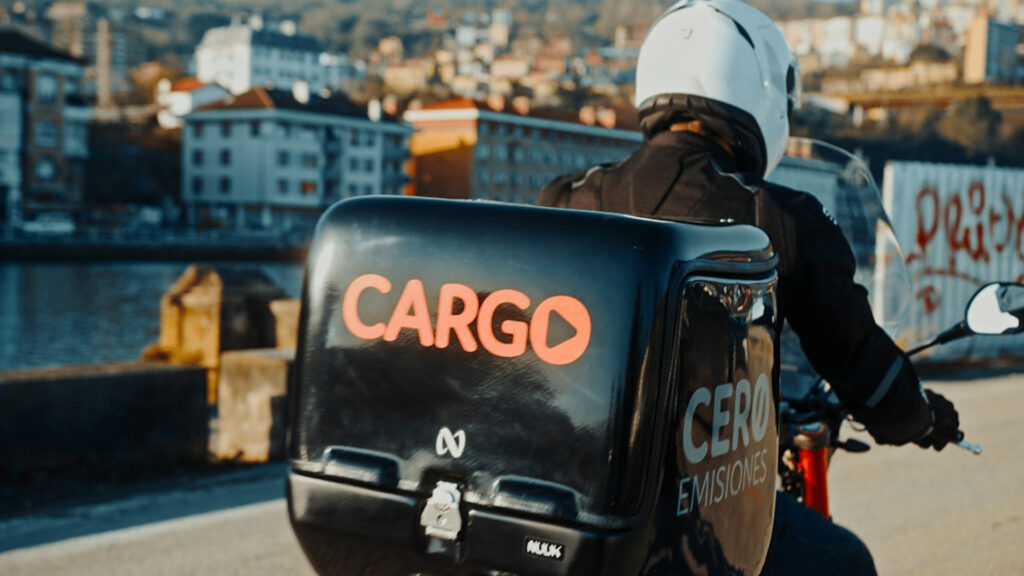
This scale, combined with strong technological capabilities and nationwide coverage, positions NUUK as a reference in connected professional mobility, with particular strength in the fast-growing urban delivery (last-mile) segment.
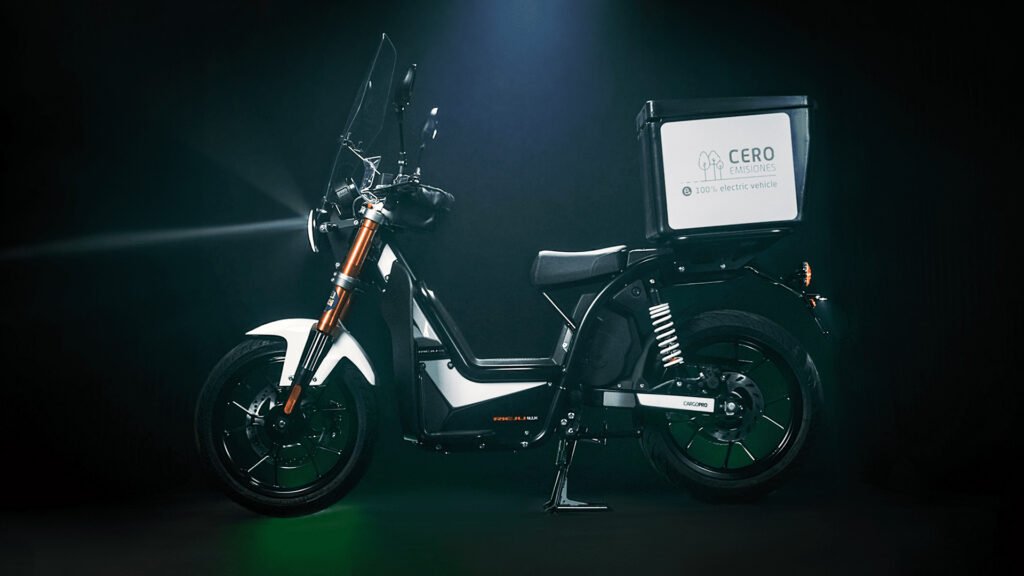
Among its most notable partners are leading organisations in logistics and food service. One standout example is Correos, Spain's national postal service, which has already incorporated more than 2,500 units of NUUK's cyber-secure electric motorcycle, the CARGOPRO, into its operations. NUUK also works closely with several major restaurant chains, where it has established itself as a long-term strategic mobility partner.
From the Basque country to nationwide operationsHeadquartered in Bizkaia, with operational hubs in Galdakao and Madrid, NUUK coordinates fleet management, engineering and technological development for the entire Iberian Peninsula. In line with its strategic roadmap, the company has also expanded beyond its traditional two-wheel focus, strengthening its presence across multiple vehicle categories.

That evolution is exemplified by one of NUUK's most significant recent achievements: being awarded the management of almost the entire Correos delivery fleet.
Managing nearly the entire Correos delivery fleetUnder this agreement, NUUK will manage close to 12,000 Correos vehicles, a clear signal of the confidence placed in the company by large-scale public and private operators. The fleet includes more than 6,500 light vehicles, electric and combustion motorcycles, as well as over 5,000 four-wheel vehicles, ranging from cars and vans to trucks of various sizes, both electric and conventional.

"We are proud to be the trusted partner of Spain's leading delivery fleets," says Gorka Lozano, CEO of NUUK Mobility. "Our commitment is to support companies by solving their day-to-day operational challenges, deploying, connecting and managing their fleets so they can operate at maximum efficiency."
Proprietary platforms for 360° fleet managementOne of NUUK's key differentiators lies in its proprietary telematics and fleet management platforms, operated by specialised in-house teams. Through NUUK Connectivity, technicians monitor vehicle location in real time, routes, alerts, user profiles and customised reporting for clients.

Roadside assistance is managed through the NFM app, enabling immediate response to incidents. NUUK's contact centre has direct access to real-time vehicle data and coordinates with the nearest workshop to provide on-site assistance or repairs, improving both safety and operational uptime.
Together, these platforms offer a 360-degree view of fleet operations, supported by expert teams and tools for predictive maintenance, operational cost control, ITV management, fines administration and full document handling.

Looking ahead, NUUK is also developing an innovative battery-swapping locker system, designed to optimise electric vehicle usage in urban delivery operations and significantly reduce downtime. Already piloted in Madrid, the project underlines NUUK's ongoing commitment to faster, more efficient and more sustainable urban mobility.
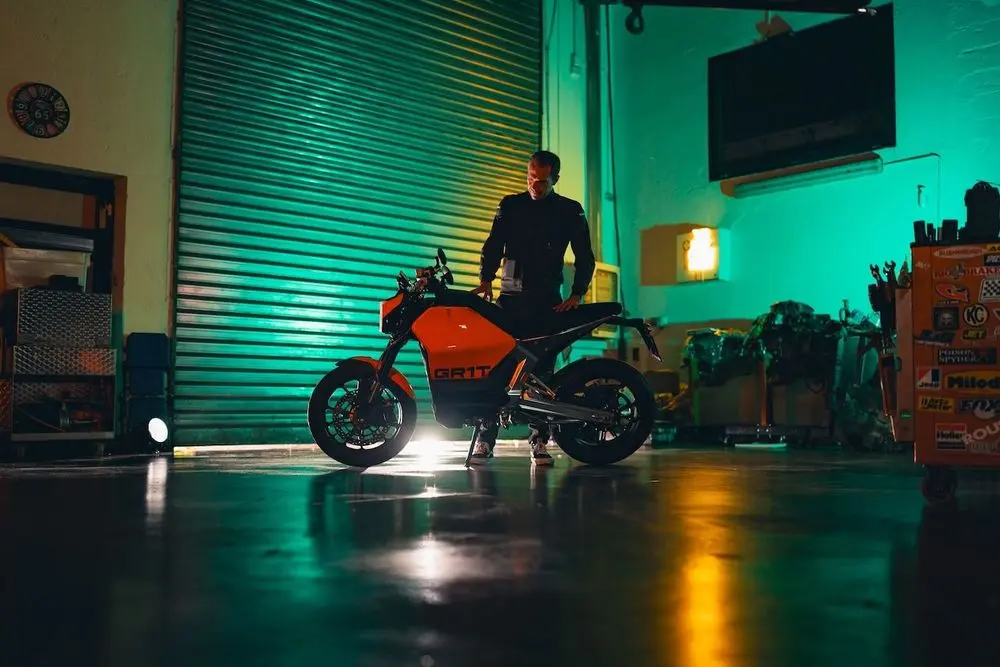
NUUK >Source: sponsored press release GR1T Motorcycles | GR1T Motorcycles announces the launch of Raider, a new electric motorcycle concept developed as a dual-use platform for military, law-enforcement, and civilian riders operating in demanding environments.
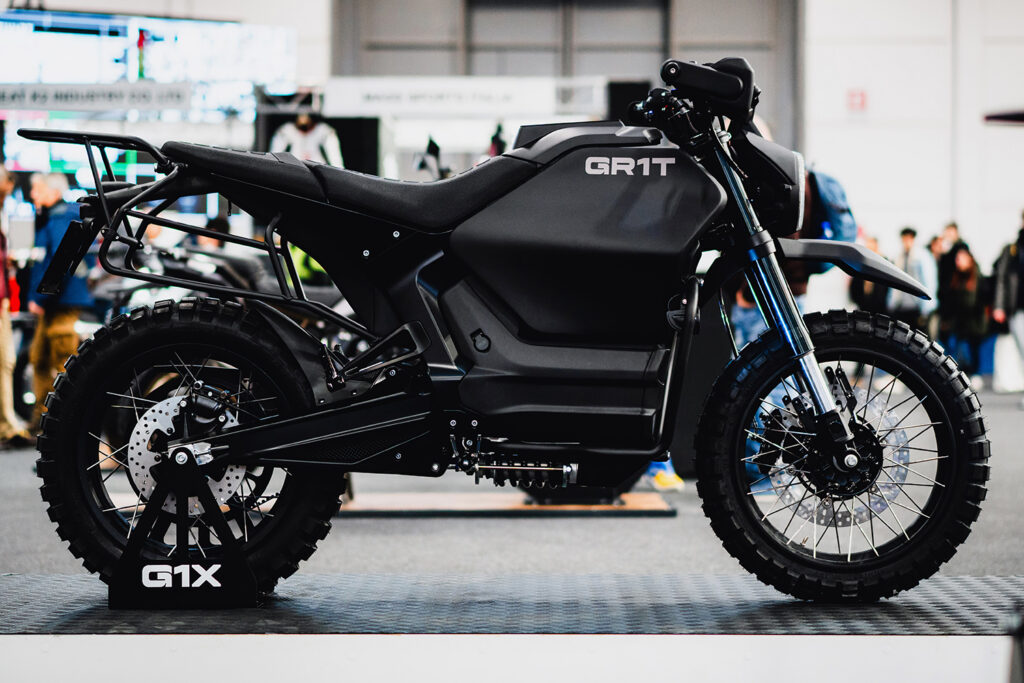
Raider is built on GR1T's proven G1 electric motorcycle platform, combining robust off-road capability with advanced electric powertrain performance. The concept reflects GR1T's ongoing focus on modularity, resilience, and adaptability, delivering a vehicle designed for operational flexibility across a wide range of use cases.
A dual-use platform by designThe GR1T Raider has been conceived as a multi-role electric motorcycle, capable of supporting professional security and defence requirements while remaining suitable for civilian riders who prioritize durability, range, and functionality.
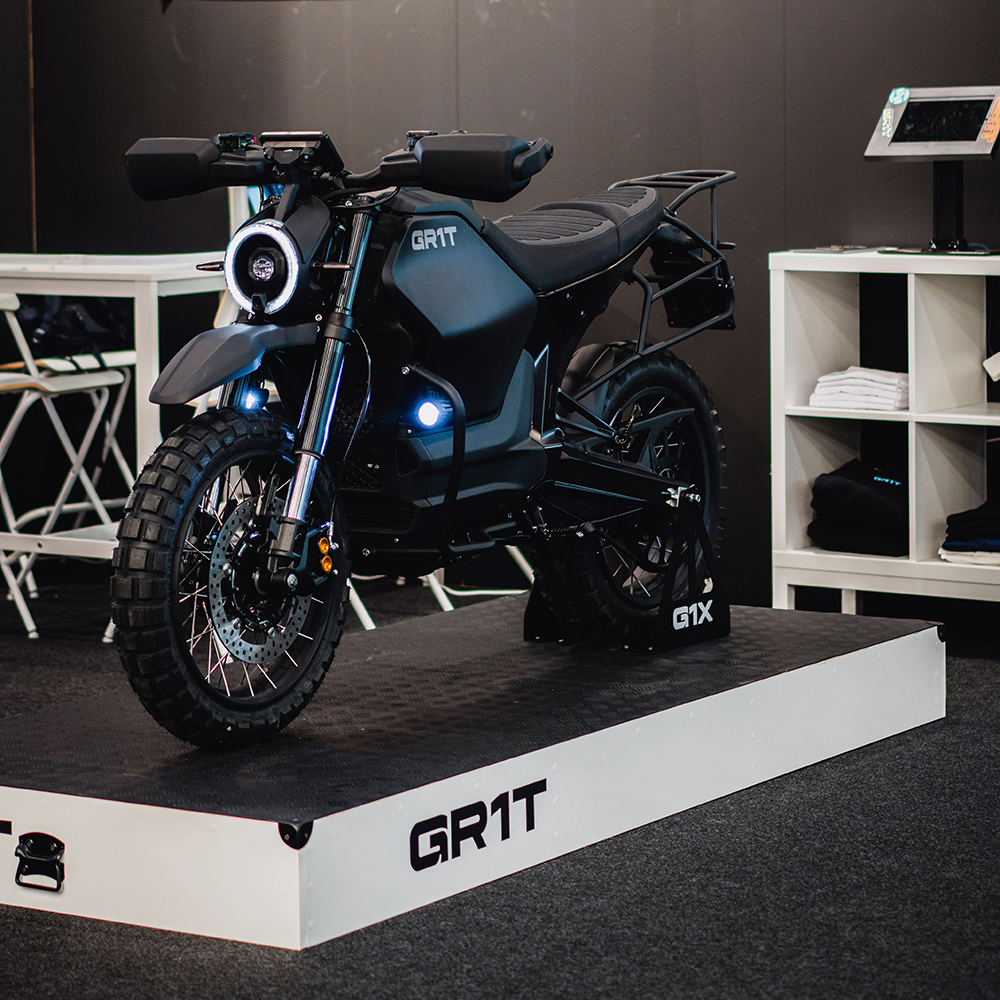
At its core, Raider utilizes GR1T's G1 platform architecture, delivering:
- Up to 150 km operational range, depending on configuration and usage;
- 2 removable batteries (with cargo capacity for up to 4 more);
- Top speed of approximately 130 km/h;
- A compact, torque-optimized electric drivetrain suited to urban, rural, and off-road environments.
The electric powertrain offers low acoustic and thermal signature advantages, alongside reduced maintenance requirements and simplified logistics compared to conventional internal-combustion alternatives.
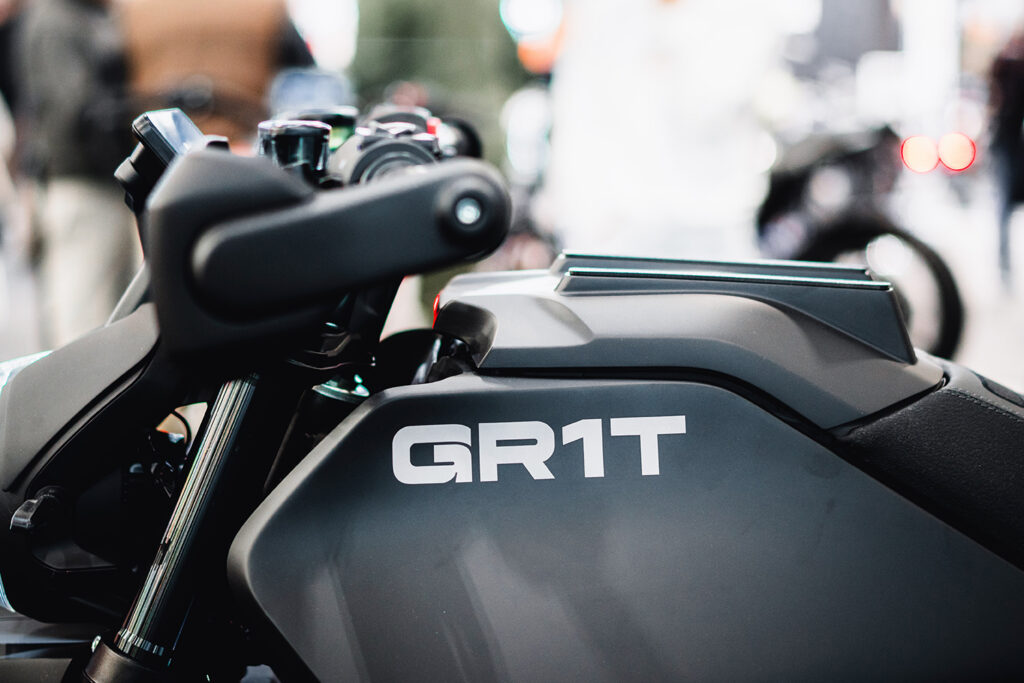 Mission-oriented enhancements
Building on the G1 platform, the Raider concept integrates a series of targeted enhancements intended to support more demanding operational scenarios:
- Enhanced infra-red (IR) shielding of the motor and powertrain to reduce thermal visibility;
- Advanced waterproofing of critical powertrain components, improving reliability in adverse weather, wet conditions and crossing shallow rivers or streams;
- Extended rear seat and reinforced load area, designed to accommodate heavy-grade equipment and cargo;
- Additional attachment points for modular cargo solutions, including tank bag and rear-mounted side saddle and top box systems;
- Leg and grip protection, improving rider stability and comfort during extended or off-road operation;
- Additional side lighting to enhance visibility and situational awareness;
- Master light kill switch, enabling rapid control of visible lighting when required;
- Increased ground clearance paired with heavy duty off-road tyres, extending capability beyond tracks, dirt roads and off-road conditions.
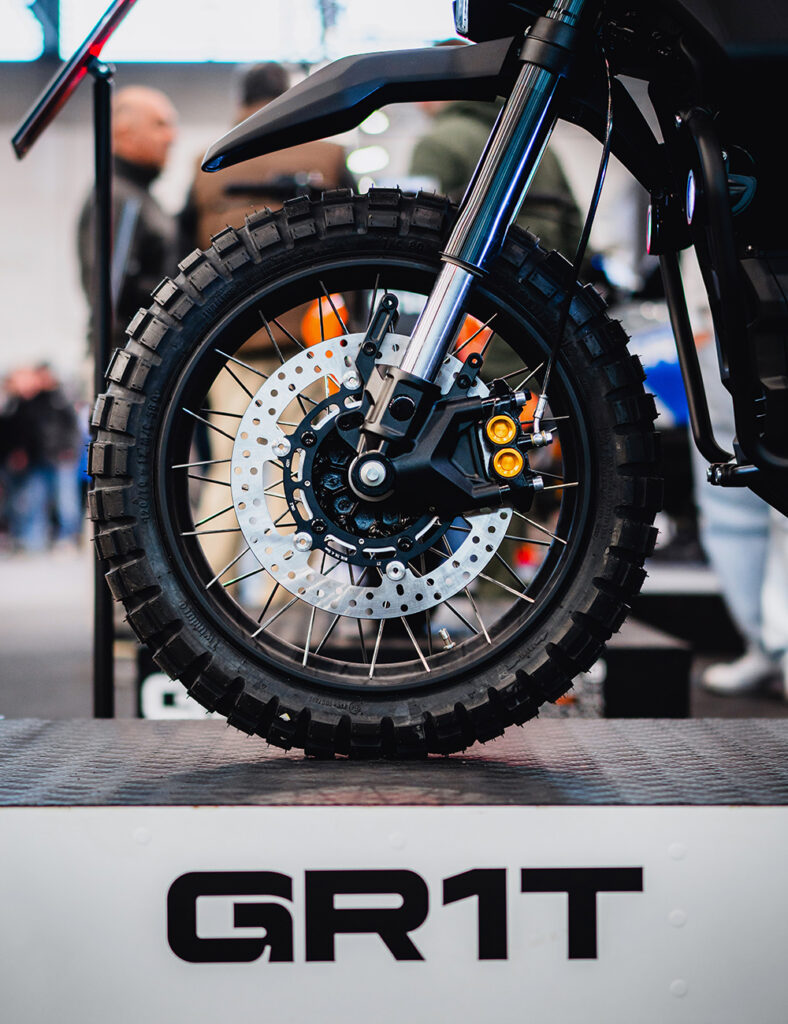
Together, these features position Raider as a platform suitable for patrol, reconnaissance, logistics support, and specialist civilian applications.
Modular seating and load configurationRaider has been designed with flexible rear-section architecture, allowing for specialized storage systems and attachment points. This configuration supports the carriage of additional riders or equipment on the rear section, subject to configuration and regulatory requirements.
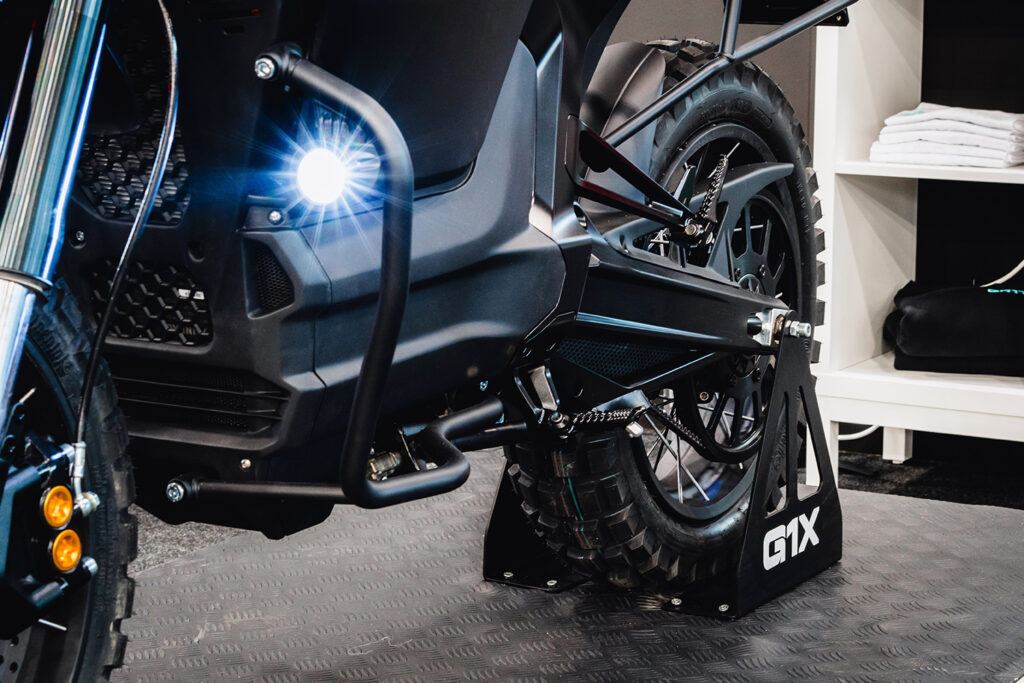
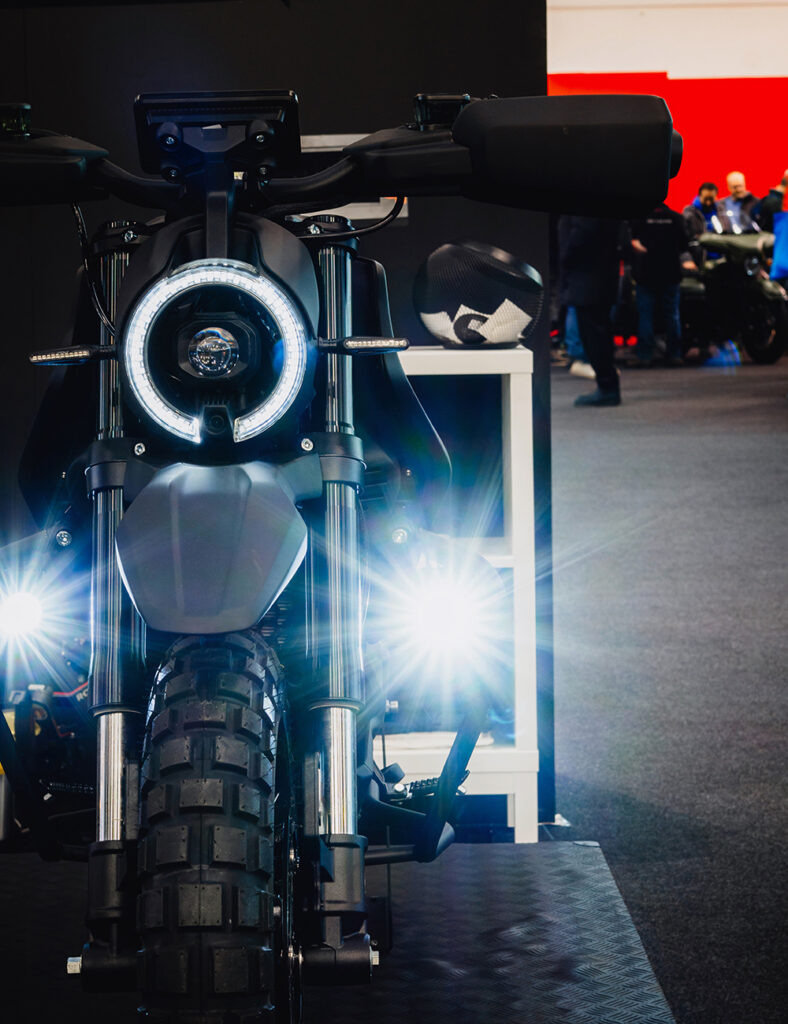
This modular approach enables the platform to be adapted for different missions, roles, and user needs without fundamental redesign.
A platform-led, modular development philosophyWith Raider, GR1T continues its platform-based development strategy: designing core vehicle architectures that can be adapted, configured, and evolved to meet the needs of different markets without compromising performance or reliability.
"Raider is not a finished product: it is a statement of intent," said Omar Abukhlal, CEO of GR1T Motorcycles. "It reflects how we think about electric motorcycles: as adaptable, modular platforms that can support real-world operational needs, whether civilian or professional."
Public debut
The GR1T Raider concept has been presented to the public at the Verona Motorcycle Exhibition, where attendees will had the opportunity to view the platform and engage with the GR1T team. Further technical details and development updates will be released in subsequent announcements.
 About GR1T Motorcycles
GR1T is an electric motorcycle company focused on the development of modular, high-performance electric platforms designed for demanding real-world use. GR1T's approach combines advanced electric drivetrain technology with robust mechanical design, enabling applications across civilian, industrial, and professional sectors.
For more information, please visit:
GR1T MOTORCYCLES >

Previous article(s) about GR1T Motorcycles:
GR1T Motorcycles is recruiting!
Join the GR1T Founders Circle and unlock a €1,500 factory discount off your GR1T Motorcycle.
B2B News | Stark Future has entered a strategic partnership with Wanxiang A123 to industrialise the 26120 cylindrical battery cell for next-generation electric motorcycles. Purpose-designed for two-wheel performance, the 26120 format delivers major gains in energy density, charging speed, and thermal performance compared with car-derived cell architectures.
Motorcycle-first cell architectureUnlike widely used 21700 cells adapted from automotive applications, the 26120 format exploits motorcycle chassis width to improve volumetric efficiency while reducing module complexity. The result is lower pack mass, fewer interconnects, and cleaner thermal pathways.
An aluminium cell enclosure further enhances heat transfer while reducing weight, enabling sustained high-load operation across off-road and street use cases. Target performance includes approximately 330 Wh/kg energy density and 10-15 minute ultra-fast charging, establishing a new benchmark for premium electric two-wheelers.

Dr. Jack Li, General Manager, Wanxiang A123: "A123 has always focused on high-power lithium-ion battery technologies. The development of the 26120 cell demonstrates the depth of our long-term technical capabilities and our commitment to pioneering new formats for emerging mobility segments."
From development to series supplyInitial development of the 26120 cell began in collaboration with EVE Energy, whose early programs validated the motorcycle-specific format and accelerated laboratory and field testing.
In line with Stark Future's multi-sourcing strategy to enhance resilience, scalability, and innovation, Wanxiang A123 has now been selected as a series-supply partner for the 26120 platform. This diversified supply model ensures performance continuity for riders while enabling rapid industrialisation across future products and regions.
A123 high-power technologyA123's proprietary high-power powder technology is engineered for high-rate discharge, rapid charge acceptance, and inherent thermal stability, critical for repeated hard acceleration, aggressive regenerative braking, and sustained peak loads.
The low-impedance cylindrical architecture optimises the jelly-roll, tabs, and current collectors to minimise internal resistance and heat generation at high C-rates. The aluminium can acts as an effective heat spreader, simplifying pack-level cooling and maintaining consistent output during long motos or repeated heats.

Anton Wass, CEO and Founder, Stark Future: "Motorcycles deserve their own battery architecture, not hand-me-downs from the car industry. With 26120, we unlock higher capacity, reduce weight, and dramatically improve charge time. It's a step-change for electric motorcycle performance."
Integrated safety features include robust separators, controlled venting, and pack-level BMS logic, including cut-out, fault isolation, and cell monitoring, tailored for motorsport environments. This enables rapid post-event discharge and careful investigation, while supporting long cycle life under partial-charge operation and demanding real-world conditions such as vibration, shock, and wide temperature variation.
Global scale and proven innovationWith more than 20 years of lithium-ion innovation and 700+ core patents (including over 500 invention patents), Wanxiang A123 supplies leading OEMs worldwide. Its global footprint, spanning three R&D bases and five laboratories across China, the United States, and Europe, alongside approximately 80 GWh of production capacity, enables a "global R&D, local supply" model that moves efficiently from prototype to mass production.
A123's high-power pedigree, including Formula 1 battery programs, underpins the 26120's pulse-current capability, fast-charge durability, and wide-temperature resilience demanded by premium electric motorcycles.
Demand for large cylindrical cells in electric two-wheelers accelerated sharply in 2024, with shipments up approximately 150%, positioning the 26120 format as a timely platform for the next wave of high-performance electric motorcycles.
Looking aheadWith 26120 prototypes now undergoing validation at Stark Future's Barcelona R&D centre, the company plans to integrate the format into future platforms, reinforcing its position at the forefront of high-performance electric motorcycle technology.
Previous articles about Stark Future:
STARK FUTURE >B2B News | Source: NX Technologies - LinkedIn | NX Technologies has entered a collaboration with BBM Motorcycles, a new electric motorcycle brand with ambitions to redefine performance, design, and fast-charging capability in the two-wheel electric space.

Founded by Guillaume Barras and Benoit Barras, BBM Motorcycles is focused on developing a new generation of high-performance electric motorcycles. The brand places equal emphasis on engineering precision, riding experience, and a strong design identity, areas that remain critical as electric motorcycles continue to evolve beyond early-adopter technology.

To support this vision, NX Technologies is supplying compact, high-performance power electronics tailored to the demands of lightweight, performance-driven electric motorcycles. NX's inverter technology, designed for high power density while minimizing weight and size, plays a central role in improving efficiency without compromising performance.


The partnership highlights how advanced power electronics and a clearly defined product philosophy can work together to push electric mobility forward. By combining BBM's performance-led approach with NX's technical expertise, the collaboration aims to deliver electric motorcycles that are not only more efficient and sustainable, but also more engaging to ride.

As BBM Motorcycles continues development, more details are expected to emerge as this new electric platform moves closer to the road.
Previous article(s) about BBM Motorcycles:
A new name is making noise in the European e-motorcycle scene: BBM Motorcycles
Motowatt is developing a professional cargo tricycle called the Triporteur W1X (also referred to as the W1X Triporteur or TW1X) for urban and peri-urban delivery services.

Key information about the Motowatt Triporteur W1X:
Target Audience: These cargo tricycles are designed for professionals (food delivery, skilled workers, couriers, hotel & tourism) seeking an efficient, agile, and low-cost means of transport for accessing city centers or increasingly regulated low-emission zones.

Technology: The Triporteur will be equipped with the same modular dual-motor traction system (offering two or three-wheel drive options) that is featured in Motowatt's W1X electric motorcycle, providing enhanced stability and safety. The motors are integrated directly into the wheels.

Practicality: It is designed for intensive daily use, featuring a large cargo volume of up to 3 m³ and a payload capacity of 550 kgs.

Design: The driving position is engineered for visibility, accessibility, ergonomics, safety, and comfort. The vehicle is designed to be agile with a relatively narrow width of 1.4 m and a length of 3.3 m.
Source: social media Motowatt | © Photos: Motowatt
First appearance on Smahrt Toulouse | 25-27 January | South-West Catering,
Hotel and Food Trade Exhibition
 Motowatt W1X / W1X Scrambler
Previous article(s) about Motowatt:
New W1X electric motorbike developed in France by Henri and Olivier Rabatel from Motowatt
Source: sponsored press release GR1T Motorcycles: "As we move from advanced prototyping into industrialization, we are expanding our external expert partner network. We are currently seeking collaborators for three focused, high-impact roles supporting technology, security, and brand growth. These are project-based engagements, ideal for experienced professionals who want to work at the sharp edge of electric mobility innovation. The first two positions are open to agencies / consultancies and individual candidates. The third position is for an individual candidate."
Deadlines for Application have been extended to 15 February 2026.
Cybersecurity Consultant - On-Board Vehicle Cybersecurity (Remote / Project-Based)Agency or Individual
GR1T Motorcycles seeks a Cybersecurity Consultant / Advisory Partner to support the design and validation of on-board vehicle cybersecurity for its next-generation electric motorcycles. The role focuses on threat modelling, secure architecture, and alignment with emerging automotive cybersecurity standards, ensuring that connected vehicle systems are resilient by design rather than patched after the fact.
 MORE INFO >
This is a strategic advisory role working directly with GR1T's engineering leadership. Ideal candidates will have experience in vehicle, IoT, or embedded systems security, and a strong grasp of risk-based security frameworks. The engagement is part-time, project-driven, and can be structured as an advisory or consulting mandate.
Content Creation, Marketing & Social Media Management (Remote / Project-based)
Agency or Individual | Key Markets: International / Germany
We are looking for a Content Creation and Marketing Partner to take ownership of GR1T's outward-facing narrative across digital channels. This role covers content planning, copywriting, visual coordination, and social media execution, translating engineering depth and brand philosophy into clear, compelling storytelling.
 MORE INFO >
The project is fully remote and suited to an experienced freelancer or small agency with proven experience in mobility, technology, or premium consumer brands. Strong editorial judgement, consistency, and the ability to work independently and across different geographies are essential. This is not generic social media posting: it is about building a coherent, credible brand voice from the ground up.
Technical Consultant - Electric Motorcycle Development (Part-Time, Remote)
Invidual
GR1T Motorcycles is recruiting a Technical Consultant to support engineering decision-making across components, systems integration, and supplier interfaces. The role is advisory in nature and designed to complement the in-house team with external expertise drawn from motorcycle, EV, or advanced manufacturing backgrounds.
 MORE INFO >
This is a flexible, part-time, remote engagement, suitable for senior engineers or technical leaders who want hands-on involvement without a full-time commitment. The focus is on pragmatic problem-solving, design trade-offs, and ensuring technical coherence as the platform scales toward production.
GR1T Motorcycles: "Interested contributors are invited to review the full notices via the 'MORE INFO' links provided and get in touch. GR1T is building something new and fundamentally different, and we prefer to work with people who are too."
GR1T MOTORCYCLES >Previous post(s) about GR1T Motorcycles:
GR1T Motorcycles to exhibit at Motor Bike Expo 2026 in Verona
Join the GR1T Founders Circle and unlock a €1,500 factory discount off your GR1T Motorcycle.
Source: THE PACK Italia | Author: Marco Ghezzi | Photography: Pombo Fotógrafo | This year at Dakar Mission 1000 - the category dedicated to vehicles using alternative energy - one name stands out: Team Galicia. The credit goes above all to Fran Gómez Pallas, a resident of Carballo (Galicia) but born in Venezuela, who in the 2026 edition competed in his ninth Dakar, the second astride an electric motorcycle.
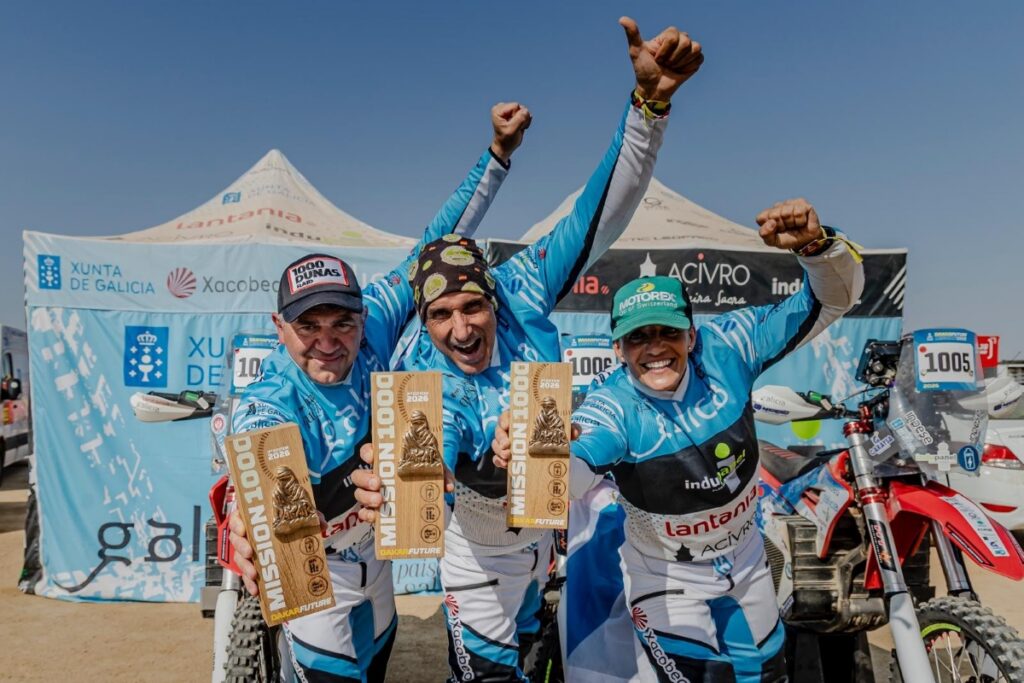
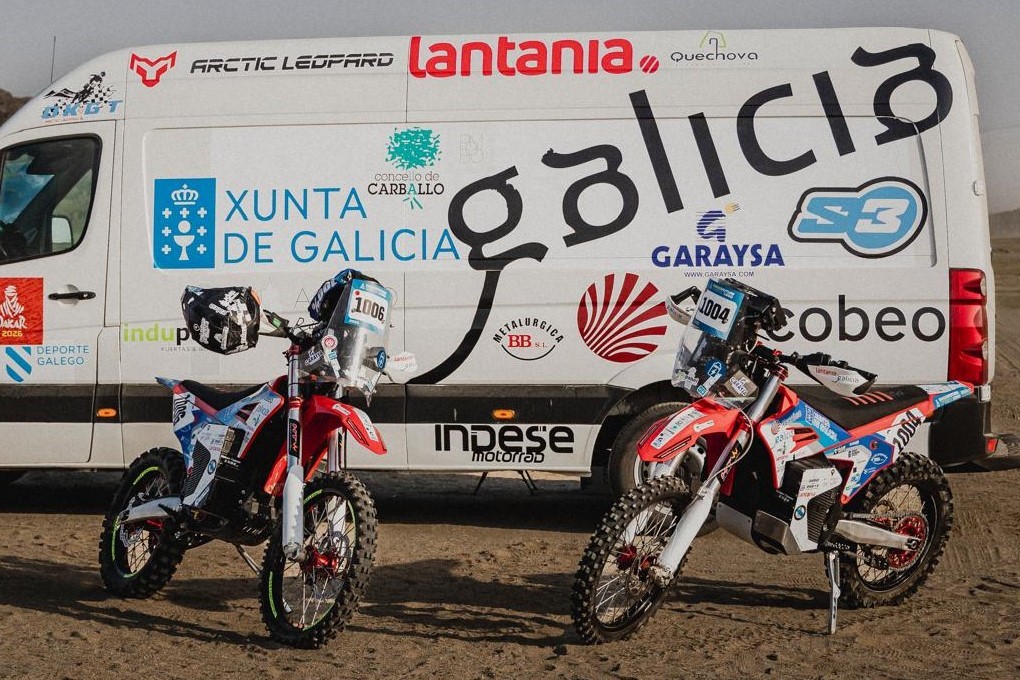
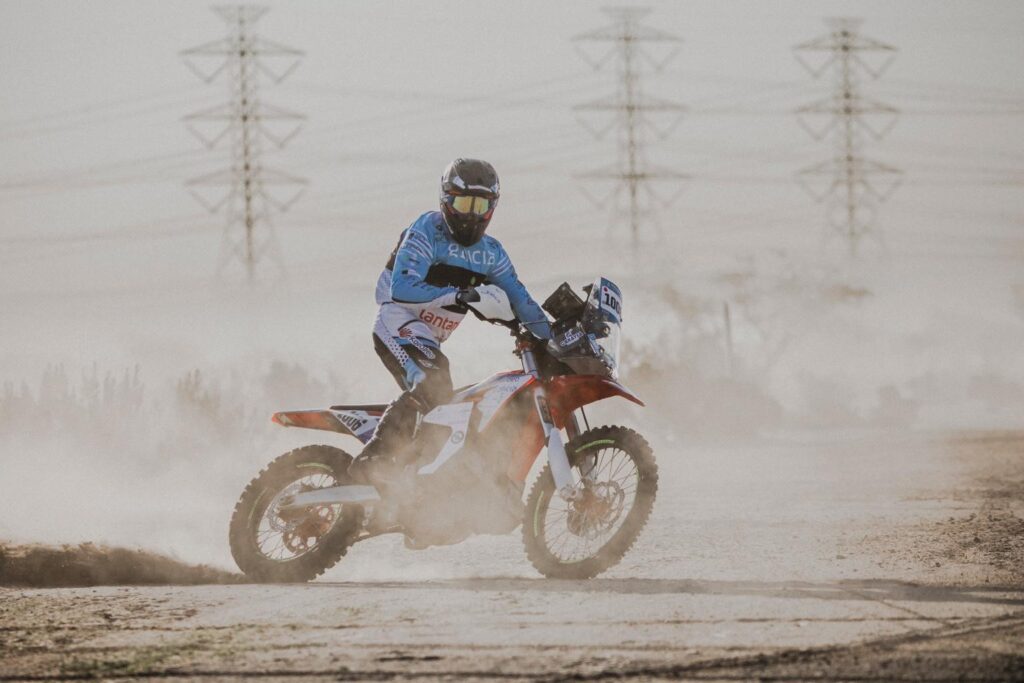
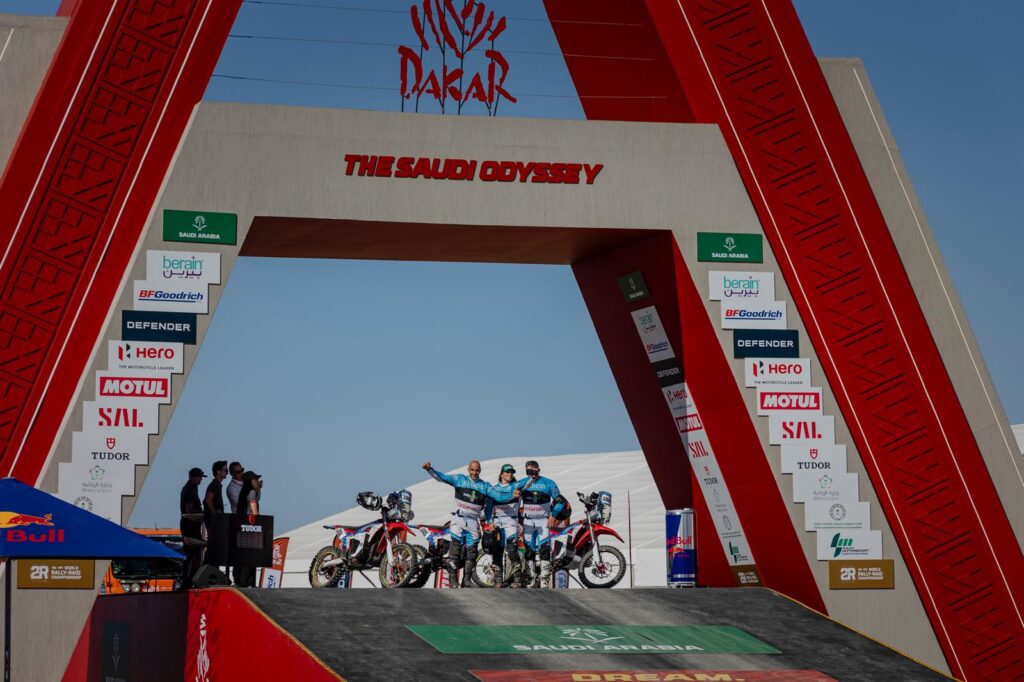
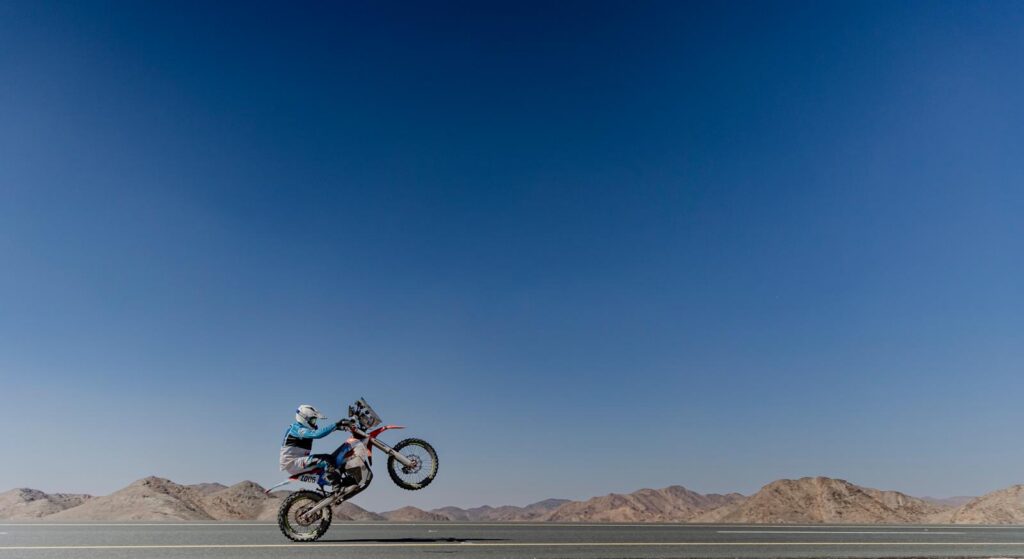
What happened? A true Spanish triumph: first place in the category for Fran and also excellent third and fourth places for his adventure companions, Esther Merino and Miguel Puertas. Of course, the credit also goes to the protagonists, three high-performing Arctic Leopard EXE 880 Rally bikes that behaved impeccably.
A story of falls… and success
The success, however, comes from far away and was not painless. Gómez had already seen the finish line in four of his seven Dakars ridden on combustion bikes, but the bitter memory of 2024 was still vivid.
At 53 he had decided to attempt something fascinating: to become the first Spaniard to win the Dakar with an electric motorcycle in the Mission 1000 category. Fran raced with a handmade prototype, an extremely heavy bike, no less than 215 kilos, which he even had to weld almost every night to prevent the frame from giving way. It seemed done, but just 12 kilometers from the end of the penultimate stage, the frame broke in two while he was racing at 140 km/h.
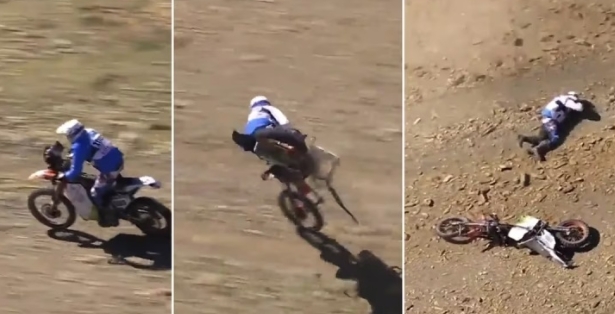
Battery on one side, he on the other, dream in a thousand pieces. And a couple of cracked ribs with a forced retirement. Two years later, here he is again on the starting line, with the same goal, but this time with an official bike and alongside two valuable teammates, Esther Merino and Miguel Puertas, a pair that combines experience, speed and determination.
On January 17, 2026, Mission 1000 becomes a success for the entire team!

We interviewed Fran and here is what he told us:
Why Mission 1000?
After seven Dakars on motorcycles it seemed to me that something different and special was needed. Since Dakar 2018 I had already been working for several years on an innovative project: racing with an electric motorcycle! My friend Joan Puig had created a 100% handmade electric prototype, including a 90-kilo battery. The bike had great power delivery and in the race I was very competitive. The electronics didn't fail and I could already see the finish line. But in stage 11 the frame broke in two and I was out.
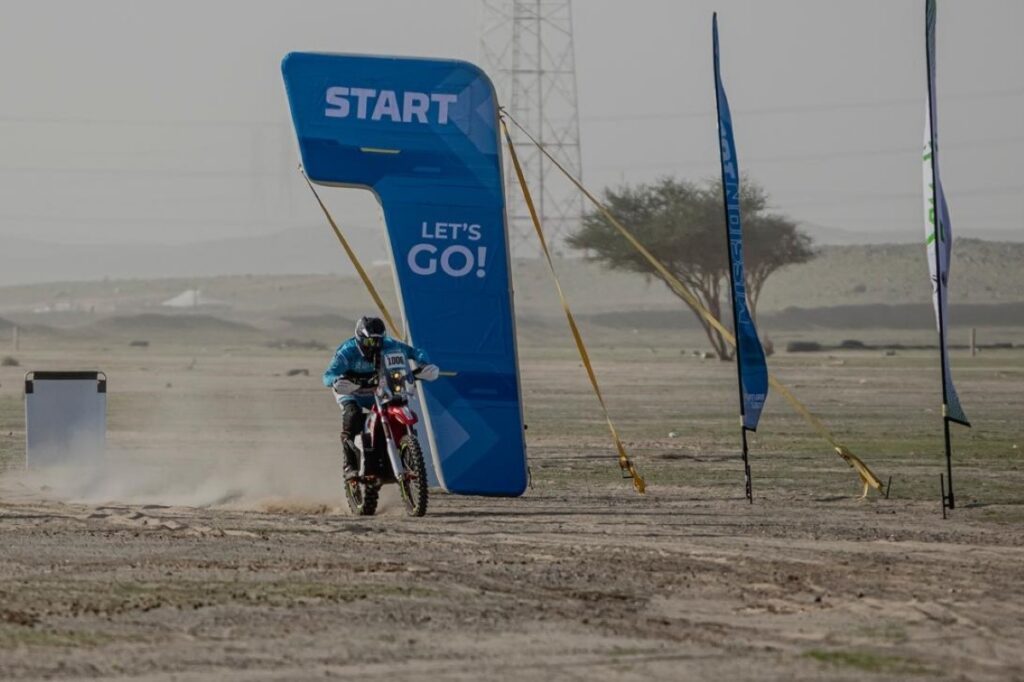
I was bitter but the idea was to return to finish the Dakar. For over a year I spoke with sponsors and we got in touch with Arctic Leopard. They liked the idea and prepared three EXE 880 Rally bikes for us with 51 kW of power and 140 kg of weight. The goal was to finish and win the category with our team and we succeeded.

What was it like racing electric?
The big difference between riding an electric motorcycle and a combustion one mainly concerns weight and power delivery. They usually weigh more because of the batteries; on the other hand, power delivery is much more immediate and smooth compared to a combustion engine. The advantages of an electric motorcycle lie especially in reliability and maintenance: except for the chassis, the motor is very simple and at the end of a stage there is no need to change oil, air filters, clutch, etc. Everything is greatly simplified and unexpected problems are reduced.
Were there any problems?
Practically none, everything worked perfectly. Range remains the point to improve. At the moment we can cover a maximum of 120 km at a good pace. In the new version, however, the batteries should give us 20 or 25% more range.

Future projects?
I dream of bringing a top rider to compete for the overall Dakar motorcycle classification with an electric bike against combustion ones. To do so, we need to be allowed a battery change at refueling points.
After all, we add, Team Galicia's success is not only sporting: it is also a sign that the future of the Dakar can also be electric, competitive and spectacular.
Believing in Team Galicia was not only Arctic Leopard, but also numerous sponsors both from the sector and institutional: INDUPANEL, ACIVRO, LANTANIA, XUNTA DE GALICIA, TURISMO DE GALICIA, DEPUTACION DA CORUÑA, DEPORTE GALEGO, CONCELLO DE CARBALLO, INOXMAN, QUECHOVA
If you prefer the Italian language, please visit THE PACK Italia:
Dakar Mission 1000, la fantastica avventura del Team Galicia


Since summer 2025, DAB Motors has been delivering motorcycles to customers on a continuous basis. From France, the Netherlands, Austria, Germany and Switzerland to the United Kingdom, and as far as Dubai, DAB 1α motorcycles are now riding on roads across the globe.
 First DAB 1α in the Netherlands at EV Experience 2025, delivered by Electric Motorbikes
This growing international footprint confirms DAB Motors' arrival as a serious and lasting player in the premium electric motorcycle space.
A production motorcycle that becomes personalWhile the DAB 1α is a standard production model, it stands apart through a rare proposition in today's market: full customer configuration. Paint colors, special finishes, seat trims, leathers, materials and details allow each owner to shape a motorcycle that reflects their own identity.
Since the first deliveries, no two DAB 1α motorcycles are alike. Each build tells a story, of taste, references and personal vision. To mark the start of 2026, DAB Motors has selected five of the most emblematic customer-configured DAB 1α motorcycles delivered to date.
Top 5: the most iconic DAB 1α builds
 DAB 1α Verde Turbine Lamborghini
1. DAB 1α Verde Turbine Lamborghini
A radical, sculptural take on the DAB 1α, finished in Lamborghini's Verde Turbine green. The vivid color accentuates the bike's taut, minimalist design, delivering a bold expression that feels both contemporary and unmistakably exclusive.
 DAB 1α Blue Serra Ferrari x Mahogany Heritage Leather
2. DAB 1α Blue Serra Ferrari x Mahogany Heritage Leather
A configuration conceived as a tribute to Ferrari's grand-touring heritage. Blue Serra paintwork is paired with monogrammed Ferrari Mahogany Heritage Leather, blending automotive elegance with the demands of a premium electric motorcycle. This build was commissioned by a Ferrari collector seeking to translate iconic materials into the DAB universe.
 DAB 1α of J Balvin & VVT
3. DAB 1α of J Balvin & VVT
Created for global artist J Balvin, already a DAB customer with his DAB x Burberry No.1, this futuristic build draws inspiration from pop culture, Japanese aesthetics and cyberpunk references. Positioned between functional vehicle and rolling art piece, it embodies a bold cultural vision of electric mobility.
 DAB 1α x The Arsenale n°01
4. DAB 1α x The Arsenale n°01
One of the motorcycles from the limited edition collaboration between DAB Motors and The Arsenale. This version expresses a strong, race-inspired character, combining performance, precision and visual intensity into a contemporary interpretation of an exceptional motorcycle.
 DAB 1α MGT-Grey & Custom Alcantara Seat
5. DAB 1α MGT-Grey & Custom Alcantara Seat
A minimalist configuration finished in DAB's signature MGT-Grey, contrasted by a bespoke blue Alcantara seat. Restrained yet graphic, this build proves that subtle details can define a motorcycle's identity.
"2025 was the year of proof, the year the DAB 1α became an industrial reality, delivered to customers and seen on roads around the world. In 2026, we are changing pace. The foundation is solid, the vision is clear, and we have many surprises ahead. New interpretations, new collaborations, new ideas, always driven by the same standards of design, emotion and craftsmanship. What we started with the DAB 1α is only the beginning."
— Simon Dabadie, Founder & CEO, DAB Motors
2025 marked the official commercialization and first deliveries of the DAB 1α. By 2026, that foundation is firmly in place. The DAB 1α is produced and assembled in France at the historic Peugeot Motocycles factory in Mandeure, a site that bridges French industrial heritage with a modern vision of electric mobility.
2026: the next chapterIf 2025 was the year of proof, 2026 is the year of what's next. New interpretations, editions and innovations are already in development, continuing to expand the DAB Motors universe.
The motorcycles are on the road.
The vision is real.
The next chapter starts now.
 Advertising - Electric Motorbikes
DAB 1α - SPECS
- Made in France
- Wheel torque: 395 NM
- Max range: Up to 150 KM
- Weight: 125 KG
- Battery: 7.1 KWH Li-ion (maximum capacity) - Made in France
- Motor: Brushless DC - 11 kW nominal | 22.7 kW peak (31 hp)
- Max speed: 130 KM/H
- Three riding modes
- Adjustable DAB x Paioli suspensions
- Carbon Drive Gates x DAB belt transmission
- Alcantara saddle
- Bodywork elements in recycled Airbus carbon fiber
- Charge: 0% > 100% in 4 hours
- Integrated charger
- 2 seats (3 saddle choices)
- 3.4-liter glove box with integrated USB sockets
- Available colors: W-White or MGT-Grey
- Customization on request via DAB Custom Studio
- Brembo braking + Peugeot Motocycles ABS
- Pirelli Diablo Rosso IV Street tires
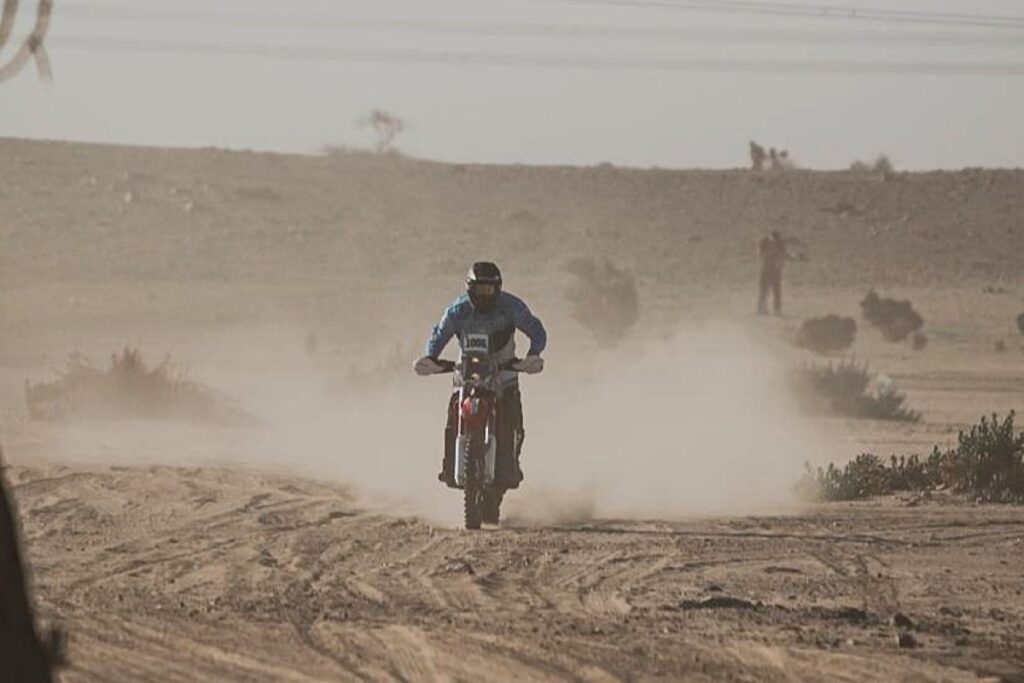
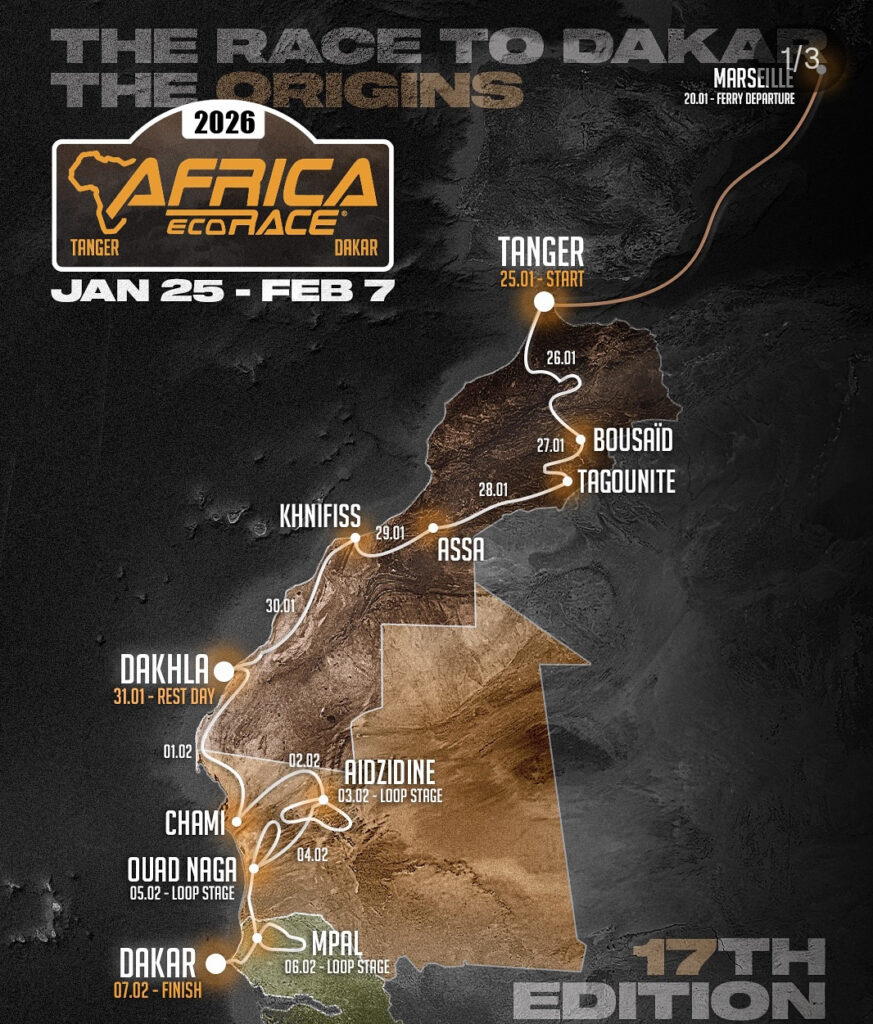
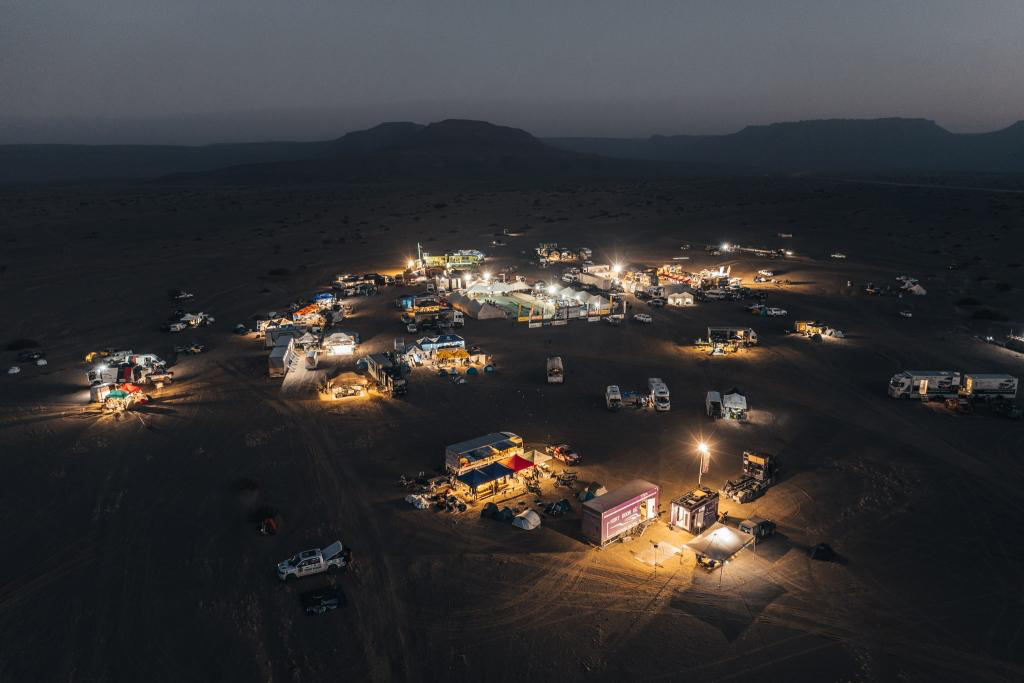
Motorcyclists are the true custodians of Africa's rally-raid spirit. Alone against the continent's most unforgiving terrain, they navigate by roadbook, battle physical extremes, and manage their machines without assistance. It is this raw, uncompromising challenge that defines the Africa Eco Race (January 25 - February 7, 2026).
 © Africa Eco Race
 © Africa Eco Race
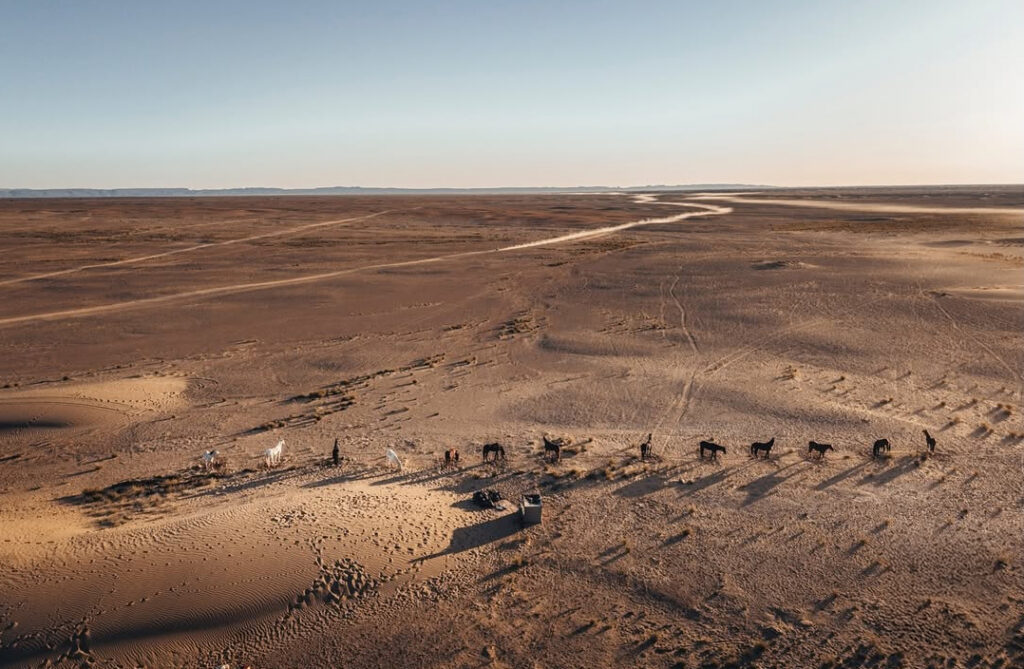
Founded in 2008 by three legends of cross-country rallying, Jean-Louis Schlesser, Hubert Auriol, and René Metge, the Africa Eco Race was created to preserve the soul of the great African rallies. Linking Monaco to Dakar, the event retraces the historic path from Europe to Africa, crossing spectacular and demanding landscapes before reaching the mythical shores of Lac Rose.
Africa remains the cradle of rally-raid, and the Africa Eco Race embodies its core values: authenticity, solidarity, self-transcendence, and human adventure.
 © Africa Eco Race
 © Africa Eco Race
A rally for true adventurers
© Africa Eco Race
A rally for true adventurers
True to its philosophy, the Africa Eco Race continues to evolve while remaining accessible to passionate riders. By adapting its regulations, the organisation ensures that the dream of reaching Dakar remains open to all who dare to follow in the footsteps of Thierry Sabine.
The 2025 edition delivered an extraordinary challenge: over 6,000 kilometres in 13 days, crossing Morocco, Mauritania, and Senegal. Twelve intense stages took competitors through endless dunes, rocky pistes, and vast African plains. Each kilometre tested endurance and skill, forging memories that last a lifetime.
 © Africa Eco Race
 © Africa Eco Race
Motorcycles were more numerous than ever, confirming the growing enthusiasm for the category. The Historic class, introduced the previous year, also proved a major success. This "race within the race," focused on regularity and strategy, attracted classic rally machines and riders drawn to a more tactical and technical challenge.
A standout highlight of the 2025 route was the introduction of a genuine special stage deep in the Senegalese bush, a first for the event, adding an extra layer of authenticity and adventure.
 © Africa Eco Race
2026: electric motorcycles enter a new era
© Africa Eco Race
2026: electric motorcycles enter a new era
The 2026 Africa Eco Race marks a major milestone with the inclusion of electric motorcycles in the World Rally-Raid Cup.
As explained by Willy Jobard:
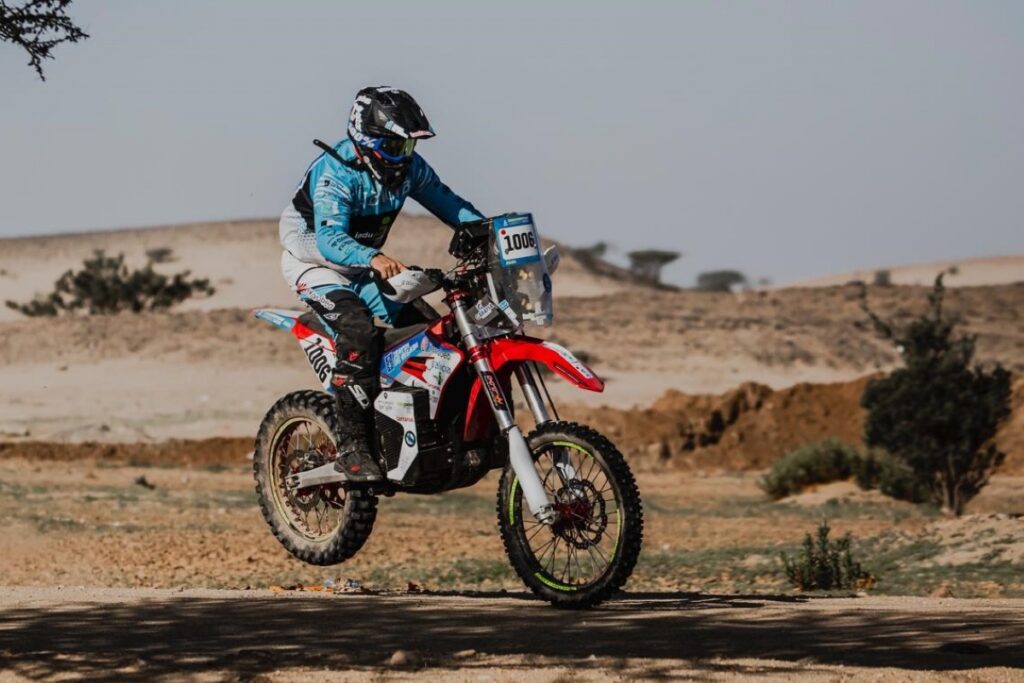
"I will be participating (with the H40 prototype of JINYUXING) in the first round of the World Rally-Raid Cup for electric motorcycles during the 2026 Africa Eco Race. Unlike the Dakar Rally's Mission 1000, which is limited to a 100-kilometre special stage, electric motorcycles in the Africa Eco Race will compete on the same special stages as combustion-engine bikes, between 300 and 500 kilometres per day. Battery swap points will be set up every 100 kilometres using dedicated pickup trucks."
 Photo © Willy Jobard
Electric motorcycles will be included in the overall motorcycle classification, alongside a dedicated electric category. Two manufacturers are already confirmed for the start line:
- JINYUXING - H40 prototype
- VELIMOTOR - Havocker
 © Africa Eco Race
 © Africa Eco Race
Electric Motorcycle Class - Confirmed riders
© Africa Eco Race
Electric Motorcycle Class - Confirmed riders
- Cyril Forget
Jinyuxing H40 Electric Rally
CFR Endurance - Maarten Buitenhuis
Velimotor Havocker Electric (with prototype frame and engine)
Team Powersportcenter.nl - Willy Jobard
Jinyuxing H40 Electric Rally
Team Powersportcenter.nl
Far from artificial spectacle and close to rally-raid legend, the Africa Eco Race remains one of the last true adventures in motorsport. In 2026, as combustion and electric motorcycles share the same unforgiving terrain, the event once again proves that the future of rally-raid can evolve without losing its soul.
For more information:
AFRICA ECO RACE >All pictures © Africa Eco Race
Source: Facebook MCC De Kempen | All photos: © MCC De Kempen | Electric motocross has reached an important milestone. In the Netherlands, MX Club MCC De Kempen has officially installed a charging infrastructure with six chargers directly on their motocross circuit. This initiative sends a strong and unmistakable signal: electric motocross is no longer a future concept, it is becoming a practical reality.
 Addressing the core problems of traditional motocross
For decades, motocross has faced growing pressure from society, local governments, and environmental organizations. The reasons are well known:
- Noise pollution, often leading to restricted riding hours or the closure of tracks
- Exhaust emissions, contributing to air pollution and climate concerns
- Ecological impact on surrounding nature and local communities
These challenges have increasingly threatened the survival of motocross facilities across the Benelux.
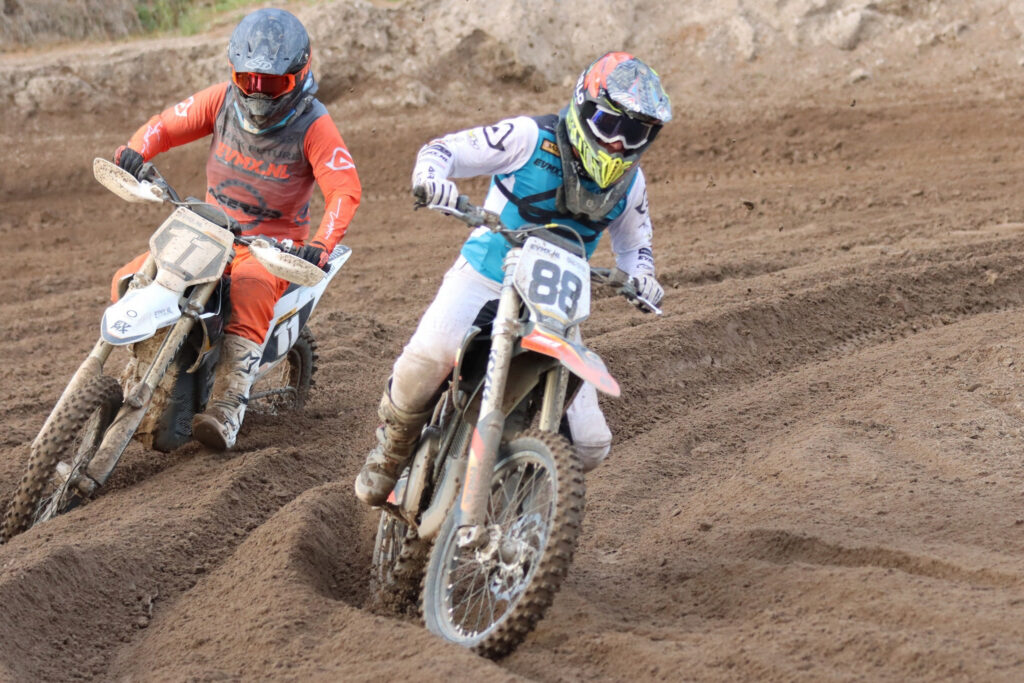
 Electric MX as a real solution
Electric motocross directly addresses these long-standing problems:
- Near-silent operation dramatically reduces noise complaints
- Zero local emissions, improving air quality at and around the circuit
- Lower environmental impact, making coexistence with nature (and neighbours!) more realistic
With electric motorbikes, riding becomes compatible with stricter environmental regulations, without sacrificing performance, torque, or riding excitement.
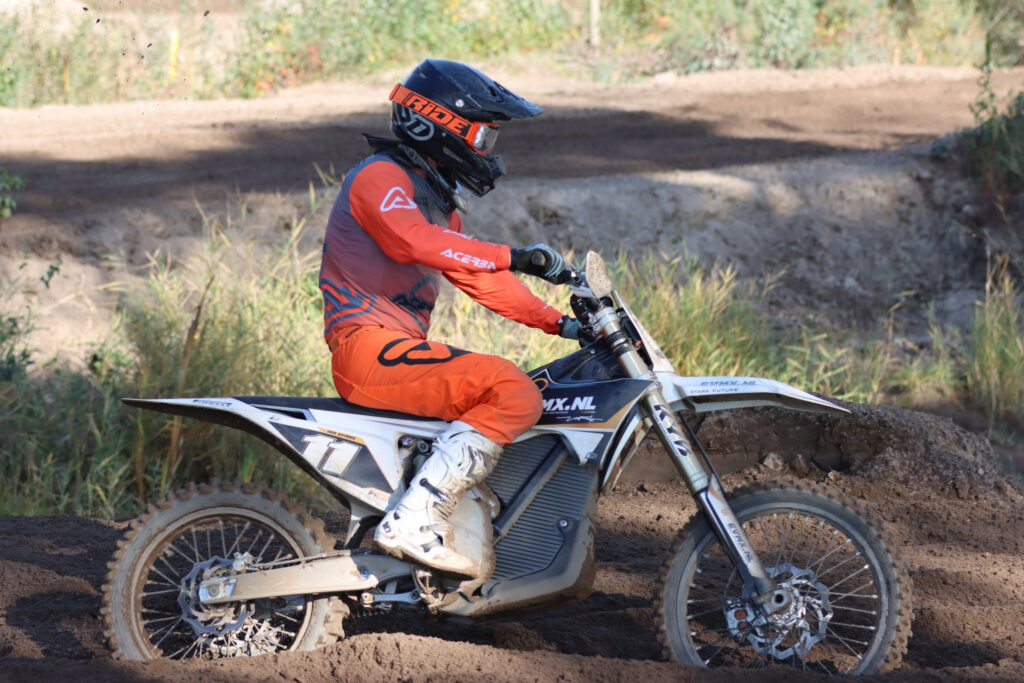 MCC De Kempen sets an example
By installing six charging stations at their circuit, MCC De Kempen sets an example to actively support electric MX infrastructure. This move removes one of the biggest remaining barriers for electric riders: access to reliable charging during race days and training sessions.

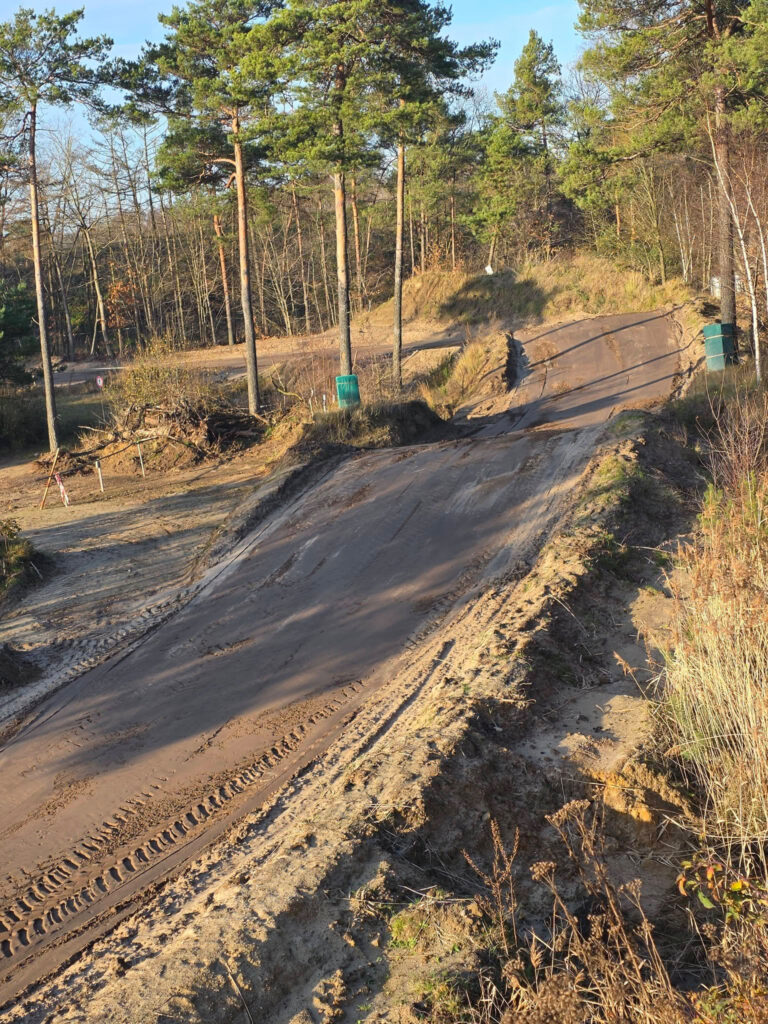
More importantly, it shows vision and leadership. Clubs that invest in electric infrastructure are future-proofing their facilities and opening the door to new riders, sponsors, and partnerships.
A signal to the motocross worldThis development is more than a local upgrade, it's a message to the entire motocross community:
Electric motocross is not a threat to the sport.
It is a lifeline.
As pressure on combustion engines continues to increase, electric MX offers a path forward where motocross can continue to grow, innovate, and exist in harmony with its surroundings.
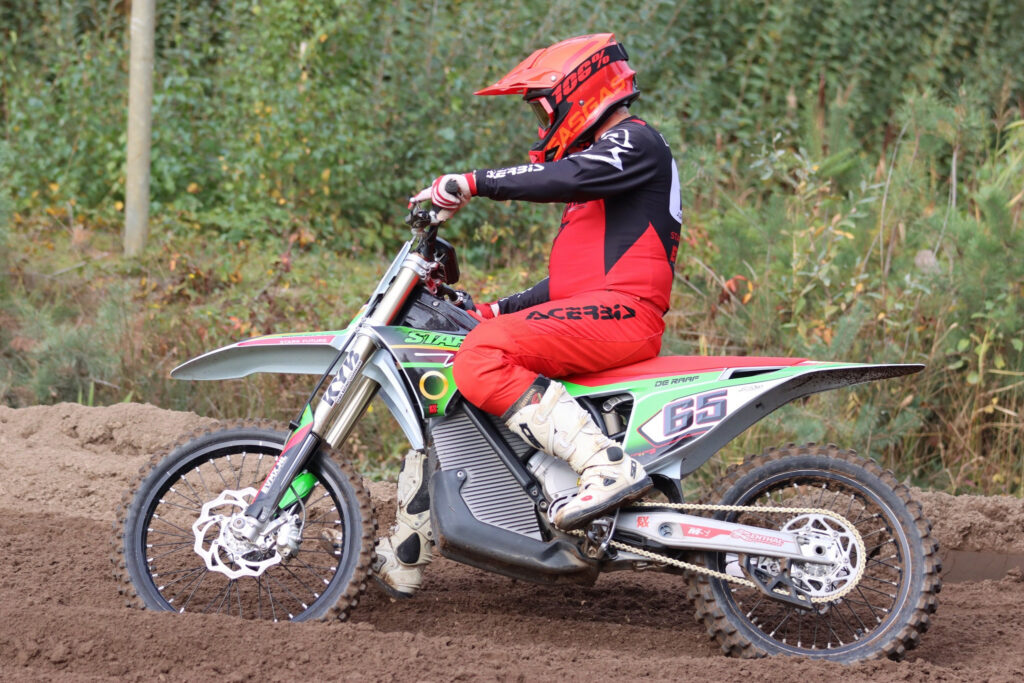 The future starts now
The initiative by MCC De Kempen proves that solutions already exist. What's needed now is adoption, investment, and courage from clubs, federations, and manufacturers.
Electric motocross is no longer the question.
It is the answer.
THX for the tip BMS E-Motorrijder!
B2B News - Source: Stark Future | The Barcelona-based manufacturer closed 2025 with €115 million in revenue, marking 77% year-over-year growth and achieving profitability in five of the last nine months. Q4 alone surged 97%, capping a year that confirmed what many riders are now experiencing firsthand: when electric motorcycles outperform combustion, adoption follows.

Stark's momentum has been driven less by hype and more by results. Existing dealers increased sell-through dramatically, while the brand expanded rapidly into new regions and markets. In under a year, Stark captured more than 3% of the global Enduro market, a category traditionally resistant to electrification.
In some regions, the shift has been decisive. Germany saw electric Stark models take over 50% market share in 2025, with several other European countries showing similar patterns. The takeaway is clear, riders aren't "trying" electric anymore; they're choosing it when it delivers superior performance, reliability, and experience.

Stark's current success spans its MX, EX, and SM platforms, but the company isn't stopping at off-road. Development is already underway for motorcycles targeting much larger global segments, categories representing over 55 million units annually. The ambition is to repeat Stark's off-road playbook at scale.

Supporting that vision is a purpose-built energy strategy. New battery partnerships with EVE and Wanxiang A123 around the 26120 cell format are designed specifically for motorcycles, prioritizing high power output, fast charging, and thermal stability, key factors as electric bikes move into broader, higher-volume markets.

Founder and CEO Anton Wass sees the past year as proof of a straightforward idea. "When you offer electric bikes that are better than combustion, riders switch," he says. "We grew fast, stayed disciplined, and built the supply chain to scale. Now we're taking that same formula into bigger categories."
That signal has been consistent worldwide. According to Morgan Karlsson, Chief Marketing Officer, demand is rising everywhere Stark shows up. "From Europe to North America to APAC, the pattern is the same. We're expanding our dealer network, opening more production windows, and securing cell supply to turn this demand into long-term growth."

Financially, Stark enters 2026 with a stronger balance sheet. In December, the company secured a €15 million disbursement from the European Investment Bank alongside a €25 million equity raise from an existing shareholder, bringing total 2025 equity investment to €45 million.
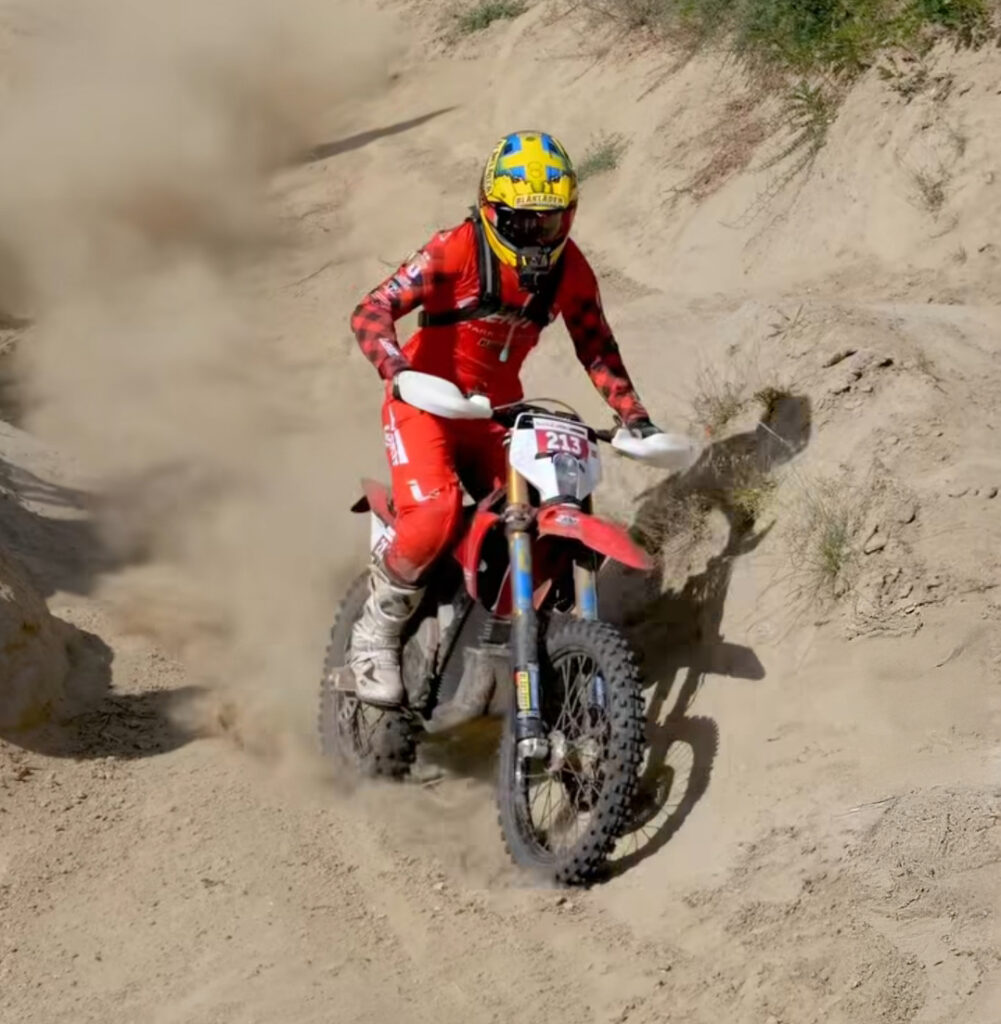
Looking ahead, Stark plans to raise additional capital in 2026 and is positioning itself for an IPO within the next three years. If its off-road trajectory is any indication, Stark Future isn't just betting on electric motorcycles, it's demonstrating that the future is already here, and riders are ready.
STARK FUTURE >For more than a decade, electric motorcycles have been presented as the inevitable future of two-wheeled mobility. Yet despite technological progress and growing environmental awareness, electric road motorcycles remain a niche product in Europe, constrained by high prices, range anxiety, regional charging infrastructure, and conservative consumer expectations.
At the same time, a very different segment is quietly, and convincingly, succeeding: light electric off-road motorbikes.
 Segway Xaber 300 - © Photo: Segway
From trail bikes to electric motocross-inspired machines, this category is experiencing rapid growth, strong community adoption, and an expanding lineup of increasingly capable models. Recent launches and showcases at AIMExpo 2026 and CES 2026 in Las Vegas, confirm that this is no longer an experimental niche. It is one of the healthiest segments in the electric motorcycle market today.
The Sur-Ron effect: the bike that started it allNo discussion about the rise of light electric off-road motorbikes would be complete without mentioning Sur-Ron. Long before the current wave of high-performance electric dirt bikes, Sur-Ron effectively defined the modern lightweight electric off-road formula. By combining a compact aluminum frame, a mid-mounted electric motor, removable battery, and bicycle-like dimensions with motorcycle-level torque, Sur-Ron created a new hybrid category that did not previously exist.
 Sur-Ron Light Bee X - Photo: © Sur-Ron Europe
This design proved to be a breakthrough. It demonstrated that an electric off-road bike did not need to imitate a full-size motocross machine to be fun, capable, and commercially viable. As a result, Sur-Ron became a reference point for the entire industry (followed by a huge aftermarket for various parts). Many of today's most popular models follow the same core architecture, refining it with stronger motors, improved suspension, higher voltage systems, and more advanced electronics.
In many ways, Sur-Ron's early success validated the segment and encouraged manufacturers to invest seriously in lightweight electric off-road development. What we see today is not a coincidence, but an evolution of a concept that Sur-Ron introduced to the market years ahead of its time.
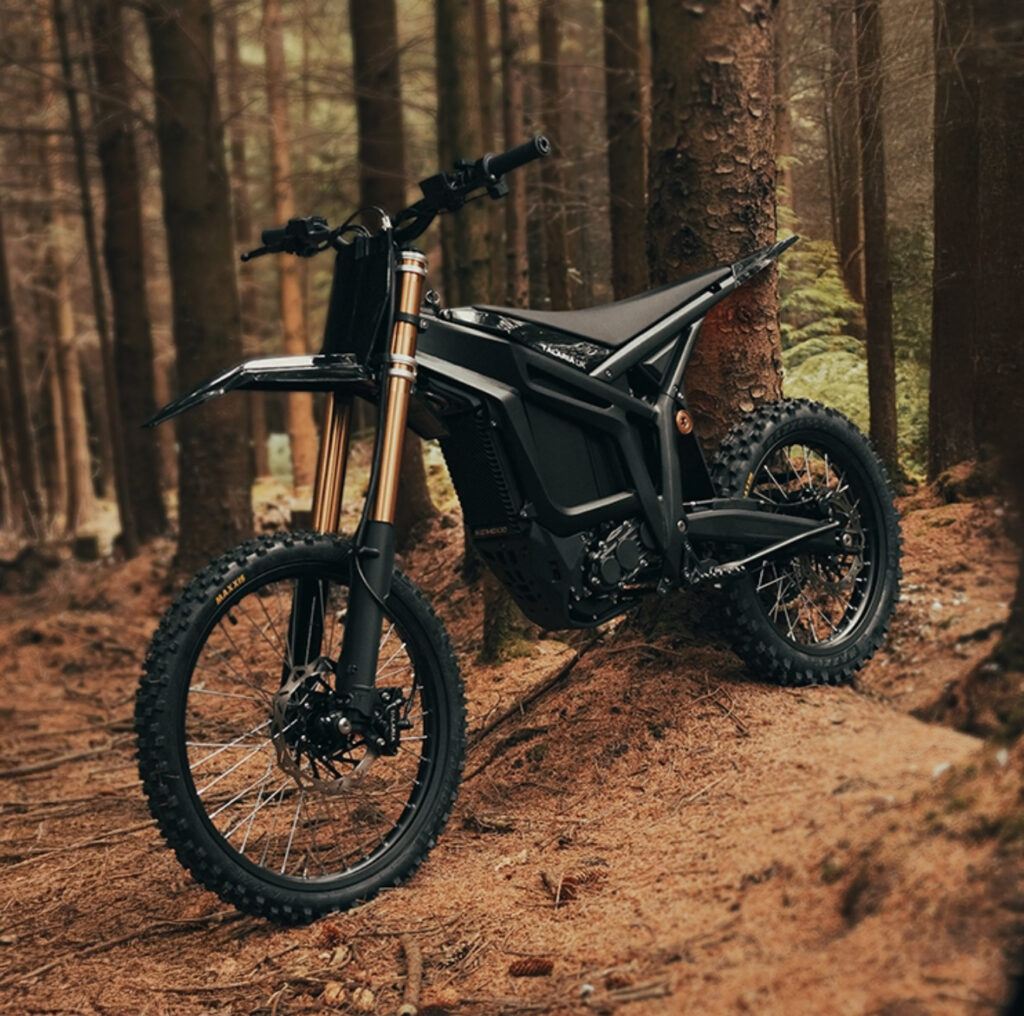 Talaria Komodo - © Photo: Talaria UK
A clear contrast with electric road motorcycles
Talaria Komodo - © Photo: Talaria UK
A clear contrast with electric road motorcycles
Electric road motorcycles face a difficult equation. To replace internal-combustion road bikes, they must offer:
- Long real-world range
- Fast and widespread charging
- Competitive pricing
- Comparable weight and performance
- Emotional appeal equal to traditional motorcycles
So far, very few models manage to deliver all of this at once. Large battery packs increase weight and cost, while charging infrastructure remains inconsistent in some regions. For riders accustomed to refueling in minutes and riding hundreds of kilometers in a day, compromises remain significant.
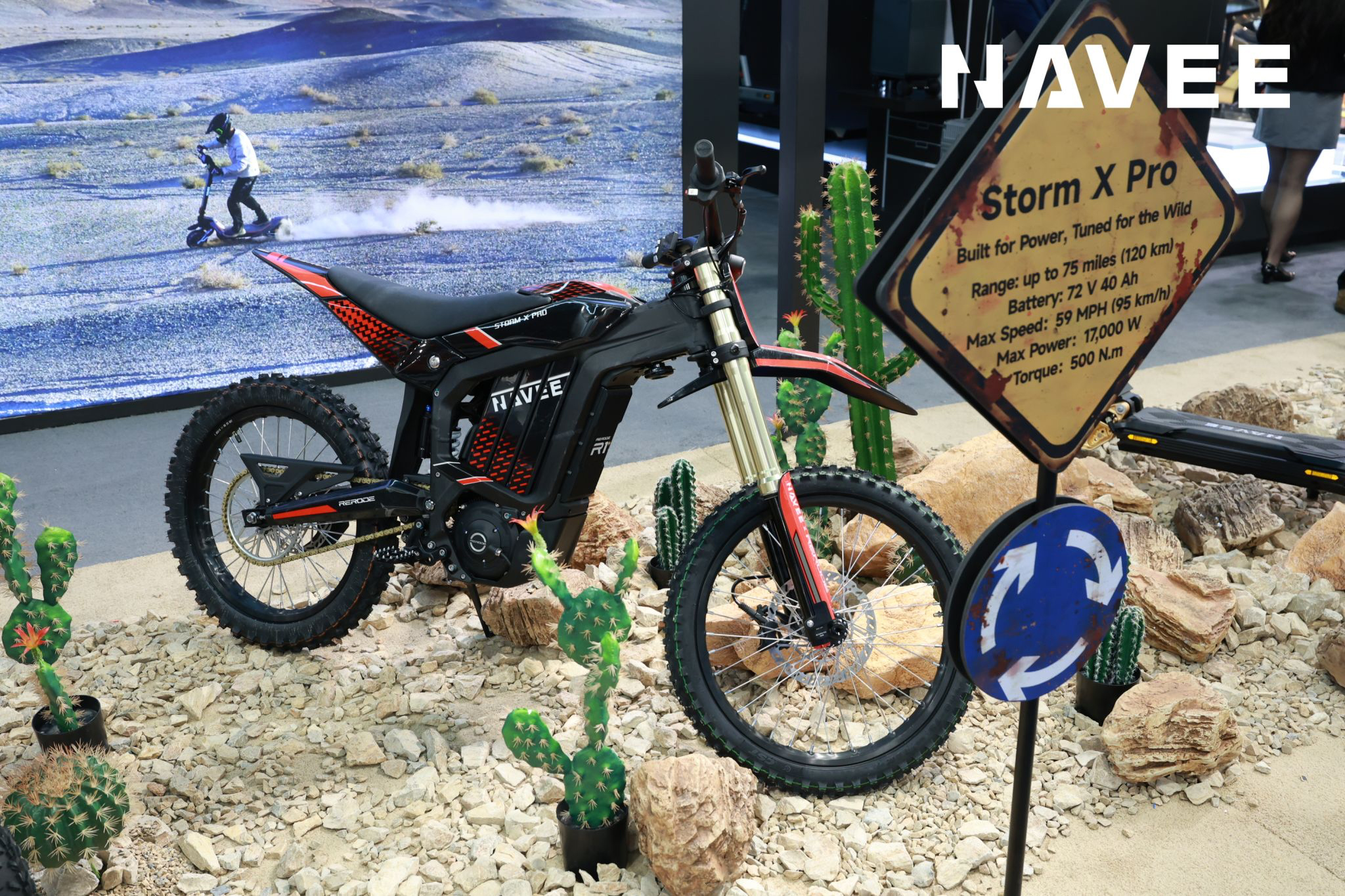 NAVEE Storm X Pro - © Photo: NAVEE
Light electric off-road motorbikes, by contrast, operate under a completely different set of expectations, and that is precisely why they work.
Designed around what electric does bestOff-road riding aligns naturally with electric powertrains. These bikes are typically used for:
- Shorter, high-intensity rides
- Trails, tracks, and private land
- Recreational or competitive sessions rather than long-distance travel
In this context, limited range is far less problematic, while instant torque, silent operation, and low maintenance become major advantages. Electric motors deliver precise throttle control at low speeds, ideal for technical terrain, while the absence of noise opens up new riding opportunities in areas where combustion bikes are restricted.
This practical fit between use case and technology is the foundation of the segment's success.
A new generation of lightweight electric off-road bikesThe latest wave of electric off-road motorbikes shows just how quickly the category is maturing.
Segway's recent presentation at AIMExpo underlined how mainstream mobility brands now take this segment seriously. Its latest electric dirt bike focuses on smart electronics, refined power delivery, and a lightweight chassis, a clear signal that electric off-road bikes are no longer treated as novelty products.
The 2026 Talaria Komodo pushes performance further, targeting riders who want a true mid-weight electric dirt bike with aggressive acceleration, robust suspension, and components capable of real off-road abuse. It reflects the growing confidence of manufacturers willing to compete directly with small-displacement gas bikes.
 Arctic Leopard XE PRO S - © Photo: Arctic Leopard USA
Models like the Arctic Leopard XE PRO S and E-Ride Pro SR aim to combine usable range, manageable weight, and accessible pricing, making them attractive not only to experienced riders but also to newcomers entering off-road riding through electric power. Meanwhile, new players are experimenting with design, battery configurations, and performance targets at a pace rarely seen in traditional motorcycle development cycles.
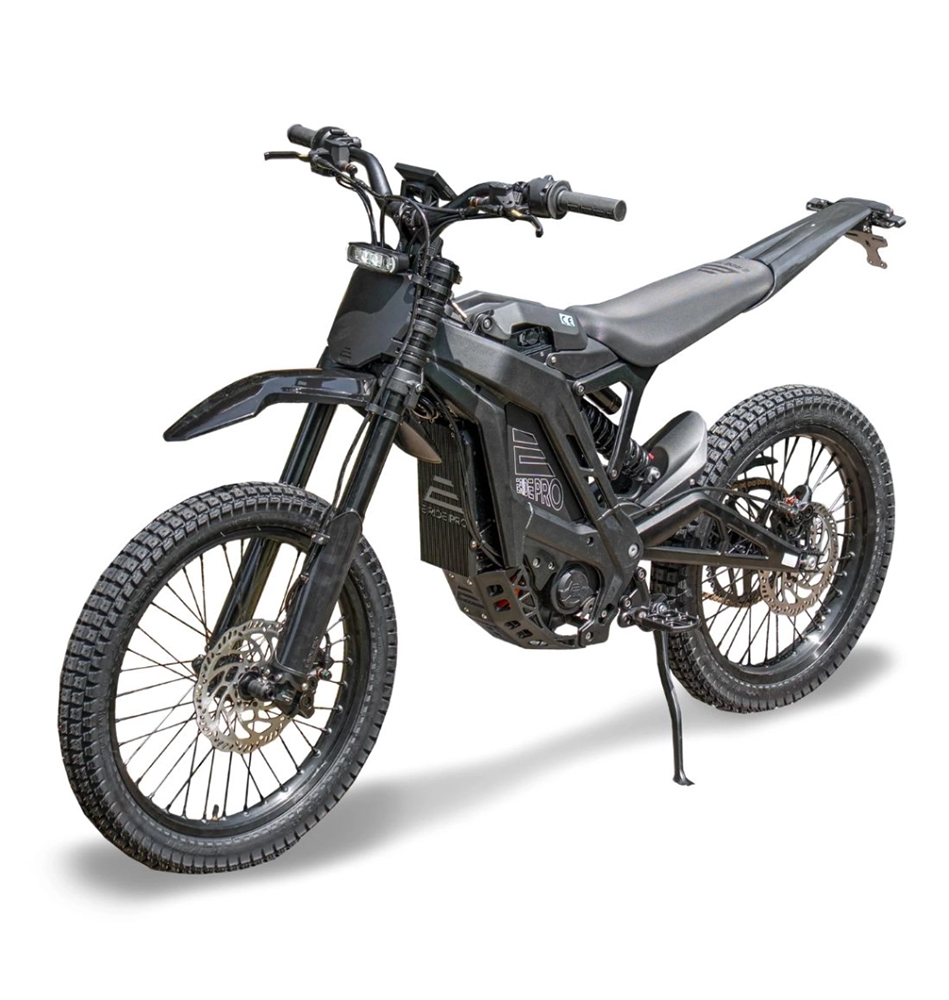 E-Ride Pro SR - © Photo: E-Ride Pro
Legacy brands join the movement: Zero Motorcycles and the X-Line
E-Ride Pro SR - © Photo: E-Ride Pro
Legacy brands join the movement: Zero Motorcycles and the X-Line
The momentum created by early pioneers such as Sur-Ron eventually drew attention from more established electric motorcycle manufacturers. Zero Motorcycles, widely recognized as a global leader in electric road bikes, entered the lightweight off-road category with its X-Line models, the XB and XE, several years after the segment had already proven its relevance.
 Zero XB - © Photo: Zero Motorcycles
From a technical standpoint, the X-Line reflects Zero's accumulated experience in electric powertrains and vehicle integration. At the same time, its arrival in 2025 illustrates how quickly the lightweight off-road segment evolved outside the traditional electric motorcycle roadmap. By the time the XB and XE reached the market, the core design principles, compact chassis, removable batteries, moderate weight, and trail-focused performance, had already been validated and refined by earlier entrants.
In hindsight, Zero's move can be seen less as a misstep and more as a missed opportunity to shape the segment earlier. As a brand with global reach and engineering resources, Zero was well positioned to help define standards in this emerging category. Instead, smaller and more agile manufacturers established much of the segment's identity, community, and expectations before larger players fully engaged.
Accessibility drives adoptionOne of the most important reasons behind the success of light electric off-road motorbikes is accessibility.
Compared to electric road motorcycles, these bikes are:
- Cheaper to buy
- Easier to ride
- Less intimidating for beginners
- Less demanding in terms of licensing and regulation in many regions
Many models sit at price points similar to, or even below, equivalent internal-combustion off-road bikes. Maintenance costs are lower, with no oil changes, fewer moving parts, and reduced wear on consumables. For younger riders and urban users looking to access off-road experiences, electric bikes lower the barrier to entry significantly.
Culture, community, and competitionThe growth of electric off-road bikes is not just technical; it is cultural.
Dedicated riding communities, online content creators, and organized competitions are helping legitimize electric off-road riding. Events and race series focused on electric power demonstrate that performance and excitement are no longer exclusive to combustion engines.
At the same time, silent operation and zero local emissions align well with modern attitudes toward land use and sustainability. Electric off-road bikes make it easier to coexist with hikers, landowners, and local authorities, a crucial factor for the future of recreational riding.
Light electric off-road motorbikes succeed because they do not try to replace everything at once. Instead, they focus on what electric power already does exceptionally well: torque, control, simplicity, and fun.
More e-off-road news, with free PDF download:
THE PACK Magazine #2 is an e-offroad special and now available via print-on-demand
Bonnell chose the American International Motorcycle Expo (AIMExpo) in Anaheim, California, to present their new 805 and 902 electric off-road motorcycles in front of dealers, media, and industry insiders for the first time. Bonnell arrived with full, physical bikes on display, signaling that the brand is moving beyond startup hype and toward real-world market entry.
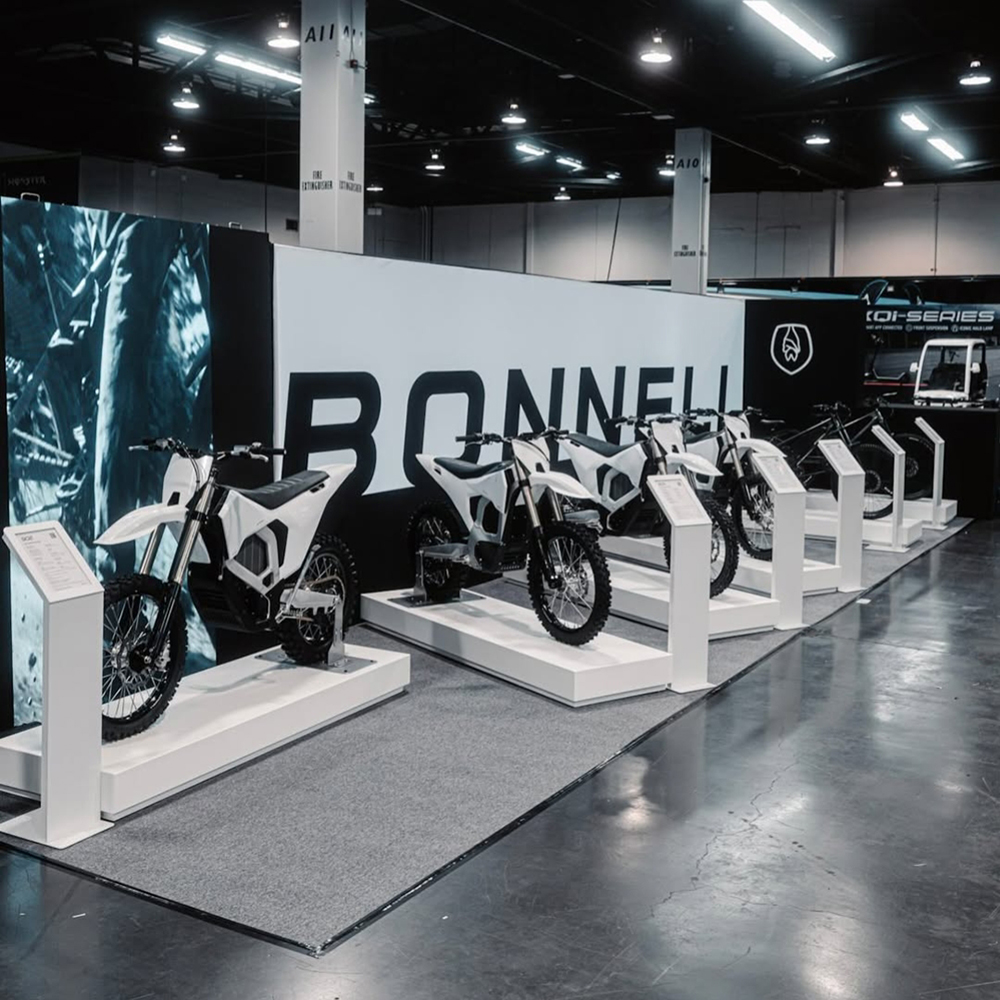
For THE PACK, this marked the next step in a story that began earlier in the year: in April 2025, THE PACK already reported on Bonnell's entry into the electric off-road space and the announcement of its new models.
At the booth, the 805 and 902 were presented as distinct offerings within the same ecosystem: the 805 positioned as a lighter, more agile trail-focused machine, and the 902 as a flagship, high-output electric dirt bike aimed squarely at experienced riders and competitive terrain. Both models showcased Bonnell's emphasis on purpose-built electric platforms, from swappable battery systems and integrated electronics to full-size off-road geometry and premium suspension components.


Matt Wouters - CEO and Founder Bonnell (at LinkedIn): "With the 902 and 805, we're scratching an itch riders didn't even know they had, because they didn't know bikes could do this. What you lose in the smell of gas and the roar of the engine, you more than make up for in the riding experience. From fully customizable ride modes to real time performance data at your fingertips, these bikes don't just react to you, they adapt to you. It's a new level of control, precision, and connection to the ride that redefines what's possible on two wheels."

AIMExpo also gave Bonnell the opportunity to highlight its technology-first approach. Attendees were able to see the bikes' digital displays, rider-adjustable modes, and control interfaces up close, features that set the 805 and 902 apart from earlier generations of electric dirt bikes that often relied on simplified or repurposed systems. Conversations at the booth focused not only on performance figures, but on how electronics, torque delivery, and battery modularity could reshape off-road riding.
The Bonnell 902 is now the most powerful electric dirt bike ever built, producing 87 HP.
By choosing AIMExpo for its launch, Bonnell placed itself directly in front of the North American powersports industry at a moment when interest in electric off-road machines is accelerating. The presence of production-ready bikes, combined with hands-on engagement rather than teaser announcements, suggests Bonnell is positioning the 805 and 902 as serious entrants into the next wave of electric off-road motorcycles, rather than experimental side projects.

Both bikes share key tech features:
- Swappable battery packs for easier trail use and faster turnaround.
- Advanced ride electronics including multiple customizable modes, traction control, regen braking, wheelie assistance, and a built-in lap timer.
- Handlebar-mounted digital display with configurable layouts (Precision, Performance, Race).
- Joy-Con controller for quick access to settings like regen or clutch simulation.
- 6-axis IMU enabling rider aids and dynamic feedback.

805 - Expected Q2 2026
- Power: 56hp (42kW) peak
- Battery (standard): Core Battery 3.9kWh / Race Battery 4.7kWh (Aftermarket option)
- Speed: 80+ mph (130+ km/hr)
- Weight: 211 lb (96 kg)
- Wheelbase: 52.8 in (1340 mm)
- Brakes: Bonnell Forged brakes
- Frame: Forged aluminium
- Chain: 428

902 - Expected Q4 2026
- Power: 87 hp (65 kW) peak
- Battery: Core Battery 5.6 kWh / Race Battery 6.7 kWh (Aftermarket option)
- Speed: 90+ mph (145+ km/h)
- Weight: TBD
- Wheelbase: 56.5 - 57.6 in (1435 - 1465 mm)
- Brakes: Magura Forged MX brakes
- Frame: Forged aluminium
- Chain: 520 (114 - 116 links)
All photos: © Bonnell

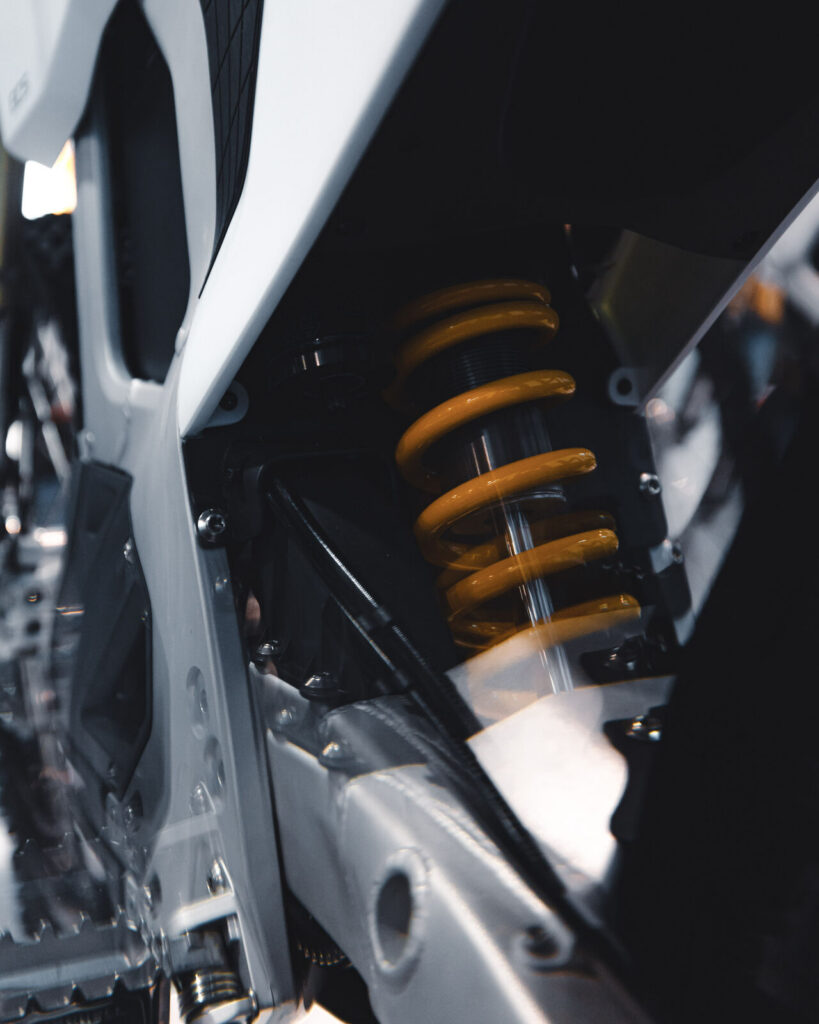


Vertigo Motors, a brand best known for its petrol trials motorcycles, is quietly preparing its move into the electric trials segment. The result is the Vertigo Ultra RS3, an electric prototype currently undergoing advanced testing and development.
Rather than creating an all-new platform, Vertigo has taken a strategic and conservative approach: adapting its proven Nitro RS3 trials chassis to house a full electric drivetrain. The Ultra RS3 remains in prototype form, but recent images and testing updates suggest the project is entering its final development stages.
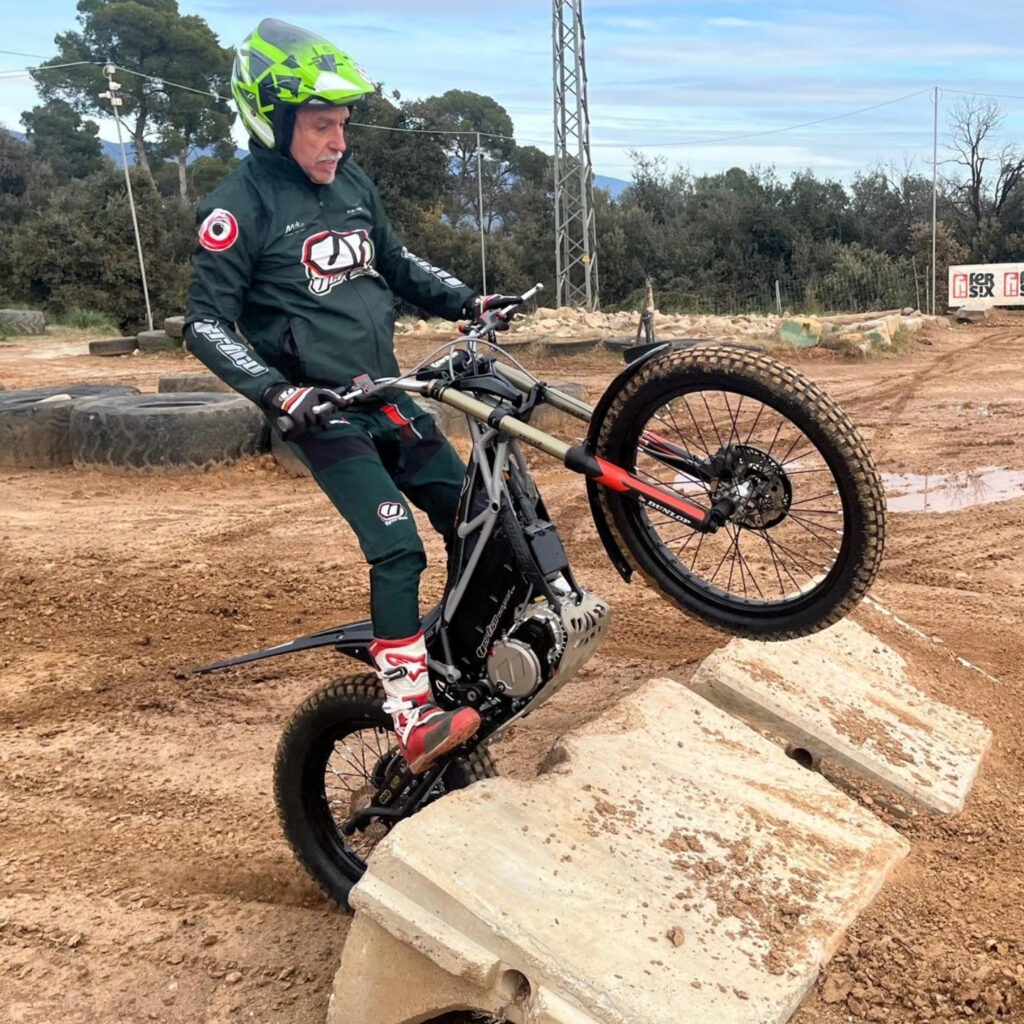 © Photo Vertigo Motors | Facebook
An Electric RS3, not a reinvention
© Photo Vertigo Motors | Facebook
An Electric RS3, not a reinvention
The Ultra RS3 is built around the same frame architecture used on the Nitro RS3 petrol model. This decision allows Vertigo to retain familiar geometry, ergonomics, and handling characteristics while integrating electric-specific components.
According to Vertigo, the bike has been designed to accept dedicated "Ultra Trial" components within the existing chassis layout, avoiding a complete redesign. This approach suggests the company's focus is on maintaining competitive trials performance rather than chasing radical form-factor changes.
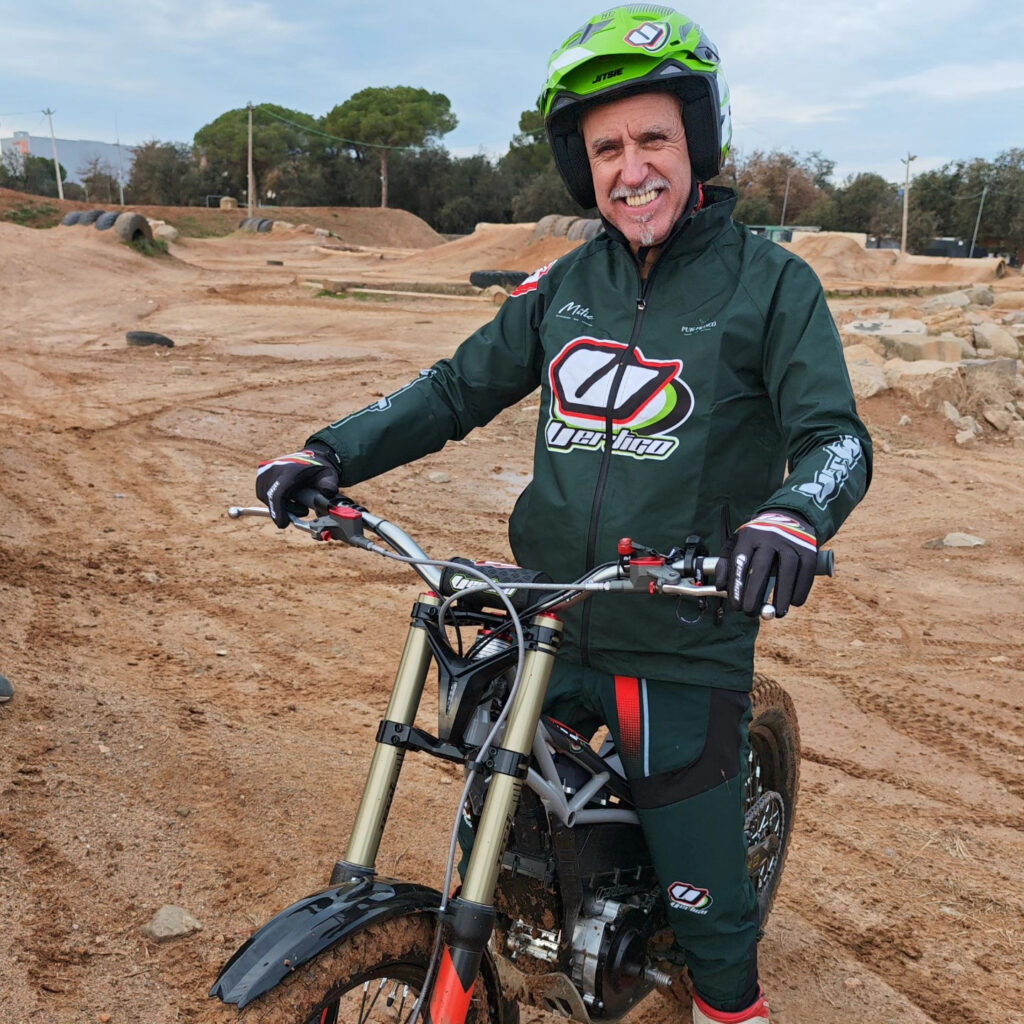 © Photo Vertigo Motors | Facebook
Battery and powertrain focus
© Photo Vertigo Motors | Facebook
Battery and powertrain focus
At the heart of the Ultra RS3 prototype is a 2.7 kWh lithium-ion battery, a notable figure in the electric trials category. While Vertigo has not released official power or torque numbers, the capacity alone places the Ultra RS3 toward the upper end of current electric trials offerings.
 Situation October 2025 (© Photo Vertigo Motors | Facebook)
The electric motor is a mid-drive unit, mounted to preserve weight distribution and balance—critical factors in trials riding. Vertigo has not disclosed motor output, controller details, or riding modes, but the emphasis appears to be on smooth torque delivery, controllability, and usable range rather than outright peak power.
Chassis and components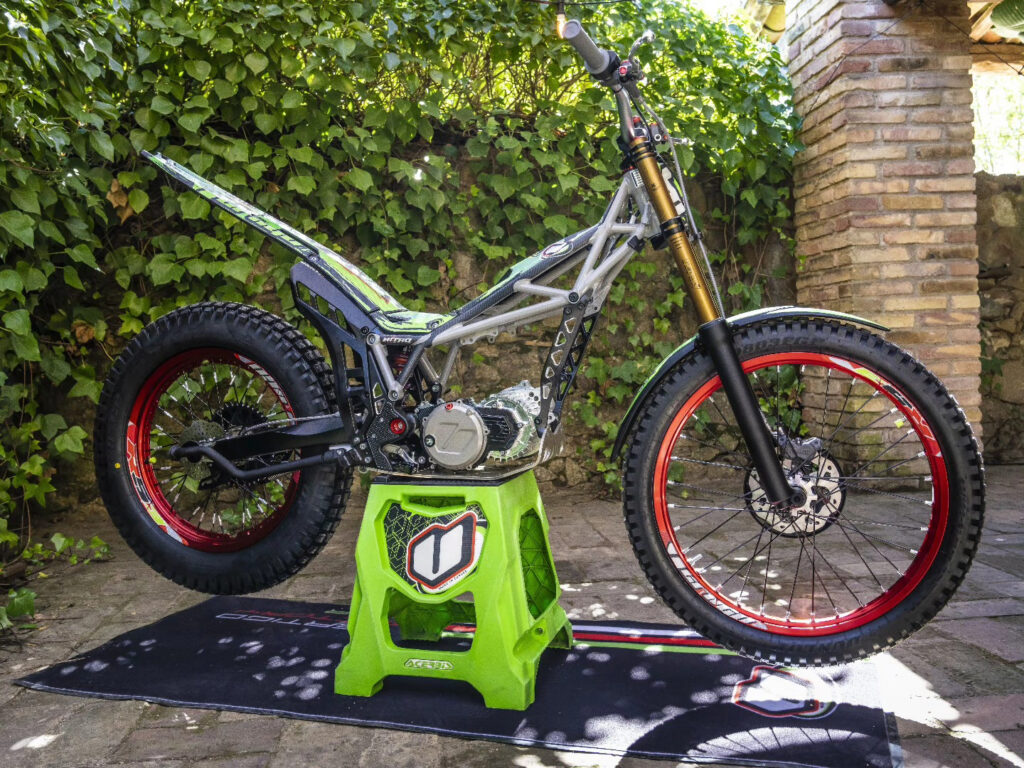 Situation October 2025 (© Photo Vertigo Motors | Facebook)
Although final specifications have not been confirmed, the Ultra RS3 prototype is expected to align closely with Vertigo's high-end RS models in terms of suspension and components. This likely includes:
- Tech Factory front forks
- Reiger rear shock absorber
- Premium braking and lightweight trials hardware
By retaining familiar RS3 components, Vertigo appears intent on ensuring the electric model delivers the same "ready-to-compete" feel as its petrol counterparts.
Prototype testing with factory expertiseRecent images shared by Vertigo Motors show the Ultra RS3 being tested by Francesc Llort "Siscu", Vertigo's chief mechanic and one of the key figures behind the brand's technical development.
 © Photo Vertigo Motors | Facebook
A short caption accompanying one of the posts reads:
"Mr. Siscu (SectionR) test the Vertigo Ultra RS3. Understanding professional riders requires experience. Professional riders testing in the coming days!"
This suggests the prototype is now being evaluated by experienced riders in real trials sections, rather than confined to bench testing or early validation rides.
Limited production likelyWhile Vertigo has not announced a launch date or pricing, references to limited CNC production and importer presentations point toward a restricted initial production run rather than an immediate full-scale release.
This strategy would mirror how several manufacturers have introduced electric models: small volumes, targeted markets, and gradual expansion based on feedback and demand.
Vertigo's electric directionThe Ultra RS3 represents an important step for Vertigo Motors. Unlike startups entering the electric trials space, Vertigo brings decades of competition experience and an established chassis platform to the table.
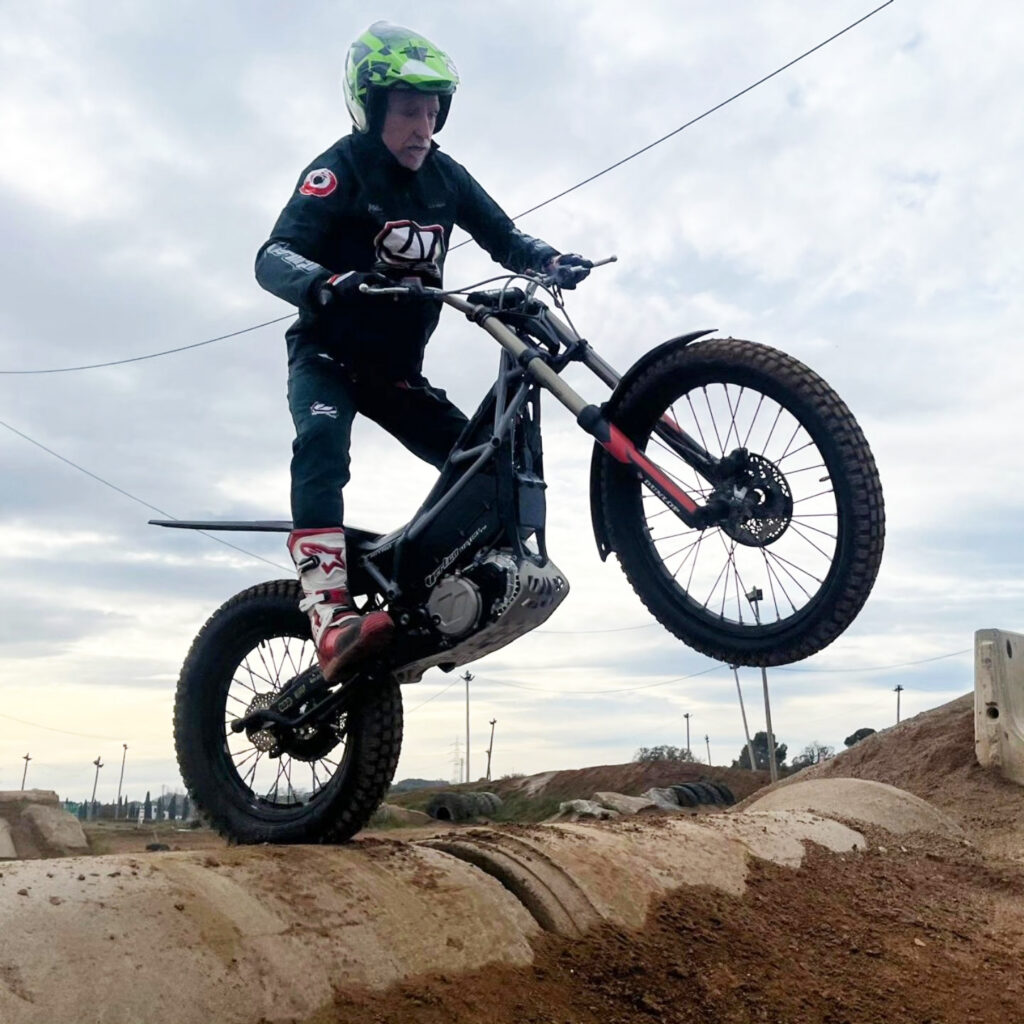 © Photo Vertigo Motors | Facebook
By electrifying an existing RS3 rather than starting from scratch, Vertigo signals a pragmatic approach, one aimed at preserving the riding characteristics that trials riders expect, while exploring the advantages of electric power such as instant torque, reduced maintenance, and quieter operation.
What comes nextGuy Salens - THE PACK: "As of early 2026, the Vertigo Ultra RS3 remains a prototype, but all signs point toward a near-term release in limited numbers. Final specifications, range figures, and pricing are still unknown, but continued testing and public appearances suggest the project is well beyond the concept stage. For Vertigo, the Ultra RS3 may not just be an experiment, it could mark the brand's entry into the next phase of competitive trials riding."
VERTIGO MOTORS >

