
I've mentioned many money-saving lodging strategies over the years in this newsletter, but I collected them all in one place in this blog post and it's likely there's at least one you haven't considered. I mention day passes, home exchanges, credit card hacking, and alternative apartment services, but here's an easy one to try for your next trip. When booking a hotel or apartment, stay somewhere near a metro stop well removed from the main tourist zone if you'll be in a popular city. The rates are almost significantly lower for the lodging, but by extension for restaurants and grocery stores too.
Truly Off-the-Beaten Path ToursNomadico co-founder Kevin Kelly has taken several tours with Young Pioneer Tours, whose motto is "leading group tours for people who hate group tours to destinations your mother would rather you stay away from," and at budget prices. They deliver all that, famously taking small tours to restricted places like North Korea, Turkmenistan, Iran, Iraq, and Afghanistan, and to "Unrecognized Countries" mostly in Africa. They just started offering a new tour to Least Visited Countries, mostly Pacific island "countries" that are normally very hard or expensive to reach. While these tours may sound dangerous, they don't go where it is actually dangerous. Rather they are adventurous. See a North Korea story from the founder in Perceptive Travel.
United and Jet Blue Now ConnectedI announced last summer that a big alliance was forming that would let Jet Blue and United loyalty members seamlessly access (and earn from) each others' flights and now it looks like they've got the systems connected. This gives you many more destinations options (plus JFK in NYC) if you're sitting on a lot of United miles and opens up the world if you've got JetBlue ones instead. Eventually you'll be able to book one ticket that includes both airlines too and they say that elite status recognition will be reciprocal eventually. See the details here.
Digital Nomads Getting Slightly Better Options in Southeast AsiaAsia is a hugely popular continent for digital nomads, especially in the desirable countries with low living costs like Thailand, Vietnam, Cambodia, and Indonesia. Trying to stay on legally and work remotely has historically been tough, however, and as this article on recent changes points out, "Nomads spent money locally, governments avoided costly enforcement, and everyone looked the other way." While Thailand's DTV that's potentially good for five years is far and away the best on offer now, the other countries are scrambling to compete by finally making it attractive for non-retirees to stick around legally.
A weekly newsletter with four quick bites, edited by Tim Leffel, author of A Better Life for Half the Price and The World's Cheapest Destinations. See past editions here, where your like-minded friends can subscribe and join you.
 What's in my NOW? — Marcus Baw [ 18-Feb-26 4:00pm ]
Marcus Baw is a doctor, developer, and open source campaigner in the UK. He pioneered open source Digital Growth Charts for children, which are deployed across the UK and internationally. His YouTube channel Everything Digital Health tackles all health technology, specialising in open source.
LINKS:
GITHUB | BLUESKY | YOUTUBE: Everything Digital Health | PROJECT: Open Clinical Terminology | PROJECT: GitEHR | COPYQ COMMAND
 PHYSICAL
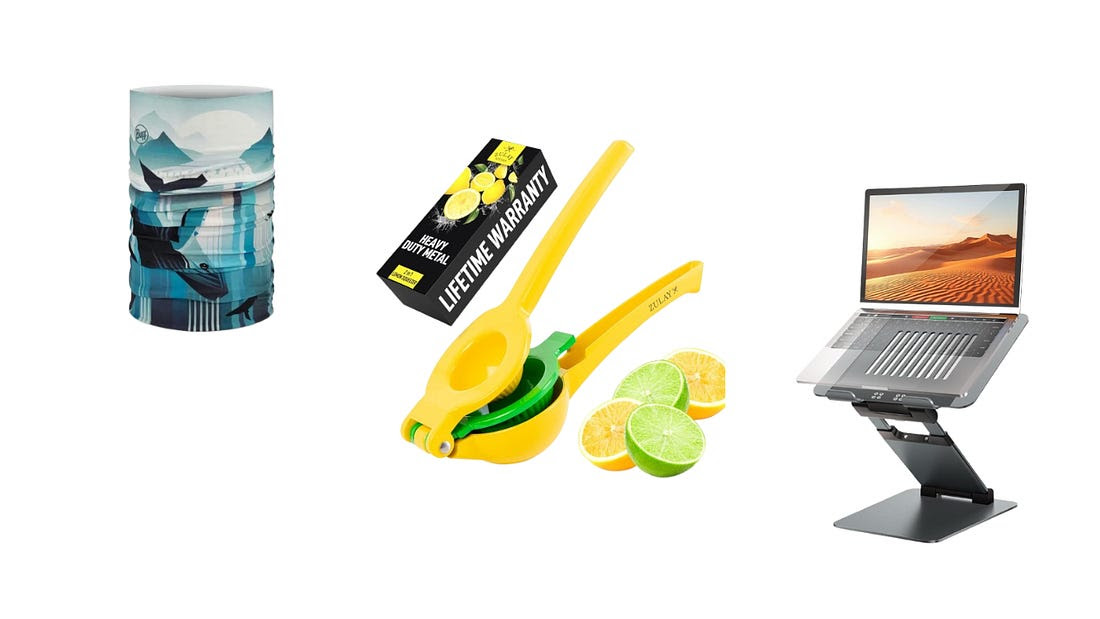
- Zulay 2 in 1 Citrus Press - an indispensable kitchen item, for its unparalleled ability to squeeze all the aromatic oils from the skin of the fruit, with less effort. The Zulay one has a dual-sized fruit cavity to make it better at adapting to the sizes of limes and lemons. I came to find out about these relatively late in life - these Mexican style citrus presses are historically not super common in the UK - more usually here we have reamers or terrible glass juicer dishes, neither of which get the aromatic skin oils. Now I would never be without one. Pro Tip: use unwaxed fruit!
- 'Buff'-style neckwear as a sleeping eyemask - These tubular, stretchy multifunctional scarves are more often used for neckwear, and have multiple conformations they can be used in. I use mine, folded into itself in roughly thirds to form a flat band, as an eyemask for sleeping. They are super comfortable, don't dig in, don't get moved out of position, work over sleep headphones and even the genuine Buff
 branded ones are cheap (but cheaper ones are available). They're great for travel as they have multiple other uses - sweatband, wristband, bandana… I have at least two looped onto all the travel bags I own.
 - Sit to Stand Laptop Stand - brings a laptop up to a better working height to avoid neck and back strain. This particular model is extremely solid, high quality aluminium, very flexible to different heights, yet folds down to a very small space for storage or travel. I use it to raise a 16" laptop up to eye height on my desk, as well as for raising the laptop to standing height in the kitchen. Tip: Always use a separate keyboard to keep your arms and shoulders relaxed.
DIGITAL
- CopyQ - a free, open source, cross-platform clipboard manager. The ability to retain clipped items speeds up my digital workflows more than any other tool. It's highly configurable, and can even be set up with custom hotkey functions that allow me to type 'Ctrl' + '1' to insert my email address, or pretty much anything else you can imagine! I've included a link below to some of my open source recipes for commands. Works on any platform - Windows, Mac and Linux.
- Simon Willison's Weblog on AI and LLM coding - both fascinating and instructive, it is the publication 'of record' for LLM-driven coding, maintaining a nice balance between positive developments like new model releases and rapidly advancing capabilities, and thoughtful considerations of the risks such as prompt injection vulnerabilities. I recommend you Subscribe to it and read them as they drop, follow along with the coding, learn from the ideas - stay up to date with AI, without the fanboi AI hype.
INVISIBLE
"Rules are for the obedience of fools and the guidance of the wise" — Douglas Bader, Royal Air Force (RAF) fighter ace during the Second World War.
Even before I'd heard this quote, I'd always thought this way - guidelines are great but they probably don't apply to me! In all seriousness, it's just a good way to humorously remind ourselves that all rules came from other people like you - and while there are many good and fine rules to always obey, those that have thought carefully and fully understand the subject at hand might need to bend them, especially when the benefit can be for all people.
Sign up here to get What's in my NOW? a week early in your inbox.
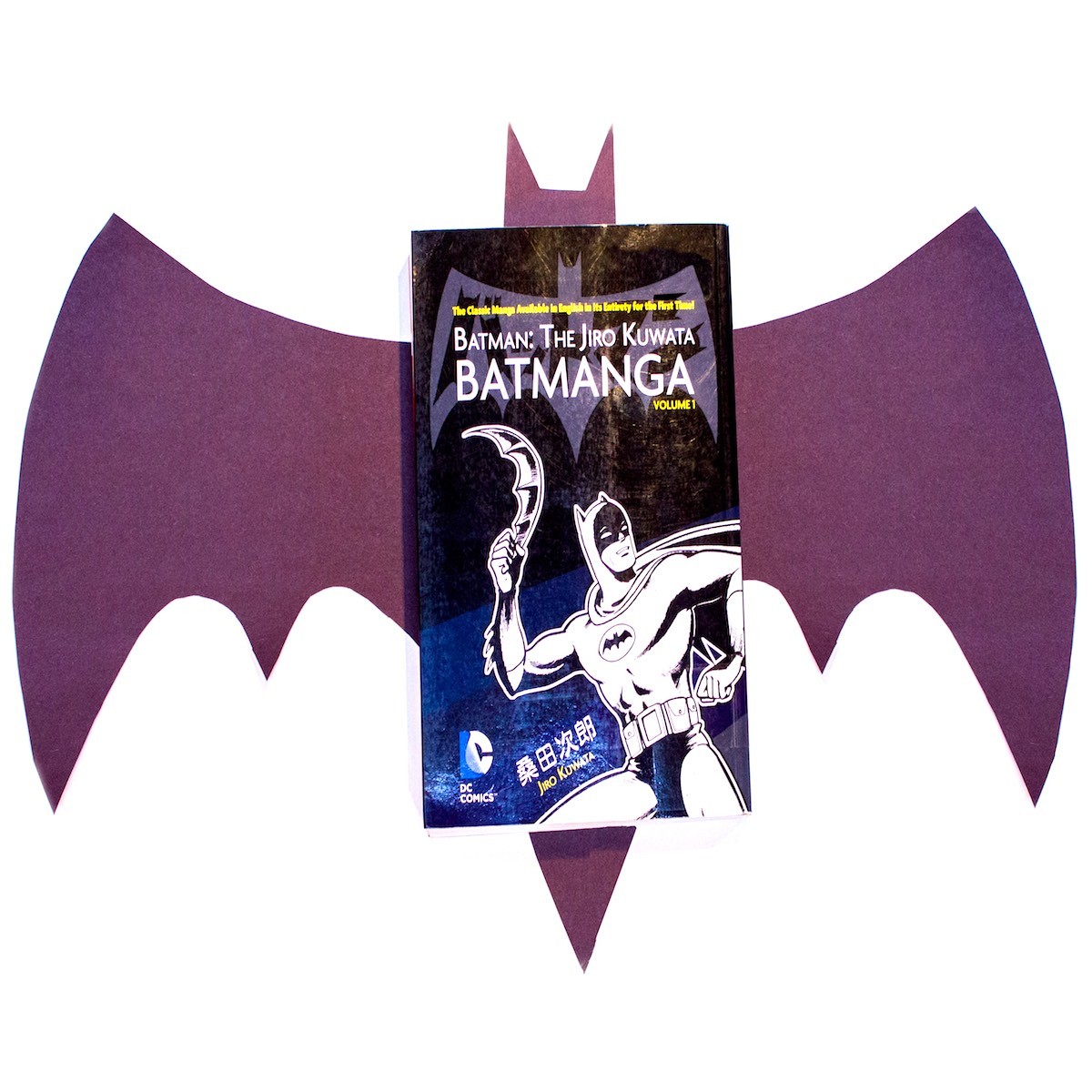

Batman: The Jiro Kuwata Batmanga Vol. 1
by Jiro Kuwata (illustrator)
DC Comics
2014, 352 pages, 5.8 x 8.2 x 1.1 inches (softcover)
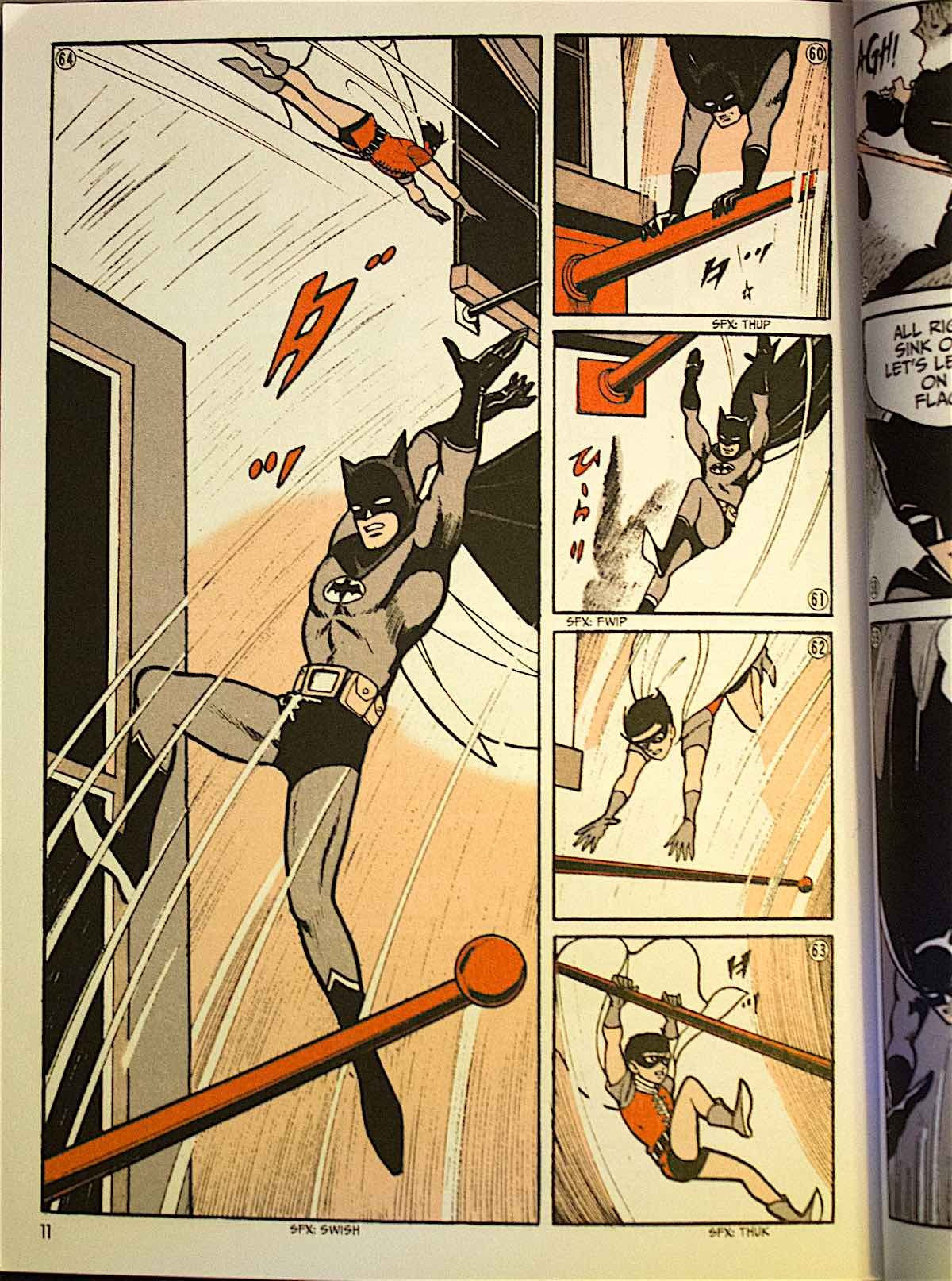
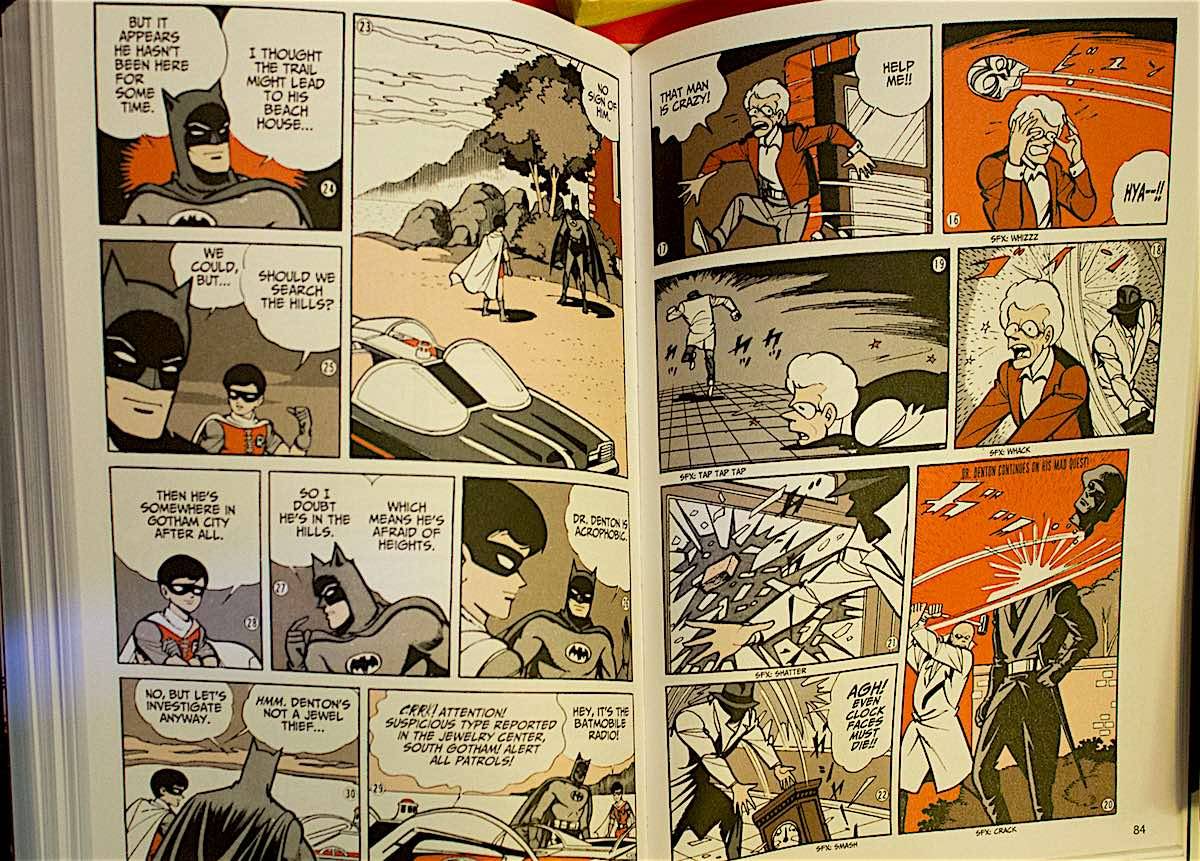
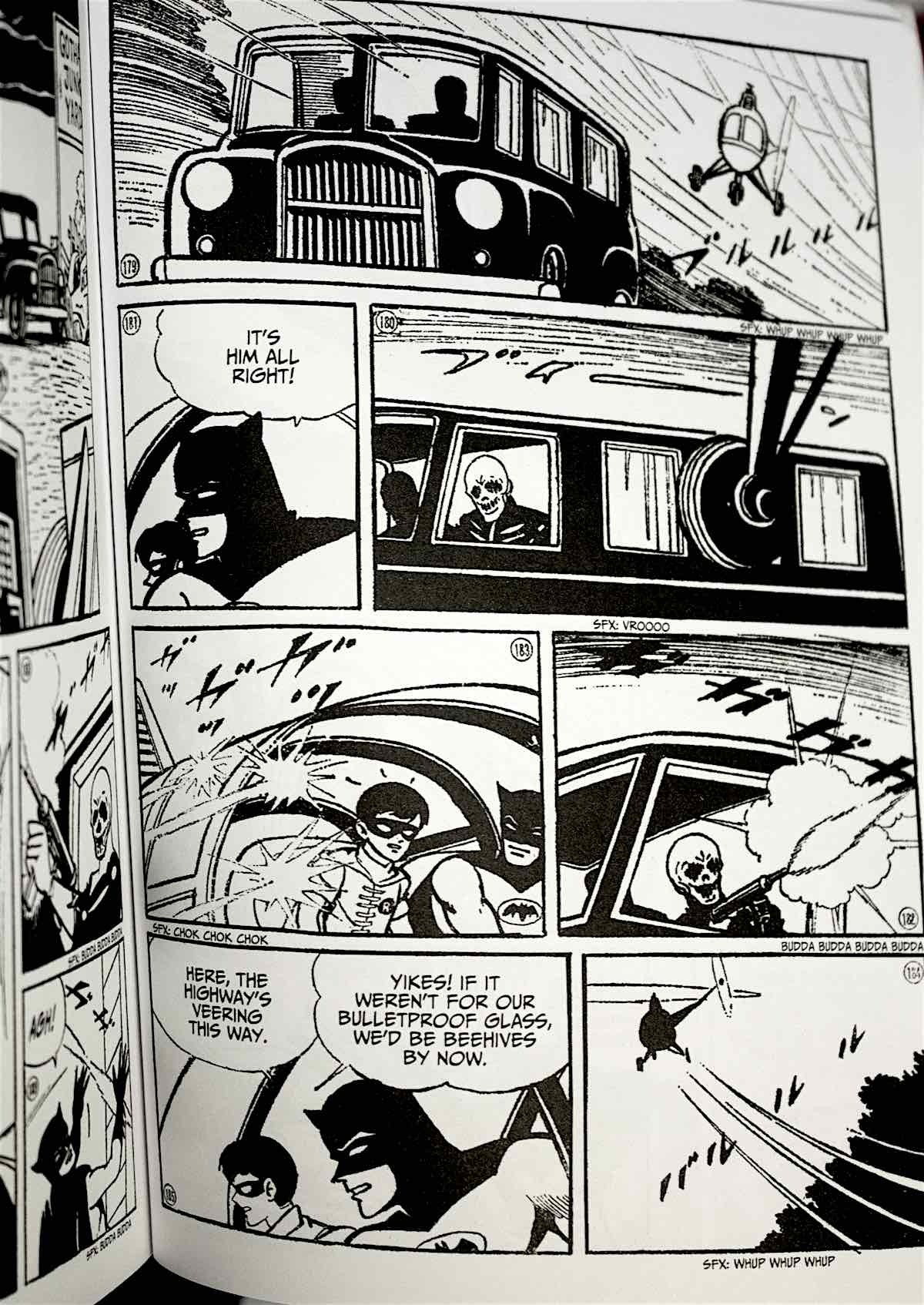
Available for the first time in English, Jiro Kuwata's Batman is basically a Japanese version of the 1960s Batman TV series. It's campy, humorous, and sometimes so on the nose it's laughable. Maybe Batman will escape danger with a goofy, too convenient action, or the villain will taunt Batman with some of the oldest superhero cliches around. It will surely be an adjustment for readers who haven't experienced any of Batman's older stories, but it's important to remember this was produced in the '60s, and Kuwata was essentially mimicking the style of Batman that was popular. If you can do that you'll find a thoroughly enjoyable alternate take on the Caped Crusader and the Dynamic Duo.
Included here are six Batman stories, featuring Batman and Robin vs. unique villains like Lord Death Man and the Human Ball. The story arcs are all standalone and don't reference each other, however each arc is sub-divided into three to four parts. These villains are all formidable foes and a good mix of character types. Lord Death Man for example keeps coming back from the dead, while the Human Ball wears a metal suit that allows him to bounce off any surface, including Batman's punches. Each time, Batman is tasked with not just fighting the villain into submission, but using his classic Batman intellect to outthink them and set a trap. I personally love any Batman story that draws heavily on his detective skills, and Kuwata's work is one of the better examples of how to do it right.
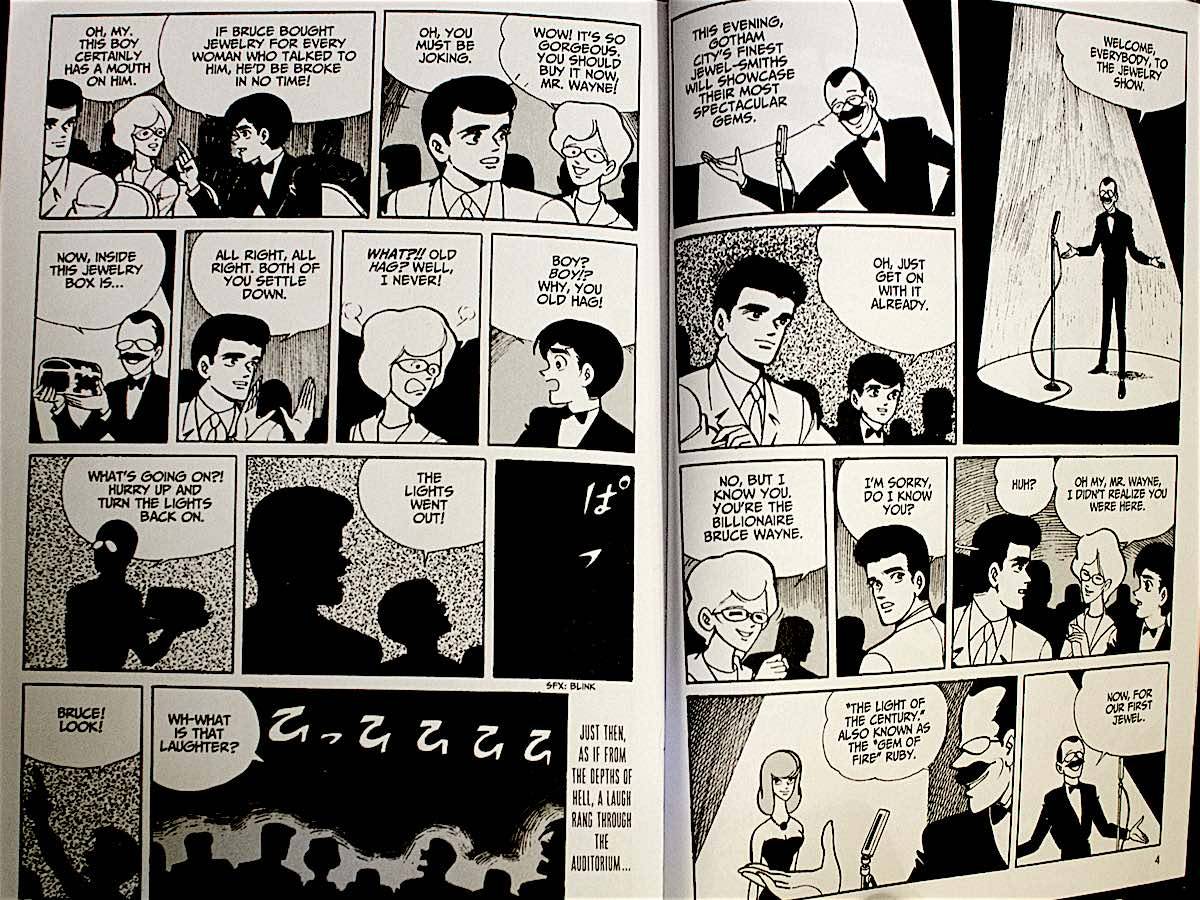
The art style is interesting in that it looks and feels like a Batman comic, but Bruce is also drawn to look Japanese. It's incredibly authentic and you may even find yourself thinking that Kuwata himself invented Batman in the first place. The book is mostly black and white but a few color pages sneak in, and the chapter cover pages are all in color as well.
This translation keeps all the non-dialogue text in Japanese (signs, paces, SFX, etc.) and helpful translations are snuck into the margins. If you've never read manga before, have no fear! Pages are regularly numbered for clarity (as manga reads right to left). They're small and unobtrusive so manga pros probably won't even notice them. Two more volumes in the series are available, showcasing Kuwata's complete run. If you're a fan of manga or Batman, or hopefully both, you owe it to yourself to check this out. - Alex Strine
DARTH VADER'S PERSPECTIVE ON A NEW HOPE AND HIS NEED FOR VENGEANCE


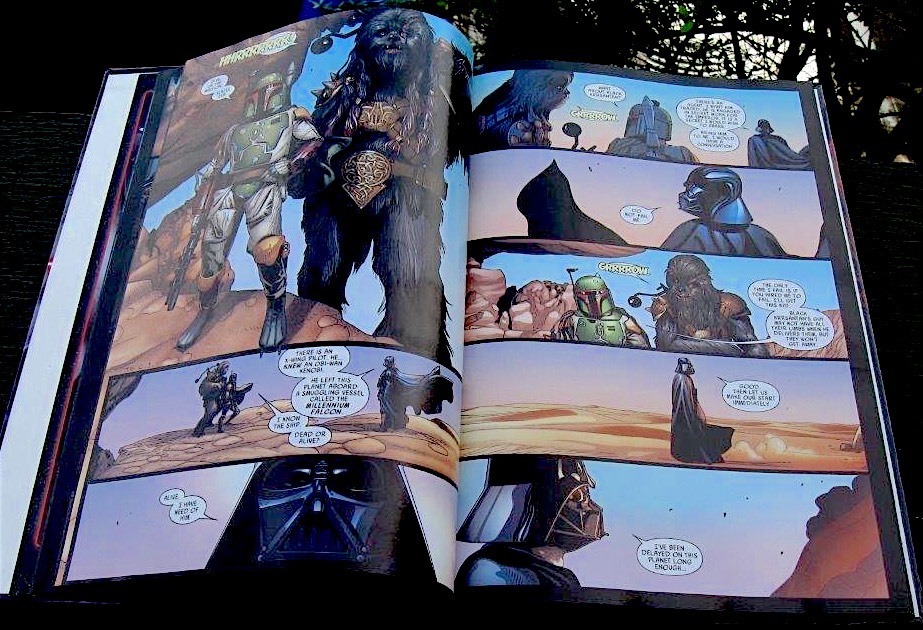

Vader: Star Wars Darth Vader Vol. 1
by Kieron Gillen (author) and Salvador Larocca (illustrator)
Marvel
2015, 160 pages, 6.8 x 10.2 x 0.2 inches (softcover)
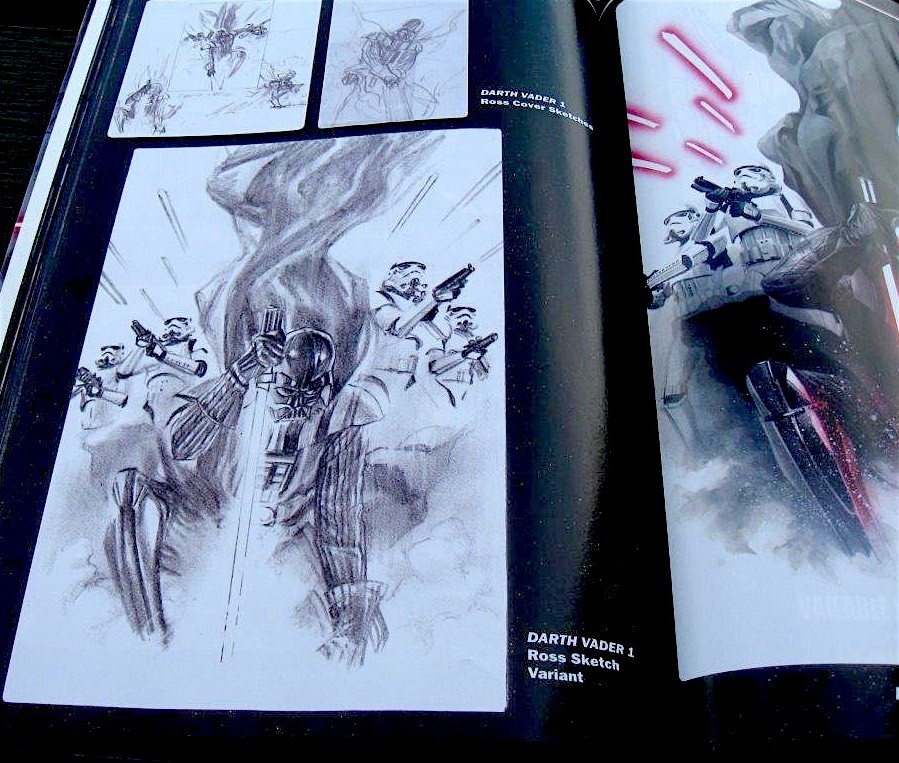
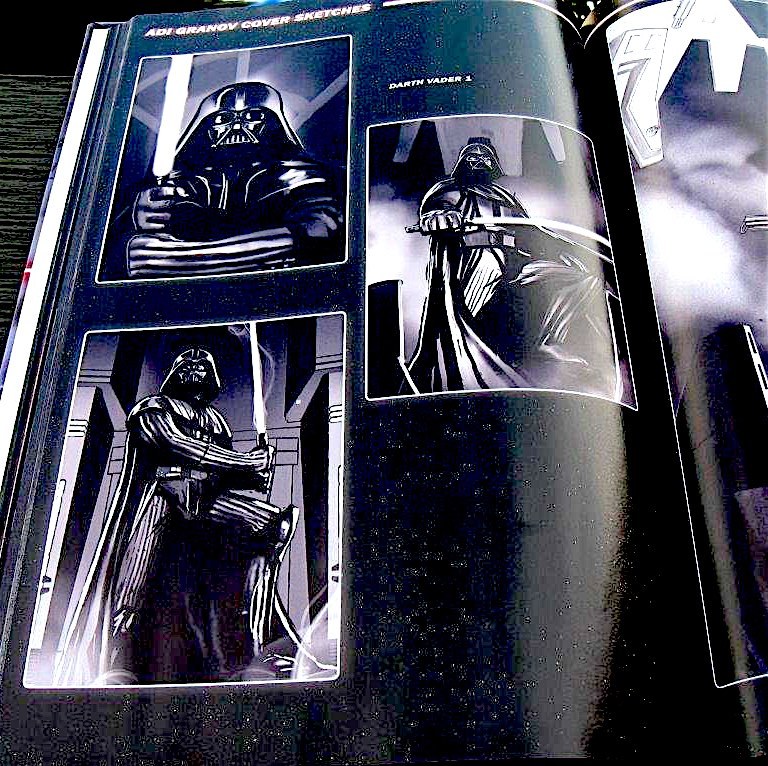
The graphic novel Vader is the first installment of the series, Star Wars Darth Vader. Published by Marvel, this book collects into one volume the first six issues of Darth Vader. It begins with Vader's perspective on events of A New Hope. They reflect his need for vengeance because he is in a world of trouble after a really disastrous day at the office. The death star has been destroyed meaning the rule of law is in danger. Sith Lord Darth Vader has failed his master, the emperor, with all that entails for his own personal safety as well as the fact he must seek retribution.
To do that, first he journeys to meet with Jabba the Hutt. Darth Vader wants to work a deal with Jabba and will use force to get it one way or another. Having been a survivor of one of the worst military disasters in the history of the empire and having laid a trap that backfired, Darth Vader has a lot to be responsible for according to the Emperor. Darth Vader wants to find those who escaped on the Millennium Falcon, especially one person in particular, and to destroy any and all who helped them in the past or now.
He is doing all of that while being placed in a subordinate role having been demoted by the Emperor for his failure. Much of what happened prior to this book is referenced here by taking out Luke and inserting Vader into the scenes as everything is told from his perspective. As such prequels and flashbacks make up a significant part of the book. Those journeys into the past serve to enhance the storyline as it moves forward in time as well as refreshing the memory of the reader. It is a nice touch and works very well.
Filled with colorful panels, detailed artwork, and multiple storylines, the pages fly by as Darth Vader's quest for vengeance unfolds. Writer Kieron Gillen, through panels created by Salvador Larroca, tells a wide-ranging tale that answers some questions while creating many more presumably to be answered in the rest of the series. Colorist Edgar Delgado brings the images to life with vivid colors as well as subtle shading accenting both shadows and the dark forces at work. The artwork is quite impressive and really brings the images to life. If Vader is representative of the following installments of the Star Wars: Darth Vader series, this collection of graphic novels will be a visual and storytelling treat. - Kevin Tipple
Books That Belong On Paper first appeared on the web as Wink Books and was edited by Carla Sinclair. Sign up here to get the issues a week early in your inbox.
 How to utilize urine
Logically, we should recycle our urine to capture its many nutrients for growing new food. Here's a fuller case for that argument, and if you buy it, how to practically accomplish this export on the small scale of a homestead. Most likely you'll be the only person in your neighborhood mining "liquid gold," but you may also be an outlaw, two issues this book anticipates. The small book is also chock full of urine lore, including the historical medical, cooking (!), chemical, and agricultural roles urine has had. This small booklet changed my mind. — KK
- According to sanitation researcher Caroline Schonning of the Swedish Institute of Infectious Disease Control, humans rarely excrete disease-causing organisms, orpathogens, in urine. Also, most pathogens die when they leave their hosts, either immediately or shortly thereafter. The only significant urine-transmitted diseases are leptospirosis (usually transmitted by infected animals), schistosoma, and salmonella. The first two are rare-usually found only in tropical aquatic environments-and the last is typically inactivated shortly after excretion. The more likely health risk is urine contaminated by feces that were misplaced in a urine-diverting toilet.
- There are other ways to use liquid gold. For small amounts of urine, you can make a urine planter. Layer shredded cardboard or paper with chunky sand or peastone. Add more material when the contents shrink as the paper decomposes. Plant hearty nutrient-loving plants, shrubs, or small trees. Urine also works well in hydroponic planter systems.
Applying urine to leaves, not roots, is its most effective use, according to Paul William. "Foliar feeding is much more efficient at stimulating plant growth than fertilizing via the root system only," he says. "The leaves respond within hours ofthe application."
To determine the best dilution to prevent the mis from getting too salty, he uses a TDS (total dissolved solids) meter available from hydroponic garden supply stores. "My tap water has 600 ppm (pars per million) as a result of the chlorine salts before I add any urine. I add urine until I get around 1,700 ppm." He also adds a bit of soap so the spray better penetrates the leaves.
"Urine foliar feeding is amazing," he says. "My friends are having huge success growing all kinds of tropical plants doing it, and my temperate plants are so lushand green, it boggles the mind!"
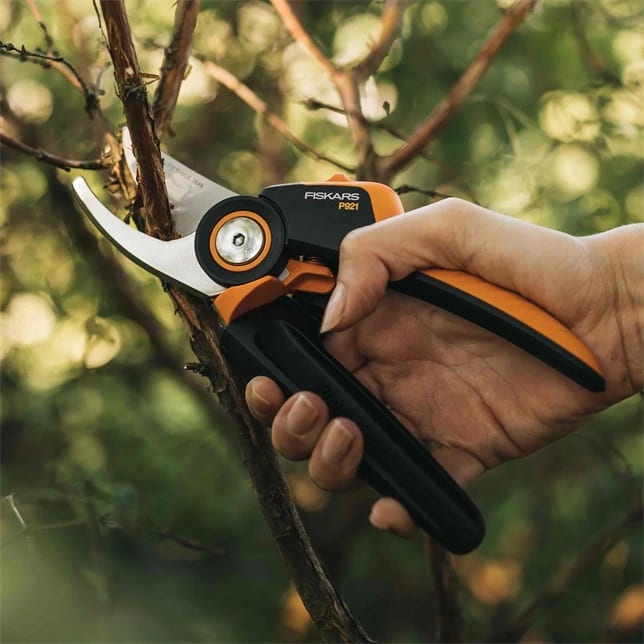 Amplified easy slicing
Fiskars PowerGear Bypass Pruner
This hand clipper is a really cool ergonomic innovation. It uses an ingenious gear design to easily slice off sticks that are 3/4 inch in diameter. As you squeeze, the bottom handle rolls slightly and this motion leverages the power in the scissor cut. I find I can now tackle stuff that ordinarily I would have had to run back to get the larger pruners for. Your Felco pruning clippers will last you a lifetime, but as my grip wanes, I find I this lightweight Fiskars pruner is the clipper I grab first. — KK
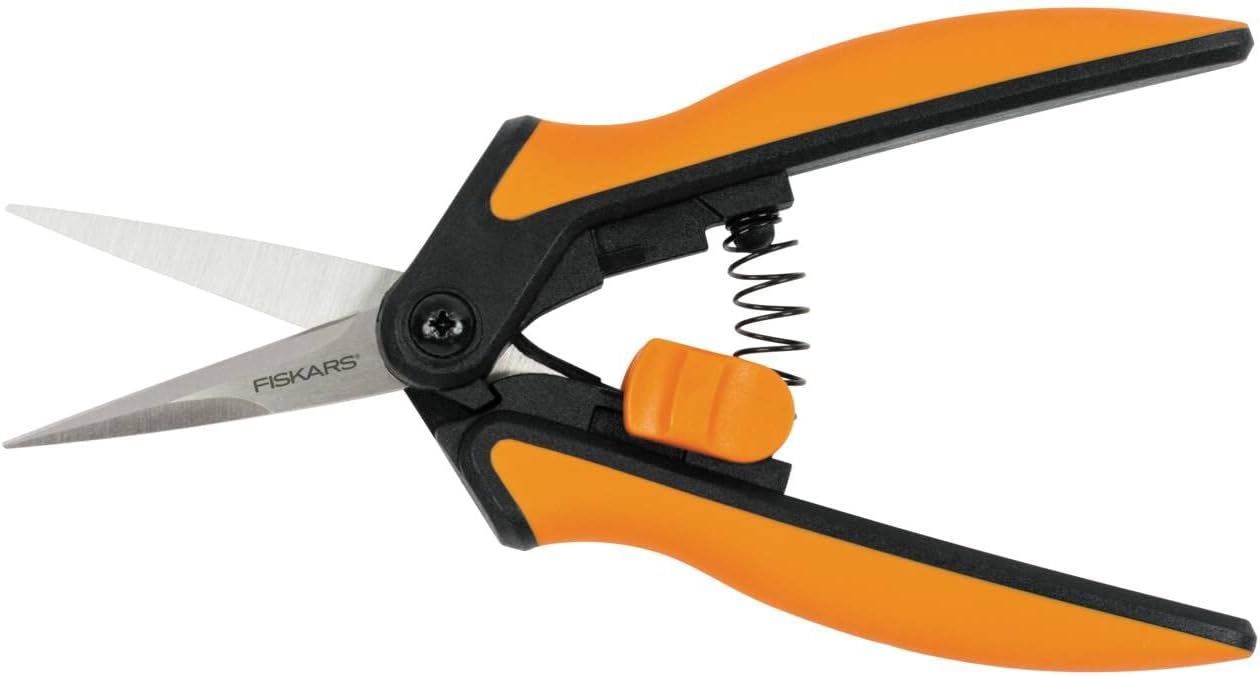 Precise garden snip
Fiskars Softouch Micro-Tip Pruning Snip
Fiskars' PowerGear Bypass Pruner, previously reviewed, is the handiest, most used tool in my vegetable garden, but it's too big and clunky for precision cutting of young salad greens and herbs. For that task, the company's Pruning Snip is an outstanding and inexpensive tool.
Snipping action requires little effort because the short blades are quite sharp and a spring in the center of the handle returns the shear to its open position after each cut. A small garden scissors could work almost as well as this tool, but the spring-activated light-action cutting makes a big difference for ease of use. Like the larger pruner mentioned above, this model gives a lot of cutting output with disproportionately little input. This shear is also useful for carefully thinning densely grouped seedlings by cutting the excess plants at their bases. — Elon Schoenholz
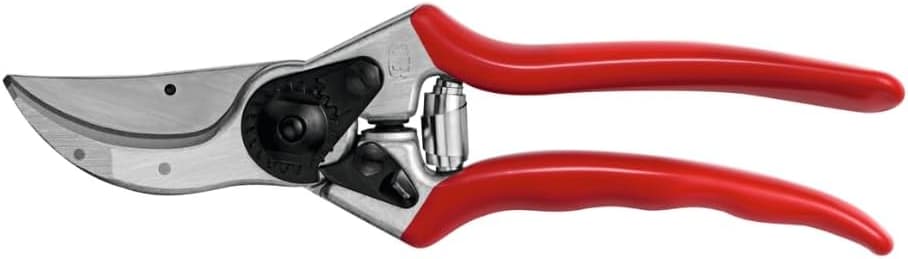 Superb garden clippers
My garden includes roses, blackberry and ivy vines, five kinds of fruit trees — all plants that need constant pruning. So I carry my pruner on my belt. I probably use them a few dozen times every day. I have no idea why it took me so long to buy a pair of the best available — Felco. It's got leverage! A handle shaped to the hand. If you prune a lot, you'll know immediately by the feel that these are the best. You can buy models for small hands, ergonomic models for gardeners with arthritis, left-handed ones. Forty dollars seemed like a lot for clippers but after decades of using inferior pruners I get pleasure every time I snip the Felcos. — Howard Rheingold
Once a week we'll send out a page from Cool Tools: A Catalog of Possibilities. The tools might be outdated or obsolete, and the links to them may or may not work. We present these vintage recommendations as is because the possibilities they inspire are new. Sign up here to get Tools for Possibilities a week early in your inbox.
Together with author Dan Pink, I have started a new podcast series called Best Case Scenarios. Each episode asks an expert to give us their best possible good news scenario in the next 25 years. What happens if everything goes right? What is the best case scenario for say, energy, transportation, biotechnology and brain science? Those are the subjects of our first four episodes, which are also available as YouTube videos, and are now available wherever you get your podcasts. These are not predictions, but visions of what we can aim for in order to make them real. — KK
A visual pattern mapper for behavior loopsUnloop is a visual pattern mapper that helps you catch yourself in the act of being you — to notice a familiar loop, lay it out on a map, and then play with small experiments that might shift the pattern instead of just shaming it. You don't need to sign up or create an account to try it out, and the experience is guided by thoughtful prompts and questions that help you spot what's really driving a loop so you can understand yourself better. It's not therapy or coaching, but structured self‑discovery that treats your patterns as a story you can rewrite rather than a flaw you need to fix. — CD
Better drag-and-drop for MacDropover ($7) is a tiny Mac utility that solves a problem I didn't know I had. When you're dragging a file to a folder that isn't on your desktop, just shake your cursor, and a floating "shelf" appears to hold it. The shelf stays open so you can drop files, folders, images, and even text snippets onto it. Then go find your destination and unload everything at once. You can collect items from multiple folders into one shelf, which macOS can't do natively. — MF
Substack without subsI am a big fan of RSS feeds. I keep up with a long list of blogs and websites by reading the stream of their new stuff via an RSS reader app, negating the need to visit the website directly. (Out of habit I use Feedly, even though it may be outdated.) It is a bit old school, but a well-curated RSS feed is incredibly productive and enjoyable. I have been particularly delighted to discover that I can add Substack newsletters to my RSS feed. If the Substack is free I can read the full text even without subscribing. If it is a paid newsletter I'll only see the full text of whatever free posts are offered, since most substacks usually offer some portion for free. To get the RSS feed, I just add the phrase /feed to any newsletter URL, or I can search for the newsletter title in my favorite RSS reader. (Meta: you can read Recomendo this way. You'll get one less email in your box, but we lose the subscriber count bump, which ultimately pays the way for us to keep it free.) Happy reading! — KK
Notes to Self email folderI read this Ask HN: thread hoping to find an alternative to my own messy digital note‑taking, and I've adopted the very promising "Note to Self" email folder suggestion. Skip all the second‑brain tools and just use your inbox: email yourself interesting links, thoughts, quotes, or questions, and file them into a dedicated Notes to Self folder. Every so often, skim that folder, delete what now feels worthless or obvious, and let the rest sit. As the commenter shared: "It's more useful than you'd think—by reviewing those notes semi‑regularly, you're indirectly memorizing their contents and refreshing their presence in your short‑term memory. And that, to me, is the benefit—not 'copy this cool thing,' but 'feed my mind cool ideas until it has digested them and incorporated them into the larger gestalt.'" — CD
Craft supply bin with built-in cupsThis Citylife 17-quart storage bin is the best way I've found to organize art supplies. It comes with six removable cups that keep markers, crayons, brushes, pencils, and other items separates. Remove only the cup you need, then drop it back in when you're done. The clear plastic lets you see everything at a glance, the lid latches securely, and the bins stack. — MF
Sign up here to get Recomendo a week early in your inbox.
There are a lot of countries where the tap water is risky to drink and most tourists take the easy but destructive route of buying water daily in throwaway plastic bottles. If you don't want to carry a SteriPen (covered in issue #180), many water bottles have a built-in filtration or purification system. The three styles are a filter you suck through (like this Lifestraw one), a built-in filter you push down (from Grayl), or with a SteriPen-style UV light that's built into the cap (from LARQ). I've used all three kinds and if you drink a gallon+ daily, the last option gives you the most liquid for the bottle size.
Cheapest Flight Destinations From Every U.S. StateSkyscanner crunched their booking numbers in an interesting way for this study, figuring out the cheapest domestic and international destination from every U.S. state in March '06. What makes this fun is how unpredictable and counter-intuitive the results are. Who would have thought that the cheapest place to fly from Wisconsin would be Madrid, that from Arkansas it would be Athens, from Georgia it would be Vancouver, or that from Los Angeles it would be San Salvador? If you want to take a vacation to Hawaii, it might be best to go to Antigua first: they found flights from Guatemala to Honolulu for $217 one way!
Reserve for the Next EclipseI was in Mazatlan a couple of years ago for the full solar eclipse that went through parts of North America. To see the next one, you'll need to visit part of a narrow band of options in Europe. Make those reservations soon though: the Expedia group says searches are way up already in some destinations. "For 2026, Greenland (+55%), Iceland (+445%), and several cities in Northern Spain (+125%) are expected to have the best views. Much of the totality will be over the ocean, so northern Spain is going to have the most populated areas for viewing. Check apartment rentals here.
Where Electric Cars Are the StandardNorway leads the world in a whole lot of civilized statistics, but they've really outdone themselves on the social engineering front with electric car adoption. "According to recent data from the Norwegian Road Traffic Information Council (OFV), electric cars accounted for 95.9 percent of all new passenger vehicle registrations in 2025." The next biggest category was hybrids. See the full story here.
A weekly newsletter with four quick bites, edited by Tim Leffel, author of A Better Life for Half the Price and The World's Cheapest Destinations. See past editions here, where your like-minded friends can subscribe and join you.
I'm a data & product engineer (whatever that means). I've wandered through journalism, retail, professional sport, music, and software—always searching for the invisible threads between them. Sharing what we've lived through helps others find their path while reshaping our own. I love mixing ideas from distant places to build something new. French by blood, human by heart. Writing about engineering, data and design at From An Engineer Sight. Writing about life at Liminal Duality. — Benoit
 PHYSICAL
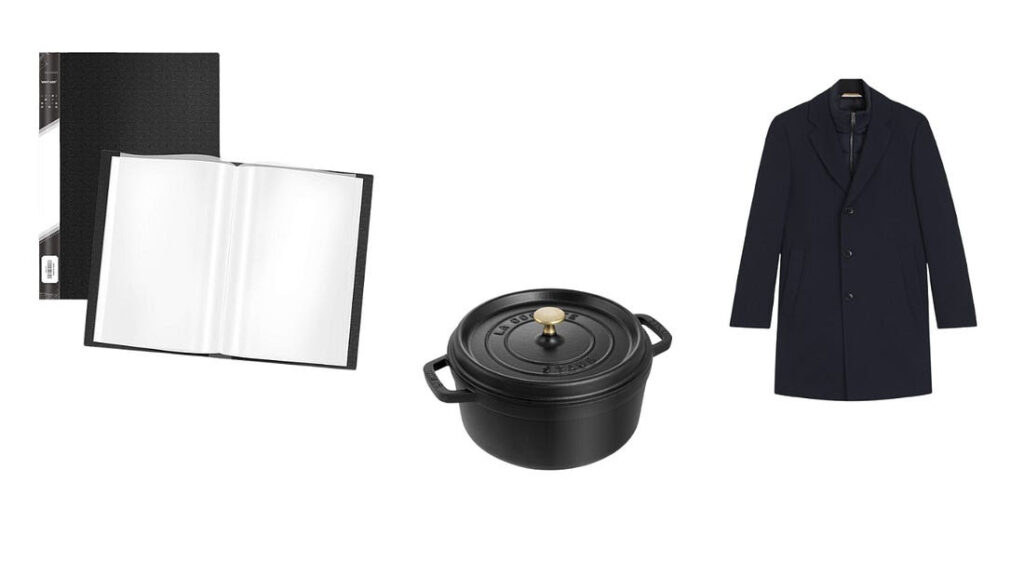
- STAUB Dutch oven/cocotte. Cooking is one of the most peaceful, human, and pleasant activities for me. This classic cocotte allows me to make any French classic, and waiting 3 hours to see that bourguignon come out dark, caramelized and ready for sharing within your family is the best emotion you can get from such a simple iron cocotte.
- Simple binder. As an avid reader of blog posts, I tried several things (Remarkable, iPad, Kindle, etc.). But in the end, printing sheets of paper and putting them in a simple transparent binder is the best I have found. Less screen, fewer notifications, and the feeling of true simple paper is inequitable.
- Hugo Boss Coat. It's made from Italian fabric, it's expensive, but as my mom says, "Quality stays, price vanishes" (a very bad motto when you go shopping…). Having a top-quality coat makes it easy to go outside when it's cold. It's also comforting when you go out at night—it's almost like being in bed already. You don't leave it on a random chair. You look for a coat rack nearby. You take care of it, as it takes care of you.
DIGITAL
- TheNewPrinter: my vibe-coded project to print blog posts on paper with a basic template to make them look like a quality newspaper.
- The intro video of Dynamicland project. I hope the future of computing interface is taking this direction.
INVISIBLE
"Don't cry because it's over, smile because it happened"
Sign up here to get What's in my NOW? a week early in your inbox.
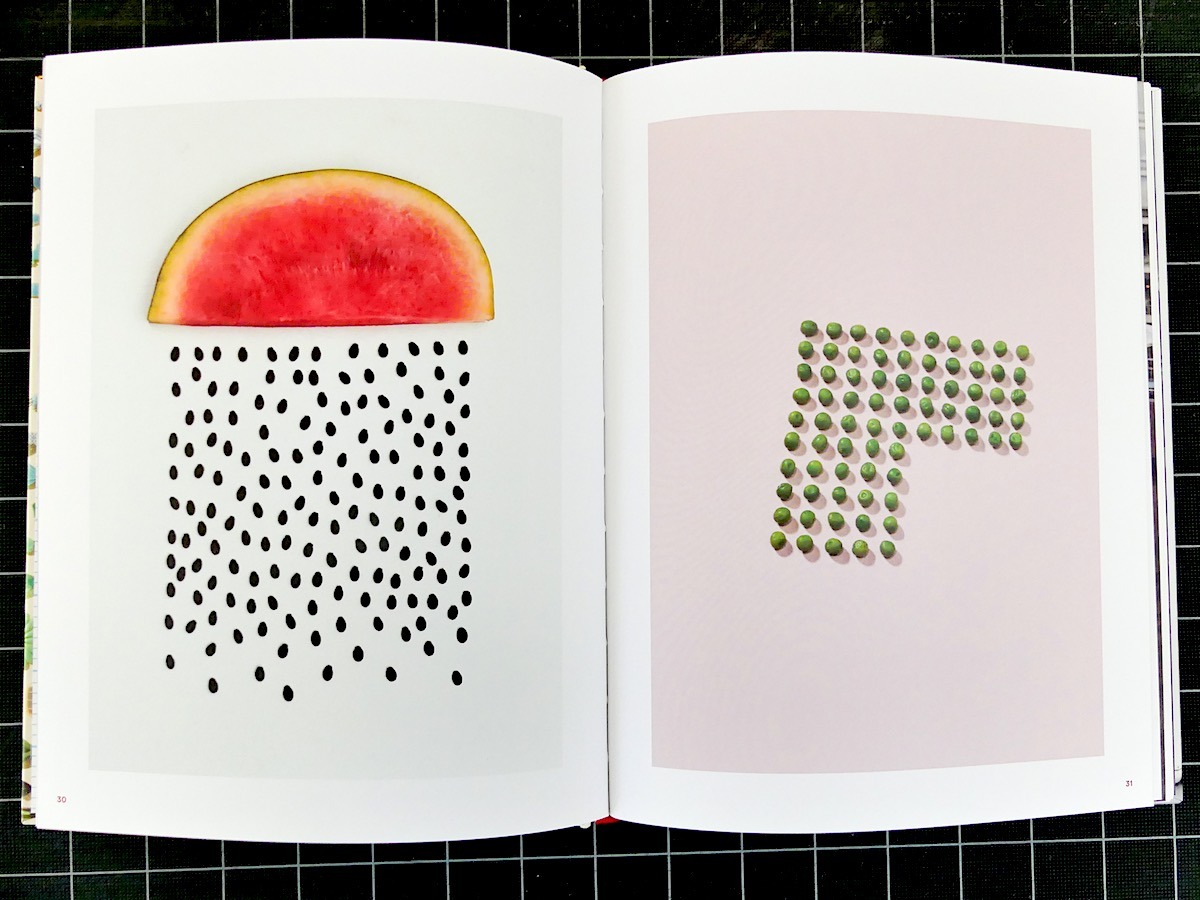
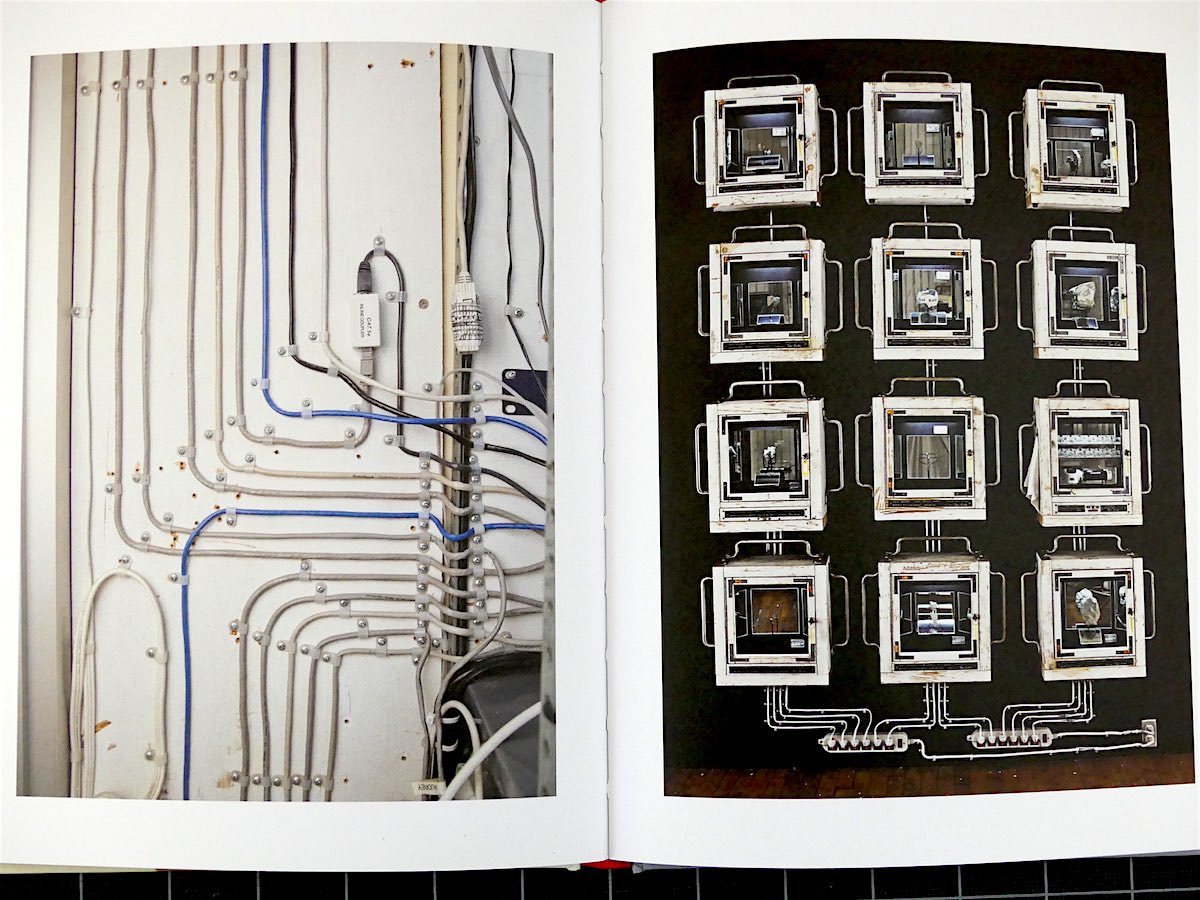
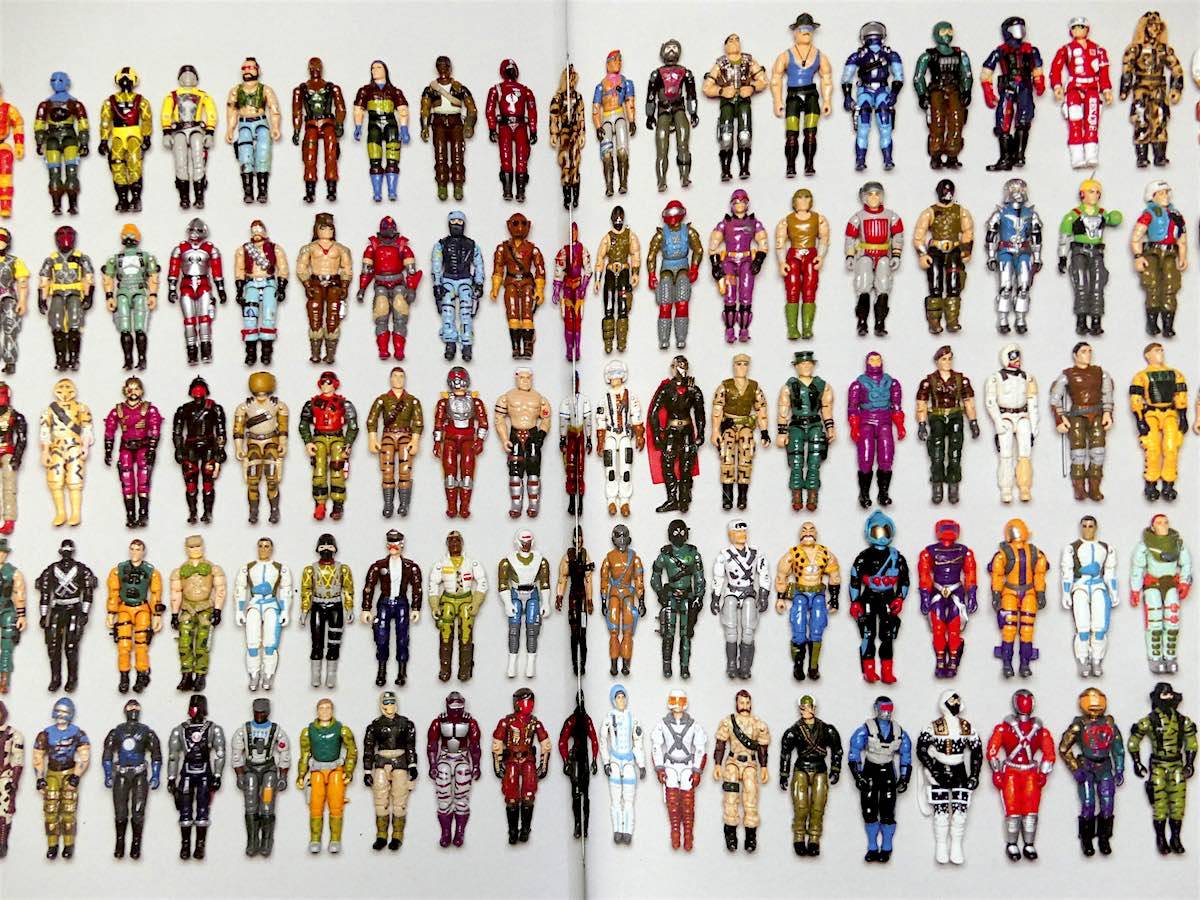
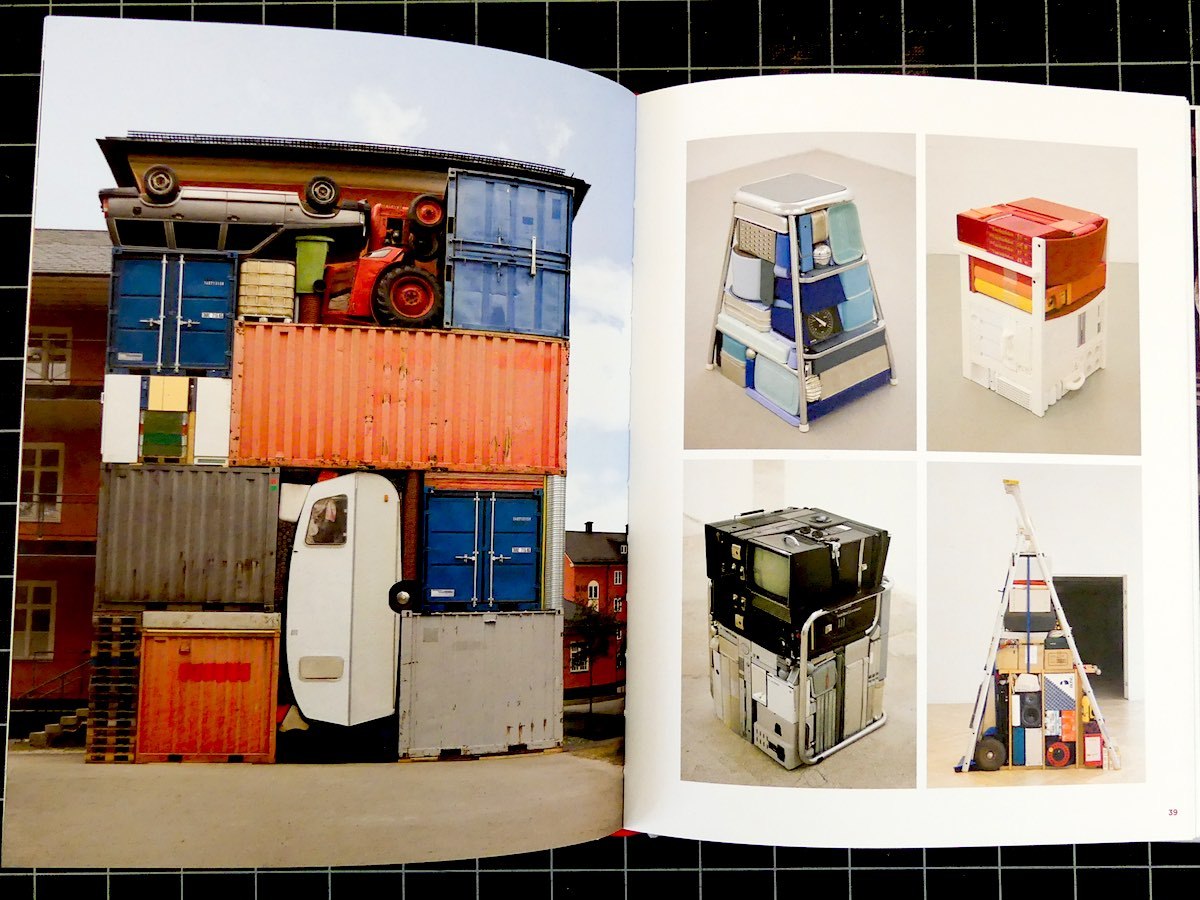
Things Organized Neatly: The Art of Arranging the Everyday
by Austin Radcliffe
Universe
2016, 104 pages, 7.8 x 10 x 0.8 inches
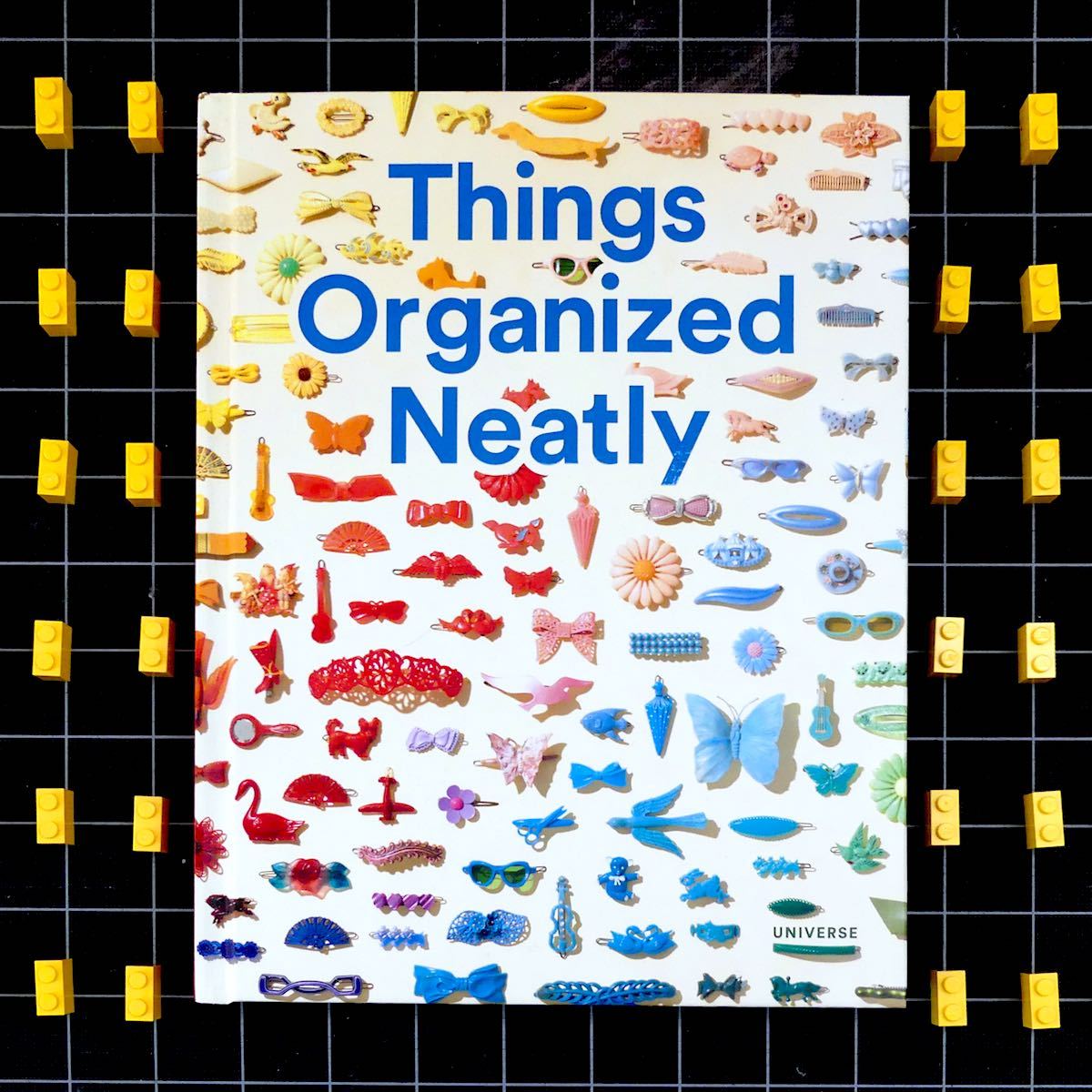
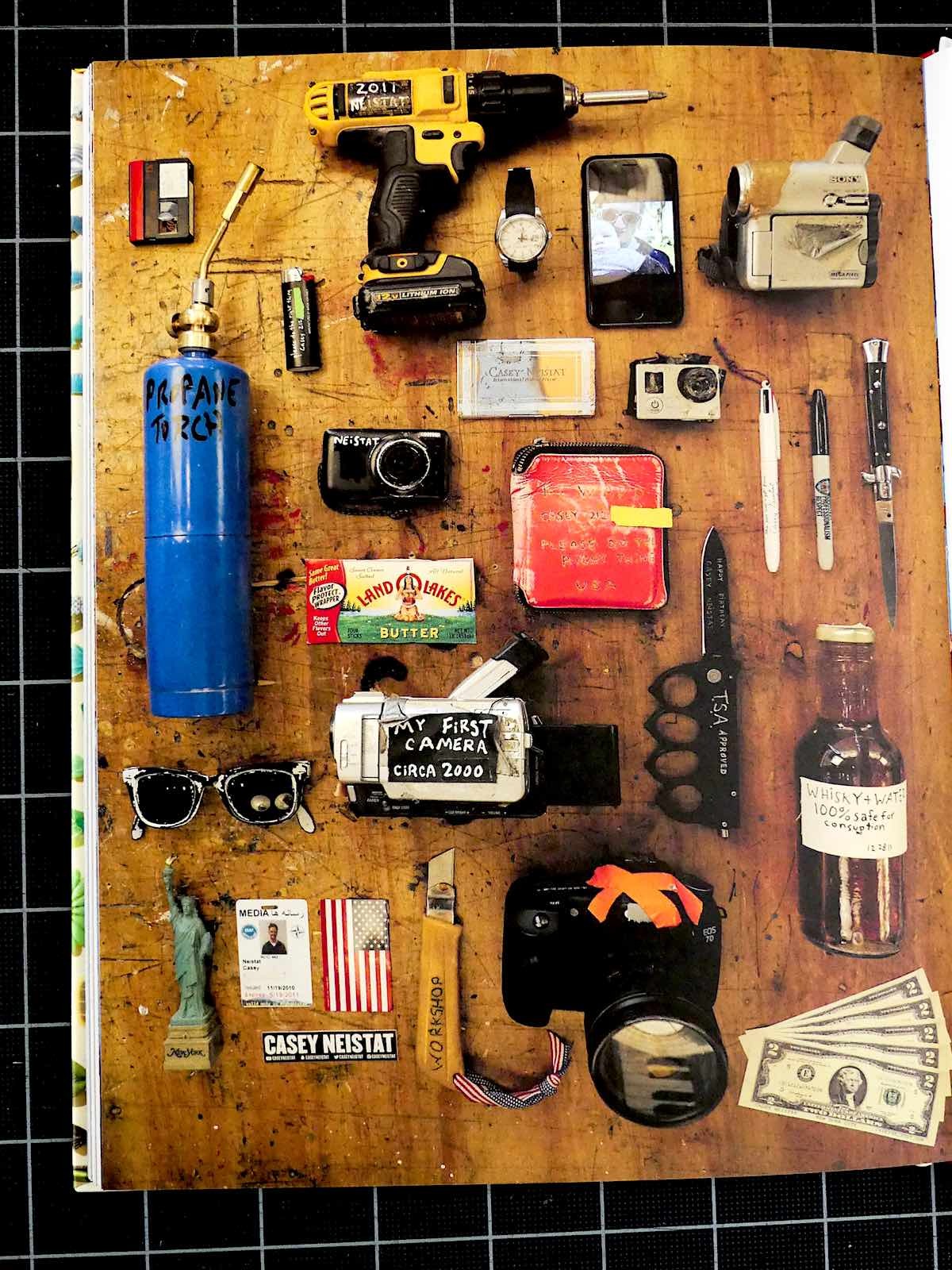
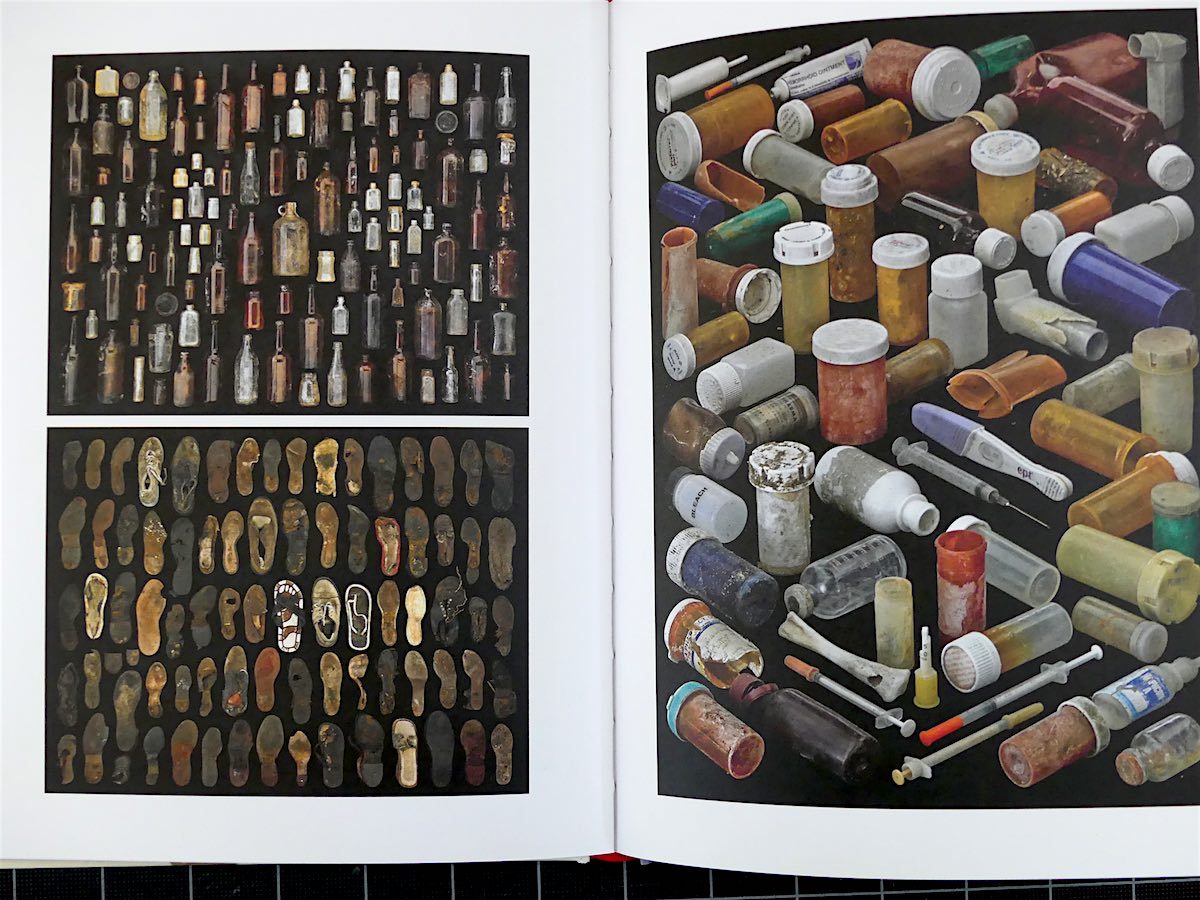
Simply as advertised. Rows and rows of diverse things neatly organized. This process is often called knolling. The applied organizing logic varies: it can be by size, by color, by age; in rows, in grids, in fitted mosaics. The effect is always hypnotic. Seemingly meaningless collections gain intelligence and order which focuses attention on the parts. The book ranges wide and far in the type of things that are inspected. You will soon knoll your own. - Kevin Kelly
SHARKS - TASCHEN'S HUGE, STUNNING NEW BOOK ABOUT OUR OCEAN'S MAJESTIC, ENDANGERED PREDATORS
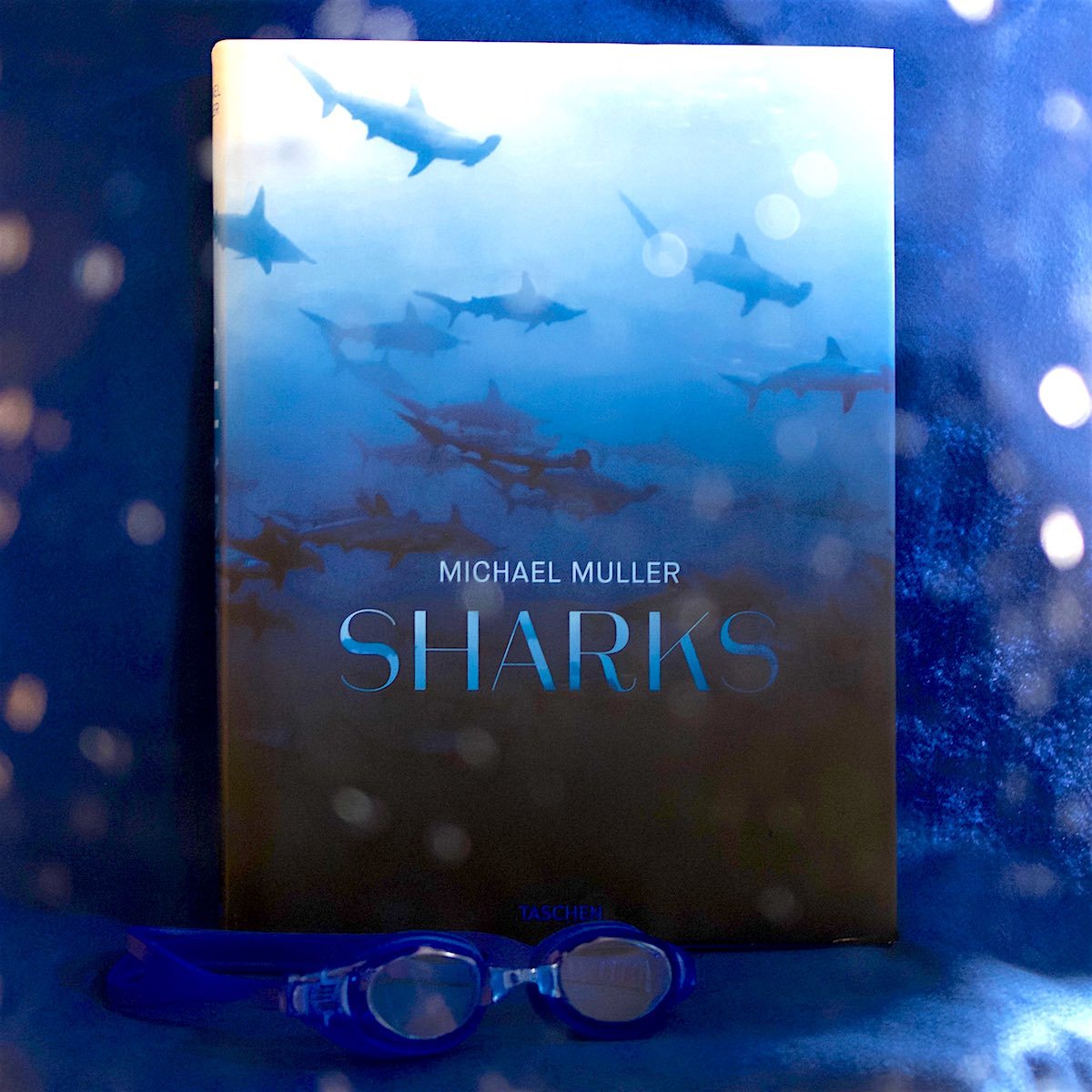
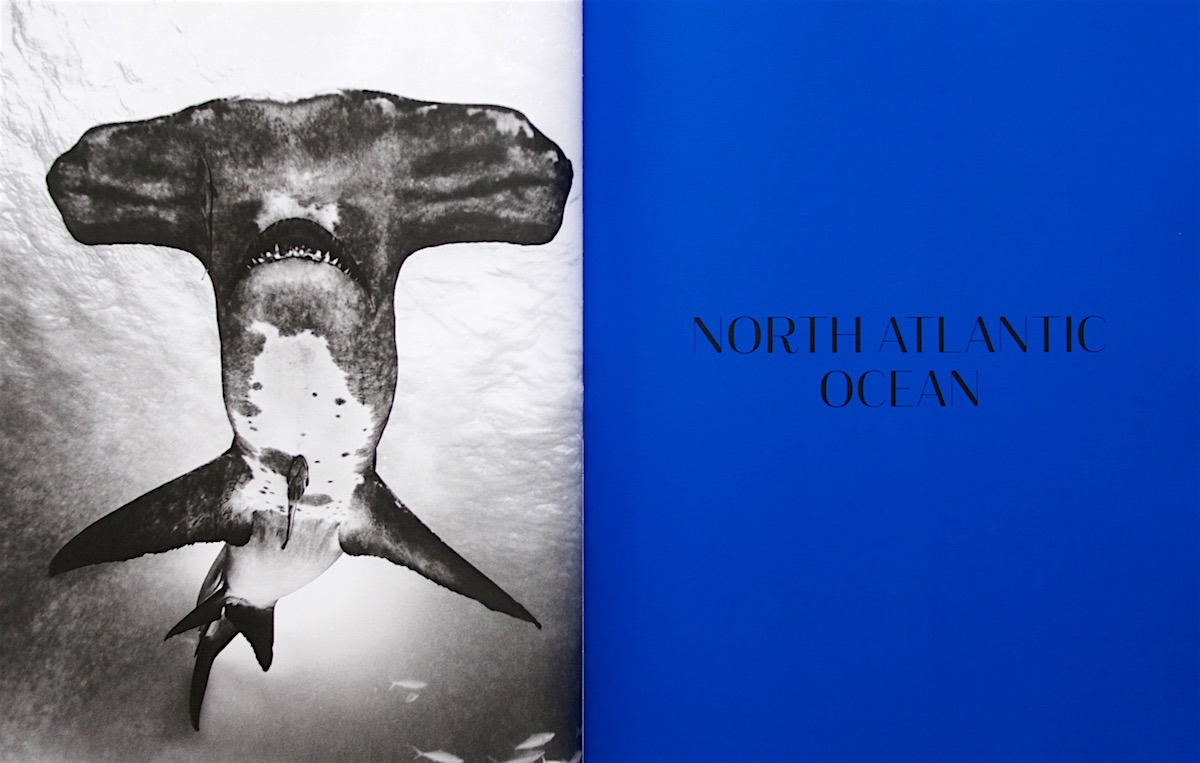
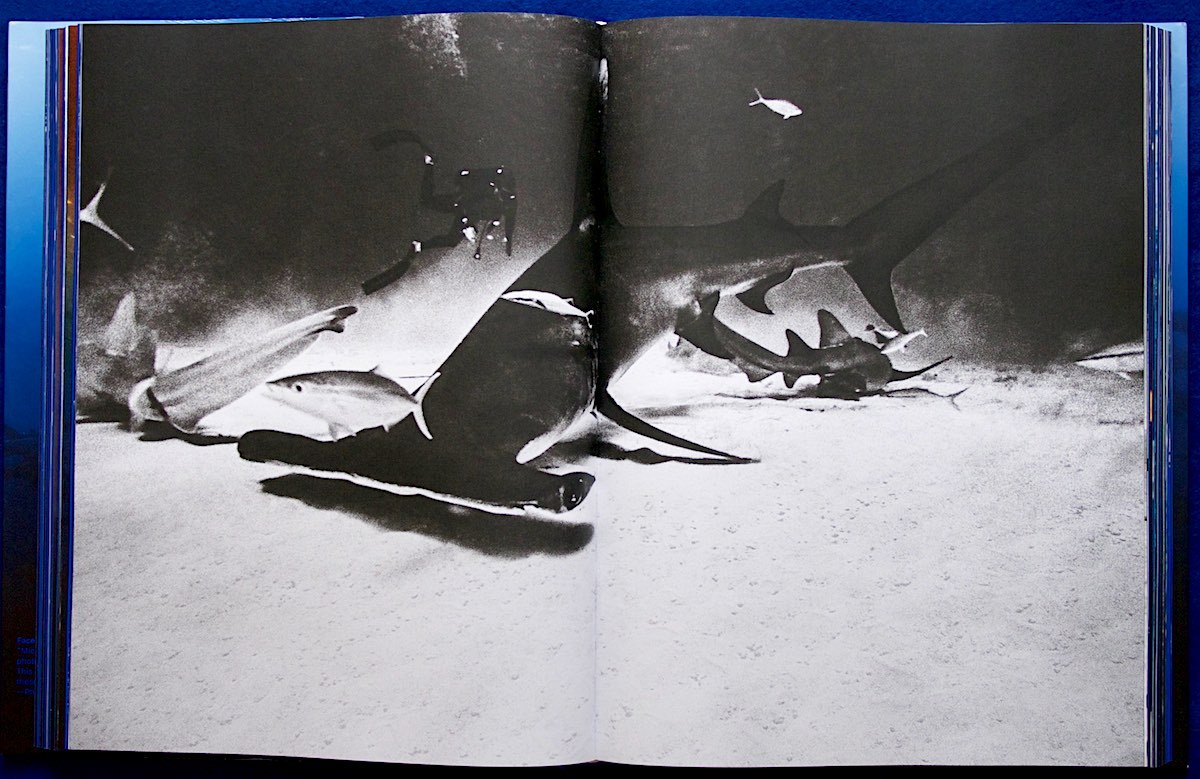
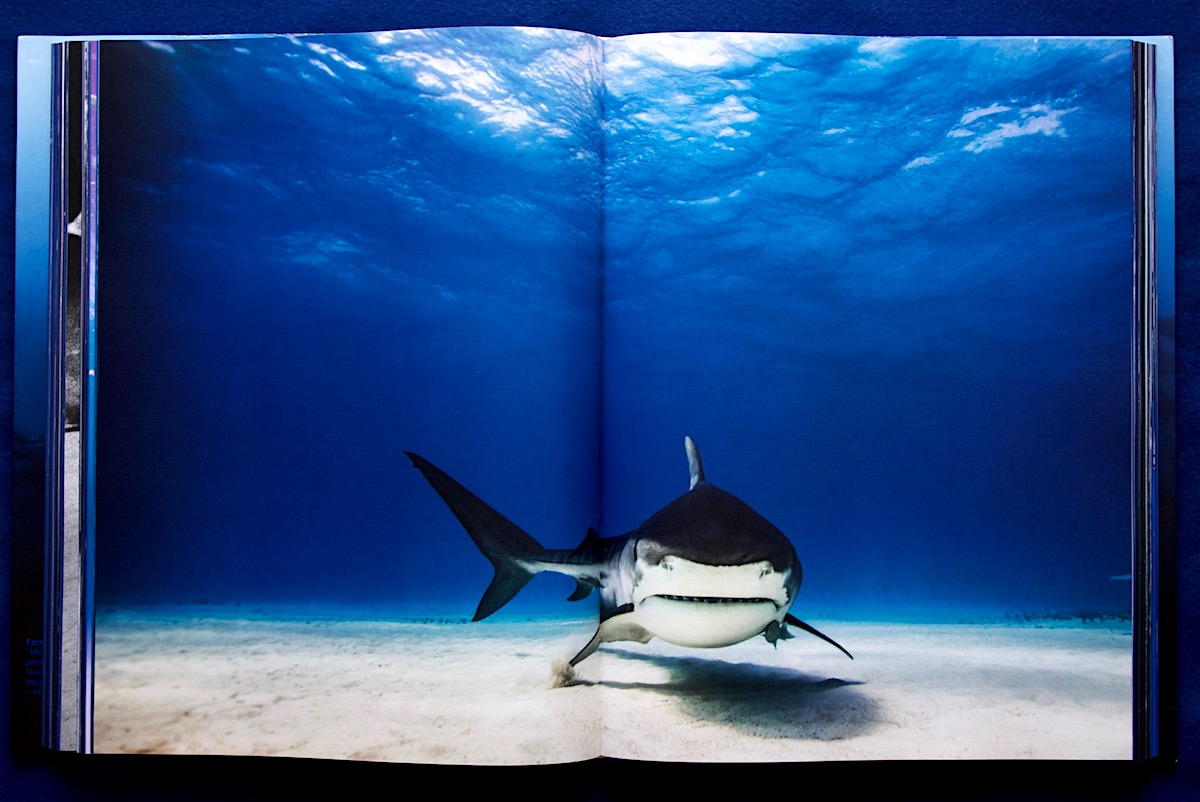
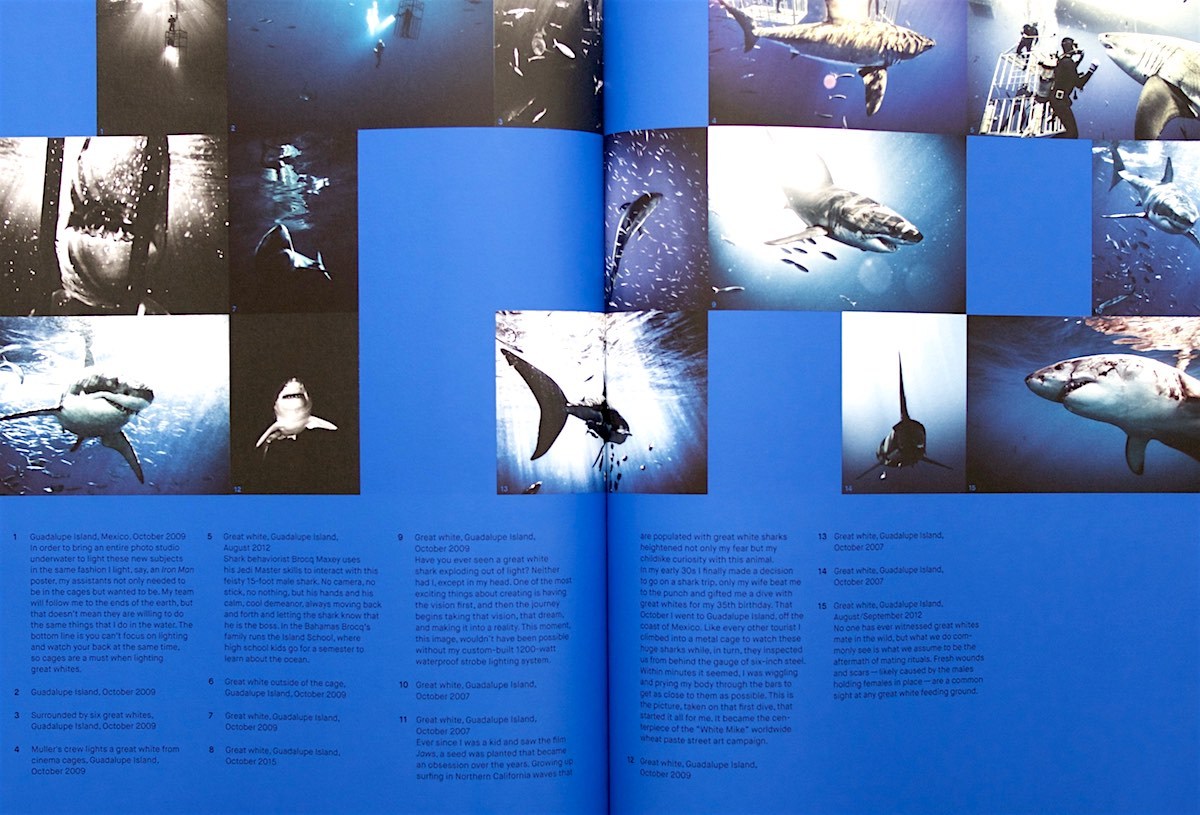
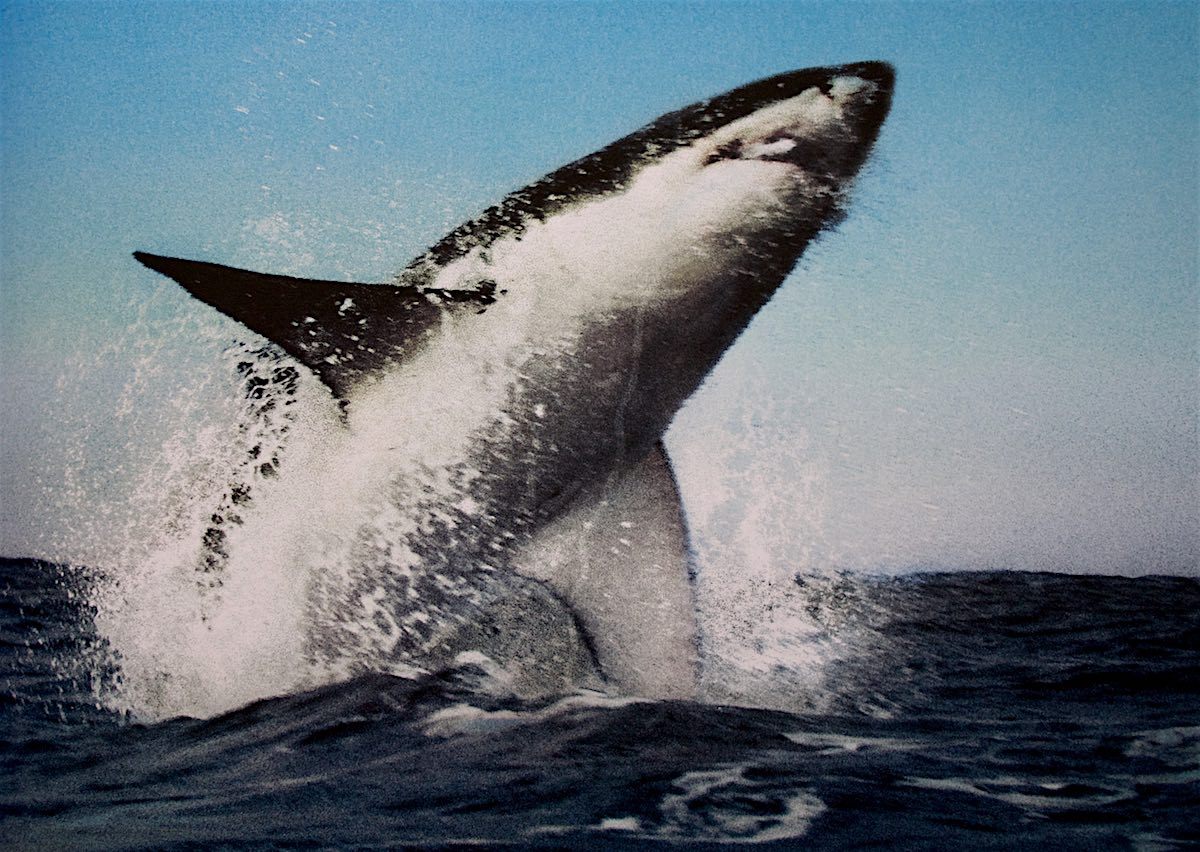
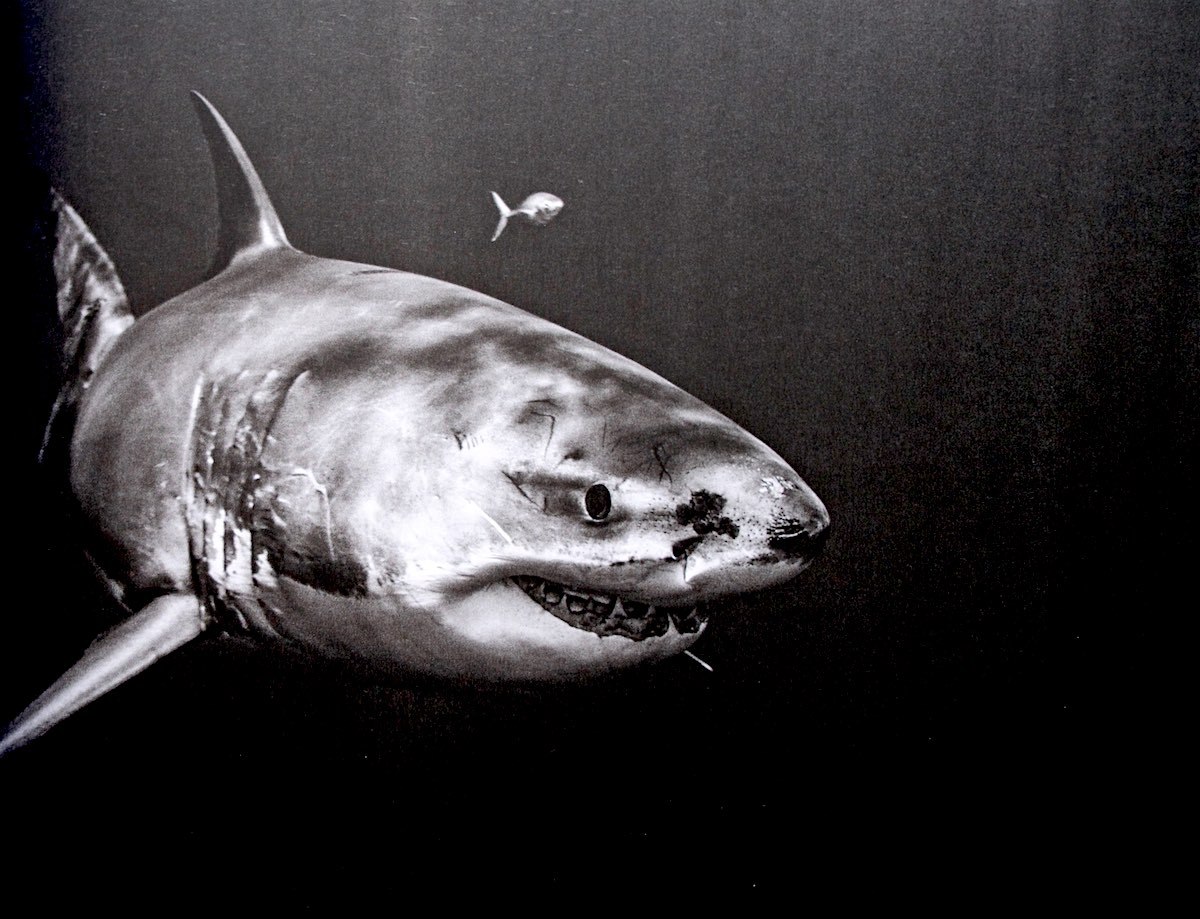
Sharks. Face-to-Face With the Ocean's Endangered Predator
by Michael Muller
Taschen
2016, 334 pages, 11.5 x 15 x 1.5 inches
Sharks. The word alone conjures images of grey and white shadows, dorsal fins slicing through the water, row after row of fierce, terrifying, teeth. And we love them for it. Since Jaws first made us all afraid to go into the water, sharks have become our favorite bad guys. We paint them as the apex predators, devouring everything that dares enter their territory, including we frail, defenseless humans. And then we anthropomorphize them into relentless, driven killers, intent on feasting upon every last one of us. While this characterization makes for great entertainment, it has also lead to the idea that shark attacks are the result of killing machines stalking easy prey instead of the mistaken identity accidents that they are. This, combined with a pronounced market for shark fins, liver, and other body parts has lead to a severe decline in several shark species across the globe.
Sharks are magnificent animals. They are the undisputed kings of the sea, at home and graceful in the ocean, beautiful and awe inspiring to watch. This beautiful animal, while dangerous, is something to be respected rather than feared; they are animals that offer far more in their exotic beauty than ever they could cut up in rare dishes and cuisine. Which is exactly what underwater photographer Michael Muller shows us in Sharks. Face-to-Face with the Ocean's Endangered Predator.
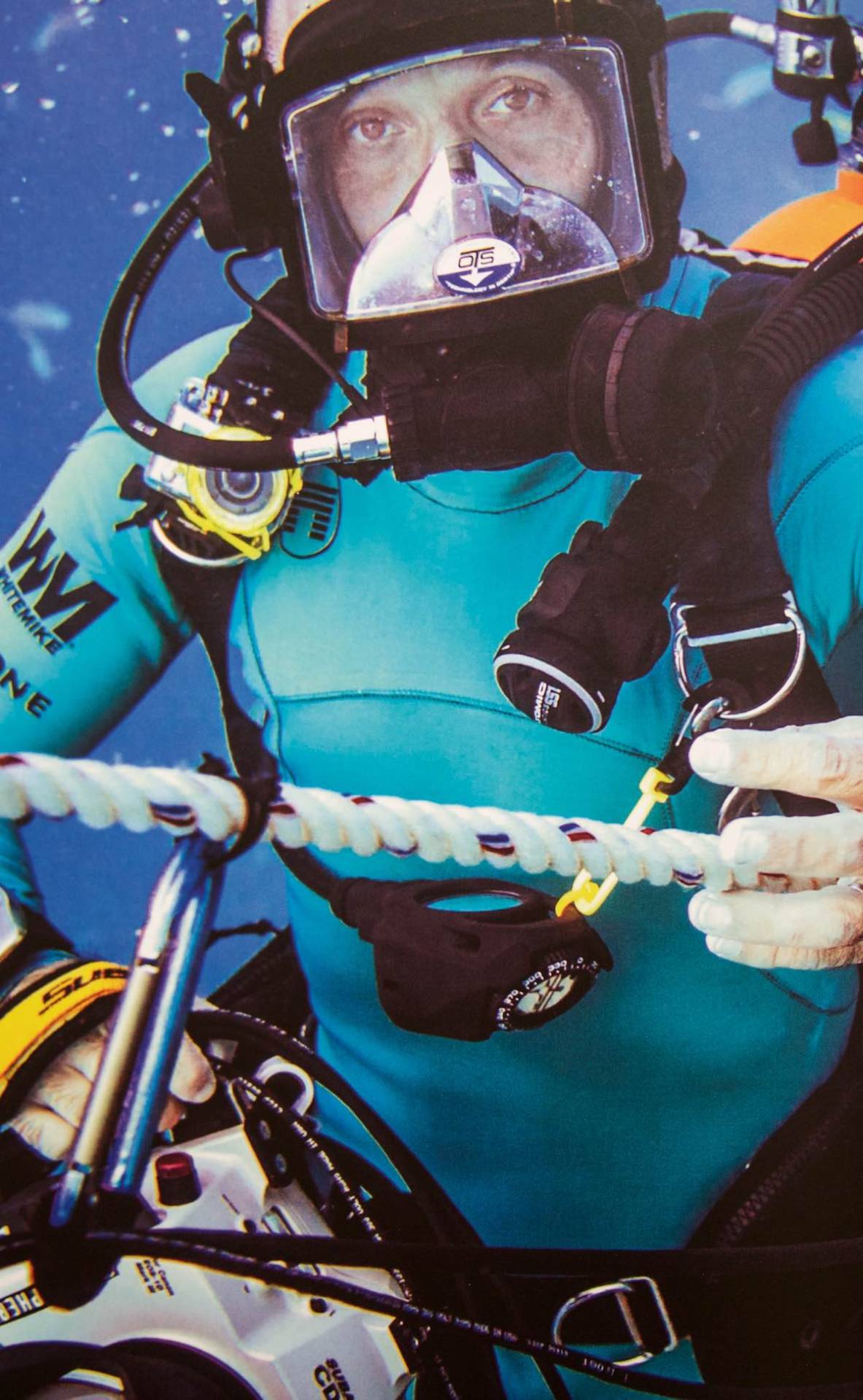
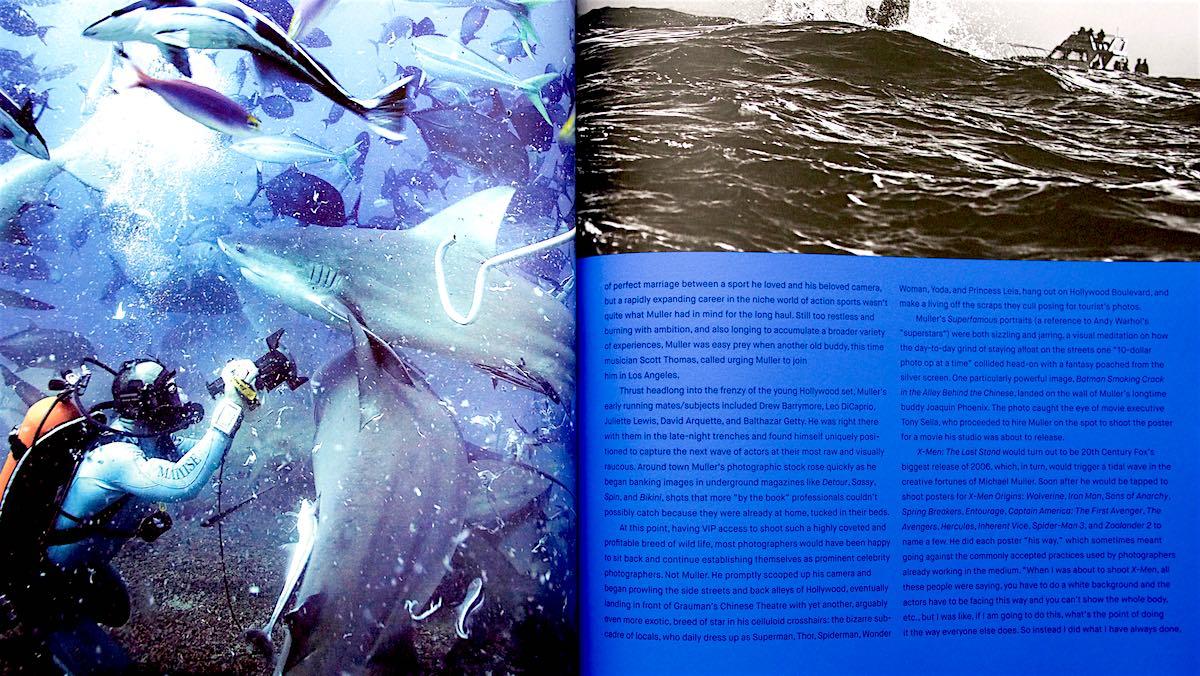
This book, Muller's first, presents the culmination of over a decade's worth of close encounters with sharks both small and gargantuan, both fierce and gentle, both rare and common. The photographs show incredible beauty at close range and in their natural habitats, all the better to help us overcome our fears, the better to see sharks for the graceful animals they are.
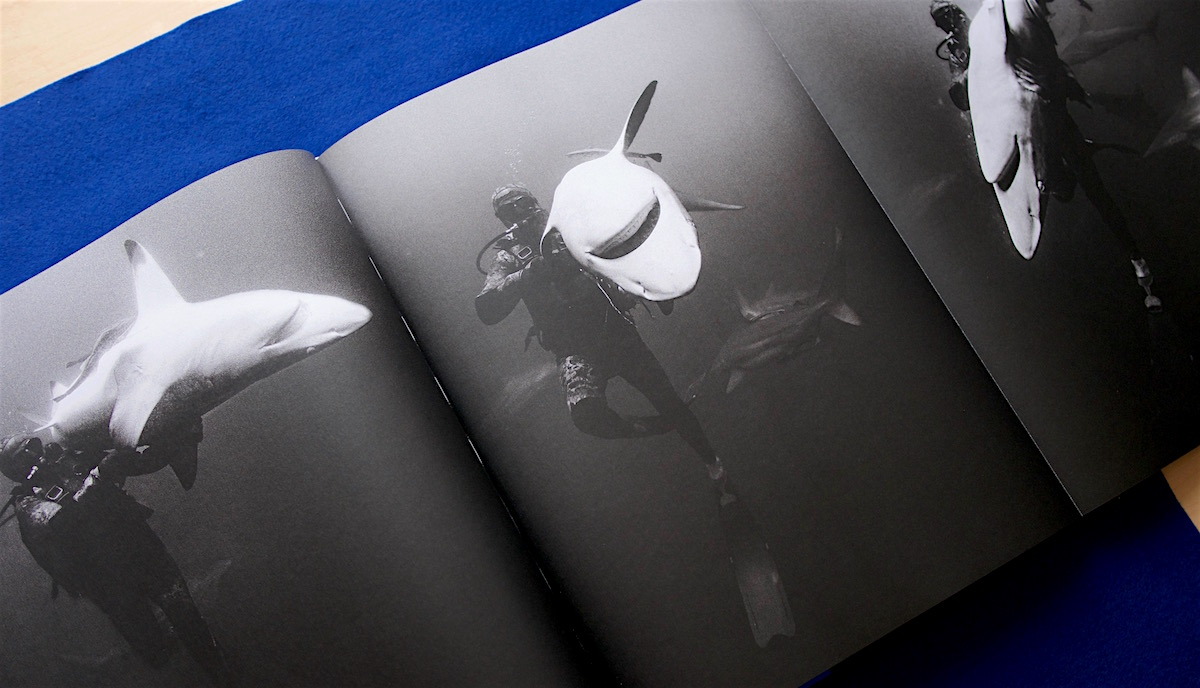
Presented by Taschen, this book is huge, beautiful, and comprehensive. Arranged geographically, the photos are printed on heavy, matte paper that allows a full range of colors and tones. The photos are also presented without context. Rather each photo is given its own page or two (or three or four in the gatefolds) and explanations and details are saved for the picture index in the final pages. Additional indices include essays by Philippe Cousteau, Jr. and Dr. Alison Kock detailing the need for conservation efforts as well as an overview of Muller's work and technique by Arty Nelson. Perhaps the most important, or maybe just most interesting index is the Species Notes, written by Dr. Kock, which includes each species place on the Red List of Threatened Species.
This is an amazing, hefty (seriously, you're gonna need a bigger boat, er, shelf) tome full of stunning photos of wildlife at its most majestic. Pick up a copy for the photographer and wildlife lover in your life and, next time you see a shark on the big screen in the role of bad guy, maybe try to see things from its point of view? - Joel Neff
Books That Belong On Paper first appeared on the web as Wink Books and was edited by Carla Sinclair. Sign up here to get the issues a week early in your inbox.
 Furniture cut-outs for visualizing
Lay-It-Out
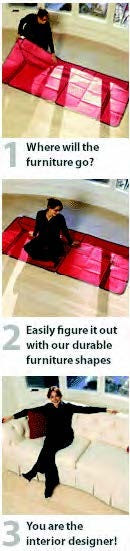
Last time I moved I threw out my back repositioning Grandma's china cabinet for the 10th time. My latest (and hopefully last) moving experience was a dream because of the Lay-It-Out furniture templates. These unique life-sized paper furniture templates are the shape of your bed, sofa, tables, chairs, rugs, billiard table. After trimming them to the appropriate size (measurements are in inches and centimeters), we placed them on the floor and — as I was directed to the appropriate location — continued moving them around with no effort. I had the whole house planned out before the moving truck arrived and it cost less than the physical therapy and pain killers I had to use before. They are a breeze to use. Measure, trim, position, then reposition and reposition and reposition again… You could buy a roll of something like cheap brown crate paper of course, but I liked that Lay-it-out was ready to go, sizes already measured, and in pretty colors. You can buy a "Total Home Package" or purchase smaller packages specific to the Living Room, Dining Room, Bedroom, Game room, Accessory Tables or Rugs packages. I purchased the whole house package and used most of the pieces, except the billiard table, which I kept pinned to the wall for two weeks as a piece of pop art. — Rick Sievering
 Recycled moving boxes
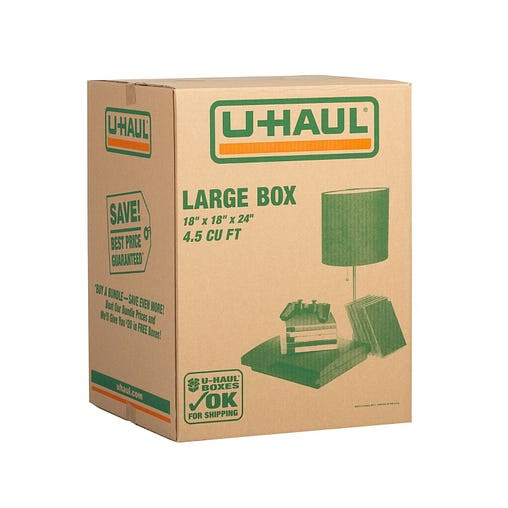
I have mixed feelings about U-Haul and their prices, but one thing they have done that is priceless is create and maintain a surprisingly helpful Box Exchange forum. It's a standard web forum divided into geographical areas so people can request free used boxes or make theirs available for free or cheap. We just saved ourselves $250. After responding to two posts, we had something lined up in no time. We drove into the city (Manhattan) the next day from where we live in Jersey City and picked up a bunch of boxes in various sizes that were practically brand new — all for free. I basically ignored the "buy" forum as the "free" one was successful in under 24 hrs. We first tried Craigslist, but found that most people in our area at the time wanted money for boxes. From our experience, people on the U-Haul forum seemed willing to go a little out of their way to get rid of their boxes. Most of the posts are definitely from individuals, but interestingly, there were a couple of business disposing of boxes (we got ours from an electronics importer in Chinatown). We have not yet completed our big move to Wisconsin, but will be giving away our boxes the same way when we do. — Guil Barros
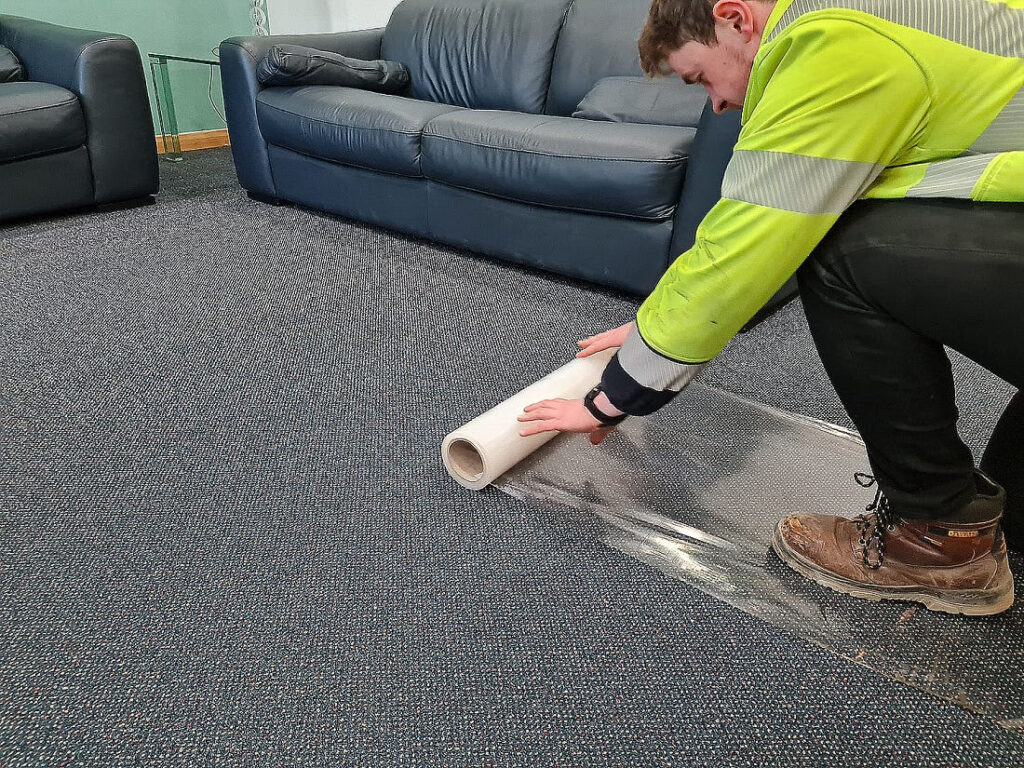 Keeps your carpet clean
Ever wanted to have friends over for a party at your house? Ever wanted to have a LOT of friends over for a party? Worried about spilled drinks staining your carpet? One solution is to cover it before the party with carpet film.
What is it? Picture a roll of Saran Wrap. Now imagine it thicker and more durable. Now imagine one side sticky. Voila! Carpet film.
I don't cover every carpet, just the most highly trafficked areas where people will be drinking and spilling: outside the bathroom where there's usually a line, up the stairs, by the entrance, in the coat room, and in the people-watching areas.
When the party's over, it pulls up easily. Best of all, all of the traffic on the carpet film will have pushed the adhesive side down into the carpet's nooks and crannies. When you pull the film, dirt will come out too. Free carpet cleaning!
Several companies make carpet film. You can get it at Home Depot, Lowes and Amazon for $10-20 per 2'x50′ roll. Wider widths and longer length rolls are also available. Make sure to buy it reverse wound (with the sticky side on the outside of the roll) to make the application process easier. — Joshua Keroes
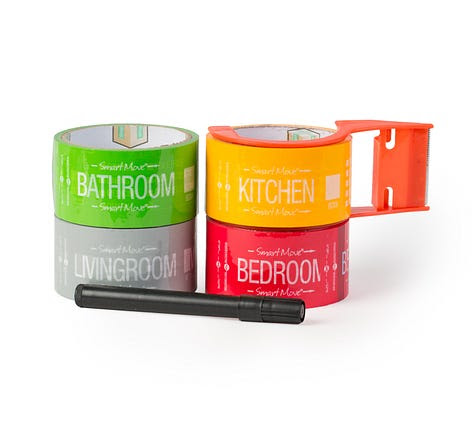 Clearest box labeling
Two things smoothed out my family's move a few years ago: designating Open First boxes for each room in our new home, so that on the first night after the move we wouldn't be missing any essentials; and this Smart Move Tape.
The clearly marked and color-coded designations (Office, Bedroom, Bedroom #2, Kitchen, Storage, etc.) made unloading go quickly for our movers, and organizing our many cardboard moving boxes much easier for us later on. No doubt we could have accomplished something similar with a handful of colored Sharpies, but it would have taken a lot of consistently careful writing to even approach the same effect — at a time when we were looking to make less work, not more — and the colored tapes really help make sorting a breeze. —Elon Schoenholz
 Relocation advice
Moving Tips
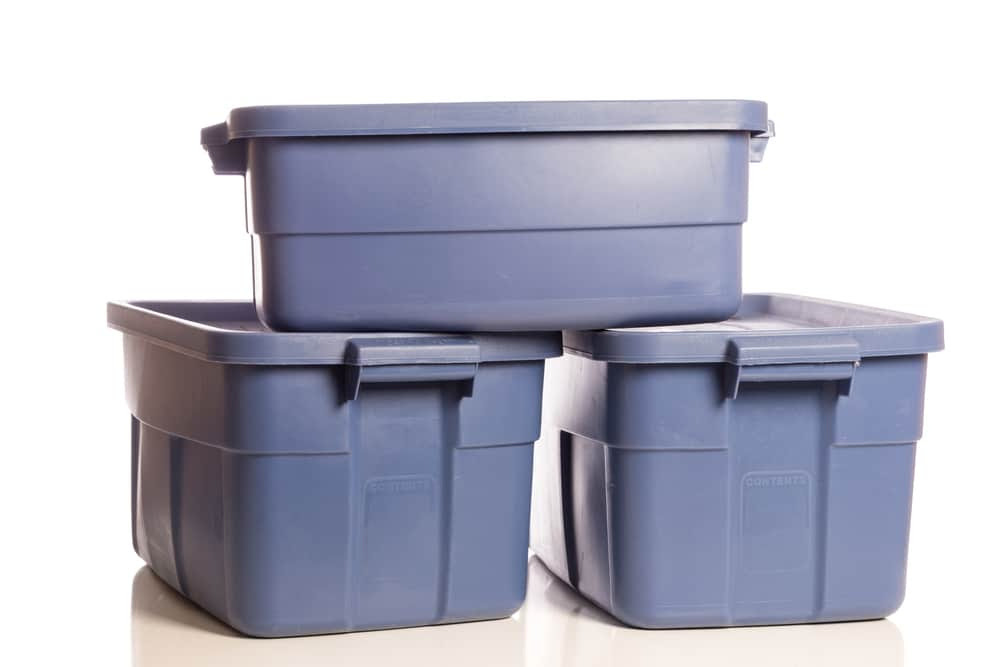
Since I seem to move house every six months or so, I have ample opportunities to test new strategies. This time around I experimented by putting plastic storage totes through FedEx Ground, and for the items I moved myself I used cardboard boxes with the addition of nonadhesive strapping tape and tubular handles. Much quicker and easier, less effort, no breakages, big success. — Charles Platt
Plastic Totes via FedEx
Wal-Mart sells them for storing items such as bedding and clothes in the home, but their semi-rigid construction makes them ideal for moving fragile possessions such as dishes and stereo components. They are stackable, waterproof, easy to pick up (recessed handle at each end), reusable (can be nested during storage), and will pass unscathed through FedEx ground. Best of all they barely cost more than cardboard boxes! My local FedEx-Kinko's was skeptical about accepting them for fear that the lids would pop off during transport. I allayed their fears by putting 2-inch tape around the perimeter of the lid and folding it under the rim. I had to make little notches in the tape so that it would seal properly either side of plastic strengthening ribs under the rim, but this was still much easier, quicker, and safer than using cardboard. Wal-Mart sells gray Sterilite brand totes (the type I prefer) through its stores, but not online. Models 1830 and 1835 are the ones I have tested through FedEx without any problems. You can pay a little more and get "latch totes" (models 1940 and 1945 with a flip-up latch at each end) but since you'll still need to add tape, I feel the latches are unnecessary. (NOTE: One reader pointed out that plastic totes may buckle if they are stored in a very hot place with heavy objects on top of them. I haven't encountered this problem myself, but I do follow the standard practice of filling each container to minimize empty space inside it)
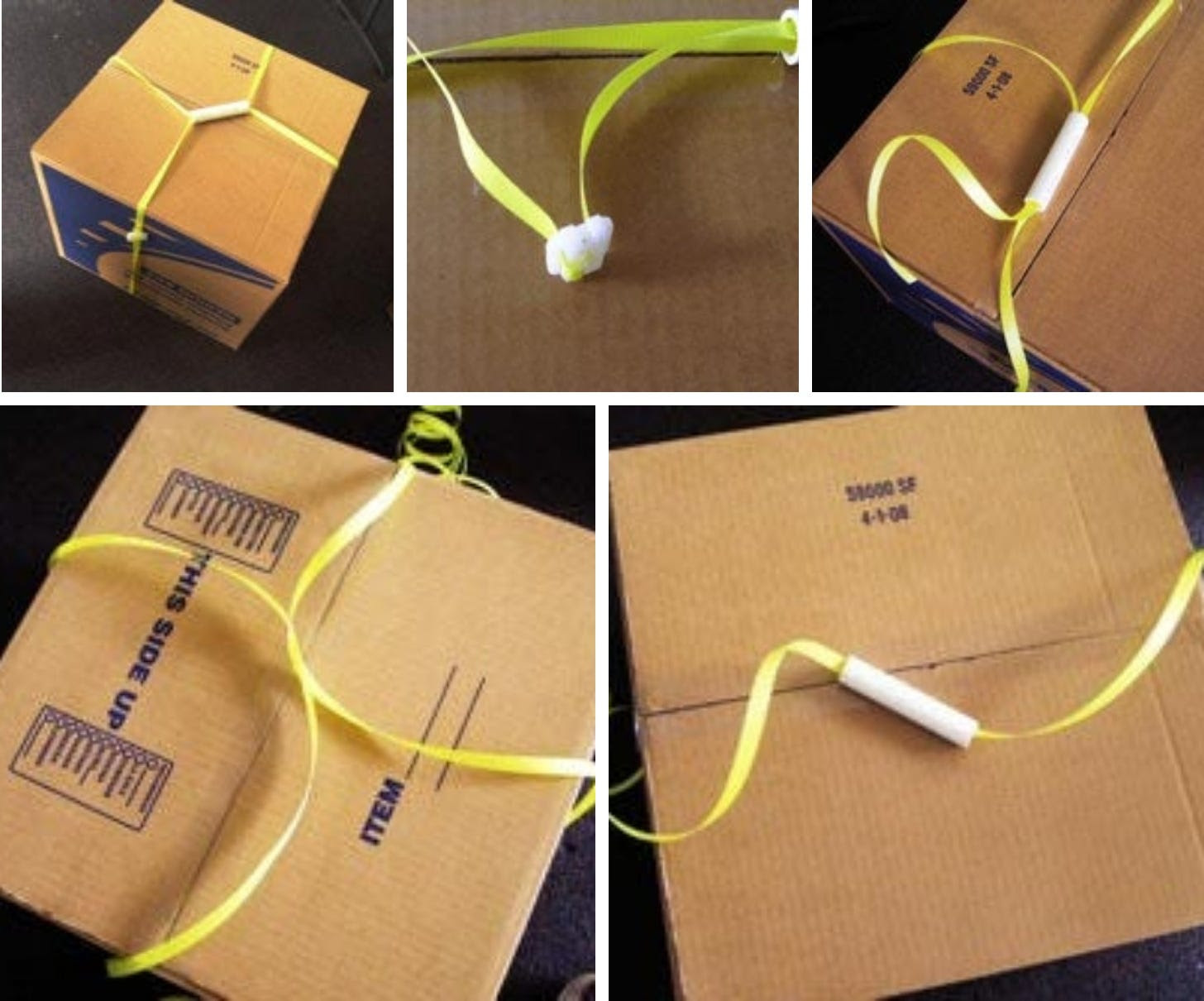
Strapping Tape
If you still want to use cardboard boxes for items you move yourself, or if you are moving stacks of books secured with cling wrap (as I have suggested previously), consider adding half-inch nonadhesive plastic strapping tape. This is the stuff you sometimes see wrapped around boxes containing big items such as refrigerators being transported as freight. Often it's yellow in color. Shipping departments have a tensioner that they use to pull the tape tight, but you don't need that. You can get 3000 feet of half-inch strapping and a lot of little buckles, with a manual tensioner, for ~$45. You thread the tape through the buckle, pull up on it while bearing down on the box, and you have it as tight as you need it. You trim the tape near the buckle. The advantages are that it greatly strengthens the box while giving you something to grab it by, especially if you augment it with a handle (described below). Also you can link two or three boxes together so that you can carry them easily with one hand, especially up and down stairs. Much more efficient and secure than cradling boxes in your arms, less hazardous (you can see your feet and obstacles in your path), and less risk of back injury, since you don't have to stoop to pick them up. Note that FedEx and UPS don't like string or strapping that can snag their package processing machinery, so strapping is for transporting packages yourself or with assistance from movers.
DIY Box Handles
Make handles from half-inch plastic water pipe sawn into 5″ lengths. My local Lowe's sold me six feet of pipe for around $3 and you can use any wood saw to cut it. You may feel this is a luxury, but if you want to protect your hands from the edges of the plastic tape, handles are nice to have.
Once a week we'll send out a page from Cool Tools: A Catalog of Possibilities. The tools might be outdated or obsolete, and the links to them may or may not work. We present these vintage recommendations as is because the possibilities they inspire are new. Sign up here to get Tools for Possibilities a week early in your inbox.
Single sheet calendar / Secret Mall Apartment / Data poems [ 08-Feb-26 4:00pm ]Here's a daily calendar for 2026 that prints on a single sheet of paper. There's not much space to add appointments, but I'm using it to enter and see my family members' travel plans for the full year at a single glance. — MF
Arty documentaryYep, some years ago a band of artists really did build a secret apartment inside a mall and lived there for years. This cheerful and marvelous documentary, Secret Mall Apartment (on Netflix), reveals many more cool layers to the whole hijinks stunt. It is way more interesting and inspiring than first appears. It was a bold work of art, and I came away seeing art as a way of life. — KK
Data PoemsHere is a beautiful collection of data visualizations called Data Poems by Luke Steuber. Each piece transforms raw information—war casualties, language evolution, and UFO sightings—into contemplative visual experiences that feel more like meditation objects than charts. — CD
Why trees are goodRecent research shows that trees are like animals that can collaborate with each other, exhibit individual behavior, communicate with each other over large distances, and regulate the environment to a remarkable degree. All these marvelous abilities are revealed in the graphic novel version of the best-selling book The Hidden Life of Trees. The graphic novel is an easy pictorial read, with sketches and color drawings illuminating both the new ideas and the persistent beauty of our wooden allies. This book will give your brain the reasons why your soul finds trees so good. — KK
Text Behind ImageText Behind Image is a web app that does exactly what it promises to do. Upload an image to add text, and design and position it however you want—useful if you want to create social media or promotional graphics. It's free to use, and the finalized images have no watermarks and are high-res. — CD
Mighty keychain flashlightThe ThruNite Ti Mini keychain flashlight is surprisingly powerful for something that weighs under an ounce. The USB-C charging is a welcome upgrade from older micro-USB lights. It has four brightness levels, including a barely-there "firefly" mode, plus a magnetic tail for hands-free use. Double-clicking turns it on, preventing accidental draining in your pocket. — MF
Sign up here to get Recomendo a week early in your inbox.
Book Freak #196: The Art of Spending Money [ 06-Feb-26 4:00pm ]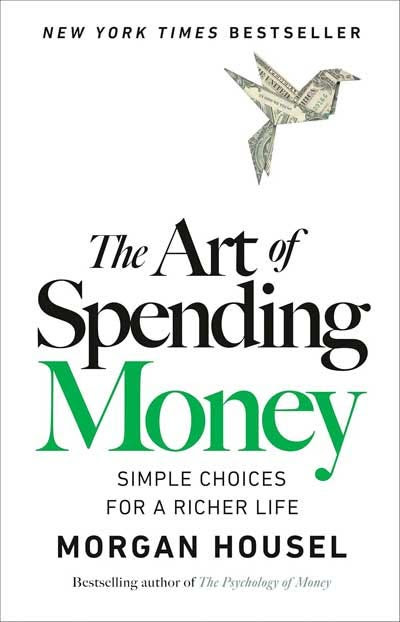
From the bestselling author of The Psychology of Money, The Art of Spending Money explores the overlooked side of personal finance — arguing that true wealth isn't about what you accumulate, but how you use money to build freedom, meaning, and joy.
Core Principles Use Money to Buy FreedomWealth is not about luxury — it's about control. The highest form of wealth is the ability to wake up and do whatever you want. Money is a tool that buys you time, allows you to make choices about where and how you live, and provides peace of mind. As Housel puts it: "I'd rather wake up and be able to do anything I want than try to impress you with nice stuff."
Comparison Is a Losing GameThere are two ways to use money: as a tool to live a better life, or as a yardstick to measure yourself against others. Many people aspire for the former but spend their lives chasing the latter. Spending to impress others rarely leads to happiness because there's always something more to strive toward — and disappointment is often the outcome.
Experiences Over PossessionsSpend on things that either resist adaptation or that you can repeatedly rediscover. You adapt to your new couch almost immediately, but a meaningful trip creates memories that bring pleasure for years. The best spending often looks invisible — living in a modest home you love, cultivating friendships, preserving mental health — things you can't display but deeply feel.
Spend Extravagantly on What You LoveThe goal isn't extreme frugality — hoarding money for its own sake is another trap. Instead, spend extravagantly on the things you truly love while mercilessly cutting the things you don't. Think about spending in terms of minimizing future regret: no one gets a prize for dying with the highest account balance.
Try It Now- List your top 5 purchases from the past month. For each one, ask: "Did this bring me lasting satisfaction, or was it forgotten within days?"
- Identify one recurring expense that doesn't actually improve your life. Cancel or reduce it this week.
- Think of one thing you've been denying yourself that would genuinely increase your daily happiness. Permit yourself to spend on it.
- Write down what "enough" looks like for you — the point where more money wouldn't meaningfully improve your life.
- For your next purchase over $50, wait 48 hours and ask: "Am I buying this for me, or to impress someone else?"
"There are two ways to use money. One is as a tool to live a better life. The other is as a yardstick of status to measure yourself against others. Many people aspire for the former but spend their life chasing the latter."
The greenback is down double digits against the euro, Mexican peso, Brazilian real, and a long list of other currencies since January 20 last year. So where can Americans travel internationally where their money is not automatically worth 15% less than it was a year ago? Well, thanks to some dollar pegs, governments in big fiscal trouble, and irrational exchange oddities, we do still have some options. Here are the best places to travel in 2026 if you earn dollars and want to still find a great deal. (If you earn in euros, book a plane ticket to anywhere already!)
Bedbugs Tracking RegistryIt's been a long time since I've encountered bedbugs in a hotel where I've stayed, but a few friends have woken up to the tell-tale lines of bites after a stay. Sometimes it has been at places that are going for more than $1,000 a night. If you're worried about what's lurking under the sheets where you're going, check this BedbugReports.com public database where past guests can report a problem. Unfortunately it's limited to the USA only, so hit me up if you know of one that's wider in scope.
Rent Prices WorldwideWant to feel better about how much you're spending on rent? Check out this chart for a visualization of what monthly rent prices are like around the world for major cities and either rejoice or weep. This pulls data from Numbeo and some prices seem high until you realize that they use "3BR apartment in the city center" for comparison, even in cities where few people live in places that big. Still, it's fun to gasp at rates in NYC, Singapore, and London, then realize you could live large for less than $1,000 in Rio, Bogota, Cairo, or Bangalore. Or less than $1,500 for three bedrooms in Cape Town, Athens, Budapest, or Kuala Lumpur.
Ranking the Digital Nomad DestinationsI haven't dug too hard into the data on this Global Digital Nomad Report released this past September from Global Citizen Solutions, but it's an admirable effort to evaluate which countries are doing the right things to attract digital nomads. They must have given taxes very little weight though since Spain shows up at #1 despite its double taxation status for non-EU members at 183 days forward. Most of those in the top-10 are expensive too, but maybe it doesn't matter since they say of these nomads, "79% earn >$50k; average salary ~$124,416." Here's another stat: "The 1-year visa is the global standard (~66%), and 76.6% of programs are renewable."
A weekly newsletter with four quick bites, edited by Tim Leffel, author of A Better Life for Half the Price and The World's Cheapest Destinations. See past editions here, where your like-minded friends can subscribe and join you.
Irish, English accent. London via Hong Kong. Apple, caffeine and good books. I do strategy for creative and ad agencies remotely (outside UK), in-person or hybrid in London - portfolio. I also write a newsletter: Strategic Outcomes. — Gearóid (Ged) Carroll
 PHYSICAL
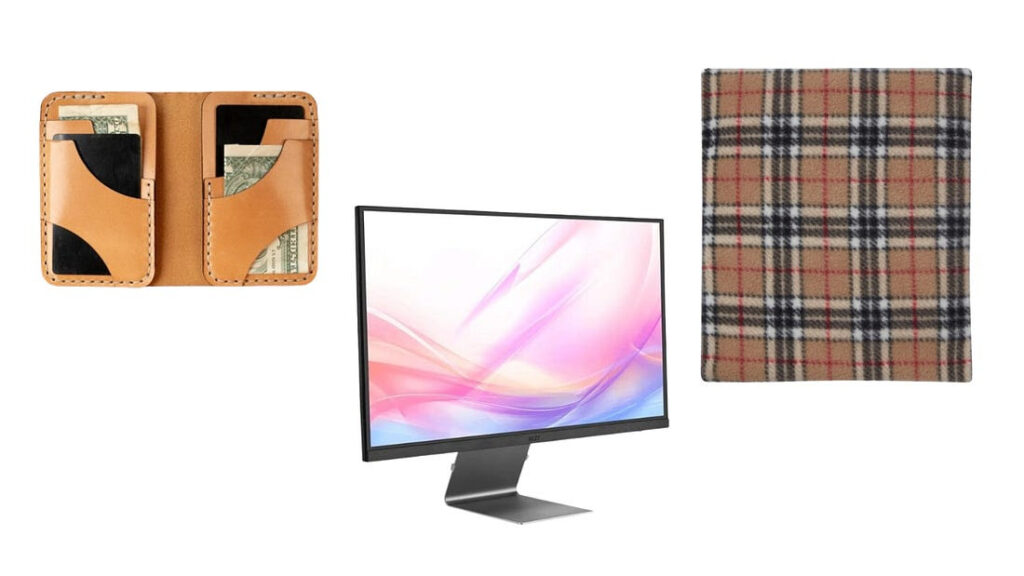
- Rose Anvil Togo wallet. Rose Anvil are a Utah-based leather goods manufacturer. They use great leather and stitch these wallets by hand. It has four interior card pockets, two open pockets for notes and is held together with saddle stitch, like your great-grandpappy would have been familiar with. I have mine in light tan with a nicely developing patina. It fulfils nine out of the ten principles of good design by Dieter Rams. The one it misses out on is 'be innovative' mainly because trying to get more than three people to agree on what is innovative any more is a pain in the ____.
- After 10 years my Apple Thunderbolt monitor gave up the ghost, leaving me in the lurch. I didn't have a spare organ to hock on the dark web for a new Apple monitor and have found the MSI Modern MD271UL 27 Inch 4K UHD Professional Productivity Monitor - a very good stand-in. So long as it lasts beyond its warranty period I am still financially ahead of buying a new Apple monitor model. There is a whole argument over quality and environmental sustainability, but needs must at the moment.
- Winter in the UK can be cold and damp. I have found the Hotties Micro Hottie which is a microwave-oven-heated hot water bottle invaluable for quickly getting ready for bed. My other half also uses it as a way to ease various aches and pains.
DIGITAL
- Milanote - a virtual whiteboard. I've used it for facilitating virtual workshops, mapping out projects and mood boards. It comes with an online interface, a great Mac app and even an iOS app that you can reference your virtual whiteboard from on-the-move.
- The Economist now publishes data from their data journalism on GitHub that you can make use of for your own personal needs or curiosity. Well worth a browse through.
INVISIBLE
This comes from my colleague Fiona as a way of thinking about prompting your LLM of choice. The memorable phrase: Thoughtfully Creating Really Excellent Inputs stands for Task: the persona that the LLM should assume and format that you want the output to look like, Context: give it the background information that it needs, Reference materials: give the LLM examples or existing materials that show what good looks like. (Not always applicable for abstract tasks), Evaluate: review the output, did the LLM understand what you wanted from your inputs?, Iterate: Refine your prompt: If the output isn't right, try again by adding more details, rephrasing, or adjusting your request.
Sign up here to get What's in my NOW? a week early in your inbox.
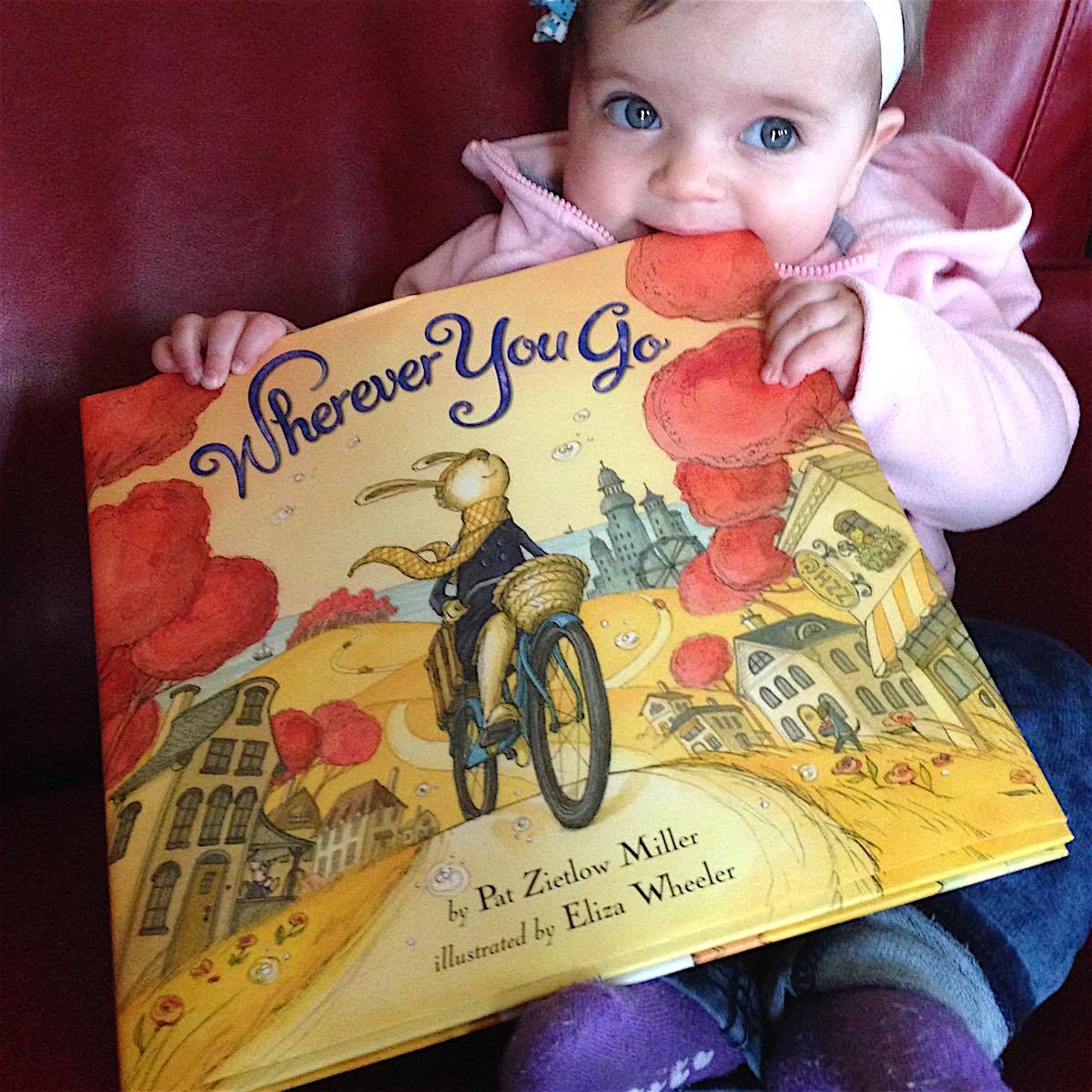
Wherever You Go
by Pat Zietlow Miller (author) and Eliza Wheeler (artist)
Little, Brown Books for Young Readers
2015, 32 pages, 10.2 x 10.2 x 0.5 inches
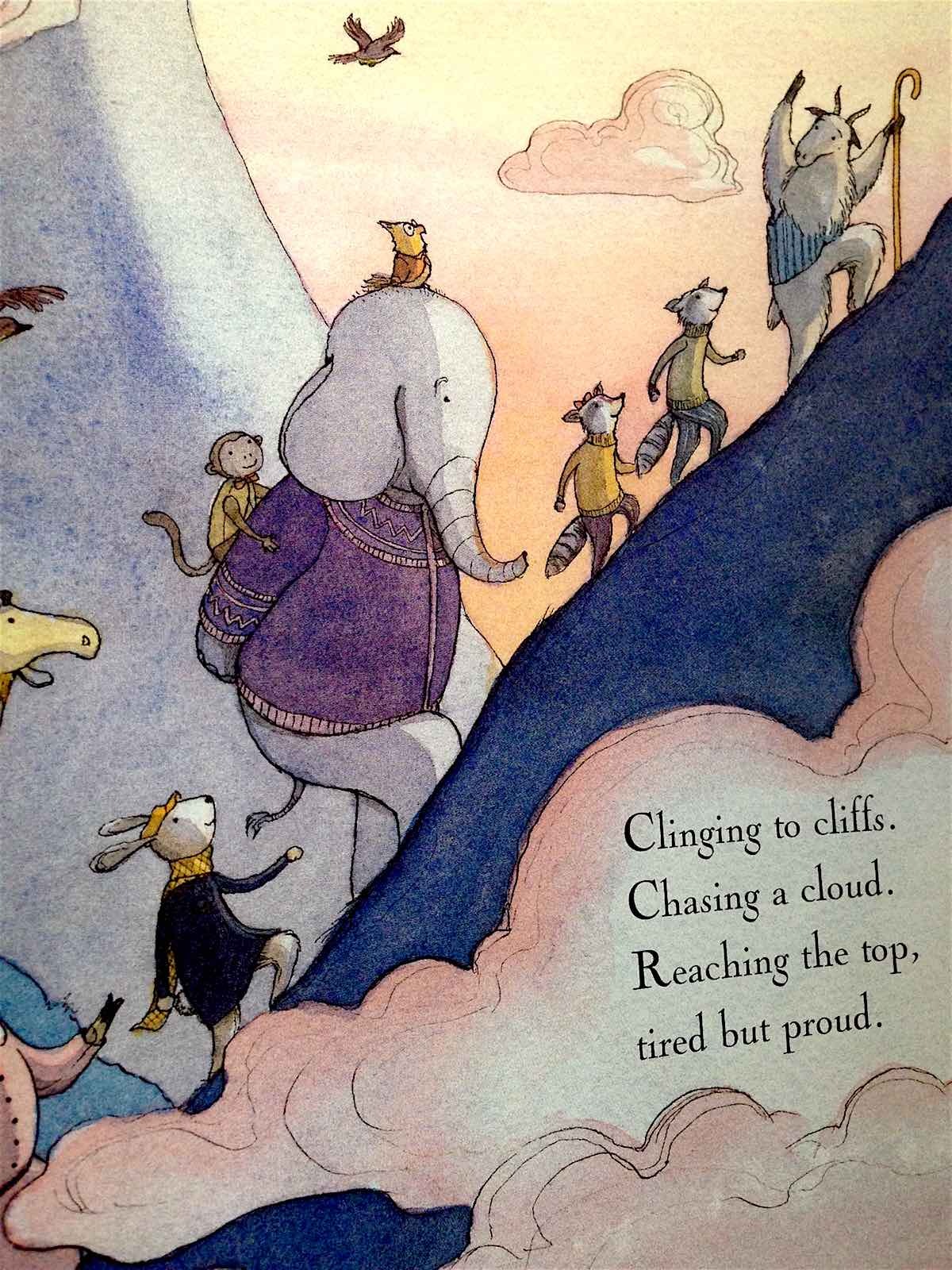
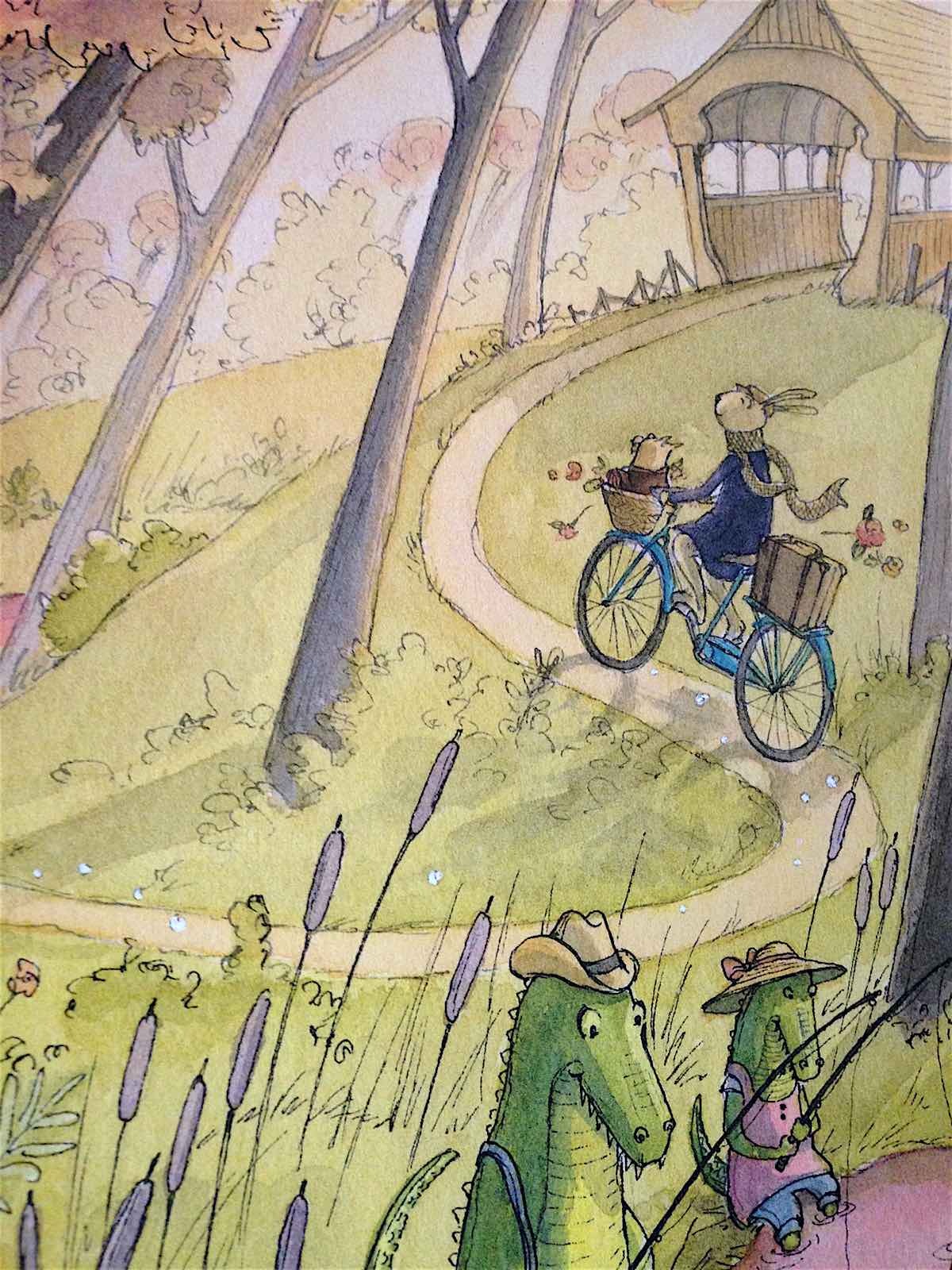
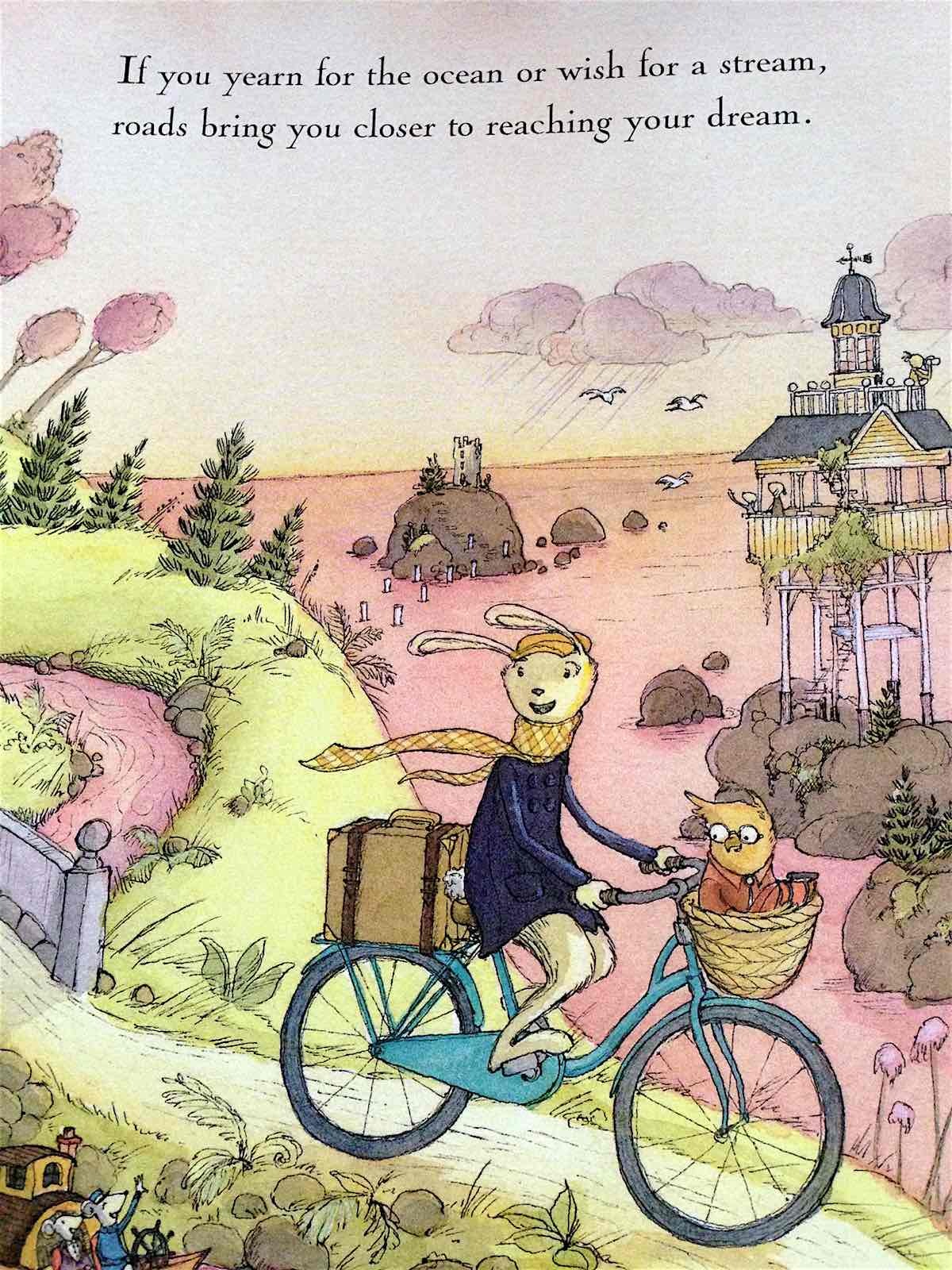
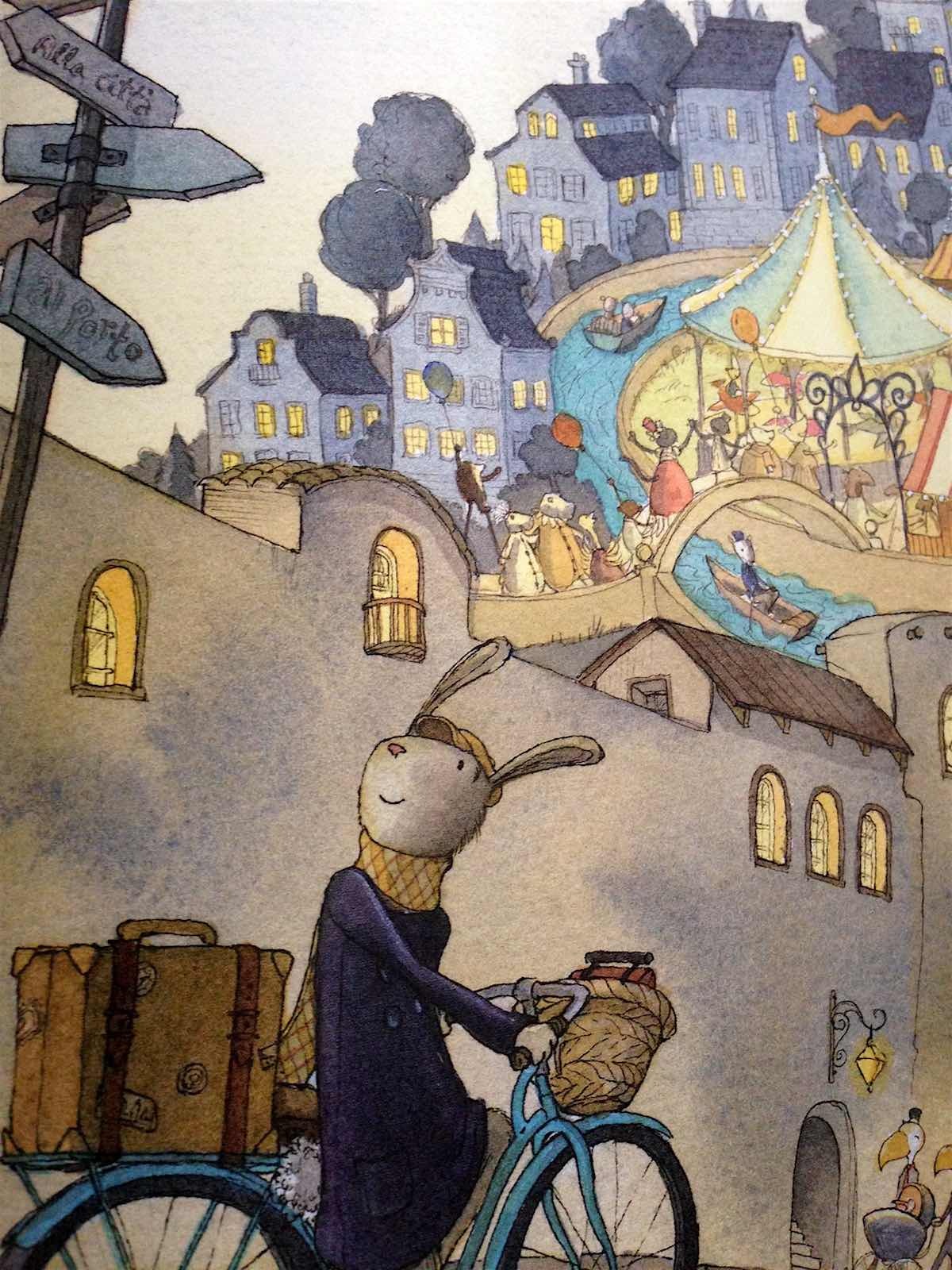
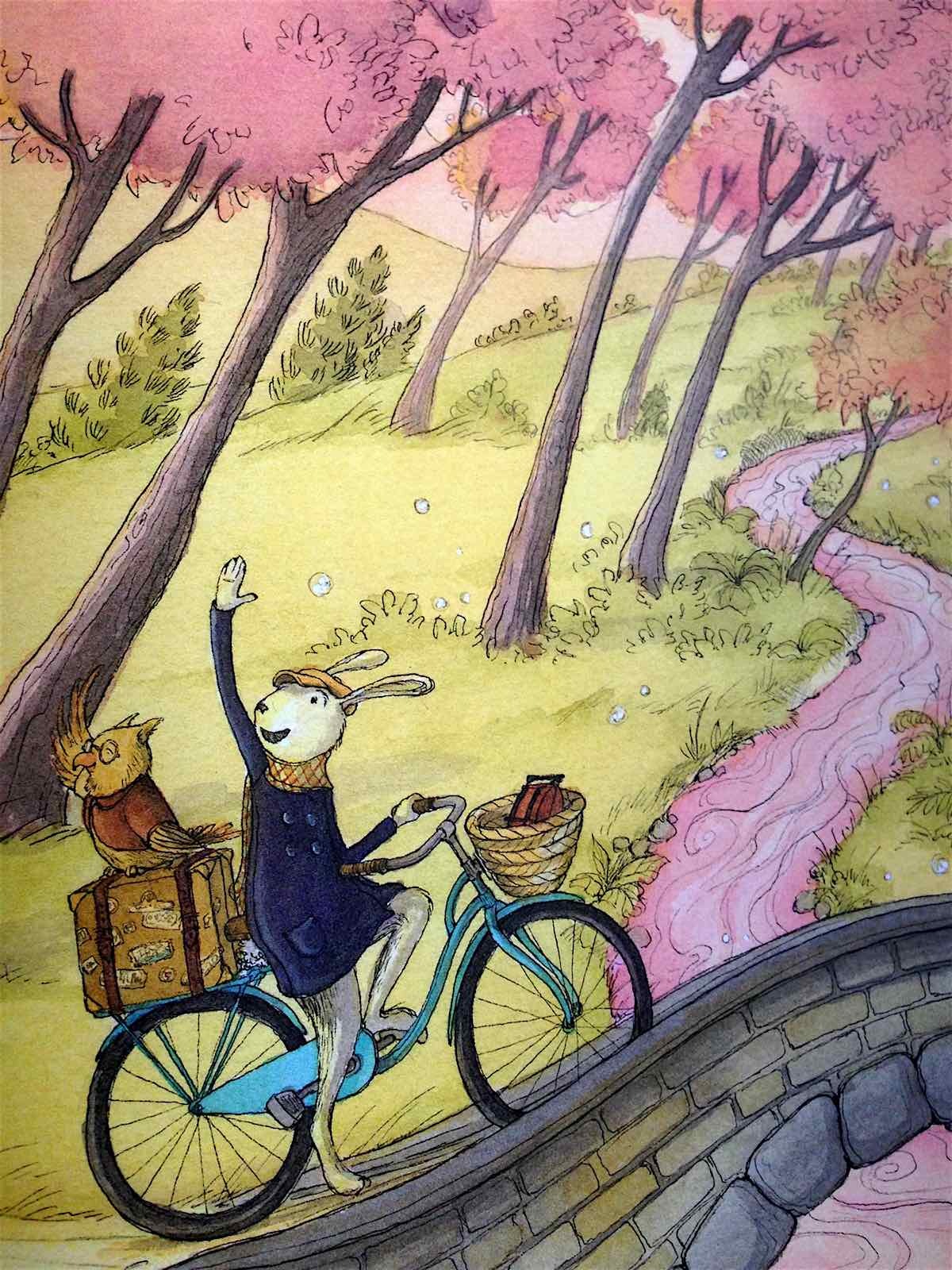
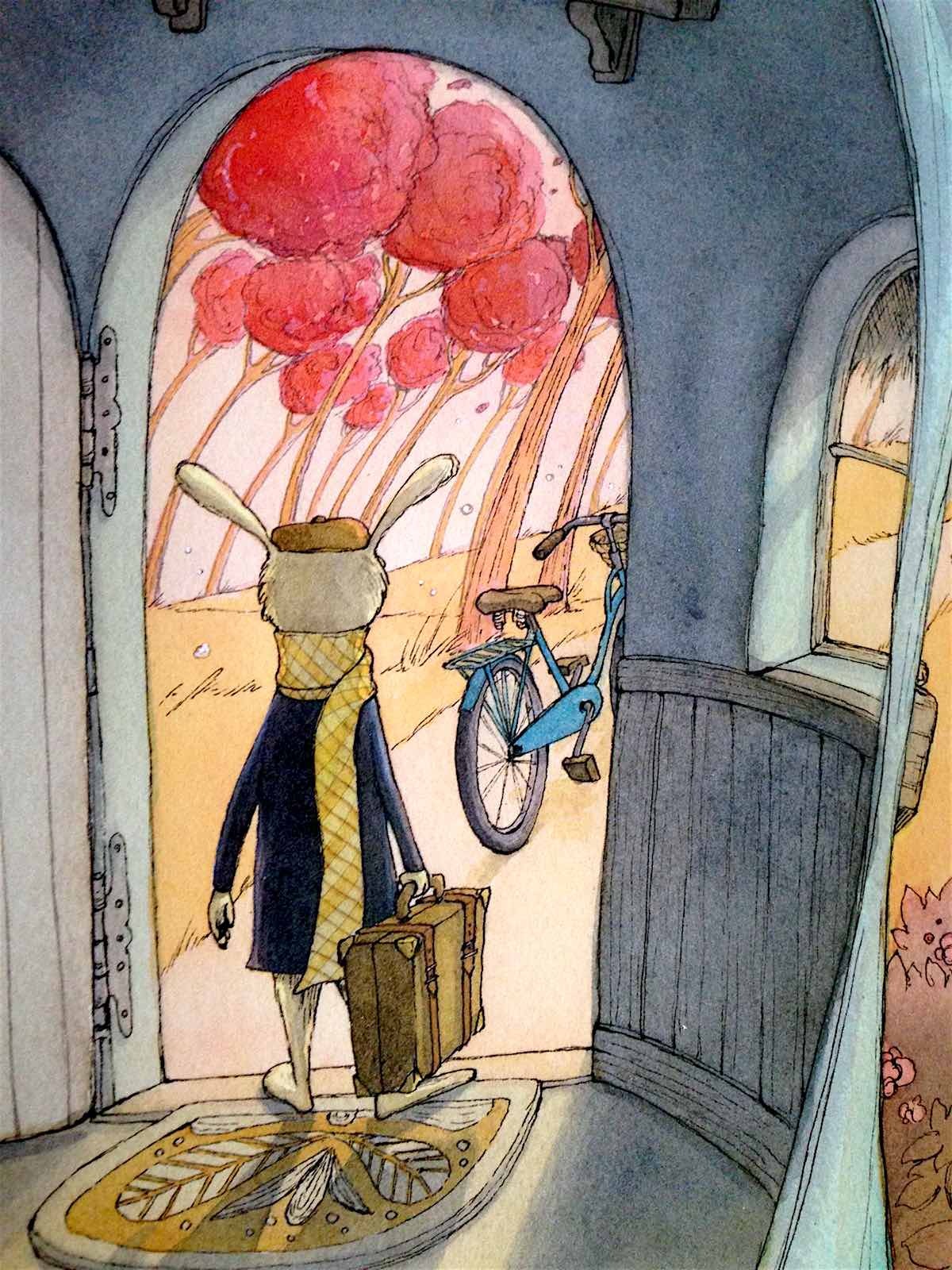
A hare packs its bags and takes a bicycle tour in this lovely rhyming picture book. Donning its jaunty chapeau and dapper pea coat, a hare cycles through forests and a covered bridge, past a paddlewheeled seaside inn, and into the evening lights of the big city. Exploring the neon-lit metropolis, it rides atop a trolley, pedals past a jolly carnival, and cruises over Seussian suspension bridges. Continuing on its way, it journeys through an arid desert, over indigo mountains, and back home again.
Utilizing pale yellows, greens, and pinks, and drawn with an incredibly thin line, Wherever You Go's deep focus art fills every page with an expansive landscape. Little eyes could get lost for hours searching out minute details. Owls ride in baskets, mice chug along on tugboats, and alligators fish near ponds, and lazy afternoons can be spent examining the intricate scenery. A liltingly poetic storyline about traveling and new experiences is a delightful metaphor for life's journey. - S. Deathrage
AFTER DINNER GAMES - 40 ICE-BREAKING GAMES TO REV UP YOUR NEXT DINNER PARTY
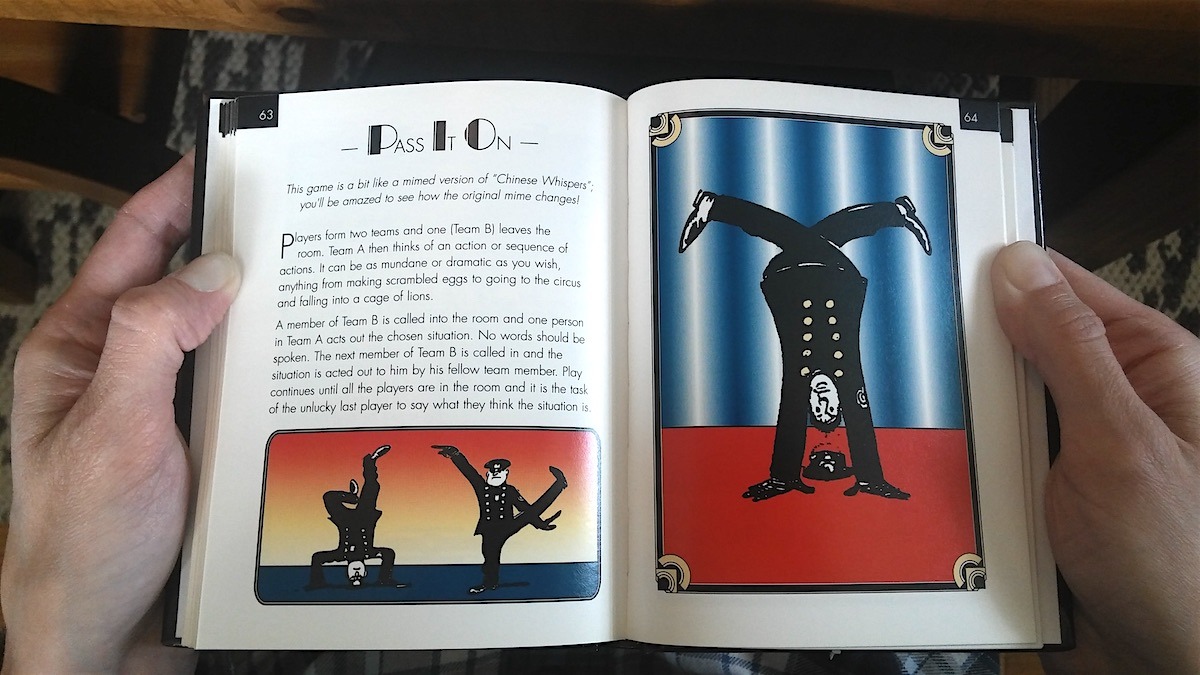
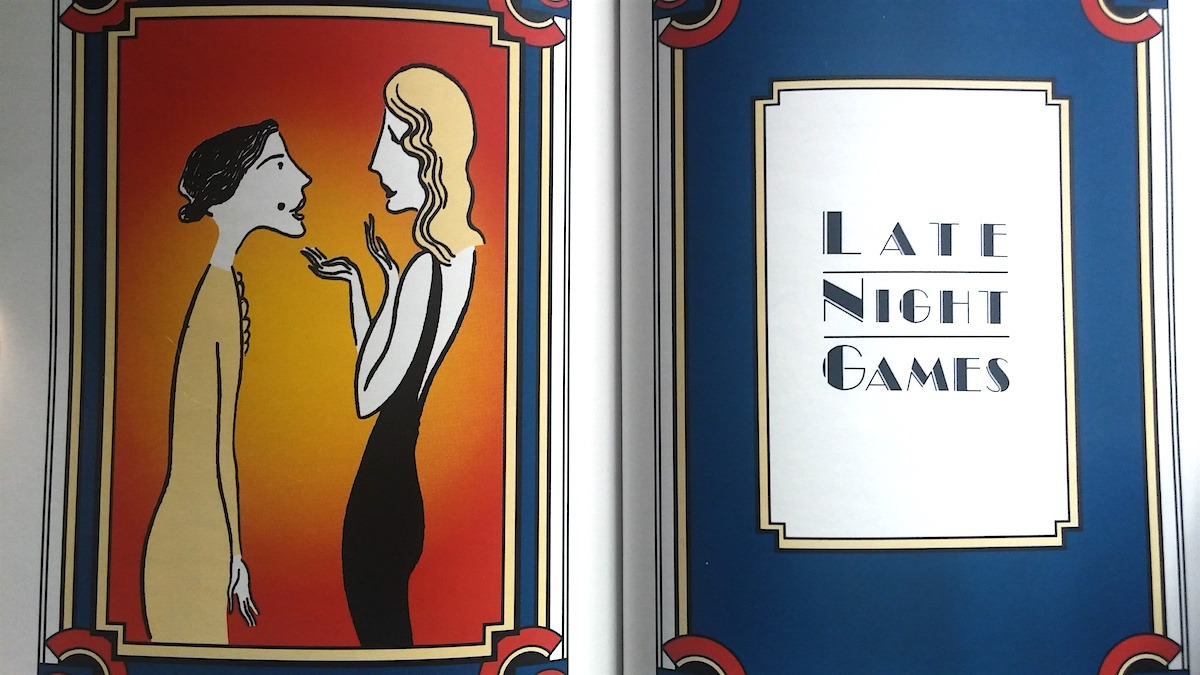
After Dinner Games: 40 of the Greatest After Dinner Games
by Jenny Lynch (editor)
Lagoon Books
1998, 96 pages, 4.8 x 6 x 0.5 inches
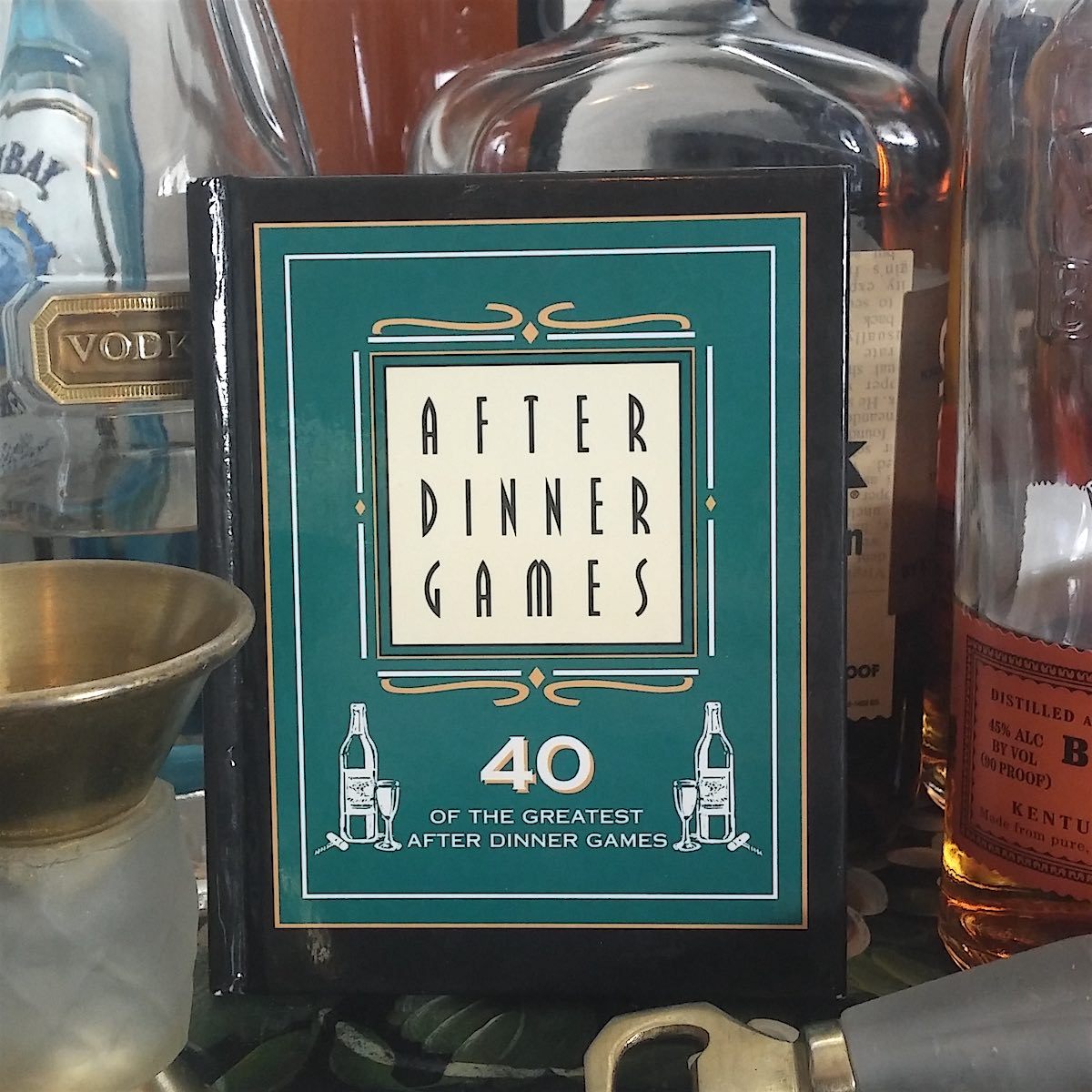
This pocket-sized book is for that time when things get awkward. That time when conversation has dried up. When you have new friends over for dinner and you're stuck sitting there, clearing your throat, having used up all of your conversation starters. That's when you need a book like this.
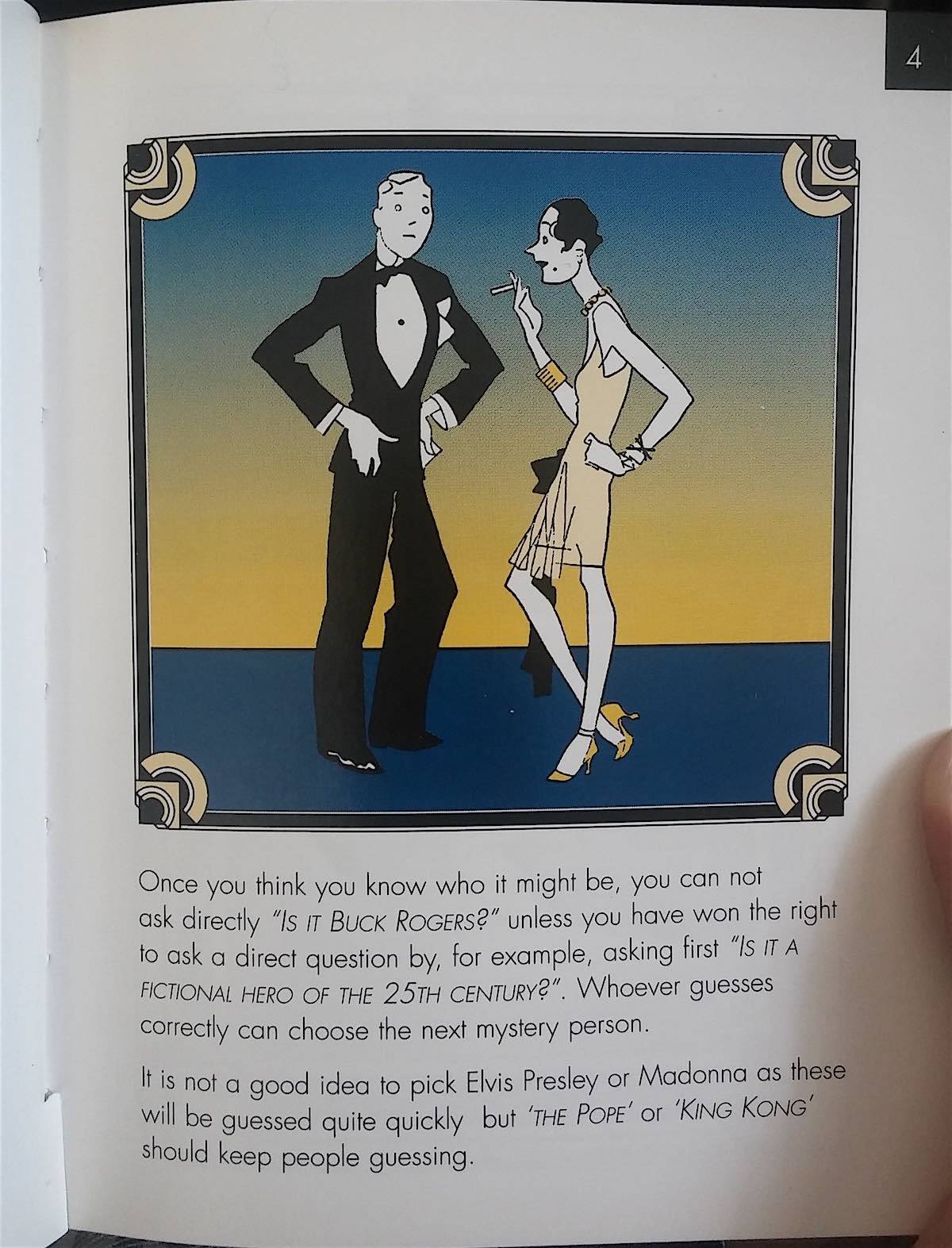
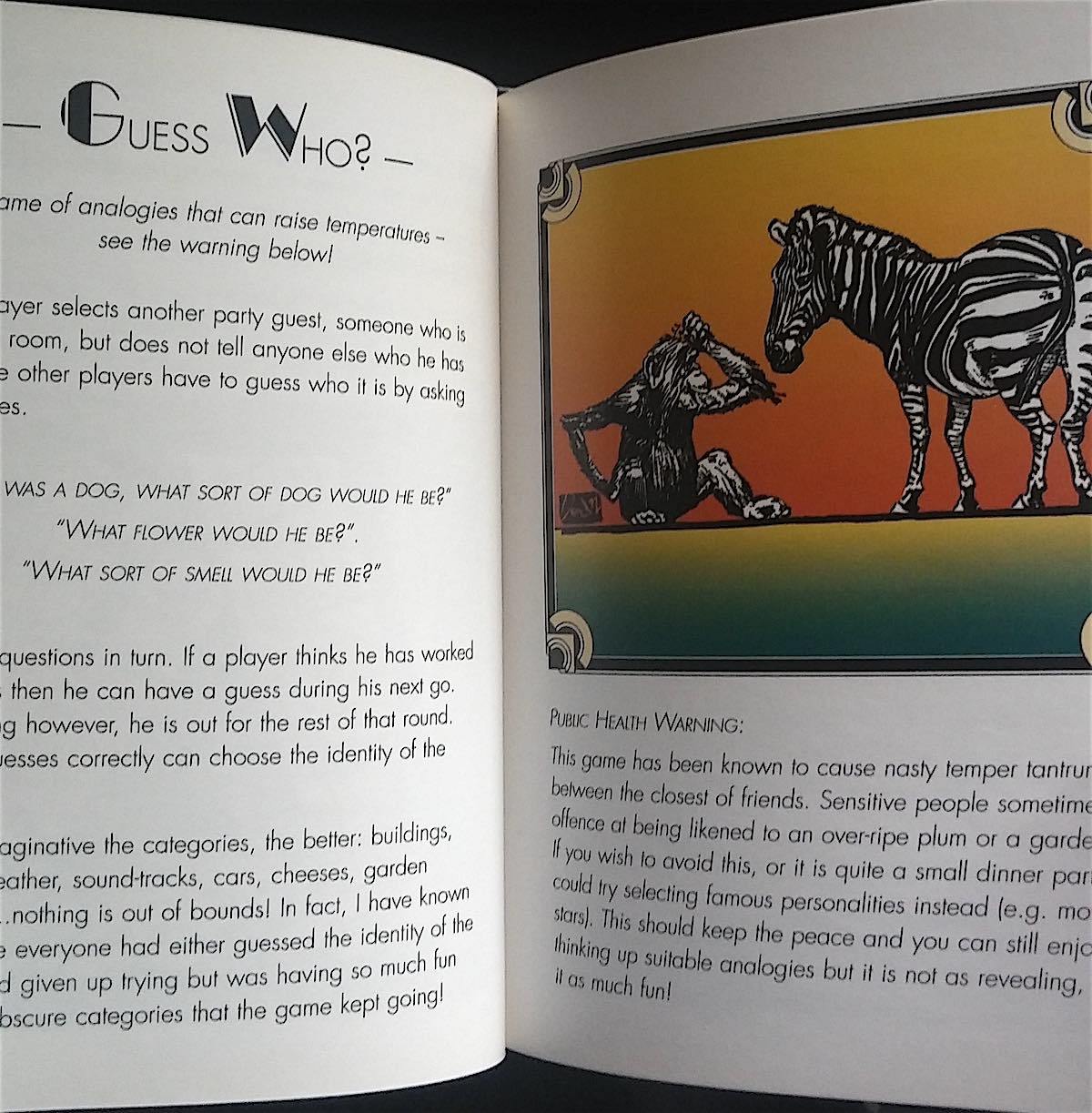
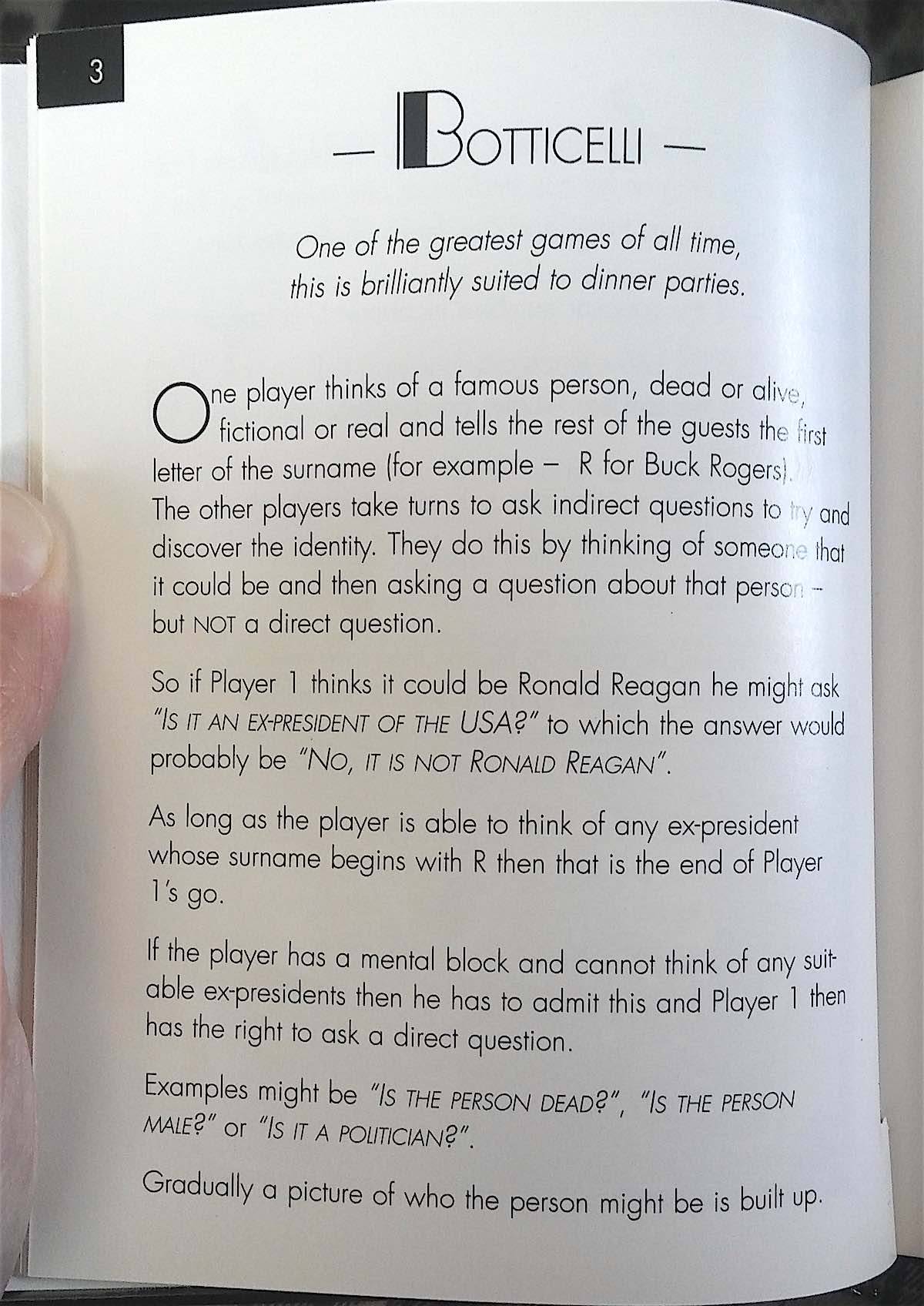
As the tagline explains, After Dinner Games offers 40 of the best games for these post-dinner situations. It's great to either break the ice or to break out with old friends! For example, if you really want to get personal with your guests, try the game Head To Head, which is when two players carry an orange placed between their foreheads. But if acquaintances are involved, you could start with the game Botticelli. Essentially, one player thinks of a famous person (dead or alive), announces the first letter of their name, and everyone else tries to guess who it is. Safe, fun, and no moving involved.
This book is packed with old-fashioned graphics that make you want to drink an Old Fashioned while playing the games. And the simple explanations of the rules allow a smooth transition from dinner to fun. To avoid a dinner party drought, keep this book handy. Not only will the ideas in this book keep your party alive, they will make it thrive. Calling all dinner partiers, this is your book! - Caleb Murphy
Books That Belong On Paper first appeared on the web as Wink Books and was edited by Carla Sinclair. Sign up here to get the issues a week early in your inbox.
Gloves [ 02-Feb-26 4:00pm ]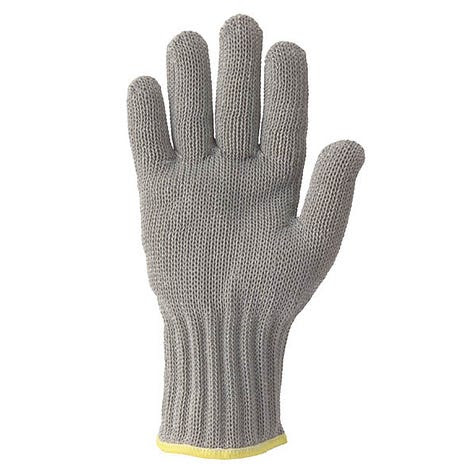 Affordable, cut-resistant hand protection
These Spectra/Kevlar gloves are used in the restaurant industry to defend against knife and mandolin cuts, as well as handling trash that may have protruding bits of glass and fish bones. I read about them in a cooking magazine, and bought one glove after cutting myself on a mandolin.
find the glove allows for ample movement and dexterity. It's definitely flexible enough to carve with and feels a lot like wearing a winter Thinsulate glove. These days, when I use the mandolin, I find I can get in closer for a few extra slices. Although the glove hits the blade, my hand's always safe. My gloved hand has even survived an errant cleaver (Fortunately I didn't hit myself not too hard).
I've used mine about five times a month for the past three years. I've washed it and haven't noticed any deterioration, though it does feel a little stiffer at first. Bonus: The weave is much tighter than with a pricier chain mail glove, so it also seems better for guarding against knife pokes. — Steve Golden
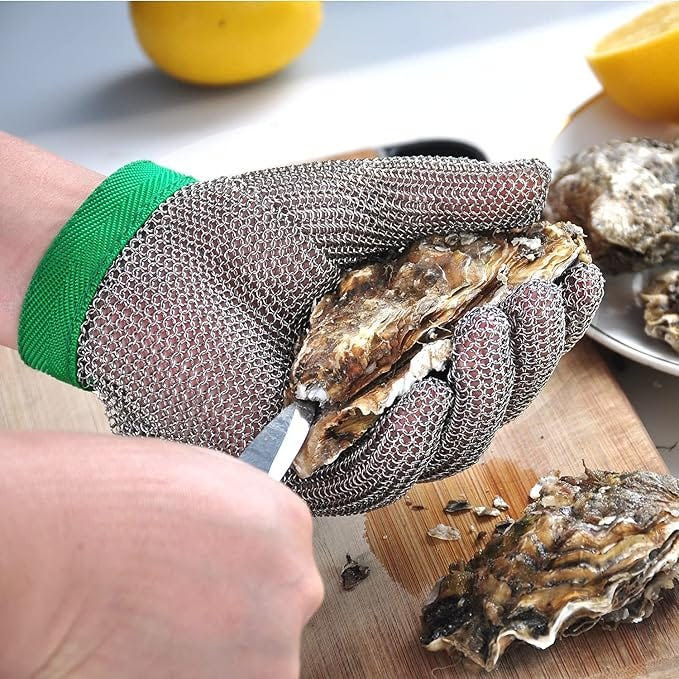 Medieval-style hand protection
If you enjoy carving wood or just working with sharp tools, this glove can save you countless boxes of band-aids as well as a nice chunk of change - and gas money — from all the trips to the local emergency room for stitches. The chain mail (just like the type medieval knights and shark divers use) is a great safety tool that not only keeps you from slicing your hand open, but also makes you feel pretty tough while wearing it. Much more comfortable and easier to work with than any heavily-padded safety glove. These are similar to the butcher's gloves and also those advertised for shucking oysters, but they're half the price. — Josh G.
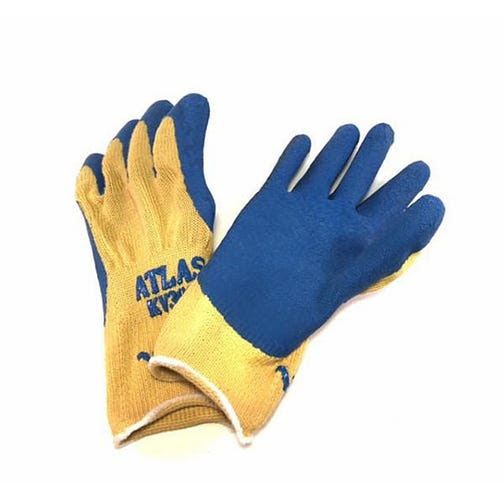 Tough kevlar work gloves
I was left about a dozen pairs of these rubber dipped kevlar gloves by the former owner of my house. Good thing, too! I've removed 4 crabapple trees, buried electrical cable, dug up hundreds of ferns, trimmed pine trees and done yardwork for the whole neighborhood. And these gloves look exactly like they did on day one.
That's not to say they're pretty, because they're surely not, but they can stand up to all kinds of abuse and not seem any worse for the wear. The rubber is flexible enough to grip small objects like nails and screws yet plenty sturdy for sharp thorns and other pokey things. The yellow kevlar mesh on the top makes the gloves feel light and breathable. The gloves pull on and off very easily and they hug the wrists so not much dirt gets inside of them.
The colors may not be pretty but they help make them more visible when you're looking for a pair in your crowded garage or basement. I gave away a few pairs before I realized how valuable they are. Now I just tell other people about them! — Matt O'Hara
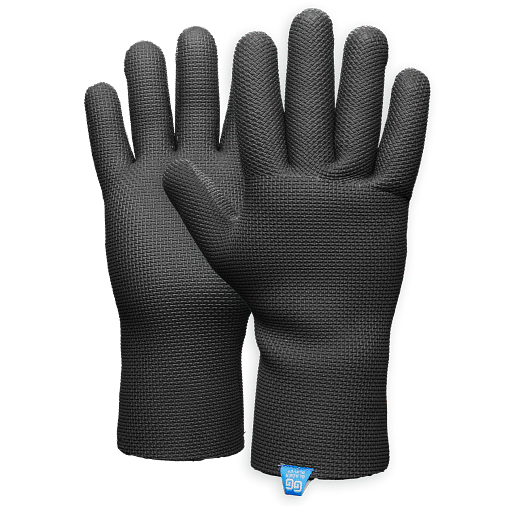 Fleece-lined neoprene gloves
The quest for warm hands in a cold demanding environment is a long and frustrating one. The general rule is it takes carrying three pairs of gloves to have one dry pair on your hands. I have not found that to be true with Glacier Gloves, which is hands down the best glove I have ever used. The 824BK is 2mm neoprene lined with a thin fleece nap on the inside; the two layers feel fused together somehow (not sewn or glued), which gives them a comfortable fit, allows easy on and off, and provides excellent dexterity.
I have bought several different waterproof gloves from various makers, including the previously-reviewed SealSkinz, other neoprene rubber gloves and a pair of thinsulate-filled gloves with a "waterproof" exterior. Some are OK and allow for moderate dexterity, but I find my hands get cold after working in the water and I then have to switch out to a different glove — and if you have to put some of them on with wet hands, forget it.
With the Glacier Glove, the Velcro strap secures them to your wrist, minimizes heat loss through the cuff, and minimizes water entry through the cuff. I find the cuff, when tucked inside the sleeve of your coat, also prevents rain water from running down your jacket and into the glove from the topside.
My hunting partner bought a pair years ago and was quick to brag about how warm and dry his hands were whenever we complained about how cold and wet ours were. I now wear mine while duck hunting and will generally keep my left glove on all day long, and swap between a thin shooter's glove and my Glacier on the right (that's just my preference; other hunters use them on both hands with no complaints). While I've only used these gloves while hunting, I would recommend them for any cold and wet environment. — Max Tullos
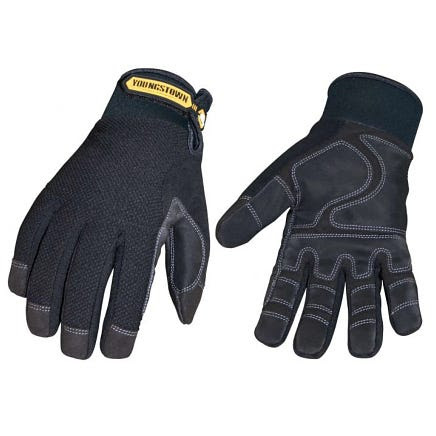 Warm hands during wet winters
Youngstown Waterproof Winter Plus Work Gloves
I received these gloves about six years ago from my wife, in one of those rare intersections of need and availability. It was Christmastime and I needed to shovel, so I broke these out and went to work. I never gave them a second thought, until I realized I had done a fair amount of ice chopping, opening the garage, and manipulating other things without ever removing the gloves. This is somewhat of a rarity for me since I usually cannot work in gloves. Fast-forward to spring, and I used them to protect my hands when chopping and stacking wood; working on the car; working in the garage. I *far extended* the prescribed use of these, despite the fact that they were winter gloves and waterproof. In a pinch, I've even used them when moving flaming logs in an outdoor fire pit.
A short word about the waterproofing: I tend to agree with other owners in that these aren't strictly waterproof. If I was a long-line fisherman I may not use them. However, as a north Jersey resident who works on his cars, shovels snow, and builds snowmen for the kids, I can attest to their warmth and utility in the cold and wet.
With respect to function, they fit my slightly larger hand size well, and the back strap does seal in against cold and snow. The palms and fingers are textured and I am able to pick up bolts, thread nuts, small tools and sockets, and work with wrenches rather easily. The fingertips are boxed, not tapered, but in some ways the fingertips work to my advantage in picking up things on the ground.
When they get *really* dirty, you can toss them in the wash. The construction is such that the inner glove liner is not sewn to the shell, but it is a huge pain in the posterior to re-fit the glove components back to original fit. I used a wooden spoon and patience to eventually restore it to normal comfort. — Christopher Wanko
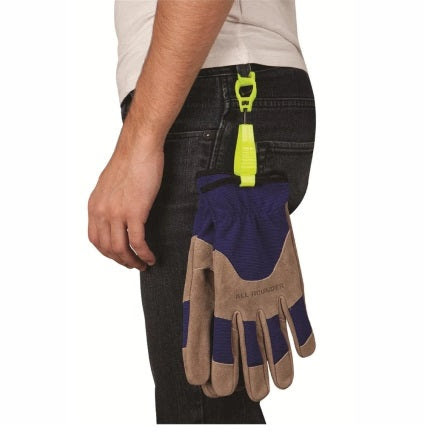 Tethered gloves
The problem is keeping my work gloves with me at all times. I've tried putting grommets in the gloves and clipping them with a carabiner, but this isn't as easy as it sounds and is a pain to do all over again when a glove gets lost or worn out.
Years ago I saw someone out there with a large battery-terminal clip holding his gloves, and I've been searching for a similar clip for years with no success. This year, though, I found these Glove Guards.
The clips have a "breakaway" feature, so that you won't be trapped if your gloves get caught in machinery or something. This caused me some worry when my gloves got caught in the truck door and seemed to break away too easily but the two pieces of the clip reconnected with ease, and have continued to hold firm ever since.
At less than $5 apiece, I can wholeheartedly recommend getting several if keeping your gloves handy is important to you. — Bill Emmack
Maintenance manifesto / Funeral for a tree / Budget earbuds [ 01-Feb-26 4:00pm ]Everybody dreads the chores of maintenance; Stewart Brand is trying to make maintenance cool. In his new book Maintenance: Of Everything, Brand celebrates the value, methods, even the joy of maintaining things - from cars to homes to bodies - in a series of stories, digressions, lessons, and brilliant insights. Turns out civilization is basically varieties of maintenance. Stewart Brand's books famously change people's minds, and this one changed my mind. I now look forward to my maintenance duties, and I learned some how to do it better from this book. — KK
Funeral for a treeWhen a 65-year-old oak tree died from fungal disease, artist Steve Parker carved slices of its trunk like vinyl records, etching bird songs into the wood grain. These playable oak records are featured in a 3-minute video where you can hear the sounds of the birds that once lived in the tree's branches. Parker also created a brass sculpture with medical ventilators that splays out like tree roots—a reference to his father's battle with cancer. "Funeral for a Tree" is a beautiful meditation on grief that inspires me to find ways to transform what's been lost into something that still speaks—or sings. — CD
Budget noise-canceling earbudsMy AirPods Pro started making a loud hissing noise. I tried all the different fixes the online hive mind had to offer, to no avail. They were out of warranty, and I didn't want to spend $250 to replace them. Instead, I bought a pair of CMF Wireless Earbuds for 1/10th the price. To my ears, they sound just as good as the AirPods Pro with excellent noise cancellation and easy pairing with all of my Apple hardware. I use them for phone calls, listening to podcasts, and music. I bought the orange ones so they'd be easy to find when I drop them on the floor of a plane. — MF
Clothing fan podcastOne of my go-to podcasts these days is the non-fiction scripted show Articles of Interest, which investigates articles of clothing and other things that we wear. It is a spin-off from the legendary podcast 99% Invisible, and carries that program's intelligence and the nerdy appeal of deep research. Now in its second season, each episode tackles the origin, history, and meaning of an article such as blue jeans, suits, wedding dresses, and even pockets! Illuminating worlds within small details is what this show is so good at. Recommended. — KK
12 distractions to leave behind in 2026Rather than adding resolutions and goals to your new year, this article suggests 12 distractions you can leave behind — like scrolling for stress relief, push notifications for most apps, and constant background noise. When they're listed like this, I can immediately see how leaving them behind would create more silence and space in my life, since a lot of these things seem to be the default settings for daily life. — CD
Our other newslettersDid you know that Recomendo isn't the only newsletter we publish? We have eight others!
- Gar's Tips & Tools Useful ideas for home and workshop. (Weekly)
- Nomadico News, tips, and tools for working travelers. (Weekly)
- What's in my NOW? In each issue, a person shares things and ideas that are important to them. (Weekly)
- Tools for Possibilities Curated, thematic picks from 20+ years of Cool Tools. (Weekly)
- Books That Belong On Paper Recommendations of visually striking books, with sample pages. (Weekly)
- Book Freak Each issue presents the core concepts from a selected self-improvement book. (Weekly)
- Recomendo Deals 5-10 items previously featured in Cool Tools and Recomendo that are on sale now. (Daily)
- Cool Tools All of our newsletters (besides Recomendo Deals) bundled in one issue. For true fans only! (Weekly)
In our humble opinion, they are all worth trying out, and they're all free. — MF
Sign up here to get Recomendo a week early in your inbox.
Book Freak #195: Eight Million Ways to Happiness [ 31-Jan-26 4:00pm ]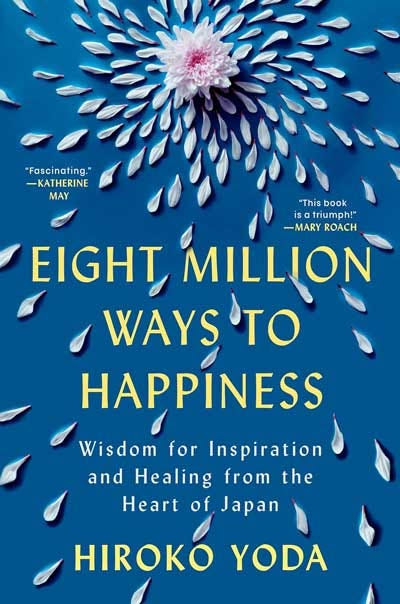
Get Eight Million Ways to Happiness
Eight Million Ways to Happiness: Finding Inner Peace Through Japan's Living Spiritual Traditions by Hiroko Yoda is a memoir and spiritual guide that reveals how Japan's ancient traditions — Shinto, Buddhism, and mountain mysticism — offer practical wisdom for healing and reconnection in modern life.
Core Principles 1. There Is No Single PathThe title refers to the Japanese belief in eight million kami—spiritual presences that inhabit everything from mountains to rice paddies. This isn't polytheism so much as a recognition that the sacred shows up everywhere, in countless forms. There's no single path to meaning or spiritual health. The practice is finding the ways that work for you.
2. Spirituality Can Be Seamlessly PracticalJapan's spiritual traditions aren't abstract philosophies locked in temples. They integrate so naturally with daily secular life that even natives sometimes forget they're there — a charm on a backpack, a seasonal ritual, a moment of gratitude before eating. These small practices accumulate into something larger without requiring dramatic conversion or belief.
3. You Are Part of a Bigger Natural SystemWe are all subject to forces beyond our control. But we are also part of a larger natural system that can strengthen us — if we learn to reconnect with it. The Japanese approach isn't about conquering nature or transcending it, but about recognizing our place within it and drawing support from that relationship.
4. Grief Opens DoorsYoda began her decade-long spiritual journey in the wake of her mother's death. Rather than rushing through grief, she let it lead her deeper into Japan's healing traditions. Loss can be a doorway. The search for comfort and meaning, when followed honestly, often reveals wisdom we wouldn't have found any other way.
Try It Now- Notice one natural thing today — a tree, the sky, rain on a window — and acknowledge it silently. Not worship, just recognition that it exists alongside you.
- Create one small daily ritual: a moment of stillness before your first sip of coffee, a breath before opening your laptop. Let it become automatic.
- The next time you feel overwhelmed, step outside. Feel yourself as part of a larger system that has existed long before you and will continue after you. Let that perspective adjust your sense of scale.
- If you're grieving something, don't rush. Ask what the grief might be trying to teach you or where it might be trying to lead you.
"When you visit a shrine, you don't have to believe or disbelieve. You don't have to swear any kind of loyalty, or refuse any affiliations."
Gar's Tips & Tools - Issue #208 [ 30-Jan-26 4:00pm ]My latest maker video obsession is Asian street food vendors on Instagram. Not only is it mesmerizing to watch the videos and try to figure out what they're making, but the various ovens, grills, hot-tops, and purpose-built tools are fascinating. One leit motif throughout them all? Eggs. Over 75% of the food items are egg-based. This reminded me of my friend Andrew Lawler's amazing book, Why Did the Chicken Cross the World?, a surprising page-turner that details the history of the domesticated chicken and how it has literally fueled the march of civilization. (And it is apparently still fueling the street diners of Asia.)
Top Project Farm Products Tested Last YearIn his year-end roundup from 2025, Todd from Project Farm details his top ten highest-rated tools. It's comforting to me to have folks like Todd in the world who are not only passionate about tools but who take the time to rigorously test them. Some of my favorites on his list: Wolfbox Air Duster, Civivi Folding Pocket Knife, Dreo Space Heater, and the Craftsman Screwdriver Set.
4-Color Prints from Rattle Can Paint?There's a particular kind of joy that comes from misusing a perfectly respectable technology. This Wesley Treat video scratches that itch.
Wesley applies the logic of CMYK printing (those tiny cyan, magenta, yellow, and black dots that trick your eyes into seeing color photographs) and scales it up. Instead of ink, he uses rattle can spray paint. Instead of printer rollers, he uses laser-cut blocks and Mylar stencils. Instead of precision registration, he embraces drift, overspray, and happy accidents.
What makes this especially satisfying is that it's not a tutorial striving for a guaranteed outcome, but a series of playful experiments. Up close, the prints proudly announce how they're made. Step back, and your brain obligingly creates the illusion of a halftone. Fun stuff.
Tested Team's Best of 2025Watching the Tested team's favorite tools and miscellaneous geekery at the end of each year is always a treat. Tools, what they enable, and the possibilities they offer, are so very important to me, so it's always fun to see what inspired other smart and thoughtful tool enthusiasts. For Adam Savage's favorites, he includes some eye-openers, like UV glue and cabinet scrapers.
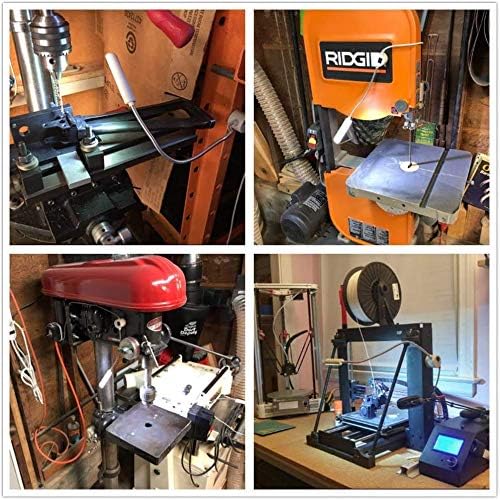
The big aha for me was the magnetic flexible LED work lights. These are cheap, corded flex-shaft LED lights that you can mount on machines via their magnetic base. I found out they're also called "sewing machine lights" and you can get three of them for $20. They even come with adhesive metal disks so you can mount them to just about any non-ferrous surface, too. I added one to the side of a plastic parts cabinet for extra illumination on my workbench. You can also see last year's favorites from Norm, Jen, Sean, Kayte, and the entire Tested team here.
Which Wood is Worth Burning? Country Living / Adrift Visuals
In this Country Living piece, UK homesteader, Sally Coulthard, shares her advice on seasoning, stacking, and burning firewood. Here she shares the best four woods to burn:
Makers Gotta Eat!Oak: The king of firewood, oak burns slowly and creates long-lasting heat right through to the embers stage. Needs two years' seasoning.
Ash: Another excellent hardwood for fires. Burns well with no sparking. Needs at least 18 months' seasoning.
Birch: Burns well but quite fast - best mixed with a slower fuel, such as oak. The papery bark is great for kindling. Needs at least a year's seasoning.
Beech: Very good firewood - burns well with few sparks and one log can last for hours in the fire. Needs two years' seasoning.
Food tips too good not to share
The moment bread, cake, crackers, chips, and similar foods are exposed to air, moisture starts escaping out, and air creeps in, and "fresh" quickly turns into "why are we keeping this?"
Paper bags, cardboard boxes, foil tents, and loose cling film might give the illusion of preservation, but they aren't airtight. Drying and going stale aren't just about time; they're about airflow.
Example: A loaf of French bread left in its paper sleeve turns into a Stone Age club by the next morning. The same loaf, cut to fit and dropped into a Ziplock bag, stays soft for days.
If you want food to last, think about sealing it, not covering it. Push the air out. Seal it tight. Air will win eventually. Your job is to make it work harder (and your food — and your dollars — last longer).
Waterproof Pants/European Nomad Visas/Cheapest Places to Live in 2026/ [ 29-Jan-26 4:00pm ]I seldom pack waterproof pants since they're often bulkier than regular travel/hiking pants, but I took the Kiwi Pro Expedition Pants to Patagonia late last year and was really glad I had them. We got caught in multiple drizzles on land and at sea and even ran into some snow at altitude while trekking, but these didn't make my legs sweat and they didn't take up extra room in the suitcase. Head to CraghoppersUSA to get them (there's a women's version too) and use code TL15 to get a 15% discount.
The Cheapest Places to Live in 2026Each year I do an updated in-depth article on the cheapest places to live in the world where you'll find at least a smattering of other foreigners and a good quality of life. This year there's a divergence since U.S. fiscal policy has tanked the dollar against nearly all other currencies while the euro has risen as a result. Very few countries cost as little as a year ago if you're earning greenbacks, but there are still plenty of places to live a better life for half the price. Don't forget that some nations use U.S. dollars as their own currency or have a strict peg in place, so your meal of the day is still roughly the same price in Panama or Ecuador, for instance. See the full rundown here.
Earn Hilton Points for Apartment StaysComing soon: 3,000 furnished apartments for rent by Hilton. The hotel brand is apparently tired of losing remote worker business and inked a deal with a company called Placemakr that will put thousands of rental apartments into its reservation system, branded as Apartment Collection by Hilton. From studio to 4-bedroom places, in the beginning these will all be located in the USA. You'll be able to earn points if you're part of their loyalty program and double-dip on earnings if you also have their credit card. Unlike that Airbnb where the owner won't respond to your WhatsApp messages about the door code not working, Hilton says they will have "dedicated team members available on-site 24/7 to provide support and ensure guests feel cared for."
All the European Digital Nomad Visas in One PlaceI've read more articles about digital nomad visas than I'd like to count, but this one by Substack newsletter Nomag does the best job I've seen for running down all the options in Europe. In a model of concise writing, it gives a few short sentences on each while still managing to touch on all the key points: income requirement, length of stay, tax implications, and where to apply. Start here, then dive in deeper elsewhere for places from Albania to Iceland to Cyprus.
A weekly newsletter with four quick bites, edited by Tim Leffel, author of A Better Life for Half the Price and The World's Cheapest Destinations. See past editions here, where your like-minded friends can subscribe and join you.
Outside of Jayme's day job (product marketing), she loves cooking, reading, and screaming at Premier League broadcasts. She's an amateur photographer and birder who volunteers for Birdability, which helps ensure that nature and the outdoors are accessible for people with disabilities and health challenges.
 PHYSICAL
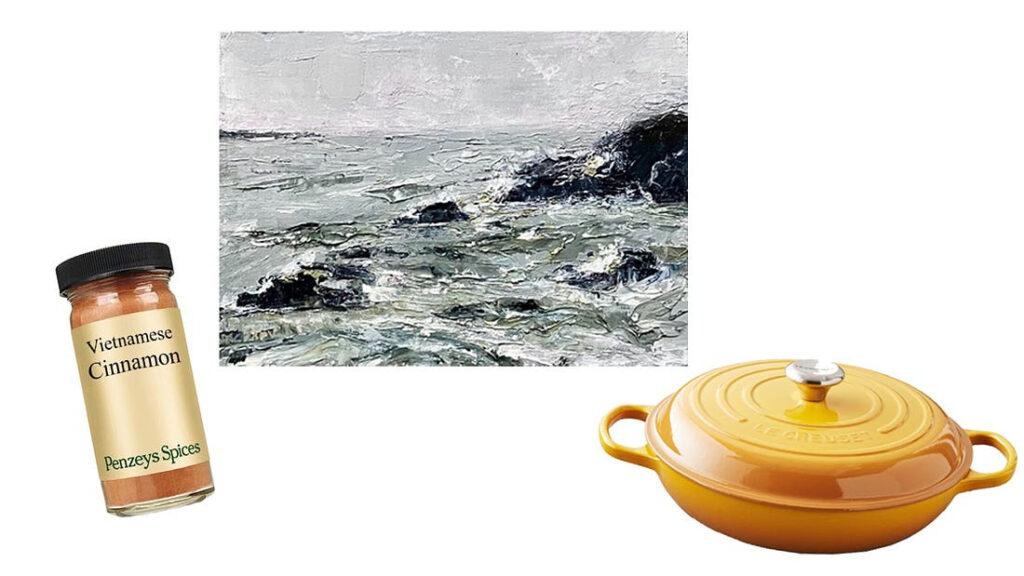
- Penzy's Spices are one of my go-to gifts. I love encouraging my people to feel more comfortable in the kitchen, and these are an easy way to uplift even simple foods. Sunny Paris and Fines Herbes are my to-go (salt-free!) choices for eggs, and the Vietnamese Cinnamon blows grocery store options out of the water.
- I bought this wave study from an artist named Jean Wichea, whose work I found at a gallery in Maine. It looks eerily similar to my favorite cliffside spot, and I find myself staring at it a few times a day, since it pulls me out of my anxieties and helps me reset.
- I've been slowly replacing all of my lower-quality pots and pans over the last couple of years, and I saved up for this braiser after seeing someone else cook with one and instantly coveting it. Although I probably could have gotten away with a similar, cheaper model with a glass lid, I don't have any regrets. It cooks really evenly, and the bright yellow makes a big, happy focal point in the middle of the kitchen.
DIGITAL
- Dungeon Scrawl is an awesome tool for building fantasy maps, perfect for D&D and other tabletop RPGs. You don't even need to make an account to use it (unless you decide you want the premium features). Design a Dungeon next time you get bored in a Zoom meeting!
- Hanif Abdurraqib is one of my favorite authors and poets, and overlaps just enough of my friend group and special interests that I sometimes find myself thinking, "oh yeah, we'd be pals" before feeling creeped out at myself for skirting a parasocial hypothetical. His posts are always interesting, whether deep-diving into a song or album, basketball lore, or life in general. They're a welcome addition to an increasingly fraught social landscape.
INVISIBLE
"Now will never come again."
One of my best friends recently shared this quote with me (shoutout to the nerds that know the source), and it's influenced my decision-making dozens of times since. Sometimes, we need a reminder of the obvious.
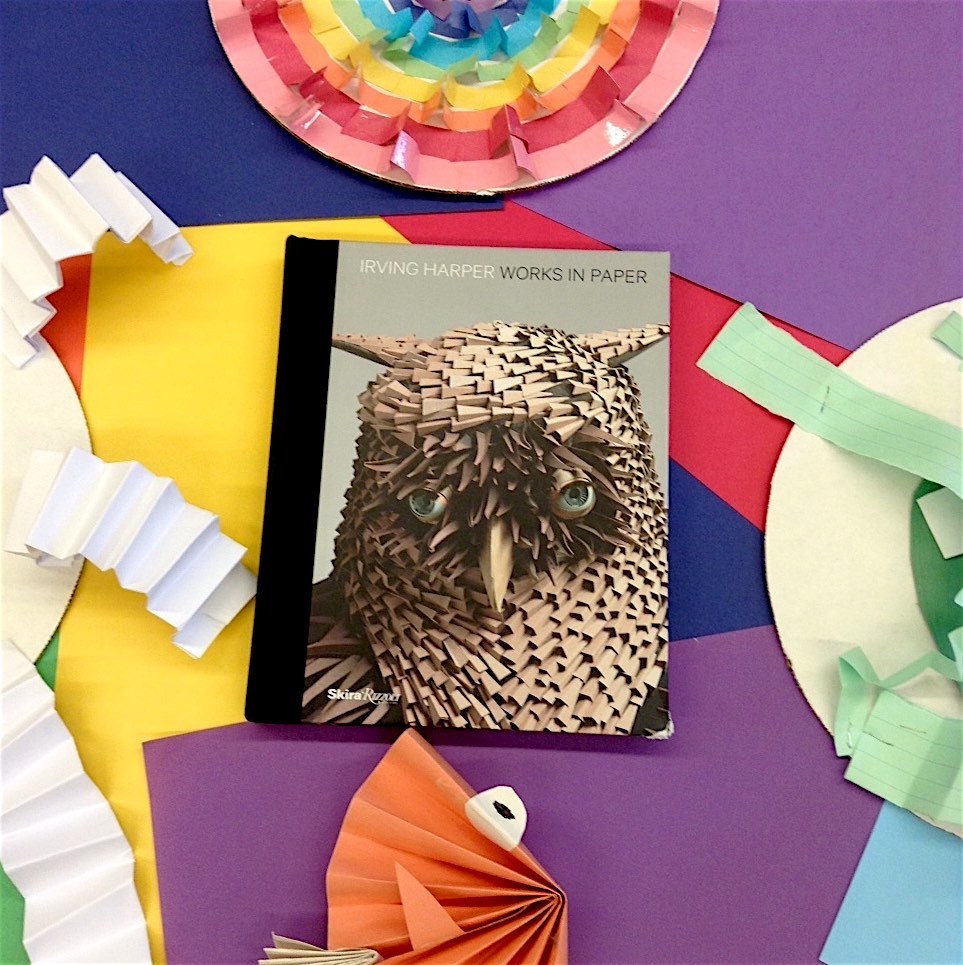
Irving Harper: Works in Paper
by Irving Harper (artist) and Michael Maharam (editor)
Skira Rizzoli
2013, 176 pages, 8.3 x 10.3 x 1.1 inches
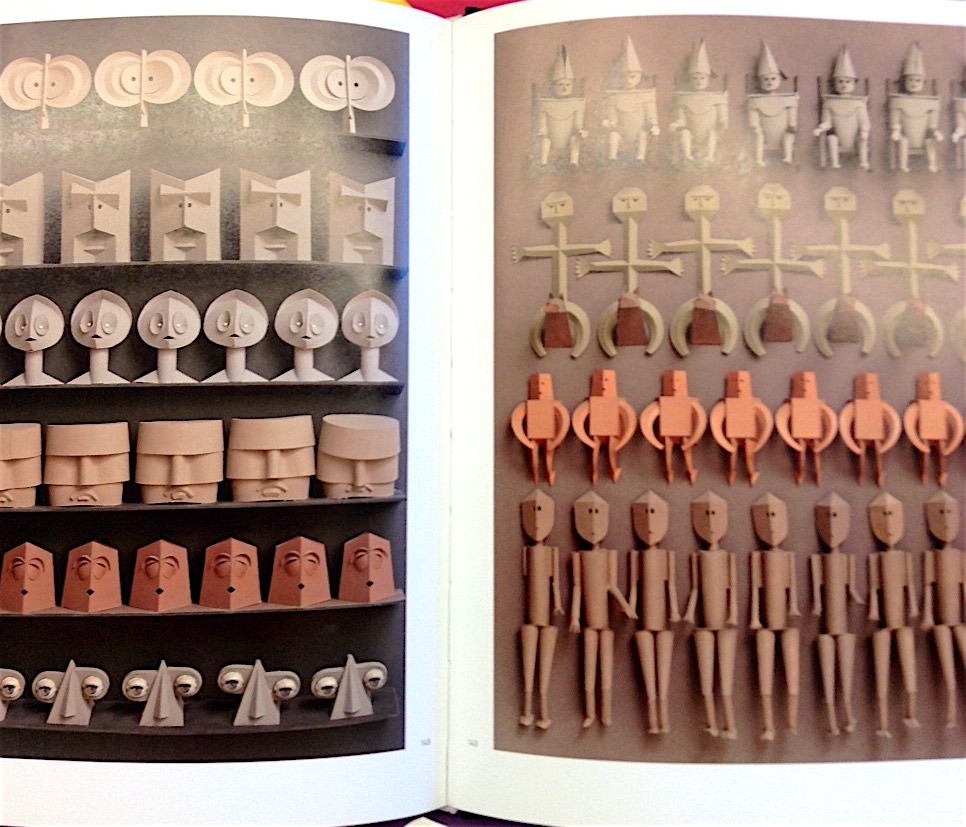
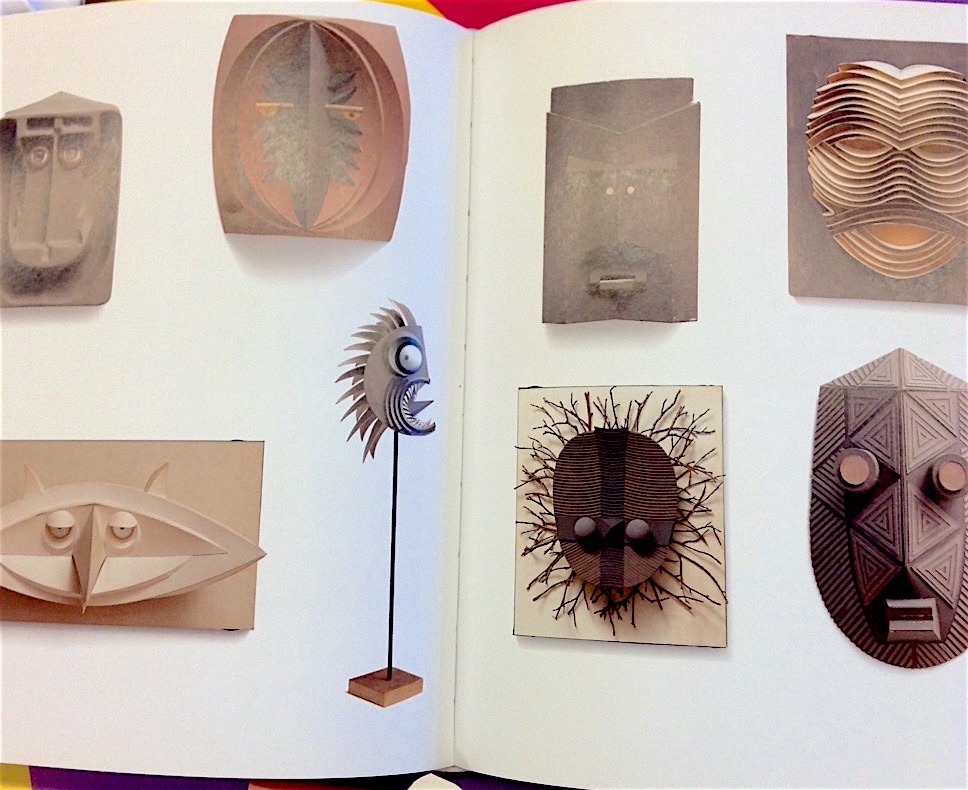
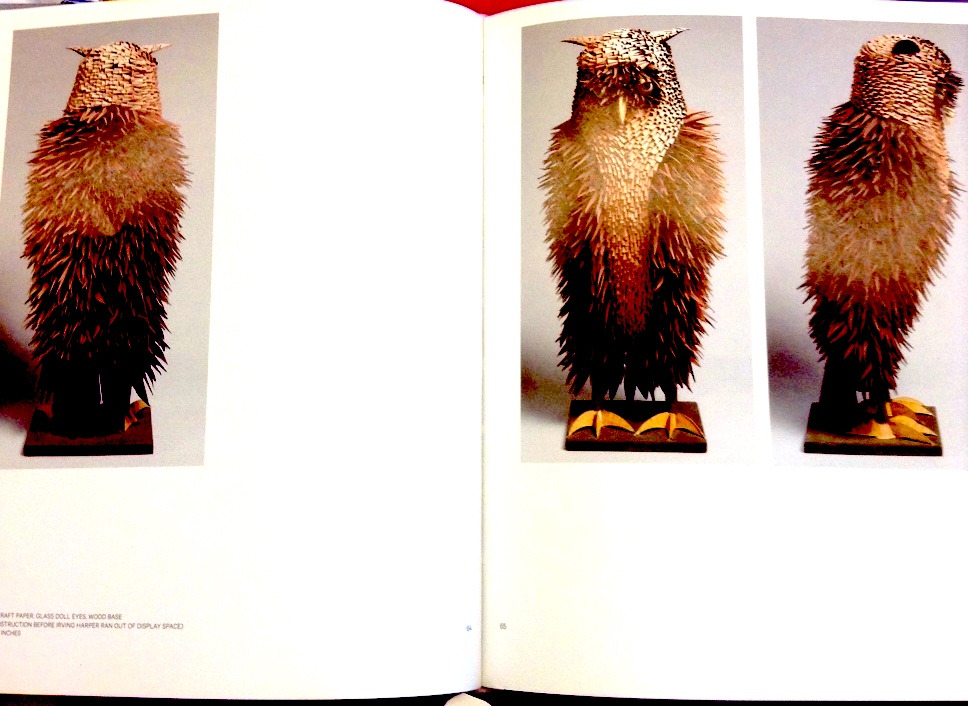
Anyone familiar with the American version of the hit comedy The Office might remember a scene in which Michael Scott attends an art show where Pam exhibits her paintings. Struck by a painting she made of the office building, Michael buys it and muses, "It is a message. It is an inspiration. It is a source of beauty. And without paper, it could not have happened." The quote could just as easily be said of famed designer Irving Harper, an alchemist who transforms paper into works of wonder. One look at Irving Harper: Works In Paper will be sufficient to astonish those who are not yet acquainted with the genius of design, and to further amaze those who are already fans of his.
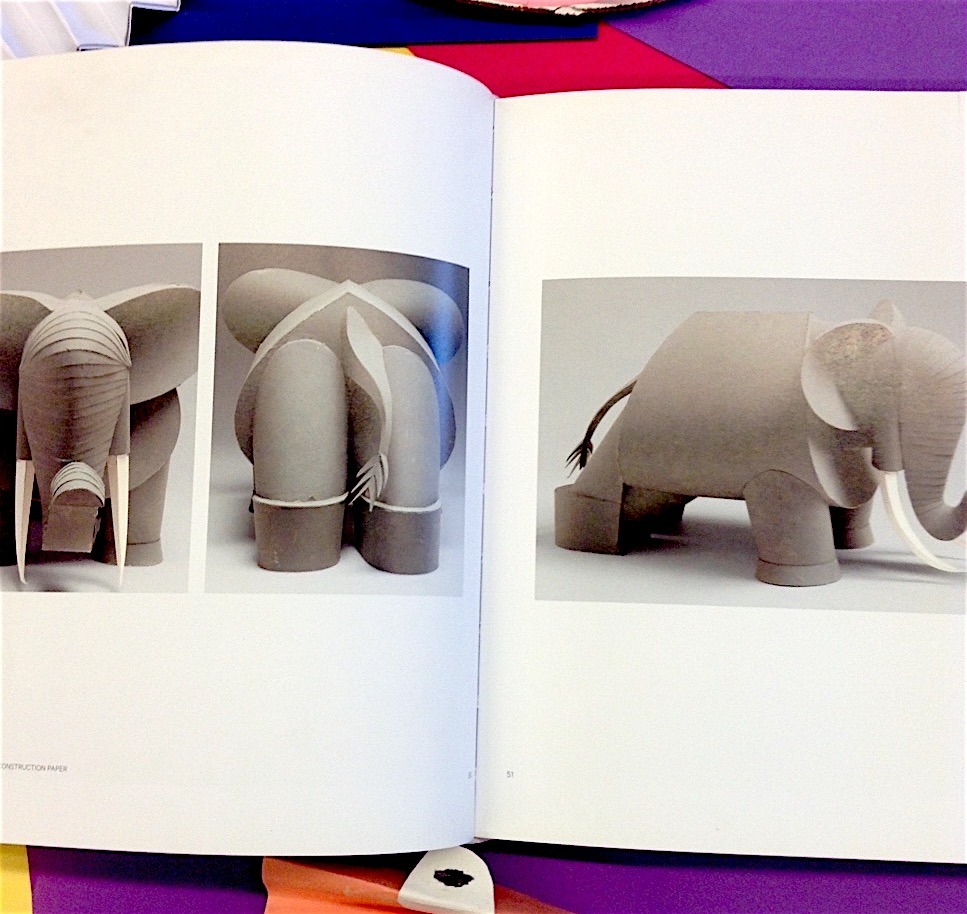
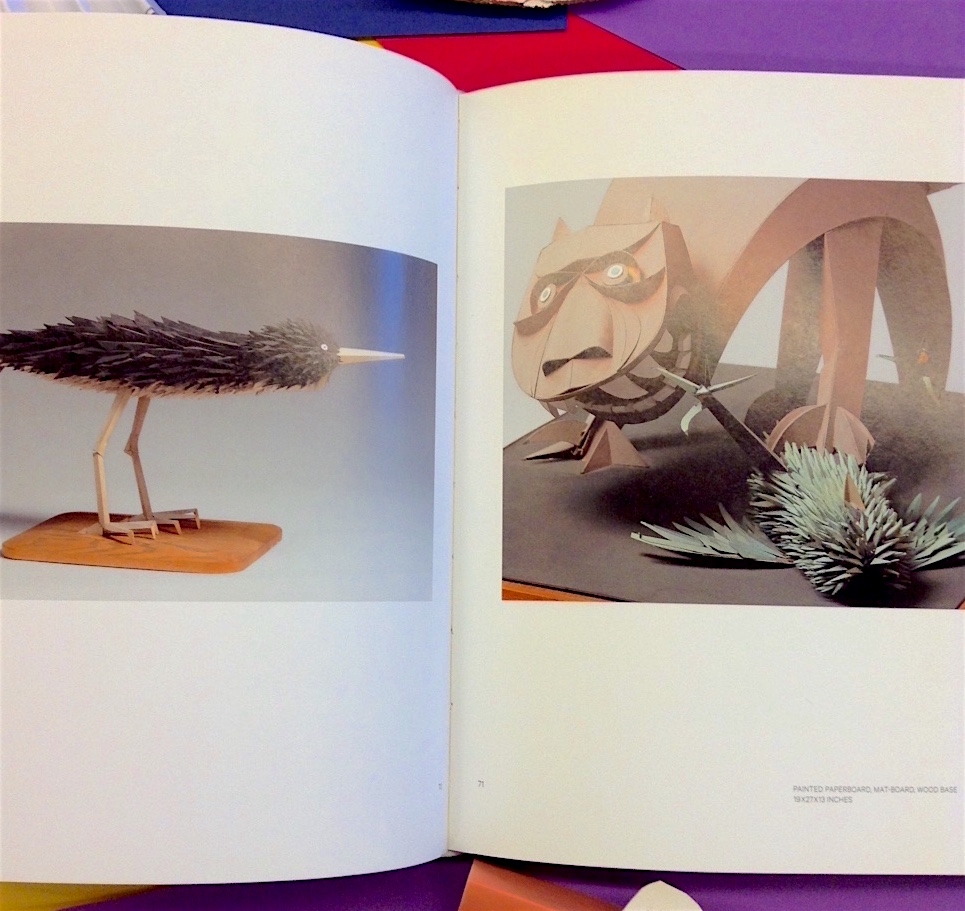
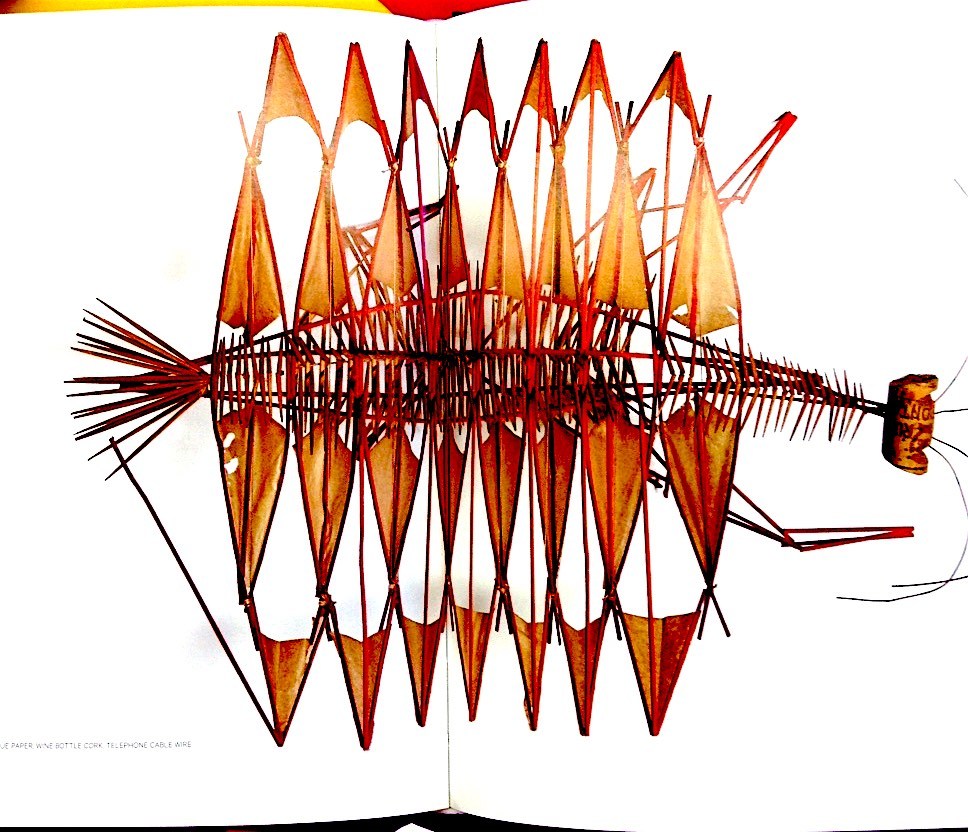
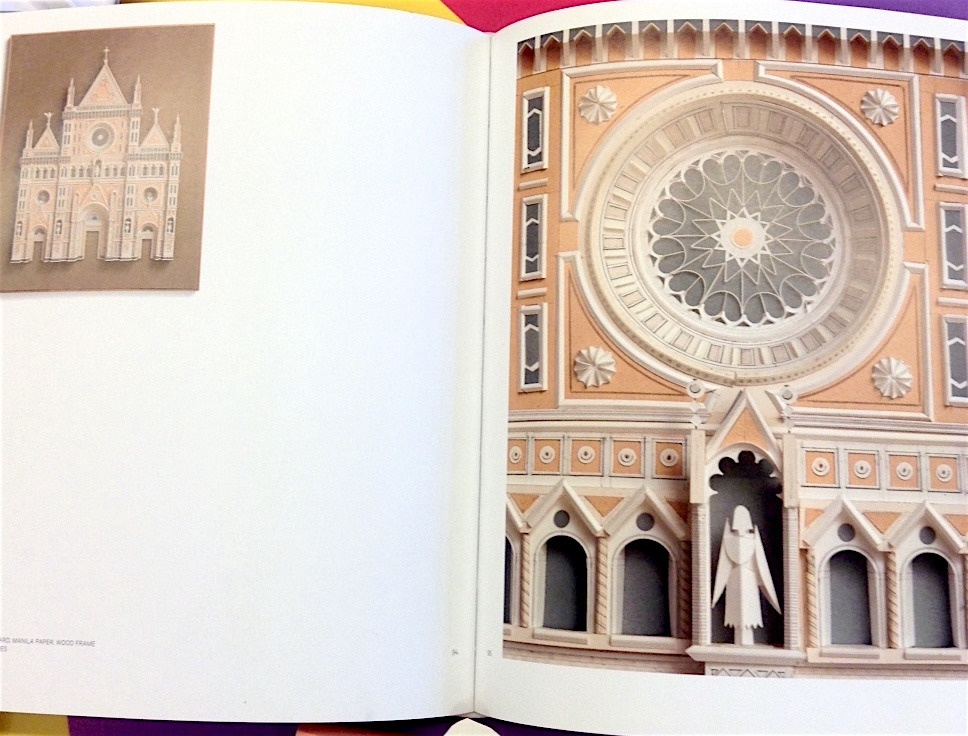
Irving Harper was famous primarily as a furniture designer who championed the modernist style, becoming famous for the "Marshmallow Sofa" which comprises 18 plush discs arranged on a wire frame, and the "Ball Clock," which resembles an asterix with multi-colored balls punctuating the tip of each line. Harper was not a sculptor by profession, but he created paper sculptures at home as a pastime to relieve himself of the stress of his regular job. This book features the astonishing results of someone who was ultimately more artist than hobbyist. Within these pages, a series of masks with graceful, Kabuki-like features can be found alongside vivid and striking depictions of wildlife including a wizened owl with expressive eyes, a snarling wolf hovering over its prey and a stoic elephant made with spare grace. A lavish cathedral skillfully depicts a stained glass window with a seraph in an arched doorway, while a sparse rendition of a scowling soldier on horseback offers a remarkable contrast. A series of abstract sculptures reminiscent of some of Robert Rauschenberg's bold experiments also capture the reader's attention.
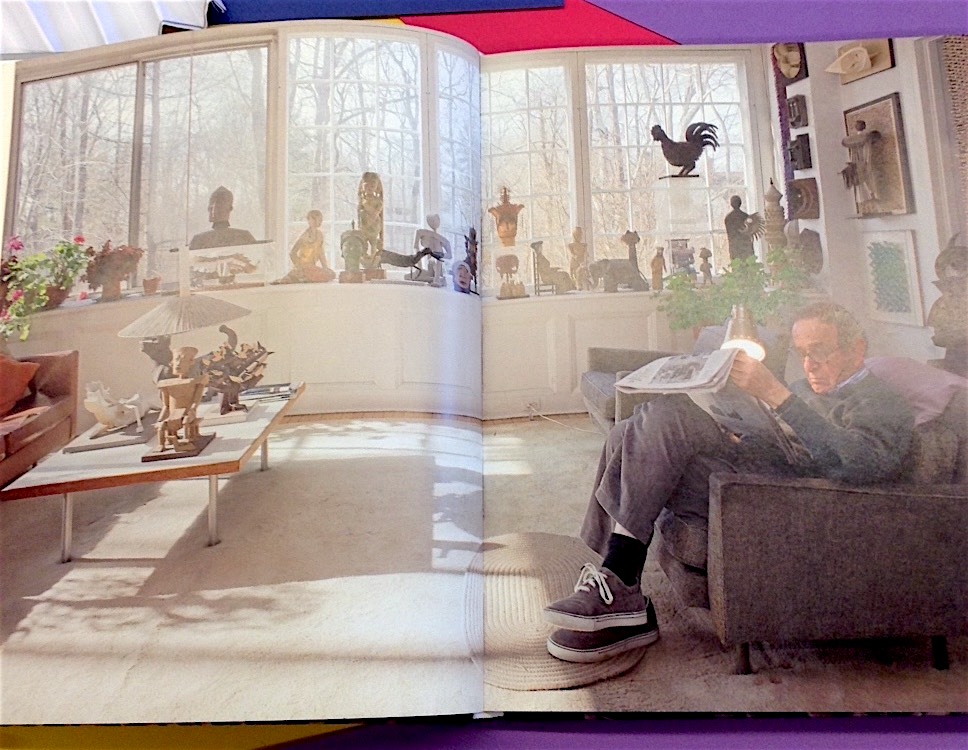
The book offers a brief introduction to Irving Harper and discusses his design career in some detail, but the majority of the pagers are devoted to stunning full-color and black-and-white images of his paper sculptures. One photograph stands out: Harper, surrounded by his magnificent creations in his living room, idly scans a newspaper from his easy chair. The image remains in the mind even after closing the book as a quiet and powerful document of a humble genius who gave shape to his imagination with the simplest of resources. It is, as Michael Scott suggested, a source of beauty. And it couldn't have happened without paper. - Lee Hollman
WHERE'S WARHOL - A VISUAL NEEDLE-IN-A-HAYSTACK PICTURE BOOK INSPIRED BY THE WHERE'S WALDO SERIES
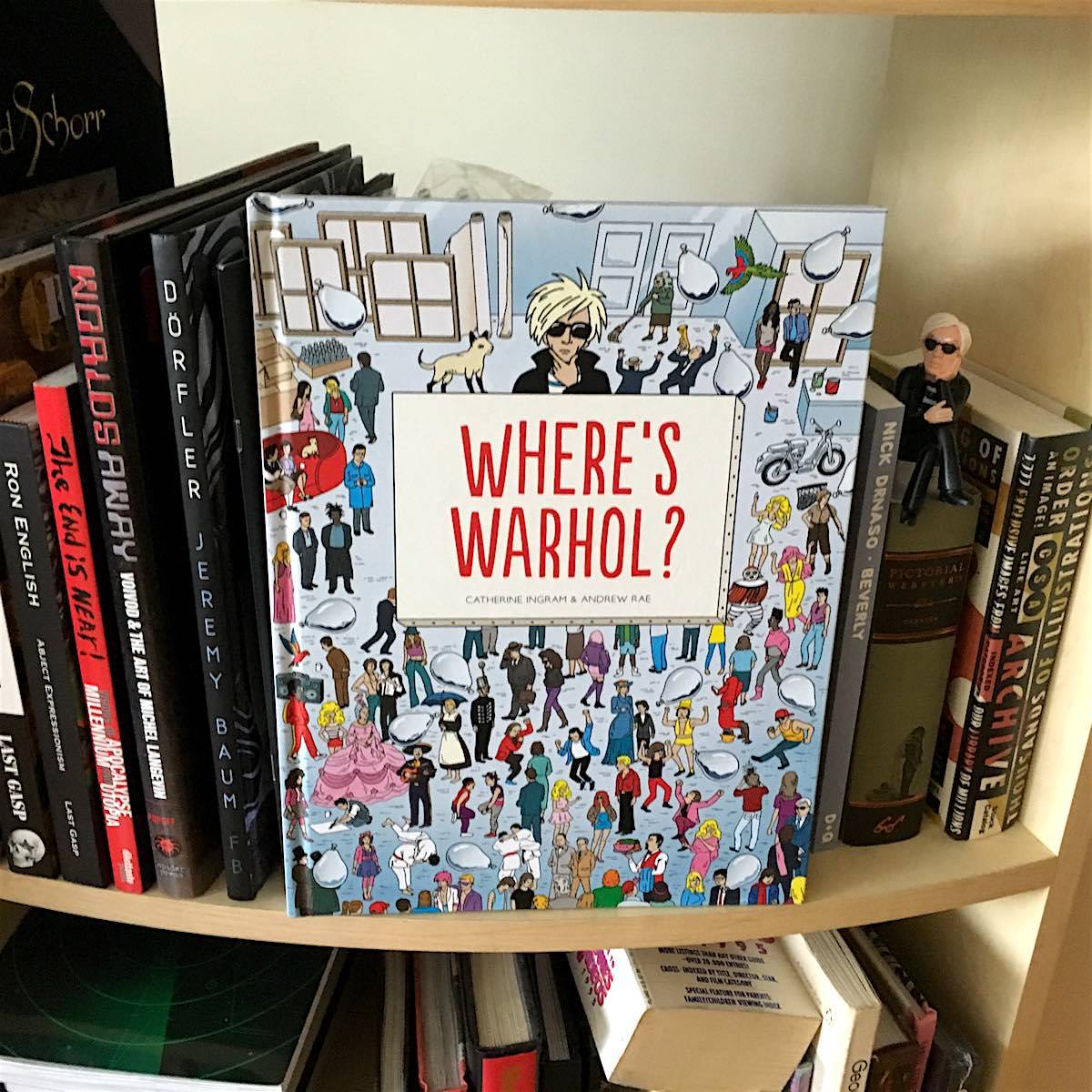
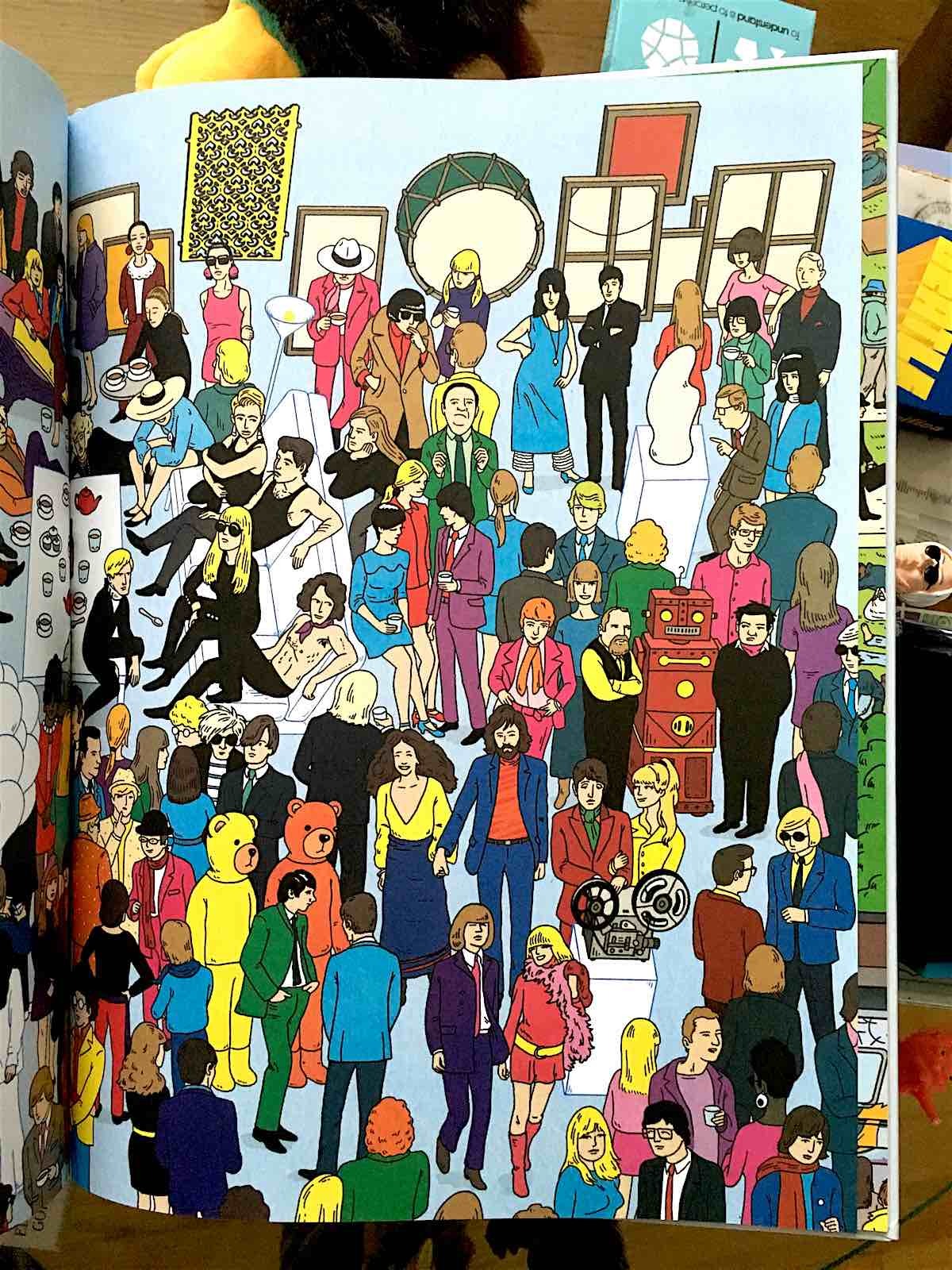

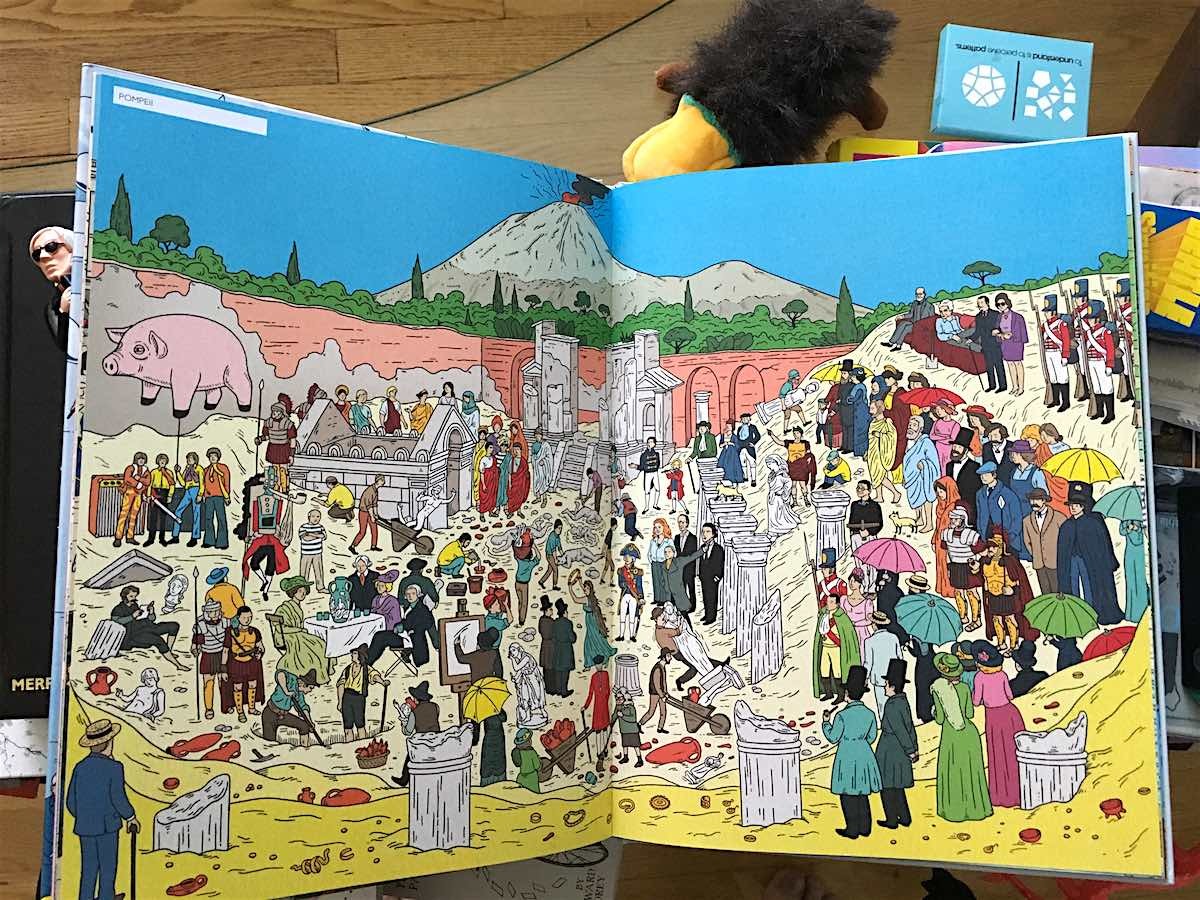
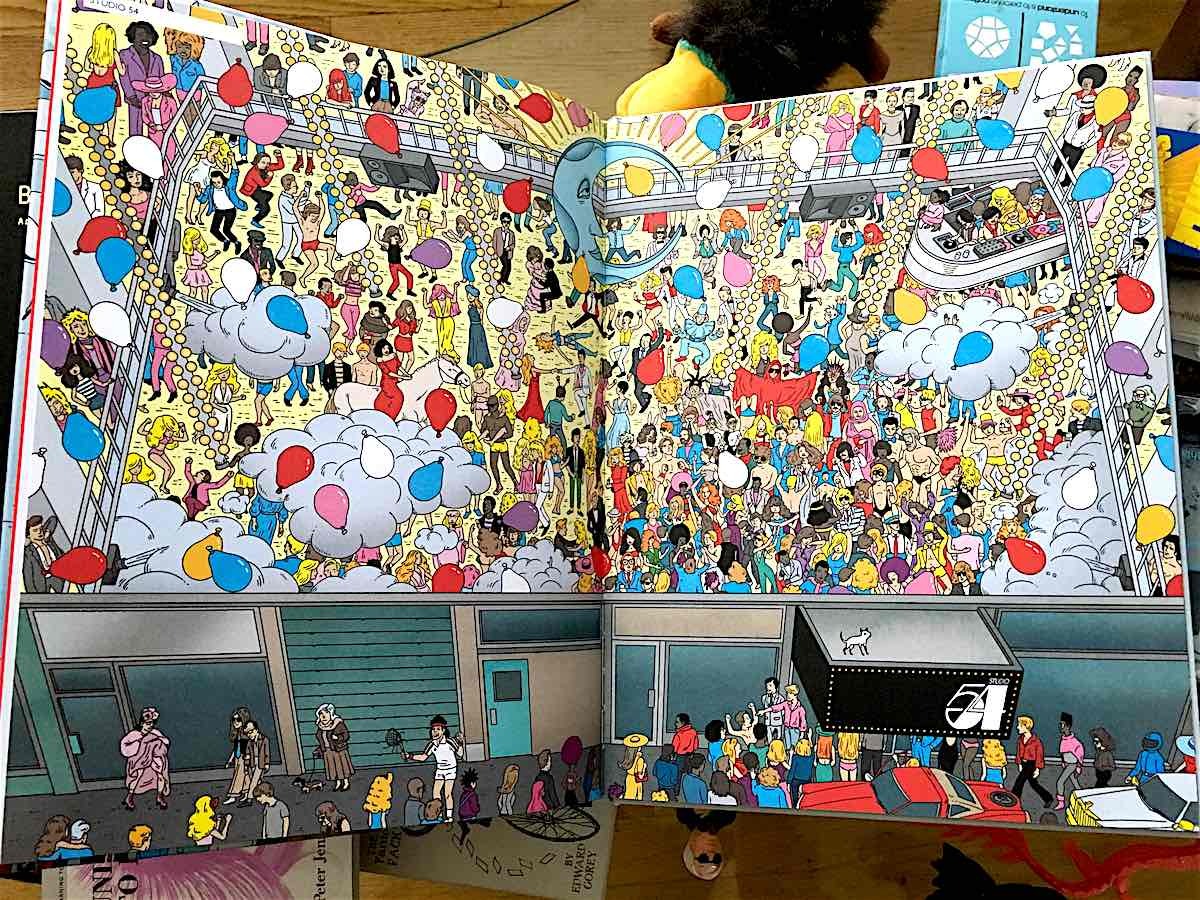
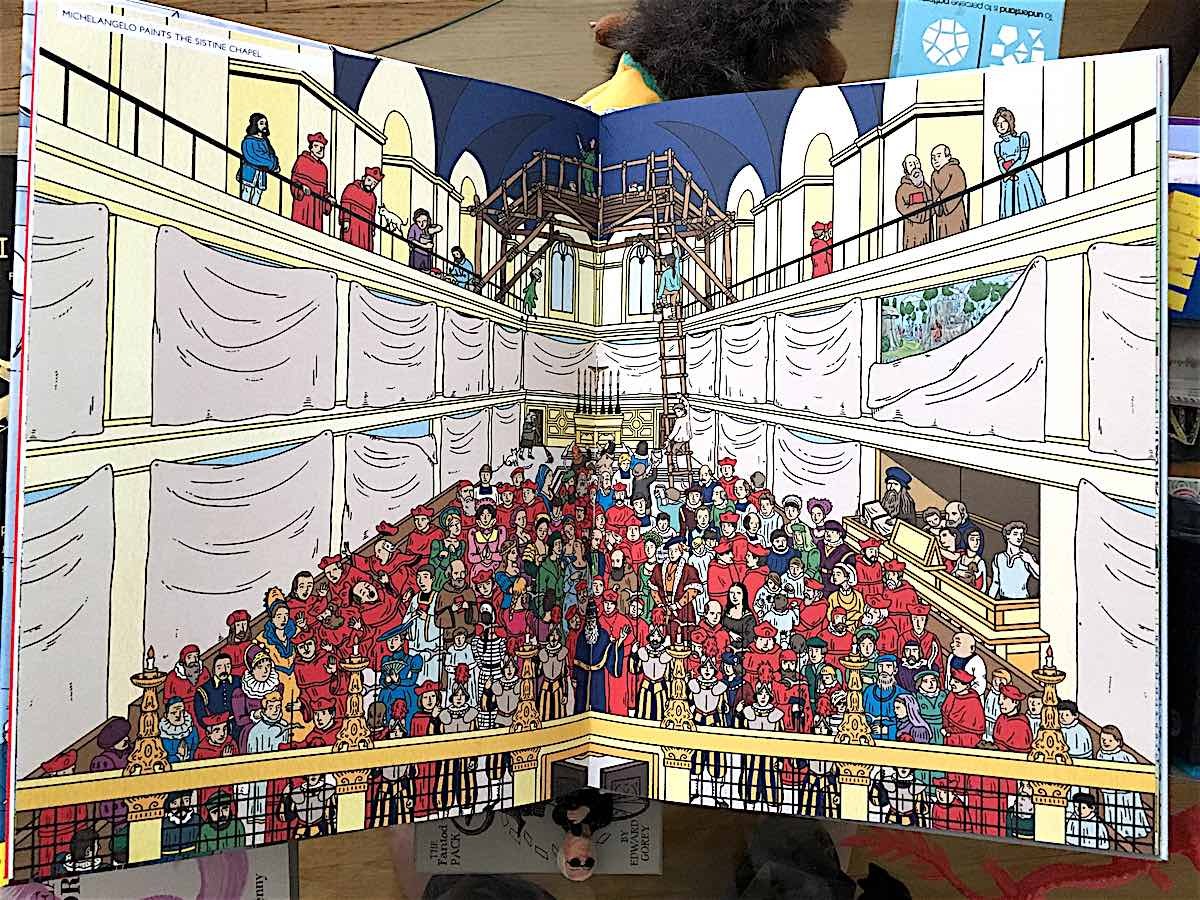
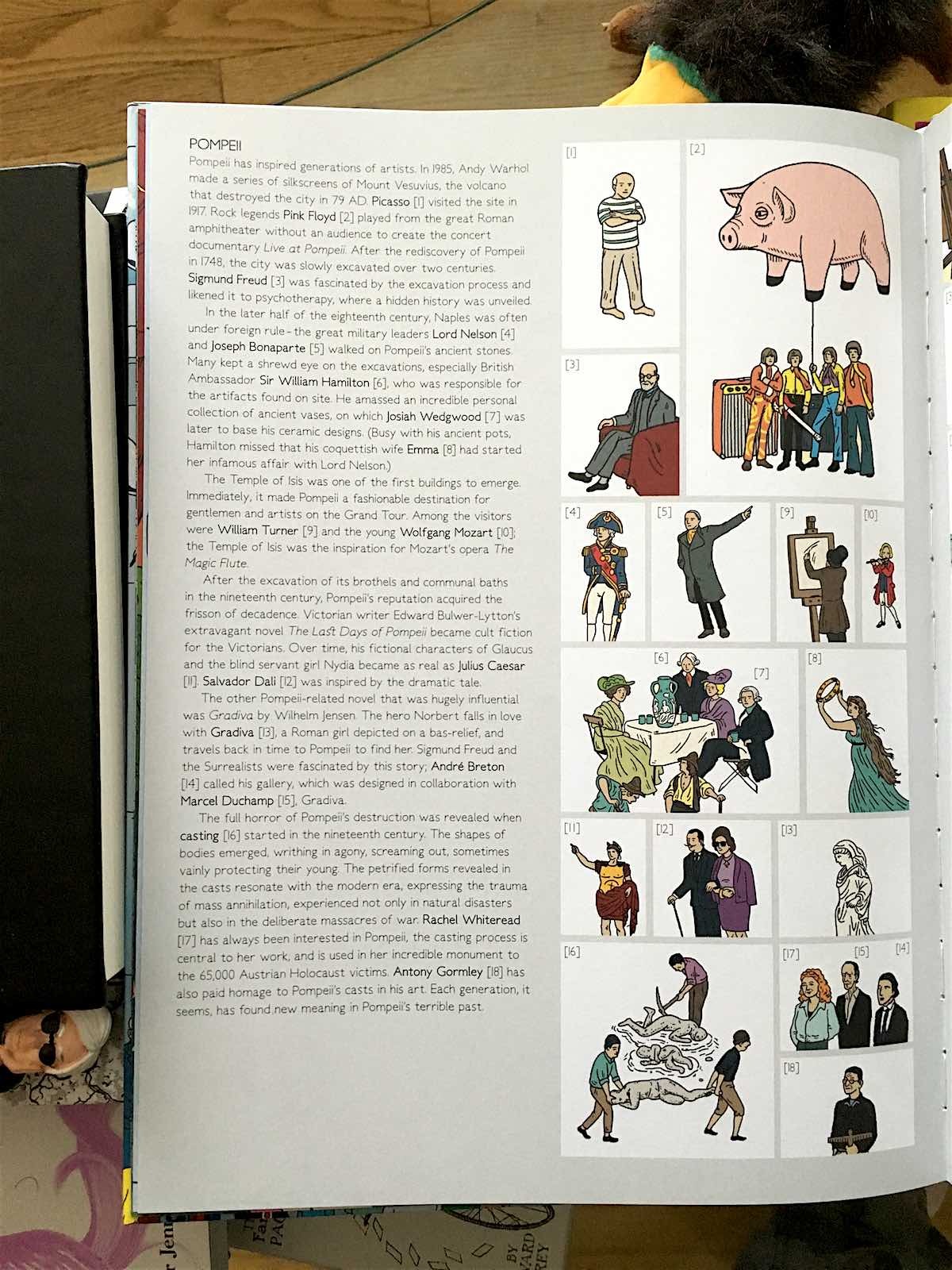
Where's Warhol?
by Catherine Ingram and Andrew Rae
Laurence King Publishing
2016, 32 pages, 9.8 x 13 x 0.5 inches
Andy Warhol was known for both "making the scene," literally turning "scenes" into improvised art, and for being impressively awkward and shy within those scenes. So, there really is something fundamentally right about the concept of hiding Andy inside of iconic scenes from history, both art history and beyond.
In Where's Warhol? art historian Catherine Ingram teams up with artist Andrew Rae to create a visual needle-in-a-haystack picture book inspired by the Where's Waldo? series. In a series of two-page spreads, Andy, in his iconic striped shirt and shock of silver hair, is hidden within massive crowd scenes. The scenes range from actual places where Andy did hang out (e.g. Studio 54) to historical places and events such as the French Revolution and Germany's Bauhaus art school. The fun is not only in finding Andy, but in trying to identity all of the other historical figures drawn into these scenes. In the back of the book, many of these characters are pointed out with little anecdotes. And other known people are there, but not identified (like Robert Mapplethorpe and Patti Smith). It's fun to see just how many characters from history you can identity. There is also enough going on here to reward repeat scans of the pages.
This would be a fun gift book to get for anyone who's a Warhol fan, a fan of art history, or who just enjoys these kinds of visual puzzle books. Everyone who's seen this on my coffee table has gotten a big kick out of it. - Gareth Branwyn
Books That Belong On Paper first appeared on the web as Wink Books and was edited by Carla Sinclair. Sign up here to get the issues a week early in your inbox.
 How to get rich slow
Wealth seems to grow out of a discipline, a habit, a practice that is applied daily and harvested decades later. Not everyone wants to accumulate a pile of money; but most people would like true wealth. This guide addresses that desire. I've gone through the entire New York Times bestseller list of how-to-get-rich books, and beyond. This is the book that most matches my own experience, and what I observe of the rich around me. It's wise where there is often little wisdom, and yet practical, but not so practical it goes out of date. (For that kind of advice see Your Money) — KK
- The biggest lie people tell themselves about wealth is that if you make more money, you'll be rich.
- Here's the problem: Most of us have been taught little or nothing about wealth. Most people grow up believing they should pay all their bills first and then play with what's left. There's some sense to that strategy. Certainly, it teaches us responsibility as debtors. The thing is, we've never been told that we count as much as our creditors. No one has ever said it's okay to save and pay ourselves first.
- All the time I hear people say, "If I just earned more money, then I could feel wealthy or pay my bills or use money as a tool to do good things, or save for my future." The lists seem to go on forever, but believe me when I say: Before significant wealth will come your way and stay, you have to master the money you already control.
- When it comes to saving and investing for your future, the historical rule of thumb is 10 percent. Save 10 percent of your income every single month and you'll grow wealthier than you dreamed possible.
- In some circles, budgeting is a plan for the future — not a record of the past. I prefer to keep track of my expenses as I spend, rather than plan a budget out to the year 2010. That just feels too constraining. I call my as-you-spend record keeping "take-control budgeting" and recommend it over forward-planning your expenses. I think there are just too many variables in our spending patterns to plan our future expenditures to the dollar. Furthermore, I think that most people find the money to buy the things they really want or need, so the goal here is to be aware enough of your cash flow to spend money only on things you really want. This awareness is accomplished by prioritizing your expenditures, which will be explained shortly. I think you'll find, as I did, that if you just keep a record of your prioritized expenses and balance them every month against your income, you'll instinctively know what to do next.
- So successful investing is not a matter of which new theory is hot lately, or when to buy low and when to sell high. It's a matter of getting invested, staying invested, and reinvesting the dividends over time. The accumulation of wealth is virtually that simple if you side with time.
- To many people approach being a giver from the wrong perspective. They look at the resources they possess and invariably fail to see any "extra" they can part with. That's wrongheaded thinking. Remember: If you don't feel secure enough to give, you'll never feel wealthy at the deepest level.
- ou can't give just a tiny bit and sit back, waiting for your ship to come in. You have to give with selflessness. And, if you don't feel like you can, then you must. It's the only way you can break free. We've already established how wealthy you really are, regardless of your situation. You know that you're wealthier than the majority of the world. You have to ask yourself: How rich is rich? How much is enough? How wealthy will I have to be before I become a good steward?
You know the answer: It all starts in the belief that you're wealthy right now.
 Realtime budget overview
This web-based dashboard gives me an elegant overview of all my financial accounts in one screen. I've been using Mint for the past 6 months and it is marvelous. It is super friendly, quick, and illuminating. It makes me smart.
Mint will aggregate any money or spending account with online access — which is basically all financial accounts by now. In ten minutes or less I added our bank, credit cards, mortgage, cars, 401k, credit union, checking, and Etrade accounts to Mint. That's the last input I ever had to do. From then on Mint automatically updates all the accounts, sucking in their data with the correct passwords, and integrates this diverse information into a single unified realtime snapshot of our finances. At once glance I can see where we are spending too much, or how we actually allot our income. I no longer have to hunt for my password and numbers for different accounts, say checking our bank balance, or a credit card purchase. It is much much easier, and far more pleasant, to simply log into Mint, where I can see everything. There, in clear presentation far superior to most banks, are all my accounts informing each other. One window to watch them all!
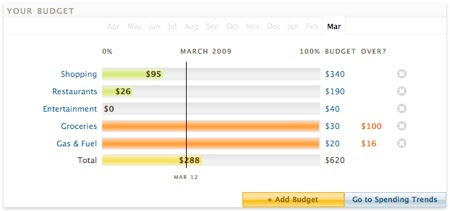
Mint is a read-only interface. There is no way to move money, or reconcile accounts, or pay bills, or calculate taxes (for now). That is also why it is safe. In fact it is probably safer than most banks because fancy algorithms at Mint similar to credit card fraud detection software will alert you when your finances show an unusual pattern. This is one of its cool features. It will gently inform you (at your choice) that say, based on your past months' expenditures, you've overspent your grocery budget this month. It also makes a fairly good guess at categorizing your expenses on its own. It can then make comparisons of how your budget stacks up to other aggregate users in your area, and offer budget suggestions (which we have not followed). We rarely use cash for anything so Mint gives us a very complete picture.
Some people will not be convinced by any reasoning or proof that having a single window into your entire financial situation is safe. If you are of that type, don't use Mint. But for the rest, who long ago realized that using credit cards online is far safer than using one in a store, Mint is a fabulous cool tool. And it is free. Available anywhere the web lives.
There are a couple of similar sites, such as Wesabe and Geezeo, which emphasize sharing budgets, sort of like a Weight Watchers for finances, but I find their interfaces far less elegant. However this niche is evolving fast, and features expand. Mint has a good head start, a winning design (I love the pie charts!), and a sizable user base, so I think it will be around for a while. (If it did disappear, no loss because it does not store any unique data.) — KK
 Best introductory guide to money
I didn't think another book on finance smarts would add anything new to the wisdom of the previously reviewed books Your Money, and Five Rituals of Wealth. But this one takes the great advice found in those and reduces it all to 100 maxims that you can read (and reread) in an hour or less. There is one simple paragraph of hard-won advice per page. This small book's chief benefit is that busy people will actually READ it.
This is also the best money guide for young adults. I think it is perfect to start with even for elementary kids. It is less about finance and more about developing a common sense about money. Works as a refresher and reminder for adults too. I found myself in total agreement, having done well over the years using the same principles.
If you need convincing on any point, or want the details on how to execute an idea, you can delve into the aforementioned books. — KK
- The four most powerful words in any negotiation: "Can you do better?"You're sitting in the office of the person who's dying to be your new boss. He's just offered you a job that you really want with the title you've been craving. The only hitch: The salary isn't where you'd hoped it would be. Don't commit-at least not neil you ask, "Can you do better?" It's the perfect haggle. You sound as if you know there's wiggle room, and you're willing to let him work his magic. And note: This works just as well when you're on the phone with the cable company, at the mechanic for an oil change, talking to a mortgage rep about in a "refi" rate. It even-I know from experience-works with teenage kids.
- There's no such thing as chump change.$100 is not a lot of money. Save it every week, however, and invest it in a retirement account where you earn a conservative 6 percent, and keep doing it for 30 years and you'll have $433,557. In 40 years, you'll have more than twice that. And that is a lot of money.
- Saving is more important than investing.Next time you stress about the stock market, remember this: The amount of money you manage to sock away is much more important than the return on that money. You can take my word for it. Or you can consider this eye-opening example: You save $250 a month, which you then invest. If you earn 6 percent on that money, a year from now you'll have $3,267. If you earn 10 percent, you'll have $3,311-$44 more. But what if you waited a month to start saving? Then even at 10 percent you'd have $3,052-$215 less. What if you saved $200 a month instead of $250? Then, again at 10 percent, you'd have $2,649-$618 less. As your nest-egg grows and gets into the six figure range, the return on investment starts to matter more. But you can't get to that level if you don't start to save now. Right now.
- Your retirement trumps their tuition.You know when you're on an airplane and they always tell you to put your oxygen mask on first before assisting a child? Saving for long-term financial needs is the same. If you don't save for your own future first, you won't be able to help your children when they need it. Worse, they may be forced to help you just when they're trying to put their own kids through school. There is no financial aid for retirement. There is plenty of financial aid for college. Don't feel guilty about this.
- The best cost-cutting tool is a good night's sleep.With the possible exception of prescription medication, flashlight batteries, bottled water (under the pressure of a hurricane), and a few other true necessities, there is nothing you need to buy that can't wait until tomorrow. So when you're faced with a discretionary purchase, do your wallet a favor and sleep on it. If you're not still thinking about it-whatever it happened to be-24 hours later, you didn't need or want it anyway.
- Don't shop hungry.This is not just a rule that applies in grocery stores. Do you know why they ply you with samples at warehouse stores? Because exciting your mouth-literally making you drool-makes you spend more money not just on food, but on everything. It primes the same part of your brain that responds to the rewards you really want. So maybe you went to the store to buy diapers but now that your brain is active, you buy the tent. (That shopping trip is legend in our family. I should tell you: we don't camp.) Oh, and when your favorite little boutique offers a special evening sale with wine and cheese? Steer clear. Alcohol not only primes the pleasure pump, it inhibits self-control.
Once a week we'll send out a page from Cool Tools: A Catalog of Possibilities. The tools might be outdated or obsolete, and the links to them may or may not work. We present these vintage recommendations as is because the possibilities they inspire are new. Sign up here to get Tools for Possibilities a week early in your inbox.
TeamLab produces immersive destinations that are worth going out of your way to see. They began in Japan, where they have four huge installations that offer entertaining environments, using lights, mirrors, video, projectors and other media magic inside giant rooms. Our family spent an exhilarating 3 hours in the TeamLab Borderless site in Tokyo wandering through the mazes of experiences with constant smiles. It dazzled kids and elders. Even though TeamLab have become Instagram hot spots, and art snobs consider it too commercial, I would recommend making a trip to experience Borderless yourself. Go with friends, it's more fun. — KK
Listen to whale codasProject CETI's Listen to Whales website is an immersion into the codas and culture of cetaceans, inviting you to literally listen in on sperm whale family life and history. The project uses AI to listen to, decode, and translate sperm whale communication. I love how CETI reframes whales as cultural beings with their own clans, dialects, and stories, and has created this living platform to share what they're learning in real time—and to inspire meaningful action to protect our oceans. — CD
Kitchen drawer multitoolI keep this Workpro 24-in-1 Multitool in a kitchen drawer for quick fixes so I don't need to shlep down to the basement for my toolbox. It handles minor repairs: tightening a loose cabinet hinge, snipping a zip tie, prying open a battery compartment. The pliers are solid, the knife is sharp, and the Phillips and flathead screwdrivers cover 90% of household fasteners. Folds to about the size of a thick marker. Not a replacement for real tools, but perfect for "I just need to fix this one thing" moments. — MF
Compact travel toyI've long been a big fan of Magna-Tiles, which are small plastic squares that act as parts of a construction system for kids. The tiles rely on magnetic edges to build things easily. You can build a million different things, like Lego, but it is much easier to do than Lego. Even toddlers can master them without boredom. They now make MicroMags, tiny compact versions of mini-Magna-Tiles, perfect for travel. A small set of MicroMags will fit into a slim box about the size of a standard book, and give restless kids enough options to occupy them for hours. Small enough to pack in luggage, but set out on a table, they invite playful engagement. — KK
The Correlation ExperimentThe Correlation Experiment has you answer questions about everyday preferences so it can predict your answers based on data correlations. I don't like being predictable, so I loved when its predictions went wrong—out of 60 questions, it missed about 20%. After a while, though, I was insulted by the misses: it pegged me as not an inbox zero person, guessed comedy over horror, and said I don't make my bed first thing in the morning. No login needed, and it's fun to play. — CD
Free iPhone storage cleanerClever Cleaner is a free iPhone app — no ads, no subscriptions, no paywalled features. It scans your photo library for duplicates and similar shots, identifies large videos hogging space, and rounds up forgotten screenshots. A "Smart Cleanup" button lets AI select which duplicates to trash, or you can swipe through photos manually. All processing happens on-device, so your photos never leave your phone. It's made by CleverFiles, the folks behind Disk Drill data recovery software. — MF
Sign up here to get Recomendo a week early in your inbox.
Drawing from traditional Buddhist wisdom, When Things Fall Apart offers a counterintuitive approach to suffering: instead of running from pain, move toward it with friendliness and curiosity — and discover that groundlessness itself can become the foundation for an awakened life.
Core Principles Embrace GroundlessnessWe spend enormous energy trying to find solid ground — security, certainty, permanence — but life is fundamentally groundless. Rather than fighting this truth, Pema teaches us to relax into uncertainty. Getting the knack of staying present with shakiness, a broken heart, or hopelessness without panicking is the path of true awakening.
Move Toward PainOur instinct is to flee from painful situations, but nothing ever goes away until it has taught us what we need to know. When we protect ourselves from pain, that protection becomes armor that imprisons the softness of the heart. The approach that brings lasting benefit involves becoming intimate with difficulty rather than avoiding it.
Practice Maitri (Loving-Kindness)Before we can extend compassion to others, we must develop maitri — unconditional friendliness toward ourselves. This means having the courage and honesty to look at ourselves without aggression, accepting our fears, confusion, and imperfection as part of being human rather than evidence of failure.
This Moment Is the TeacherWe don't need to wait for extraordinary circumstances to practice awakening. This very moment — with all its messiness, ordinariness, and discomfort — is the perfect teacher. Awakeness is found in our pleasure and our pain, our confusion and our wisdom, available right now in our weird, unfathomable, ordinary everyday lives.
Try It Now- Notice something uncomfortable you're feeling right now — anxiety, restlessness, sadness, or physical tension.
- Instead of trying to fix it or push it away, stay with the sensation for one minute. Breathe and observe it with curiosity.
- Silently say to yourself: "This is what fear feels like" (or sadness, or uncertainty). Name it without judgment.
- Ask yourself: "What is this feeling trying to teach me?" Don't force an answer — just let the question sit.
- End offering yourself the same compassion you would give a good friend in pain.
"Nothing ever goes away until it has taught us what we need to know. We run away from it, but the same problem just waits for us wearing new names and new faces."
…is Bangkok once again. Hosting more than 30 million arrivals in 2025, Thailand's capital was the most popular place to land. Next on the list were Hong Kong, London, Macau, and Istanbul. Paris, the #1 "most attractive city" on Euromonitor's list was #9 in arrivals. See the details here.
US/Canadian Rail Travelers in EuropeRailEurope only gets a fraction of the total foreign train bookings on the continent, but it gets enough of them do that the company could release a whole 2025 wrap-up on US and Canadian travel there. Nice to see that more than half of visitors are picking multiple cities and adding smaller cities to the big and famous ones. Nevertheless, France was the number one market overall and this was shocking: "The Barcelona-Madrid corridor accounted for almost 50% of all revenue from Canadian and U.S. travellers."
Experienced Travelers Shun AI BotsExperienced travelers may be fine with asking ChatGPT who won the best picture Oscar in 2019, but they're not about to let the computer bots plan their vacation. Anyone who has asked an AI tool to recommend an itinerary for their own city quickly sees why, but this new report says, "Only 20 percent said they would feel comfortable letting AI design a complete trip itinerary based on their preferences." A full 79 percent said they would feel uncomfortable letting "agentic AI" systems book their travel for them.
Huge Admission Increases in MexicoUntil this year, admission prices for the archaeological sites in Mexico were a good value when compared to others around the world. That was until the national government doubled them all for foreigners this month. It will now cost you $38 to brave the tour bus crowds and vendors at Chichen Itza. Oddly, it will cost you the same amount to visit far less popular Ek Balam and $35 to visit ruins almost nobody goes to as it is, such as Sayil and Labna. The best bang for the buck is sprawling Teotihuacan near Mexico City, now looking like a deal at less than $12. Despite the doubling, that's also the price for Monte Alban, Coba, and Palenque.
A weekly newsletter with four quick bites, edited by Tim Leffel, author of A Better Life for Half the Price and The World's Cheapest Destinations. See past editions here, where your like-minded friends can subscribe and join you.
Jan 14, 2026
I work managing creative teams for the online communication of brands and institutions across Italy and Spain, but mostly on the Internet. For over seven years, I have been writing nonostantement - a weekly Sunday newsletter, collecting the most interesting things I find online. — Joele Lucherini
 PHYSICAL
- Japanese Barbecue Tongs - I am completely influenced by Japanese chefs on TikTok, and when I saw these tongs, I had to buy them. I find them much better than regular ones, especially for handling small pieces of food while cooking.
- Manduka Yoga Mat - Over the past year, I started practicing yoga twice a week. I'm lucky to be able to do it at home with online classes, which helped turn it into a habit—even though I've never really enjoyed sports.
- Cat Meme Stickers Pack - A pack of about a hundred cat meme stickers. It's a small, inexpensive thing, but it can completely change my day — surprising someone with a weird cat sticker is a simple gesture that always makes people smile.
DIGITAL
- Parcel app - Working from home and spending a lot of time in front of my computer, I buy things online quite a lot. This app is reliable and it's almost always open on my laptop for tracking all my deliveries.
- Make.com - I've never really had the calm mind (lol) to become a proper coder, but I've always enjoyed tinkering with how things work behind the scenes. Make.com—a no-code platform that connects different apps and services—has genuinely changed my life, dramatically improving my work by letting me automate almost anything I can think of.
INVISIBLE
"Not my business, not my problem."
Every year, I choose a sentence to guide me in my work. This year it was this "mantra" I often had to repeat to avoid getting too involved in my clients' company issues, especially when dealing with things I don't control or am not responsible for.
Sign up here to get What's in my NOW? a week early in your inbox.







 FIGHT CLUB 2 - IF YOU'RE LOOKING FOR A PUNCH TO THE CEREBRAL CORTEX, DEFINITELY PICK THIS UP
Fight Club 2
by Chuck Palahniuk (author), Cameron Stewart (illustrator) and David Mack (illustrator)
Dark Horse Comics
2016, 256 pages, 6.9 x 10.5 x 0.9 inches
Let's talk about Fight Club. This movie rocked me, and introduced me to the incredible and controversial work of Chuck Palahniuk. Now the concept of a sequel does seem a little out of sorts to the counter culture message of the original, but honestly, who hasn't been wondering how things turned out for Marla and the Narrator after he stuck a gun in his mouth and pulled the trigger? Did they find their happily ever after? No, of course they didn't, thus the sequel.
The Narrator finally gets a name, Sebastian…it's not a great name, but it fits given the current state of his life. Marla's bored, Sebastian is in a drug-induced fog, Tyler Durden is raging behind the scenes trying to get back in control, and project mayhem is causing more chaos than ever. Then things get weird.
If you've only seen the movie you probably won't dig this. Actually Palahniuk's anticipation of the fanbase's dislike for the comic becomes an actual plot point. Things get meta to say the least. The comic builds off of not just the novel, but Palahniuk's work and reputation since the film came out. It's very fitting of Palahniuk, and I think fans of his will really enjoy it, but be clear this is not a blockbuster directed by David Fincher and starring Brad Pitt or Ed Norton.
What I found really unique was that this story could only be told in comic form. Tyler's antics, and his fight to control the narrative couldn't be contained by text in a novel. And things get far too self-referential for any film goer - I found myself having to go back a page or two on several occasions to make sure I didn't miss anything. Images are strategically placed over dialogue, narration bubbles obstruct characters. The design of the comic itself adds to the feeling that this is a war over the story itself. Is Sebastian in control? Is Tyler? Is Palahniuk? I found myself engaged and thinking about it long after I finished reading. It's heady and not for a casual comic reader, but if you're looking for a punch to the cerebral cortex, definitely pick this up. I want you to read this as hard as you can. - JP LeRoux
TESLA: THE LIFE AND TIMES OF AN ELECTRIC MESSIAH
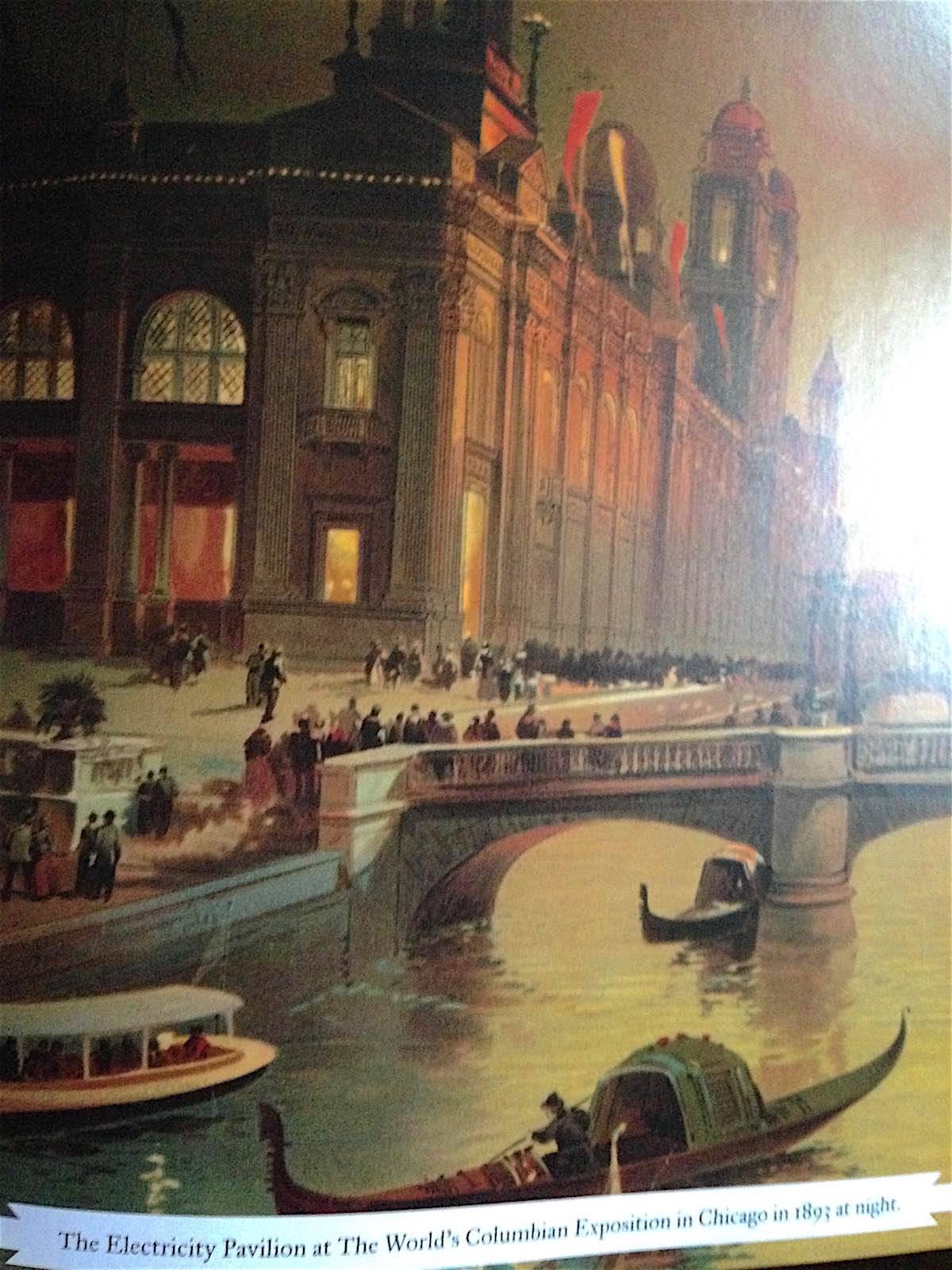
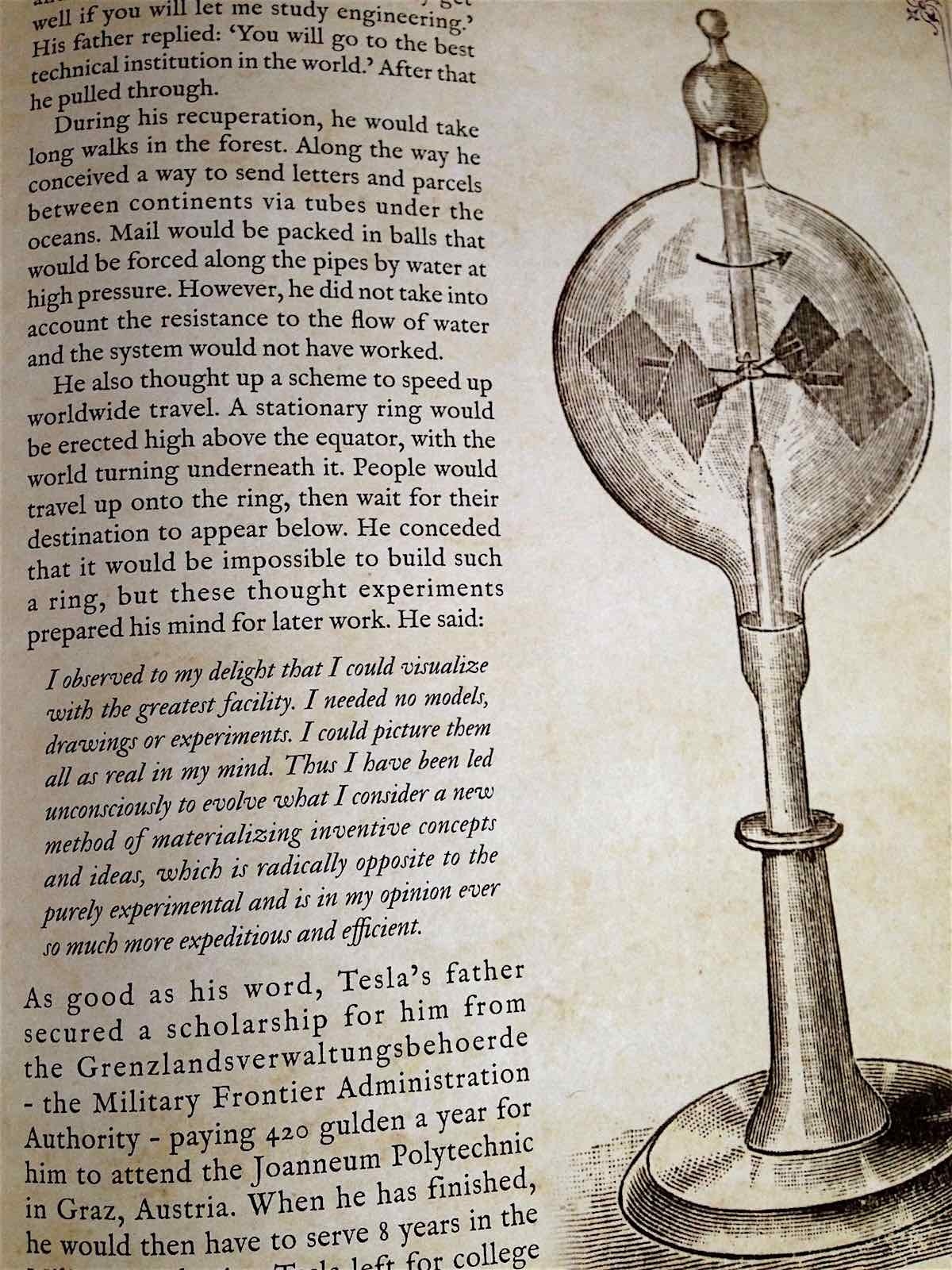
Tesla: The Life and Times of an Electric Messiah
by Nigel Cawthorne
Chartwell Books
2014, 192 pages, 7.2 x 10.5 x 0.8 inches
Mad scientist. Inventor. Philosopher. Visionary. Eccentric. A man who was terrible at business, but great with pigeons. A mythic figure, Nicola Tesla was all these things and more. Examining his life and career, Tesla: The Life And Times Of An Electric Messiah is a lengthy, oversized book filled with illustrations, photos, diagrams of his many inventions, and brief, informative vignettes about his friends, colleagues, business associates, and rivals.
Tesla's own words are pulled from writings and correspondence, and help flesh out a turn-of-the-century futurist, although they can be somewhat dry and academic. His eccentricities liven things up considerably. For instance, did you know he once fell into a vat of boiling milk, and lived on a diet of bread, warm milk, and something mysteriously known as 'Factor Actus'? Did you know he had a strange aversion to women's earrings, and would become feverish at the sight of a peach? Tidbits like these keep the book moving at a nice pace, as the man became more reclusive and odd toward the end of his life.
His War Of The Currents with Thomas Edison is detailed, as well as his battle of radio with Guglielmo Marconi. His experiments with wireless transmission of energy, X-Rays, flying machines, remote control, and artificial intelligence are also described, as well as the mystery surrounding the disappearance of his papers concerning his invention of a death ray by the US government. Beautifully illustrated on parchment-tinted paper, Tesla: The Life And Times Of An Electric Messiah is a handsome, encyclopedic book about a startlingly prescient early 20th-century pioneer. - S. Deathrage
Books That Belong On Paper first appeared on the web as Wink Books and was edited by Carla Sinclair. Sign up here to get the issues a week early in your inbox.
 Essential parental skill
Solve Your Child's Sleep Problems
I was trying to think of the book that has had the greatest effect on my life. Books like Zen and the Art of Motorcycle Maintenance , or The Fountainhead carried a lot of philosophical weight at the time I'd read them in college but they seem like junk upon re-reading them now. So, I asked myself again, what book has really changed my life? Then it hit me: it was, without a doubt, Richard Ferber's Solve Your Child's Sleep Problems.
We have two kids, one age six, the other 11 months. When our six year old was a baby, we put her to sleep by holding her and rocking her. She would wake up every couple of hours, crying for us to come back and rescue her. We finally gave up and let her sleep with us. It was the only way we could get any sleep. To this day, she demands that one of us crawls into bed with her until she falls asleep.
When we had our other daughter, she would cry for us every hour at night. The whole family was exhausted from the ordeal. Would we have to suffer this ordeal for three more years?
Some friends told us to "Ferberize" her and we'd all be able to sleep soundly. We were skeptical, but we bought the book and followed the instructions faithfully. In a nutshell, Ferberization entails putting your baby in her crib, kissing her goodnight and walking out of the room. She'll cry, of course. After five minutes, you walk in and reassure her, then walk out again. This time you wait ten minutes. You repeat this, adding five minutes between return visits. It sounds cruel. As a parent, your instinct is to run to your baby as soon as she starts crying. But in this case, not following you instincts is the best course of action. It took exactly two nights to Ferberize our baby. She has learned to fall asleep on her own, and when she wakes up at night, she knows how to fall back asleep on her own. Best of all, she is happy, confident, and well-rested. And so are we. We have our nights, and as a result, our days back.
While this was truly a life-changing book, you really don't need to read it. Other chapters address the nature of sleep and how to deal with more unusual child sleep problems, but for most people, the procedure I described above is all you need. Reading the book, however, made me feel better psychologically about going through with it. — Mark Frauenfelder
I have three kids. This method works. — KK
- Better than lying with your toddler or young child until he falls asleep at night is for him to fall asleep with a "transitional object" — a stuffed animal, a doll, a toy, a special blanket. The toy will often help him accept the nighttime separation from you and can be a source of reassurance and comfort when he is alone. It will give him a feeling of having a little control over his world because he may have the toy or blanket with him whenever he wants, which he cannot expect from you. His toy will not get up and leave after he falls asleep and it will still be there whenever he wakes.
 Distributed weight babywearing
There are so many baby carriers on the market right now, and I've tried a good deal of them: various slings, the Ergo Baby, Baby Bjorn, and the like all tend to put the bulk of the baby's weight on one part of the back. While there is some distribution with shoulder or hip straps, the weight is still focused primarily on one area (shoulder/hips). I had seen the Moby Wrap and had decidedly avoided trying it, as it looked complicated and uncomfortable. A friend finally convinced me to try one, and I fell in love.
Not only is my baby securely snuggled up against my body, but it is incredibly comfortable to wear. It looks to be about 20 feet of fabric that you wrap around your body and slip the baby into. No doubt based on some age-old method of carrying babies, it is by far the most comfortable and versatile carrier I've seen. Because it crosses around your body so many times in different locations, it distributes the weight of the child to a variety of places: shoulders, upper back, lower back and hips. Plus, the baby can face forwards, backwards or sideways when worn on your front, and she can be worn on your hips or back as well.
While it does require an introduction on how to put it on, once you have figured out how it works, it could not be simpler to use. The basic concept is that you create a cross of fabric on your body and slip the baby between you and the cross, with her legs hanging out between. Also, because of the criss-cross over your shoulders you can nestle the baby's head under the wrap, allowing full protection from the sun or, more importantly for the new parent, a quiet zone in which to nap, even at a bustling market. For all its simplicity this is simply the best baby carrier available.
There are several variations on this idea — one with rings, one made of more stretchy material, one with fancy patterns — from various manufacturers, but the basic design is all the same — wrap the fabric around your body, slide the baby in and enjoy. — Elizabeth Sendil
 Simplest baby carrier
Like most Americans, I hauled my firstborn around in his carseat/infant carrier. Never again. For my second child, I researched slings extensively, and bought a New Native. It's simpler than any other sling, including the Maya sling Cool Tools reviewed.
New Native is just one piece of fabric, hemmed and stitched into a big pocket. That means no adjustment rings or buckles to come loose or fiddle with. Accordingly, it's sized. I wear a medium. My husband, who is much bigger than I am, wears my (medium) sling as well — there are three sizes, small, medium, and large, and the medium fits a pretty wide range of people.
I've slung my second baby since day one. She has taken countless naps in it. The sleek, professional look of the New Native means that a lot of people take it for fashion. While my daughter was small, they didn't even know I had a baby on. I wore it to the office and even taught class with it.
At nine months I can count on one hand the number of times my daughter has ridden in a stroller. Everywhere I go people who see it wish they had known about it when they were carrying babies, and ask me where I got my sling: New Native. — Donna Bowman
 Back/front/hip infant carrier
We carried our seven-month-old daughter around Prague and Leipzig for hours in a standard BabyBjörn this last winter and she/we loved it — cozy and comfortable. The problem: it's only a front carrier, and since then, she's gotten heavier, which started to take it's toll on our backs (imagine carrying a bowling ball strapped to your chest.). Now we're using an Ergo, which can be easily re-configured for back-, front-, or side-carrying. Since it buckles around your waist, most of the weight is put on your hips. While an "original" BabyBjörn is rated for use with babies up to 25 lbs, I tried ours with our daughter when she was 15 lbs and it was a no go. She's heavier now, and the Ergo remains incredibly comfortable: I've noticed much less lower back strain.
Learning to scoot the baby around your hips, onto your back, and into the Ergo without outside help is a bit of a production at first, but no problem once you get the hang of it. If you want to put the pack in front or on your hip, it's quite simple, too (ed. note: the videos are quite helpful). Like the BabyBjörrn, the Ergo is made of cotton and cleans up very easily with just a sponge most of the time. It can be washed in a machine, too. There's a cotton hood (the green fabric in the pic) that attaches with snap buttons for when the baby is sleeping — protects her from the elements, and keeps her head from flopping around.
Note: BabyBjörrn does make an "Active" model (which we have not tried) with lower back support that is supposed to "ease the burden." However, you cannot convert that one to a hip/back carrier. —Brandon Summers
 Bedwetting solution
Our son is a very sound sleeper and had problems with bedwetting. We tried everything we could think of. Finally I stumbled across a mention of Enurad in a parents' forum. It's a wireless wetness sensor that you place in the child's underwear. A standard alarm clock has been modified to ring at the slightest wetness. Enurad combined with limiting nighttime fluids solved the problem in a couple of months. He wore the device for sometime after that as an insurance policy. He just slept better knowing it was there. At $210 it's not inexpensive, but worth every penny. Enurad doesn't have a US distrubuter that I know of. I ordered ours from Austrailia. Highly Recommended. — Johnboy
According to the most recent science moisture alarms are the most lasting medical cures for nocturnal bedwetting, better than commonly prescribed drugs. —KK
Once a week we'll send out a page from Cool Tools: A Catalog of Possibilities. The tools might be outdated or obsolete, and the links to them may or may not work. We present these vintage recommendations as is because the possibilities they inspire are new. Sign up here to get Tools for Possibilities a week early in your inbox.
We launched a free daily email newsletter called Recomendo Deals that alerts you when products we've previously recommended in Recomendo and Cool Tools drop to unusually low prices. Here's how it works: Every day, the system checks thousands of products we've recommended over the years against Keepa, a service that tracks Amazon price history. When a product falls 20% or more below its 90-day average price, or hits an all-time low, it surfaces as a deal. These aren't random products — they're things we've already vetted and recommended. I've already purchased a few items myself. It literally takes 20 seconds to scan the 5 to 10 deals that show up each day, and most days there's nothing I need. But occasionally, something I've had my eye on drops to a great price. Give it a try by subscribing here. — MF
Bargain flights to JapanBy far the best bargain flights to Japan are through a Japan Airlines subsidiary called Zip Air. Our family used it going both ways to Tokyo this holiday and I can highly recommend them. All routes begin or terminate in Tokyo, flying from hub cities in Asia, such as Singapore, Hong Kong, and from select cities in the US. Prices vary widely during the year, but on some weeks this coming spring an economy ROUND TRIP flight from San Francisco to Tokyo is only $283!!!! Of course, they charge for everything from meals, water, blankets, and luggage. But we can manage. And their "lie full flat" seats (business class) are less than $2,000, but also without blankets, pillows, or service. We tried both the economy and full flat seats, and both are worth the small hassles for the ridiculous cheap prices. — KK
35 simple health tipsThis article gathers 35 simple, research-backed practices from sleep specialists, sex therapists, psychologists, nutrition scientists and more, each offering one small habit they personally rely on to support everyday well-being. The whole list is great, and I especially love the reflection on "soft fascination" — turning to simple, almost meditative tasks when there are too many mental tabs open, and letting answers rise on their own. For me, washing dishes is always a meditative reset that clears out mental clutter and restores a sense of spaciousness. — CD
Understanding Old EnglishWhat we now call the English language has been rapidly changing for over a thousand years. The best way to experience this evolution is to watch this video by Simon Roper where the same passage is recited in proto-English, and then repeated in newer versions of Old English every hundred years, until you reach modern English. The game is to see when you begin to understand it. For me it was around 1600 in part. This gimmick, more than any other, gave me an appreciation of what ancestral versions of English were like. — KK
Dream school newsletterEvery night I have multiple, vivid dream adventures, and for the past five years I've been writing them down and treating them as a parallel stream of consciousness for self‑reflection, healing, and guidance. The dream teacher who's helped me the most is author Robert Moss, whose free Substack is a living archive of shamanic "active dreaming" prompts, personal stories, and techniques that make it easy to develop a co‑creative relationship with your dreams. If you're at all interested in understanding your dream self on a deeper level, I highly recommend subscribing to his newsletter. Two great starting pieces are "Nine Keys to Understanding Your Dreams" and "The Only Dream Expert is You." — CD
Satisfying squishA relative with ADHD brought a NeeDoh to a family gathering, and I couldn't put it down. Like me, she uses fidgets to focus, and this one is perfect — a soft, stretchy ball filled with a viscous dough-like substance inside a silicone skin. You squeeze, squish, and stretch it, and it slowly oozes back to its original shape. The resistance is deeply satisfying. Her tips: keep it in the fridge to make it harder(and more fun) to squeeze, and when the silicone skin gets grungy, wash it with soap and water, then rub cornstarch over it — good as new. NeeDoh comes in various shapes (balls, cubes, figures) and costs around $5-10. Great for desks, meetings, or anywhere you need to keep restless hands busy. — MF
Sign up here to get Recomendo a week early in your inbox.


