
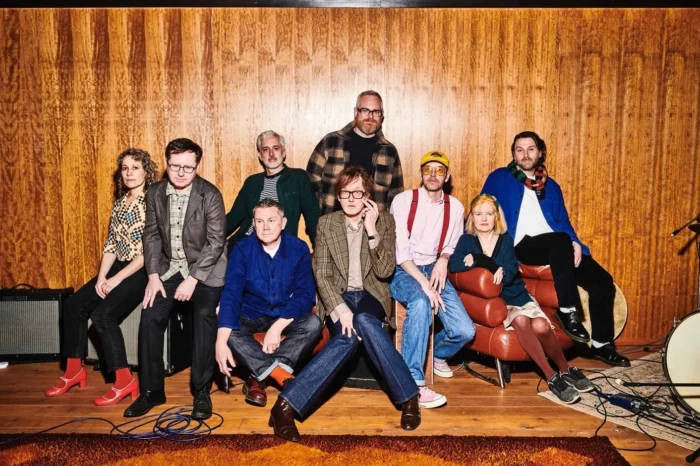
It's the band's contribution to War Child's forthcoming HELP(2) album
Pulp have released a new song, called 'Begging For Change'.
Recorded at Abbey Road Studios and produced and mixed by James Ford and Animesh Raval, the song appears on the forthcoming War Child album HELP(2), which is inspired by the charity's previous 1995 release of the various artists album HELP.
Pulp's song features contributions from a children's choir, as well as backing vocals from guests Damon Albarn, Grian Chatten, Kae Tempest and Carl Barat at the beginning of the track.
In 1996, the band's album Different Class was nominated for the Mercury Prize alongside the original HELP compilation. After winning the award, Jarvis Cocker dedicated it to War Child, and donated the £25,000 prize money to the charity during...
The post Pulp Share New Song, 'Begging For Change' appeared first on The Quietus.
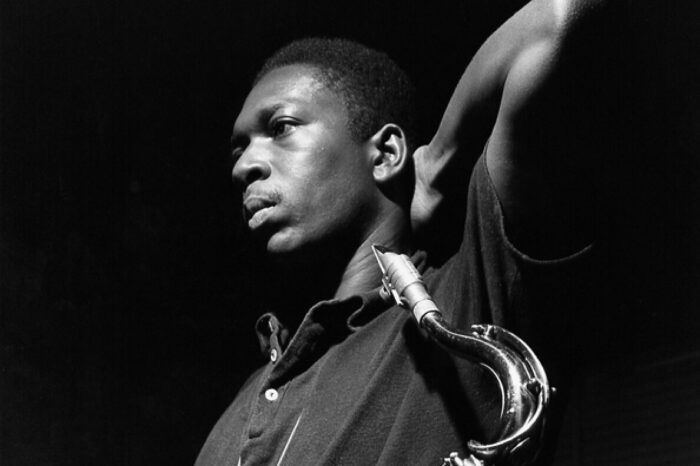
The recordings were captured at jazz clubs in New York and Philadelphia between 1961 and 1965
Photo by Francis Wolff
A fabled collection of John Coltrane live recordings dating back to the 60s are set to get their first official release this year.
The recordings featured on Tiberi Tapes were captured at jazz clubs in New York and Philadelphia between 1961 and 1965 by saxophonist Frank Tiberi, but had been stored away in a private collection until now. They will now be unleashed to the world as part of celebrations of what would have been Coltrane's 100th birthday this September, with an initial exclusive release scheduled for Record Store Day on 18 April and a wider release to follow in September.
Record label Impulse!'s...
The post John Coltrane Live Album 'Tiberi Tapes' Set for First Release appeared first on The Quietus.
His love for cycling reinvigorated, Alistair Fitchett spent much of 2025 colouring in maps.
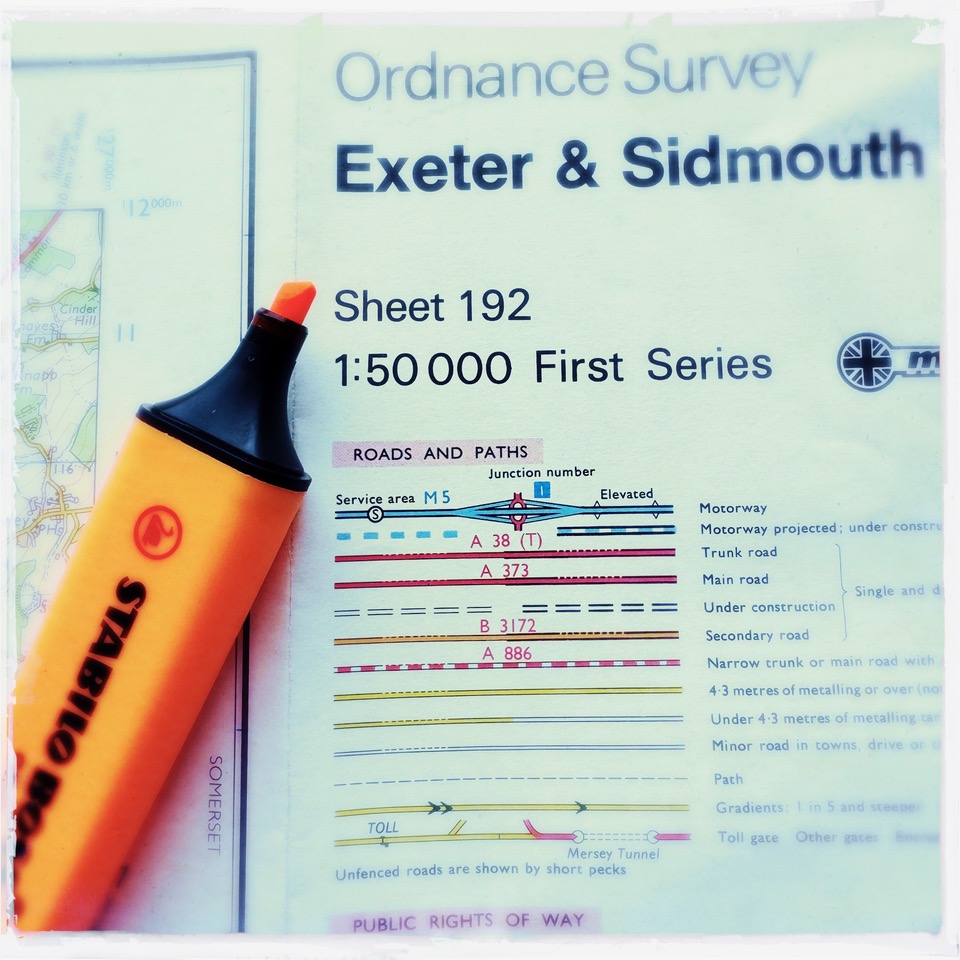
Colouring The Lanes
Much of 2025 has been spent colouring in maps, recording roads and lanes down which I have cycled. Most of this colouring activity has focused on sheet 192 (Exeter and Sidmouth) of the Ordnance Survey 1:50000 First Series from 1974, although surrounding maps have also been touched by my pen on occasion. I suspect part of the reason for doing it is the need to evidence existence, just as writing these words is, whilst another might be the strain of completist collector in me. Whatever the reasons, the desire to colour in as many lanes as possible is strong and has, alongside investment in an electric road bike (originally as a means of getting back to health after a spinal issue, ahem, 'back' in 2024) rather reinvigorated my love for cycling.
The first assaults on the map are exercises in memory retrieval. What roads and lanes have I ridden in thirty three years of living in Devon? Quite a lot, as it turns out, and it is particularly gratifying to let loose with the highlighter pen on those larger roads that I would never choose to ride on now, like the A3052 from Sidmouth to Exeter. This was one of the first Devon roads that I cycled back in 1988 when I made a cycling tour of parts of the South West visiting musician and fanzine-writing friends. It is immeasurably busier these days and now it is mostly an obstacle to cross rather than something to travel along.
I do cross this road early on my ride of June 27th, which is the first of my targeted colouring routes (I'm aiming to fill in a bunch of lanes around the hills of Northleigh in the designated East Devon Area Of Outstanding Natural Beauty), and also one of the rare occasions when I take the bike in the car, riding out from the beach car park at Branscombe. The route ends up being 68km and 1600m of elevation gain and is gloriously rewarding. Around Harcombe, with its 22% inclines, a series of fluorescent pink signs decorated with stencils of dinosaurs punctuate Chelson Lane. Their meaning is never clear, but I assume them to be for different camp sites as there are vans and tents dotted in fields, whilst another sign promises a Fun Dog Show the following day in 'The Party Field'. Categories include 'Best Sausage Catcher', 'Waggiest Tail' and 'The dog judges would most like to take home'. I hope they do not succumb to the temptation.
Elsewhere on this ride I finally take the opportunity to go down past the Devenish Pitt Riding School, the signs for which C and I have seen many times on drives to/from swims at Beer and about which we usually say to each other "I'm Devenish Pitt" in the style of Steve Coogan saying "I'm Holbeck Ghyll" in series one of The Trip. As another aside, Devenish Pitt (retired Army Major, I think) is surely a character out of a great lost Golden Age detective story, no? In truth the riding school is utterly charming, tucked away on a typically steep hillside with views east to Farway and the river Coly winding its way towards the coast, where it merges with the Seaton wetlands and reaches the sea at Axmouth Harbour. This is where I eventually head, after several loops around the hills, following the Axmouth Road and riding over the old Axmouth Bridge. Built in 1877, it is believed to be the oldest surviving concrete bridge in England and on my map is still the only bridge across the river at this point.
July 2nd is a ride from home, out west and north this time on lanes I've ridden many times. The exception, and the main reason for this ride, is one very short stretch that leads down to and then back up from Pennicott Farm near Shobrooke. At the farm I've hit rush hour for the sheep, so gates are closed across the yard through which the lane passes. The farmer apologises, but it's fine to stand in the shade for a few minutes and watch others at work.
The following day I do a longer ride and fill in more new lanes in East Devon, finally detouring off the road from Hemyock up to the airfield at Dunkeswell, which I have ridden innumerable times, to visit the ruins of Dunkeswell Abbey. It's a glorious high summer day and I meet a couple from Swansea who have walked to the Abbey along the lane that skirts the Madford river. We talk of the not-so-ancient routine of 'two sleeps' at night, which the monks at the abbey would certainly have practised, and about the liberating pleasures of electric bicycles.
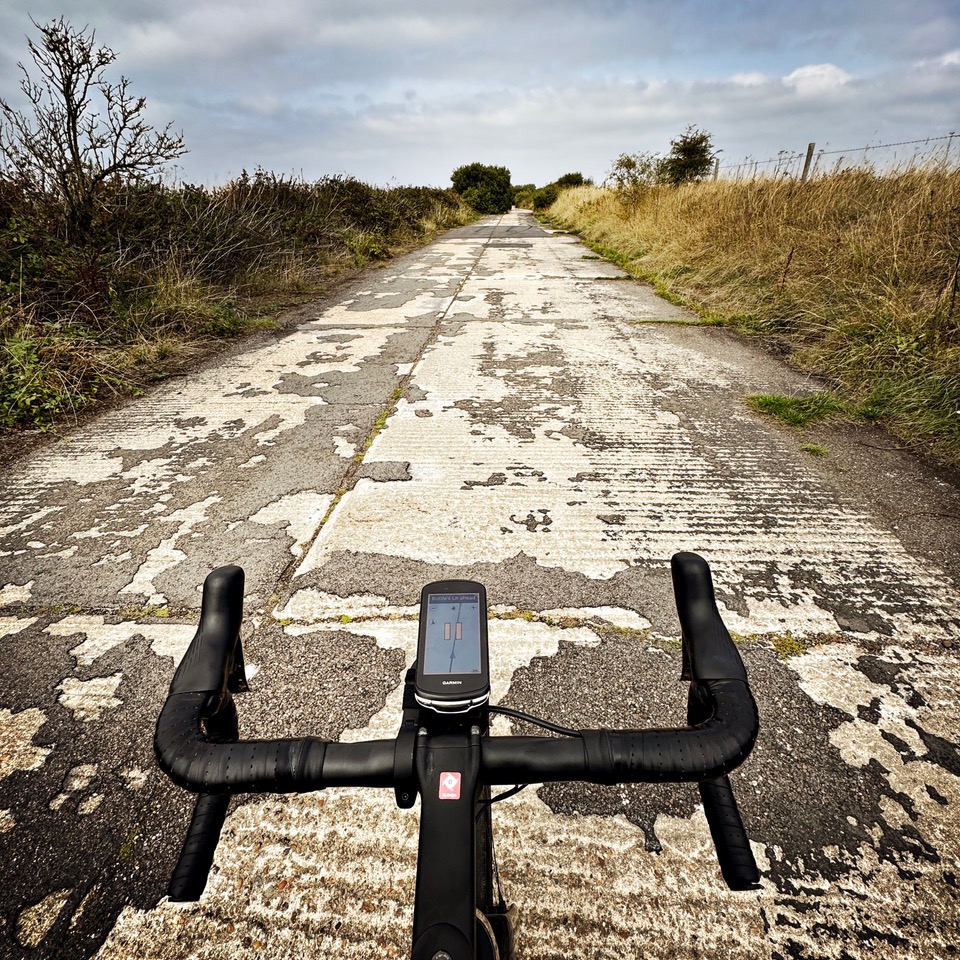
The 13th of August finds me out near Dunkeswell again, this time on a mission to colour in some of the lanes around Bolham Water and particularly to ride along what used to be one of the runways of the Upottery Airfield. The approach to the airfield from the north is on a narrow lane, even by East Devon standards, alternately potholed, scattered with gravel and/or muddy, even in one of the driest and hottest summers on record. Often there is grass growing down the middle, a sure sign of a lane less travelled. Old maps show the lane joining the ridge road at Clayhidon Cross, but since the construction of the airfield in WW2 there must have been little reason to travel along it. Then, like now, the only traffic must be for Middleton Barton farm, for the only other building, the quaintly named Trood's Cottage, is now a crumbling shell. The landscape that the lane crosses is largely wooded, dipping down to the Bolham River and then back up again to the airfield, which explains the lingering dampness. Emerging onto the remains of an airfield runway is quite an odd experience. The surface turns suddenly to concrete, the wind whips across the Blackdowns and the ghosts of American airmen and parachutists linger on the periphery, mixing with burnt out shells of caravans and motor cars, for the airfield now plays host to banger racing and monster truck shows. How times change.
It occurs to me now that I must have passed the Upottery airfield site back in 1988 on that first visit to the South West, for my ride to Sidmouth had started in Taunton and I must have ridden out on the Honiton Road, up Blagdon Hill and then across the ridge of the Blackdown hills. It must have been a headwind that day too, the struggle bleaching out all memory, and the proof that the suppleness of youth is no match for the motorised assistance of age. Still, it's good to piece these fragments of memory together and colour those routes some 37 years later.
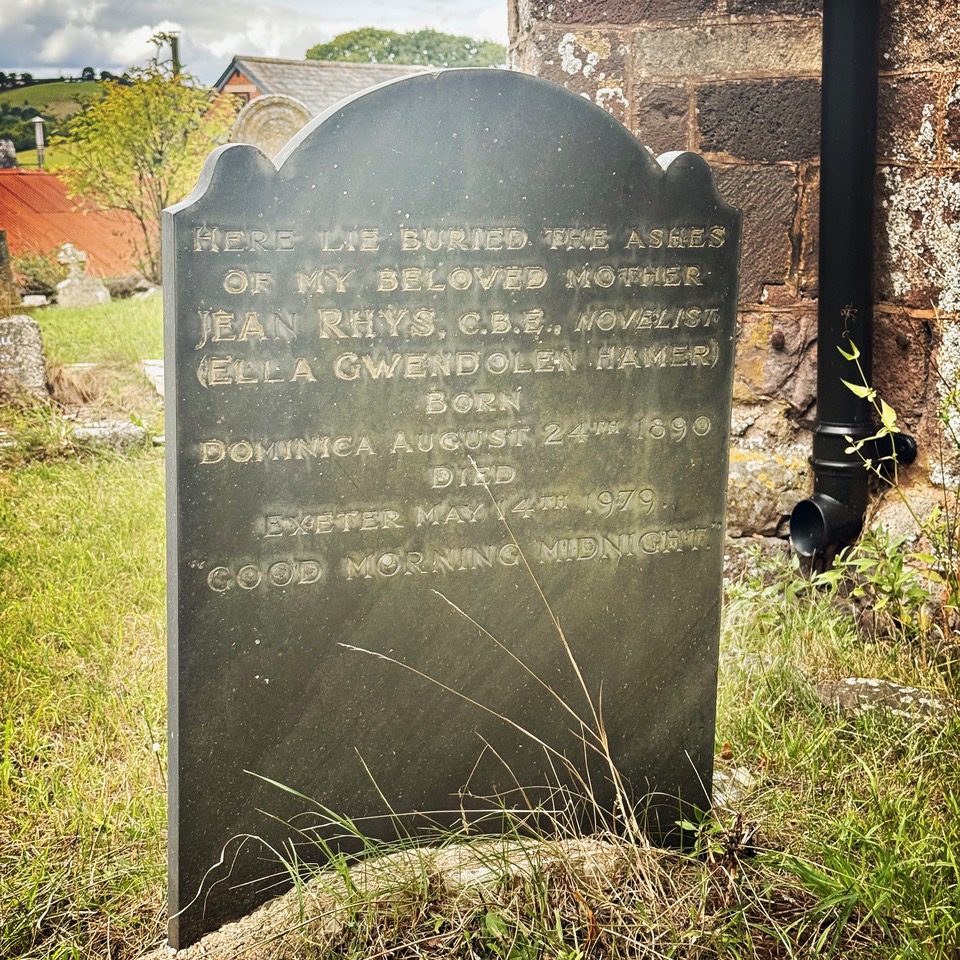
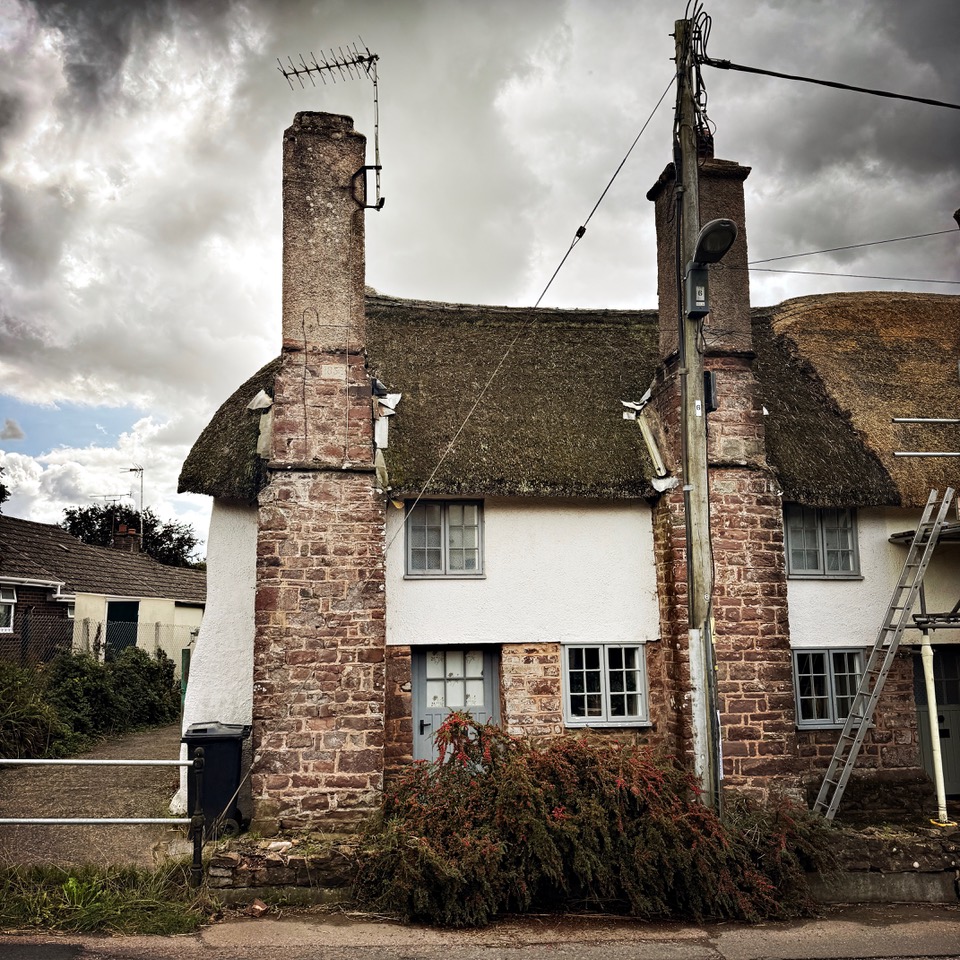
On September 4th, a day before driving to Scotland for my mum's 93rd birthday, I colour in some lanes on Sheet 191 (Okehampton and North Dartmoor), ostensibly to visit the grave of author Jean Rhys in the churchyard of St Matthew Church, Cheriton Fitzpaine. I also track down what I think was the cottage in which she lived, on the end of the terrace of Landboat cottages. There is no plaque commemorating the fact that Rhys lived here and I cannot decide if this is a shame or a relief. The latter, I think, for there is something rather splendid about keeping such mysteries at least partially caged.
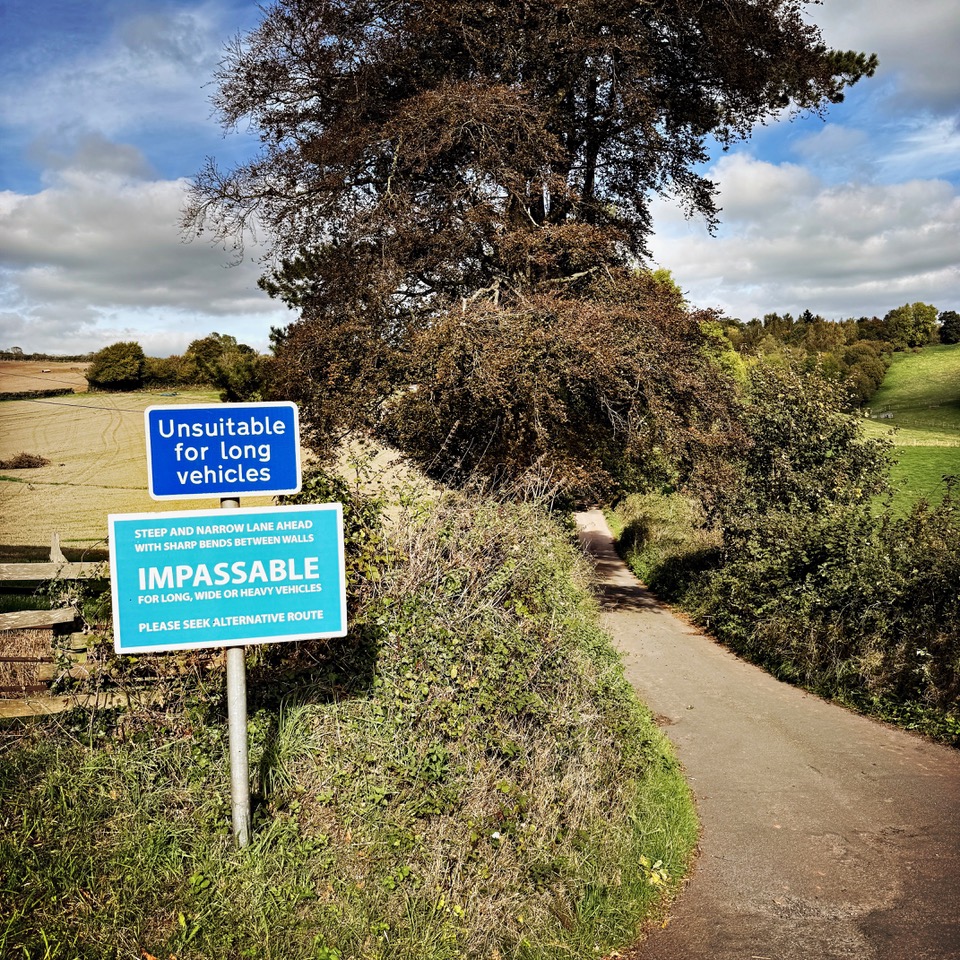
In October I do a few rides out east again, through Kentisbeare, where I always nod to the resting place of another author, E. M. Delafield, whose Diary of a Provincial Lady is one of my very favourite books. On these autumnal rides I head up from the village towards the pumpkin farm on Broad Road, colouring a lane at Windwhistle Cross, an 'Unsuitable for Wide Vehicles' one leading from Broadhembury to the A373 and a couple of others that lead only to farms.
On November 1st I visit the area again, this time to fill in a lane that climbs to Blackborough past All Hallows farm. The landscape is damp and grey and I am happy to not have ridden here a day earlier when the ghostly presence of generations past could easily be imagined haunting the crossroads where the finger sign is so weathered as to be almost illegible. The landscape is starting to look more like winter, though there are still enough leaves on the trees to feel like autumn is clinging on for a few more weeks at least.
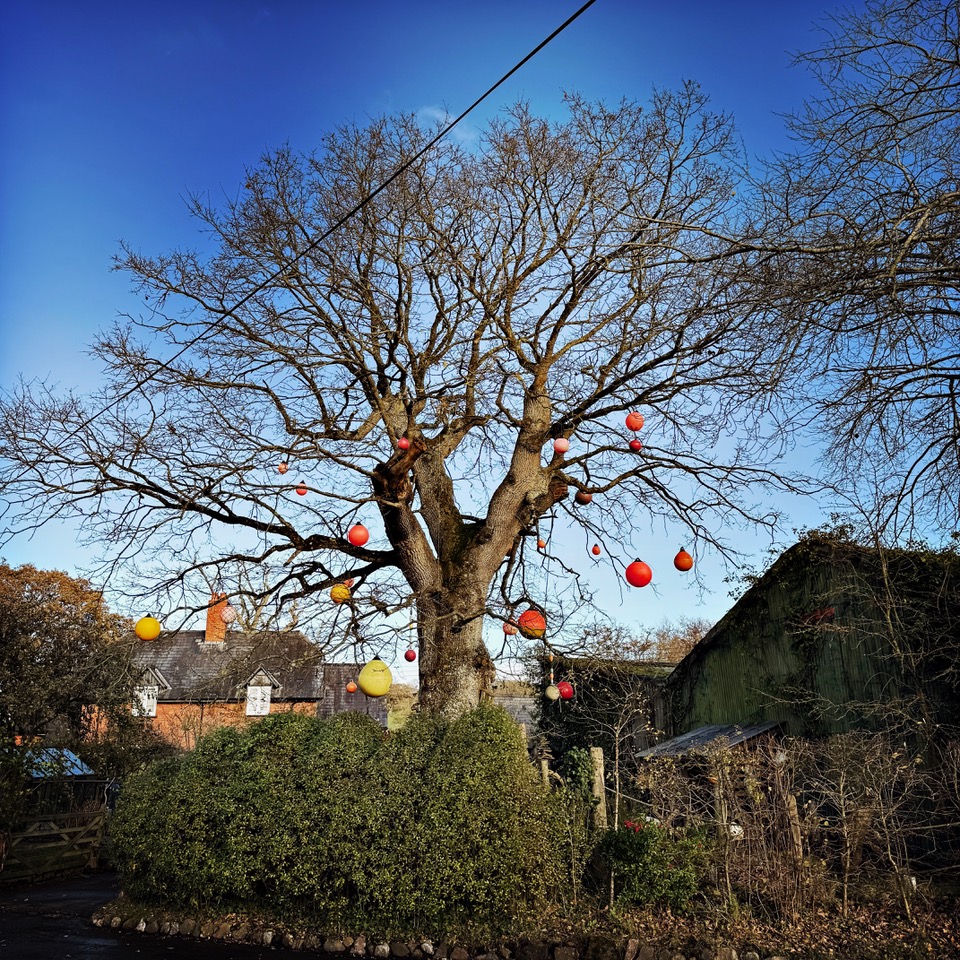
Come the end of the month, however, and the low sunlight shining through bare branches insists that the year is reaching its conclusion. On a ride close to home I finally take the opportunity to ride along Harepathstead Road, a lane at the foot the Ashcylst Forest close to Westwood, where I am delighted to see that the festive Christmas Bouybles are hung once again from the large Oak tree at Wares Cottages. These remind me that whilst it will no doubt continue to be enormously enjoyable to colour in lanes not yet travelled, it is equally important to keep revisiting the treasures I know and love.
St. Peterburg's Ezor makes a welcomed return to the Citate Forms imprint this month, releasing a brand new 2-track EP which features his single 'Door Into'. The track combines modulated low end wobbles and atmospheric synth tones with high cutting drum breaks and playful one shots, bringing a dark and swampy bass-focused production overall. Previous […]
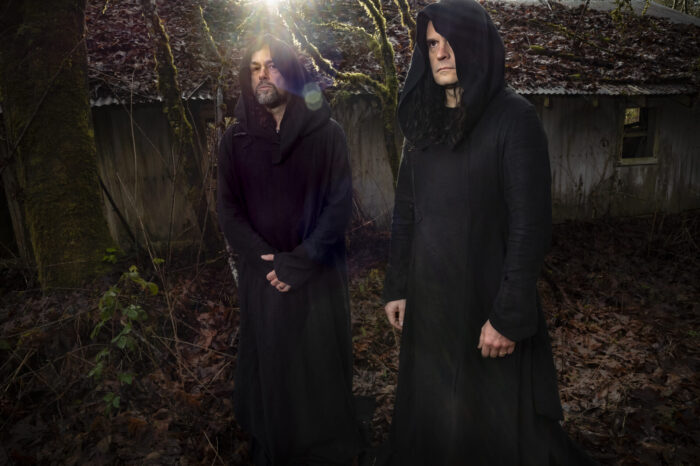
It's the second cut to be unveiled from their forthcoming self-titled album
Photo by Charles Peterson
Sunn O))) have shared a new song, titled 'Butch's Guns'.
The new cut is the second track to be shared from the group's forthcoming self-titled album, which marks their first full-length release since signing to Sub Pop last year. They previously released lead track 'Glory Black' last month alongside news of the album.
Sunn O))) follows recent maxi-single Eternity's Pillars b/w Raise The Chalice & Reverential. The LP was co-produced and mixed by the band and Brad Wood at Bear Creek Studios in Woodinville, Washington a year ago. The album's front and back covers feature paintings by the late American artist Mark Rothko, while the liner notes have been...
The post Sunn O))) Share New Song, 'Butch's Guns' appeared first on The Quietus.
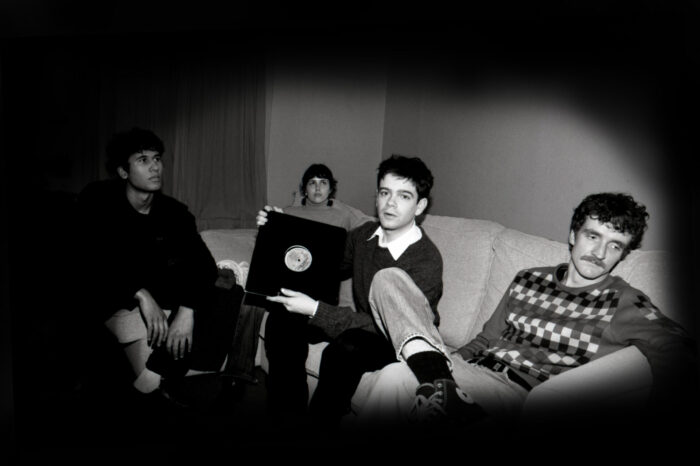
The four-piece's self-titled debut album is out in April
Photo by Daisy Ayscough and Tomos Ayscough
Cameron Picton - the bassist, vocalist and co-songwriter previously of Black Midi - has founded a new band, My New Band Believe.
The four-piece are set to release their debut self-titled album, which takes in eight tracks, via Rough Trade in April. Kiran Leonard, guitarist Caius Williams, drummer Steve Noble and drummer Andrew Cheetham all contribute guest turns on the record.
To mark the announcement of the band and album, My New Band Believe have shared their first single, 'Numerology', which doesn't appear on the LP itself. The song will be released as a bonus 10-inch with a special edition of the album, and can be listened to...
The post Black Midi's Cameron Picton Launches New Band, My New Band Believe appeared first on The Quietus.

The five-track record is a collection of instrumentals
Photo by Chris Almeida
Alabaster DePlume is set to release a new EP, Dear Children Of Our Children, I Knew: Epilogue.
Spanning five tracks, the entirely instrumental record was recorded at Brooklyn's Figure 8 Recording studio last March, with post-production work by DePlume carried out at London's Total Refreshment Centre. It sees the artist play saxophones, sampler, synths and guitars, with support from Shahzad Ismaily on bass and Tcheser Holmes on drums.
The trio had been touring the US together around the time of recording the material on Dear Children Of Our Children, I Knew: Epilogue, and had built such a strong on-stage rapport that they decided to capture that connection by taking some studio time...
The post Alabaster DePlume Details New EP, 'Dear Children Of Our Children, I Knew: Epilogue' appeared first on The Quietus.
laaps-records.com Happy Thursday, friends. Last year, I managed to put together only a handful of mixes, and, as usual, I found myself wondering whether it was still worth the time and energy. That's a conversation we can finally have properly now, over on Headphone Community. But for all the self-questioning, some rituals are too important to abandon. Today marks the arrival of the 18th…
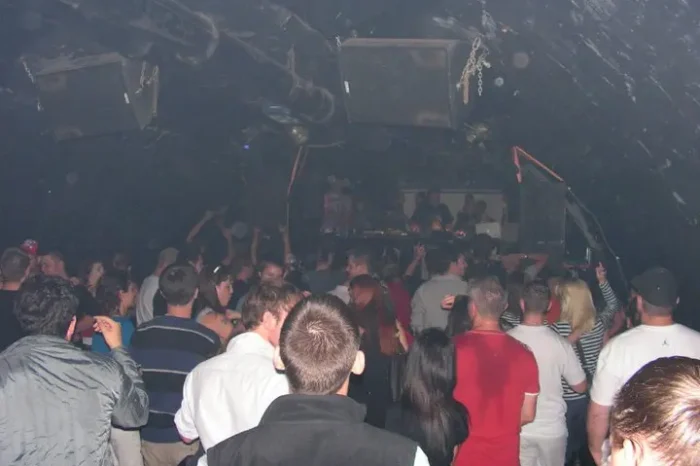
In this month's antidote to the algorithm, Christian Eede shakes tQ with the heavy sounds of 90s and 00s Slovakian techno, and the scene around the U.Club (pictured below)
Any discussion about the history and evolution of techno over the past near-four decades will always naturally be dominated by two cities: Detroit and Berlin. For a period of around 10 years, though, beginning in the mid-90s, the capital of Slovakia, Bratislava, became a vital outpost for an austere, industrial-edged take on the genre that was cultivated at the now-closed U.Club.
Opened in 1993 by Tibor Holoda, the venue was situated inside a former underground nuclear bunker that was built by the ruling Communists to prepare for the possibility of Cold War-era apocalypse....
The post Organic Intelligence LIII: Slovakian Techno appeared first on The Quietus.
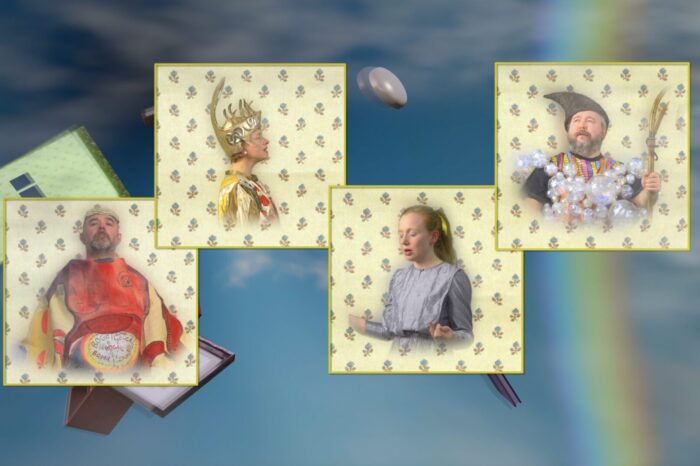
The Hen Ogledd family keeps on expanding - the group's sound, likewise. But more than anything, Discombobulated sounds like the present, finds Jeanette Leech
Image by James Hankins
Hen Ogledd's Discombobulated is in the radical mould of music that tackles the now. Unconcerned that references may go out of date, the timelessness of their sound comes in documenting the present, rather than in seeking to transcend (or ignore) it. Lyrically, Discombobulated celebrates dissent with all the force of the protest tradition in folk music; musically, the album glues together sounds and genres to evoke the chaos of today.
Hen Ogledd is the project of Dawn Bothwell, Rhodri Davies, Richard Dawson and Sally Pilkington. The first releases were just Dawson and Davies; since then,...
The post Ancient to the Future: Discombobulated by Hen Ogledd appeared first on The Quietus.
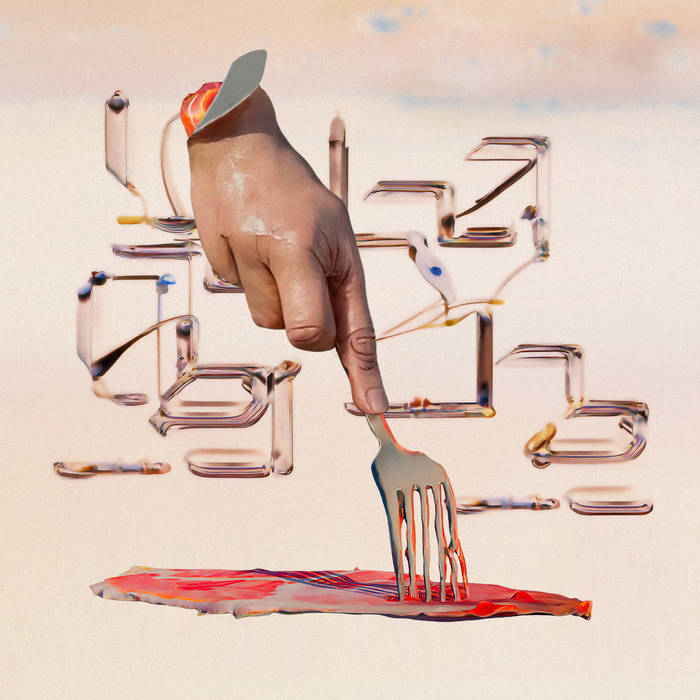
Voka Gentle
Domestic Bliss
Greek mythology, Kraftwerk synths and Jude Law wend their way through the trio's follow-up to 2021 album Writhing!
Domestic Bliss by Voka Gentle
Ten thousand years ago, a man died in what would become Somerset. His bones waited in a cave until 1903, when they were discovered and given a name: Cheddar Man. Now he's the subject of a song by Voka Gentle, who use his story to contemplate what we're doing to the places where people have lived for millennia. "Let's say the sea levels rise and we lose north Somerset, which, by the way, is looking increasingly likely…" William J Stokes's voice is dry, conversational, with the studied neutrality of a local news presenter. Beneath it, the music...
The post Voka Gentle - Domestic Bliss appeared first on The Quietus.
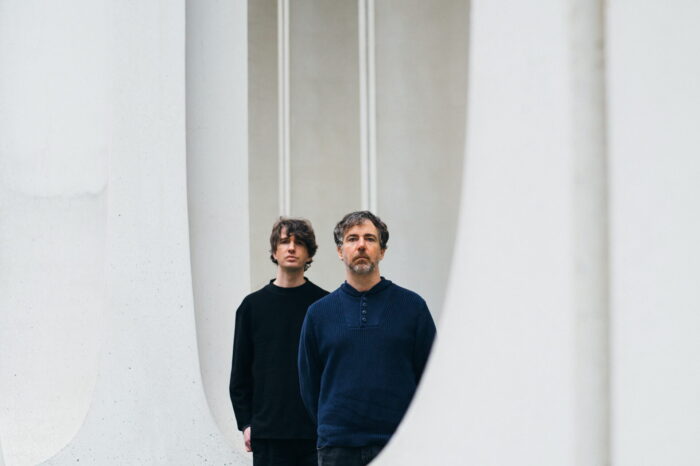
The follow-up to 2017's Reassemblage is out in May
Photo by Jonathan Sielaff
Visible Cloaks, the experimental ambient music duo of Spencer Doran and Ryan Carlile, have a new album on the way.
Marking the follow-up to their 2017 debut Reassemblage, and 2019's collaborative LP serenitatem with Yoshio Ojima and Satsuki Shibano, the new record features 14 tracks and includes contributions from the aforementioned Ojima and Shibano, as well as Félicia Atkinson and Motion Graphics.
Commenting on the LP, Doran said: "Instead of creating pieces that function horizontally as environments, we wanted to conceptualise them as living material changing in space, continually in flux."
Doran and Carlile have shared the Motion Graphics-featuring lead cut 'Disque' to mark the announcement of Paradessence. You can watch...
The post Visible Cloaks Detail First Album in Nine Years, 'Paradessence' appeared first on The Quietus.
Mark Hooper looks back over a year that put us all on Boil Notice.
Boil Notice
As I'm writing this, in early December, my entire town is on 'Boil Notice'. It's been almost two weeks since the water supply was turned off in Tunbridge Wells. The irony is lost on no-one that a town owing its existence - and name - to the discovery of a natural spring now has no water. (Although, funnily enough, the spring itself, recently renovated and monetised by an enterprising local, is still bubbling away quite happily, next to a vending machine selling bottles of the mineral-rich elixir for around £7 a pop.)
The problem, according to a slow-drip of corporate comms that I'd trust as much as the tap water, was a 'bad batch of coagulant chemicals' added to the treatment plant. Which fills you with confidence from the outset. To be fair, water returned to our taps after six days but, as of now, we are helpfully informed that - and I quote in full - 'Your water is chemically safe, but a potential fault in the final disinfection process means you must boil it (and let it cool) before drinking.' Which is as clear as the water coming out of the taps (before letting the sediment settle, as advised).
I'm aware that all this may sound like a very First World problem. Especially as I only returned to my hometown on Day Two of the very middle-class emergency, having been on holiday in Tunisia, where of course we were advised to only drink bottled water because our sensitive Western-softened bellies might not be able to handle the coagulant-free variety.
But, as frivolous as it may sound, the effect was more traumatic than I expected. It was like a mini Covid flashback - the deadlines and messages changing daily, the home-schooling and gallows humour unlocking some residue of lockdowns past, mental muscle memory kicking in. It also felt like an apt metaphor for a deeply weird and unsettling year, one that put us all on Boil Notice as we were gaslit and ghosted on an industrial scale. The simmering anxieties were partly why I decided to opt out of social media, making one last virtue-signalling post on my birthday in February, before deleting my data from Meta (a much easier process than you'd expect - although I now keep getting 'Memory almost full' notices on my new laptop from all the backed-up Instagram images I downloaded).
The idea was to step away from the increasingly binary debates that are no good for anyone; to spend more time in nature; to wait for the storm to break.
I'm not sure it worked entirely. For a start, my social media detox wasn't total: I kept my LinkedIn profile going, to keep an eye out for jobs. No joy there. In fact, if anything, it only added to the tension. Not only did it confirm that everyone is 'Open to Work' these days - even those few still doing the hiring - but it also confirmed my worst suspicious about social media. It seems to be dominated by tech-bro wannabes giving you five key but irrelevant takeaways for your business while trolling you about AI, ICE, KPIs and ROIs. But in between the slop and the dross there are still the odd gems - mainly from witty, out-of-work admen (and -women) with newfound time on their hands.
With my own spare time, I vowed to spend more times doing rather than thinking about doing. That meant trips to Bristol to watch the brilliant Idles at their hometown-square gig, as well as GANS, my favourite new band of the year, who I saw in three different towns, from a tiny pub basement to the Troxy, each a fantastic, visceral, life-affirming treat. The Bristol gig was my favourite, because it's my favourite city. While the rest of the world plummets to hell in a bile-powered handcart, it remains a sanctuary of good sense and good vibes. A place where you're a Bristolian first and anything else is secondary if not extraneous; where a nod's as a good as a welcoming West Country hug, where everyone's your mate, 'moi darling' or 'moi lover' (especially when said with gusto between two burly heterosexual males). Some of my favourite people live in or come from Bristol (the former just as important, because they have actively made the decision to be there). This includes Johnny, my oldest friend, who I never see enough, and who can always be relied on to provide the best counsel on life, music, politics and flags. Needless to say, he loved GANS too.
Other musical highlights this year included The Beta Band at the Roundhouse - where we randomly bumped into Marc Wootton, my comedy hero (not to be confused with Dan Wootton, AKA the worst man in the world). The Betas were of course amazing - any gig that starts with Bowie's 'Memory of a Free Festival' played at full blast is incapable of failing, never mind the 90s nostalgia. (On that, it would be remiss of me not to confess I went to see Oasis at Wembley, along with approximately 20% of my generation. I'd never seen them before, and as the years have passed, I've bought into the agenda that they embody all that was wrong with 90s laddism, and I convinced myself that I was doing it for my 10-year-old son, who had never seen anyone before, and who has become - Dad bias notwithstanding - a very talented guitarist. The first song he ever learned to play was by Oasis, followed by his second. When I told him it was amazing that he could play two songs, he replied, 'To be honest Dad, it's pretty much the same song.' Anyway, they were incredible. Of course they were. Even better was Richard Ashcroft. I shed a tear when he dedicated 'The Drugs Don't Work' to 'All those we've left along the way'. As we shuffled our way out at the end, a random scouser high-fived me and called me 'Dad of the year' at the end too, which was nice.)
The Social Street Party in June was another highlight - one of those events where you can guarantee to catch up with the best of the best without any pre-planning - this year Stephen Cracknell of the Memory Band, Mathew Clayton (and some post-planning), plus my old mates Mike and Val and a cast of hundreds made it an afternoon to remember (don't remember the evening, tbf).
At this point I have to give a vigorous nod to KIF's Still Out, the brainchild of Will Cookson and Tom Haverly, which Will had mentioned to me in passing when we met at last year's Neo Ancients festival in Stroud. At the time, I made the sort of noncommittal noises one does when someone mentions a personal pet project. But when Will followed up with a link to the trailer and soundtrack (the result of a roadtrip from North Yorkshire to North Devon, inspired by the KLF and directed by Rufus Exton), I was uncharacteristically effusive. It felt like the soundtrack to my own off-grid ramblings, a connection between the past and the present. Fortunately, a few other people agreed. The film was screened at The Social, while the album was listed among Disco Pogo's top ten of the year. My all-time favourite album, however - of this or most years - was Blood Orange's Essex Honey. A deeply human study of loss, written and recorded by Dev Hynes as he returned to the UK to look after his dying mother, it feels like the perfect summary of this weird year, with people forced to question their sense of belonging and self. Talking of which, there was a rare moment of perfect irony when the Tories' own have-a-go antihero Robert Jenrick singled out the Birmingham district of Handsworth as a 'slum' that showed a lack of integration. The irony being that Handsworth's most famous resident, the late, great Benjamin Zephaniah, did more for integration than any other Briton I can think of (if, by integration you mean a sharing and blending of cultures, rather than wholesale submission to one by all the others). In lieu of a rant against the jackboot-lickers that are getting far too much airtime at present, I'd rather leave you with a few choice words from our unofficial poet laureate who, in his poem 'The British (Serves 60 Million)', lists the many nationalities that make up our nation, urging us to:
Leave the ingredients to simmer
As they mix and blend allow their languages to flourish
Binding them together with English
Allow some time to be cool
Add some unity, understanding, and respect for the future
Serve with justice
And enjoy.
We're still on boil notice, waiting for the storm to break.
*
You can listen to Mark's soundtrack to this piece here.
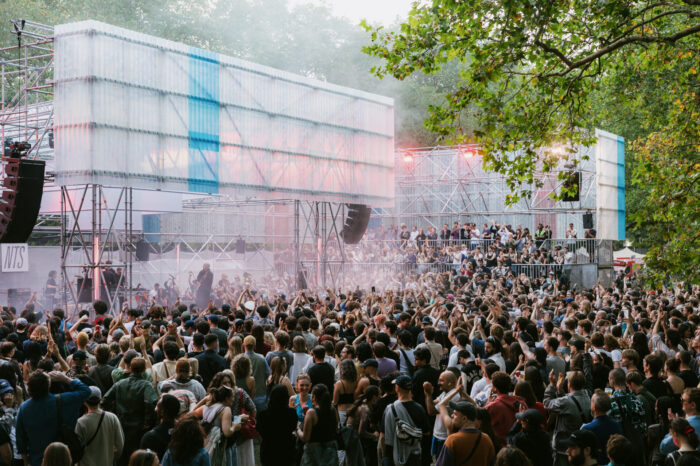
Daniel Avery, Smerz and more will join headliner Blood Orange on the bill
Photo by Jake Davis
London's RALLY festival has announced the lineup for its fourth edition, taking place this August.
Returning once again to Southwark Park, this year's event will be headlined by the previously announced Blood Orange, while there will also be live sets from Daniel Avery, Smerz, james K, YHWH Nailgun, GENA (featuring Liv.e and Karriem Riggins) and keiyaA, among others.
The festival will also take in DJ sets from Optimo (Espacio), Parris and Paquita Gordon, among others.
RALLY will take place on 29 August 2026. Find more information here.
...
The post London Festival RALLY Announces 2026 Lineup appeared first on The Quietus.
Poem 1 is led by new single 'Keepsake'
Photo by Isak Berglund Matsson-Mårn
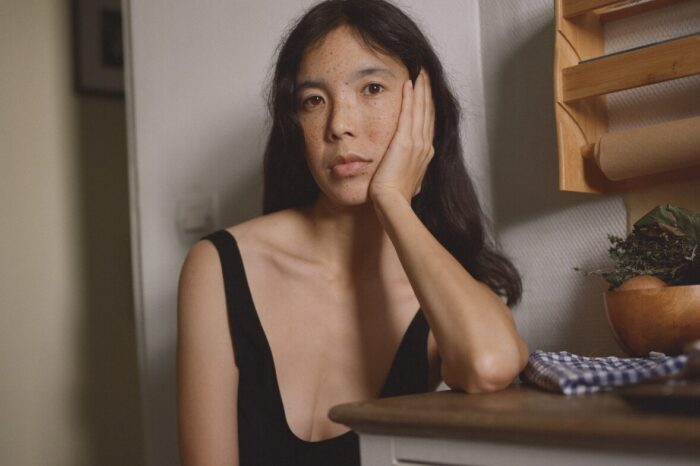
Ana Roxanne has shared details of her first solo album in six years, titled Poem 1.
Spanning nine tracks, the new record follows 2020's Because Of A Flower and a 2023 LP she released alongside DJ Python under the alias Natural Wonder Beauty Concept.
To mark the announcement of her third solo LP, Roxanne has shared lead track 'Keepsake', which you can listen to below.
Kranky will release Poem 1 on 1 May 2026.
Poem 1 by Ana Roxanne
...
The post Ana Roxanne Returns with First Solo Album in Six Years appeared first on The Quietus.
Athens-based electronic artist Anna Maria X returns to her Bellalou Records imprint for a new single titled 'Bella'. The track sits within the melodic house and techno space, built around lean tribal percussion and a dense low-end bassline. She has previously released music on Bedrock Records and Swift Records, with Bellalou Records enabling a more […]

The latest album from UK ensemble Hen Ogledd is a striking invocation of the mythic and mundane, writes Abi Bliss in The Wire 505
Hen Ogledd
Discombobulated
Domino CD/DL/LP
One of the more unexpected musical evolutions in recent years has been that of Hen Ogledd from the group's origins as a side project for harpist Rhodri Davies and singer-guitarist Richard Dawson. The knotty, writhing improvisations of the pair's 2013 album Dawson-Davies: Hen Ogledd were like wrestling a piglet in a barbed wire jacket, but with the addition of multi-instrumentalists Dawn Bothwell and Sally Pilkington, by the time of 2018's Mogic, Hen Ogledd had become a bold, poppy but still defiantly experimental quartet. With Dawson now on bass, Davies's electrified strings remained a bubbling, gravelly sonic wellspring around which their musical horizons expanded.
Veering between crisply crafted songs such as "Problem Child" and looser-limbed jams, with lyrics tackling human connection in the digital age, Mogic was inspired but scrappy, as colourfully creative yet jokily deflecting as the appliqué capes each member sported in its videos. If anything, its 2020 sequel Free Humans was too consistent, leaning heavily on neon electropop to tackle the frailties of the heart across a timespan ranging from medieval gossip to future space exploration. But with Discombobulated, Hen Ogledd have grown to fully inhabit their costumes, Sun Ra Arkestra style, with the greatest musical and lyrical realisation yet of their diverse strengths.
Hen Ogledd is Welsh for Old North, and refers to an early medieval region spanning the north of Wales, northern England and southern Scotland. At the fringes of Roman influence and where Brythonic languages - forebears of Welsh, Cornish and Breton - were spoken, the area includes the birthplaces of all four members, highlighting a kinship between parts of the UK often overlooked in Londoncentric narratives. Invoking both the mythic and the mundane, Discombobulated draws upon landscape, folklore, popular dissent and individual struggles, enriched by major contributions from saxophonist Faye MacCalman and trumpeter Nate Wooley, and by passing appearances (ranging from vocal non sequiturs to field recordings) from numerous friends and family members.
After one child recounts a dreamlike vignette of sound-collecting fishermen on opener "Nell's Prologue", "Scales Will Fall" raises the protest flag, its call for youth to overturn the institutions of corporate greed delivered in emphatic spoken word by Bothwell, rousingly backed with brassy synth lines, Will Guthrie's economical yet persuasive drumming and a massed chorus singing "The fire in your soul is only fool's gold". The rallying procession is tempered by a melancholy that finds voice in Wooley's lyrical solo, with a world-weary majesty that wouldn't be out of place on Super Furry Animals' downbeat 2000 masterpiece Mwng. Similarly, the Davies-sung "Dead In A Post-Truth World" addresses the far right voices that the BBC's Newsnight programme is all too fond of platforming - "Mae gamwn ar y teledu/Mae'n amser mynd i'r gwely" ("When gammon is on the TV/It's time to go to bed") - its fragmented harmonies, wah-wah harp, twisting sax and fidgeting snares providing a counterpoint of complexity to easy answers.
Elsewhere, the natural world is a place of both wonder and loss. Framed by watery organ chords and what might be a rattling film projector, "Clara" starts with Bothwell's lilting lullaby of horseriding but stumbles into degraded, polluted landscapes. Davies and his children sing "Land Of The Dead", a Welsh translation of an enigmatic Dawson lyric in which the veils between nighttime countryside and eldritch realms dissolve more with each verse.
Time itself rejects a linear path in "Amser A Ddengys" ("Time Will Tell"), the line "Dyna oedd ddoe a dyma yw heddiw" ("That was yesterday and this is today") delivered simultaneously with the song's other three lines by an a cappella choir of Davies. And in "Clear Pools", the cycles signify rebirth and renewal, as initial chaos gives way to clean harp chords, MacCalman's warm, nurturing tones and soft, enveloping textures that wax and wane around the vocals over nearly 20 minutes. But a hot disco can be as transcendent as a cold pond, and the driving "End Of The Rhythm" best encapsulates the album's mood of battered but persisting hope, trumpet, harp and sax lines all yearning for a better tomorrow as Pilkington celebrates "A dancing, contagion/Releasing, rampaging/Our bodies, in union/Spontaneous, communion".
This review appears in The Wire 505 along with many other reviews of new and recent records, books, films, festivals and more. To read them all, pick up a copy of the magazine in our online shop. Wire subscribers can also read the issue in our online magazine library.


