
 Doechii, Kacey Musgraves Celebrate Bad Bunny's Super Bowl LX Halftime Show [ 09-Feb-26 3:16am ] Watch Bad Bunny's Super Bowl LX Halftime Show [ 09-Feb-26 1:22am ] Watch Charlie Puth Sing the National Anthem at Super Bowl LX [ 09-Feb-26 12:07am ] Watch Green Day Perform American Idiot Medley at Super Bowl LX [ 08-Feb-26 11:44pm ] Television Bassist Fred Smith Dies at 77 [ 08-Feb-26 10:55pm ]
Shadows & Reflections: Dexter Petley [ 08-Feb-26 9:00am ]
Doechii, Kacey Musgraves Celebrate Bad Bunny's Super Bowl LX Halftime Show [ 09-Feb-26 3:16am ] Watch Bad Bunny's Super Bowl LX Halftime Show [ 09-Feb-26 1:22am ] Watch Charlie Puth Sing the National Anthem at Super Bowl LX [ 09-Feb-26 12:07am ] Watch Green Day Perform American Idiot Medley at Super Bowl LX [ 08-Feb-26 11:44pm ] Television Bassist Fred Smith Dies at 77 [ 08-Feb-26 10:55pm ]
Shadows & Reflections: Dexter Petley [ 08-Feb-26 9:00am ]Dexter Petley reflects on the year his field became a forest.
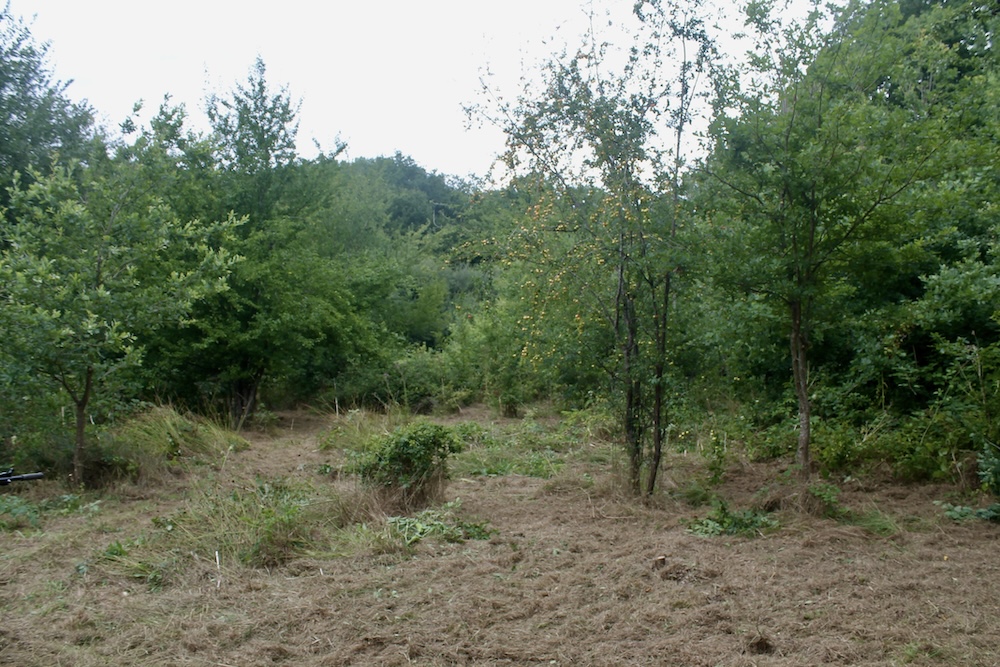
Put simply, 2025 has been the year during which my field became a forest. Hec est finalis Concordia.
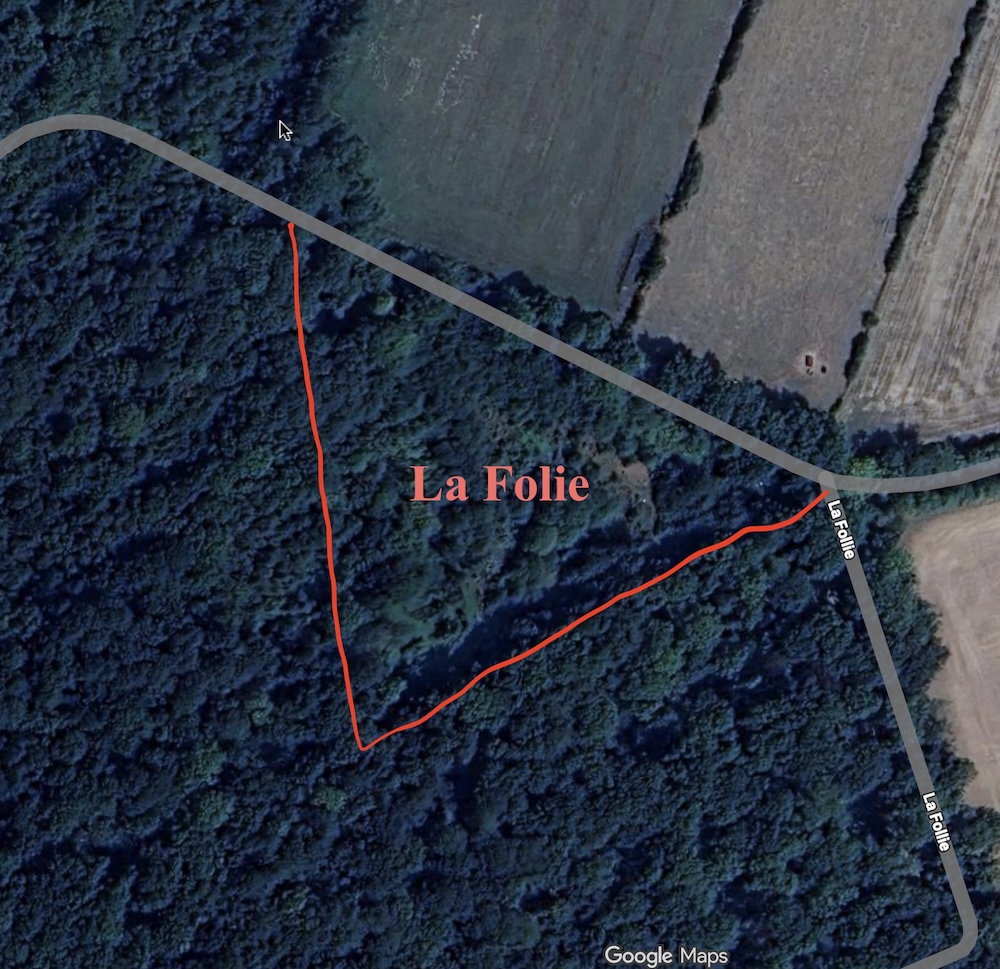
This new forest is not on parchment or in the feet of fines. It is not a forest because of the trees. Arboriculturists, I should add for veracity, might argue the terms and stages of succession, that it is only a forest at the first tree felled. Purchased as naked agricultural flood pasture in 2010, its one dead ash stump sat in bramble fester, seven oaks lined the lane, a straggle of goat willow and hazel shoots sporadic along the nettle boundary, an aquifer one yard underground, according to the water diviner. Not a lot to go on, though homeward bound. It even had a topographical name from 1077, La Folie, feulliée, fullie, foille, folie, a shelter of leaves.
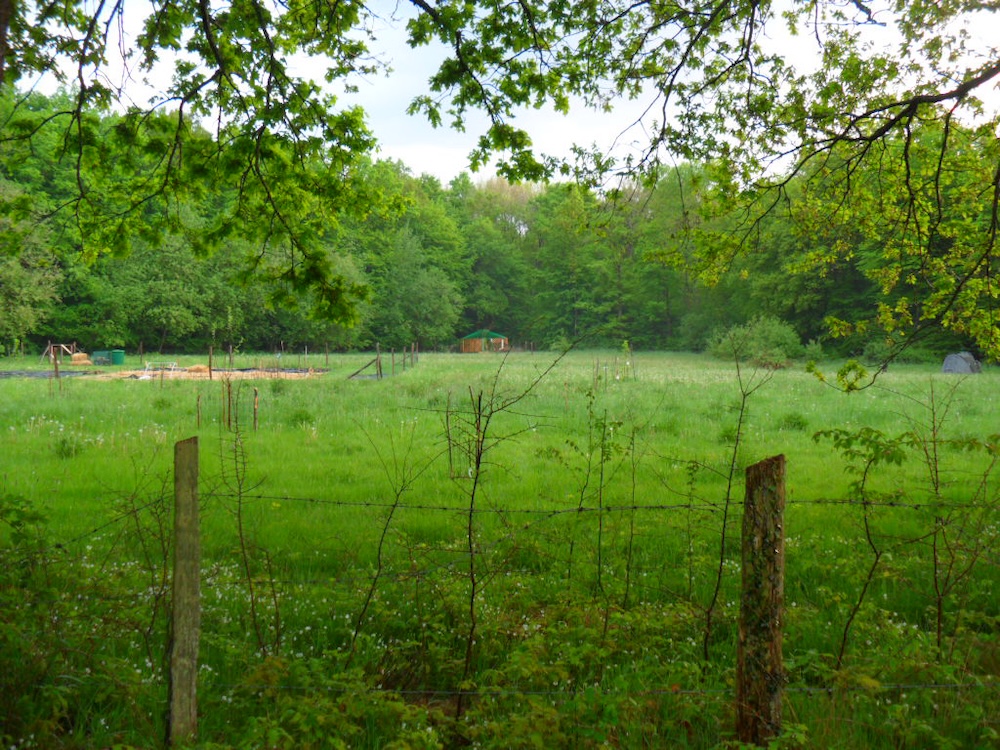
Technically cued to become an ecotone, I dislike the term, my palimpsest was nonetheless a transitional zone between two different habitats. The idea was for the eventual presence of both species and features from bordering habitats. Though triangular, I counted four; two forest, one pasture, one tillage.
From the beginning, it was out of my hands. By its second summer the farmer said it was too woody to cut for hay. Pioneer saplings were arriving from the mother forest either side. At one end, the potager struggled then sank in soaked clay and marsh grass. At the other I hoisted camo nets to conceal my illegal home from any passing collaborator. La Folie, also a cabane, or maison de campagne. I need not have worried. Today, even the Google plane cannot spot the yurt.
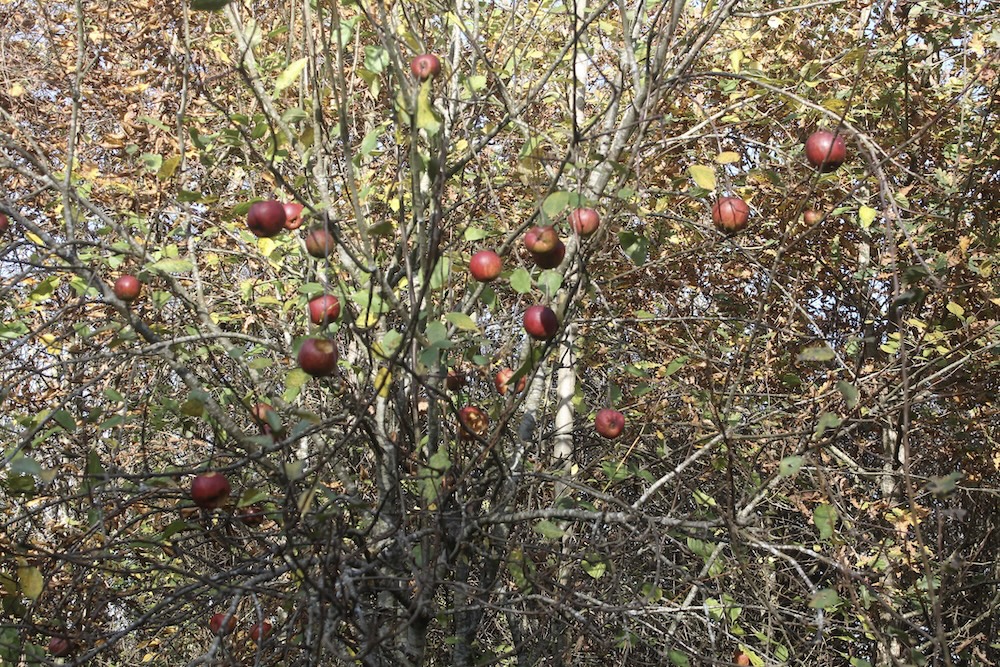
My first autumn act of 2010 was to plant a twenty-six-tree orchard of mixed fruit. Each tree hole filled with brown water as I dug them, months after the first garden crops had already rotted in the ground. La Folie, according to Le Robert, dictionnaire historique de la langue française, poor ground only a madman would cultivate. For years the saplings stunted at competition level, the campagnoles and musaraignes stripped their bark until, when finally they struggled into flower one spring, they'd reverted to their root stocks, mostly gender-neutral prunes. Good cherry, pears and apples, plums and greengages floundering in no mans land.
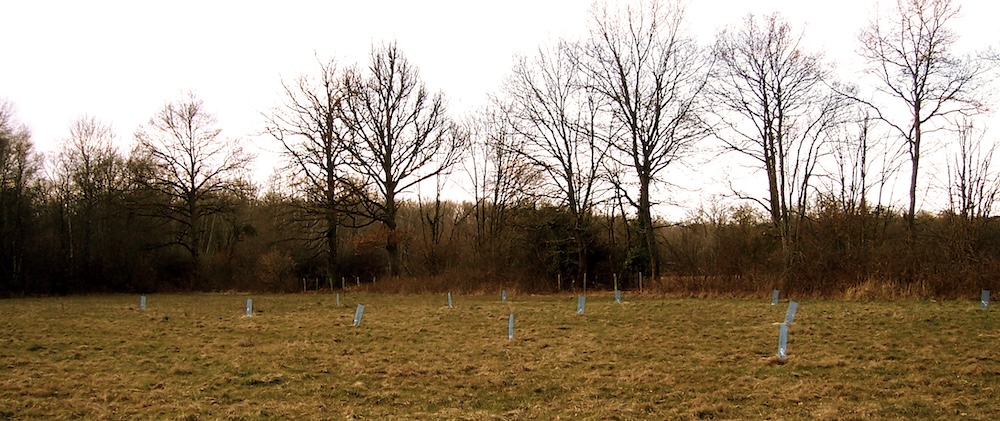
In the intervening years, the jays chipped in to save the day. By their raucous meanderings, bombing acorns hither and thither, the one-by-one became thousands. Stubby oaks rose above the height of rye grass and marsh thistle. The winds supplied the rest. Aspens and ash, hazel and willow, beach, hornbeam and gean, all spreading in moonlight, until this year the fruit trees, deciduous and mycelium became one place, habitat united, 3-in-1, a forest garden as I sat and watched. Neither Weald nor Anderida of my roots, just the coincidence of joined hands, my triangular hectare and a spit is now the meeting place for the offspring of old forest pushed in from either side. Naturally aspirated, seen from the air or the ground, a young forest not because of trees, which do not on their own make a forest, but because of the mushrooms.
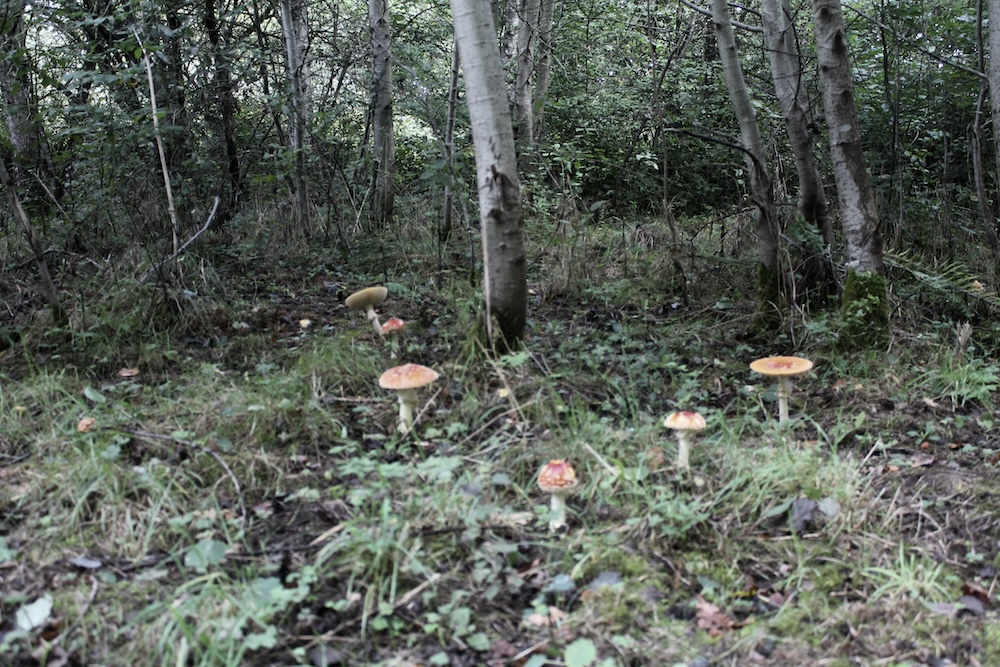
This summer, they came, these mycological migrants, in their thousands, in rings and rows, ranks and in reams. At first, they seemed to map the animal passages, having come by hoof and claw from three sides, few edible species yet, just their harbingers and precursors, the edibles spored-in for the next rise, or the next. The mousseron, though technically a field species, showed up in both spring and autumn variant. Both were eaten to ritual, as blood-of-ground in a kind of coming-of-age omelette. And among the aspens, now trembling with anticipation, the true heralds of boletus, the fly agarics, up and at 'em, leaving their message poste restante. Cortinaires and pholiotes, lactaires and hygrophores, the latter at the first frosts, edible if mediocre. The fruit trees shared the evolution of good news. Dishevelled and unpruned, they flashed a show of April blossom which could only mean trouble come harvest. The orchard, having decided to fruit after 15 sterile autumns, was invisible once the blossom died, oaked-in and brambled over. Having witnessed this march of mushrooms and the blossom revival, I cleared a passage for the miracle as best I could. Though genus unconfirmed, they poured their summer hearts out into multi-coloured balls which bent the branches and filled the baskets.
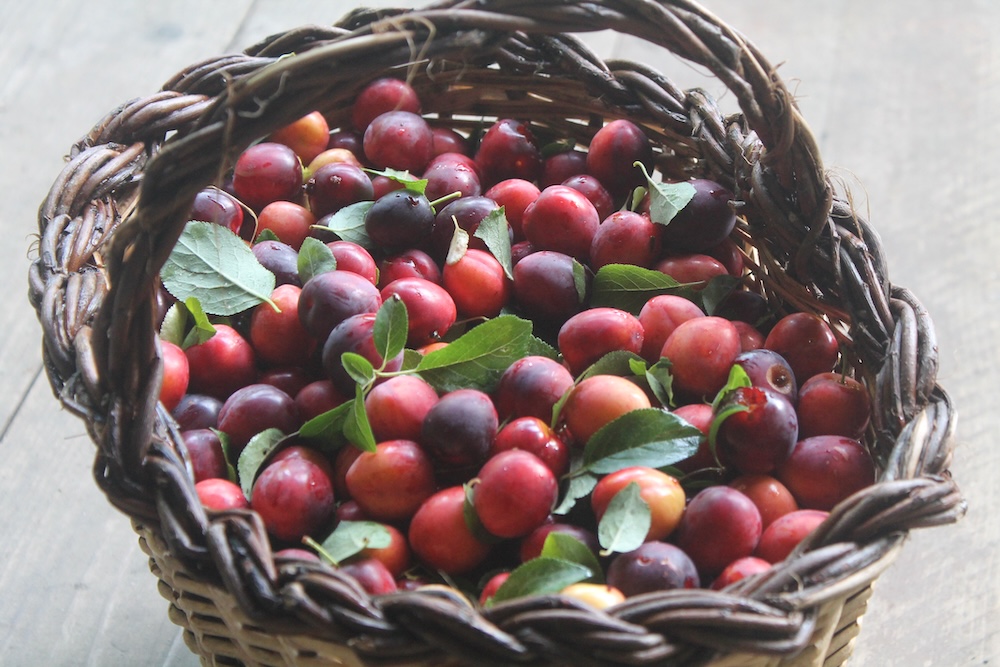
Plums of a kind, mirabelles and greengages, apples and pears, wasps, hornets and pine martens in contention for the final. We picked and bottled and jarred, stuffed, swatted, spat and composted, like spenders at a jackpot. The hornets, sensing an end to famine, stayed until the end, making caves of the late Calvilles still on the tree, relinquished only at the first November frosts.
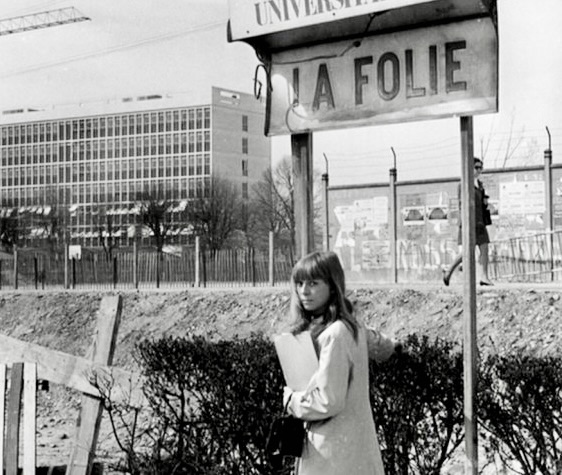
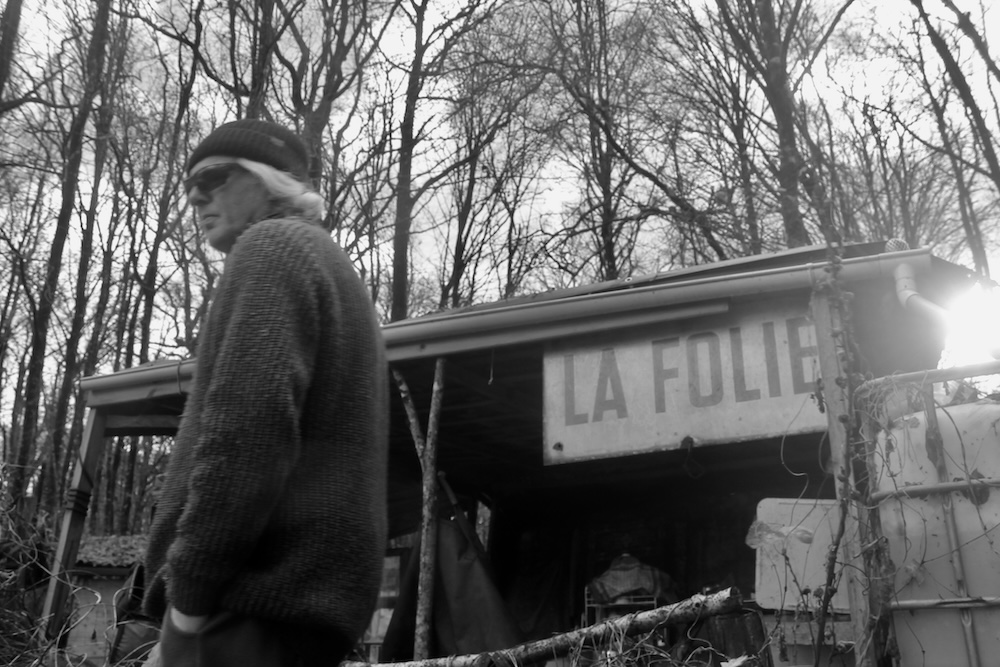
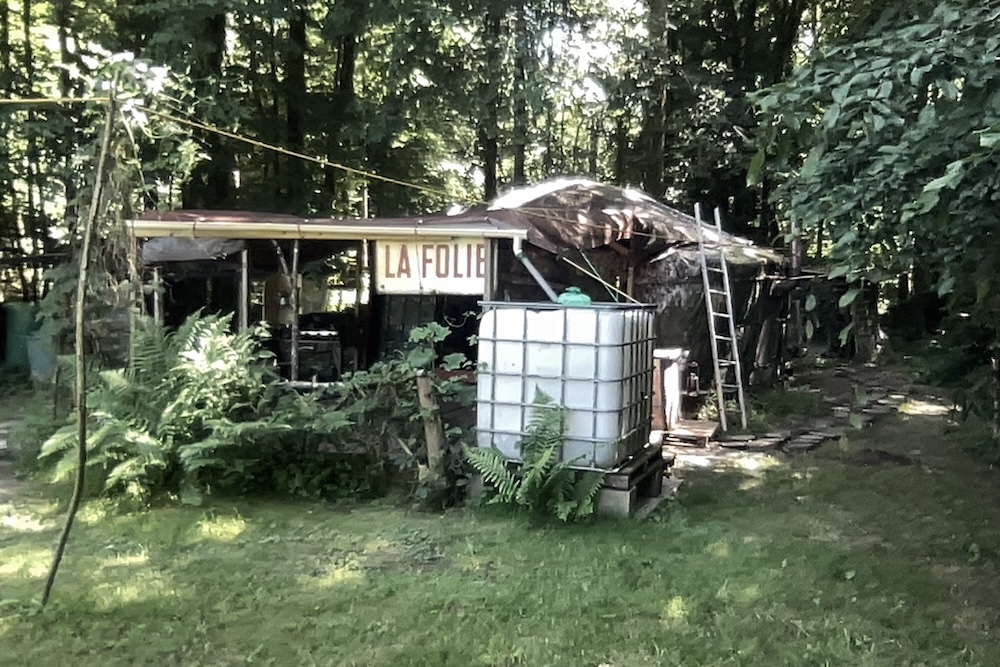
In these frosts I linger still, reluctant to pack down the outside kitchen, beside which hangs an old, enamelled metal sign with red lettering, LA FOLIE, once the name-plaque on a railway station platform. Somehow, through that mysterious passage of hands, it came to me this year, La Folie, an extravagant or dispendieuse construction. This modest sign, from the factory of Laborde, est.1900, merits personification for its place of witness, the times it saw, and those who saw it. Indeed, what's in a name? La Folie, a stone's throw from the Seine, was in 1690 a rich maison de plaisance, with all it implies, of boudoirs and alcoves and demi-mondaines. Underground, great caverns were created from mining the stone which built half of Paris. In 1809, La Folie became a factory producing chemicals. In 1837, a railway halt on the first line out of Paris. In 1900 the caves were rented to a champignonniste who produced the famous mushroom of Paris. An early camp d'aviation, La Folie in 1916 became a vital base where biplanes were stocked and repaired. In the Second World War the Camp de La Folie became Beutepark Luftwaffe n° 5 Nanterre, storage depot for Luftwaffe wrecks arriving by train, spare parts workshop, a black museum for shot-down allied planes dismantled for scrutiny in the laboratory of war. Swords into ploughshares, my enamelled plaque was still there on the post-war aero club platform when they built the University of Nanterre beside it. Perhaps torn down by students in the riots of 1968, La Folie being the very place where that whole thing began, or sold to a collector in 1972 when the station was rebuilt. In 2025, this old sign has been restored to camp, and the folly, also the madness, has been vindicated.
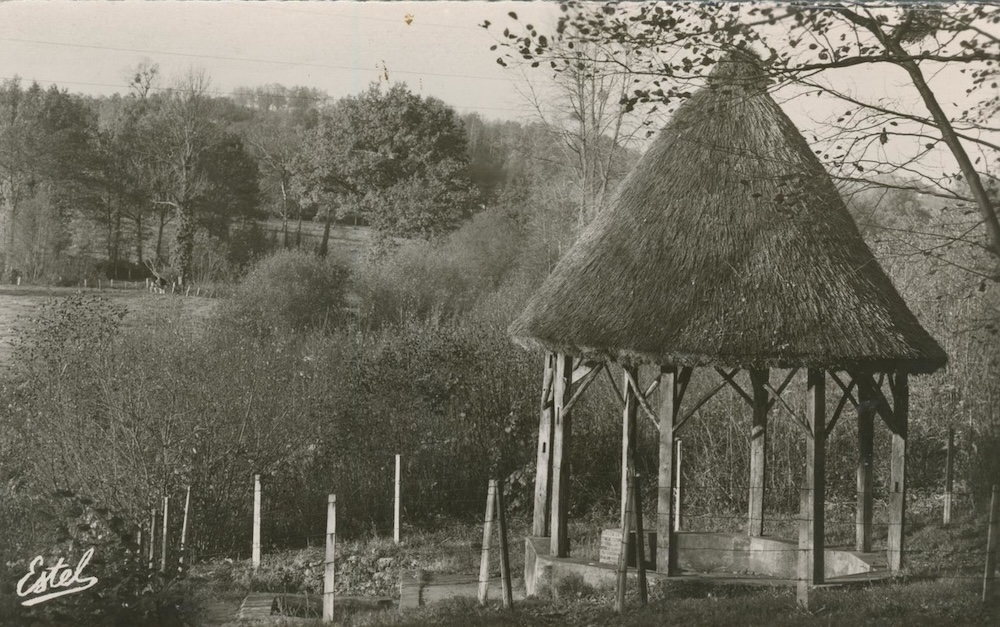
As daylight shrinks and the sun barely skirts the ground, the solar holds by touch and go, by twists and turns. Electricity is rationed to an hour per day, the power station tops the vital services, charging the fridge battery or laptop, bread dough mixer or electric bike, depending upon the weather or the task at hand. My old carp fishing barrow has converted to a mobile station, solar panel, battery and invertor, a constant standby which I wheel around the forest field as the sun pokes feebly into clearings, mostly just to keep a lamp lit above the stove. In August, the 1000 litre rain tank filled to its brim, now shut off and sealed with clean water, enough at 5 litres per week, my average total consumption, to last till doomsday. Coffee water comes from a spring in a nearby forest, the Fountain of Madame Jeanne, born 1378, daughter of Pierre II, the Comte d'Alençon. The spring was discovered by local monks in 1170 and reputed for its therapeutic properties. My old neighbour's father, a farmer, would cycle to the fountain every morning during the war to fill the baby's feeding bottles. Now just a bramble covered path, a plastic pipe sticks from a bank as water gushes into a gravel pool lined in brick, its 1880s thatched shelter a fenced off ruin, the thatch strewn in rough hanks along the path.
The point, it seems, of 2025, has been to complete that vision I had thirty years ago, of how life could be lived, by rain, and sun, and wood, by joined up history, wits and luck, risk and caution, sacrifice, even piety in the brunt of natural calamity, simplicity the overwhelming bounty, for in truth it's also been about how to live on a third of the minimum wage, the neglected writer's annuity, how nature pays your rent, fills your kettle, heats your free water. Poverty at its best, the woodshed full of logs from La Folie, the caravan-cum-pantry stocked with canning jars of La Folie, its cèpes and trompettes, green beans and born-again fruit. The palimpsest becomes botanical and bestiary, that old tin sign now turned the other way, from looking on at violence to face the sagacity of trees.
How men are? The Preposterously Testosterone-fuelled Taxi Driver turns 50 [ 08-Feb-26 8:00am ]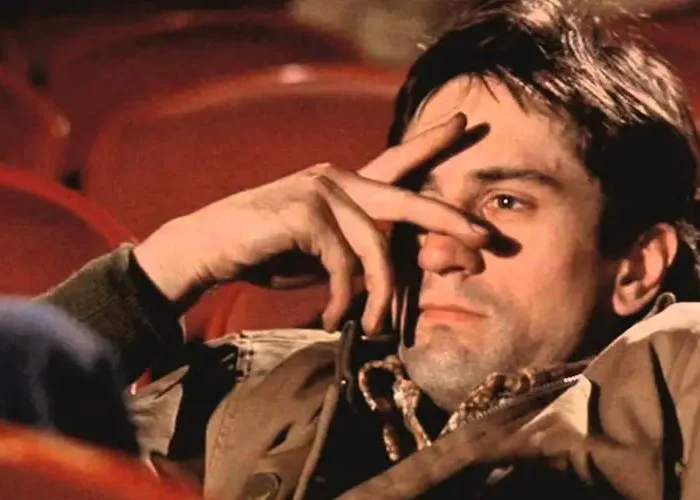
John Quin presents a hormonally loaded take on Martin Scorsese and Paul Schrader's classic of male alienation
We hear a festinating beat, those sinuous nocturnal saxophones, see a belch of street steam. A ghostly yellow cab glides across the screen in slow motion. The anxious driver's eyes are caught in a red light, then he's off again through wet Manhattan streets, the shimmering multicoloured neon reflected in black asphalt. A nervous mood is quickly set in place. Here be monsters. Male monsters.
Twenty-six-year-old Travis Bickle, as played by Robert De Niro, craves more work. He haggles with his supervisor, admits to insomnia, is told: "There's porno theatres for that."
Welcome to a preposterously testosterone-fuelled world, one we might call 'The Preposterone'. This is...
The post How men are? The Preposterously Testosterone-fuelled Taxi Driver turns 50 appeared first on The Quietus.
Behind the Magnolia Curtain [ 08-Feb-26 5:00am ]
Jonh Wilde - Tin Machine - Tin Machine II - Melody Maker - August 31 1991 [ 08-Feb-26 3:12am ]

Apparently there is a new documentary on David Bowie - I think it's about the later years of his life, making a case for his continued creativity - and at one point, they present the journalist who wrote the brutal take-down above with his own words. Which he hadn't seen in decades. Startled by the disrespect to the (inter)national treasure and immortal icon, he recants it. Or at least expresses regret for the harshness.
I dunno, though... there's a certain zesty vehemence to the way the verdict is handed down, but I can't actually see anything inaccurate about the points made.
File under: "right-footed in real-time".
I get it - I've certainly winced now and then at some of my more savage reviews from back in the day...
Yet while the task of demolition might have been gone about with an unseemly exuberance, invariably the reason for the demolition stands.
I also think (having received some bad reviews over the years, nasty missives to the readers' letters page, plus the sort of bizarre aspersions and attributions of motives that pop up in the channels of online chatter) that if you put yourself in the public eye or public ear, you kind of have to take your lumps...
Here's what I wrote about Tin Machine phase in the Aftershocks section of Shock and Awe:
1989, May
The Eighties started out looking like they were going to be the Bowie Decade, both in its terms of his own full-spectrum dominance (album sales and tours, but also starring film roles like Merry Christmas Mr Lawrence and acclaimed Broadway roles like The Elephant Man) and his influence being legion. But by the mid-decade point, it all went very wrong: Tonight, the Live Aid "Dancing In the Street" video team-up with Jagger, the preposterously overblown Glass Spider tour, Never Let Me Down, the flop Jim Henson movie Labyrinth.... Bowie later recalled being unhappy and directionless for much of the late Eighties, while his friend Julien Temple spoke of the singer's struggle with the "grueling nature of reinvention... the huge creative surge required to do that again and again. It takes its toll, psychically."
Bowie-ism itself has gone out of style, with a shift towards underground rock and anti-glamour. Bowie's antennae, sharp as ever, detect this. Although he has sometimes mocked the notion of himself as a chameleon - pointing out that the lizard changes colour to be inconspicuous, to not stand out from their surroundings: hardly Bowie's M/O or desire! - "chameleonic" fits what he does when he forms Tin Machine. Influenced by alt-rock groups like Pixies and Sonic Youth, who'd been developing the template for what would later reach the mainstream as grunge, Bowie subsumes himself for the first time within the band format. Tin Machine, at least in theory, is a democracy: on the self-titled debut's front, Bowie appears as just one bloke among four equals. The album is recorded live, with no overdubs, a raw blast of guitar, bass, drums and voice, that is intended - says guitarist Reeves Gabrels - as a two-finger gesture to all that dance crap on the radio. Tin Machine songs are "screaming at the world", adds Gabrels - and note how the interviews pointedly involve the entire band, not just the star frontman. In another first, Bowie grows a beard - a sign of the coming times, anticipating the facial hair soon to be rife among alt-rock and grunge bands.
I seem to remember one of my colleagues getting the chance to interview Bowie for the first time off the back of that first Tin Machine album. Finally a chance to meet the hero of his youth! And then, he told us bitterly, he was ushered into the record company room and found Bowie flanked by the other three members of Tin Machine. His heart sank! He had dreamed of a tête-à-tête with the most fascinating man in all of rock. Instead, there was he was, sat on one side of a conference table, Bowie deferentially letting his colleagues speak, Reeves Gabrels expatiating about guitar sounds...

On the cover, not only is it not just Bowie's face on the front - as it was with all his previous album covers - but he is the smallest and furthest back figure. The suits and ties don't look very alt-rock admittedly. But the Julien Temple megamix promo film above does show "audience members" jumping onstage and diving off again at one point, which does seem like an attempt to reposition DB with the young thing. Also struck by the fact that Tin Machine played Town and Country Club - i.e. the sort of venue the likes of Pixies and Loop would play - and much smaller than the kind of venue Bowie could command normally.
I suppose the parallel work at that time to Tin Machine / Tin Machine II - elders trying to get with the young thing - would be Achtung Baby. After the debacle (not commercially but in terms of credibility as well as quality) that was Rattle and Hum, U2 had a major rethink and an aesthetic refueling / reorientation. And apparently what they listened to was things like The Young Gods and My Bloody Valentine - i.e. the Maker canon.
In fact, here is an Eno quote about the self-induced transvaluation U2 underwent:
"Buzzwords on this record were trashy, throwaway, dark, sexy, and industrial (all good) and earnest, polite, sweet, righteous, rockist and linear (all bad). It was good if a song took you on a journey or made you think your hifi was broken, bad if it reminded you of recording studios or U2. Sly Stone, T. Rex, Scott Walker, My Bloody Valentine, KMFDM, the Young Gods, Alan Vega, Al Green, and Insekt were all in favour. And Berlin ... became a conceptual backdrop for the record. The Berlin of the Thirties—decadent, sexual and dark—resonating against the Berlin of the Nineties—reborn, chaotic and optimistic ..."
Now, who the fuck were Insekt? I have always wondered that and have never thought to find out!
Also "rockist" as a no-no? You can't get more rockist - in the sense of exulting-in-guitar than MBV or The Young Gods (albeit in their case done through sampling punk and metal riffs)... Alan Vega is pure rock'n'roll: Elvis filtered thru Iggy.. T. Rex is the eternal spirit of rock'n'roll.,,
But I get what Eno means - U2 were rejecting a certain kind of rockism prevalent in the compact-disc Eighties: that godawful Robbie Robertson album (that now I think about it he made with Daniel Lanois), the comeback of John Fogerty, Dire Straits's Brothers In Arms... with Achtung, they were jettisoning all that rootsy, bluesy, Memphis-invoking bollocks that infused Rattle.
But U2 being much more rockers (and rockist) at core than Bowie ever was, on Achtung they managed to pull it off handsomely.
I wonder if it was galling for DB to see U2 scoring hits and plaudits having done such a similar move to what he'd attempted on the two Tin Machines...
MRZ - You didn't have [ 07-Feb-26 2:00pm ]
MRZ - You didn't have [ 07-Feb-26 2:00pm ]
Shadows & Reflections: Ian Preece [ 07-Feb-26 9:00am ]Ian Preece shares another year in books, records, film, life and community.
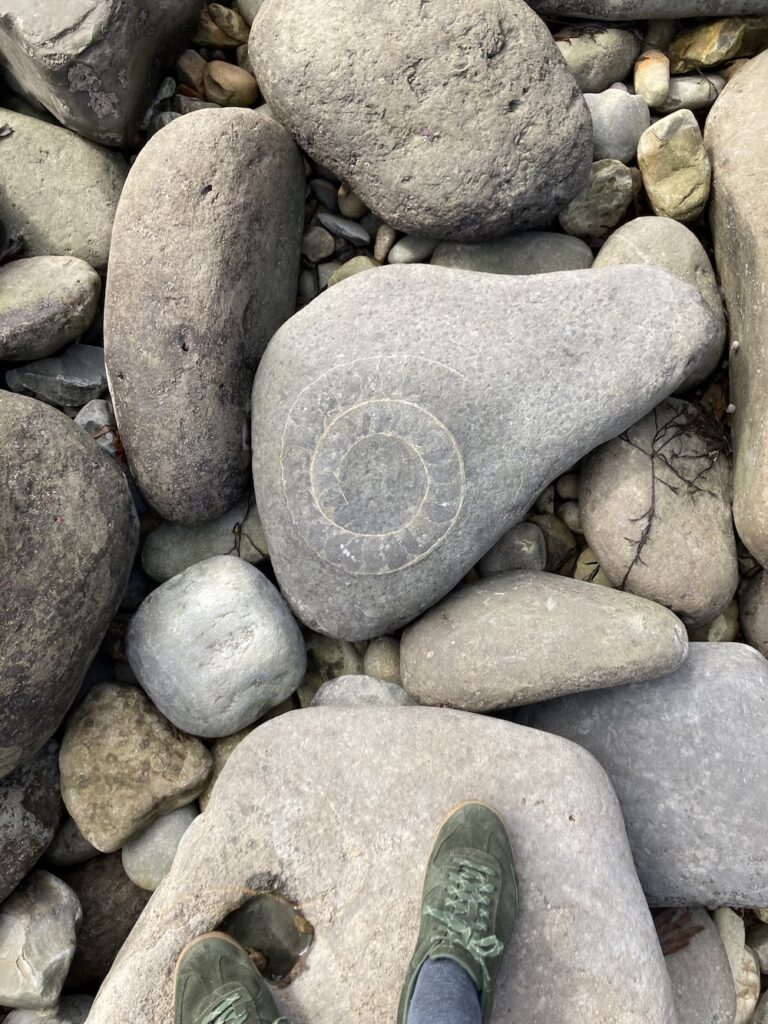
I think, as I get older, I'm just on a simple path in life now: to strip out all the crap, all the artifice. I managed to catch at the NFT this year, on a super-beautiful 35mm colour print, a screening of what's possibly my favourite film of all time: Claire Denis' 35 Shots of Rum (or 35 Rhums in the French). First released in 2008, it's a kind of simple tale of a train driver in Paris (played by Alex Descas, a Denis staple) and his daughter (Mati Diop), who's about to spread her wings. There's lingering ennui, melancholy, unrequited longings, the passing of time, and the simple matter of getting by, day to day, on the rainy twilight streets of a Parisian banlieue; a mise en scène superficially gloomy but full of hope, and soundtracked (like all Denis' films) with commensurate aplomb by the Tindersticks, which also includes what has to be the greatest (and most fraught) use of 'Nightshift' by the Commodores ever captured on celluloid. It's the fans of understatement's most understated film. I've been searching for that bottled essence on the silver screen ever since, but it's proved elusive (Paterson, Perfect Days, Past Lives, Shadows in Paradise, Winter in Sokcho - close; What Do We See When We Look at the Sky? ‒ also close, but too whimsical; The Holdovers - sharp lines and superb acting, held back by dollops of Hollywood cheese; The Mastermind ‒ disappointingly flat, all super-cool cars and cinematography, though an unengaging lead untypical of Kelly Reichardt movies renders it not quite the measure of its brilliant Rob Mazurek soundtrack; La Cocina - great, more than a tad theatrical though; Denis' own Trouble in Mind - similar palette, superb matching soundtrack, but too psychotic). I probably need to work my way back to Yasujirō Ozu's Late Spring.

Is it me, or is everything over-produced, over-hyped, suspect, lurching to the false, or just downright fake these days? On one level there's obvious questions like: isn't Venezuelan oil Venezuelan? Or shouldn't a manager familiar with life on the touchline be allowed to run a football club (rather than someone who was once a winger, or founded a talent agency from the back bedroom of their mum's house before making a killing on the futures markets)? On a more micro level, we live in an over-mediated world: 6 Music DJs and trailers carry on like they are all our best mates accompanying us on our own personal 'journeys in sound' ('shout out to Maya and Felix baking cranberry muffins with their dad in Swanley, Kent'; with, of course, the honourable exception of Gideon Coe, who actually is someone listeners would queue round the block to have a pint with); the Guardian want us to 'share our experience'; and 'this is our BBC', for 'each of us'. Why is there a 'severe weather warning' and news bulletin on the weather page of my phone from the Sun proclaiming 'snow in London' when out of the window the sun dazzles in a clear blue sky and there's just a very slight firmness under foot from a light frost? Why this desperate faux inclusivity when this feels like a time when people are more divided than ever? The answer, I guess, is the same as it ever was: the smokescreens, filters, buffers and diversionary tactics of 'late' (it's always 'late'?) capitalism. Fifteen years late to the party, I read John Lanchester's Whoops! just before Christmas, explaining the financial crash of 2008 to finance-illiterate idiots like me: he was on the money re. the monetization of every last walk of everyday life; and I think I buy his overreaching thesis that now communism is dead and buried in the east, capitalism no longer has to pretend to be benevolent in terms of the greater good in the west (no more education, welfare, infrastructural spending for the mass 'we'), the untethered banking madness leading up to 2008 (super high-interest subprime loans earning bankers a fortune ahead of them reaping a further payout/bailout/fortune from taxpayers) signaling just the start of a new rapacious world order curated for the entitled few.
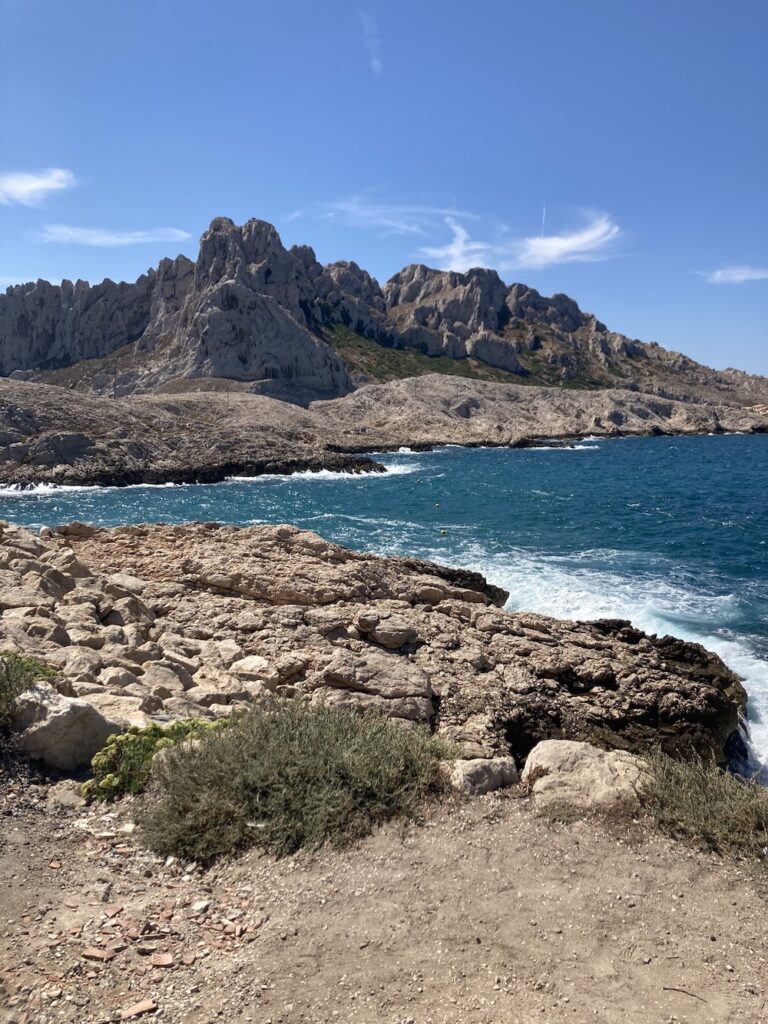
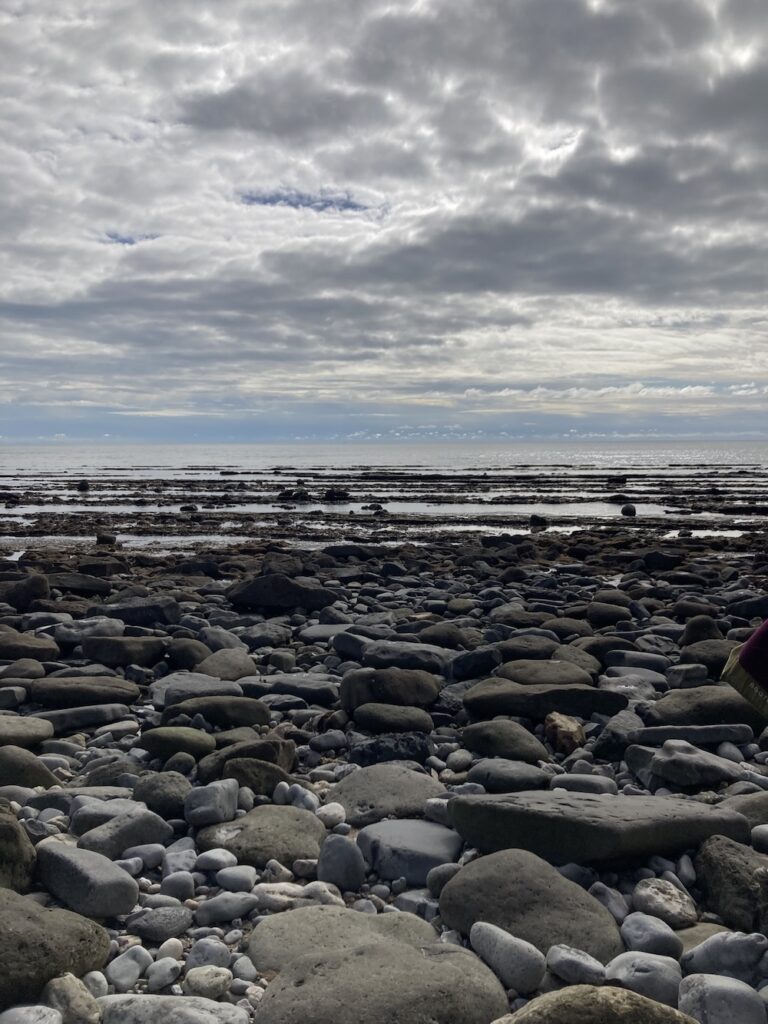
Fuck that. Highlights of 2025 have included Wassie One at new reggae night 'People's Choice' in the Plough & Harrow in Leytonstone (it was a lady called Sandra's birthday - she cut up a large chocolate cake and handed rounded slices in polystyrene bowls to everyone, friends and strangers alike); joining the Polytechnic of Wales WhatsApp group for the BA Communication Studies alumni, intake of 1985, then meeting folk I hadn't seen for 37 years on a lovely weekend at Gareth's house in Dorset, everyone chipping in, cooking, washing up, walking on the beach, playing table tennis and catching up with more chilled, older versions of ourselves after four decades of life; then, as a direct spin-off of that, dancing to A. Skillz's 'California Soul' in a fog of lazers and dry ice in a basement in Dalston at Helene's 60th birthday party that has now passed into legend; listening to speakers talking about the inclusivity of their community on a keep-Stephen Christopher Yaxley-Lennon (let's stick to real names)-and-his-thugs-out-of-Whitechapel march (plus a fine dahl, roti and tea afterwards in a café by the tube station with my mate Wayne); checking out the rooftops, swimming spots and environs of Marseille; DJing with Doug of the Sir Douglas Sound Hi-Fi, loading Doug's periscopic speaker and decks in and out of the van and into various south-east London pubs, then spinning tunes from the likes of Al Campbell, the Morewells, More Relation, The Invaders and Phyllis Dillon. Doug has been heavily involved in a local musicians' open mic night, set up and ran a poetry and spoken-word night, facilitated our services as a support act to The Brockalites, and soundtracked plenty of pubs' Friday and Saturday evenings in SE23: exemplary use of a wide-angled lens; selfless community service of the highest order.
*
'I love a circular conversation,' as the late, great, sadly missed John Broad/Johnny Green used to say at the end of a phone call. Just to circle back to French railways, Mattia Filice's Driver (nyrb) is a life-affirming book, a free-verse novel based on Filice's two decades as driver on French railways, much of it in the Paris region. I'd be bullshitting if I said I got every reference or allusion to Rimbaud, Congolese French rappers, suburban railway stations, inner diesel and electric workings or Apollinaire poems, but I love all the smoking in the cab, the quotidian dramas, the endless tussle with management, the Socratic asides and existential crises that arise staring at miles and miles of steel rails unfurling before you on misty mornings and dark nights, the slowly accruing sense of solidarity and friendship among the drivers in Filice's intake. Jacques Houis' translation is beautifully musical: at various points Filice compares the tempo of the train running over the crossties to Tommy Flanagan's piano on John Coltrane's 'Giant Steps', alludes to the pantograph and the train itself as like the bow of a cello scraping against the strings of the catenary wires, and writes superbly with a cabin-eye view. Here he is on a morning commuter train, deciding whether to pull out from the platform on time: 'I think I'm God, master of the doors . . . To those who run, who pant in protest at their sad fate, I reopen the doors. Some mortals are aware and give thanks through the camera, others ignore me and put their faith in providence . . . To those who drag their feet I'm pitiless. In my kingdom, one's place has to be earned.' Right on; chapeau.
*
Mixtape 2025
1 Rafael Toral, 'Take the A Train'. I've got slightly obsessed with this D-side, bonus vinyl track, which takes a while to bloom into life, but when it does, does so magnificently: a glorious stretched-out blare of the main riff of the Billy Strayhorn/Duke Ellington classic of yore. The rest of the experimental Portuguese guitarist's album Traveling Light is similarly made up of elongated, languorous jazz chords ‒ especially beautiful are the versions Billie Holiday's 'Body and Soul' and the Chet Baker/John Coltrane/Don Raye standard 'You Don't Know What Love is'. 'Lovingly valve saturated strums, bent by Toral's whammy' is the fine description on Boomkat. Album of the year.
2 أحمد [Ahmed] 'Isma'a [Listen]'. In truth I've listened to Ahmed Abdul-Malik's 'Summertime' from his sublime 1963 LP The Eastern Moods of Ahmed Abdul-Malik far more than I have the modern day أحمد [Ahmed]'s furious deconstructions of the Brooklyn bebop bassist and oud player on their own Wood Blues or Giant Beauty. But this year I finally caught أحمد [Ahmed] live at Café Oto. That gig smoked. Antonin Gerbal's pulsing, skittering skins; Seymour Wright's horn sparking into the darkness; Pat Thomas's clangorous piano blues; Joel Grip's pounding bass . . . what could have been a relentless hammering was an ecstatic journey that gently descended to smouldering embers.
3 Nicole Hale, 'All My Friends', 'Give it Time', 'Sleeping Dogs' (from the Curly Tapes cassette Some Kind of Longing). This tape has been stuck in my deck all year. It's a languorous but poised, beautifully smoky thing. Opening track 'All My Friends' unfurls and fills out slowly like the morning light. Some of these melodies might feel hazily familiar from 1970s FM radio, filtered through a Mazzy Star-like (even a more somnolent Big Star-like) gauze. There's early Jolie Holland in there too, but Hale's take is all her own - she's listed as playing 'keys, guitars, vocals and skateboard'. I got so obsessed with the track 'Give it Time' its lustre has dimmed slightly. New favourite these days is 'Sleeping Dogs', complete with spare, sleepy piano and, if listening on headphones, what sounds like a crackling distant storm, audio vérité not a million miles away from Sonic Youth's 'Providence, Rhode Island'.
4 Joe McPhee, 'Cosmic Love'. Talking of 1970s vibes, I bought this on 7-inch a few years back, but it's cropped up again as the closing track on a fine Corbett vs Dempsey compilation LP linked to a Sun Ra exhibition in the label's gallery in Chicago. Man, is this a beauty. I was DJing at a local writers' open-mic night in south-east London earlier this year and I tried to mix it in with 'Short Pieces' from McPhee's latest poetry/free noise opus on Smalltown Supersound (with Mats Gustafsson) and got the levels and timing all wrong: the rutly, strangulated raspy skronk in the middle of 'Cosmic Love' fused with the vacuum-cleaner feedback on the poetry LP. The speaker stack squalled, the pub cat shot out the door and a few poets grimaced. Just as beautifully coruscating is Straight Up, Without Wings: the Musical Flight of Joe McPhee (also published by Corbett vs Dempsey). There's a fantastic moment when a young McPhee, driving home from his late shift at the ball bearings factory outside Poughkeepsie where he worked for years, first hears John Coltrane's 'Chasin' the Train' on the car radio at 2 in the morning: 'I went beserk. I pulled up in front of my house, the windows of the car were open and the radio was blaring. The sound was extreme. I couldn't contain myself. I went crazy . . . screaming and going on. My father heard the sound of the radio and me screaming, and thought I was insane. I was, but that's another story.' I just listened to 'Cosmic Love' again, and after all these plays hadn't realized right at the end, just as McPhee's space organ fades, you can just make out ocean waves crashing against the shore.
5 Zoh Amba, 'Fruit Gathering'/'Ma'. Haunting, mournful moments of quiet Ayleresque beauty from Zoh Amba's excellent new Sun LP.
6 Mike Polizze, 'It Goes Without Saying'. From Polizze's dreamy Around Sound LP this track lodged in my head for much of the summer; kind of acoustic J. Mascis with mellotron and vibraphone fuzz.
7 Phyllis Dillon, 'You're Like Heaven to Me'. Just an exquisite 2 mins 04 seconds from 1972, reissued as a Duke Reid 7-inch.
8 The Invaders, 'Give Jah the Glory'. Beautiful upfull reggae vibes from archive LP of the year, Floating Around the Sun, which should be in every home, and also includes Invaders' gems 'Conquering Lion' and 'Heaven & Earth'.
9 Al Campbell 'Babylon'. In the sleevenotes to the 2000 Pressure Sounds Phil Pratt Thing compilation, Harry Hawke noted, 'When Phil first took Al Campbell to the recording studio many observers apparently laughed at him saying that Al "couldn't sing"! Phil felt differently.' I knew there was a reason I love Al Campbell's singing. Give me his slightly flat, unique grain any day over the more honeyed tones of Ken Boothe, Alton Ellis and Delroy Wilson, et al. 'Babylon' is a Peckings' masterwork of smouldering intent: 'Babylon them a criminal/Babylon them an animal/Babylon them a conman/Babylon them a ginal'.
10 Yassokiiba, 'Dub 5'. Beautifully spacey, chilled-out digidub 7-inch from Tokyo; a heavenly muted steppa.
11 Mark Ernestus' Ndagga Rhythm Force, 'Lamp Fall'/'Dieuw Bakhul'. Rhythm & Sound's Berlin dubscapes rinsed through a Dakar filter. Hushed, spectral hypnotic vocal from Mbene Diatta Seck floats through Ernestus' slowly intensifying beats.
12 Mother Tongue, 'Djangaloma Dara'. Mola Sylla's windblown Senegalese blues refracted through jazzy Puerto Rican drummer Frank Rosaly and Dutch electric clavichord courtesy of Oscar Jan Hoogland. Slightly desolate but deeply funky too.
13 Melody & Bybit, 'Kwakaenda Imbwa'. Total heater from glorious comp Roots Rocking Zimbabwe: The Modern Sound of Harare Townships, 1975‒1980, written by Oliver Mtukudzi's sister Bybit, and featuring Oliver - a kind of lodestar for Samy Ben Redjeb's Analog Africa project - on lead vocals.
14 Pharoah Sanders, 'Ocean Song'. I spent too long stoned as a pigeon in my chalet at Pontins, Camber Sands (and in the heated swimming pool ‒ first time I'd been in one of those), and have only a dim memory of catching A Tribe Called Quest late at night on what I think was the first ever Jazz FM weekender, in November 1990. In my defence I was only 23, but to compound my dismay I've belatedly come to realise, after years of lamenting never catching Pharoah Sanders live, that he was on the bill at the holiday camp too. Fuck. Still catching up with his records - this beauty is from the Bill Laswell-produced LP Message from Home of a few years later, but Sanders' gorgeous saxophone melodies make me think of 1980s Crown Heights/Brooklyn/Manhattan, a world this émigré from the East Midlands had no idea about (just received images from the TV).
15 The Uniques, 'My Conversation'. Totally ace, lolloping late-1960s rocksteady, spun (I think) by Miss T in the Servant Jazz Quarters' basement at a recent Ram Jam night, and a fixture on our kitchen turntable over the festive period and ever since.
16 Jake Xerxes Fussell and James Elkington, 'Contemplating the Moon', 'Glow in the Dark' and 'County Z', from Music for Rebuilding, the elegiac, beautifully composed soundtrack to forthcoming Josh O'Connor film Rebuilding. This is serene, poignant Willy Vlautin/The Delines The Night Always Comes, William Tyler's First Cow and Bruce Langhorne's The Hired Hand territory. 'Things We Lost' concludes with a glorious muted brass finale (from Anna Jacobsen) that makes me well up every time (like Johann Johannson's The Miners' Hymns fifteen years on).
What Makes a Classic Album in the Streaming Era? or What Charli XCX Could Learn from The Police [ 07-Feb-26 10:31am ]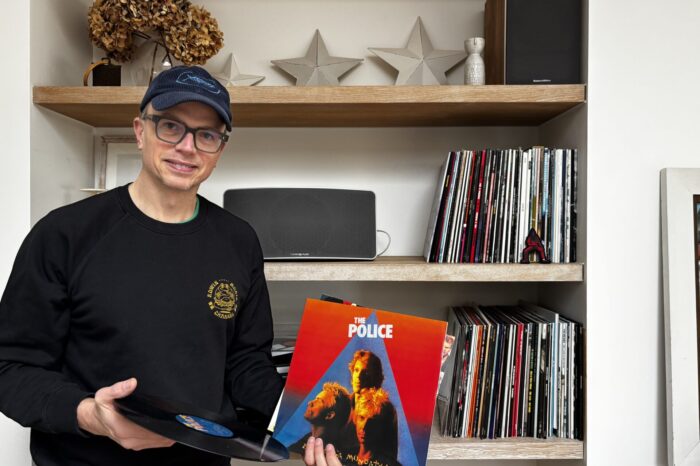
In an exclusive extract from his new book, Body of Work: How the Album Outplayed the Algorithm and Survived Playlist Culture, author Keith Jopling looks at the curious phenomenon of the 'vanishing LP' - as well as the ones that didn't
A classic album in the "post-album" age of streaming is hard to define and probably impossible to nail down. This is probably why Tim Footman regarded OK Computer as the last time an album counted as a bona fide classic - an album that reflected society and was widely discussed and celebrated in its long-form. A record that very much characterised a decade. Over a quarter of a century on, it feels like we have descended into a culture that tries...
The post What Makes a Classic Album in the Streaming Era? or What Charli XCX Could Learn from The Police appeared first on The Quietus.
western beats [ 07-Feb-26 5:00am ] "Chase" [ 07-Feb-26 5:00am ] Yellow Swans' Gabriel Saloman Mindel Reveals Stage 4 Cancer Diagnosis [ 06-Feb-26 9:54pm ] Watch Mariah Carey Perform at Milan 2026 Olympics Opening Ceremony [ 06-Feb-26 9:33pm ]
Shadows & Reflections: Sue Brooks [ 06-Feb-26 6:36pm ]Sue Brooks celebrates more than 75 years in the company of Radio 4.
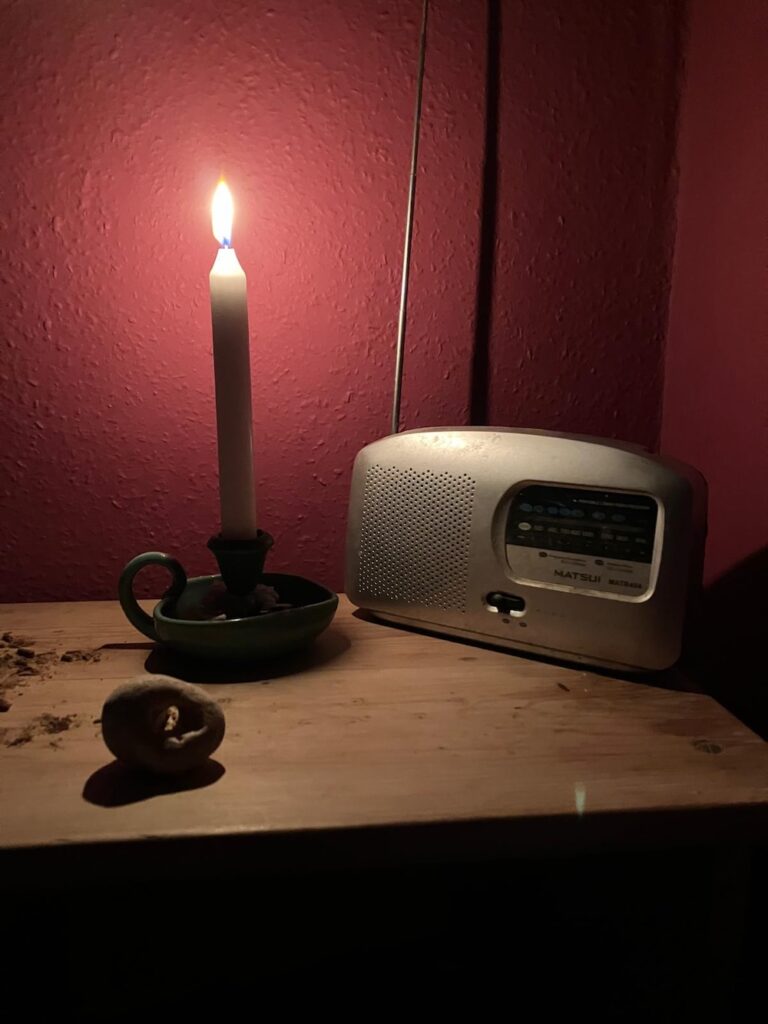
This is a celebration of more than 75 years with my faithful companion, Radio 4. It came to me so clearly when the BBC was under attack in early November. I leapt to its defence like a teacher watching a bully in the playground. How dare he? I must stand up and make a tribute of some sort, and here it is.
2025 was filled with anniversaries, some of which seem to have reached the papers and social media — 75 years of The Archers for example, although for myself that particular addiction didn't last long. I listened out for Pick Of The Year, usually by a special guest — not someone already associated with Radio 4. This year it was Jeanette Winterson and went out on Christmas Day, which felt auspicious. Generally it goes out at some point in the Christmas week, rarely on the Day itself. I looked at the rest of the schedule and felt that Radio 4 was standing up for itself magnificently. JUST LISTEN TO WHAT WE CAN DO.
Jeanette Winterson — a superb writer who turns out to be a lifelong fan of Radio 4. It was a selection after my own heart and I applauded mightily. A little chastened because it echoed my own ideas, but also thinking…there is so much more.
This year I have discovered two new series — Artworks (Radio 4's arts and culture documentaries, presented as a podcast) and Illuminated (Radio 4's home for creative and surprising one-off documentaries which shed light on hidden worlds). YES, those hidden worlds. Among them, I found 50 Years of the Koln Concert, a programme which commemorated the first 100 years of The Shipping Forecast, and the unforgettable Sea Like a Mirror, celebrating 220 years since Rear Admiral Francis Beaufort devised the Beaufort Scale for wind speeds. They have been feasts for the imagination, touching all the senses, in the way a dream does sometimes.
Do you have appetite for more? Perhaps two more, one of which I can't resist although it doesn't quite fit into the time frame. On This Cultural Life, John Wilson talks to a well-known artist about the inspirations behind their work. In July 2022 he interviewed Maggie Hambling. Magnifique alors, Maggie.
And the last, which has to be Melvyn. In his 86th year, he announced his retirement from In Our Time ( the "death slot" — 9am on Thursday mornings — as it was known in Radio 4 schedules many years ago). This unappealing title now has a vast (over 1,000 episodes) archive and a global audience of dedicated listeners.
Rather than choose a personal favourite, I thought I'd share the fifteen minute conversation between Melvyn and his successor Misha Glenny. It reminded me of the last interview with Dennis Potter, just before he died in 1994, aged 59. Melvyn and Dennis sharing their love of BBC Radio and TV. It's all there in Melvyn's own words.
The first In Our Time without him went out on January 15th. Let's wish Misha Glenny our VERY best…and a heartfelt HAPPY NEW YEAR for the BBC.
Pavement's Bob Nastanovich Donates Gold Disc for Auction to Support Margate Venue WhereElse [ 06-Feb-26 3:49pm ]
The rare RIAA-certified award for 'Harness Your Hopes' is currently available for an auction prize of over £4,000
Screenshot
Pavement's Bob Nastanovich has donated his own RIAA gold disc to an auction to support Margate music venue WhereElse.
The gold disc was given to Nastanovich to mark over 500,000 units of Pavement's 1999 cult hit 'Harness Your Hopes' being sold in the US. It's one of just seven gold discs produced, and Nastanovich's item is the only Pavement gold record ever made available for public sale. It's currently going for an auction price of just over £4,000 on eBay.
The gold disc is being auctioned as part of a wider fundraising effort to secure the future of the 150-capacity WhereElse in Margate. Nastanovich has been a regular visitor of...
The post Pavement's Bob Nastanovich Donates Gold Disc for Auction to Support Margate Venue WhereElse appeared first on The Quietus.
"What If" [ 06-Feb-26 5:47pm ] Robyn Announces 2026 Arena Tour [ 06-Feb-26 4:42pm ]
Back in stock [ 06-Feb-26 12:39pm ]Back in stock just in time for Bandcamp Friday! A new run of the much-loved and previously out of print vol. 2 of South London Landscape History's South London Commons zines, focusing on Woolwich Common to Eltham Common.
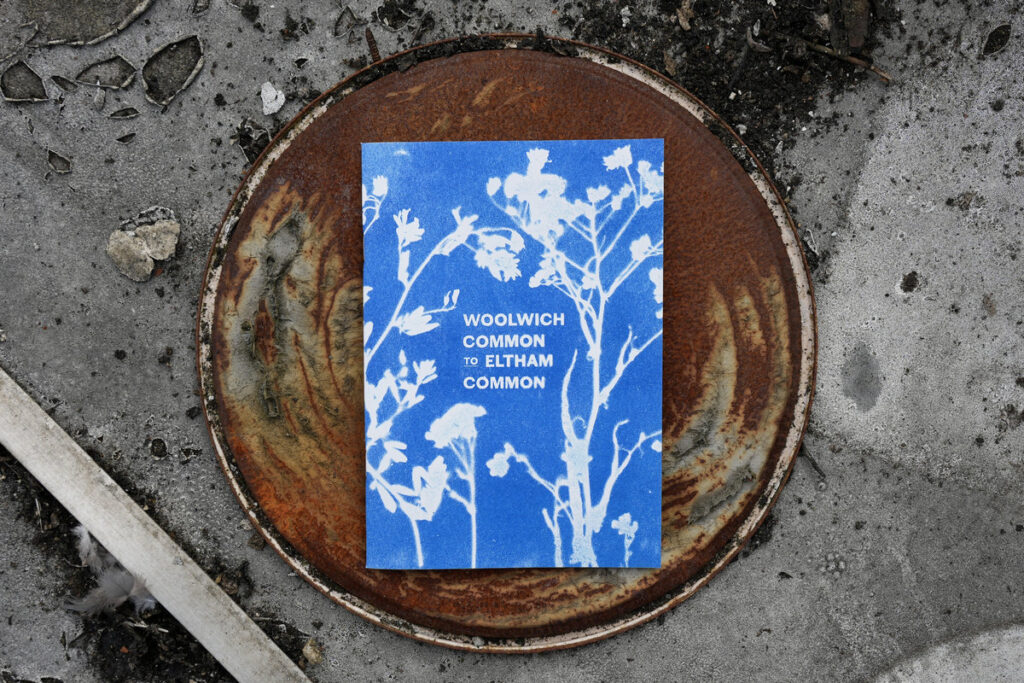
Starting at Bostall Heath in the south-east and finishing at Putney Heath in the south-west, a chain of commons runs in a wide arc across the whole of South London.
This series of zines mixes history, ecology, psychogeography, architecture, poetry and memoir to unpack how, taken together, the commons provide the key to the South London landscape.
Written by landscape historian John Gray and featuring photographs by Woolwich-based photographer Sam Walton, this second zine in the series explores a pair of ancient commons. The cover is a cyanotype by artist Sally Gunnett, created using plants from Woolwich Common and evoking ancestral rights of common. The cyanotype was then Risograph printed by Lewisham's Page Masters, along with the rest of the publication.
CONTENTS: "How does landscape manifest as a system of memory?"—the topography of South London—Shooter's Hill—a love letter to Woolwich Common—walking its convoluted history—"part blasted heath, part great park"—Blue Danube—buried Blitz rubble—Nightingales in Woolwich—the house Bernadine Evaristo grew up in—echoes of imperialism inscribed in the landscape—colonial rabbits and colonial dogs—the South London Vernacular—the virtue of eclecticism out of the necessity of randomised destruction—Eltham Common and the old Dover Road—Kossowski's mural on the Old Kent Road, one of the jewels of South London—the common and the gallows—in defence of Mock Tudor—Peter Barber's Rochester Way: the best of contemporary architecture—the worst: Kidbrooke Village—not a place for walking free—Outer South London Vernacular, from Eltham to New Malden—an unremarkable scrap of grass.
Vol. 3 (One Tree Hill to Peckham Rye Common) is also still in stock!
Seb Rochford Shares New Finding Ways Track With Patrick Walden, Announces Tour [ 06-Feb-26 11:17am ]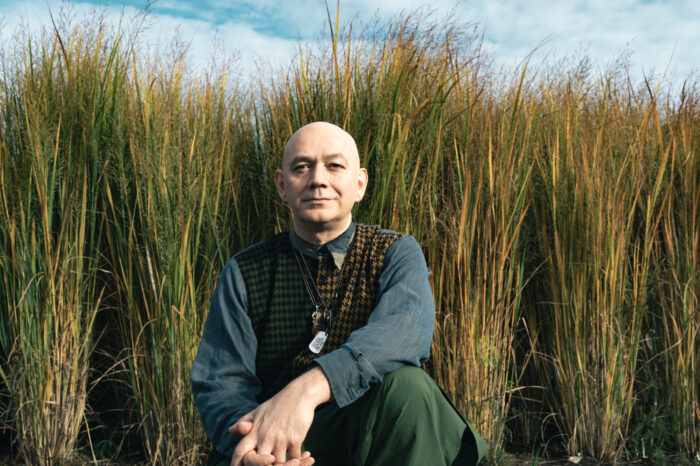
Proceeds from the track featuring the late guitarist will be donated to the New Art Studio, who support refugees and asylum seekers through art therapy
Seb Rochford has shared 'Til The Day I'm Gone', a new track via his Finding Ways project, featuring the late guitarist Patrick Walden.
Walden, who played with Rochford in Babyshambles when the latter served as a live drummer, died aged 47 in June 2025. "Patrick was for me, one of the best guitarists to ever play," Rochford says. "I loved the way that his playing at once was so beautiful and crunchy, so wild and on the edge, but his ears were always listening so deeply and when with Babyshambles, he sculpted around Peter's vocals in...
The post Seb Rochford Shares New Finding Ways Track With Patrick Walden, Announces Tour appeared first on The Quietus.
OST Of The Week: Duval Timothy & CJ Mirra - My Father's Shadow [ 06-Feb-26 8:30am ]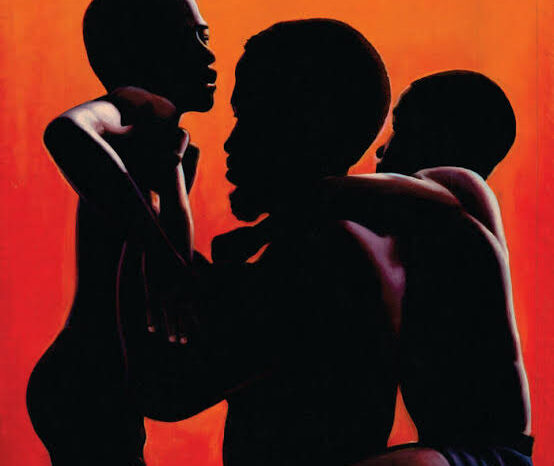
Mary Chiney celebrates the soundtrack to Akinola Davies Jr.'s debut feature film, depicting a single eventful day in Lagos, during 1993
My Father's Shadow (Original Motion Picture Soundtrack) by Duval Timothy & CJ Mirra
The summer of 1993 in Lagos exists in the collective memory as a period of suspended animation. It was a time defined by the heavy, humid silence that precedes a storm, specifically the political storm of the 12 June election annulment and the subsequent creeping dread of the Abacha years. When Folarin, the patriarch in Akinola Davies Jr.'s My Father's Shadow, mutters that "sometimes… it's hard to know what to do," he isn't just speaking to his sons; he is articulating the paralysis of an entire middle class caught...
The post OST Of The Week: Duval Timothy & CJ Mirra - My Father's Shadow appeared first on The Quietus.
The Writing's on the Wall for the Betrayal of Iran [ 06-Feb-26 8:23am ]
Roshi Nasehi, a Welsh Iranian artist, speaks to fellow musicians about the dangers of allowing the protest movement to be hijacked by hard left anti-imperialist ideologues and outlines how practical help can be offered to those currently suffering in Iran
Graffiti in Khorramabad reads 'death to the dictator', Wiki Commons
Every Iranian I know has, at some point, been personally sent a death threat, arrested or tortured by agents of the Islamic Republic. Even the luckiest ones know someone who has suffered a fate that is similar or worse: they have a loved one or loved ones who have been disappeared or murdered.
Right now, the Iranian dictatorship is currently in the middle of its most deadly crackdown since its bloody inception in 1979. Since late December,...
The post The Writing's on the Wall for the Betrayal of Iran appeared first on The Quietus.
Sam Slater - Lunng [ 06-Feb-26 6:01am ]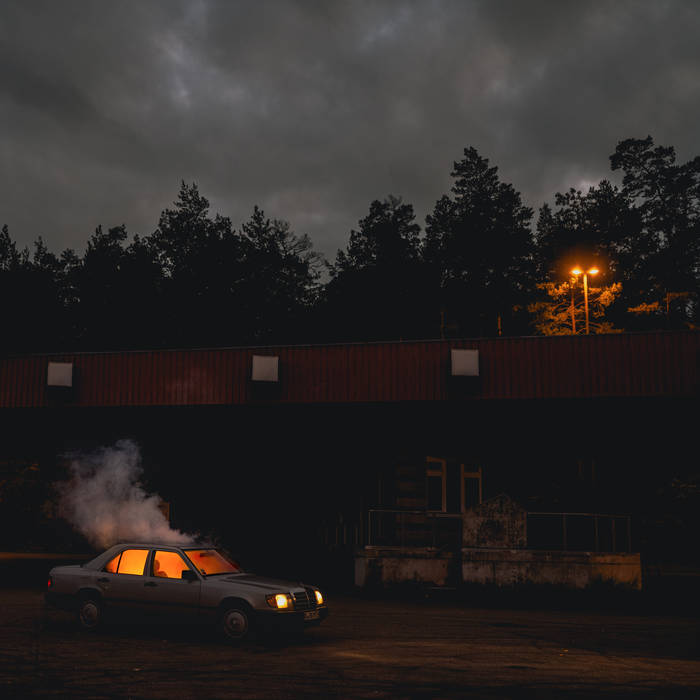
Sam Slater
Lunng
Sam Slater's highly collaborative new LP plays out like an elegy for a world and way of living we've yet to lose but are on the verge of losing, says Bernie Brooks
Lunng by Sam Slater
Lunng is the title of Sam Slater's third namesake LP. With two N's. I say it out loud. Roll it around my mouth a little bit. Lunnnnnng. It becomes less an organ and more like some new disease you get from living next to a data centre that's burning through methane and fresh water to disrupt the sex-crime chatbot industry.
On the cover, it's night. There's a car on fire all by its lonesome. The aftermath of something. No people but its headlamps are on. How...
The post Sam Slater - Lunng appeared first on The Quietus.
Listen to Chat Pile's New Songs "Masks" and "Sifting" [ 06-Feb-26 5:17am ] Singin' to an Empty Chair [ 06-Feb-26 5:03am ] PLAGUE MUSIC EP [ 06-Feb-26 5:02am ] Rosacea [ 06-Feb-26 5:01am ] Shadow Language [ 06-Feb-26 5:00am ] Bethany Cosentino Calls on Wasserman CEO to Step Down Over Leaked Epstein Emails [ 06-Feb-26 4:31am ]
Shadows & Reflections: Emma Warren [ 05-Feb-26 7:06pm ]Emma Warren contemplates 2025's dust — and slender but powerful rays of light.
I've had enough of the past. It's full of dust, and the only dust I want now is the kind you might see mote-floating in a ray of sunshine. You know, like on a slow and warm day when there's time to stop and look at the walls or to notice how the light is falling.
Rarer days, these days, when it's easier to get stuck scrolling, or in your head, or for your whole body to feel like you've constantly stuck your fingers into a source of bad electricity. These are all reasonable responses, given that the last twelve months followed the previous twelve months.
The point of reflecting is to see more clearly. So here are a handful of thoughts and observations based on Things That Happened over the last 365 days, articulated in attempt to reckon with reality and therefore find something approaching stability - or at least the beginnings of stability, which is surely based in knowing where you're at.
For me, looking back must also involve looking forward. Especially now, when one of the Things That Happened is the realisation that huge amounts of money and effort are being spent on division, often using tropes around land and belonging.
I'm asking myself a question here, which is unformed, but which circles around what you might call 'anti-fascist nature writing' although I don't know exactly what this would look like in practice. The Irish writer Manchán Magan, who died a few months ago, offered a suggestion. He described a realisation that his explorations of Irish language and its relationship to the land, Thirty Two Words For Field, could be co-opted by right wingers. And he decided that he could divert that risk by in his words 'evoking the divine feminine'.
It's not a question any of us can answer straight away. But I hope that by considering it, I'll be pointing in the right direction: away from the dust.
Flags is it?
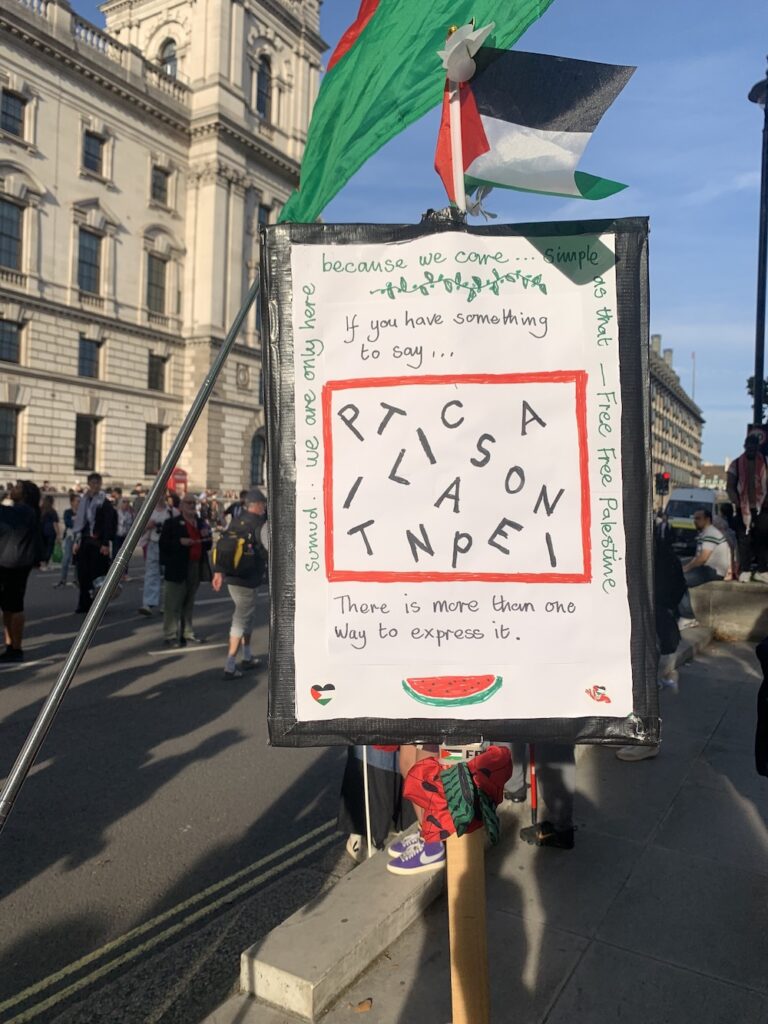
I have a great deal of respect for the person who displayed this quote alongside colourful flags from a range of nations along the railings of a bridge in Pontllanfraith, Wales. My friend, who is staying with me as I write this, reminded me that as teenagers we would sandpaper swastikas off a wooden bridge near where she lived. Is it vandalism or civic duty to deface divisive signage?
Also, if people in England want to grapple with our apparently new and evidently widespread flag problem, then they could just look across the Irish sea. There are plenty of people in that part of the UK who know quite a lot about flags. John Hewitt (1907-1987) is mostly known as a nature poet, writing regularly about the Glens of Antrim, but his poems reckon equally with division, describing: 'creed-crazed zealots and the ignorant crowd / long-nurtured, never checked, in ways of hate.'
The poets of the past might also be able to help with some of our current conundrums. I take Hewitt to be saying: check hate - or it will check us all.
Connection is everything
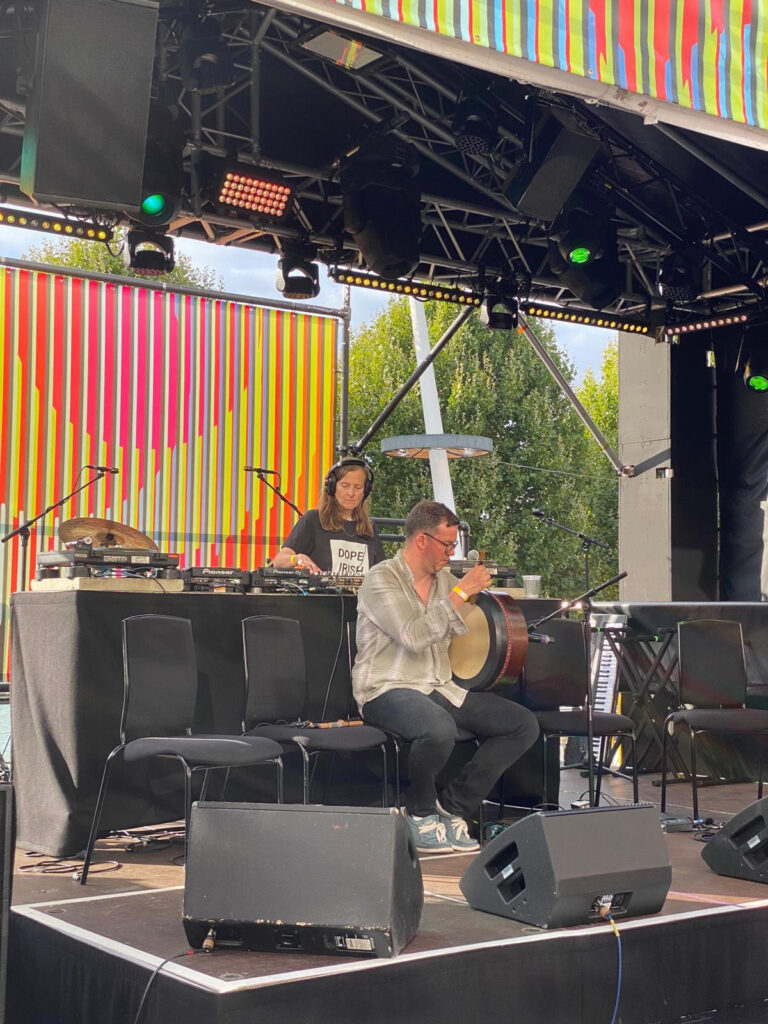
Free dancefloors really do bring people together. I had spent a year working with The Southbank Centre on a whole-summer season based around my book Dance Your Way Home. The idea was to evoke and reflect a version of London I believe in, where everyone's from everywhere and where we're blessed with music, movement and culture from around the world.
King Original Sound would bring their own soundsystem. We'd have an Irish hooley; a knees-up to fiddle, flute and bodhrán. There would be a carefully curated afternoon event for people with chronic illness. And then, two weeks before the opening event, a major bereavement hit, affecting everyone I love the most. How could I even leave the house, let alone dance on the banks of the River Thames, under these circumstances?
I'd written Dance Your Way Home with an intention: that it would articulate the connective power of the dancefloor and that it would encourage hesitant or shy dancers to step onto the edges. These qualities could hold me too, and they did. Standing at the back, soaked in sound and facing the river, with fellow Londoners from every imaginable age group and background, helped bring me back together too.
'No such thing as innocent bystanding'
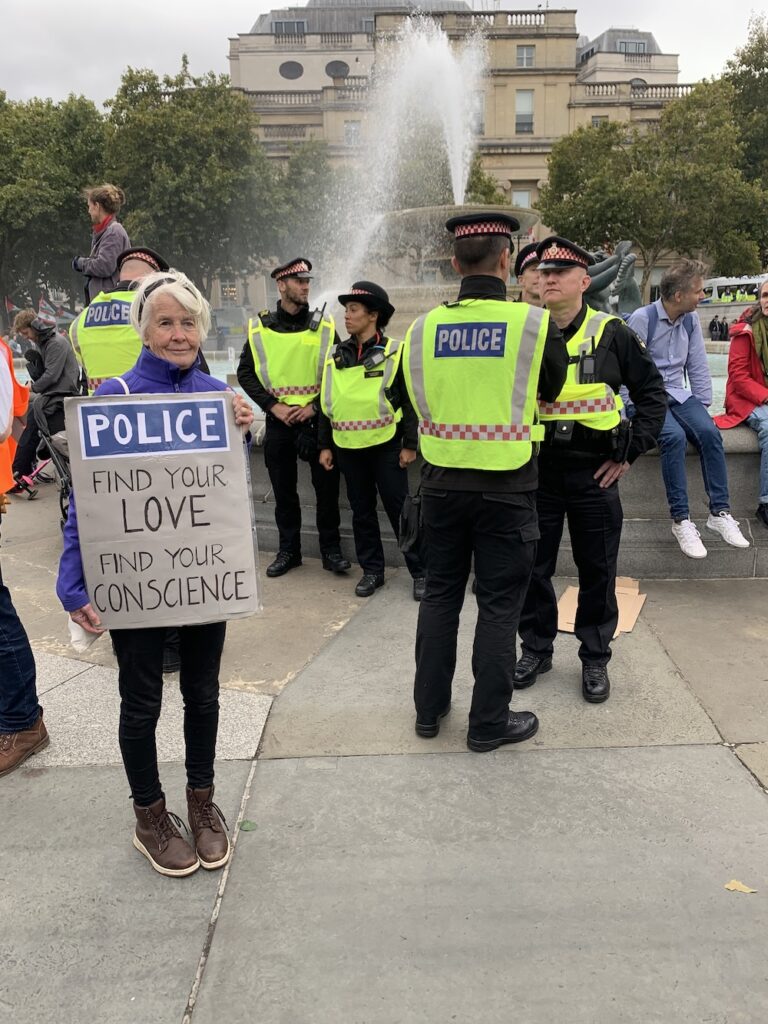
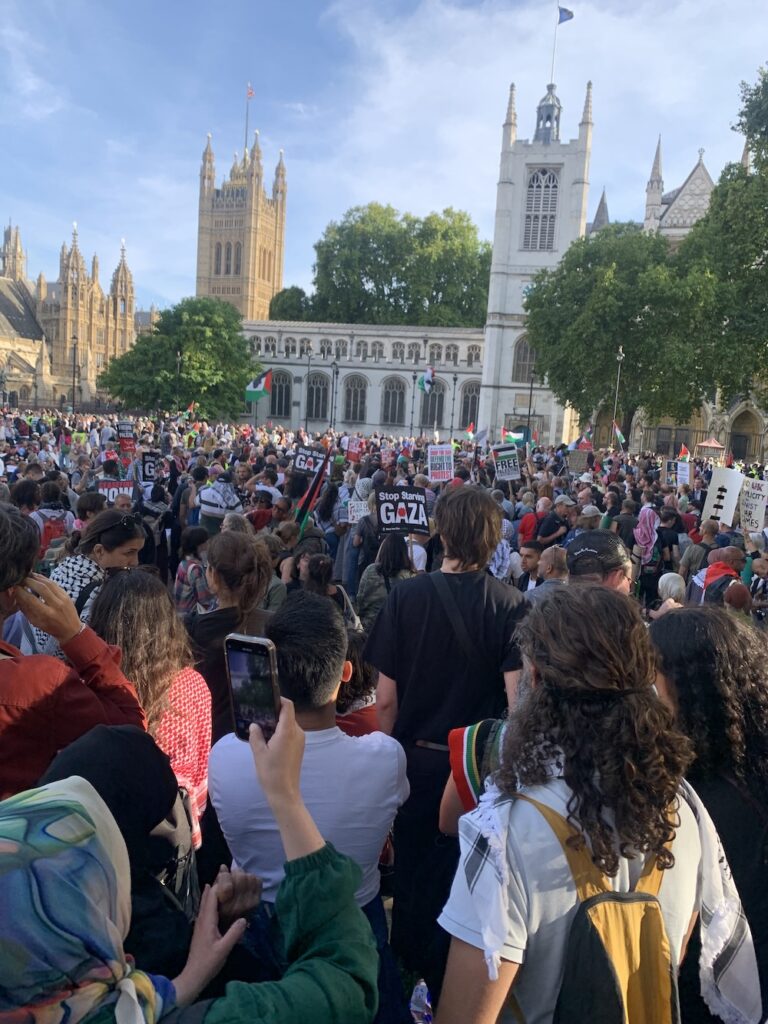
The words of another poet, Seamus Heaney, felt especially alive this summer. A friend I'd met whilst staying in the Curfew Tower in Cushendall quoted Heaney at me after seeing videos posted from a Palestine Action protest. I'd been there to witness, document, and report what I saw, which included the presence of Welsh police in Heddlu caps and PSNI officers from Northern Ireland alongside Met Police officers. The protests were, of course, in response to genocide in Gaza and to the proscription of Palestine Action as a terrorist organisation. The government response, enacted by the police, felt to me like a seismic shift. A long-established reality - the previously-ordinary act of holding a hand-made sign, communicating a widely-held view, at a protest - was disappearing in real time.
Standing outside Westminster Magistrates Court during Mo Chara's repeated court dates I observed different energies. The pavement became a back-room session, with crowd singalongs of 'Eileen Óg', 'The Fields of Athenry' and The Cranberries' 'Zombie'. I tried to imagine the English-language equivalent, perhaps DJ AG or Stick In The Wheel turning up outside court to play songs everyone knows, to crowds protesting an MC being hauled into court on drug charges (noting here the disproportionate ways that legislation relating to both terrorism and drug laws are policed and enforced).
The thing should be like the thing
My book Up the Youth Club came out in the autumn. In writing it, I had tried to do what I always do, which I can only describe as 'making the thing like the thing'. This often means trying to write about something in the spirit of whatever I'm writing about and sometimes means using the specific practices of ways of being that relate to the subject.
This also extends to the post-publication period, and in the case of Up the Youth Club this meant taking the finished book to meet its story-family. For example, doing a talk in a school hall which features in the book, in coastal County Antrim, with people who appear in the story. Another aspect of this trip was DIY and inventive, like the youth clubs in the book. Zippy, who you'll find behind the counter of Kearney's butchers in Cushendall, and who is also the custodian of Bill Drummond's Curfew Tower, decided to sell Up the Youth Club on the shop shelves next to the pasta and tinned tomatoes. You can also get vinyl copies of the new Bill Drummond-affiliated release STAY, which, as Zippy says, means that Kearney's can also be described as Cushendall's only independent book and record shop.
Later, I took the book to Coventry for an event with youth-run platform Fyah Kamp (who appear in the book), alongside Amos Anderson who was centrally involved in the Holyhead youth club that played a big part in the emergence of 2-Tone - and which became a cornerstone of Up the Youth Club. In Stockport, at the Stockroom's Youth Night, I hosted a panel which included long-serving youth worker Earl Nanton. The audience included some of his lively young people. Chatting beforehand, they'd indicated they were into drama - the theatrical type - and I was fairly sure they were also familiar with the teenage type, too. So, I read a few pages about a woman who was young in the 1980s, whose life changed for the better after joining a youth drama group in Peterborough. After I finished reading, one of the young people put up their hand. "That could have been me," they said. "There was a big fight at the bus stop today but none of us went because we've got Earl. And we love Earl."
Resonant frequencies were flying around. The thing was being like the thing. And this tiny moment of connection, where a person who is young now recognised kinship with someone from the far past, offered a slender but powerful ray of light.
Footnotes
Flags Is It? also inspired the title of a poem by Lydia Unsworth.
John Hewitt, Selected Poems (The Blackstaff Press, 2022)
I can also recommend the Flag Busters Manual, archive copies of which are available.
The Instagram account run by End Deportations Belfast is an excellent source of information about the overlapping issues between the proscription of Palestine Action and policing in NI.
It is of course currently illegal under the Terrorism Act 2000 to invite or recklessly express support, including wearing clothing or carrying articles in public which arouse reasonable suspicion that an individual is a member or supporter of a proscribed organisation, or to publish an image of a flag or logo 'in the same circumstances'. Palestine Action is a proscribed terrorist organisation.
Terrorism charges being policed and enforced disproportionately. How Northern Ireland's Dark Policing History Looms Over Palestine Action (Middle East Eye, 2025)
Drug laws being policed and enforced disproportionately: Drug Law Reform is Crucial to Address Racism in the UK (Revolving Doors, 2023).
Boldy James, Nicholas Craven, and Ransom Are Releasing a Project [ 05-Feb-26 9:47pm ]
Soulwax bring first ever rave to Abbey Road Studios [ 05-Feb-26 5:03pm ]London's Abbey Road Studios has announced Abbey Road After Hours, the first rave to take place in the venue's historic Studio One. The event will be held on February 21st from 8pm until 1am in partnership with Belgian sibling duo Soulwax. Access for 300 guests will be free via public ballot, with entries accepted through […]
Flying Lotus Announces New EP and Film, Big Mama [ 05-Feb-26 7:18pm ]
Coming out of Naarm-based label Kinetic Vision and rooted in slow-burn experimentation and ritualistic sound design, Temporal Loop Transcendance marks the second chapter in POD &
Continue Reading
The post Premiere: POD & Edward Richards - Temporal Loop Transcendance (Pugi_s Mariana Mix) appeared first on Inverted Audio.
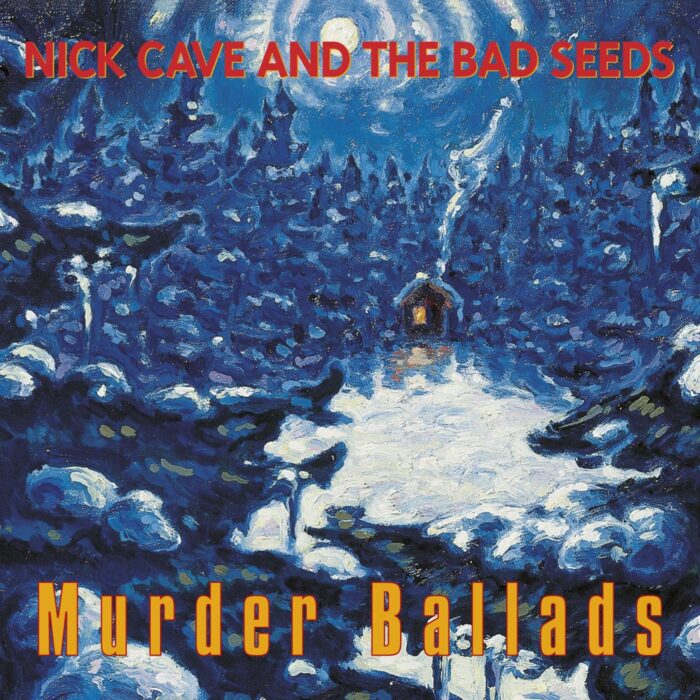
Dele Fadele looks back to The Bad Seeds album that has odd parallels with gangsta rap. This feature was first published in 2016
In the mid-1990s, I spotted Nick Cave's distinct figure at London's Subterrania venue, under The Westway, for gigs by Wu-Tang Clan leader GZA and Method Man. Cave appeared as enthused as the rest of the room at Genius/GZA's show, and I imagine he couldn't have failed to have heard 'Luminal' from Legend Of The Liquid Sword, a controversial track that severely dented that excellent LP's commercial prospects with its grisly depictions of the serial killer's methodology and awful deeds. Certain acolytes of Nick Cave And The Bad Seeds were also staunch Geto Boys fans. If GZA and...
The post Nick Cave And The Bad Seeds' Murder Ballads As Gangsta Rap Album appeared first on The Quietus.

In the return of his quarterly column exploring bold new takes on traditional music and sounds, Patrick Clarke speaks to the figures behind the new Black British Folk Collective about their story so far, and reviews eleven new records including harsh noise bodhran, an extraordinary Occitan freakout, Armenian duduk, Polish oberek and more
Bianca Wilson at Land In Our Names' Birthday Folk Session. Photo by Fatima Yasmin
In October last year the musician Angeline Morrison, whose 2022 masterpiece The Sorrow Songs drew on deep research to present new folk music that centred the real Black British figures who are often written out of history, was invited to curate an all-day programme at Cecil Sharp House - the headquarters of the English Folk...
The post Radical Traditional: Folk Music for Winter, by Patrick Clarke appeared first on The Quietus.
laaps-records.com Good morning, and welcome to your Thursday. I may not have published many mixes this past year, but I can't let this one slip through the cracks. Tradition is a tradition. I've been hosting Mathias Van Eecloo's label showcase for almost half a decade, whereby he compiles two years of LAAPS and IIKKI releases into a single continuous mix. If you want to start at the beginning…
Annie Hogan
Tongues In My Head
Intense but beguiling, former Marc Almond and Einstürzende Neubauten collaborator conjures sensual rituals and half-dirges
Annie Hogan is something of a quiet icon of goth and post-punk. A longtime friend of Marc Almond, she put on early Soft Cell shows and played with his dark cabaret side-project Marc and the Mambas. She appears on Barry Adamson's seminal Moss Side Story and has worked with Lydia Lunch, Nick Cave, and several members of Einstürzende Neubauten. She's also been releasing evocative solo music since the late 1980s, the latest of which, the six track album Tongues In My Head, strikes an elegant balance of light and shade.
Opening track 'Alles Ist Verloren' is measured but bleak, a taxonomy of a...
The post Annie Hogan - Tongues In My Head appeared first on The Quietus.
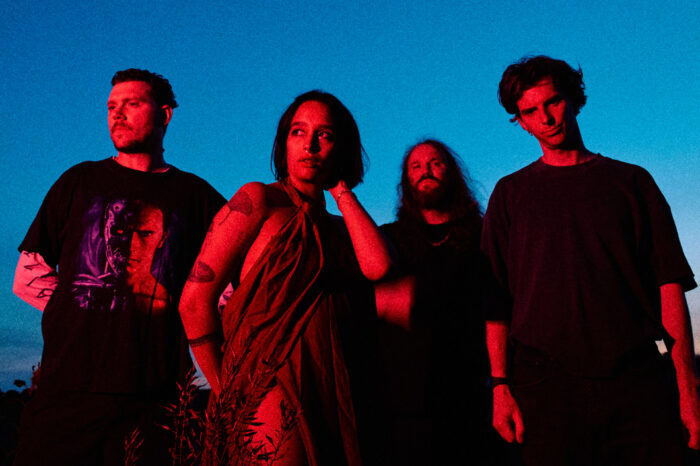
Manchester's Mandy, Indiana haver never sounded so direct, so fierce, so angry as on this, their second album, a record which forcefully calls out rape culture and toxic masculinity amidst racing polyrhythms and a barrage of noise
Photo Credit: Charles Gall
The striking cover art for Urgh depicts a human head recoiling in what looks like shock and agony. It's one of "founder of human anatomy" Andreas Vesalius's illustrations, rendered here in RGB layers by the artist Carnovsky, and a perfectly fitting image for an album that radiates abhorrence at recent events, both political and personal.
Developed over a rough couple of years for the band, with both singer Valentine Caulfield and drummer Alex Macdougall battling sickness and enduring multiple rounds of surgery,...
The post Justice for All or Justice for None: Urgh by Mandy, Indiana appeared first on The Quietus.


