14-Jan-16
 BALLS [ 14-Jan-16 12:00am ]
A PREMONITION
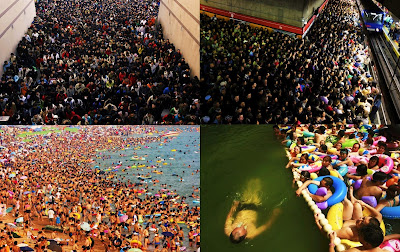
A few weeks ago I had a dream. It may even be considered a nightmare, although I was not so much frightened by it as profoundly unsettled. The dream-mare, which was in black and white and had a similar stylistic mood to an episode of The Outer Limits, featured a train compartment and a man who clearly represented me but had a much better wardrobe. The train was extraordinarily busy. I don't mean that it was rush hour busy, with people stood in the aisle and rather uncomfortably wedged together, the sort of scenario accompanied by the smell of frustration and unwashed clothing: this was a different type of busy altogether. The compartment resembled an ant hill, a place alive with frenzied, seemingly random activity - or perhaps a slide seen under a microscope, full of swarming germs. People moved around the compartment seemingly without any control over their bodies, bumping into each other, rubbing up against each other. There was no eroticism here, this was horrible: an involuntary dance from which there was no peace, not a moment of stillness or a second of calm or quietude.
In a corner, my avatar, clinging to a dangling strap, trying to distance himself but buffeted again and again by the other passengers, some of whom looked at him apologetically, some defiantly, but most as if he were not there at all. The man pushed through the scrum of people and moved into the corridor, rattled the door handle. Locked. Very quickly, the corridor filled with the same helpless, hopeless people as before, and he found himself pressed into the door, his face squashed against the glass, half registering the indistinct outside rushing by. Then, suddenly, everyone disappeared apart from the smartly dressed man. The train stopped. There was no announcement, no punchline, but I woke up convinced that the man had finally escaped from the madding crowd in the way that people have been escaping misery and unbearable circumstances for eons: by dying.
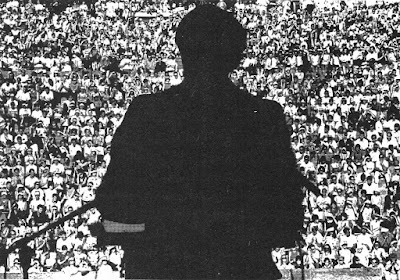
I'm not a scientist, so I can't be sure of what the dream meant. It came at a time when my life was full of pressure, and full of people, so it was perhaps influenced by that. The message, if there is one, is that life is relentless and restless and people simply won't leave you the fuck alone. I don't know what to do with this message. There is virtually no practical response to it. Perhaps it isn't a message at all. It doesn't require a reply. It is not a warning, as it is already happening. It seems more like a flat, fatal statement of fact, like 'You're never going to be a millionaire' or 'Eric Morecambe is dead': an unpalatable but immutable piece of information that you simply have to file away and live with. So I'm living with it, but I can't help but notice now how many other people there are out there*. Tricky things these dreams, they continue to work when you're awake.
AN APPARITIONIn the town where I now rather begrudgingly live, there is a neglected area that used to have something to do with the canals and is now largely deserted, apart from at night when it becomes a hotbed of vice and intoxication, of dogging, drugs and prostitution. It is place full of empty units, things that used to be something but are now nothing, less than nothing, and a little less every day. Almost everything seems to be under a bridge. The town's prison is there, surrounded by a smooth, dirty brown wall and identified by a sign that says in an informal font (Mistral, thank you, Andrew Demetrius)) 'Welcome to OUR Prison'. I wish I'd made that up, but it's 100% true. Just before you get to this fun factory / penal collective there is a bridge over a river. On one side, water rushes down a slope before meeting an abrupt but very definite drop. Here, in the broiling water, float a strange, eerie selection of tyres and balls of all shapes, sizes and colours, some free, others enclosed in the hollow 'o' of a worn out radial, trapped in groups of twos and threes, bobbing wildly but never breaking free. It is uncertain how these objects got there, how far they have travelled or how long it took them to arrive - but now they are stuck, having met an immovable object that resists the force that has carried them there. The worst thing is that this is not a case of arriving and, realising there is no way forward, settling. There is no settling. Instead, this is a relentless, exhausting existence, a never ending battle, like drowning all day, every day, but never sinking to the bottom. Without any outside agency the balls and tyres would butt up against the weir wall forever, or at least until the water froze or became thick sludge or dried up completely. It is a horror. It is horrible.
At night, I think about the balls and the tyres and the branches and their pointless, endless struggle and I feel afraid. I see my corpse caught in the turmoil, stuck like Ahab on the whale, waving not drowning, deader and deader, but never at peace. I get up and turn all the lights on, as if to reassure myself that The Crisis hasn't happened yet. It hasn't happened yet. Soon, I will flick the switch and nothing will happen.
* The Crisis will be a big help in this regard.
** Mistral. Thank you, Andrew Demetrius.
10-Jan-16
THINGS I HAVE LEARNED IN 47 YEARS [ 10-Jan-16 12:00am ]
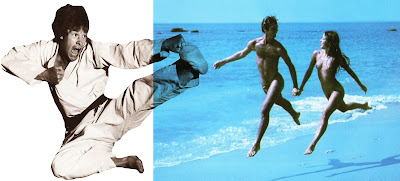 Life is like this.
09-Jan-16
WHEN CRYPTIDS WITHDRAW [ 06-Jan-16 12:00am ]
Life is like this.
09-Jan-16
WHEN CRYPTIDS WITHDRAW [ 06-Jan-16 12:00am ]
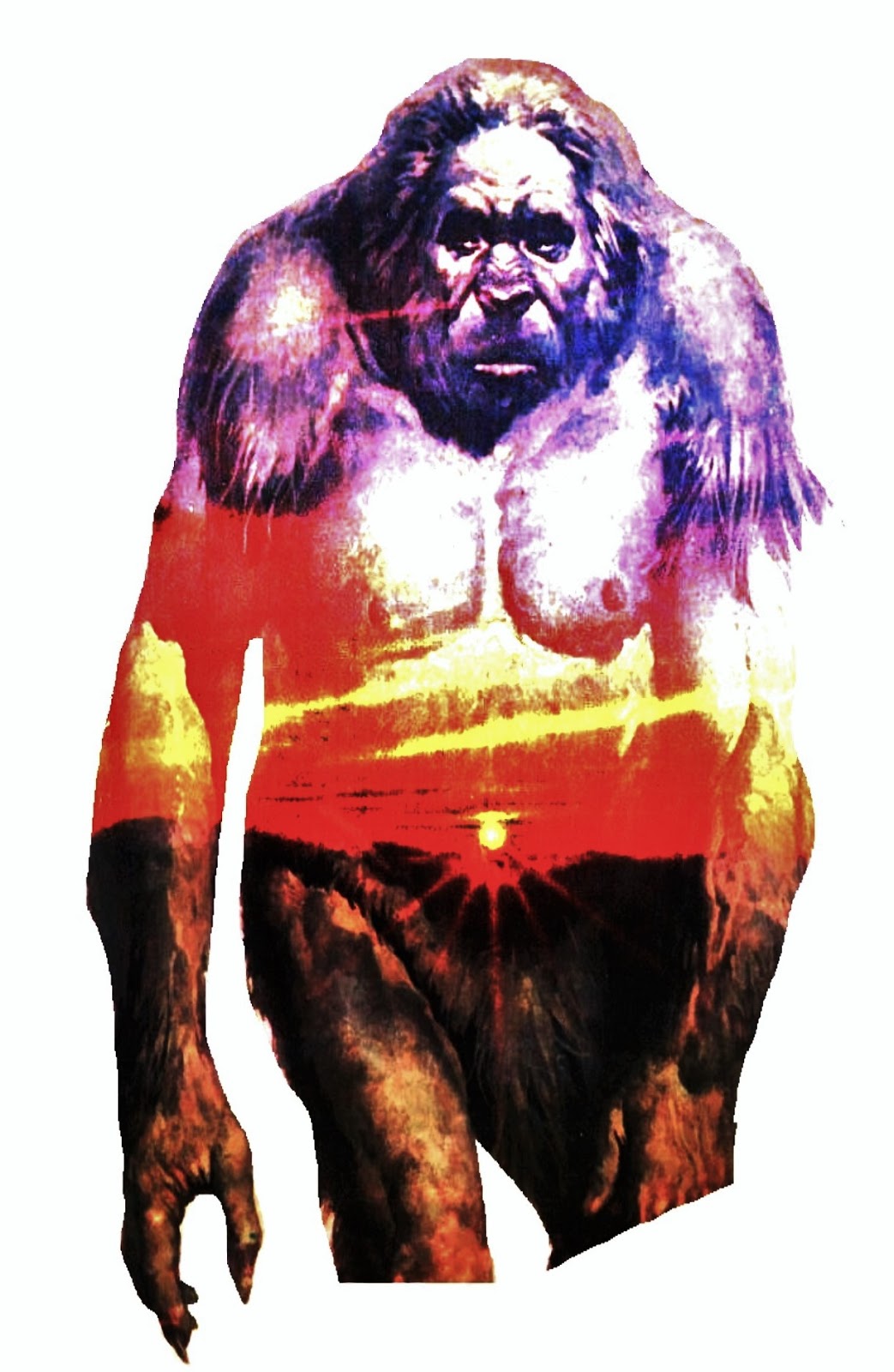
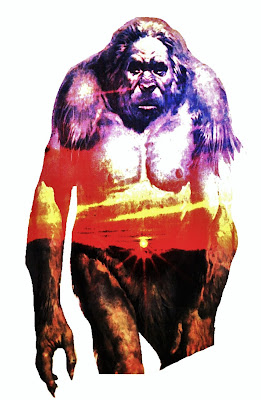 I read recently that the Yeti hasn't been seen by anybody since 2006, a conspicuously long gap after living in close proximity to human beings for hundreds of years. The Tibetans do not believe for a second that the Yeti is dead, but his absence worries his neighbours: what does the Yeti know that they don't? And where the hell has the Loch Ness Monster got to?
Generally speaking, sightings of all cryptozoological creatures are down, and UFO reports are at their lowest since the end of World War Two. These complementary issues can be interpreted in two ways, neither of them particularly good. Let's go back to the Yeti as our example for the first interpretation. Has he disappeared by default or design? Is it a forced migration or a tactical withdrawal? Or maybe he just got sick of us and our smells and noises and hissy fits and hydroelectric plants and simply wandered out into the wilderness, very deliberately climbing a little higher than we can follow. Perhaps he knows something bad is coming and wants to remove himself from the source of the problem: human beings. Yeti's no fool, he'll come back when it's all over to make his bed on our bleached and broken bones. It's the same for all the cryptids: they can smell bad vibes. So perhaps Nessie and Big Foot and Ogopogo and Chupacabras are keeping their heads down, just as Aliens are giving us a wide berth: they'll be back to probe what's left in due course. This is bad, very bad. How long will it be before birds fly south and just stay there; before bears go into permanent hibernation; before eels decide to give the Sargasso Sea a miss this year? Nature is backing away from us.
Conversely, let's say that there's no such thing as the Yeti, no such thing as Nessie, no such thing as aliens. With that in mind, it's not at all surprising that no-one is reporting encounters with them. The issue is, however, that, previously, people were seeing them all the time: they had a major presence for something that didn't actually exist. So, why aren't people filing false claims about them now? Why aren't people still pretending to have married Big Foot, or claiming to have been whisked away to Venus for intrusive medical experimentation? Is it a failure of imagination, or a loss of hope? When people stop making shit up, you know we're in trouble.
As with everything on this blog, there are no answers, no solutions, no conclusion, just a bad feeling, and a dull ache about The Crisis to come.
NEW FILM NEWS [ 01-Jan-16 12:00am ]
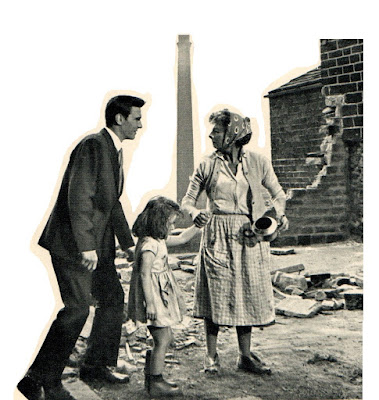
In a surprise statement, the ARTS-GOV computer has announced that, from now on, all British films must star Laurence Harvey. The Lithuanian born actor was unavailable for comment, having died in 1973.
UNLUCKY LIPS [ 29-Dec-15 12:00am ]
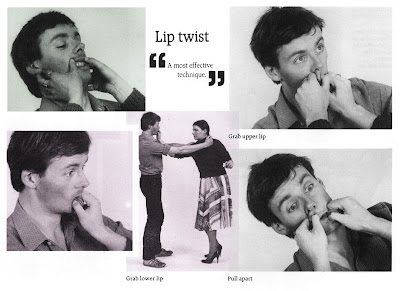 Lips. Lips are wonderful things: useful, decorative, sensitive, erogenous. Many of the best things that life has to offer are experienced through the lips: fine wine, fancy cakes, a consensual kiss, crack cocaine. They are marvellous, fabulous devices, like sculpted scar tissue, like little chipolatas, like a soft seagull of sensual promise. Parts of the lips have evocative names like the vermilion border, and the cupid's bow. They are also full of nerves and blood vessels and muscles, and the skin there is thinner, making these perfect, pink protuberances extremely vulnerable to twisting, pulling, scratching, pinching and tearing. They don't like being bitten either.
In body part terms, they are weak, effete, as if their epicurean life has made them weak and decadent, like swooning dandies. Punish them, test them - they will not stand up to any great scrutiny. Oh, and sometimes lips have hair attached to them, in the form of a moustache or goatee / standard beard. This hair can be pulled, causing eye watering discomfort. A most effective technique.
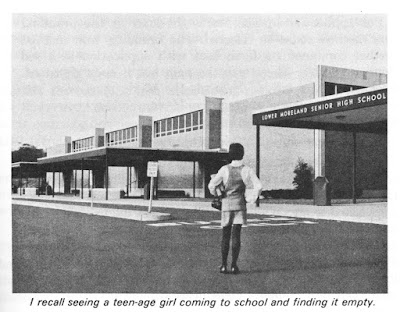
SIGNS AND PORTENTS [ 23-Dec-15 12:00am ]
VERSE THINGS HAPPEN IN YORKSHIRE [ 18-Dec-15 12:00am ]
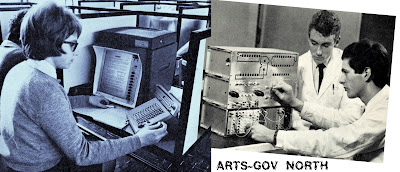
ARTS-GOV North has released this charming prototype verse from one of their Poem-Plex 2000s. As you will recall, all Northern machines are set to write poems about old things that remind you of other things. This particular verse is from unit TED26 although, to be honest, it's all the same, really, they're just machines.
CHURNED UP IN A FIELD
Held in the hand
An unearthed oval of ancient gold
A strong head, recalling my own
What thoughts there? What complications?
It does not matter, what cannot be known
A millennia and a half of dirt wears such cares smooth
Poem-Bot has encountered a problem and needs to close.
We are sorry for the inconvenience.
HIPPOCRATIC OATHS [ 10-Dec-15 12:00am ]
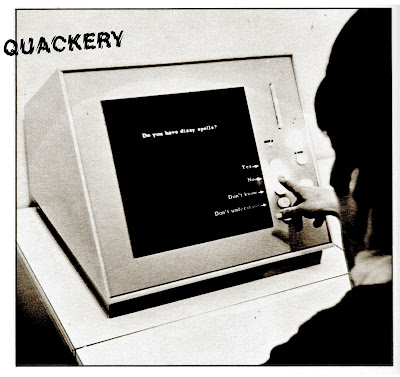 I have a friend. There is more to that statement, but I thought I'd just let that basic fact hang there for a while as I'm rather proud of it. My friend, who I have known for almost forty years, is a man who, within my hearing at least, has never ever referred to a qualified medical professional as anything other than a 'quack'.
To him, quacks aren't just general practitioners, the phrase encompasses the entire sphere of medicine, including all of the NHS and, latterly, the elements of private health care he has engaged with. Whether free at the point of contact or paid for in advance, they are all quacks: back quacks, foot quacks, tooth quacks, blood quacks, gut quacks and, in the late eighties, clap quacks. In summary, he has no respect for any kind of nurse, doctor, medic, surgeon, dentist or healer whatsoever, despite his frequent utilisation of their skills and expertise, particularly the antibiotics.
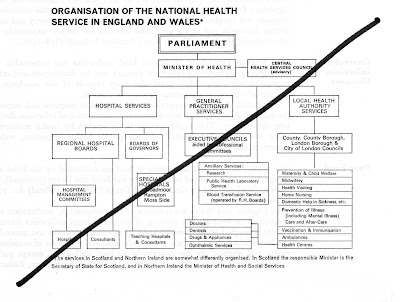
It's an inherited condition. His father, Geoff, now sadly deceased, was a man in the classic mould of the English naysayer, the sort of timeless moaner and iconoclast who would have stood behind the catapult at Agincourt moaning about the higher wages the Longbow blokes were on, or critiquing Henry V's speech. Two hundred odd years later he would have been chafing the collar of his New Model Army uniform, complaining about Cromwell cancelling Christmas.
As a man mainly of the 20thcentury, he spent an inordinate amount of time cupping a crafty roll up and detailing what he would do if he were to ever assume his rightful mantel as the ruler of everything. His manifesto was, of course, the absolute opposite of what those who actually wielded the power were doing. He was a tremendous character, and he is greatly missed for his wit and wisdom, as well as his ingrained, endless chippiness. He was often spectacularly incorrect: politically; factually. He called a spade a fucking shovel and to him, all solicitors were crooks, all policemen pigs, all male dancers poofs, all footballers pansies, and all doctors quacks.
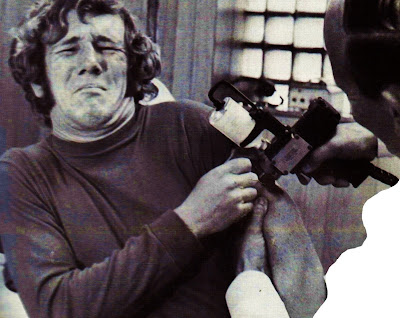 Geoff's distaste for professional people was, again, a family heirloom, a legacy of a working class background that stretched all the way back to serfdom. His race memory clearly included bitterness carried over from when sawing peoples legs off and causing them to die, not of gangrene, but of trauma and infection, became the preserve of specially trained people, putting the ordinary bloke who had simply invested in a saw out of business. His distrust of these interlopers was lifelong, and he spent his final hours mocking them for trying to save that long life. According to Geoff, his doctors were quacks: amateurish, ridiculous, dangerous. They did everything they could to keep him alive; he did everything he could to die - just to spite them. Just to prove his point. He most likely died without knowing that he was both part of a long and honourable continuum of working class subversion, and ahead of his time. Geoff, and his son, my friend, and the generations of English men and women like them, will be ultimately proven right as, in the unpleasant aftermath of The Crisis, the quacks will reign supreme.
Seven years of training and countless hours of experience will be of little value in a world without medicine, a world without equipment, a world where surgery is a lottery, and therapy an impossible luxury. Professional medicine will become like visiting a fairground gypsy: a crossing of silver, a crossing of fingers, guess work. It won't be their fault. Even if their diagnoses are as sharp as ever all that will be left in terms of treatment is stuff that they definitely did not train for: homeopathy and butchery - in short, quackery. In a generation's time, those that retain any vestigial training and knowledge will most likely be burned at the stake for witchcraft, and the avaricious, ham-fisted artisans that take their place, with their clumsily adapted and rarely cleaned instruments, smelly poultices, reliance on superstition and almost total lack of accountability, will be quacks in the purest possible sense: pretenders, charlatans, bunglers, frauds, killers.
Geoff would have loved The Crisis, fucking loved it, even as he went unanaesthetised before some gap toothed yokel with a talent for divination and a large, dirty knife, giving the thumbs up to oblivion in a world that was finally working on his terms.
POST-CRISIS SIGNING [ 05-Dec-15 12:00am ]
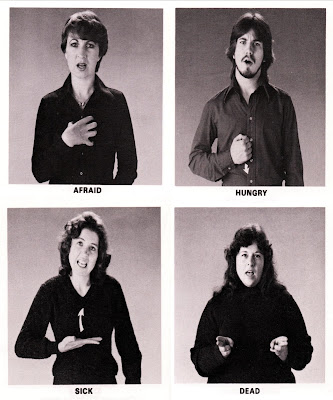 Sign language is a hugely important communication tool, yet there are currently only around 25,000 users in the UK. This will change post-Crisis, when everyone still alive will be able to quickly learn the only four words that will still have any meaning. Which is a sort of good thing when you think about it, just don't think about it too much, because it becomes an awful, terrible thing.
REMOTE VIEWING [ 03-Dec-15 12:00am ]
Sign language is a hugely important communication tool, yet there are currently only around 25,000 users in the UK. This will change post-Crisis, when everyone still alive will be able to quickly learn the only four words that will still have any meaning. Which is a sort of good thing when you think about it, just don't think about it too much, because it becomes an awful, terrible thing.
REMOTE VIEWING [ 03-Dec-15 12:00am ]
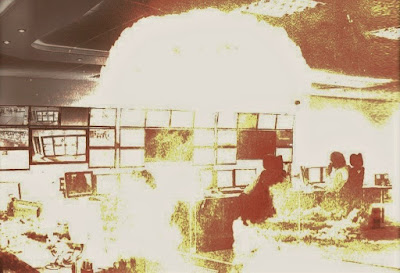
I used to work for a large city council, one of the largest in the UK. I did various project related things and, as is my modus operandi, I also interfered in areas I had no right or reason to be involved with. One evening, I was poking around in the central CCTV room, the ten floors up eye in the sky where a kaleidoscopic monochrome summary of the daily drama of the city was played out on fifty flickering screens. All human life down there was up there, constantly monitored for flash points and flare ups, traffic accidents and human collisions. Mostly, people drifted silently around, floating past the various cameras like flotsam, the unintentionally discarded rather than deliberately jettisoned.
After about twenty minutes, I turned to the silent operator and, half-invigorated by our God like view of the world and half-appalled at the pathetic diorama, decided to ask a question:
'Where is it?' I said.
'Where's what?'
'The vaporise button', I smiled.
I expected him to either laugh or to look at me as if I were an idiot. He did neither, instead, his mouth an unrelenting line, his eyes never moving from the screens, he put his fingers to his lips and said 'sssshhhhhhh'.
26-Oct-15
Cenas da Luta de Classes em Portugal (Scenes from the Class Struggle in ... [ 25-Oct-15 10:57pm ]
23-Sep-15
Cyclists are out of control! (And why that's okay) [ 23-Sep-15 7:48am ]
This compelling animation by Lucas Brailsford (whereislucas.com) looks at the high level of "non conformist behaviour" among cyclists in the Netherlands. It's not the sort of narrative you'll usually hear from cycling campaigners - it is hard to be persuasive with Governments and decision-makers if you're also prepared to admit that the people you're championing regularly jump red lights, ride home drunk or generally behave 'badly'.
There's a concept in the Dutch legal system of tolerating lightly illegal behaviour, or changing the framework so that it is no longer illegal. Dutch policy famously allows euthanasia, has legalised prostitution and the use of marijuana, and was the first country in the world to introduce gay marriage. The pragmatic approach seems to be "tolerate things, rather than prohibit them, force them underground and loose control."
When a cyclist barreling down the pavement in the dark nearly knocks you over this pragmatic approach to tolerance might seem frustrating. Likewise if a prostitute sets up (knocking) shop next door. There's no doubt that on an individual level these things could be highly frustrating, or even dangerous, but collectively society just doesn't see it as such a big deal.
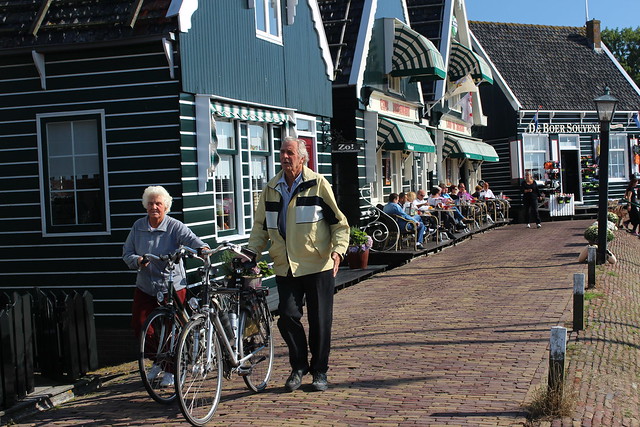
Criminal tearaways, no doubt about it...
But this concept of 'turning a blind eye' is not as foreign as we might think. Watching Lucas' video from an emerging cycling culture is a real eye-opener because the non conformist behaviour of some cyclists seems a bit wild. But if a similar video was made here, about our prevalent transport users, you'd find the same. Non conformist behaviour among motorists includes speeding, parking illegally, driving drunk, riding without insurance and knocking down other road users. You don't believe that as many people in cars flout the law as regularly as cyclists ride drunk in Amsterdam? Just try driving around your local town without once exceeding the speed limit and see how your fellow road users like it..
There's no doubt in my mind that good behaviour helps to encourage a literally civil society. But in terms of fixing things, society only tries to resolve the problems it identifies as being a problem. The cyclists of Amsterdam might seem to us to be a bit out of control, but when it comes to non-conformist behaviour I know which sort I'd prefer any day...
Share |
14-Sep-15
London has been changing over the summer. Whilst the city was on holiday, Transport for London's contractors have been out in force building bike infrastructure on a remarkable scale. Boris Johnson confirmed he would go ahead with his new Cycle Superhighway plans in January of this year, and now we're seeing the first results on the road.

Big construction projects inevitably cause short-term congestion whilst underway, but it is worth remembering the astonishing level of support for the new Cycle Superhighways and the long-term gain they'll bring. The nine-week public consultation on the plans saw an overwhelming 21,500 responses from individuals and business organisations, with 84% in overall support of the plans. A YouGov opinion poll taken during the consultation found 73% of Londoners supported the Cycle Superhighways, even if it meant taking a lane of traffic away. Over 160 major employers, including Deloitte, Coca Cola, Unilever and others came out in support of the East / West Cycle Superhighway which is currently being built on the Embankment.
A quick ride up the finished section of the East / West Cycle Superhighway along the Embankment, courtesy of @CycleGaz
There has been opposition, of course, namely from the old guard of the taxi lobby (hello, LTDA, you scoundrels!) so much of which has been thinly-veiled anti-cycling sentiment. Construction of the Crossrail train project has seen entire streets closed off in central London for years (as opposed to just months), but no one seems to be complaining about that...
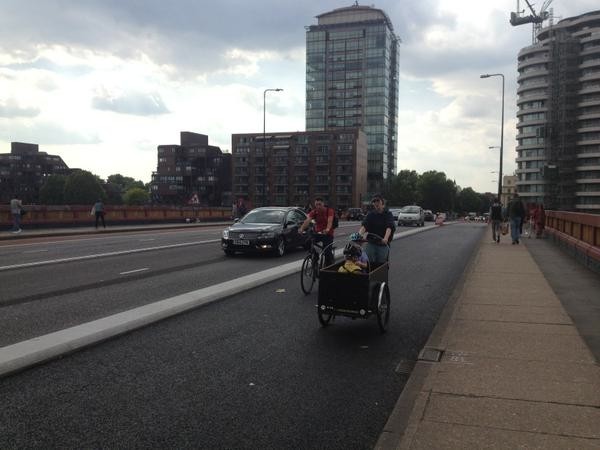
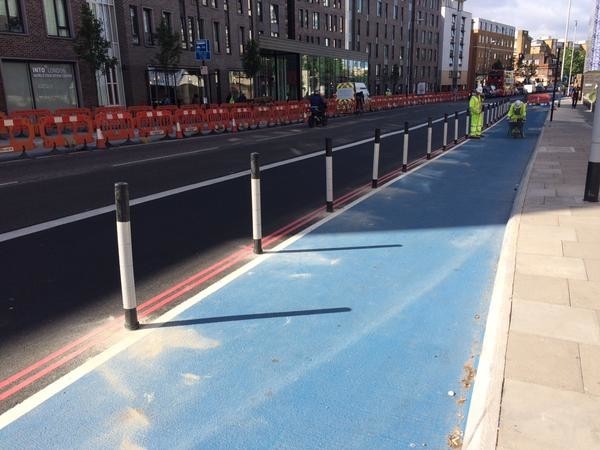
Vauxhall Bridge (2 way track) via @AsEasyAsRiding and segregation wands on the Whitechapel Rd (apologies to whoever I saved this photo from, I can't remember who it was!)
The changes afoot are not just along the route of the East / West Cycle Superhighway. At Oval, CS5 is being upgraded to provide full segregation, including around the terrifying Vauxhall Gyratory and over Vauxhall Bridge. In East London the killer CS2 is also getting an upgrade, with full or semi-segregation being introduced on a route that was previously literally just dirty blue paint and a lot of wishful thinking.
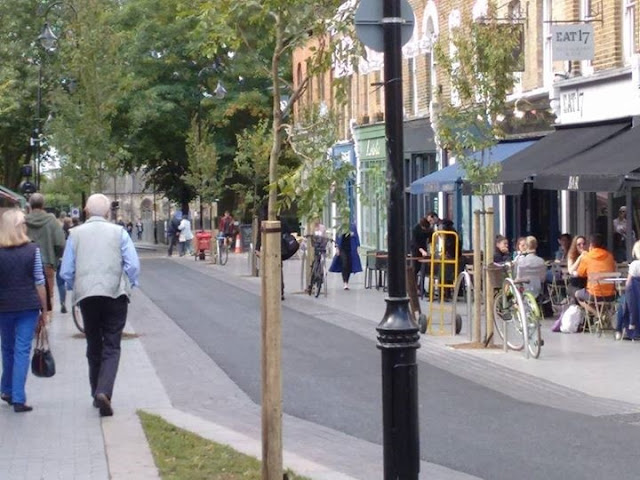 Newly Hollandised Waltham Forest village! Just look at all that anti-driving economic activity going on(!)
Cycle tracks alone can't change a city in to a bike riding paradise. You also need balanced residential zones where local streets are set free from the tyranny of rat running and speeding traffic. The Waltham Forest Mini Holland is just such a project and is now beginning to take shape - but only because of the diligent work of local residents in the face of vociferous NIMBYs who wish to retain their right to drive 150metres to the local shops... There's a street party on Orford Rd today (Monday) from 3PM to celebrate the completion of the first stage of the project, if you're in the area.
As the London Cycling Campaign rightly point out, there are growing pains which need to be resolved in some places, and that's to be expected with innovation and change. Meanwhile, progress presses ahead with construction of the North / South Cycle Superhighway in central London chalked up to start in autumn (check here for details)
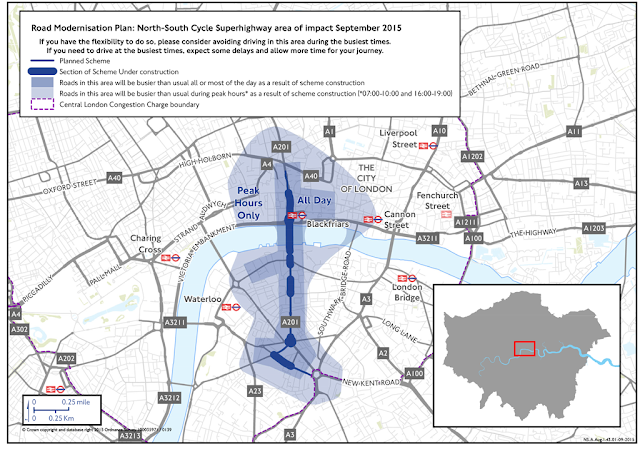
But with summer almost over and the city's streets transformed whilst everyone has been away, the pace of change seems unstoppable. The old "blue paint and optimism" superhighways - despite their very obvious limitations - still saw a leap in rider numbers of a minimum of 25%. When these new safe and separated routes open to the public we'll see a torrent, a deluge, a flood of new riders using them, and it's going to change London completely!
Share |
09-Sep-15
Get ready for racing on Regent's Street as a new Tour of Britain route comes to London! [ 09-Sep-15 8:30am ]
It's no secret, I love the Tour of Britain! I like the smaller scale of it compared to the Grand Tours of Europe, the opportunity for emerging riders to taste success, and of course the route through green and pleasant Great British Countryside.
But I've always felt the final stage - right here in London - has always been a bit of a let down. Yes, you get the finish line photo of racing in front of Buckingham Palace, but the rest of the day is spent riding up and down the Embankment and Upper Ground which makes for a dull stage that is not very exciting for spectators.
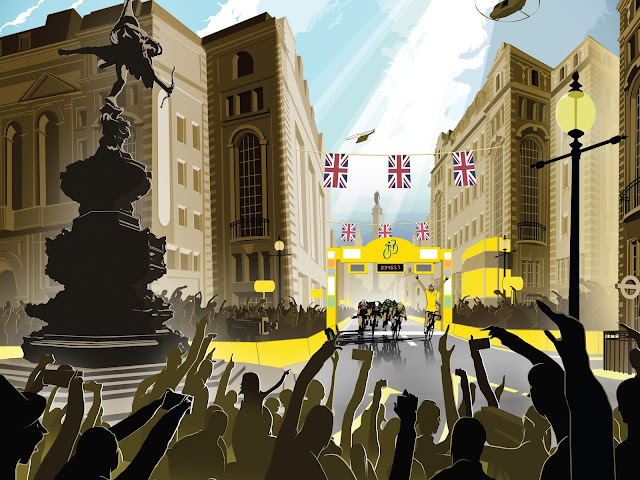
So I'm thrilled to see that this year's final stage has a new route in our beautiful capital - and it's all because of London's everyday cyclists! Because of construction work on the Embankment to build the new East / West Cycle Superhighway the Tour can't ride there. So in 2015 it is adopting a new route, which promises fast down-hills on Haymarket, tight corners around Trafalgar Square, and racing up and down magnificent Regent's Street which is, in my opinion, the most beautiful street in the world (ESPECIALLY when it is closed to traffic!)
The final stage comes to London this Sunday the 13th of September, heralding the end of a fantastic summer of cycle racing. The start and finish line is just south of Piccadilly Circus, and the riders will make a three-pointed loop of Regent's Street, Whitehall and the Strand, passing some of London's most famous buildings and attractions along the way. It is free to spectate and makes for a fun day out for all the family. The riders are fast, but you might even catch a glimpse of favourites Sir Bradley Wiggins, Mark Cavendish, Alex Dowsett and Andre Greipel, or even local boy Tao Geoghegan Hart from Hackney racing for British Cycling's development team.
Seeing as the stage is hosted and paid for by Transport for London (did anyone check the balance of the cycling budget recently?) Londoners might as well get their money's worth and have a nice day out of it...
All the details of the London stage can be found on the Aviva Tour of Britain website here. The beautiful picture of Piccadilly Circus featured in this post is by artist Will Barras and was specially commissioned by cycling website Rouleur, where it is available for purchase.
Share |
05-Sep-15
# [ 01-Sep-15 4:17pm ]
25-Aug-15
Hoop Dreams 1994 Documentary / Drama Movies Full Movie [ 24-Aug-15 11:26pm ]
13-Aug-15
I'm spending the summer in the Netherlands, and have been learning so much about cycling in their cities. What has become clear to me is that Dutch cities are increasingly competing for a share of the visitors who come here to learn about the Netherland's cycling and planning culture. Utrecht, host of this year's Grand Depart, is not alone in this - note how this incredible video touting their cycling achievements is presented in English rather than Dutch and really tries to "show off" the city as a beautiful place to visit (which it is, I hasten to add).
I think this is an interesting phenomenon for two reasons; firstly the internet is being recognised by cities as an effective tool for reaching and inspiring many people around the world, getting them excited and clearly demonstrating exportable concepts. There's also a clear attempt here to attract high-spending tourists who are on learning-based trips. In short, visiting cities to find out how they work has become a mini industry of its own!
What do you think? Have you spent time visiting cities in order to learn and find out what you can do in your own city? Do videos like this make you want to visit somewhere more? Could pro-cycling messages like this help to make the case for cycling in the city where you live?
For more information on cycling in Utrecht, visit utrecht.nl/we-all-cycle/
Share |
02-Aug-15
Interesting Postcards [ 02-Aug-15 12:00am ]
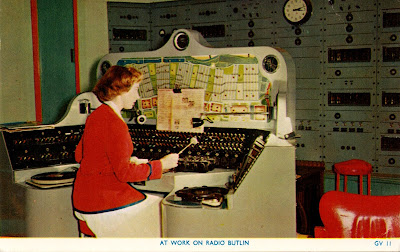
'Bing bing bong, this is Radio Butlin'. Yes, it really happened. We used to on holiday to Butlins in the seventies, and always had a brilliant time. I'll tell you about it someday, as well as posting more of my surprisingly extensive Butlins postcard collection. Bet you can't wait.
01-Aug-15
What We Call The Most [ 01-Aug-15 12:00am ]
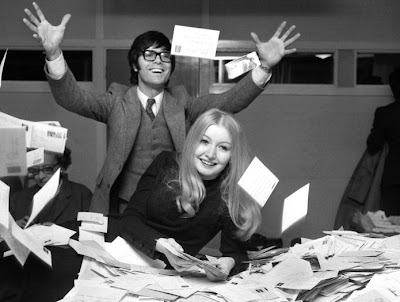
'Look, Mary, no hands!'There's no question in my mind that Cliff Richard has made a lot of good records, but very few of them have the immediate dance floor appeal of his very groovy version of 'The Girl Can't Help It' as released on his 1970 LP 'Tracks 'n' Grooves'.
The Little Richard cover puts Cliff back in touch with his rock and roll roots, of course, but it's a slightly daring move as the lyrics are ridiculously and comically lascivious, with numerous metaphors for sexual arousal and climax.
To complement the saucy words, Cliff is given a loping, slightly sleazy arrangement to emote over, full of dirty bass and, yes, prominent horns. In an attempt to temper the relentless smut, a middle eight is inserted where a Hammond organ goes all churchy and Cliff suddenly declaims 'OH, HEAR ME NOW!' as if he were a hysterical evangelist working a tent full of gyrating snake handlers.
Nice one, Clifford, nice one, son.
31-Jul-15
The Nanny [ 31-Jul-15 12:00am ]


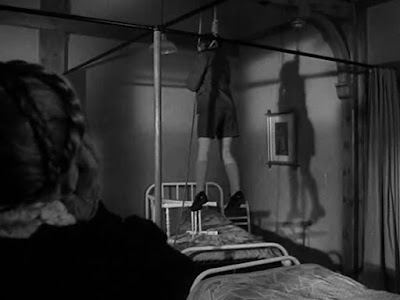
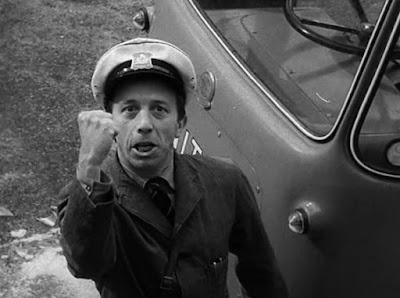

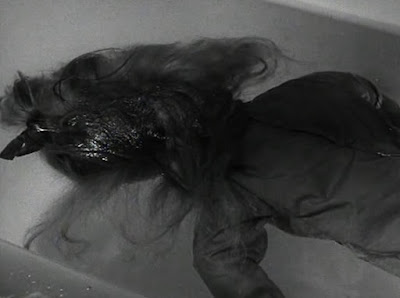
As you might expect from a film that is about the death of a child and the devastating impact it has on a family, 'The Nanny' is a rather somber affair, by far the most restrained of the psychological thrillers that Hammer used to supplement their various horror franchises. There are very few twists and turns, just a slow piecing together of the true circumstances of what may or may not have been a tragic accident.
Bette Davis stars here as Nanny, ably supported by extraordinary eyebrows. The only child in the house hates and fears her, but that's irrelevant as her real duties are to stop the Mother of the family unraveling completely, which she does by treating her like a baby, obsessively brushing her hair and feeding her steak and kidney pie from a spoon (yes, Social Services, I am aware that does not necessarily constitute responsible child care). Davis' performance is mannered and slightly grotesque, without ever being ridiculous. As things begin to unravel, Ms Davis resists the chance to go full psycho-biddy, as if her character is already at the extent of her strangeness.
The lovely Pamela Franklin pops up as a lonely teenage neighbour who pretends to have loads of boyfriends but mainly sits in smoking and watching westerns on the telly, and is by far the most sympathetic character in a film filled with emotionally damaged and psychologically distant people.
It's all a bit depressing, really, but it's well made and directed and doesn't rely on cheap shocks to tell its ultimately rather sad story. I fancy some steak and kidney pie now. I'll have a bath later.
30-Jul-15
Check Four [ 30-Jul-15 12:00am ]

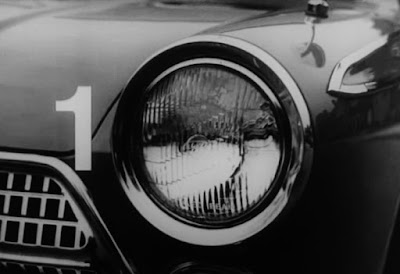
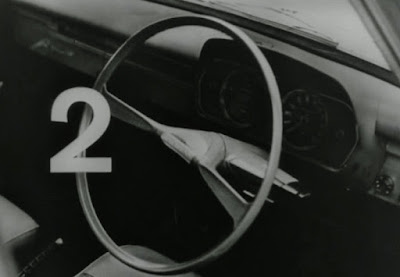
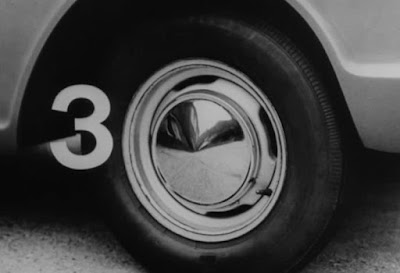
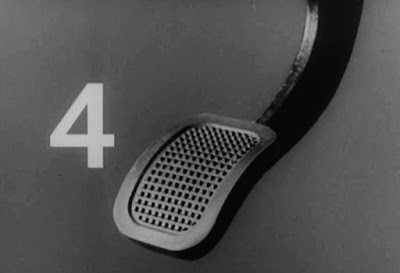
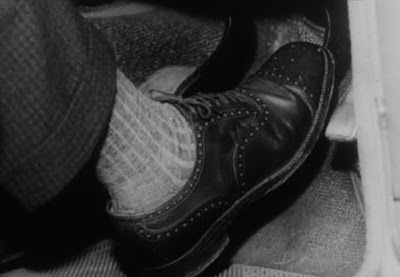
Driving used to have criteria, things that you had to do before embarking on a journey. There were special clothes to wear, equipment you needed to keep in your boot, sweets you needed in the glove box: there were gloves. It was also a time when men were expected to be useful, and so a series of mechanical checks were expected to be made before every trip. Now people just jump in and piss off at high speed in the same casual way that they might sit on a chair, or a toilet.
So, next time you need to use the car, humour me. Check the lights; check the steering; check the tyres; check the brakes; put on your car coat and pull on your driving gloves. When you've done all these things, light your pipe, make a hand signal and set off. The drive-thru KFC will still be there in a few seconds time.
28-Jul-15
Bike bans in pedestrian zones make no sense, but not why you think [ 28-Jul-15 8:30am ]
Last week I visited the Dutch city of Zwolle, the Netherlands City of Cycling in 2014. It's a pretty, historic city surrounded by countryside and has a pedestrianised heart. But what I saw there made me reconsider banning bicycles from pedestrian-only areas, but not for the reasons why you might think.
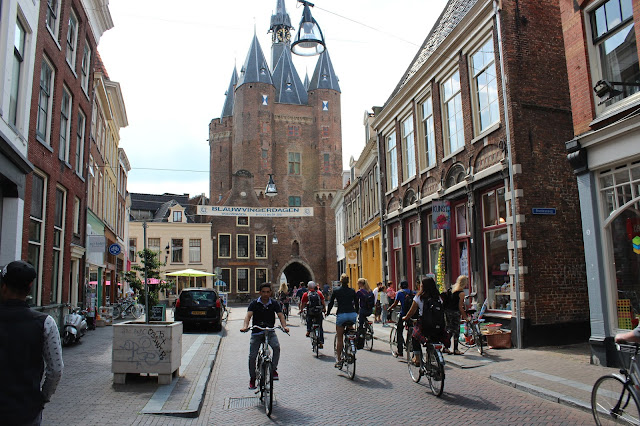 Many cities - both in the UK and elsewhere - have pedestrian zones where people using their feet to get around can relax in a safe environment where they don't need to be worried about being knocked down by speeding cyclists, or any other traffic for that matter. Where there are lots of people, especially around shops, this has always made sense to me.
The West Country town I grew up in had a large pedestrians-only shopping area, where you were expected to lock your bicycle on the perimeter and walk in. Even as a young man I remember being approached by security guards and given a telling off for pushing my bike through.
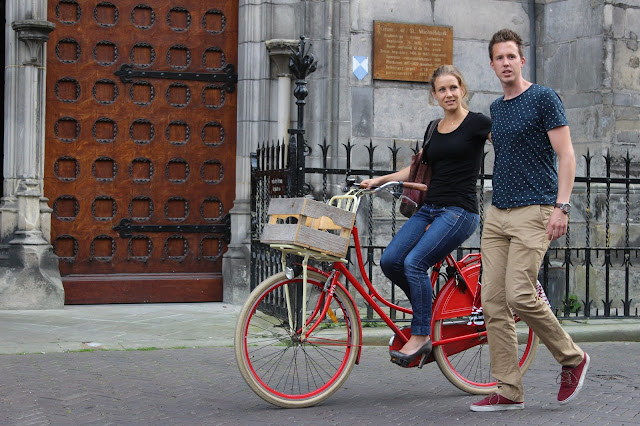
Things were different in Zwolle. I'm not sure if bikes were technically permitted but I saw many in the pedestrian area. A few were being slowly cycled to available bicycle parking, but the majority of them were being pushed. I saw two friends; one woman on a bike and one man on foot, making a journey together through the city centre (photographed, below) Would their journey have taken place if a strict bike plan was in place?
 An older woman was using her bicycle as a shopping trolley, filling her basket with goods she brought as she pushed the bike from store to store.
I remember hearing Danish urbanist Jan Gehl recount a story about his mother who, when she became too frail to cycle, would still walk with her bicycle - it was her dignified access to mobility, without having to revert to using a walking frame.
Pedestrians are important, and in pedestrian areas should always come first. As with much in life however the situation is not black and white; people have a complex approach to their own mobility. I wouldn't want to see cyclists riding at speed through shopping areas, or obstructing access with mountains of parked bicycles, but I realise there's more to bicycles in pedestrian-only areas than initially meets the eye.
P.S For more wild and reckless behaviour like using a bike in a pedestrianised area, see this film by the City of Zwolle which features their Bike Director getting a backie from various residents - something which landed London Mayor Boris Johnson in hot water this week and for which he was slammed by the CTC! (Film in Dutch only, sorry!)
Share |
25-Jul-15
Sucked To Death [ 25-Jul-15 12:00am ]
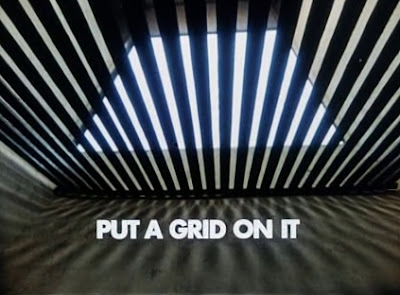
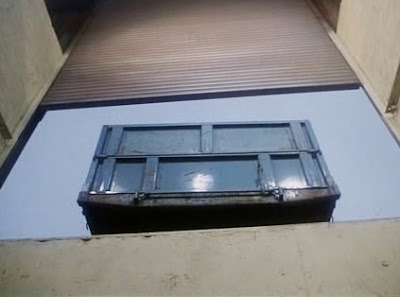
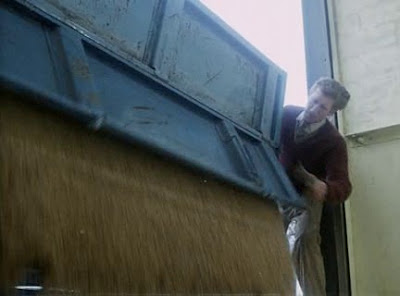



As a child I had a morbid fear of quicksand. I'd probably watched too many Tarzan films, and PIF's like 'Keep A Grid On It', a warning about the dangers of children dying in grain pits ('drowning without water') didn't help. Come to think of it, as an adult I'm still pretty scared of quicksand AND grain pits, I'm just wise enough to know that if I don't go looking for that sort of danger, it certainly won't coming looking for me.
24-Jul-15
Dracula, Prince of Deadness [ 24-Jul-15 12:00pm ]
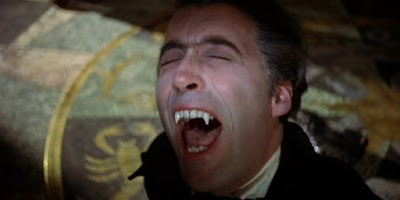
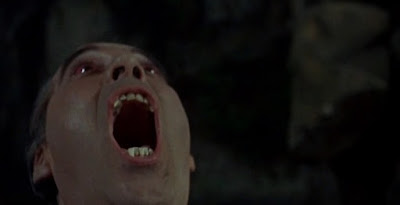
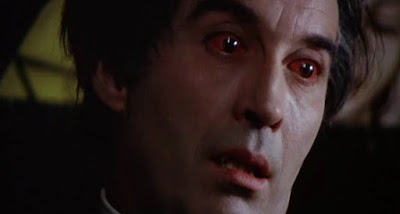
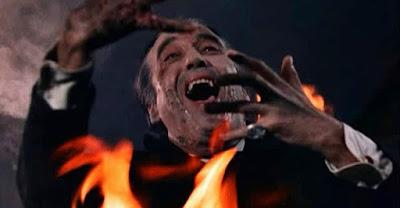
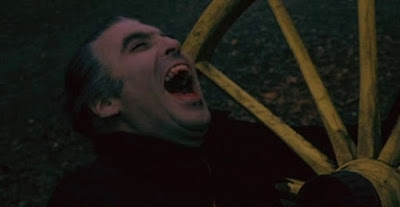
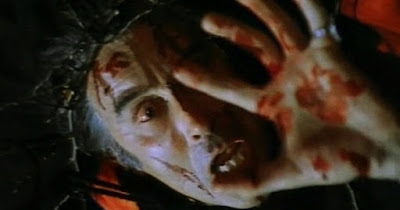
It's a convention of vampire films that Dracula starts dead, and ends up dead. In Hammer productions he is usually ended by a member of the Van Helsing family, but his nemesis can also be a callow youth or a monk who likes to warm his arse on an open fire. In 'Taste The Blood Of Dracula' he just gets giddy from being in a church and falls off a ledge. Fact is, Dracula is very much a bully. He's cock of the walk when biting young, vulnerable girls, but he crumbles when faced with any real opposition. Literally. That said, he'll be back. He always comes back.
RIP, Sir Christopher, you pompous old marvel. See you again soon.
Interesting Postcards [ 24-Jul-15 12:00am ]
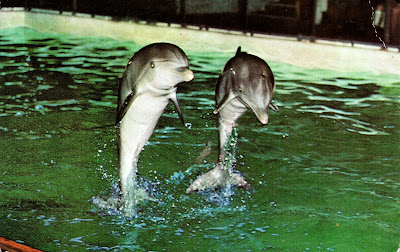
Dolphins at Brighton Aquarium, Sussex
I know what you're thinking, 'yeah, dolphins are cool, Paul, but they're not that interesting'. Well, wind your neck in, mate, because these clever little bastards are Dick and Delilah, the dolphins the CIA trained to sabotage Soviet submarines during the cold war. And you can't prove otherwise.
20-Jul-15
The Evil of Banality [ 20-Jul-15 12:00am ]
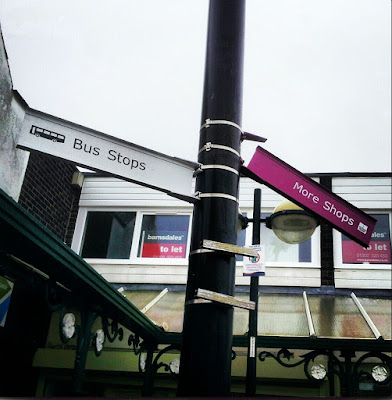
The writer, theorist and academic Mark Fisher recently set up a Facebook page called 'Boring Dystopia', and invited the submission of photographs of Britain in the 21st century to illustrate the concept. I've already uploaded a few snaps, as manifestations of dullness and decay have long been an interest of mine, particularly the places where the banal and the broken intersect, and the true, terrible, tedious horror of modern life is revealed.
We've all read '1984' and seen the implications of totalitarianism: the endless war, constant surveillance, the relentless propaganda machine, the purges, the torture, the executions, the mind boggling twists and turns in ideology, in language, in life under the heel of the system. But this is a very different dystopia that lacks even the charm of the police state: there are hardly any police for a start (the phalanx of coppers in the picture below dates from 2012, and the procession of the Olympic Torch).
This dystopia is held in place by neglect, by apathy, by a lack of resources, by a lack of interest. Everything is falling apart, but we lack the money and energy to make it right. Newly built things look half-dead even as they are unveiled, MDF where wood used to be, bricks made out of old bricks, slates and glass made out of plastic, all covered with a single coat of watery pastel paint.
New housing is prohibitively expensive and resembles a series of bird boxes split into quarters, sixths, eighths depending on how many newly weds are expected to cram into them. The pity of the boring dystopia is that these poorly and hastily constructed pens are sought after. It has come to this: we are so desperate to live somewhere that we will settle for a Lego house with a tiny consolatory patch of polyurethane lawn. There are some townhouses near to where I work. Each of them has one large window has a tiny balcony attached to it, like a fancy fringe on the bottom of a sofa. You cannot stand on it, sit on it, or even dangle a child over it. In any event, it just looks out onto a dirty, busy road.

Local authorities and other central civil organisations are not instrumental in the boring dystopia, they are subsumed by it, just like everybody else. Lacking money, resources and motivation, their interventions are confined to putting up signs, or erecting fences and barriers to keep members of the public away from areas that they already have no interest in.
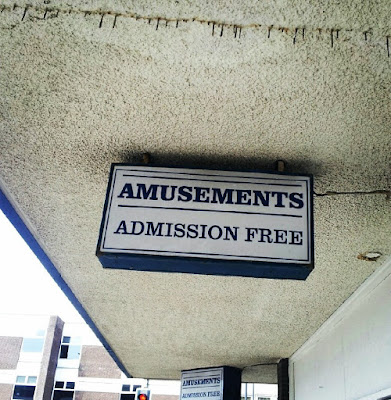
Old and empty buildings are no longer demolished, as that costs too much money, and the boring dystopia has put too many rules in place about blowing things up or setting fire to them. Instead these buildings ossify with pigeon droppings, and stalactites form like spindly toxic fingers. After a while the buildings become invisible.
Yet, despite the underpopulated office blocks, in spite of the abandoned buildings, we keep on building because we are not able to stop, perhaps because we want to fulfil the life trajectory we expected when our world was not so dystopic, not so boring. Or perhaps it's to see out the job that our distant ancestors started several centuries ago: to carve up and chop down this land until every inch of it has the brand of civilisation upon it, until there is no corner or parcel of space that does not have a foot print or a unit or a trampoline upon it. There CCTV cameras everywhere, but they simply provide a continuous flow of unmonitored images. They flicker through the night in unmanned offices. If something happens, someone will review the footage, in exactly the same way that a store detective might rewind the day's surveillance tape to check out a shoplifting incident - in 1990. We've spent billions on replicating a process that already existed. We've lost the whirring noise and gained blurred footage of Michael McIntire shopping.
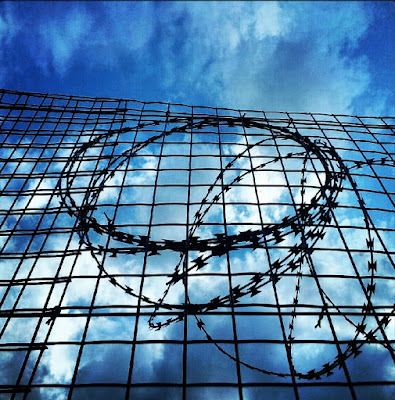
Who runs the boring dystopia? The answer is no-one. There is no-one driving. The government are too busy to bother with little things like the administration of the country now. They are like burglars who have meticulously planned a precision raid on a gold warehouse, only to get there and find all the doors open and the alarms switched off. They wander around, taking what they want, not quite believing their luck. After a while, they take their masks off. They know no-one will stop them, and they no longer care who sees them.
We can obey a dictator, respect an ideologue, fear a tyrant. These individuals lead by bending parts of the world to their will, and, whether, we go along or fight against, we live or die in the shadow of their monstrous ego. But this dystopia is boring, and it is run by boring people, except for Ian Duncan Smith, who is a fucking maniac.

So, yes, thanks to Mark Fisher, the Boring Dystopia has a name now, and Facebook users can participate in its cataloguing. It is unlikely to spark a revolution, or challenge the parameters of this society that we have created. We are too tired and disengaged to throw a brick, so we press a button to 'like' a picture of something that, actually, represents our cultural penury and societal subjugation, like condemned men unknowingly shaking the hand of their executioner, who uses the contact to estimate the length of the drop. We should be ashamed, really, mortally ashamed, but this dystopia has made us all boring, and we are too stupefied to do a fucking thing about it.
A Million Horns [ 18-Jul-15 12:00am ]

It's 1970, and Cliff Richard faces up to the challenges of a new decade and a less than inspiring recent sales record by teaming up with his old pal Hank Marvin and releasing a single that is not only rockier than his usual output, but also exploits a topical theme: the unstoppable rise of the car, and the damage pollution is doing to the environment.
Written by Hank, 'The Joy of Living' features an interesting guitar effect that seems to evoke the grinding futility of a traffic jam, and lyrics that are both deeply sarcastic and rather angry and are redolent of J.G Ballard (who would have thought lots of big, sexy, deadly cars a good thing) or even Patrick Hamilton (who would have thought it disastrous*). In this dystopic version of the future where the motor car is King, man is reduced to living in state appointed high rises, looking down on the world and remembering what it felt like to breathe clean air, like a scene from the credit sequence to 'Soylent Green' come to life.
In the end, however, a strong ecological message and a jaunty chorus were not enough to propel the song higher than number 25 in the charts and the backlash against the dirty bastard car didn't take place after all. As someone who was stuck in a lovely multi coloured crocodile for twenty minutes this morning, I wish the world had listened to Cliff more closely. He was also right about young ones not being young for very long.* Hamilton had more reason than most to hate the motor car, having been knocked over and nearly killed by one in the late 1920's. In 'Coleoptera', the last chapter of his 1953 novel 'Mr. Stimpson & Mr. Gorse', he predicts a Britain over-run by cars, created by man to serve but now completely in charge of their inventors and 'pitilessly exacting' in their demands. 'The beetles were not magnanimous in victory', he notes.
F*** Me, It's Freddie! [ 17-Jul-15 9:00am ]
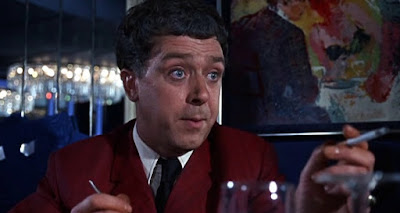
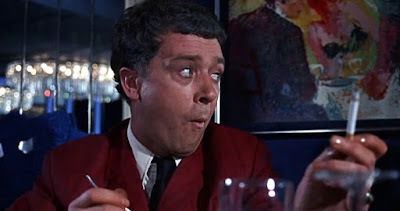
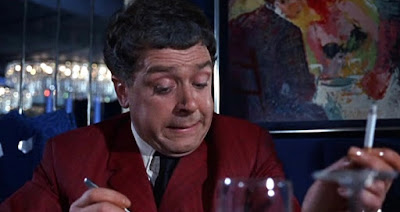
FMIF as Philip Proudfoot in 'Otley' (1968).
We've actually done this film before, but it is well worth revisiting, especially with facial expressions this good. Freddie plays what is called in olden days parlance 'a flaming homosexual', i.e. he isn't scared of what you think of his sexuality. He's also quite a dandy, and at the centre of the intrigue, like a camp mod spider. It's a broad performance, but it works - after all, as you can see from the second screen shot, Freddie has his tongue firmly in its cheek.
Otley [ 17-Jul-15 12:00am ]
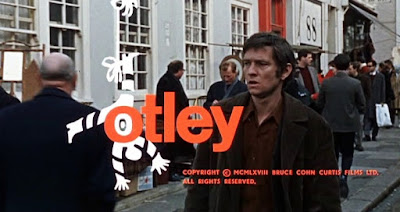
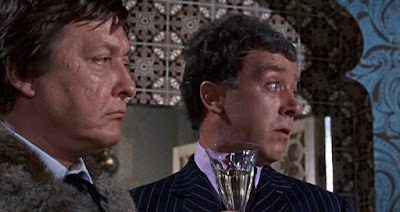
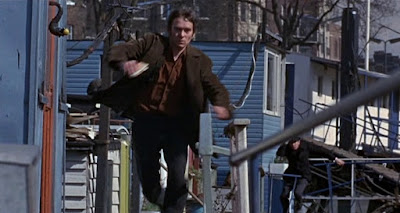
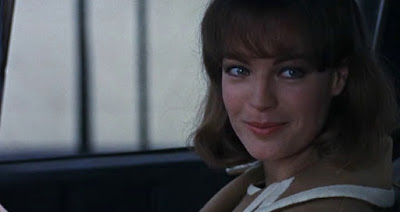
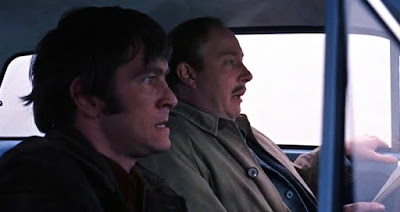
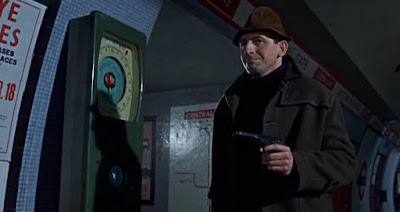
'Otley' is about fifteen minutes too long, but it's a fun film about the rather shabby world of espionage that features a stellar cast of British character actors, led by the great Tom Courtenay as Gerald Arthur Otley, a shiftless moocher and compulsive pincher of ornaments who, by sheer idiocy, finds himself at the centre of a web of slightly incomprehensible intrigue.
A nice mix of comedy and drama, 'Otley' is very sixties (never a problem in my book - or on my blog, anyway), but gives us a glimpse of the 'real' London behind the swing: the markets and bedsits, cafes, pubs and tube stations, people in polo necks and socks that need darning. The grooviest person in it is Freddie Jones, who is so sharply dressed it makes Beau Brummel look like Worzel Gummidge.
Tom Courtenay is excellent, as always. His light Yorkshire accent, bony face and slightly camp delivery are miles away from the usual leading man, and he's not afraid to appear cowardly and pathetic, which is probably why he never made it big in action films. He's also very funny and, at times, the self-obsessed, duplicitous Otley is reminiscent of a (slightly) more grown up Billy Liar, which makes you wonder sometimes if all the running around and gun play is simply part of some elaborate, extended fantasy.
The rest of the cast are a who's who of contemporary character actors, including James Villiers, Alan Badel, Leonard Rossiter, James Cossins, Ronald Lacey, Frank Middlemass, Geoffrey Bayldon and, of course, our beloved Freddie. The last two on the list are still with us (aged 91 and 87, respectively) and, I hope, will remain so for a good few years to come. Romy Schneider makes an attractive female lead, but then she always did, particularly when sporting thigh length white pvc go go boots as she does here.
Light hearted and full of twists, it's the sort of film that should be on TV right now but, for whatever reason, never is. Bloody nowadays TV.
Adieu, Aubrey [ 16-Jul-15 10:50pm ]
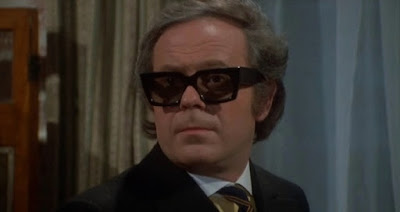
The purring, sinister, wonderfully eccentric Aubrey Morris is dead. He lived for 89 years, and was acting up until a few months ago. Here he is as an utterly bonkers psychiatrist Dr. Putnum in Hammer's 'Blood From The Mummy's Tomb'. Adieu, Aubrey.
What Might Have Been [ 16-Jul-15 12:00am ]
It's February 1979, and Punk is moribund enough for Legs & Co to get involved and start clod hopping about in plastic sandals and party wigs. If they'd only flipped the record over they would have encountered 'Frigging in the Rigging', a puerile chant full of explicit sexual imagery that is crying out for literal interpretation in dance by five ditzy dancers. Can you imagine the hand gestures?
Christ Almighty [ 12-Jul-15 12:00pm ]
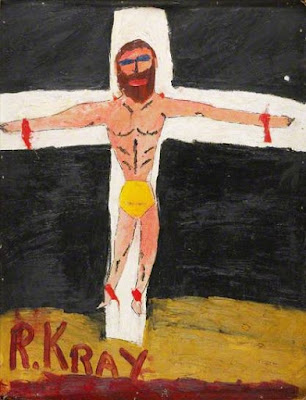
Art therapy is an essential part of prison for those serving long sentences: they've got to do something, after all, and smearing a load of paint all over a canvas can be cathartic.
Ronnie Kray was a keen amateur artist, and his paintings (not all of which are as good as his 'Crucifixion' above) now sell for several thousand pounds each. Good news, Ronnie, wherever you are: people are still fucking mugs when it comes to your tawdry legend.
A tip of the cap to Jonny Trunk who originally posted this on Instagram and made me aware of it. Now I can't think about anything else, so, yeah, thanks a lot.
Keep It Broken! [ 12-Jul-15 12:00am ]
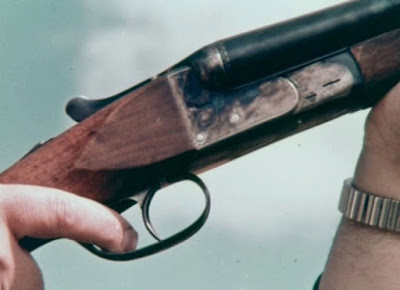
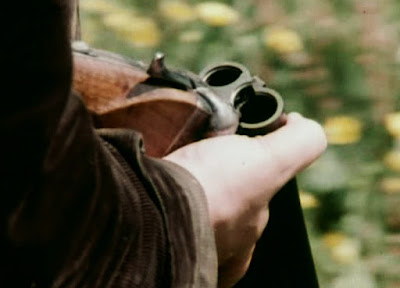
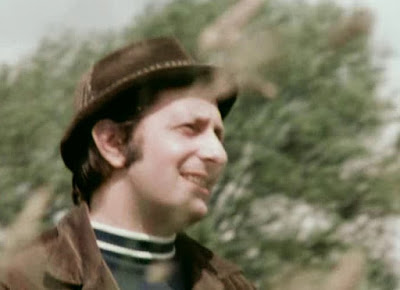
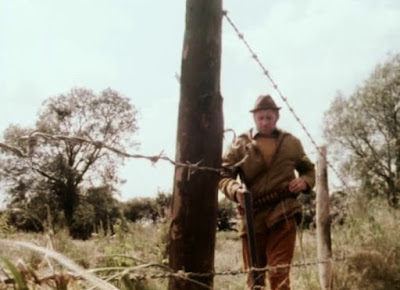
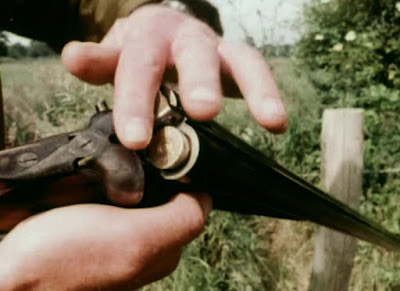
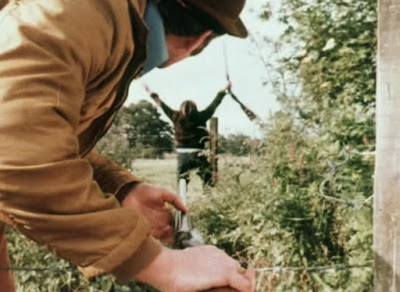
While we're thinking about shotguns, rural settings and sudden, violent death, remember --
'A gun should be broken and unloaded whenever it's not being fired, and especially when getting through a fence or over any obstacle. If you don't follow the rules, sooner or later there'll be a - BANG! - tragedy'.
Look at the geezer being shot. Is it just me, or is he hamming it up a bit?
House On Straw Hill [ 11-Jul-15 12:00am ]
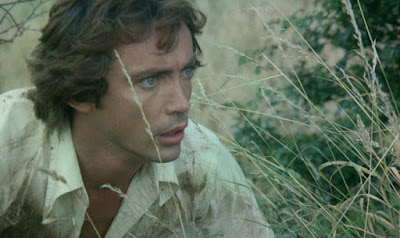
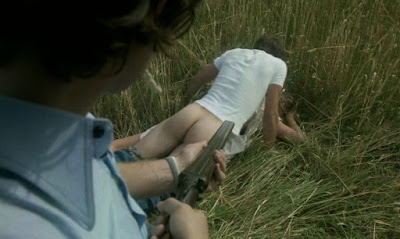

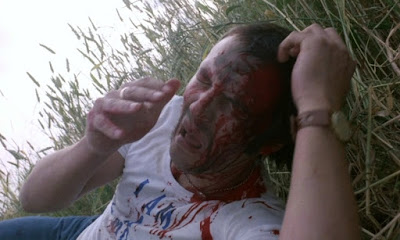
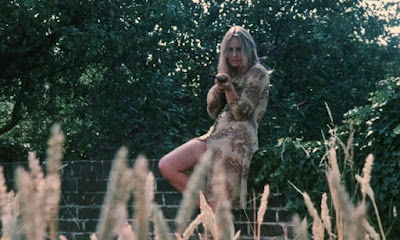
'House On Straw Hill' has either an illustrious history or a terrible reputation, depending on how you look at these things. It was the only British film on the 1984 list of banned video nasties, mainly because of its fairly explicit mix of sex (some consensual, some not) and violence (some consensual, some not). Made in 1975, it exists in any number of different versions, and under several different titles, although a more or less definitive version has recently been released on Digital Versatile Disc.
The always odd Udo Keir plays Paul Martin, a successful author who rents a remote cottage in Essex in order to work on his second book. He has an on-off relationship with porn star Fiona Richmond, i.e. he gets on, then off, then sends her packing. Their 'love' scenes have a rough and ready quality that makes them seem more explicit than they really are, but then some of that might be due to him putting on latex gloves every time they get it on.
Paul hires a secretary over the phone to help type up his masterpiece and is delighted when she turns out to be Linda Hayden, who brings her usual blend of jailbait precocity to the role, and forgets to bring a bra. Linda is a compulsive masturbator and, when she is caught fiddling with herself in a field by a couple of bicycle riding 'youths' (including an already balding Karl 'Brush Strokes' Howman), an unpleasant rape scene (is there any other type?) ensues. This young woman is not quite the pushover she seems, however, as the yokels who assault her find out to their cost.
The last half hour explodes in a frenzy of rough sex and sharp knives and a soap opera plot twist which makes enough sense to validate all the huffing, puffing and intimate touching that has gone before. Unlike the BBFC, I wouldn't describe the film as nasty, rather as an adult psychodrama that occasionally gets a little too adult for comfort: if Ingmar Bergman had made it, it would have been hailed as a masterpiece (it's worth remembering that Bergman's film 'The Virgin Spring' was the inspiration for 'Last House on The Left'). Probably.

I enjoyed the rural setting (it was filmed near Chelmsford, the furthest extent of 'my' Essex), and the scene where Keir drives a brakeless Morris Minor into a pond. I liked Linda Hayden, who always does an excellent sexy psycho, and I was intrigued by Fiona Richmond's lissom body and bricklayer's face. Most of all I enjoyed hearing extracts from the book Paul is working on, which sounds like it's going to be truly fucking awful.
Music lovers will be pleased to hear that the film has a rather good soundtrack, but you needn't take my word for it as my friend and colleague Fearlono has made a custom soundtrack for it that you can download at his smashing website Cottage of Electric Hell. One thing: you will need to pretend to be an adult to gain entry, as there are grown up themes and some sexual swear words.
Baby Love [ 10-Jul-15 12:00am ]
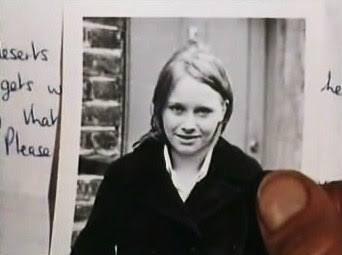
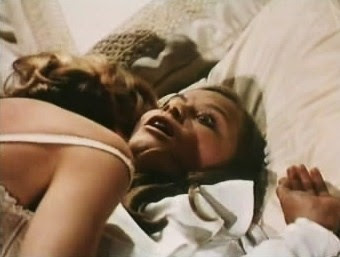
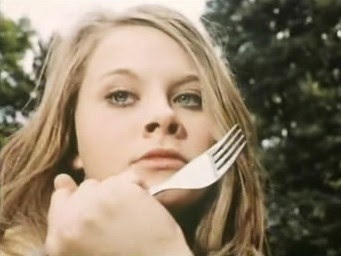

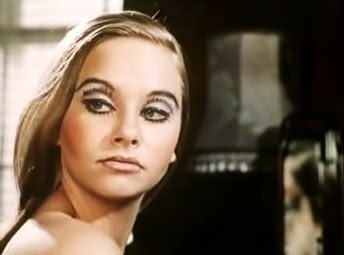
'Baby Love' centres around the familiar plot device of a stranger who enters a supposedly perfect household and shags (or is shagged by) everyone, subsequently exposing how damn dysfunctional they all are behind the smiles and soft focus. Lucy is a fifteen year old strumpet in training who is suddenly orphaned when her sluttish mother (Diana Dors) kills herself. Mum's last wish was that Lucy go to live with Keith Barron, one of her few old flames to have actually done well for himself. Lucy's arrival throws the house into turmoil, not least because she has been trained to exploit her sexuality at every opportunity, and spends most of her time flirting, walking around in her bra and letting seedy strangers feel her up at the pictures. After a while, however, Lucy begins to long to be part of the family, only to find that the family rather like her as she is - a sex object that they can project their hetero and homo sexual fantasies onto.
'Baby Love' simply wouldn't get made today, if only for the fact that frequently nude star Linda Hayden was only fifteen years old at the time of filming. This role propelled her into a career in which she almost exclusively played, for want of a better term, jailbait. In the various retrospective interviews I've seen with her she seems remarkably well-adjusted and good humoured about her ten years as a baby faced slut but, as she went out with Robin Askwith for a number of years, her critical faculties may be slightly impaired.
Some interesting guest stars in this, by the way - the aforementioned Diana Dors, right on the cusp of turning from pneumatic blonde bombshell to frowsy Earth Mother, and, in a small but sleazy role, dirty old Dick Emery.
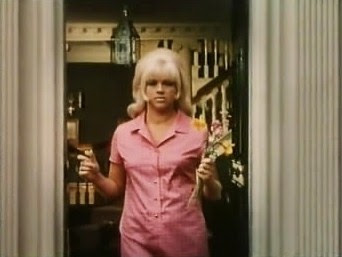
The ghost of Diana Dors.
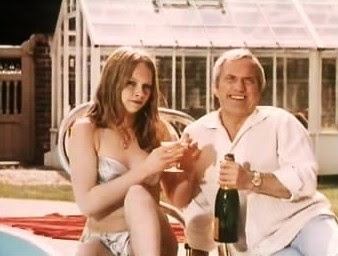
'Ooh, you are awful', etc.
Bloody Hell [ 09-Jul-15 12:00am ]
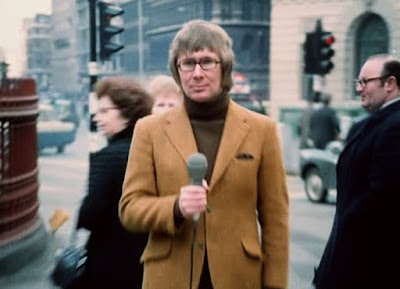
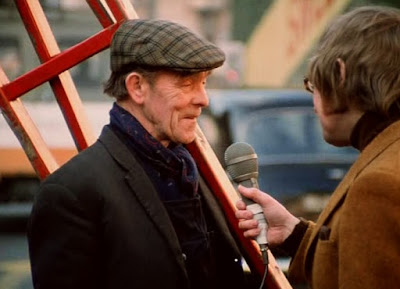
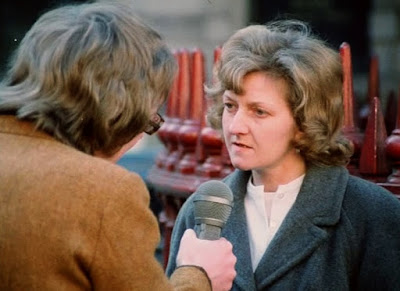
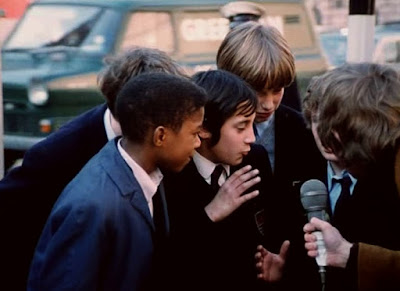
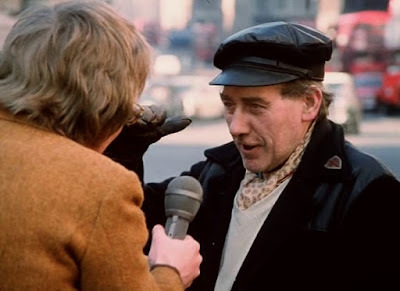
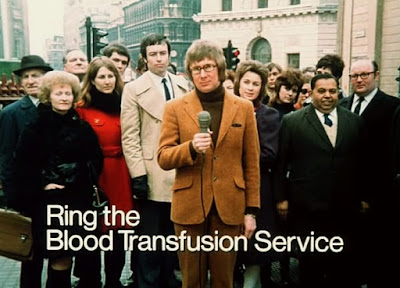
What do these randomly selected band of Dickensian grotesques and cheeky urchins know about blood? Nothing. One bloke in a bowler hat even thinks that you can keep it for up to a year! Surely everyone knows it only lasts three weeks, which is why it is used immediately, and why the NHS needs so much of it. So, do as the gingerbread man made flesh says: ring the Blood Transfusion Service and GIVE BLOODY BLOOD.
F*** Me, It's Freddie! [ 04-Jul-15 12:00am ]
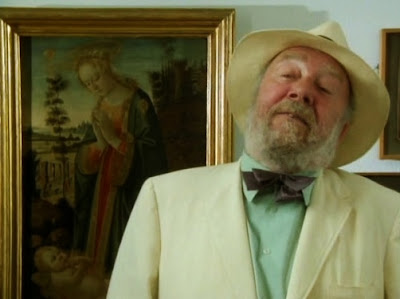
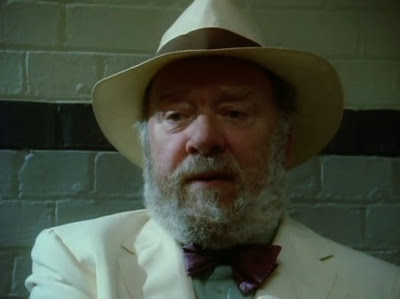
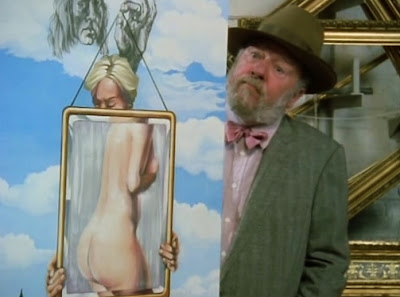
FMIF as Harry Field's Dad in 'Who Killed Harry Field?', a 1991 episode of 'Inspector Morse'. If you're wondering who did kill Harry Field, you'll have to watch the show, but, believe me, he definitely had it coming. Freddie gives a great performance, by the way, but then that's Freddie's stock in trade, isn't it? He's a great hero of mine, and it feels good to be paying tribute to him again.
Lifeforce [ 03-Jul-15 12:00am ]
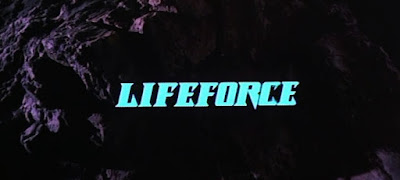
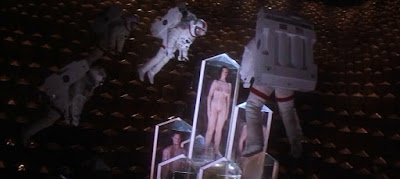

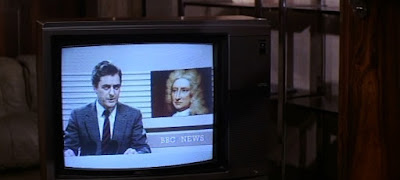


'Lifeforce' is a mostly enjoyable adaptation of Colin Wilson's classic novel 'Space Vampires'. In it, a space shuttle mission is interrupted by the discovery of a huge, seemingly abandoned space craft of alien origin. When the crew board the hulk, they discover hundreds of dead space bats and three naked humanoids in a state of suspended animation. Their genitals are thoughtfully obscured but the sole female (Mathilda May) is very beautiful indeed and has perfect breasts, and we are allowed full sight of these, which is a fatal mistake as they become pretty much all we can see and, when they disappear about forty five minutes in, all we can think about is when we will see them again. Indeed, if I close my eyes I can see them now *closes eyes*
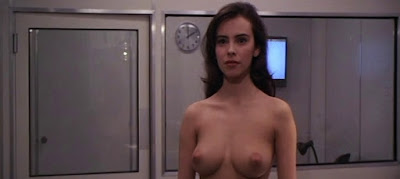
As it goes on, the film becomes less interesting and slightly chaotic, especially in the semi-hysterical finale in which vampirism has infected London and is driving people to barbaric acts of public unrest, and our uninspiring American hero (Steve Railsback) has to strip off and kiss the sexy naked vampire lady a lot in order purely to get her into a position where he can stab her with a special anti gorgeous bloodsucker sword, killing her, saving the world, but sacrificing himself. Good, the man's an idiot.
There are some excellent actors in the cast (Jerome Willis, Frank Finlay, Patrick Stewart, the superb Aubrey Morris), although Peter Firth is miscast as a tough SAS officer. There was also clearly some money spent on the production, and the special effects are generally very good if rather derivative of both 'Alien' and 'Raiders Of The Lost Ark'. There's even a promising plot line about the vampires having visited Earth on a cyclical basis for centuries but this doesn't really develop into anything interesting. Ultimately, however, all of those positive points are totally irrelevant in the scheme of things: this film is all about the ancient space vampire's stupendously attractive chest and the rest, a mysterious celestial body well worth getting bitten on the neck for.
Thinking about it, perhaps not the best film to come back with. I don't want you thinking I've had some sort of breakdown and am now obsessed with knockers, especially as a couple of next week's posts are about Linda Hayden.
From Just This Side Of Midnight [ 02-Jul-15 12:00am ]
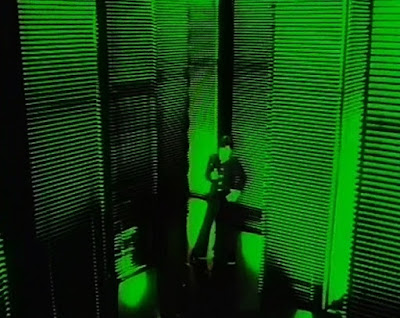
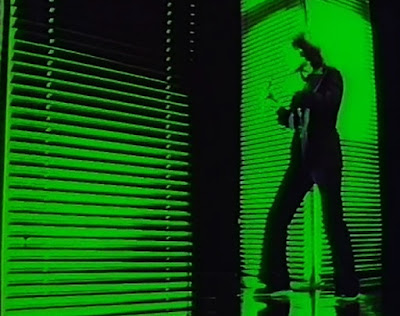
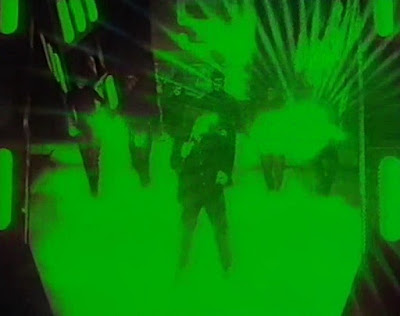
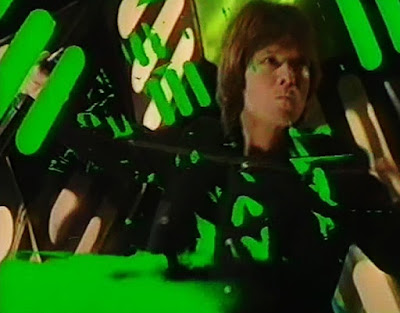
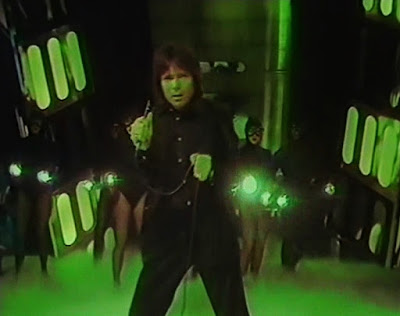
I don't know whether recent allegations about Cliff Richard are true. My only response is that it wouldn't surprise me, not because I have reason to particularly suspect him but because, in a world where Rolf Harris has been unmasked as a serial sex offender, I now lack the capacity to be shocked by further revelations. Anyway, Cliff fascinates me, and always has done, so I thought I'd look at some of his occasionally very odd oeuvre, today arriving in 1979, already twenty one years into his seemingly endless career.
Here, Cliff is searching for a green light. He's been looking for it all night. It's one of his sleaziest records, ably complemented here by the addition of Hot Gossip in this performance from a 1979 episode of 'The Kenny Everett Video Show'.
Cliff appears to be lost in a sensuous reverie but, ever the innovator, has clearly worked closely with choreographer Arlene Phillips to invent dogging. The torch wielding, goggle wearing, balaclava clad dancers bring an additional sinister note to the balefully lit proceedings. Cliff, clad all in black, is both victim and voyeur. He's found half a dozen green lights tonight, and, one way or another, he is going to get fucked.
It's good to be back.
I Had No Luck With Her [ 02-Jul-15 12:00am ]
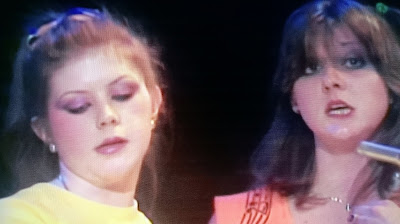
To kick off, here's a screenshot from a recently repeated episode of 'Top of The Pops' originally broadcast in 1980. It features the backing singers for a performance of Jona Lewie's quirky electro pop hit 'You'll Always Find Me In The Kitchen At Parties'.
Left hand lady is the much missed Kirsty MacColl, of course, but I have been unable to identify her co-worker. This task has been made harder by the fact that neither of them actually sang on the record, they were just in the vicinity when needed for the telly. They really remind me of the girls I used to like as a young man: attractive, feisty, not interested.
The British Esperantist [ 29-Jun-15 9:00pm ]

This is Issue 6 of The British Esperantist, the 'mix tape of books' that I have been working on since I left The Island a year ago. It's been pretty successful and, now I have returned, I would like to suggest that you purchase a copy if you can as it is not only very entertaining, it is also informative and really cheap. This issue's contents include: Hawkwind; Ben Weber, International Ventriloquist; William Blake's horoscope; trouser trends and lots, lots more.
More details here --
The British Esperantist 6
Don't linger, though, they generally aren't around for very long. Thank you for your attention.
Why there's more to successful cycle paths than just building cycle paths [ 20-Jul-15 8:30am ]
# [ 19-Jul-15 11:28pm ]
14-Jul-15
# [ 14-Jul-15 6:25pm ]
Now that the Tour de France has left, what else can Utrecht teach us about cycling? [ 09-Jul-15 8:00am ]
I'm on a summer trip, making a tour of Le Tour following the riders around Antwerp, Namur, and even riding with the peloton in a race car. It's been a brilliant journey and now I am on my last stage, returning to the scene of the Grand Depart, Utrecht in the Netherlands, to see what this cycling city looks like once the pro riders have passed by.
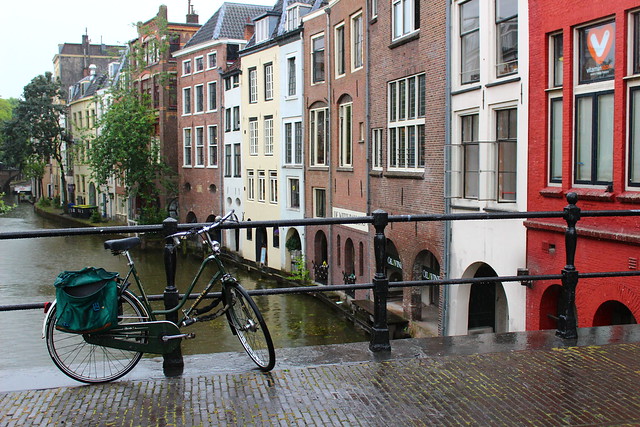
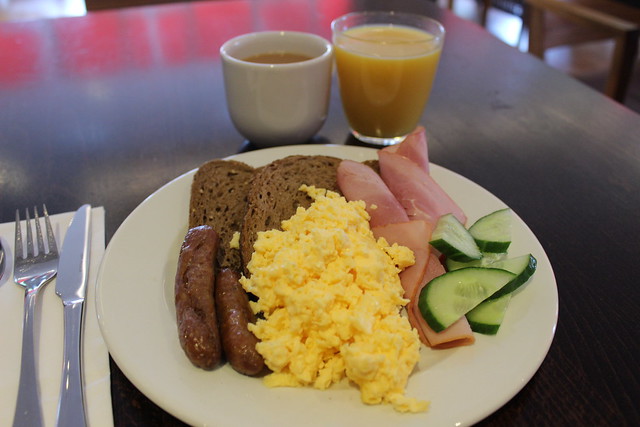
I've partnered with Ibis Hotels for this trip and all of the staff have been so friendly and helpful. Utrecht was the same; "Of course you can ride today", said the cheery receptionist "It takes more than a bit of rain to stop the Netherlands from rolling!" I looked out the window at the rain blowing in sideways and decided to fortify myself with the fantastic breakfast before I set off, grabbing the keys to a bicycle rented directly from the hotel. The Ibis in Utrecht is just a five minute ride in to the city centre along a pretty canal lined by windmills and old town houses - not a bad start to my day, despite the weather.
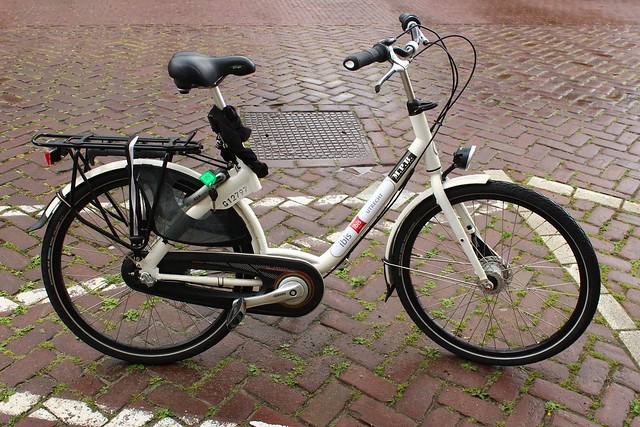
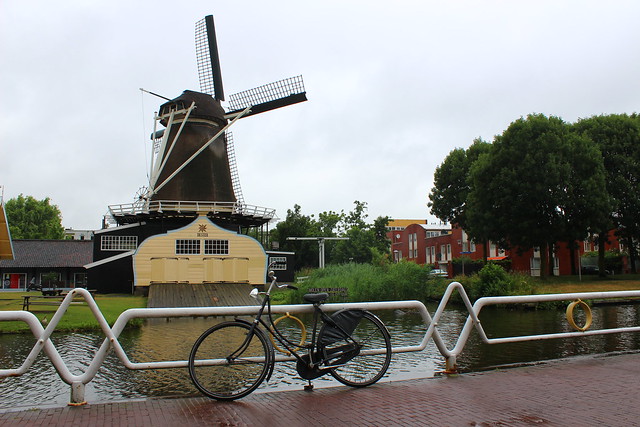
The clouds darkened and rain intensified, but this didn't seem to deter Dutch riders who cycled on regardless. Rain coats were pulled out of bags, hats were donned and umbrellas were lifted, making it immediately apparent I was in a totally different cycling situation to the UK. You could ride down the Tottenham Court Road in London at peak time in the rain whilst holding a big umbrella if you wanted to, of course, but I wouldn't recommend it. Here, things are different.
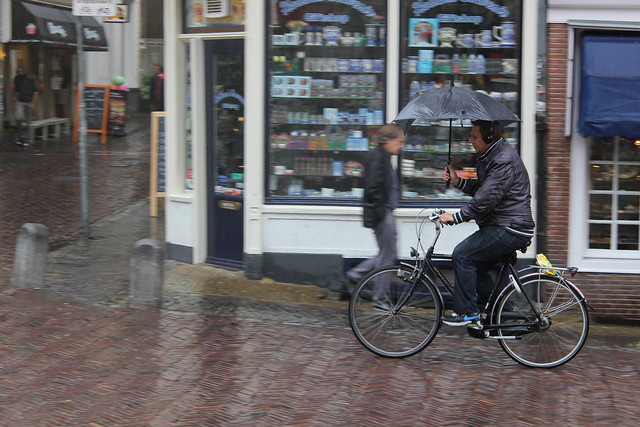
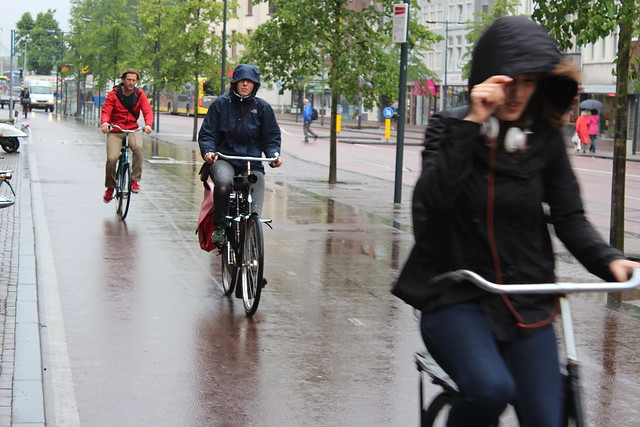
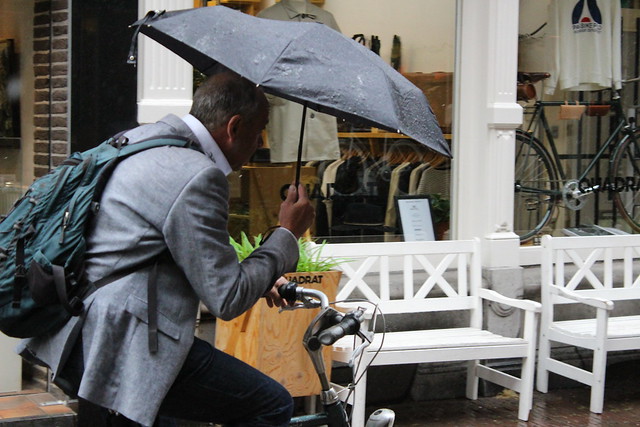
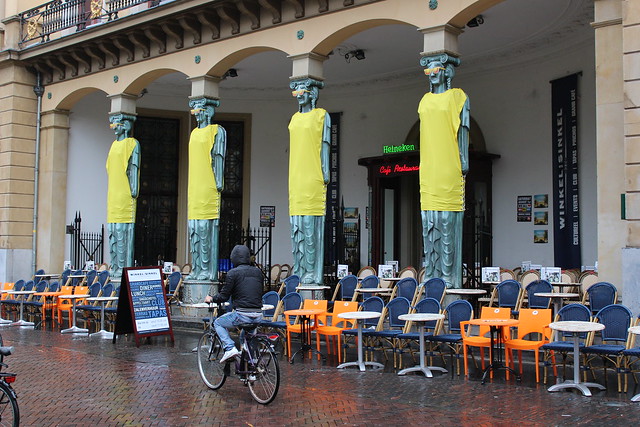
Hints that the Tour de France had recently been this way were everywhere. Shop windows were decorated with bicycles, flags were hung over every street and a statue of the city's most famous daughter - Miffy the bunny - had been put up in the tourism office. Naturally, she was riding her bicycle. The facade of the popular cafe Winkel van Sinkel was decked out in yellow jerseys, too.
But even though the pro riders had left, there's still a festive cycling feel to Utrecht that stems from the many thousands of people on bikes who cycle here every day. I saw small children being carried on their parent's bikes, middle-sized children riding alongside on their own, and teenagers enjoying their mobility and being totally independent.
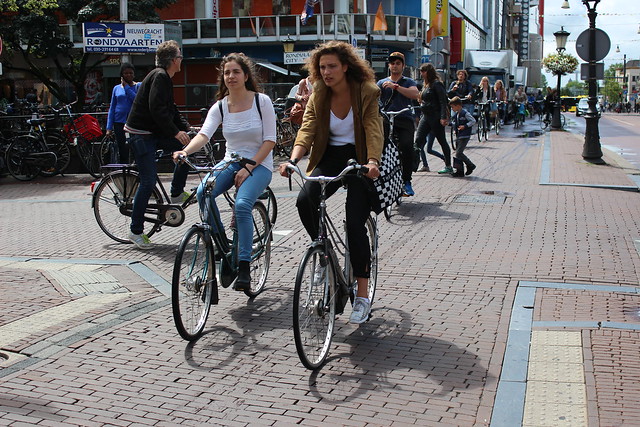
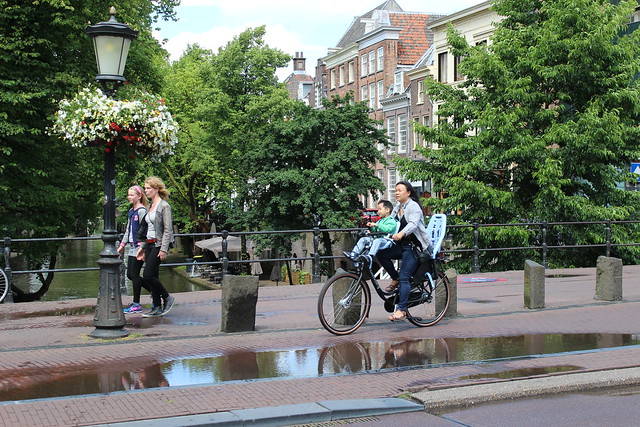
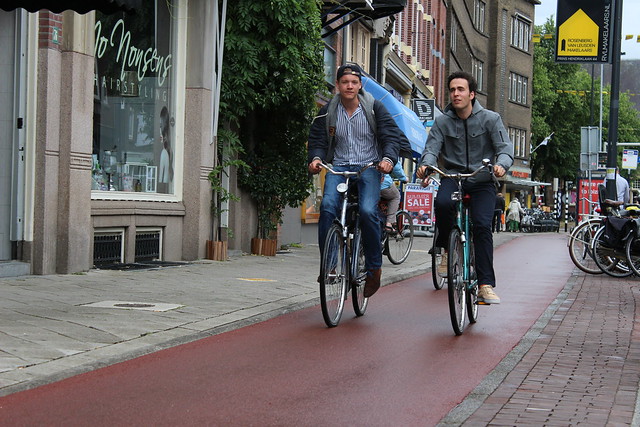
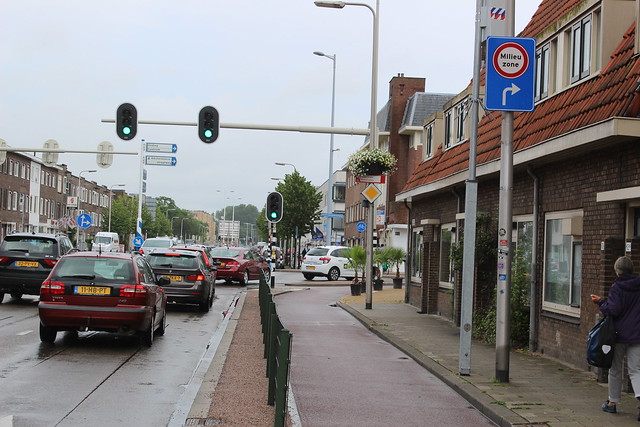
I have no doubt that all that freedom stems directly from the excellent cycling infrastructure which you'll find all over the Netherlands, but what I was particularly impressed by was how the Dutch don't sit on their hands, but are always seeking to improve things. I went for coffee with Mark Wagenbuur from the brilliant Bicycle Dutch blog. He took me out to a junction on the edge of the city, smiling proudly all the way, that we had last visited together in 2012. Back then, he had described it to me as 'the most dangerous junction in Utrecht' and I was inclined to agree. Cyclists were forced to merge with a lane of fast-moving traffic turning right, and to ride together alongside a metal fence for about 100metres. Just three years later and the situation has entirely changed. Engineers have 'found' the space to continue the cycle track safely through the junction, and the right turning traffic simply waits in a lane of the rest of the road. Of course, it's not a question of 'finding' space at all but simply a choice of what to do with the space that you have and who to allocate it to.
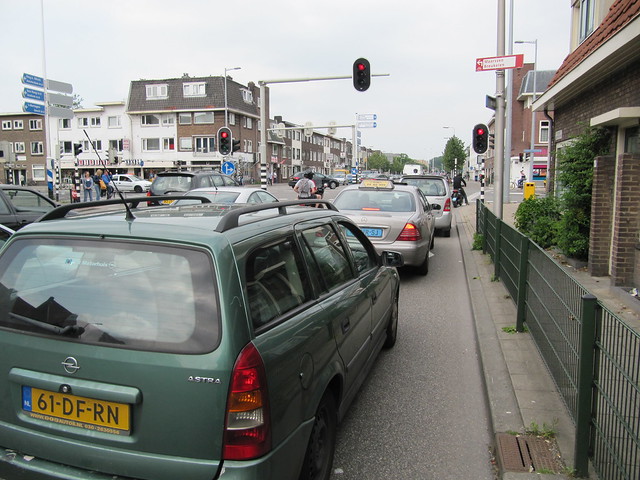
The same junction, above in 2012, as it appears today, below in 2015. Notice how space has been 'found' for the new and safer cycle track without taking the pedestrian's pavement away.
I had been impressed by the new junction, but it was nothing compared to the building project which is nearing completion in the city centre. When I first visited Utrecht the space in this photo was part of a multi-lane city ring road built in the 1970s. All it did was create traffic congestion and bring more cars in to the city centre, where there was no room for them. So the city planners decided to push the ring road further out of the city - to loosen the city's belt, if you like - to create more space for people.
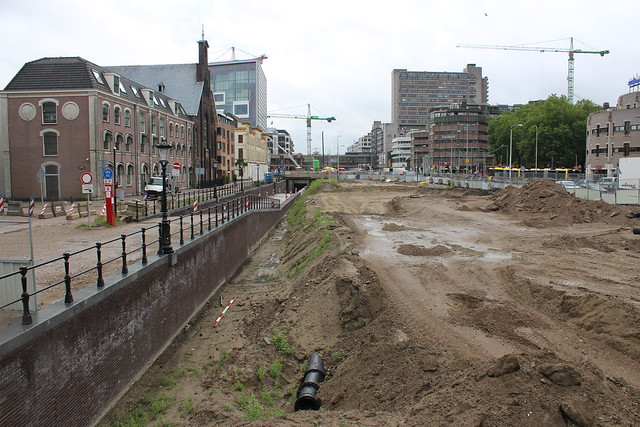
The move has allowed for the total redevelopment of the train station, created space for a new shopping area and offices and very soon the dirt that you see in the photo will be removed and replaced with water, re-connecting two sections of the city's ancient canals.
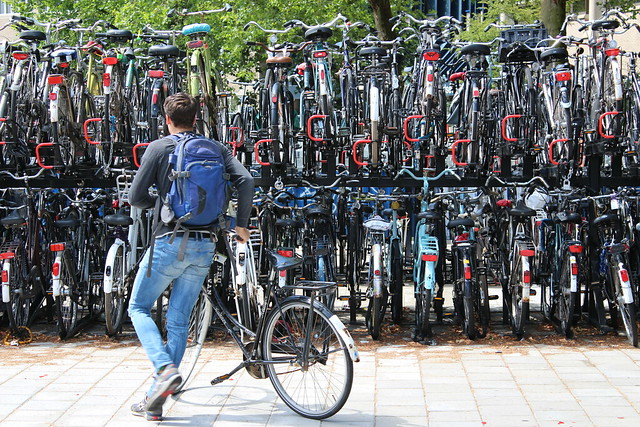
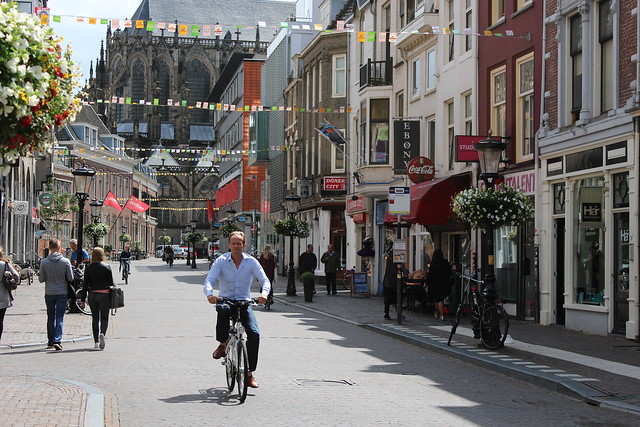
At the new station the city's cycle racks are being refreshed and new bicycle parking areas are being built. On Korte Jansstraat in the old town, a road which used to be clogged with two lanes of car parking has been re-surfaced in red bricks and the parking spaces moved away. Rather than harming the businesses there, the streets were busy with shoppers and restaurants had laid out new tables and chairs.
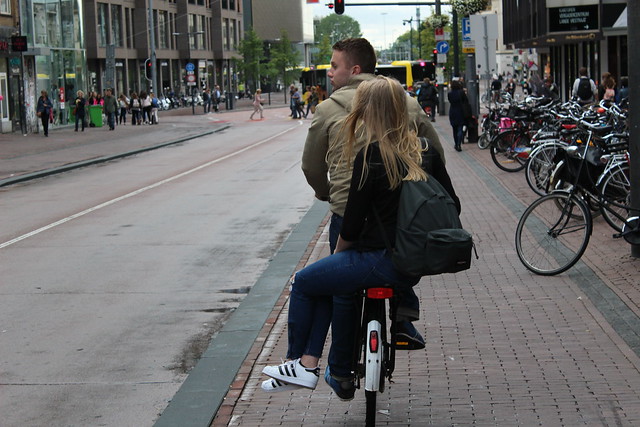
This is my third trip to Utrecht and each visit has left me with the same impression; that this is a city rapidly growing, improving itself, identifying the planning mistakes of the past and quietly getting on with rectifying them. It's lively and packed with young people and University students. Better still, it is easily connected to the rest of the Netherlands and Schipol airport by the fantastic national rail network. Utrecht proved with the Tour de France that they know how to throw a good bike party, but if the world's cycling cities were in a race Utrecht would in the break away every day. Why not make a visit to see for yourself?
Share
07-Jul-15
Tour de France Stage 4: Citadelle de Namur, Belgium [ 07-Jul-15 7:02pm ]

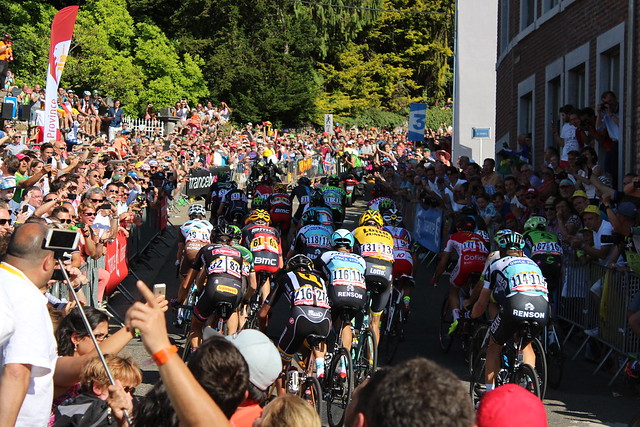
After riding in Antwerp and spending the day with the peloton, my tour of Le Tour continues, today bringing me to the Belgian city of Namur. There was a huge gap between the break away and the main bunch, who crawled up the hot, dusty road to the summit of the Citadelle, where I captured this photo.
It was a hugely exciting stage on the cobbles and a dramatic win for Tony Martin. Tomorrow I leave the pro-riders behind and return to the Netherlands to the host city of the Grand Depart, Utrecht, to find out what happens in a cycling city after the racing cyclists have gone. Stay tuned!
Share
06-Jul-15
In the thick of it. Today I found out what it's like in the middle of the Tour de France... [ 06-Jul-15 11:40pm ]
The cyclists ride at breakneck speeds whilst all around them there is ordered chaos; mechanic's cars, radio cars, official cars and of course the infamous publicity caravan. Spectators waive their picnics from the roadside as the riders tear past. Boozey kids run alongside, shouting and jumping up and down. More than a few crowd members get perilously close in the quest for a perfect snapshot to share with friends. I took a ride in the Tour de France, and here's what it's like to be right in the middle of the world's most famous cycling race.
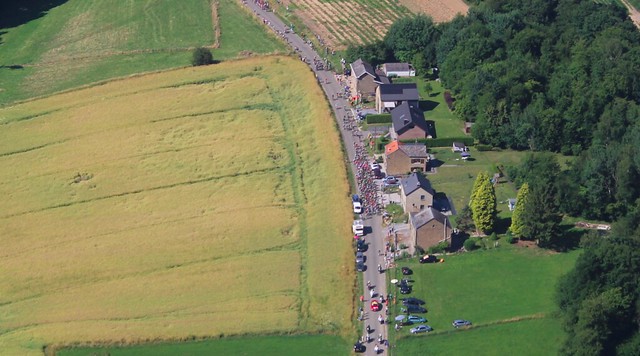
The summers of my youth were always filled with the Tour de France, enjoyed by the whole family as much for the lingering shots of magnificent French scenery as for the riding itself. We cheered on Greg Lemond and talked endlessly about Lance Armstrong as though he were some kind of cycling superman. Looking back it seems like a cycling age of innocence, but I loved all the poetry and drama of a journey around a nation by bike. Not just a journey, but a race no less.
This was all before talk of drugs, "enabling" Doctors, self-administered transfusions and blood bags in the hotel room fridge. Doping cast a deep stain on professional cycling, and it was a long time before I allowed myself to get back in to bike racing. It's all the fault of Mark Cavendish, really. His technical prowess and sheer bravura meant I'd find myself tuning in for the sprints again. Then came Sir Bradley Wiggins. A Brit winning the tour was the stuff of dreams when I was a kid, but then it actually happened. Seeing young rider Simon Yates power to the top of Hay Tor during the Tour of Britain in 2013 meant I was roadside - along with about a million other people - to cheer him on when the Tour de France visited our shores last year.
So when official Tour partner Ibis Hotels got in touch asking if I'd be interested in spending the day right in the middle of the race, they didn't have to ask twice.
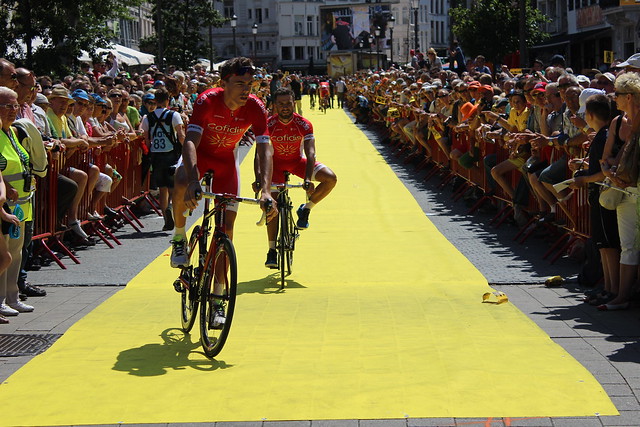
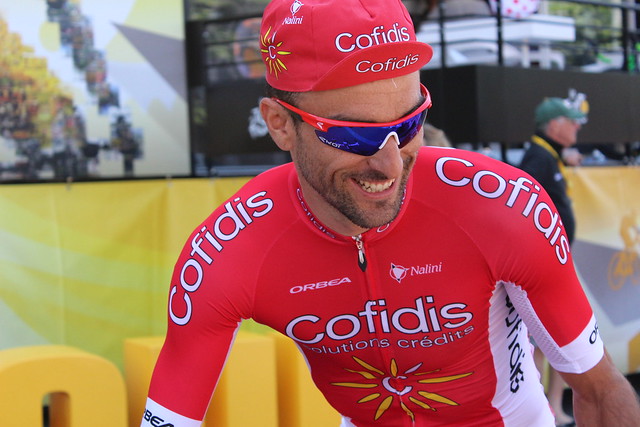
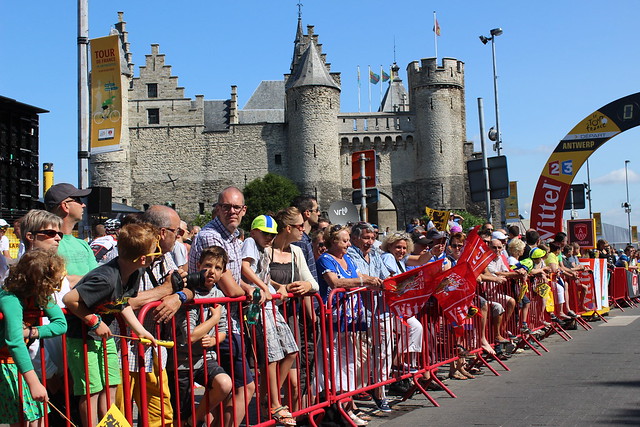
The route from Antwerp to Huy was one of the first 'real' stages after the ceremony of the Grand Depart in Utrecht (a time trial) and a flat spin across the green fields of Holland. With Quintana, Contador, Nibali and of course Chris Froome all keen to prove their metal in the initial stages there was plenty of scope for pushing, shoving and hard racing from the off - and the first real uphill finish; the short and steep Mur de Huy. Both Froome and Cavendish were out of the 2014 Tour within the initial 5 stages, so there was lots to prove.
Going to spectate at the Tour is a funny business. You'll stand on a dusty roadside for many hours, and the whole thing flashes past you in a matter of minutes. The cyclists themselves pass in mere seconds. Being stuck in the middle of it all gave me a totally different perspective. The first thing you notice is the speed at which the entire convoy clips along. These boys - all 198 of them - don't hang around. And somewhat paradoxically for cycling the centre of the convoy is a noisy place. There's no elysian wheeling through the countryside here - right behind the cyclists are roaring mechanic's cars, powerful Police motorbikes with sirens, commissaires hurriedly jabbering on their radios, helicopters and not to mention the crowds. Despite the tumult, they do a great job of cheering and shouting at the riders and its surprising how much of what they say is legible. Chris Froome must hear people telling him to cheer up all the time.
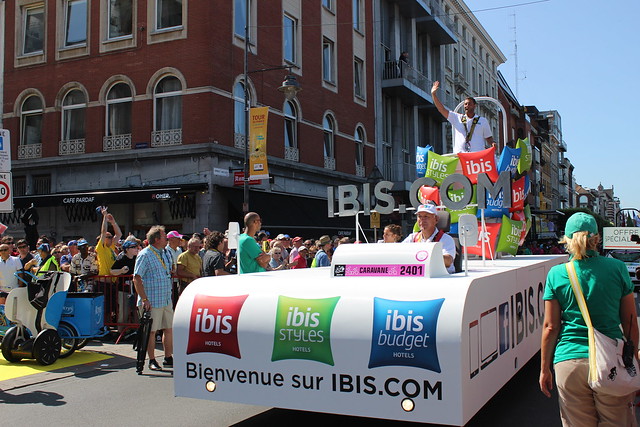
Not all of the drama in the peloton takes place at the front of the bunch, either. Domestics - the worker bees of the Tour - are always falling back to pick up supplies from their team cars (themselves zipping along at a steady 40kph or so) and relaying it forward to their team mates. Bidons are hung out of car windows and you watch as the riders grab hold, perhaps for a second more than is sportsmanlike. The team crew and the cyclists amiably chat as though riding next to a tonne of car moving at speed with a man inside shouting at you is the most natural thing in the world. No wonder Britain is doing so well in pro cycling these days.
And what of the Brits? There's Froome of course, and Cavendish who'll be relishing the absence of young German sprinter Marcel Kittel this year. There's eight other British names - compared to last year's four - and this when well-known names like Wiggins and David Millar are past their peloton prime and not in the Tour. Ian Stannard will be working hard to pull Chris Froome safely across the cobbled sections tomorrow, whilst hour-record-grabbing rider Alex Dowsett will be looking for a good ride after fracturing his collarbone earlier this year. Geraint Thomas, Luke Rowe and Peter Kennaugh will be riding for Team Sky under the tutorship of Sir David Brailsford, whilst the 22-year-old Yates twins - Simon and Adam - are racing with Australian team Orica-GreenEDGE and are the riders I'll be watching most closely. Steve Cummings, riding aged 34, will be in a lead support role in his team MTN-Qhubeka. Surely a golden age of British pro cycling if ever there was one?
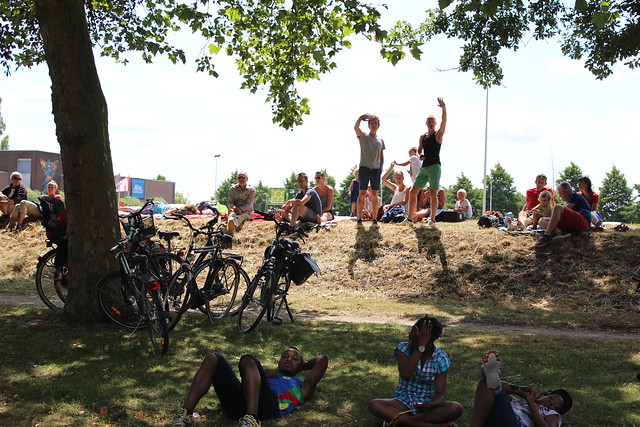
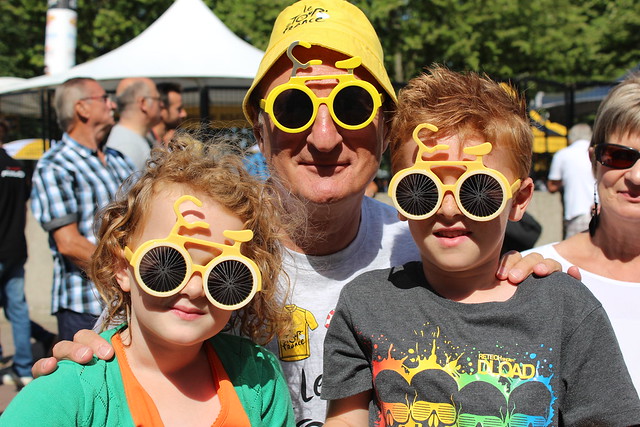
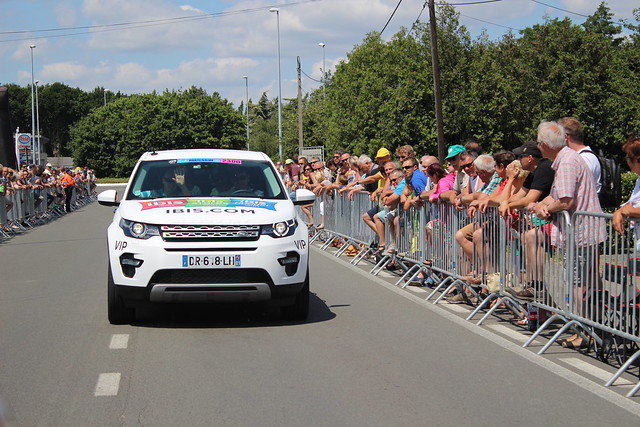
Along the route, entire communities find themselves making the most of an enforced day off. Their streets, no longer enthral to the motor car, are closed down and become occupied by people again. Kids chalk drawings on to the tarmac. Families put out picnic tables and share food with friends and neighbours. In Tienan we saw a Belgian oomph band keeping a whole village entertained. There's a certain holiday atmosphere which, coupled with sunshine, makes for a wonderful day out.
Today's stage raced along at incredible speed. With nerves in plentiful supply and lead riders keen to establish their position, a crash seemed almost inevitable. When the crash came, with about 60km still to go, it was a big one, leading the race director to temporarily suspend the Tour whilst medical staff dealt with a multitude of serous injuries. Yesterday's Yellow Jersey winner, Fabian Cancellara, completed today's stage but has now withdrawn from the Tour after it became apparent he'd broken pieces of his back. White jersey-wearer and young hopeful Tom Dumoulin is also out of the rest of the Tour. Cycling is a tough sport.
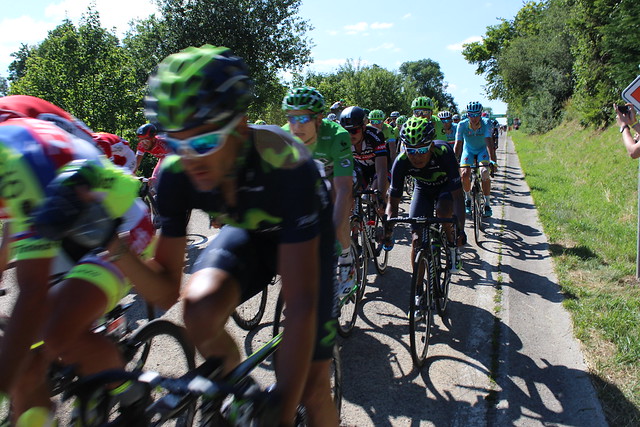
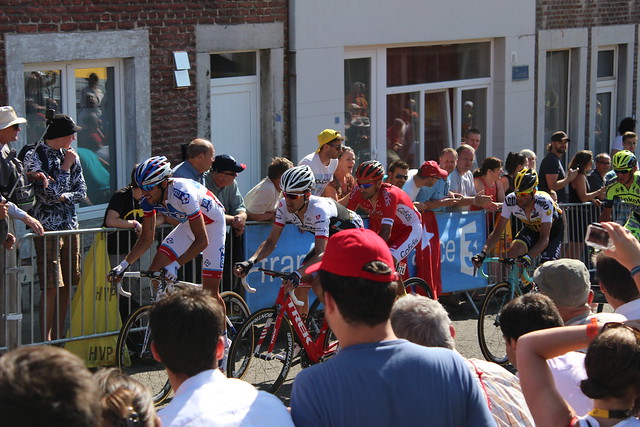
The sheer scale of the entire Tour operation becomes apparent at the finish line when you finally see all those riders, all those support vehicles and all those bikes in the one place. It's like a happy cycling chaos, with riders being ushered in to trailers, pursued by journalists, fans, erstwhile bike bloggers and doping control. Masseurs swing in to action, whilst stage host Mayors beam from the podium for the cameras. I can understand why Ibis loves supporting the Tour de France - all those riders, team directors and hangers on (not to mention the spectators) have to stay somewhere. Indeed, some 1,500 hotel room beds are reserved every night of the Tour just for organisers and teams.
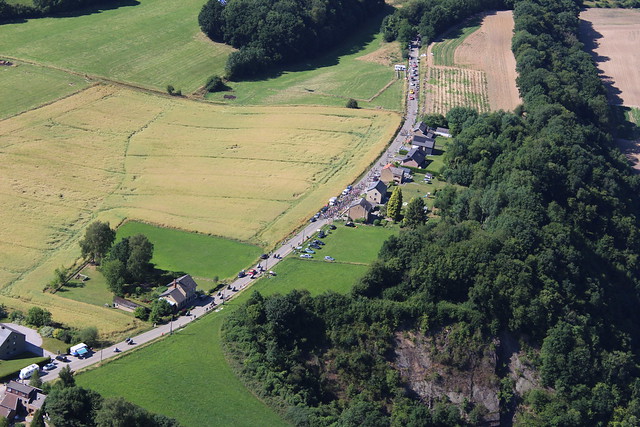
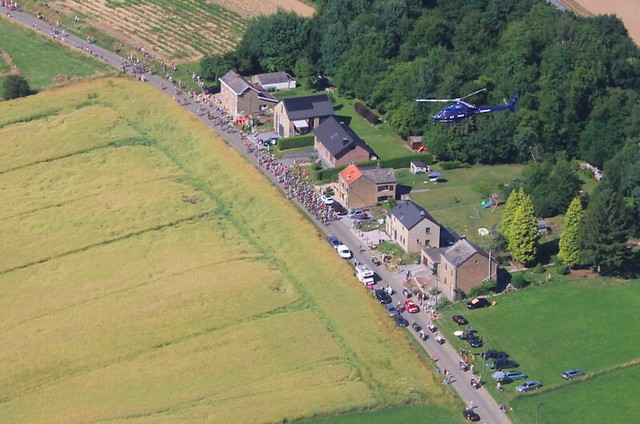
Ibis, who have been putting me up in their super comfortable hotels here in Belgium (I love their Sweet Beds and have been sleeping like a baby throughout my trip) decided that it wasn't enough for a cycle racing fan to be allowed in to the thick of the action and had one final surprise in store for me; a transfer to a helicopter about 20kms out from the finish line to watch the peloton from up on high. Watching the bunch snake its way around corners and up hills through the spectacular, green countryside is a memory that will stay with me forever, and I feel exceptionally lucky to have had such an opportunity. Thank you, Ibis, for your support of the Tour, for such a welcoming stay and for an incredible day of cycling I'll never forget!
Share |
Bikini State [ 14-Jan-16 12:00am ]

BALLS [ 14-Jan-16 12:00am ]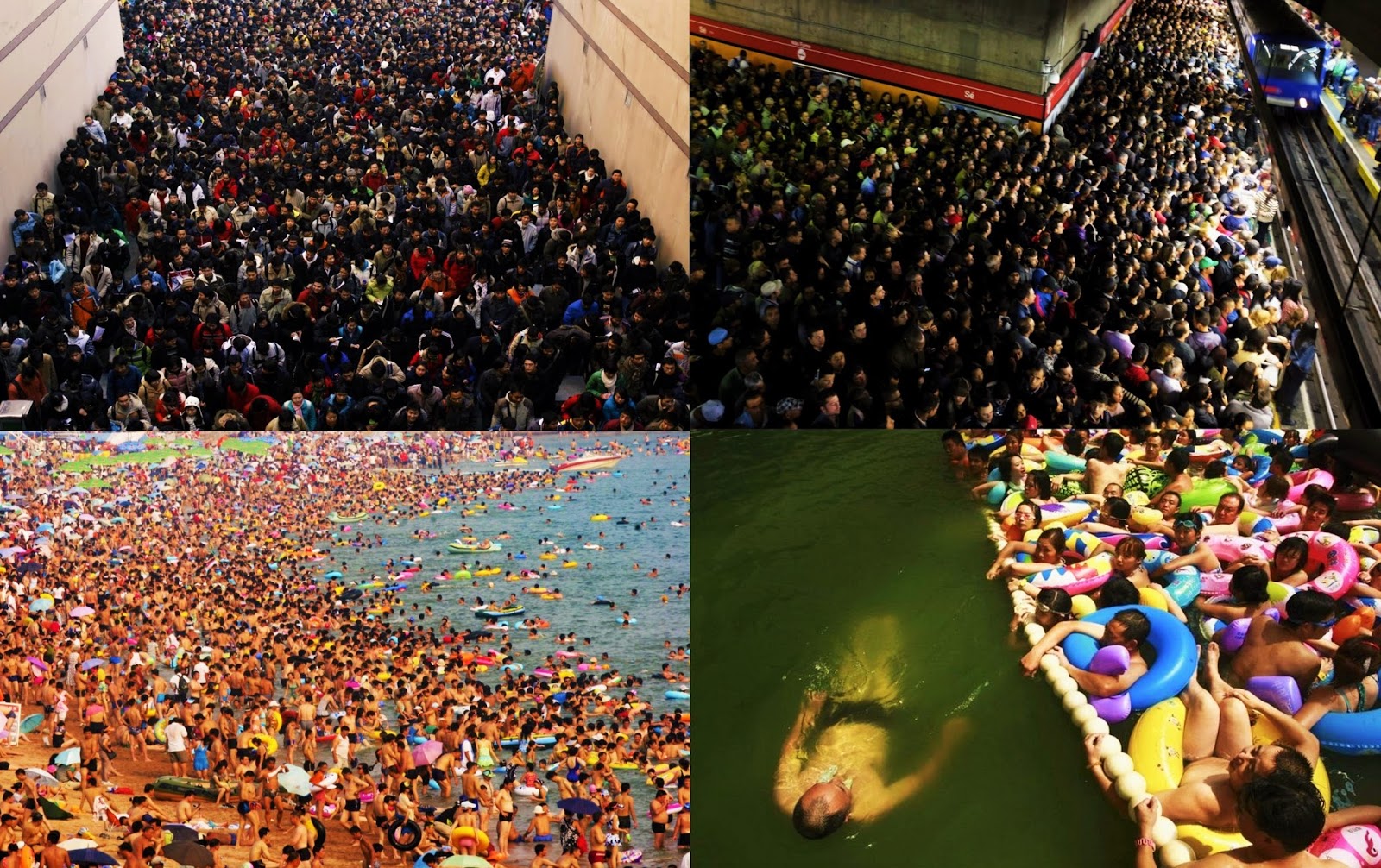
A PREMONITION
A few weeks ago I had a dream. It may even be considered a nightmare, although I was not so much frightened by it as profoundly unsettled. The dream-mare, which was in black and white and had a similar stylistic mood to an episode of The Outer Limits, featured a train compartment and a man who clearly represented me but had a much better wardrobe. The train was extraordinarily busy. I don't mean that it was rush hour busy, with people stood in the aisle and rather uncomfortably wedged together, the sort of scenario accompanied by the smell of frustration and unwashed clothing: this was a different type of busy altogether. The compartment resembled an ant hill, a place alive with frenzied, seemingly random activity - or perhaps a slide seen under a microscope, full of swarming germs. People moved around the compartment seemingly without any control over their bodies, bumping into each other, rubbing up against each other. There was no eroticism here, this was horrible: an involuntary dance from which there was no peace, not a moment of stillness or a second of calm or quietude.
In a corner, my avatar, clinging to a dangling strap, trying to distance himself but buffeted again and again by the other passengers, some of whom looked at him apologetically, some defiantly, but most as if he were not there at all. The man pushed through the scrum of people and moved into the corridor, rattled the door handle. Locked. Very quickly, the corridor filled with the same helpless, hopeless people as before, and he found himself pressed into the door, his face squashed against the glass, half registering the indistinct outside rushing by. Then, suddenly, everyone disappeared apart from the smartly dressed man. The train stopped. There was no announcement, no punchline, but I woke up convinced that the man had finally escaped from the madding crowd in the way that people have been escaping misery and unbearable circumstances for eons: by dying.
I'm not a scientist, so I can't be sure of what the dream meant. It came at a time when my life was full of pressure, and full of people, so it was perhaps influenced by that. The message, if there is one, is that life is relentless and restless and people simply won't leave you the fuck alone. I don't know what to do with this message. There is virtually no practical response to it. Perhaps it isn't a message at all. It doesn't require a reply. It is not a warning, as it is already happening. It seems more like a flat, fatal statement of fact, like 'You're never going to be a millionaire' or 'Eric Morecambe is dead': an unpalatable but immutable piece of information that you simply have to file away and live with. So I'm living with it, but I can't help but notice now how many other people there are out there*. Tricky things these dreams, they continue to work when you're awake.
AN APPARITIONIn the town where I now rather begrudgingly live, there is a neglected area that used to have something to do with the canals and is now largely deserted, apart from at night when it becomes a hotbed of vice and intoxication, of dogging, drugs and prostitution. It is place full of empty units, things that used to be something but are now nothing, less than nothing, and a little less every day. Almost everything seems to be under a bridge. The town's prison is there, surrounded by a smooth, dirty brown wall and identified by a sign that says in an informal font (Mistral, thank you, Andrew Demetrius)) 'Welcome to OUR Prison'. I wish I'd made that up, but it's 100% true. Just before you get to this fun factory / penal collective there is a bridge over a river. On one side, water rushes down a slope before meeting an abrupt but very definite drop. Here, in the broiling water, float a strange, eerie selection of tyres and balls of all shapes, sizes and colours, some free, others enclosed in the hollow 'o' of a worn out radial, trapped in groups of twos and threes, bobbing wildly but never breaking free. It is uncertain how these objects got there, how far they have travelled or how long it took them to arrive - but now they are stuck, having met an immovable object that resists the force that has carried them there. The worst thing is that this is not a case of arriving and, realising there is no way forward, settling. There is no settling. Instead, this is a relentless, exhausting existence, a never ending battle, like drowning all day, every day, but never sinking to the bottom. Without any outside agency the balls and tyres would butt up against the weir wall forever, or at least until the water froze or became thick sludge or dried up completely. It is a horror. It is horrible.
At night, I think about the balls and the tyres and the branches and their pointless, endless struggle and I feel afraid. I see my corpse caught in the turmoil, stuck like Ahab on the whale, waving not drowning, deader and deader, but never at peace. I get up and turn all the lights on, as if to reassure myself that The Crisis hasn't happened yet. It hasn't happened yet. Soon, I will flick the switch and nothing will happen.
* The Crisis will be a big help in this regard.
** Mistral. Thank you, Andrew Demetrius.
THINGS I HAVE LEARNED IN 47 YEARS [ 10-Jan-16 12:00am ] Life is like this. WHEN CRYPTIDS WITHDRAW [ 06-Jan-16 12:00am ]
 I read recently that the Yeti hasn't been seen by anybody since 2006, a conspicuously long gap after living in close proximity to human beings for hundreds of years. The Tibetans do not believe for a second that the Yeti is dead, but his absence worries his neighbours: what does the Yeti know that they don't? And where the hell has the Loch Ness Monster got to?
Generally speaking, sightings of all cryptozoological creatures are down, and UFO reports are at their lowest since the end of World War Two. These complementary issues can be interpreted in two ways, neither of them particularly good. Let's go back to the Yeti as our example for the first interpretation. Has he disappeared by default or design? Is it a forced migration or a tactical withdrawal? Or maybe he just got sick of us and our smells and noises and hissy fits and hydroelectric plants and simply wandered out into the wilderness, very deliberately climbing a little higher than we can follow. Perhaps he knows something bad is coming and wants to remove himself from the source of the problem: human beings. Yeti's no fool, he'll come back when it's all over to make his bed on our bleached and broken bones. It's the same for all the cryptids: they can smell bad vibes. So perhaps Nessie and Big Foot and Ogopogo and Chupacabras are keeping their heads down, just as Aliens are giving us a wide berth: they'll be back to probe what's left in due course. This is bad, very bad. How long will it be before birds fly south and just stay there; before bears go into permanent hibernation; before eels decide to give the Sargasso Sea a miss this year? Nature is backing away from us.
Conversely, let's say that there's no such thing as the Yeti, no such thing as Nessie, no such thing as aliens. With that in mind, it's not at all surprising that no-one is reporting encounters with them. The issue is, however, that, previously, people were seeing them all the time: they had a major presence for something that didn't actually exist. So, why aren't people filing false claims about them now? Why aren't people still pretending to have married Big Foot, or claiming to have been whisked away to Venus for intrusive medical experimentation? Is it a failure of imagination, or a loss of hope? When people stop making shit up, you know we're in trouble.
As with everything on this blog, there are no answers, no solutions, no conclusion, just a bad feeling, and a dull ache about The Crisis to come.
NEW FILM NEWS [ 01-Jan-16 12:00am ]
In a surprise statement, the ARTS-GOV computer has announced that, from now on, all British films must star Laurence Harvey. The Lithuanian born actor was unavailable for comment, having died in 1973.
UNLUCKY LIPS [ 29-Dec-15 12:00am ]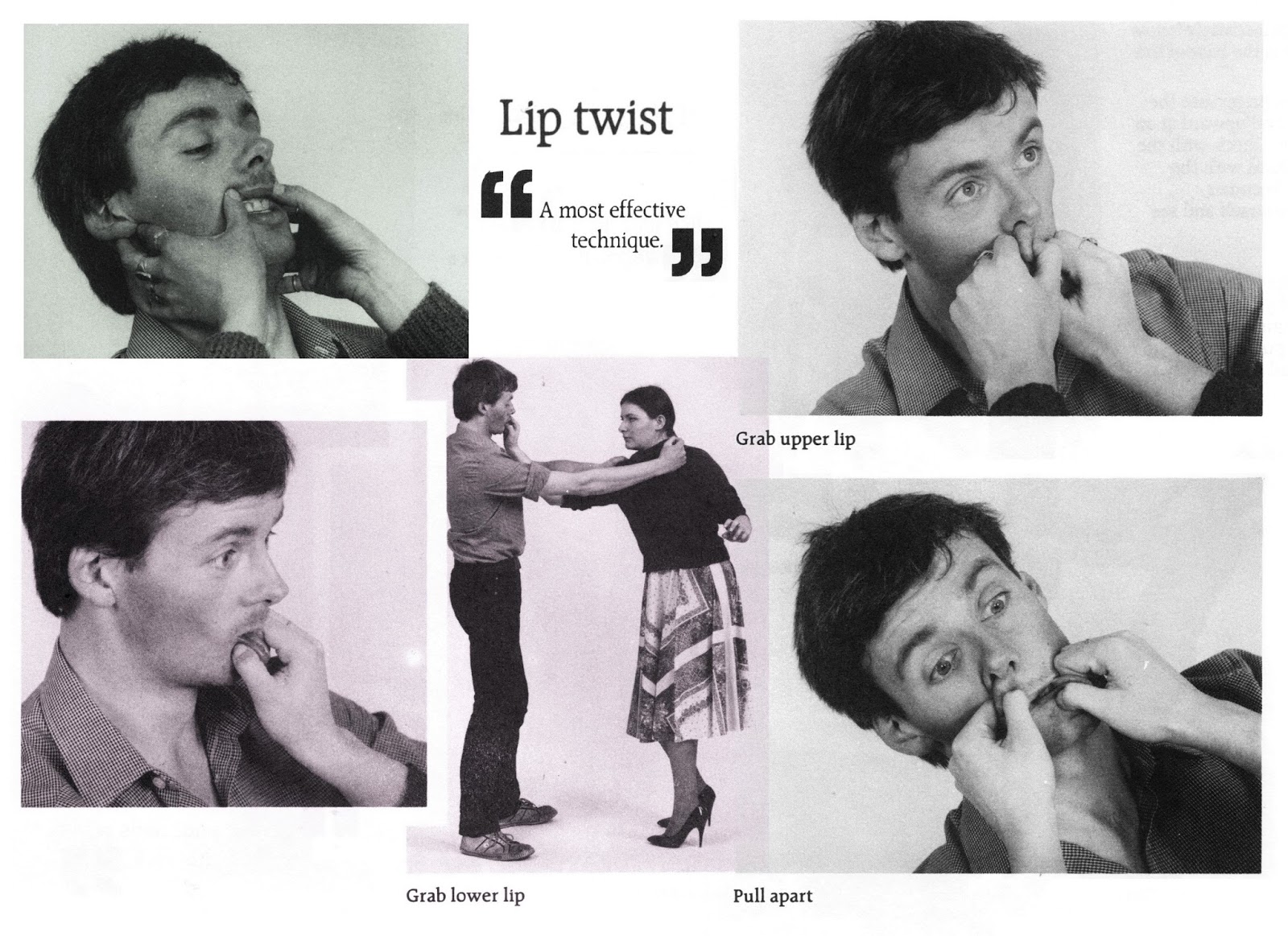 Lips. Lips are wonderful things: useful, decorative, sensitive, erogenous. Many of the best things that life has to offer are experienced through the lips: fine wine, fancy cakes, a consensual kiss, crack cocaine. They are marvellous, fabulous devices, like sculpted scar tissue, like little chipolatas, like a soft seagull of sensual promise. Parts of the lips have evocative names like the vermilion border, and the cupid's bow. They are also full of nerves and blood vessels and muscles, and the skin there is thinner, making these perfect, pink protuberances extremely vulnerable to twisting, pulling, scratching, pinching and tearing. They don't like being bitten either.
In body part terms, they are weak, effete, as if their epicurean life has made them weak and decadent, like swooning dandies. Punish them, test them - they will not stand up to any great scrutiny. Oh, and sometimes lips have hair attached to them, in the form of a moustache or goatee / standard beard. This hair can be pulled, causing eye watering discomfort. A most effective technique.
SIGNS AND PORTENTS [ 23-Dec-15 12:00am ]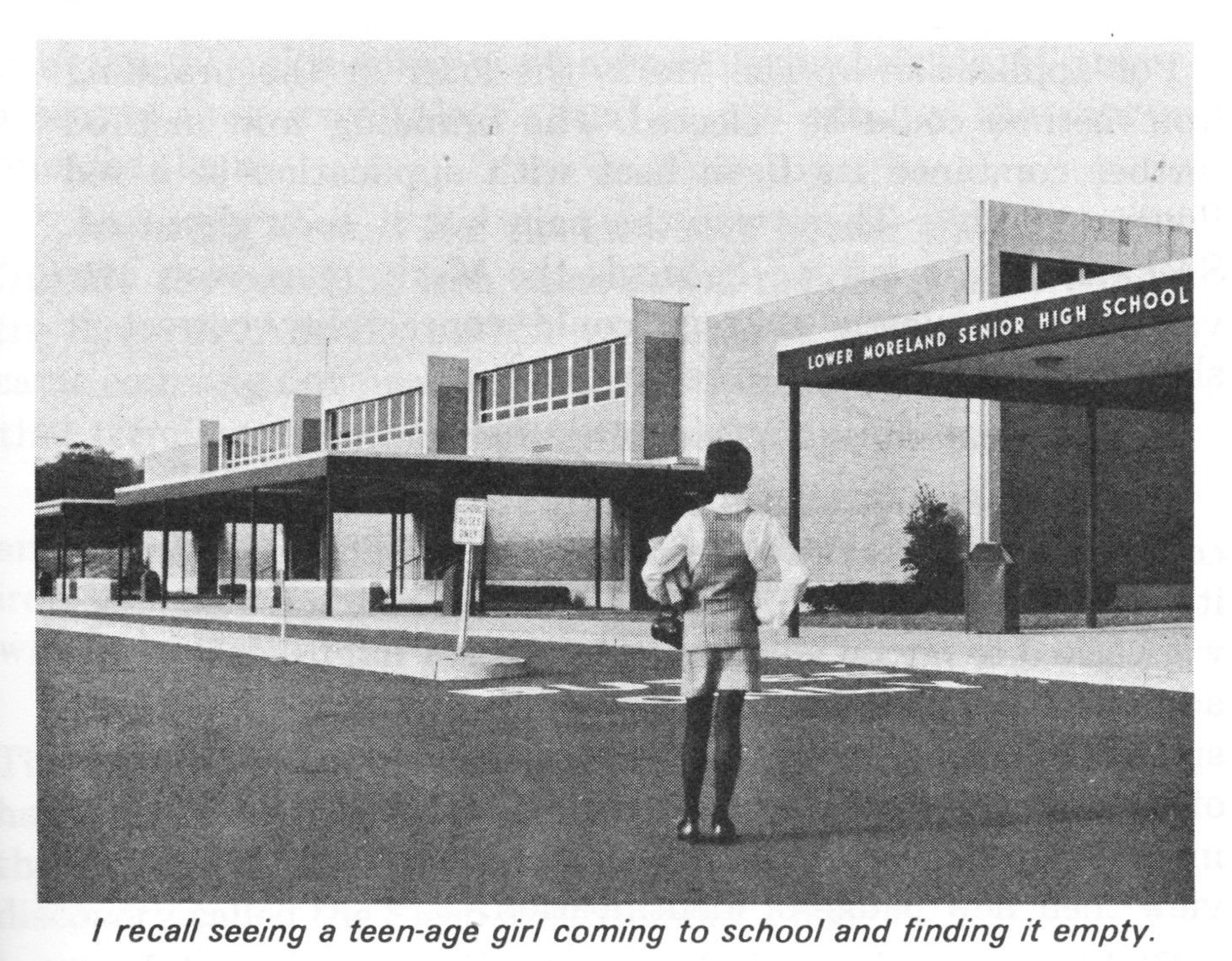 VERSE THINGS HAPPEN IN YORKSHIRE [ 18-Dec-15 12:00am ]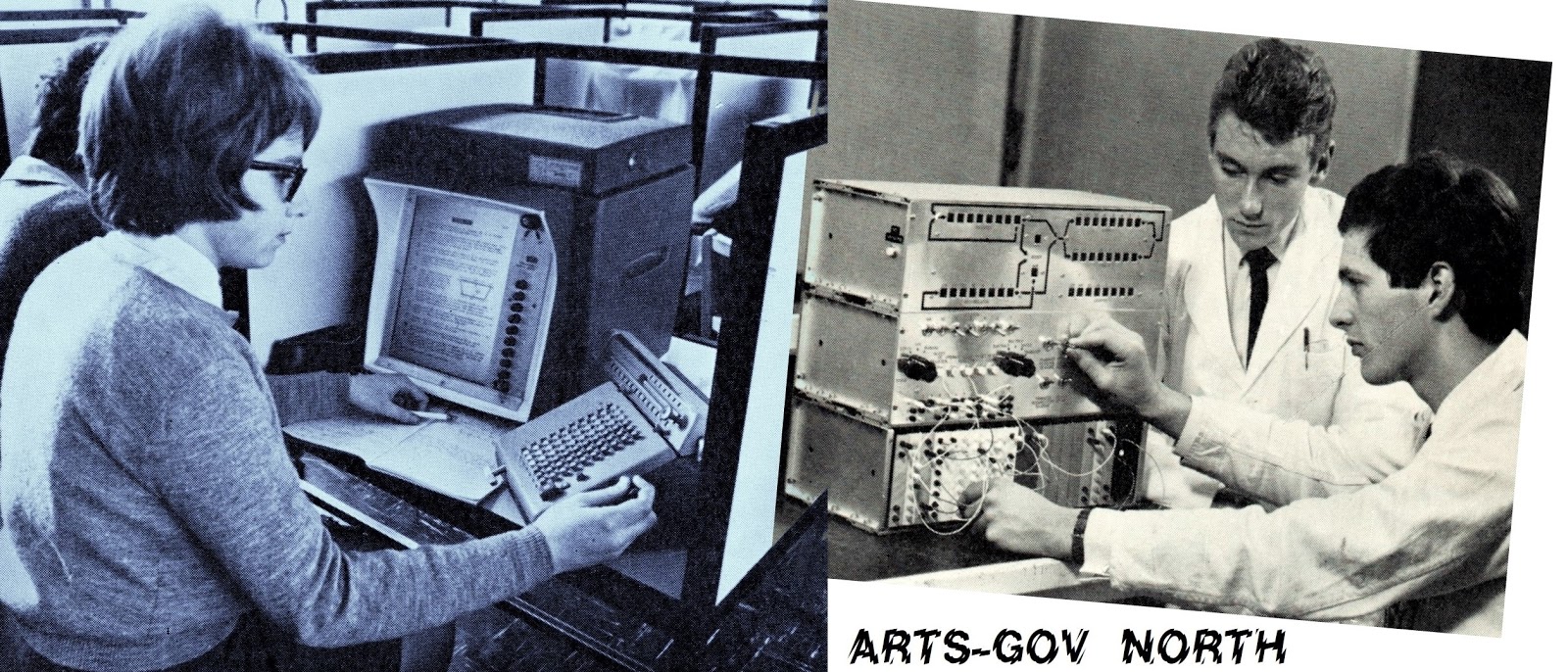
ARTS-GOV North has released this charming prototype verse from one of their Poem-Plex 2000s. As you will recall, all Northern machines are set to write poems about old things that remind you of other things. This particular verse is from unit TED26 although, to be honest, it's all the same, really, they're just machines.
CHURNED UP IN A FIELD
Held in the hand
An unearthed oval of ancient gold
A strong head, recalling my own
What thoughts there? What complications?
It does not matter, what cannot be known
A millennia and a half of dirt wears such cares smooth
Poem-Bot has encountered a problem and needs to close.
We are sorry for the inconvenience.
HIPPOCRATIC OATHS [ 10-Dec-15 12:00am ]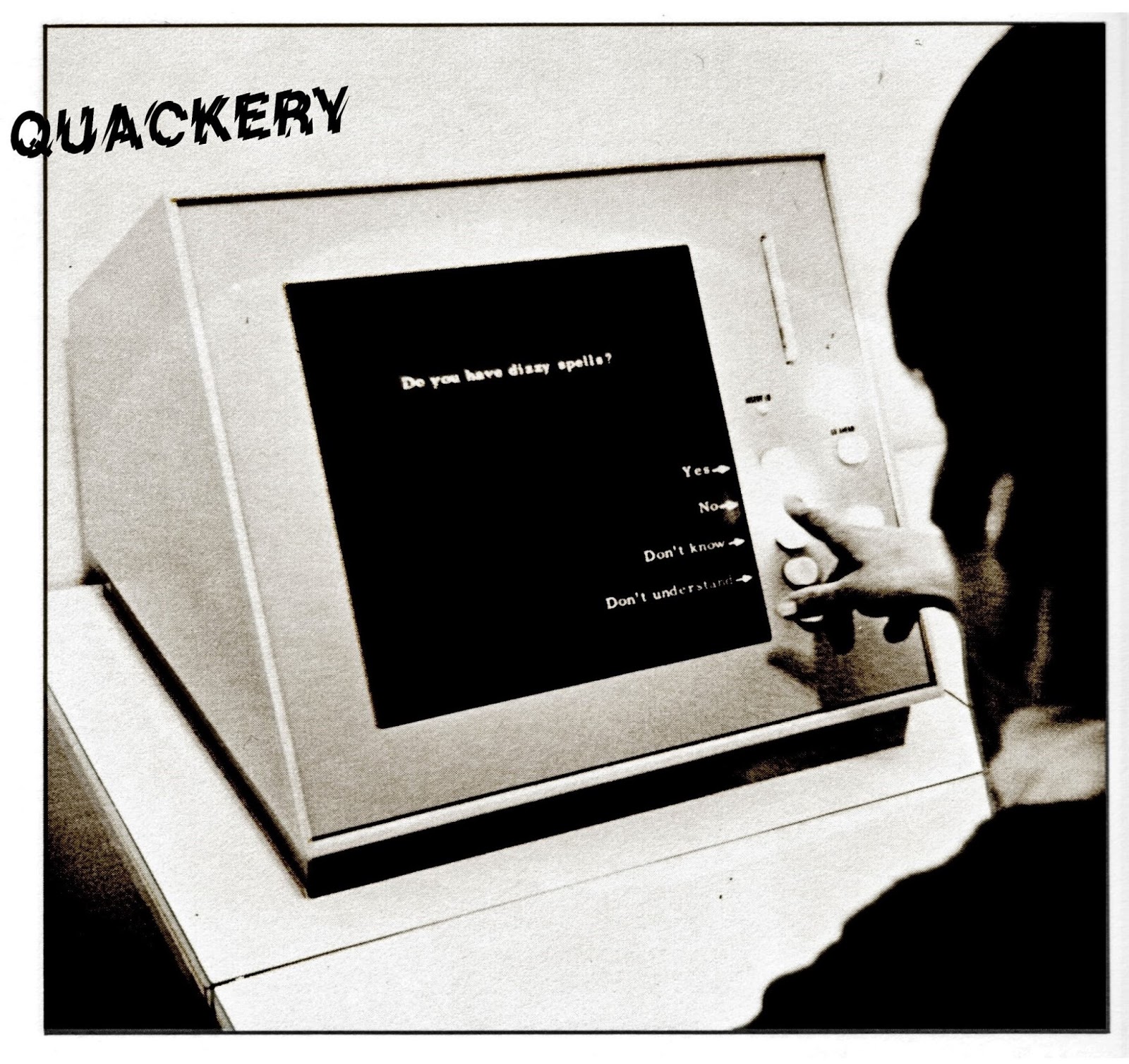 I have a friend. There is more to that statement, but I thought I'd just let that basic fact hang there for a while as I'm rather proud of it. My friend, who I have known for almost forty years, is a man who, within my hearing at least, has never ever referred to a qualified medical professional as anything other than a 'quack'.
 To him, quacks aren't just general practitioners, the phrase encompasses the entire sphere of medicine, including all of the NHS and, latterly, the elements of private health care he has engaged with. Whether free at the point of contact or paid for in advance, they are all quacks: back quacks, foot quacks, tooth quacks, blood quacks, gut quacks and, in the late eighties, clap quacks. In summary, he has no respect for any kind of nurse, doctor, medic, surgeon, dentist or healer whatsoever, despite his frequent utilisation of their skills and expertise, particularly the antibiotics.
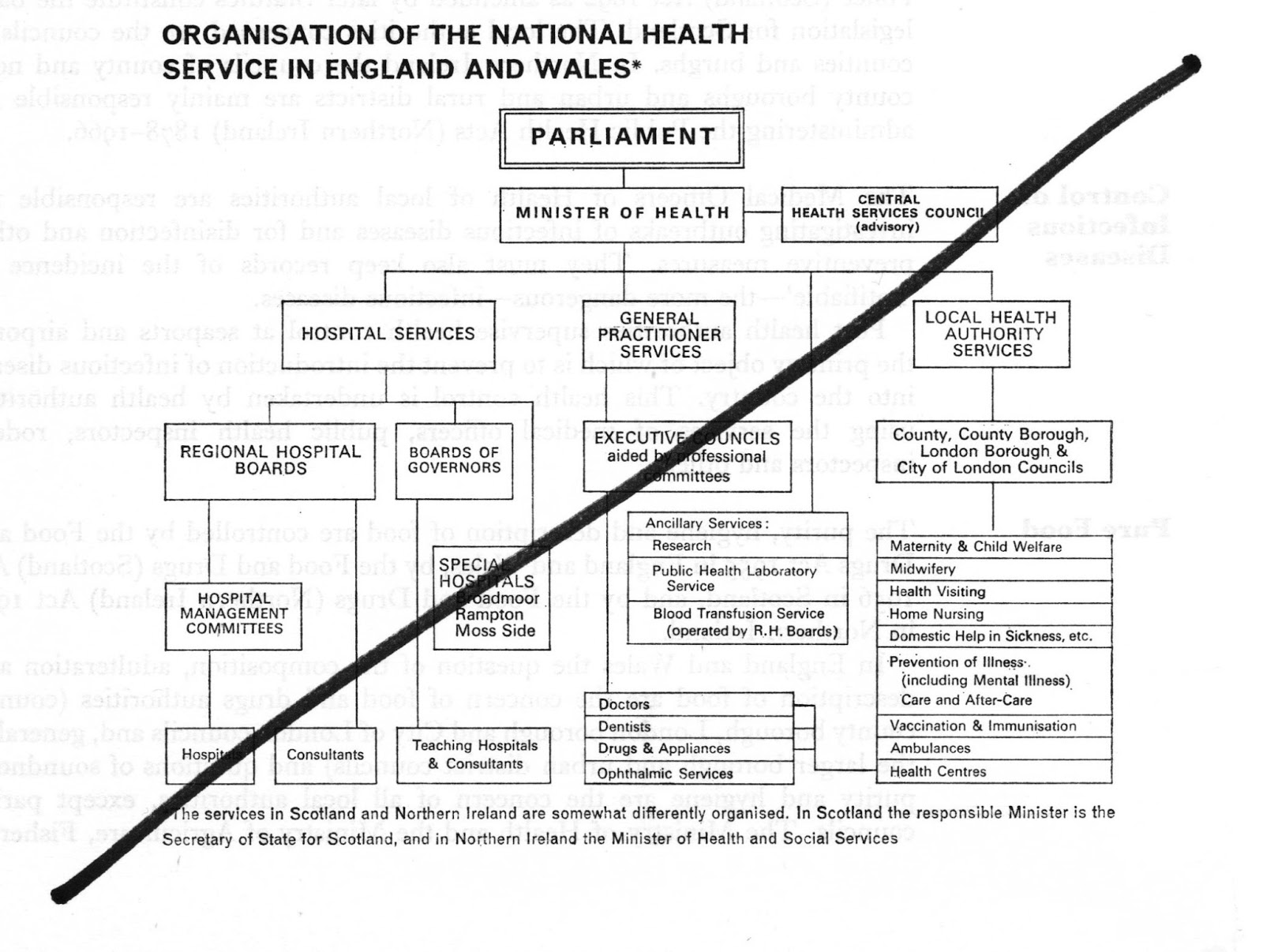
It's an inherited condition. His father, Geoff, now sadly deceased, was a man in the classic mould of the English naysayer, the sort of timeless moaner and iconoclast who would have stood behind the catapult at Agincourt moaning about the higher wages the Longbow blokes were on, or critiquing Henry V's speech. Two hundred odd years later he would have been chafing the collar of his New Model Army uniform, complaining about Cromwell cancelling Christmas.
As a man mainly of the 20thcentury, he spent an inordinate amount of time cupping a crafty roll up and detailing what he would do if he were to ever assume his rightful mantel as the ruler of everything. His manifesto was, of course, the absolute opposite of what those who actually wielded the power were doing. He was a tremendous character, and he is greatly missed for his wit and wisdom, as well as his ingrained, endless chippiness. He was often spectacularly incorrect: politically; factually. He called a spade a fucking shovel and to him, all solicitors were crooks, all policemen pigs, all male dancers poofs, all footballers pansies, and all doctors quacks.
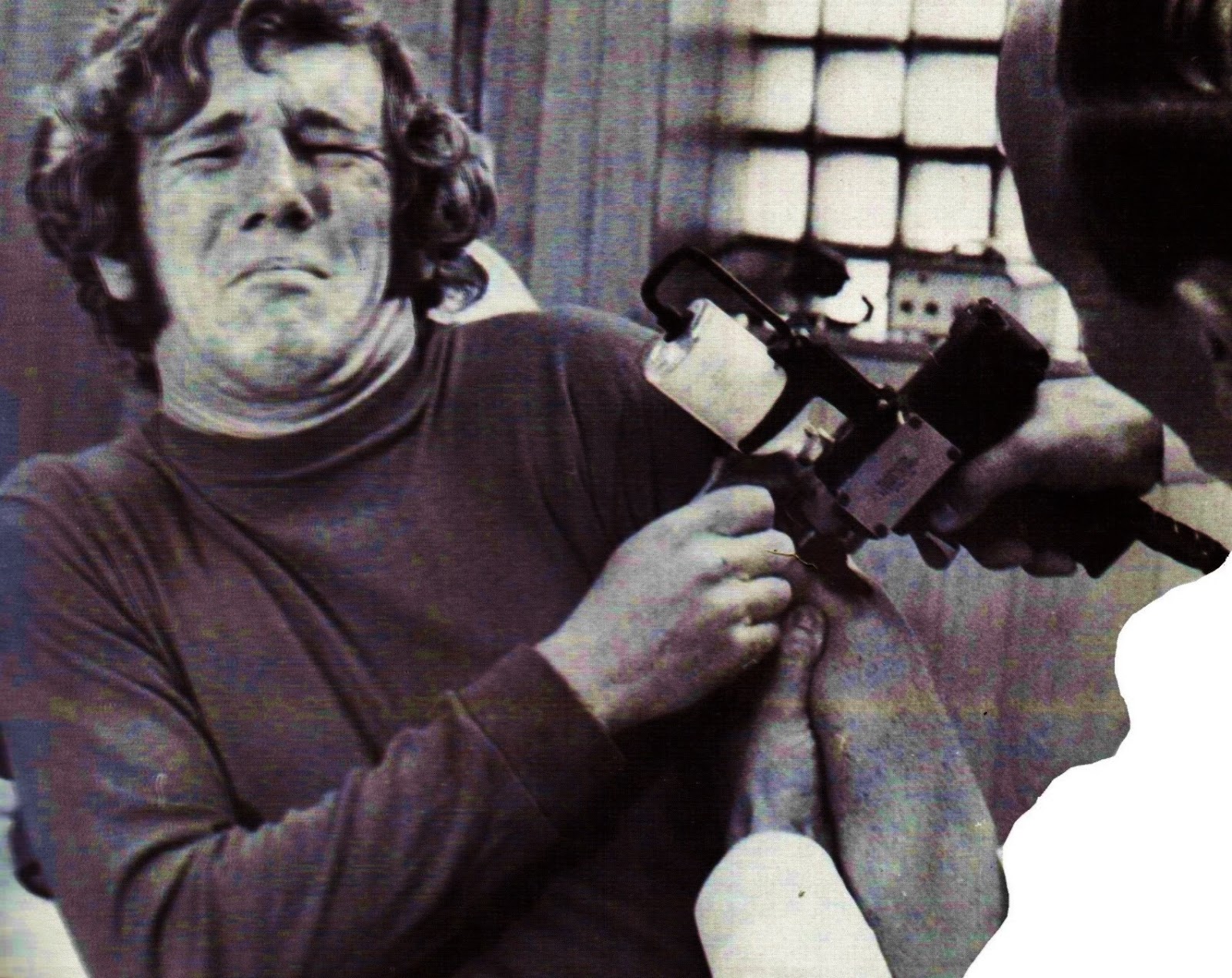 Geoff's distaste for professional people was, again, a family heirloom, a legacy of a working class background that stretched all the way back to serfdom. His race memory clearly included bitterness carried over from when sawing peoples legs off and causing them to die, not of gangrene, but of trauma and infection, became the preserve of specially trained people, putting the ordinary bloke who had simply invested in a saw out of business. His distrust of these interlopers was lifelong, and he spent his final hours mocking them for trying to save that long life. According to Geoff, his doctors were quacks: amateurish, ridiculous, dangerous. They did everything they could to keep him alive; he did everything he could to die - just to spite them. Just to prove his point. He most likely died without knowing that he was both part of a long and honourable continuum of working class subversion, and ahead of his time. Geoff, and his son, my friend, and the generations of English men and women like them, will be ultimately proven right as, in the unpleasant aftermath of The Crisis, the quacks will reign supreme.
 Seven years of training and countless hours of experience will be of little value in a world without medicine, a world without equipment, a world where surgery is a lottery, and therapy an impossible luxury. Professional medicine will become like visiting a fairground gypsy: a crossing of silver, a crossing of fingers, guess work. It won't be their fault. Even if their diagnoses are as sharp as ever all that will be left in terms of treatment is stuff that they definitely did not train for: homeopathy and butchery - in short, quackery. In a generation's time, those that retain any vestigial training and knowledge will most likely be burned at the stake for witchcraft, and the avaricious, ham-fisted artisans that take their place, with their clumsily adapted and rarely cleaned instruments, smelly poultices, reliance on superstition and almost total lack of accountability, will be quacks in the purest possible sense: pretenders, charlatans, bunglers, frauds, killers.
Geoff would have loved The Crisis, fucking loved it, even as he went unanaesthetised before some gap toothed yokel with a talent for divination and a large, dirty knife, giving the thumbs up to oblivion in a world that was finally working on his terms.
POST-CRISIS SIGNING [ 05-Dec-15 12:00am ]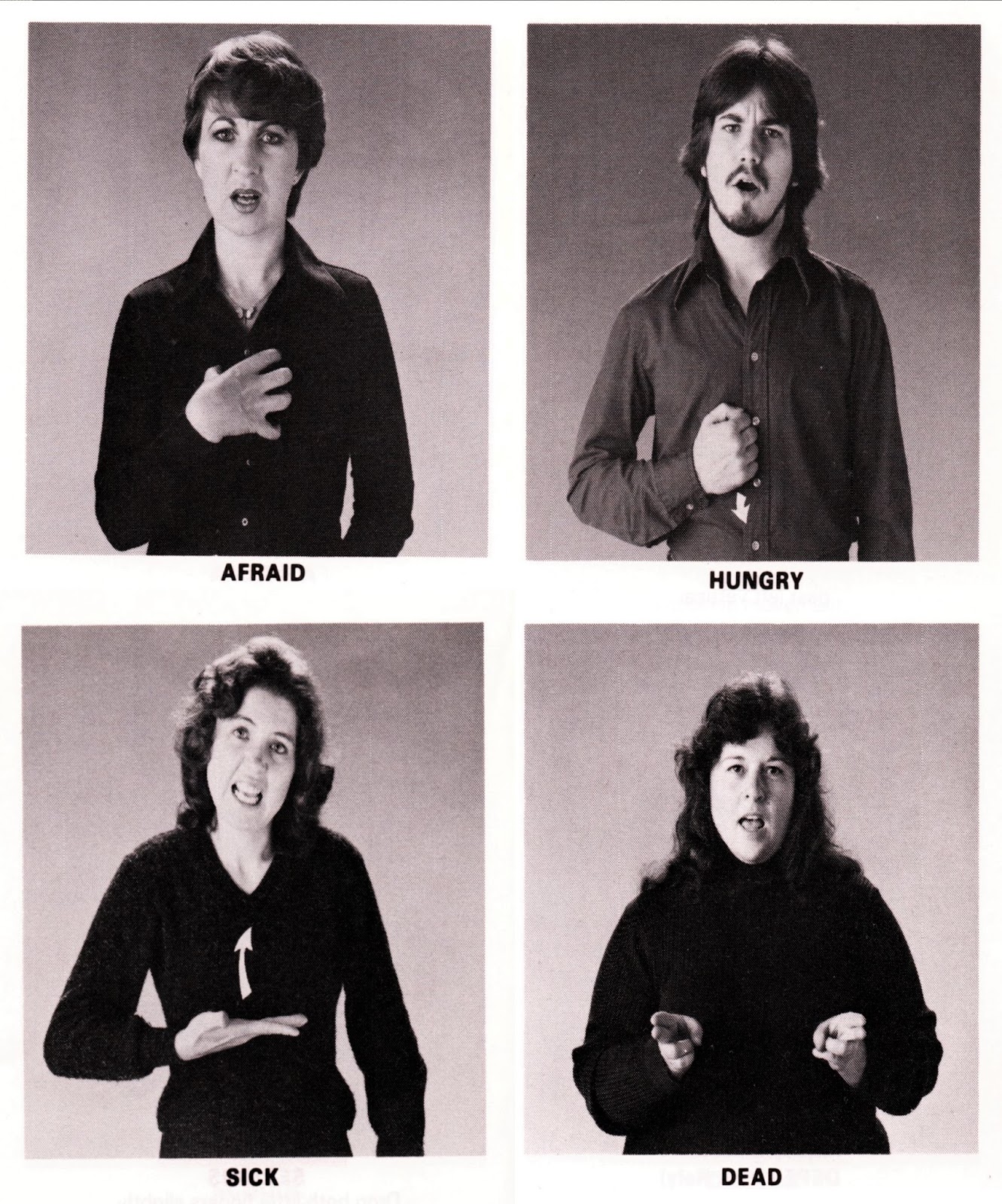 Sign language is a hugely important communication tool, yet there are currently only around 25,000 users in the UK. This will change post-Crisis, when everyone still alive will be able to quickly learn the only four words that will still have any meaning. Which is a sort of good thing when you think about it, just don't think about it too much, because it becomes an awful, terrible thing. REMOTE VIEWING [ 03-Dec-15 12:00am ]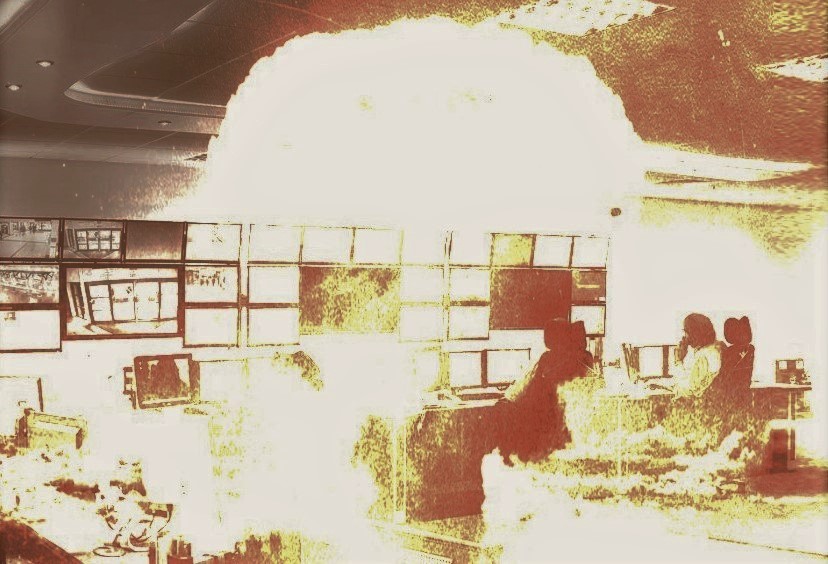
I used to work for a large city council, one of the largest in the UK. I did various project related things and, as is my modus operandi, I also interfered in areas I had no right or reason to be involved with. One evening, I was poking around in the central CCTV room, the ten floors up eye in the sky where a kaleidoscopic monochrome summary of the daily drama of the city was played out on fifty flickering screens. All human life down there was up there, constantly monitored for flash points and flare ups, traffic accidents and human collisions. Mostly, people drifted silently around, floating past the various cameras like flotsam, the unintentionally discarded rather than deliberately jettisoned.
After about twenty minutes, I turned to the silent operator and, half-invigorated by our God like view of the world and half-appalled at the pathetic diorama, decided to ask a question:
'Where is it?' I said.
'Where's what?'
'The vaporise button', I smiled.
I expected him to either laugh or to look at me as if I were an idiot. He did neither, instead, his mouth an unrelenting line, his eyes never moving from the screens, he put his fingers to his lips and said 'sssshhhhhhh'.
...and what will be left of them? [ 25-Oct-15 10:57pm ]
Cenas da Luta de Classes em Portugal (Scenes from the Class Struggle in ... [ 25-Oct-15 10:57pm ]i b i k e l o n d o n [ 23-Sep-15 7:48am ]
Cyclists are out of control! (And why that's okay) [ 23-Sep-15 7:48am ]This compelling animation by Lucas Brailsford (whereislucas.com) looks at the high level of "non conformist behaviour" among cyclists in the Netherlands. It's not the sort of narrative you'll usually hear from cycling campaigners - it is hard to be persuasive with Governments and decision-makers if you're also prepared to admit that the people you're championing regularly jump red lights, ride home drunk or generally behave 'badly'.
There's a concept in the Dutch legal system of tolerating lightly illegal behaviour, or changing the framework so that it is no longer illegal. Dutch policy famously allows euthanasia, has legalised prostitution and the use of marijuana, and was the first country in the world to introduce gay marriage. The pragmatic approach seems to be "tolerate things, rather than prohibit them, force them underground and loose control."
When a cyclist barreling down the pavement in the dark nearly knocks you over this pragmatic approach to tolerance might seem frustrating. Likewise if a prostitute sets up (knocking) shop next door. There's no doubt that on an individual level these things could be highly frustrating, or even dangerous, but collectively society just doesn't see it as such a big deal.
Criminal tearaways, no doubt about it...
But this concept of 'turning a blind eye' is not as foreign as we might think. Watching Lucas' video from an emerging cycling culture is a real eye-opener because the non conformist behaviour of some cyclists seems a bit wild. But if a similar video was made here, about our prevalent transport users, you'd find the same. Non conformist behaviour among motorists includes speeding, parking illegally, driving drunk, riding without insurance and knocking down other road users. You don't believe that as many people in cars flout the law as regularly as cyclists ride drunk in Amsterdam? Just try driving around your local town without once exceeding the speed limit and see how your fellow road users like it..
There's no doubt in my mind that good behaviour helps to encourage a literally civil society. But in terms of fixing things, society only tries to resolve the problems it identifies as being a problem. The cyclists of Amsterdam might seem to us to be a bit out of control, but when it comes to non-conformist behaviour I know which sort I'd prefer any day...
Share |
One road at a time, London is making cycling progress - and it will change everything! [ 14-Sep-15 8:30am ]
London has been changing over the summer. Whilst the city was on holiday, Transport for London's contractors have been out in force building bike infrastructure on a remarkable scale. Boris Johnson confirmed he would go ahead with his new Cycle Superhighway plans in January of this year, and now we're seeing the first results on the road.
Big construction projects inevitably cause short-term congestion whilst underway, but it is worth remembering the astonishing level of support for the new Cycle Superhighways and the long-term gain they'll bring. The nine-week public consultation on the plans saw an overwhelming 21,500 responses from individuals and business organisations, with 84% in overall support of the plans. A YouGov opinion poll taken during the consultation found 73% of Londoners supported the Cycle Superhighways, even if it meant taking a lane of traffic away. Over 160 major employers, including Deloitte, Coca Cola, Unilever and others came out in support of the East / West Cycle Superhighway which is currently being built on the Embankment.
A quick ride up the finished section of the East / West Cycle Superhighway along the Embankment, courtesy of @CycleGaz
There has been opposition, of course, namely from the old guard of the taxi lobby (hello, LTDA, you scoundrels!) so much of which has been thinly-veiled anti-cycling sentiment. Construction of the Crossrail train project has seen entire streets closed off in central London for years (as opposed to just months), but no one seems to be complaining about that...
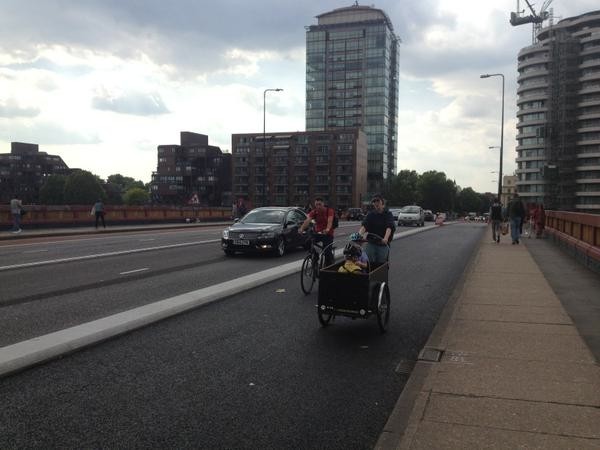
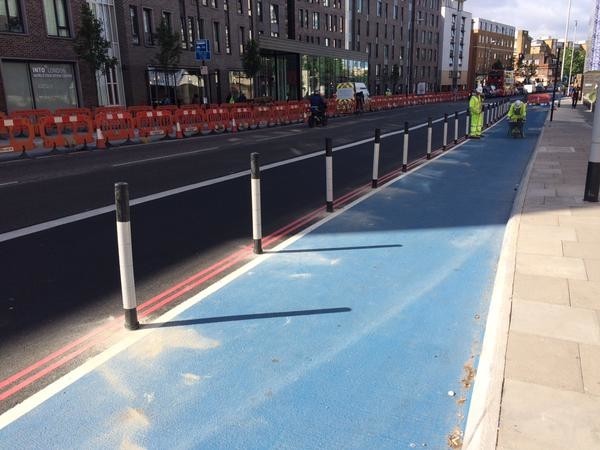
Vauxhall Bridge (2 way track) via @AsEasyAsRiding and segregation wands on the Whitechapel Rd (apologies to whoever I saved this photo from, I can't remember who it was!)
The changes afoot are not just along the route of the East / West Cycle Superhighway. At Oval, CS5 is being upgraded to provide full segregation, including around the terrifying Vauxhall Gyratory and over Vauxhall Bridge. In East London the killer CS2 is also getting an upgrade, with full or semi-segregation being introduced on a route that was previously literally just dirty blue paint and a lot of wishful thinking.
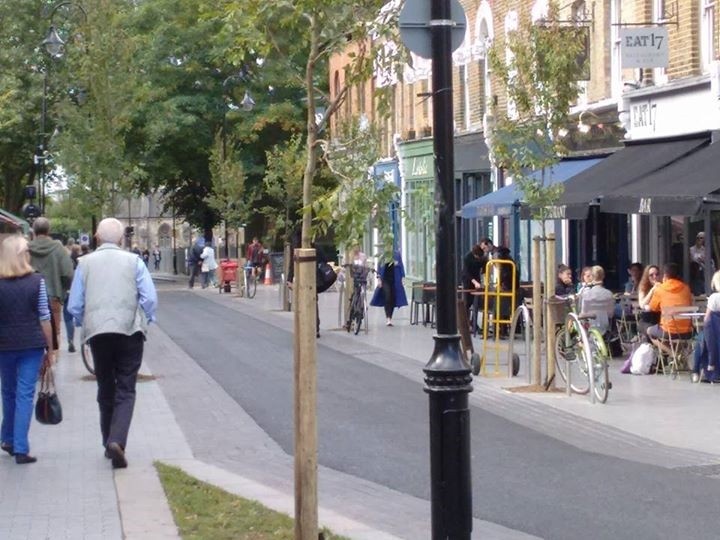 Newly Hollandised Waltham Forest village! Just look at all that anti-driving economic activity going on(!)
Cycle tracks alone can't change a city in to a bike riding paradise. You also need balanced residential zones where local streets are set free from the tyranny of rat running and speeding traffic. The Waltham Forest Mini Holland is just such a project and is now beginning to take shape - but only because of the diligent work of local residents in the face of vociferous NIMBYs who wish to retain their right to drive 150metres to the local shops... There's a street party on Orford Rd today (Monday) from 3PM to celebrate the completion of the first stage of the project, if you're in the area.
As the London Cycling Campaign rightly point out, there are growing pains which need to be resolved in some places, and that's to be expected with innovation and change. Meanwhile, progress presses ahead with construction of the North / South Cycle Superhighway in central London chalked up to start in autumn (check here for details)
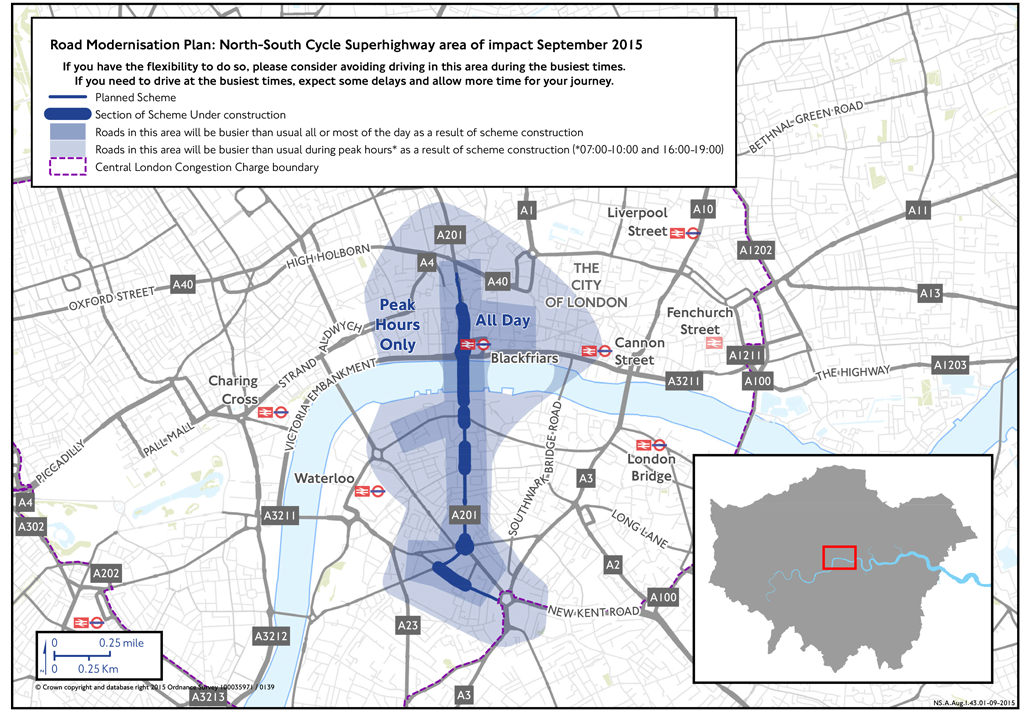
But with summer almost over and the city's streets transformed whilst everyone has been away, the pace of change seems unstoppable. The old "blue paint and optimism" superhighways - despite their very obvious limitations - still saw a leap in rider numbers of a minimum of 25%. When these new safe and separated routes open to the public we'll see a torrent, a deluge, a flood of new riders using them, and it's going to change London completely!
Share |
Get ready for racing on Regent's Street as a new Tour of Britain route comes to London! [ 09-Sep-15 8:30am ]It's no secret, I love the Tour of Britain! I like the smaller scale of it compared to the Grand Tours of Europe, the opportunity for emerging riders to taste success, and of course the route through green and pleasant Great British Countryside.
But I've always felt the final stage - right here in London - has always been a bit of a let down. Yes, you get the finish line photo of racing in front of Buckingham Palace, but the rest of the day is spent riding up and down the Embankment and Upper Ground which makes for a dull stage that is not very exciting for spectators.
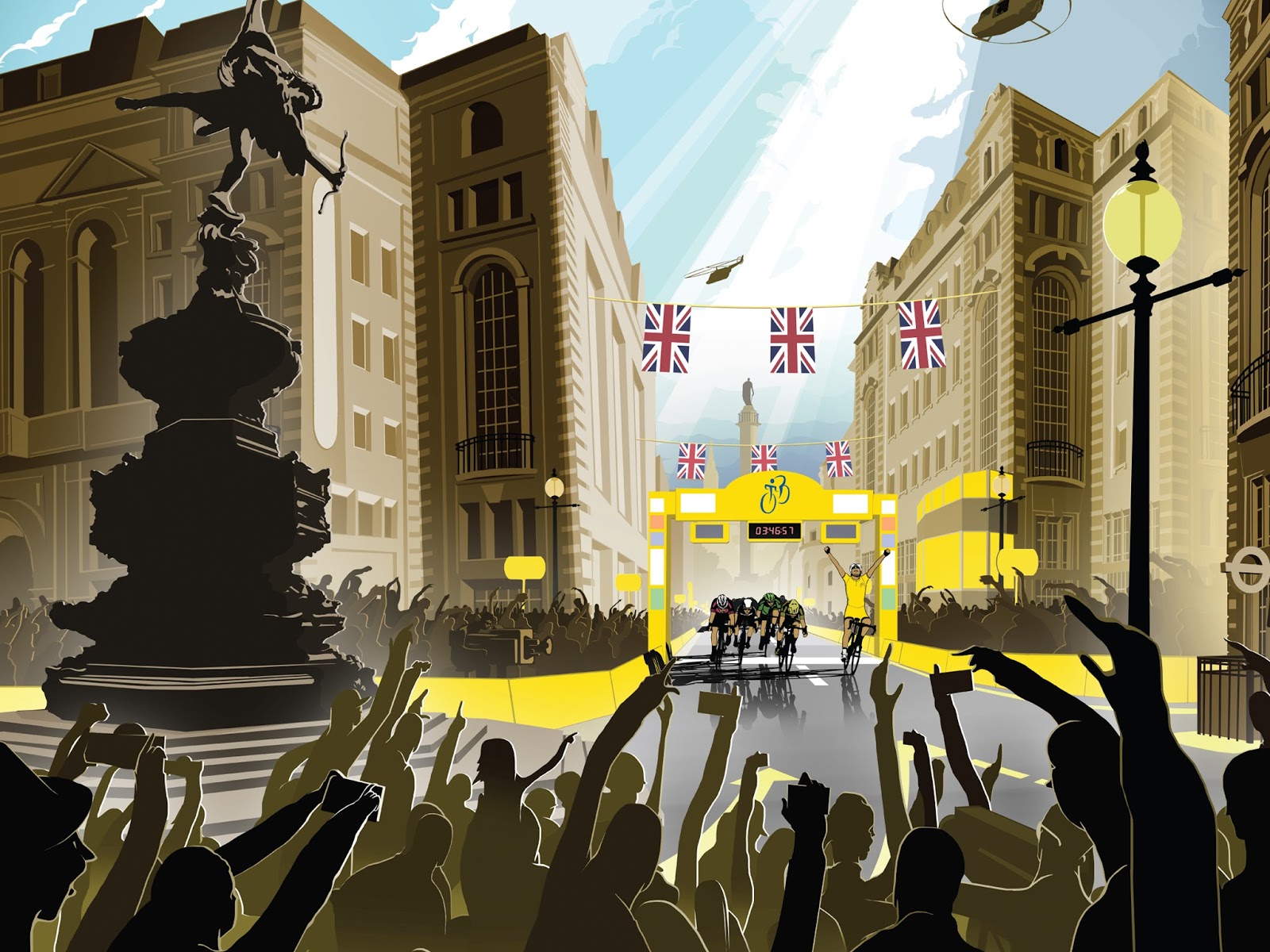
So I'm thrilled to see that this year's final stage has a new route in our beautiful capital - and it's all because of London's everyday cyclists! Because of construction work on the Embankment to build the new East / West Cycle Superhighway the Tour can't ride there. So in 2015 it is adopting a new route, which promises fast down-hills on Haymarket, tight corners around Trafalgar Square, and racing up and down magnificent Regent's Street which is, in my opinion, the most beautiful street in the world (ESPECIALLY when it is closed to traffic!)
The final stage comes to London this Sunday the 13th of September, heralding the end of a fantastic summer of cycle racing. The start and finish line is just south of Piccadilly Circus, and the riders will make a three-pointed loop of Regent's Street, Whitehall and the Strand, passing some of London's most famous buildings and attractions along the way. It is free to spectate and makes for a fun day out for all the family. The riders are fast, but you might even catch a glimpse of favourites Sir Bradley Wiggins, Mark Cavendish, Alex Dowsett and Andre Greipel, or even local boy Tao Geoghegan Hart from Hackney racing for British Cycling's development team.
Seeing as the stage is hosted and paid for by Transport for London (did anyone check the balance of the cycling budget recently?) Londoners might as well get their money's worth and have a nice day out of it...
All the details of the London stage can be found on the Aviva Tour of Britain website here. The beautiful picture of Piccadilly Circus featured in this post is by artist Will Barras and was specially commissioned by cycling website Rouleur, where it is available for purchase.
Share |
Island of Terror [ 5-Sep-15 12:00am ]
A-hem [ 05-Sep-15 12:00am ]
01-Sep-15
...and what will be left of them? [ 1-Sep-15 4:17pm ]
# [ 01-Sep-15 4:17pm ]up close and personal [ 24-Aug-15 11:26pm ]
Hoop Dreams 1994 Documentary / Drama Movies Full Movie [ 24-Aug-15 11:26pm ]faces on posters too many choices [ 13-Aug-15 12:22am ]
The Thin Blue Line 1988 Official [ 13-Aug-15 12:22am ]
10-Aug-15
up close and personal [ 9-Aug-15 11:39pm ]
The Electronic Frontier (1993) [ 09-Aug-15 11:39pm ]
05-Aug-15
i b i k e l o n d o n [ 5-Aug-15 9:24am ]
"We all cycle" - the rise and rise of proud cycling cities [ 05-Aug-15 9:24am ]
I'm spending the summer in the Netherlands, and have been learning so much about cycling in their cities. What has become clear to me is that Dutch cities are increasingly competing for a share of the visitors who come here to learn about the Netherland's cycling and planning culture. Utrecht, host of this year's Grand Depart, is not alone in this - note how this incredible video touting their cycling achievements is presented in English rather than Dutch and really tries to "show off" the city as a beautiful place to visit (which it is, I hasten to add).
I think this is an interesting phenomenon for two reasons; firstly the internet is being recognised by cities as an effective tool for reaching and inspiring many people around the world, getting them excited and clearly demonstrating exportable concepts. There's also a clear attempt here to attract high-spending tourists who are on learning-based trips. In short, visiting cities to find out how they work has become a mini industry of its own!
What do you think? Have you spent time visiting cities in order to learn and find out what you can do in your own city? Do videos like this make you want to visit somewhere more? Could pro-cycling messages like this help to make the case for cycling in the city where you live?
For more information on cycling in Utrecht, visit utrecht.nl/we-all-cycle/
Share |
Island of Terror [ 2-Aug-15 12:00am ]
Interesting Postcards [ 02-Aug-15 12:00am ]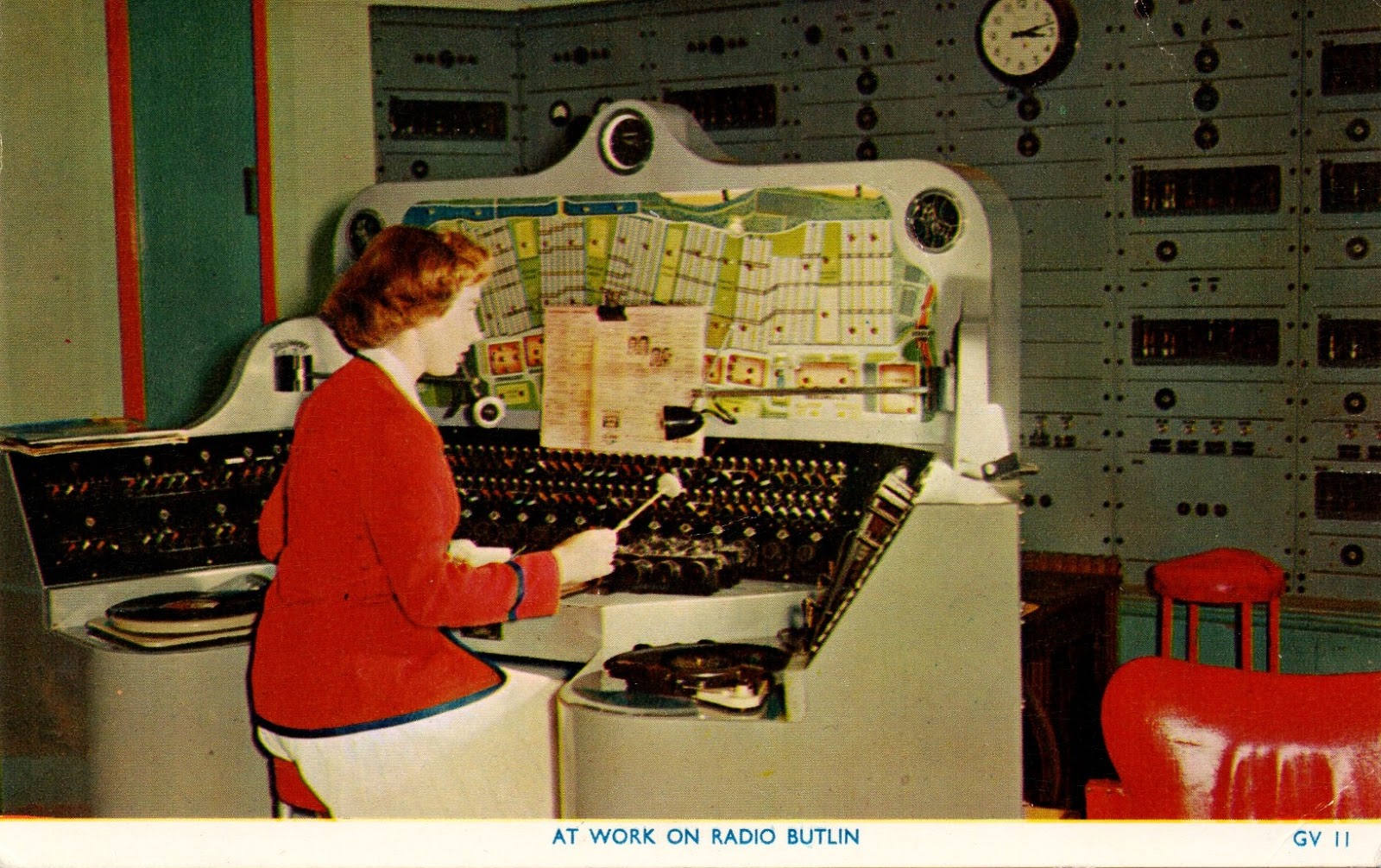
'Bing bing bong, this is Radio Butlin'. Yes, it really happened. We used to on holiday to Butlins in the seventies, and always had a brilliant time. I'll tell you about it someday, as well as posting more of my surprisingly extensive Butlins postcard collection. Bet you can't wait.
What We Call The Most [ 01-Aug-15 12:00am ]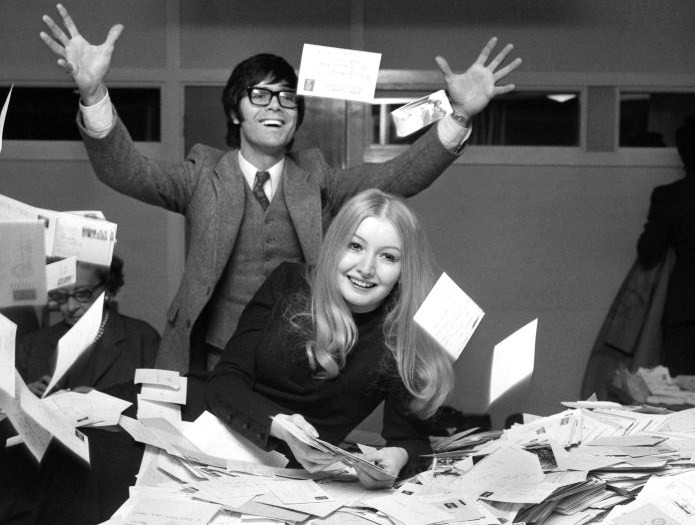
'Look, Mary, no hands!'There's no question in my mind that Cliff Richard has made a lot of good records, but very few of them have the immediate dance floor appeal of his very groovy version of 'The Girl Can't Help It' as released on his 1970 LP 'Tracks 'n' Grooves'.
The Little Richard cover puts Cliff back in touch with his rock and roll roots, of course, but it's a slightly daring move as the lyrics are ridiculously and comically lascivious, with numerous metaphors for sexual arousal and climax.
To complement the saucy words, Cliff is given a loping, slightly sleazy arrangement to emote over, full of dirty bass and, yes, prominent horns. In an attempt to temper the relentless smut, a middle eight is inserted where a Hammond organ goes all churchy and Cliff suddenly declaims 'OH, HEAR ME NOW!' as if he were a hysterical evangelist working a tent full of gyrating snake handlers.
Nice one, Clifford, nice one, son.
The Nanny [ 31-Jul-15 12:00am ]

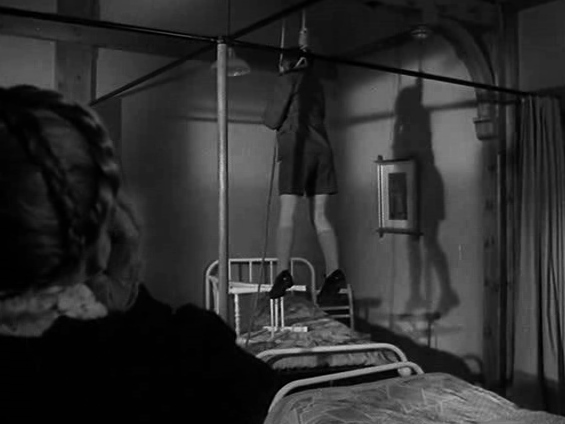
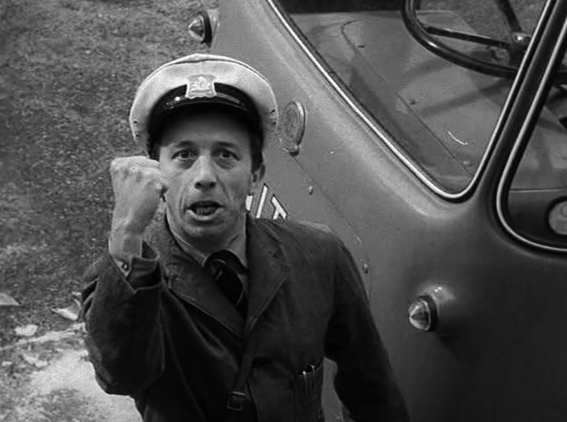


As you might expect from a film that is about the death of a child and the devastating impact it has on a family, 'The Nanny' is a rather somber affair, by far the most restrained of the psychological thrillers that Hammer used to supplement their various horror franchises. There are very few twists and turns, just a slow piecing together of the true circumstances of what may or may not have been a tragic accident.
Bette Davis stars here as Nanny, ably supported by extraordinary eyebrows. The only child in the house hates and fears her, but that's irrelevant as her real duties are to stop the Mother of the family unraveling completely, which she does by treating her like a baby, obsessively brushing her hair and feeding her steak and kidney pie from a spoon (yes, Social Services, I am aware that does not necessarily constitute responsible child care). Davis' performance is mannered and slightly grotesque, without ever being ridiculous. As things begin to unravel, Ms Davis resists the chance to go full psycho-biddy, as if her character is already at the extent of her strangeness.
The lovely Pamela Franklin pops up as a lonely teenage neighbour who pretends to have loads of boyfriends but mainly sits in smoking and watching westerns on the telly, and is by far the most sympathetic character in a film filled with emotionally damaged and psychologically distant people.
It's all a bit depressing, really, but it's well made and directed and doesn't rely on cheap shocks to tell its ultimately rather sad story. I fancy some steak and kidney pie now. I'll have a bath later.
Check Four [ 30-Jul-15 12:00am ]
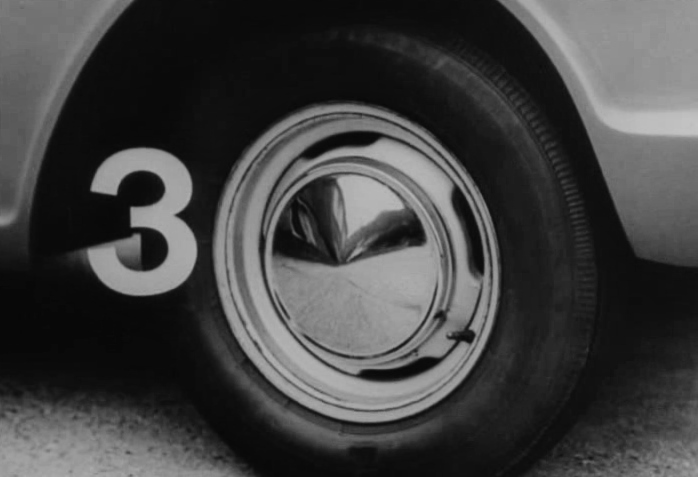
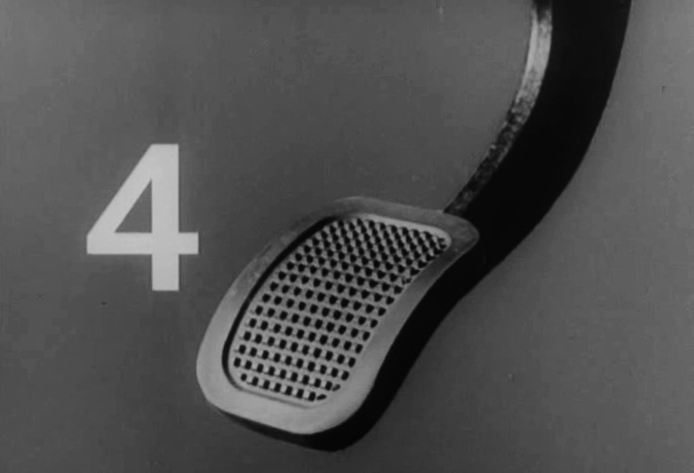
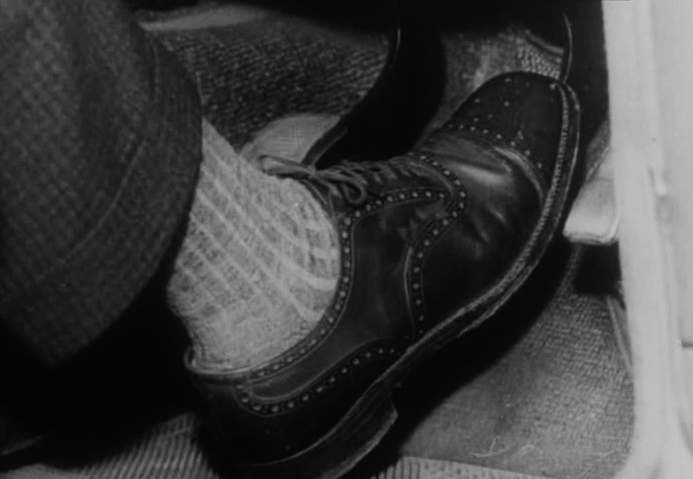
Driving used to have criteria, things that you had to do before embarking on a journey. There were special clothes to wear, equipment you needed to keep in your boot, sweets you needed in the glove box: there were gloves. It was also a time when men were expected to be useful, and so a series of mechanical checks were expected to be made before every trip. Now people just jump in and piss off at high speed in the same casual way that they might sit on a chair, or a toilet.
So, next time you need to use the car, humour me. Check the lights; check the steering; check the tyres; check the brakes; put on your car coat and pull on your driving gloves. When you've done all these things, light your pipe, make a hand signal and set off. The drive-thru KFC will still be there in a few seconds time.
i b i k e l o n d o n [ 28-Jul-15 8:30am ]
Bike bans in pedestrian zones make no sense, but not why you think [ 28-Jul-15 8:30am ]Last week I visited the Dutch city of Zwolle, the Netherlands City of Cycling in 2014. It's a pretty, historic city surrounded by countryside and has a pedestrianised heart. But what I saw there made me reconsider banning bicycles from pedestrian-only areas, but not for the reasons why you might think.
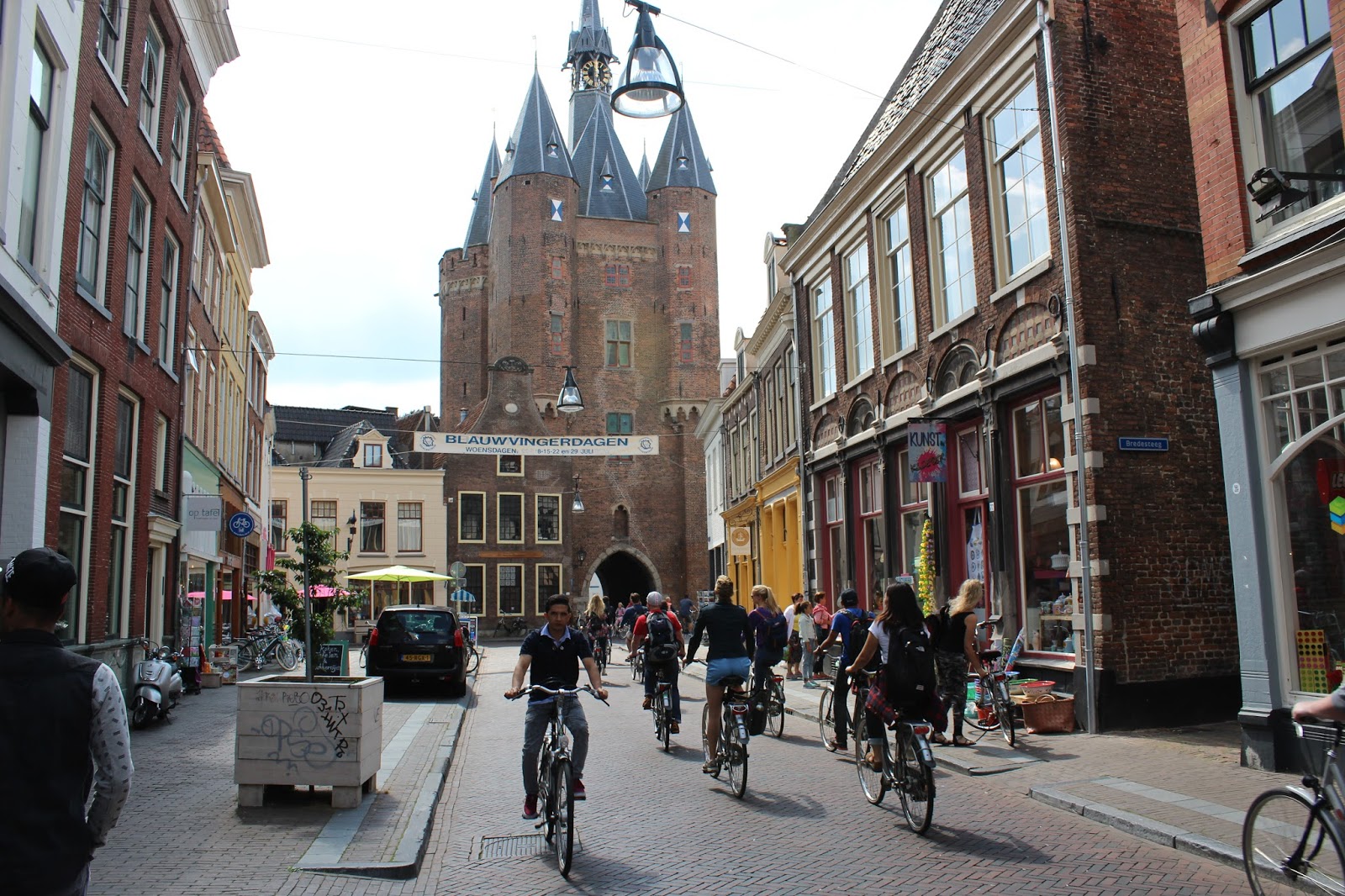 Many cities - both in the UK and elsewhere - have pedestrian zones where people using their feet to get around can relax in a safe environment where they don't need to be worried about being knocked down by speeding cyclists, or any other traffic for that matter. Where there are lots of people, especially around shops, this has always made sense to me.
The West Country town I grew up in had a large pedestrians-only shopping area, where you were expected to lock your bicycle on the perimeter and walk in. Even as a young man I remember being approached by security guards and given a telling off for pushing my bike through.
Things were different in Zwolle. I'm not sure if bikes were technically permitted but I saw many in the pedestrian area. A few were being slowly cycled to available bicycle parking, but the majority of them were being pushed. I saw two friends; one woman on a bike and one man on foot, making a journey together through the city centre (photographed, below) Would their journey have taken place if a strict bike plan was in place?
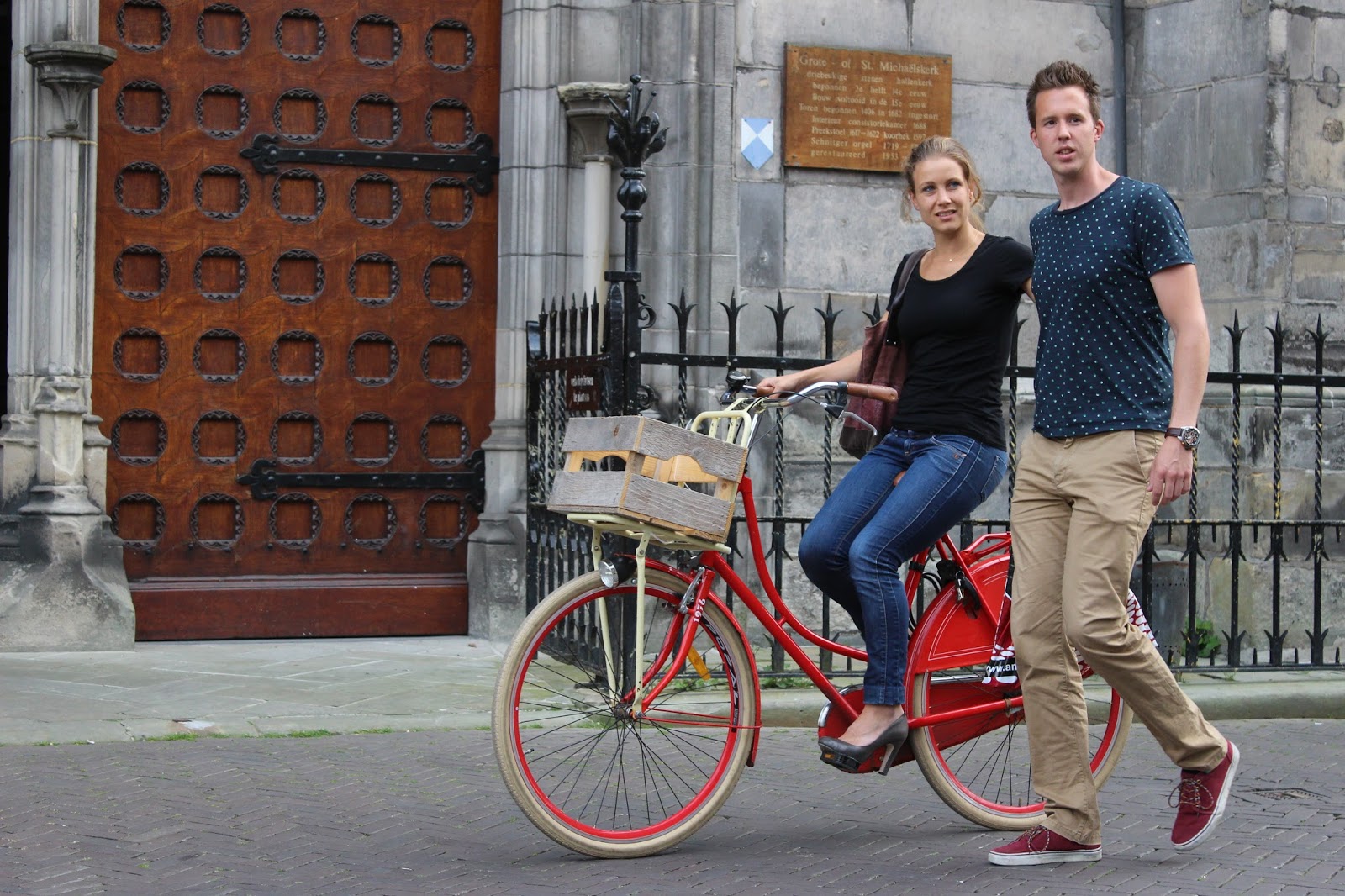 An older woman was using her bicycle as a shopping trolley, filling her basket with goods she brought as she pushed the bike from store to store.
I remember hearing Danish urbanist Jan Gehl recount a story about his mother who, when she became too frail to cycle, would still walk with her bicycle - it was her dignified access to mobility, without having to revert to using a walking frame.
Pedestrians are important, and in pedestrian areas should always come first. As with much in life however the situation is not black and white; people have a complex approach to their own mobility. I wouldn't want to see cyclists riding at speed through shopping areas, or obstructing access with mountains of parked bicycles, but I realise there's more to bicycles in pedestrian-only areas than initially meets the eye.
P.S For more wild and reckless behaviour like using a bike in a pedestrianised area, see this film by the City of Zwolle which features their Bike Director getting a backie from various residents - something which landed London Mayor Boris Johnson in hot water this week and for which he was slammed by the CTC! (Film in Dutch only, sorry!)
Share |
Island of Terror [ 25-Jul-15 12:00am ]
Sucked To Death [ 25-Jul-15 12:00am ]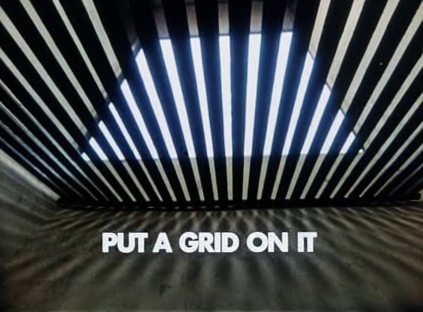
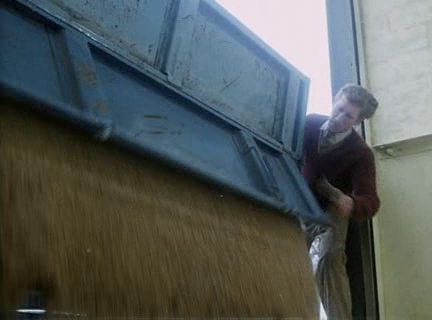



As a child I had a morbid fear of quicksand. I'd probably watched too many Tarzan films, and PIF's like 'Keep A Grid On It', a warning about the dangers of children dying in grain pits ('drowning without water') didn't help. Come to think of it, as an adult I'm still pretty scared of quicksand AND grain pits, I'm just wise enough to know that if I don't go looking for that sort of danger, it certainly won't coming looking for me.
Dracula, Prince of Deadness [ 24-Jul-15 12:00pm ]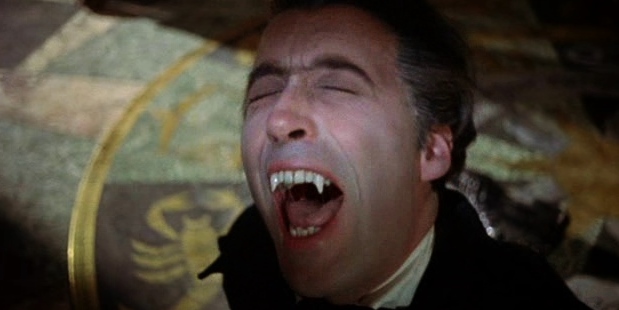
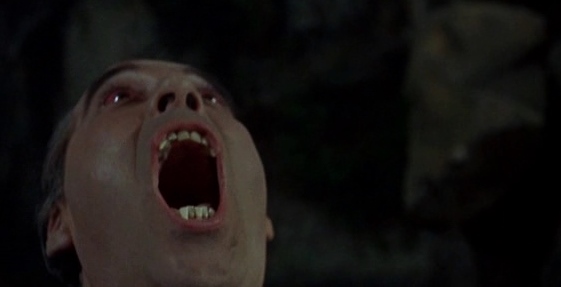
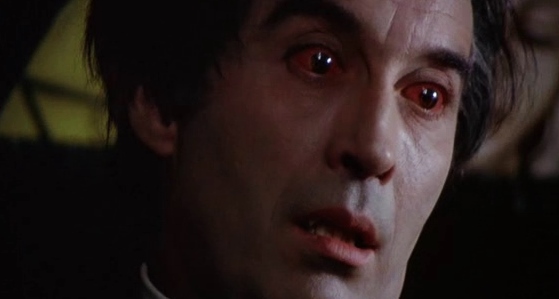
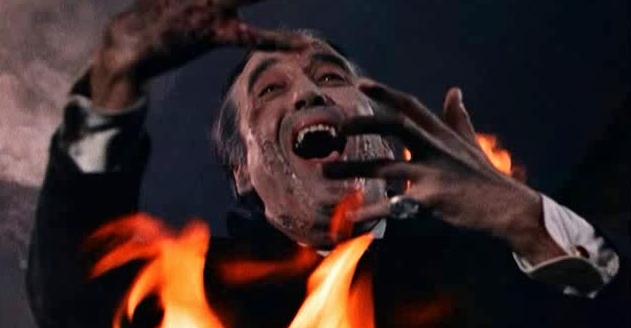
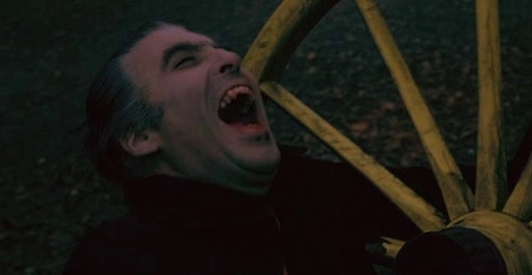
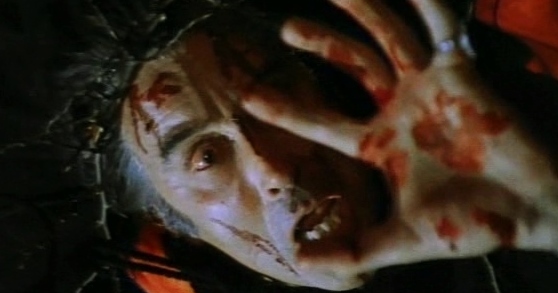
It's a convention of vampire films that Dracula starts dead, and ends up dead. In Hammer productions he is usually ended by a member of the Van Helsing family, but his nemesis can also be a callow youth or a monk who likes to warm his arse on an open fire. In 'Taste The Blood Of Dracula' he just gets giddy from being in a church and falls off a ledge. Fact is, Dracula is very much a bully. He's cock of the walk when biting young, vulnerable girls, but he crumbles when faced with any real opposition. Literally. That said, he'll be back. He always comes back.
RIP, Sir Christopher, you pompous old marvel. See you again soon.
Interesting Postcards [ 24-Jul-15 12:00am ]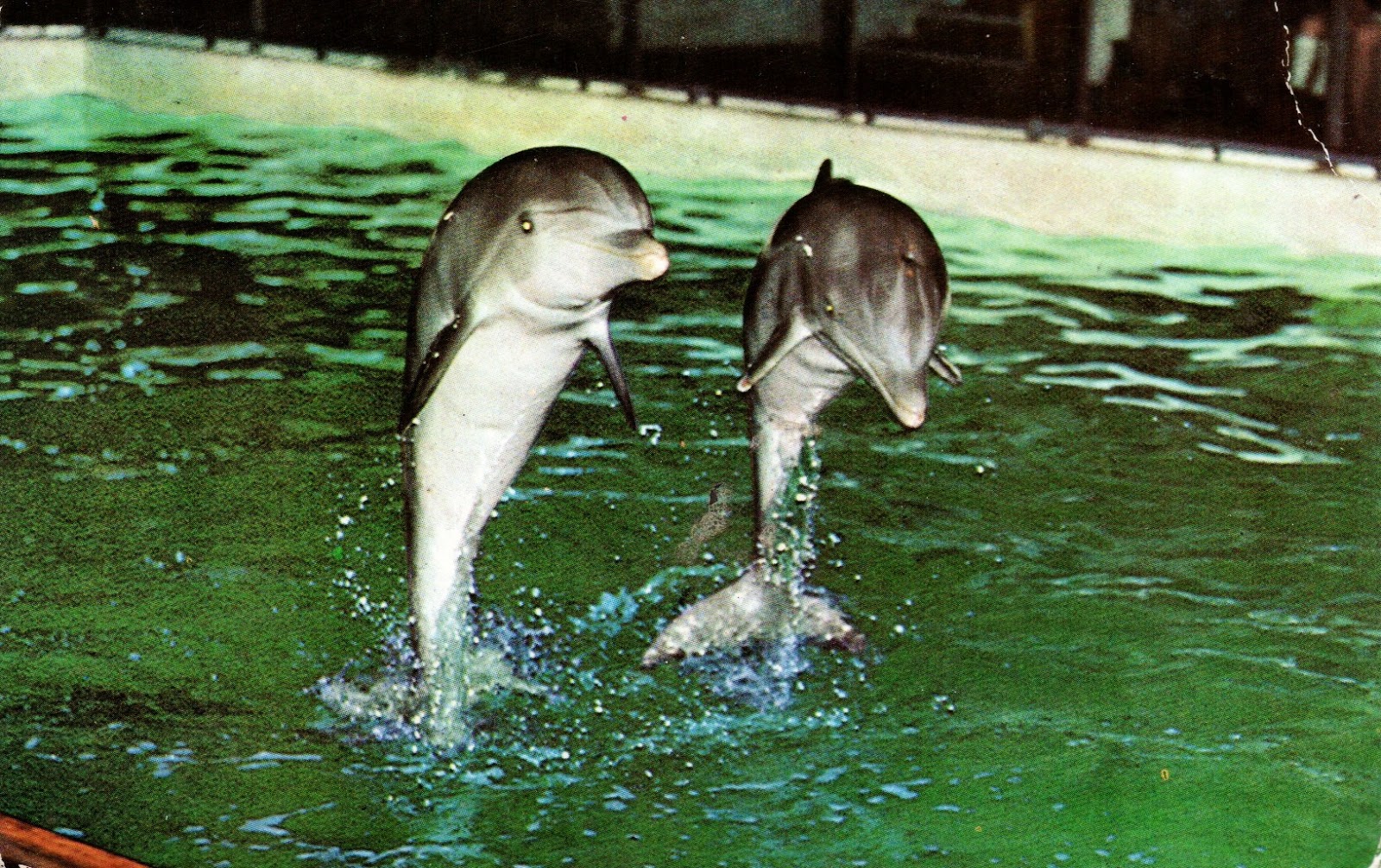
Dolphins at Brighton Aquarium, Sussex
I know what you're thinking, 'yeah, dolphins are cool, Paul, but they're not that interesting'. Well, wind your neck in, mate, because these clever little bastards are Dick and Delilah, the dolphins the CIA trained to sabotage Soviet submarines during the cold war. And you can't prove otherwise.
The Evil of Banality [ 20-Jul-15 12:00am ]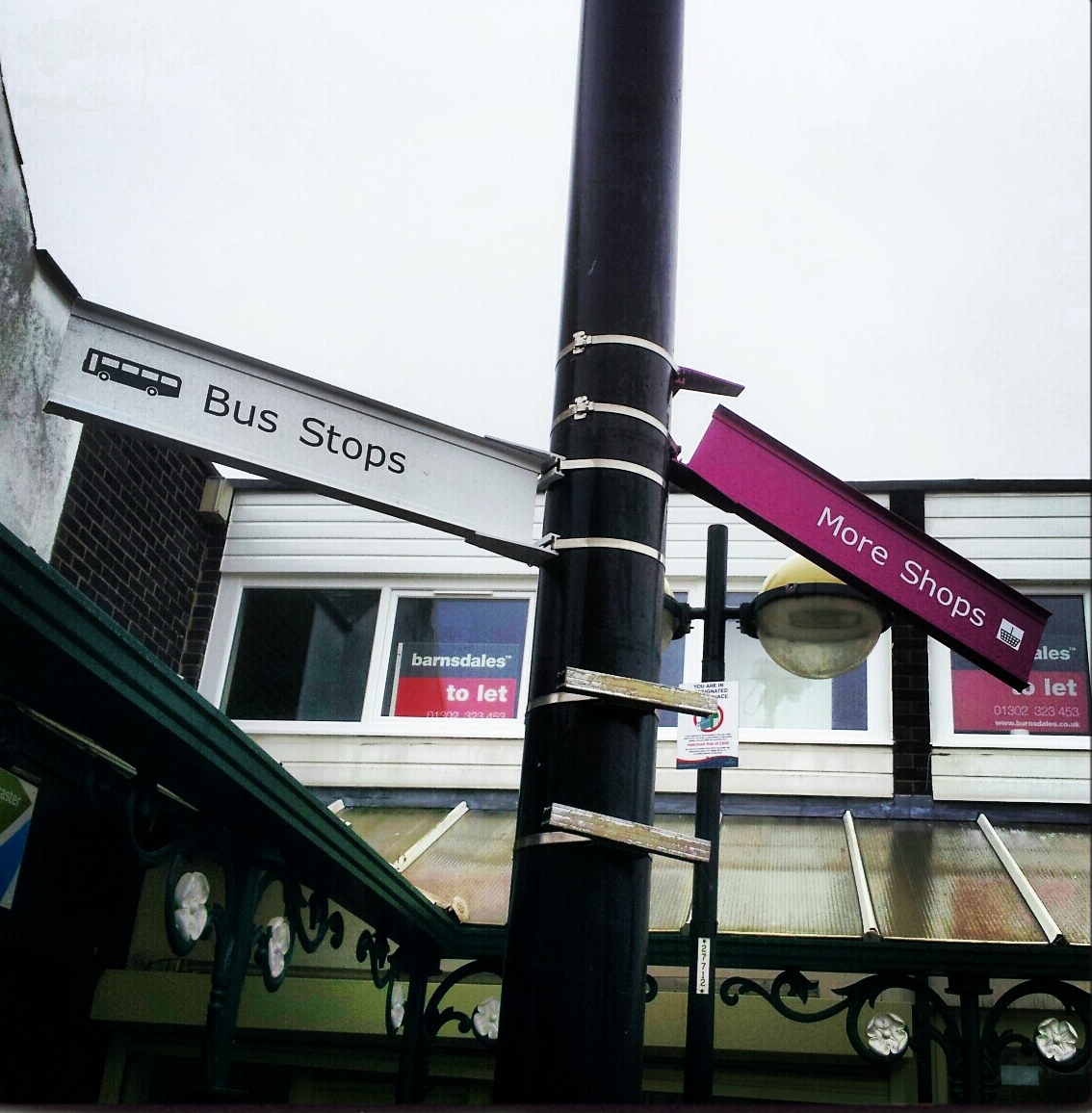
The writer, theorist and academic Mark Fisher recently set up a Facebook page called 'Boring Dystopia', and invited the submission of photographs of Britain in the 21st century to illustrate the concept. I've already uploaded a few snaps, as manifestations of dullness and decay have long been an interest of mine, particularly the places where the banal and the broken intersect, and the true, terrible, tedious horror of modern life is revealed.
We've all read '1984' and seen the implications of totalitarianism: the endless war, constant surveillance, the relentless propaganda machine, the purges, the torture, the executions, the mind boggling twists and turns in ideology, in language, in life under the heel of the system. But this is a very different dystopia that lacks even the charm of the police state: there are hardly any police for a start (the phalanx of coppers in the picture below dates from 2012, and the procession of the Olympic Torch).
This dystopia is held in place by neglect, by apathy, by a lack of resources, by a lack of interest. Everything is falling apart, but we lack the money and energy to make it right. Newly built things look half-dead even as they are unveiled, MDF where wood used to be, bricks made out of old bricks, slates and glass made out of plastic, all covered with a single coat of watery pastel paint.
New housing is prohibitively expensive and resembles a series of bird boxes split into quarters, sixths, eighths depending on how many newly weds are expected to cram into them. The pity of the boring dystopia is that these poorly and hastily constructed pens are sought after. It has come to this: we are so desperate to live somewhere that we will settle for a Lego house with a tiny consolatory patch of polyurethane lawn. There are some townhouses near to where I work. Each of them has one large window has a tiny balcony attached to it, like a fancy fringe on the bottom of a sofa. You cannot stand on it, sit on it, or even dangle a child over it. In any event, it just looks out onto a dirty, busy road.
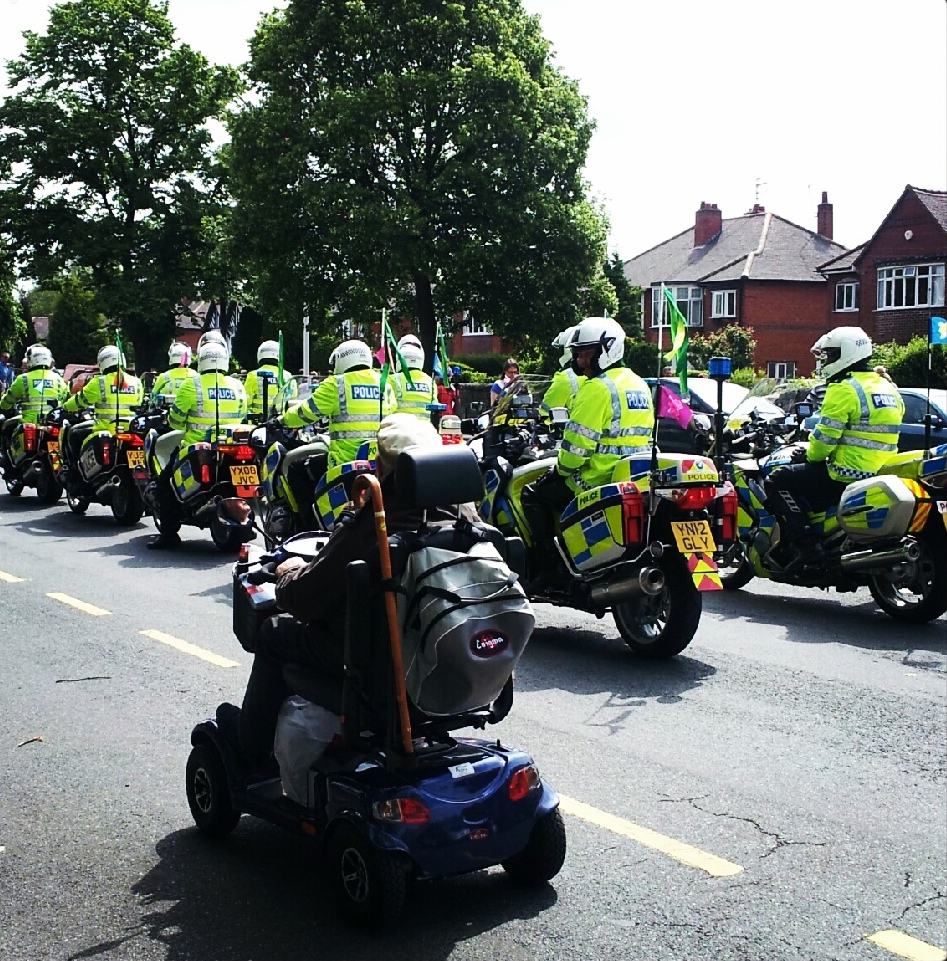
Local authorities and other central civil organisations are not instrumental in the boring dystopia, they are subsumed by it, just like everybody else. Lacking money, resources and motivation, their interventions are confined to putting up signs, or erecting fences and barriers to keep members of the public away from areas that they already have no interest in.
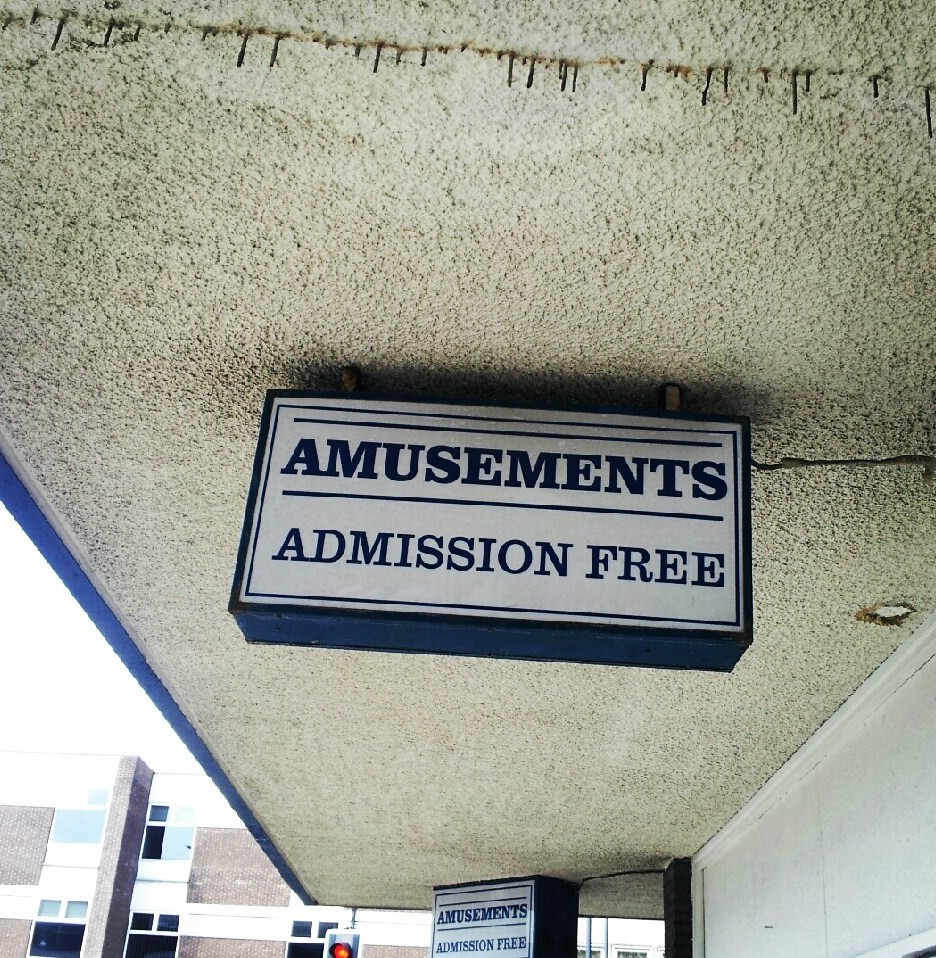
Old and empty buildings are no longer demolished, as that costs too much money, and the boring dystopia has put too many rules in place about blowing things up or setting fire to them. Instead these buildings ossify with pigeon droppings, and stalactites form like spindly toxic fingers. After a while the buildings become invisible.
Yet, despite the underpopulated office blocks, in spite of the abandoned buildings, we keep on building because we are not able to stop, perhaps because we want to fulfil the life trajectory we expected when our world was not so dystopic, not so boring. Or perhaps it's to see out the job that our distant ancestors started several centuries ago: to carve up and chop down this land until every inch of it has the brand of civilisation upon it, until there is no corner or parcel of space that does not have a foot print or a unit or a trampoline upon it. There CCTV cameras everywhere, but they simply provide a continuous flow of unmonitored images. They flicker through the night in unmanned offices. If something happens, someone will review the footage, in exactly the same way that a store detective might rewind the day's surveillance tape to check out a shoplifting incident - in 1990. We've spent billions on replicating a process that already existed. We've lost the whirring noise and gained blurred footage of Michael McIntire shopping.
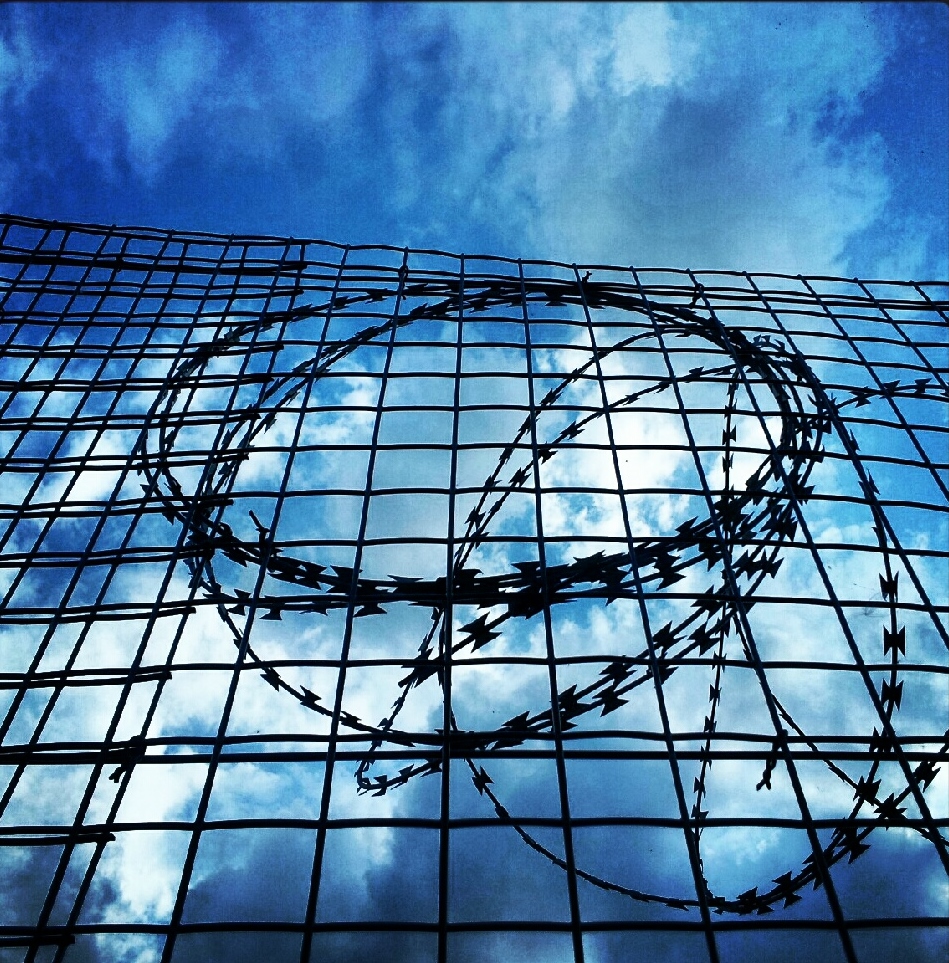
Who runs the boring dystopia? The answer is no-one. There is no-one driving. The government are too busy to bother with little things like the administration of the country now. They are like burglars who have meticulously planned a precision raid on a gold warehouse, only to get there and find all the doors open and the alarms switched off. They wander around, taking what they want, not quite believing their luck. After a while, they take their masks off. They know no-one will stop them, and they no longer care who sees them.
We can obey a dictator, respect an ideologue, fear a tyrant. These individuals lead by bending parts of the world to their will, and, whether, we go along or fight against, we live or die in the shadow of their monstrous ego. But this dystopia is boring, and it is run by boring people, except for Ian Duncan Smith, who is a fucking maniac.

So, yes, thanks to Mark Fisher, the Boring Dystopia has a name now, and Facebook users can participate in its cataloguing. It is unlikely to spark a revolution, or challenge the parameters of this society that we have created. We are too tired and disengaged to throw a brick, so we press a button to 'like' a picture of something that, actually, represents our cultural penury and societal subjugation, like condemned men unknowingly shaking the hand of their executioner, who uses the contact to estimate the length of the drop. We should be ashamed, really, mortally ashamed, but this dystopia has made us all boring, and we are too stupefied to do a fucking thing about it.
A Million Horns [ 18-Jul-15 12:00am ]It's 1970, and Cliff Richard faces up to the challenges of a new decade and a less than inspiring recent sales record by teaming up with his old pal Hank Marvin and releasing a single that is not only rockier than his usual output, but also exploits a topical theme: the unstoppable rise of the car, and the damage pollution is doing to the environment.
Written by Hank, 'The Joy of Living' features an interesting guitar effect that seems to evoke the grinding futility of a traffic jam, and lyrics that are both deeply sarcastic and rather angry and are redolent of J.G Ballard (who would have thought lots of big, sexy, deadly cars a good thing) or even Patrick Hamilton (who would have thought it disastrous*). In this dystopic version of the future where the motor car is King, man is reduced to living in state appointed high rises, looking down on the world and remembering what it felt like to breathe clean air, like a scene from the credit sequence to 'Soylent Green' come to life.
In the end, however, a strong ecological message and a jaunty chorus were not enough to propel the song higher than number 25 in the charts and the backlash against the dirty bastard car didn't take place after all. As someone who was stuck in a lovely multi coloured crocodile for twenty minutes this morning, I wish the world had listened to Cliff more closely. He was also right about young ones not being young for very long.* Hamilton had more reason than most to hate the motor car, having been knocked over and nearly killed by one in the late 1920's. In 'Coleoptera', the last chapter of his 1953 novel 'Mr. Stimpson & Mr. Gorse', he predicts a Britain over-run by cars, created by man to serve but now completely in charge of their inventors and 'pitilessly exacting' in their demands. 'The beetles were not magnanimous in victory', he notes.
F*** Me, It's Freddie! [ 17-Jul-15 9:00am ]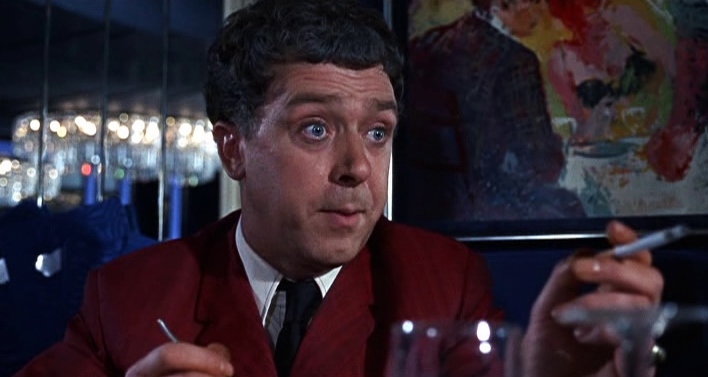
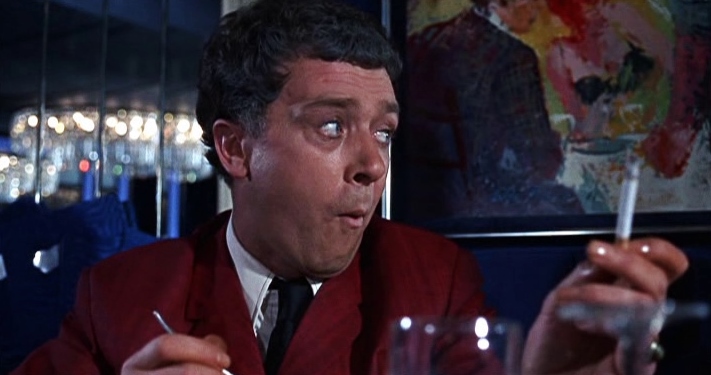
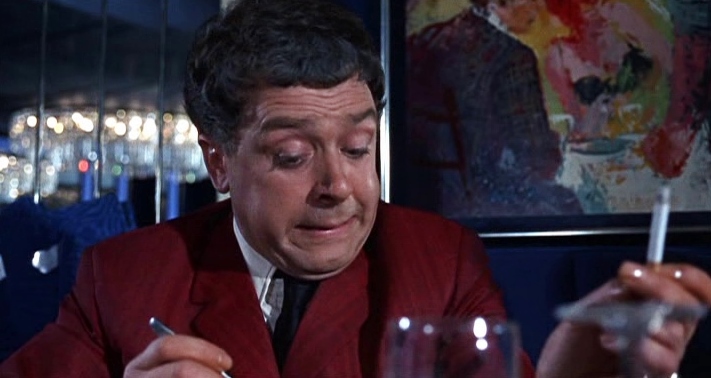
FMIF as Philip Proudfoot in 'Otley' (1968).
We've actually done this film before, but it is well worth revisiting, especially with facial expressions this good. Freddie plays what is called in olden days parlance 'a flaming homosexual', i.e. he isn't scared of what you think of his sexuality. He's also quite a dandy, and at the centre of the intrigue, like a camp mod spider. It's a broad performance, but it works - after all, as you can see from the second screen shot, Freddie has his tongue firmly in its cheek.
Otley [ 17-Jul-15 12:00am ]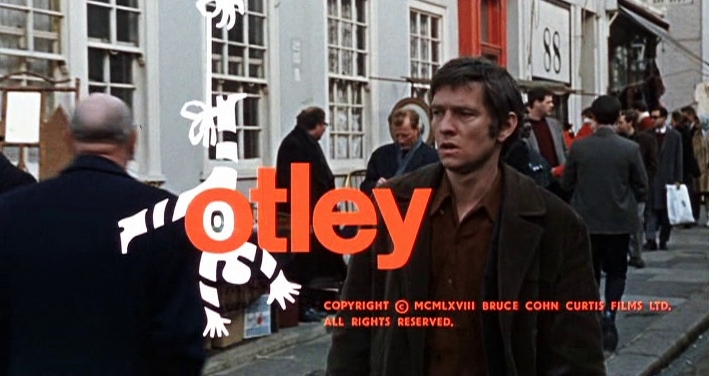
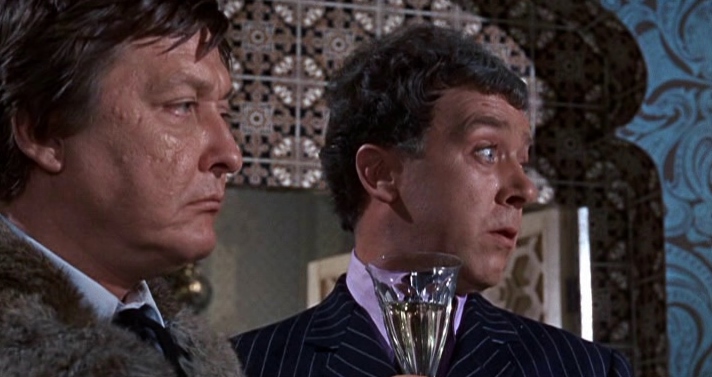
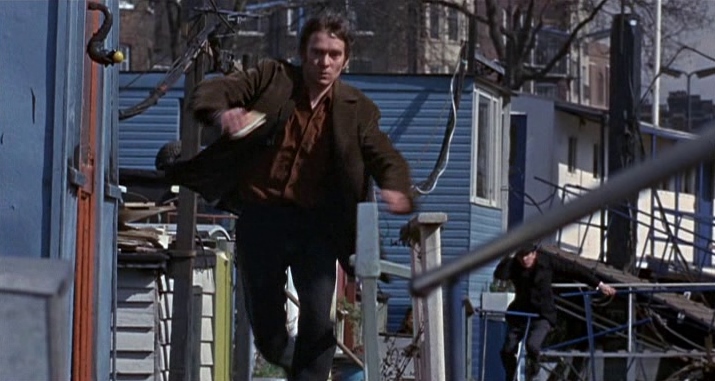
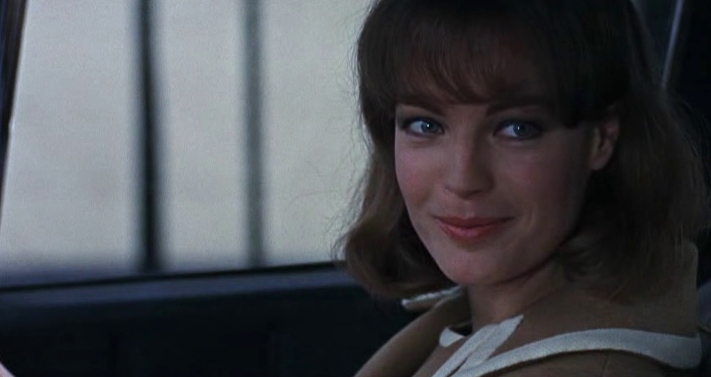
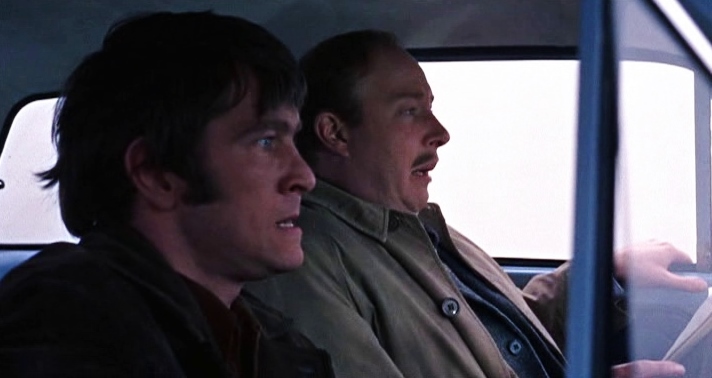
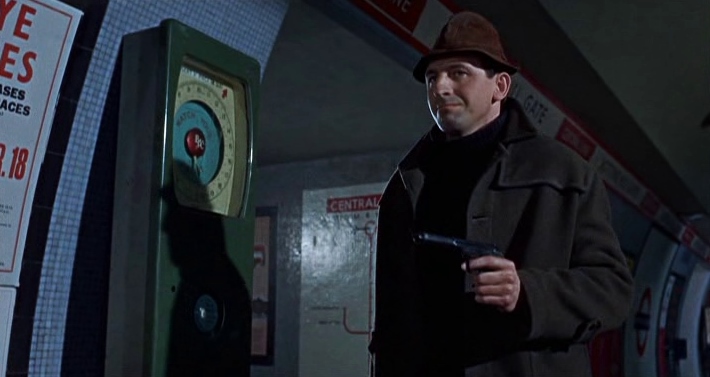
'Otley' is about fifteen minutes too long, but it's a fun film about the rather shabby world of espionage that features a stellar cast of British character actors, led by the great Tom Courtenay as Gerald Arthur Otley, a shiftless moocher and compulsive pincher of ornaments who, by sheer idiocy, finds himself at the centre of a web of slightly incomprehensible intrigue.
A nice mix of comedy and drama, 'Otley' is very sixties (never a problem in my book - or on my blog, anyway), but gives us a glimpse of the 'real' London behind the swing: the markets and bedsits, cafes, pubs and tube stations, people in polo necks and socks that need darning. The grooviest person in it is Freddie Jones, who is so sharply dressed it makes Beau Brummel look like Worzel Gummidge.
Tom Courtenay is excellent, as always. His light Yorkshire accent, bony face and slightly camp delivery are miles away from the usual leading man, and he's not afraid to appear cowardly and pathetic, which is probably why he never made it big in action films. He's also very funny and, at times, the self-obsessed, duplicitous Otley is reminiscent of a (slightly) more grown up Billy Liar, which makes you wonder sometimes if all the running around and gun play is simply part of some elaborate, extended fantasy.
The rest of the cast are a who's who of contemporary character actors, including James Villiers, Alan Badel, Leonard Rossiter, James Cossins, Ronald Lacey, Frank Middlemass, Geoffrey Bayldon and, of course, our beloved Freddie. The last two on the list are still with us (aged 91 and 87, respectively) and, I hope, will remain so for a good few years to come. Romy Schneider makes an attractive female lead, but then she always did, particularly when sporting thigh length white pvc go go boots as she does here.
Light hearted and full of twists, it's the sort of film that should be on TV right now but, for whatever reason, never is. Bloody nowadays TV.
Adieu, Aubrey [ 16-Jul-15 10:50pm ]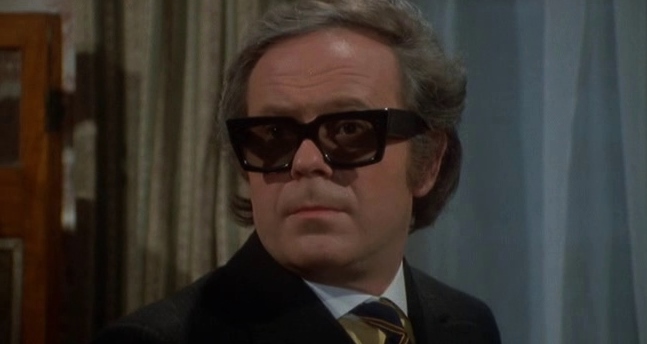
The purring, sinister, wonderfully eccentric Aubrey Morris is dead. He lived for 89 years, and was acting up until a few months ago. Here he is as an utterly bonkers psychiatrist Dr. Putnum in Hammer's 'Blood From The Mummy's Tomb'. Adieu, Aubrey.
What Might Have Been [ 16-Jul-15 12:00am ]It's February 1979, and Punk is moribund enough for Legs & Co to get involved and start clod hopping about in plastic sandals and party wigs. If they'd only flipped the record over they would have encountered 'Frigging in the Rigging', a puerile chant full of explicit sexual imagery that is crying out for literal interpretation in dance by five ditzy dancers. Can you imagine the hand gestures?
Christ Almighty [ 12-Jul-15 12:00pm ]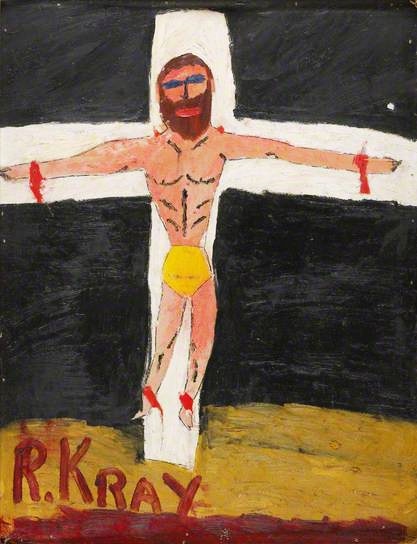
Art therapy is an essential part of prison for those serving long sentences: they've got to do something, after all, and smearing a load of paint all over a canvas can be cathartic.
Ronnie Kray was a keen amateur artist, and his paintings (not all of which are as good as his 'Crucifixion' above) now sell for several thousand pounds each. Good news, Ronnie, wherever you are: people are still fucking mugs when it comes to your tawdry legend.
A tip of the cap to Jonny Trunk who originally posted this on Instagram and made me aware of it. Now I can't think about anything else, so, yeah, thanks a lot.
Keep It Broken! [ 12-Jul-15 12:00am ]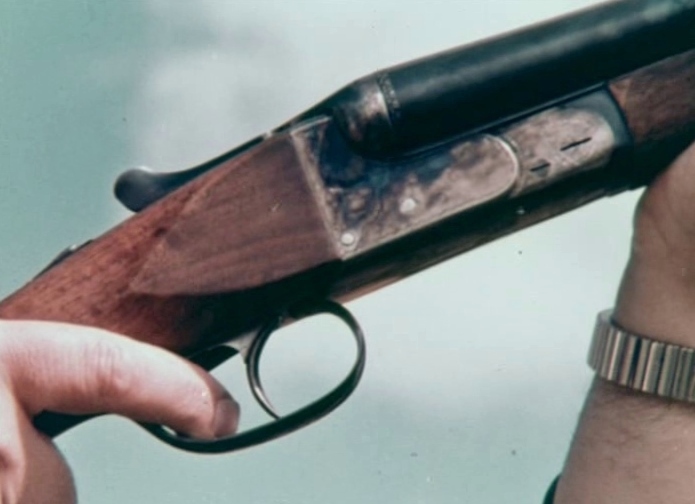
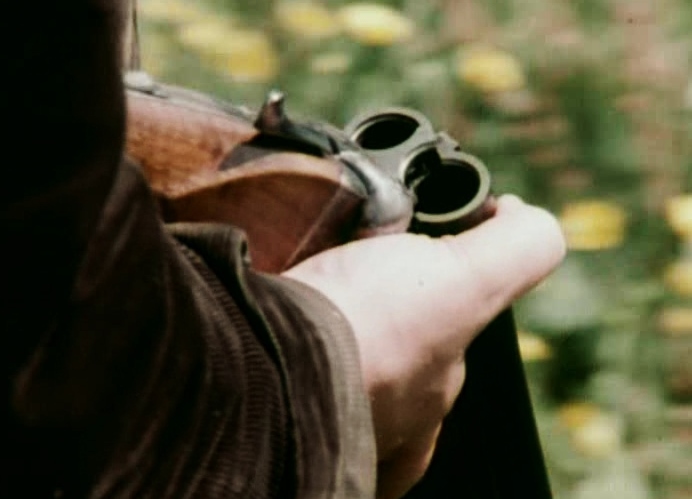
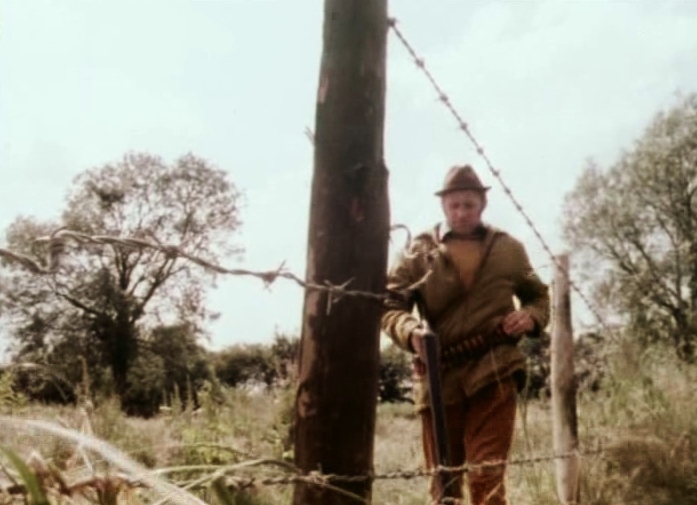
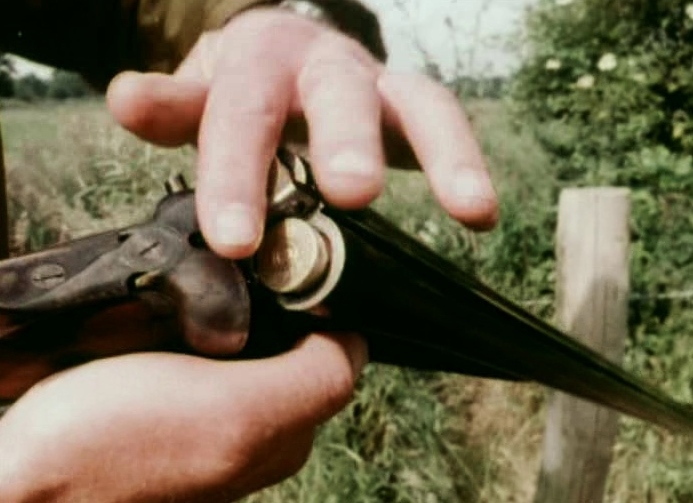
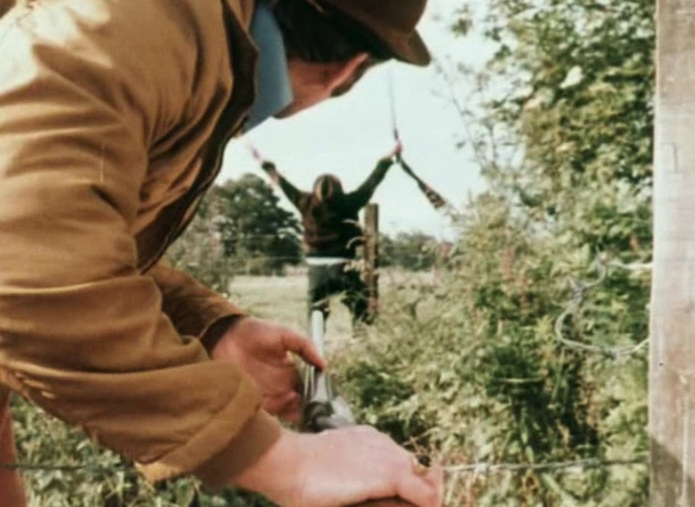
While we're thinking about shotguns, rural settings and sudden, violent death, remember --
'A gun should be broken and unloaded whenever it's not being fired, and especially when getting through a fence or over any obstacle. If you don't follow the rules, sooner or later there'll be a - BANG! - tragedy'.
Look at the geezer being shot. Is it just me, or is he hamming it up a bit?
House On Straw Hill [ 11-Jul-15 12:00am ]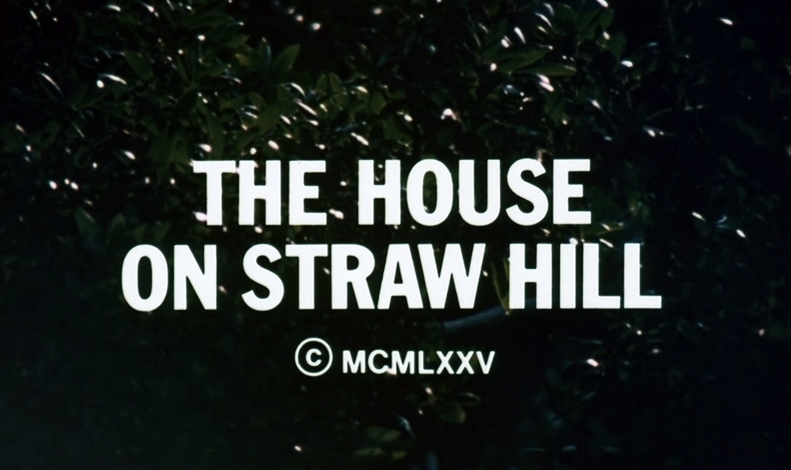
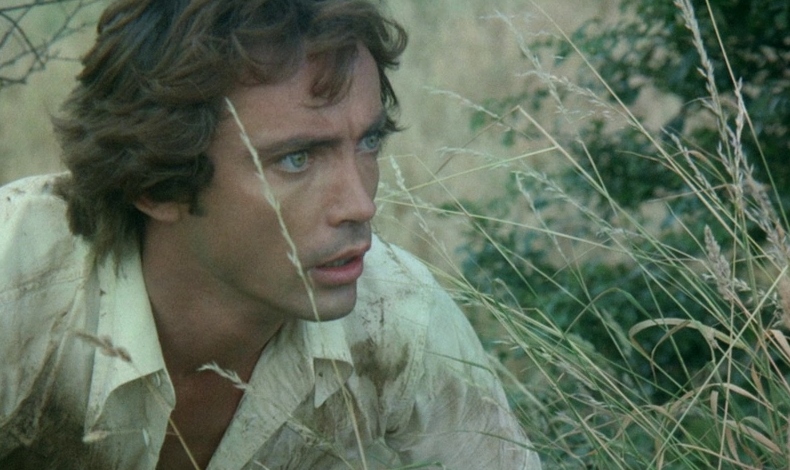
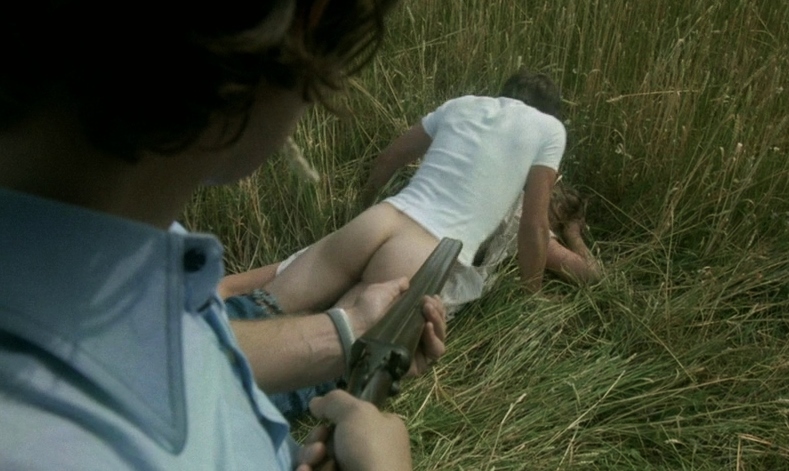

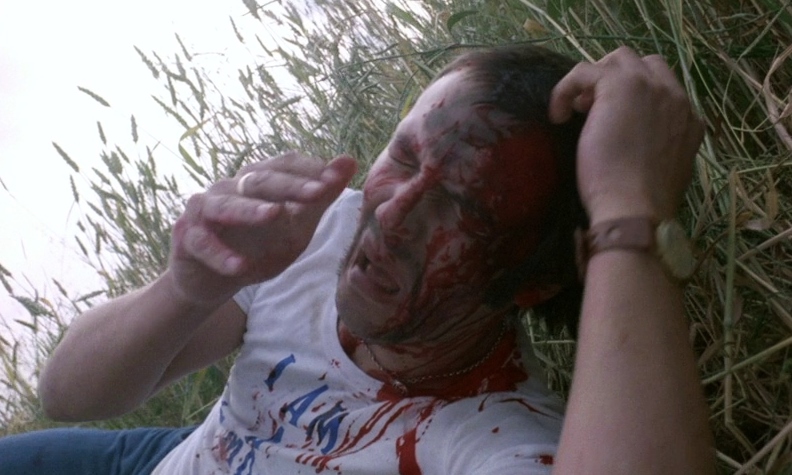
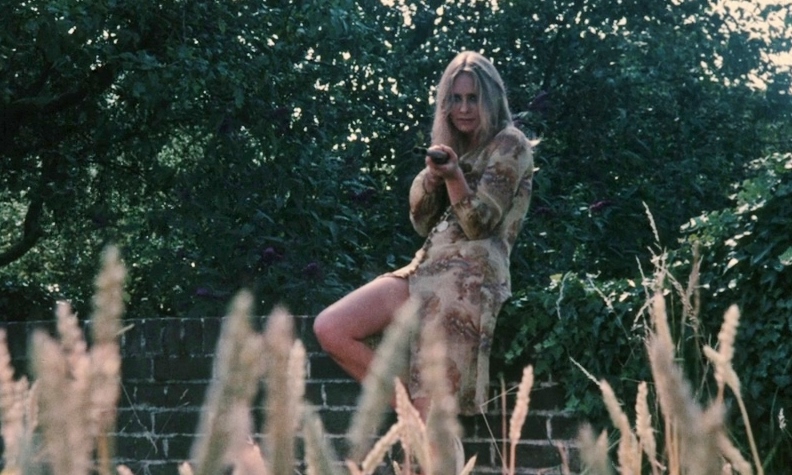
'House On Straw Hill' has either an illustrious history or a terrible reputation, depending on how you look at these things. It was the only British film on the 1984 list of banned video nasties, mainly because of its fairly explicit mix of sex (some consensual, some not) and violence (some consensual, some not). Made in 1975, it exists in any number of different versions, and under several different titles, although a more or less definitive version has recently been released on Digital Versatile Disc.
The always odd Udo Keir plays Paul Martin, a successful author who rents a remote cottage in Essex in order to work on his second book. He has an on-off relationship with porn star Fiona Richmond, i.e. he gets on, then off, then sends her packing. Their 'love' scenes have a rough and ready quality that makes them seem more explicit than they really are, but then some of that might be due to him putting on latex gloves every time they get it on.
Paul hires a secretary over the phone to help type up his masterpiece and is delighted when she turns out to be Linda Hayden, who brings her usual blend of jailbait precocity to the role, and forgets to bring a bra. Linda is a compulsive masturbator and, when she is caught fiddling with herself in a field by a couple of bicycle riding 'youths' (including an already balding Karl 'Brush Strokes' Howman), an unpleasant rape scene (is there any other type?) ensues. This young woman is not quite the pushover she seems, however, as the yokels who assault her find out to their cost.
The last half hour explodes in a frenzy of rough sex and sharp knives and a soap opera plot twist which makes enough sense to validate all the huffing, puffing and intimate touching that has gone before. Unlike the BBFC, I wouldn't describe the film as nasty, rather as an adult psychodrama that occasionally gets a little too adult for comfort: if Ingmar Bergman had made it, it would have been hailed as a masterpiece (it's worth remembering that Bergman's film 'The Virgin Spring' was the inspiration for 'Last House on The Left'). Probably.

I enjoyed the rural setting (it was filmed near Chelmsford, the furthest extent of 'my' Essex), and the scene where Keir drives a brakeless Morris Minor into a pond. I liked Linda Hayden, who always does an excellent sexy psycho, and I was intrigued by Fiona Richmond's lissom body and bricklayer's face. Most of all I enjoyed hearing extracts from the book Paul is working on, which sounds like it's going to be truly fucking awful.
Music lovers will be pleased to hear that the film has a rather good soundtrack, but you needn't take my word for it as my friend and colleague Fearlono has made a custom soundtrack for it that you can download at his smashing website Cottage of Electric Hell. One thing: you will need to pretend to be an adult to gain entry, as there are grown up themes and some sexual swear words.
Baby Love [ 10-Jul-15 12:00am ]
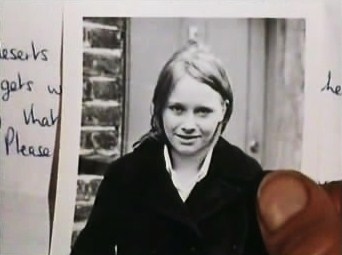
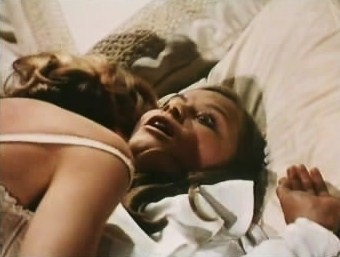
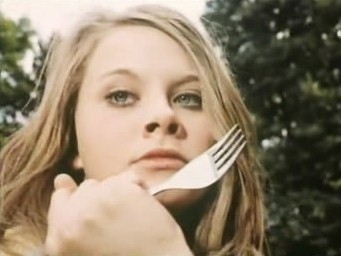
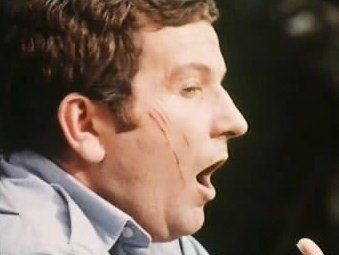
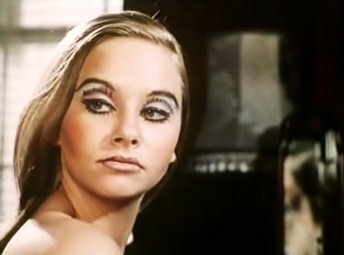
'Baby Love' centres around the familiar plot device of a stranger who enters a supposedly perfect household and shags (or is shagged by) everyone, subsequently exposing how damn dysfunctional they all are behind the smiles and soft focus. Lucy is a fifteen year old strumpet in training who is suddenly orphaned when her sluttish mother (Diana Dors) kills herself. Mum's last wish was that Lucy go to live with Keith Barron, one of her few old flames to have actually done well for himself. Lucy's arrival throws the house into turmoil, not least because she has been trained to exploit her sexuality at every opportunity, and spends most of her time flirting, walking around in her bra and letting seedy strangers feel her up at the pictures. After a while, however, Lucy begins to long to be part of the family, only to find that the family rather like her as she is - a sex object that they can project their hetero and homo sexual fantasies onto.
'Baby Love' simply wouldn't get made today, if only for the fact that frequently nude star Linda Hayden was only fifteen years old at the time of filming. This role propelled her into a career in which she almost exclusively played, for want of a better term, jailbait. In the various retrospective interviews I've seen with her she seems remarkably well-adjusted and good humoured about her ten years as a baby faced slut but, as she went out with Robin Askwith for a number of years, her critical faculties may be slightly impaired.
Some interesting guest stars in this, by the way - the aforementioned Diana Dors, right on the cusp of turning from pneumatic blonde bombshell to frowsy Earth Mother, and, in a small but sleazy role, dirty old Dick Emery.
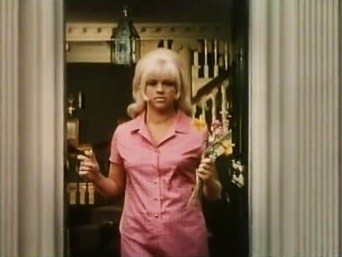
The ghost of Diana Dors.
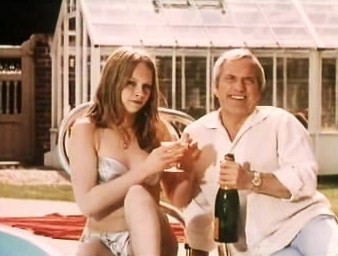
'Ooh, you are awful', etc.
Bloody Hell [ 09-Jul-15 12:00am ]
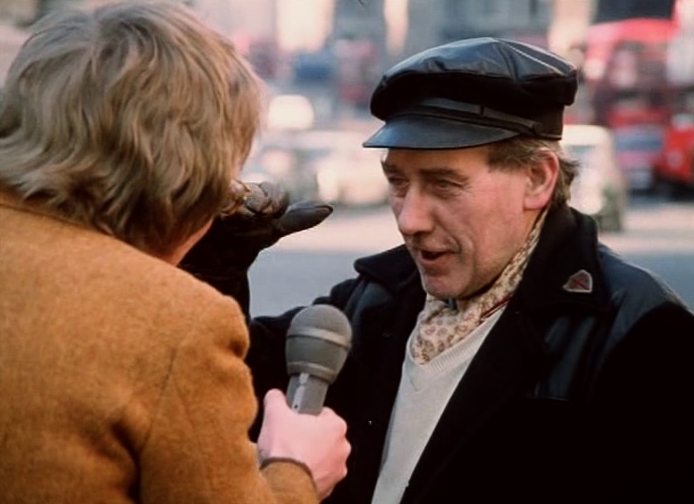
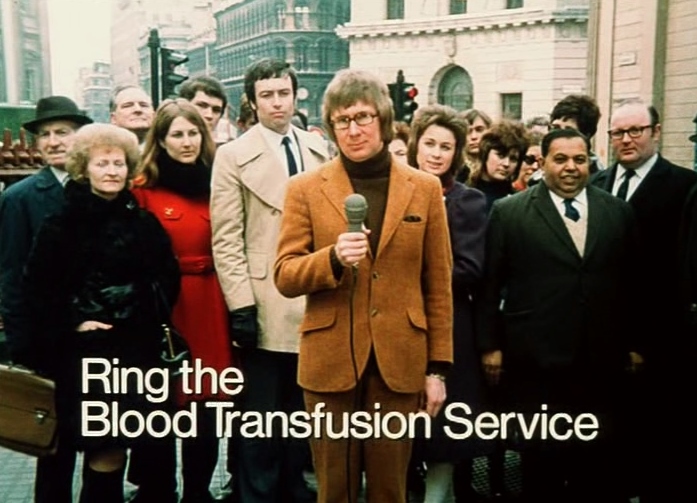
What do these randomly selected band of Dickensian grotesques and cheeky urchins know about blood? Nothing. One bloke in a bowler hat even thinks that you can keep it for up to a year! Surely everyone knows it only lasts three weeks, which is why it is used immediately, and why the NHS needs so much of it. So, do as the gingerbread man made flesh says: ring the Blood Transfusion Service and GIVE BLOODY BLOOD.
F*** Me, It's Freddie! [ 04-Jul-15 12:00am ]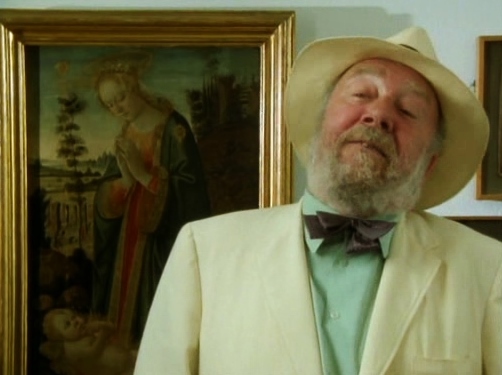
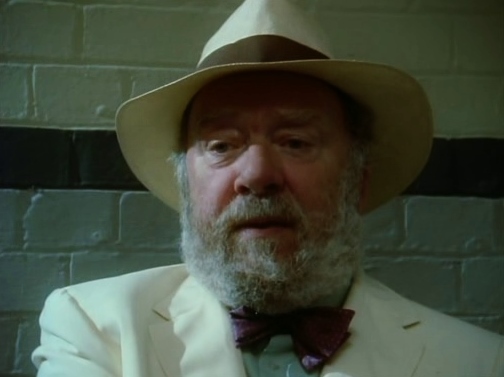
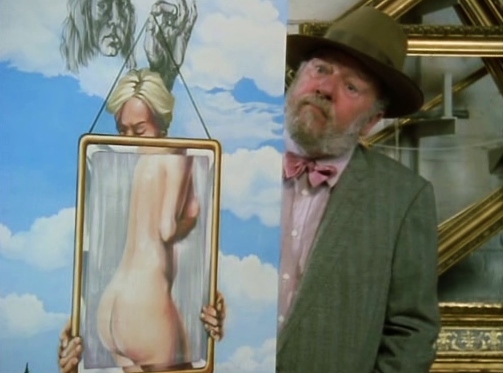
FMIF as Harry Field's Dad in 'Who Killed Harry Field?', a 1991 episode of 'Inspector Morse'. If you're wondering who did kill Harry Field, you'll have to watch the show, but, believe me, he definitely had it coming. Freddie gives a great performance, by the way, but then that's Freddie's stock in trade, isn't it? He's a great hero of mine, and it feels good to be paying tribute to him again.
Lifeforce [ 03-Jul-15 12:00am ]
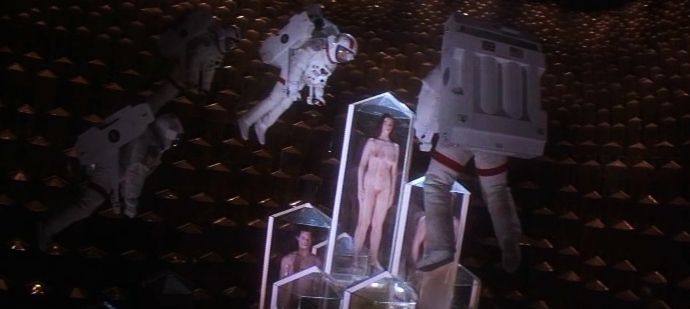

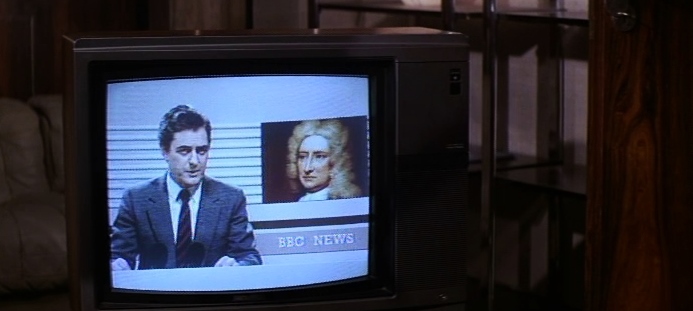


'Lifeforce' is a mostly enjoyable adaptation of Colin Wilson's classic novel 'Space Vampires'. In it, a space shuttle mission is interrupted by the discovery of a huge, seemingly abandoned space craft of alien origin. When the crew board the hulk, they discover hundreds of dead space bats and three naked humanoids in a state of suspended animation. Their genitals are thoughtfully obscured but the sole female (Mathilda May) is very beautiful indeed and has perfect breasts, and we are allowed full sight of these, which is a fatal mistake as they become pretty much all we can see and, when they disappear about forty five minutes in, all we can think about is when we will see them again. Indeed, if I close my eyes I can see them now *closes eyes*
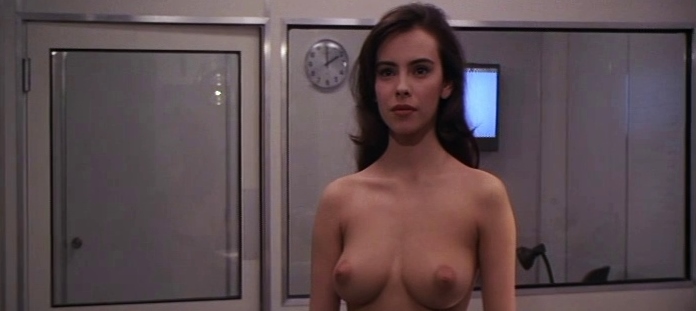
As it goes on, the film becomes less interesting and slightly chaotic, especially in the semi-hysterical finale in which vampirism has infected London and is driving people to barbaric acts of public unrest, and our uninspiring American hero (Steve Railsback) has to strip off and kiss the sexy naked vampire lady a lot in order purely to get her into a position where he can stab her with a special anti gorgeous bloodsucker sword, killing her, saving the world, but sacrificing himself. Good, the man's an idiot.
There are some excellent actors in the cast (Jerome Willis, Frank Finlay, Patrick Stewart, the superb Aubrey Morris), although Peter Firth is miscast as a tough SAS officer. There was also clearly some money spent on the production, and the special effects are generally very good if rather derivative of both 'Alien' and 'Raiders Of The Lost Ark'. There's even a promising plot line about the vampires having visited Earth on a cyclical basis for centuries but this doesn't really develop into anything interesting. Ultimately, however, all of those positive points are totally irrelevant in the scheme of things: this film is all about the ancient space vampire's stupendously attractive chest and the rest, a mysterious celestial body well worth getting bitten on the neck for.
Thinking about it, perhaps not the best film to come back with. I don't want you thinking I've had some sort of breakdown and am now obsessed with knockers, especially as a couple of next week's posts are about Linda Hayden.
From Just This Side Of Midnight [ 02-Jul-15 12:00am ]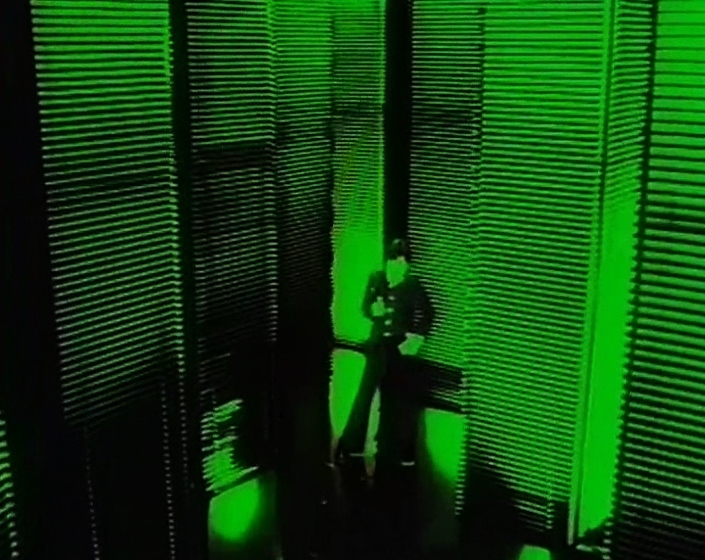
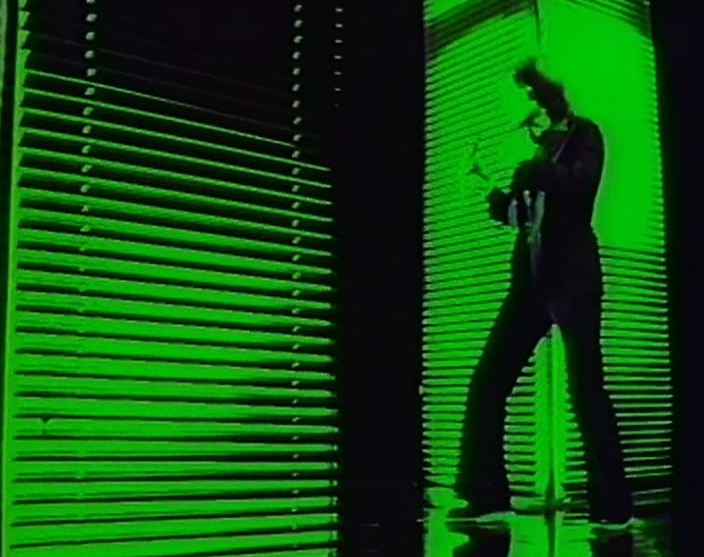
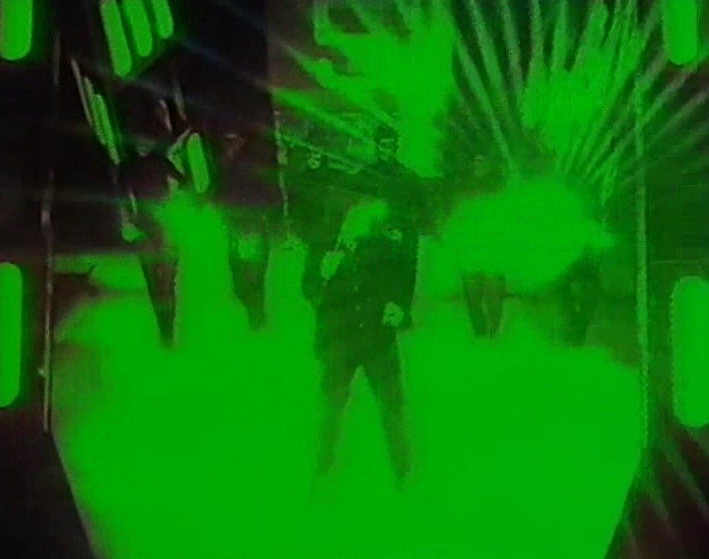
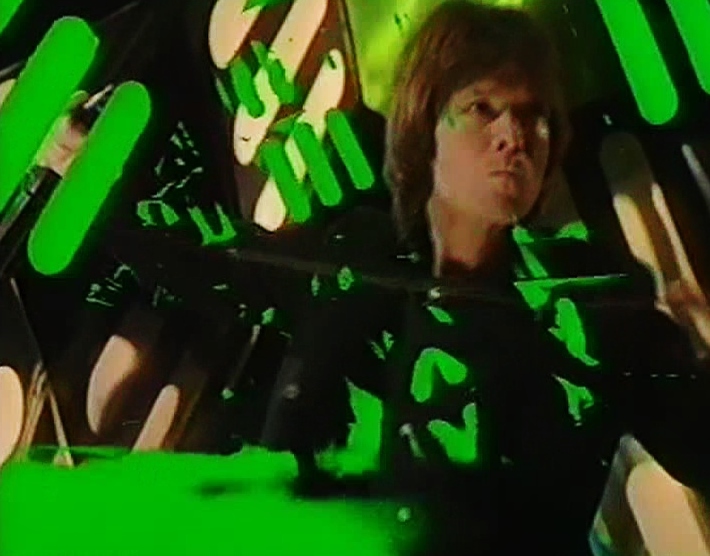
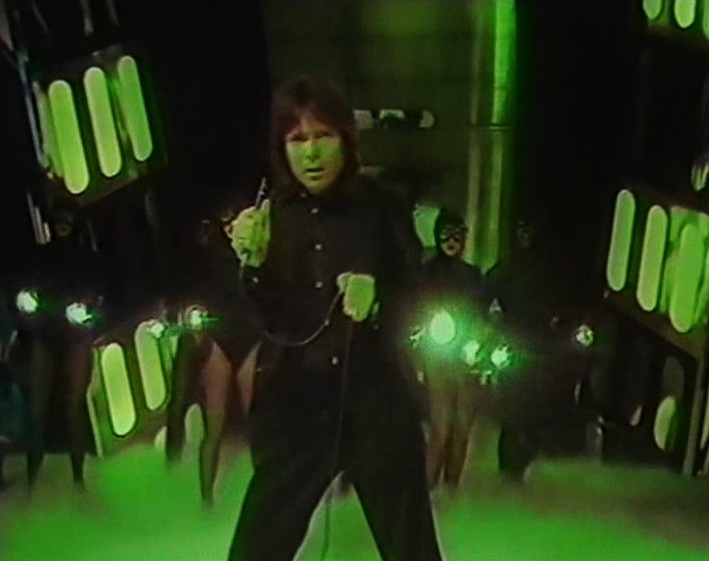
I don't know whether recent allegations about Cliff Richard are true. My only response is that it wouldn't surprise me, not because I have reason to particularly suspect him but because, in a world where Rolf Harris has been unmasked as a serial sex offender, I now lack the capacity to be shocked by further revelations. Anyway, Cliff fascinates me, and always has done, so I thought I'd look at some of his occasionally very odd oeuvre, today arriving in 1979, already twenty one years into his seemingly endless career.
Here, Cliff is searching for a green light. He's been looking for it all night. It's one of his sleaziest records, ably complemented here by the addition of Hot Gossip in this performance from a 1979 episode of 'The Kenny Everett Video Show'.
Cliff appears to be lost in a sensuous reverie but, ever the innovator, has clearly worked closely with choreographer Arlene Phillips to invent dogging. The torch wielding, goggle wearing, balaclava clad dancers bring an additional sinister note to the balefully lit proceedings. Cliff, clad all in black, is both victim and voyeur. He's found half a dozen green lights tonight, and, one way or another, he is going to get fucked.
It's good to be back.
I Had No Luck With Her [ 02-Jul-15 12:00am ]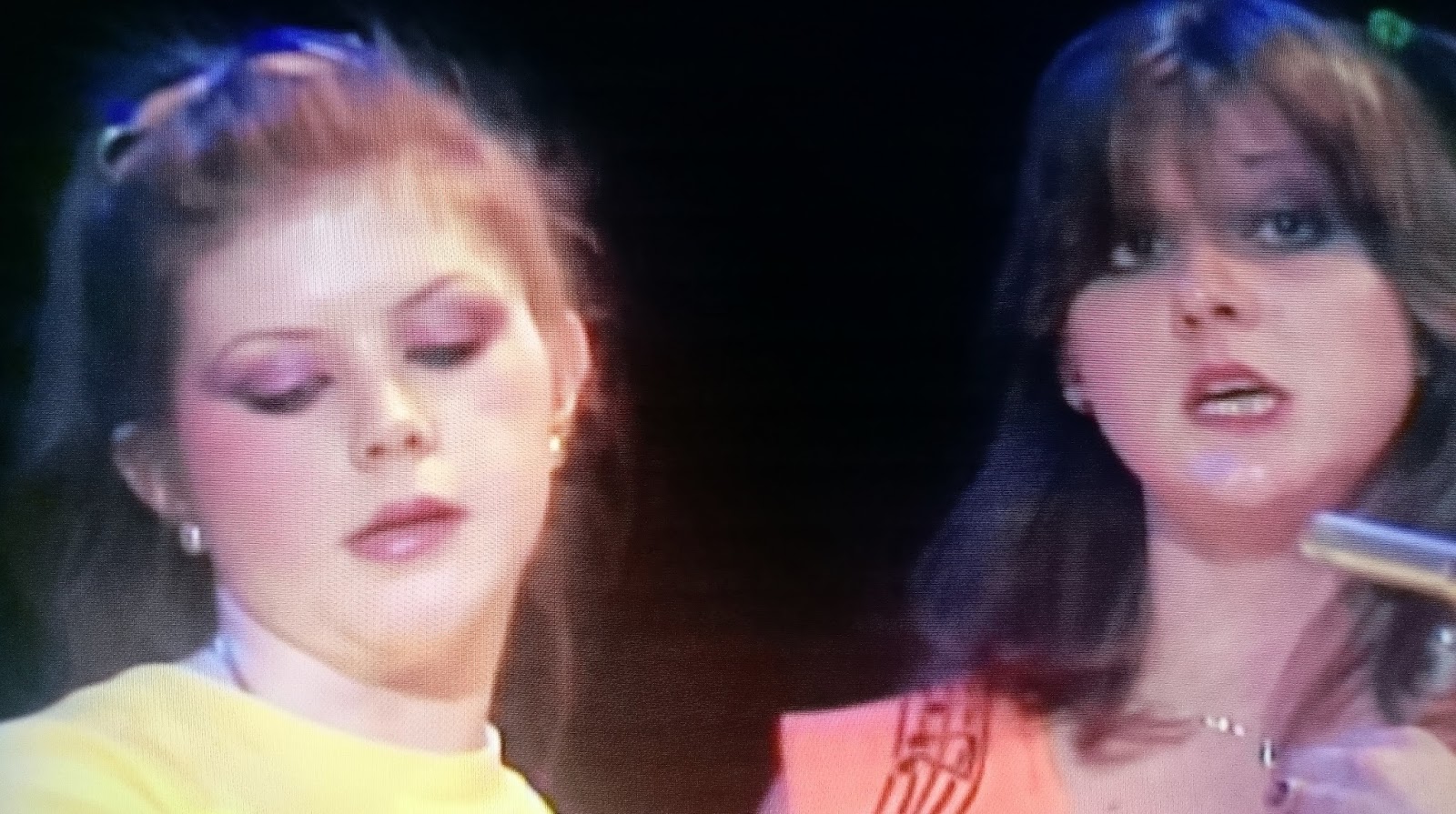
To kick off, here's a screenshot from a recently repeated episode of 'Top of The Pops' originally broadcast in 1980. It features the backing singers for a performance of Jona Lewie's quirky electro pop hit 'You'll Always Find Me In The Kitchen At Parties'.
Left hand lady is the much missed Kirsty MacColl, of course, but I have been unable to identify her co-worker. This task has been made harder by the fact that neither of them actually sang on the record, they were just in the vicinity when needed for the telly. They really remind me of the girls I used to like as a young man: attractive, feisty, not interested.
The British Esperantist [ 29-Jun-15 9:00pm ]
This is Issue 6 of The British Esperantist, the 'mix tape of books' that I have been working on since I left The Island a year ago. It's been pretty successful and, now I have returned, I would like to suggest that you purchase a copy if you can as it is not only very entertaining, it is also informative and really cheap. This issue's contents include: Hawkwind; Ben Weber, International Ventriloquist; William Blake's horoscope; trouser trends and lots, lots more.
More details here --
The British Esperantist 6
Don't linger, though, they generally aren't around for very long. Thank you for your attention.
i b i k e l o n d o n [ 20-Jul-15 8:30am ]
Why there's more to successful cycle paths than just building cycle paths [ 20-Jul-15 8:30am ]Wherever you are in the UK, you're never too far from a so-called "recreational bike path"; a family-friendly cycle route separated from the roads and often built on converted railway lines. Thanks largely to the work of the charity Sustrans these routes criss-cross the country. Some are wildly popular, both with long-distance touring cyclists as well as with families out for a ride and a day out by bicycle.
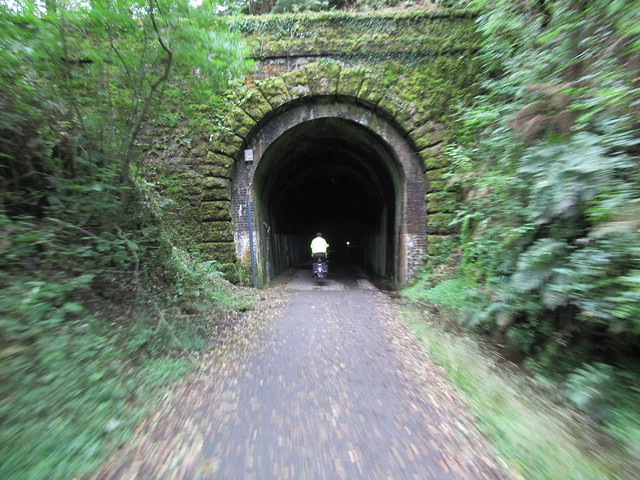
In previous discussions cycling friends of mine have denigrated these paths, describing them as "choked", "slow" and in one instance "stuffed with nodders on bike-shaped-objects." But I take a different view. The Mums and Dad you find hitting these trails in the school holidays might not ride the best bikes, or even self-define as "cyclists", but when it comes to rehabilitating the bicycle with the British public every journey counts.
In order to encourage adults to start cycling again (often for the first time since their teens) we need to make the experience as simple as possible. What's more, you shouldn't have to make a large up-front investment before deciding you'd like to try riding a bike once more. And that's where I think we are going wrong with our recreational cycle paths here in the UK. It turns out there is more to building successful cycle paths than just building cycle paths.
Fun in the sun on the Venice Beach bike track, Los Angeles.
On a recent trip to Los Angeles I was astonished to find that there - in the very heart of the world's most car-sick city - was a resoundingly popular recreational bike path. Running along the length of Venice Beach, the track itself was smooth, wide and separated from pedestrians. It passed Venice pier, Muscle Beach and other interesting spots and on the Friday afternoon I visited it was packed with people of all ages cruising up and down on bikes. Roller skaters, cycling ice cream salesmen and shady palm trees helped to lend a festive air. We turned off the path and rode for a few blocks away from the beach to see if the whole district was a cycling nirvana, but found ourselves alone. The people on bikes were stuck resolutely to cycling up and down on their safe cycle path. I watched the riders, and started to think; what made this path such a success?
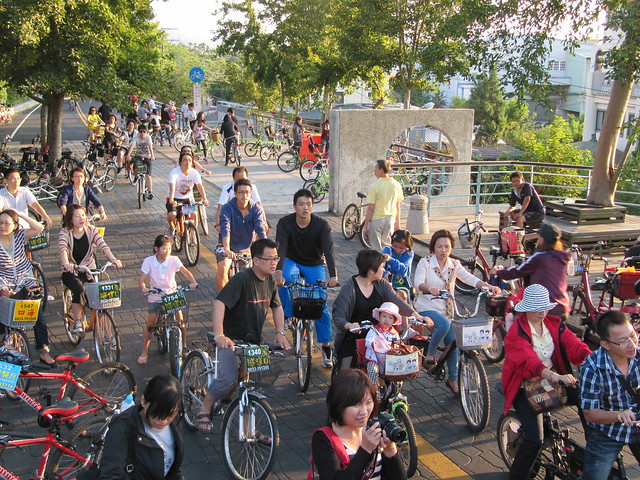
A few years ago I was lucky enough to cycle in Taiwan (check out this ride from the capital, Taipei) In the city of Taichung the local government have converted a disused railway to create a cycling route which stretches for a number of miles along the river and in to the country. There I saw whole families (some on only one bike!) out enjoying themselves for the day on hired bicycles. There were tandems, and cargo bikes and bikes with baby seats. There were electric pedal-assist bikes and bikes with sound systems and bikes which looked like small family cars. The trails were packed with riders, stopping off at small track-side cafes for drinks and snacks or hiring another bike when they got bored with the other at one of the many hire shops. They even had ride-in toilets so you didn't have to worry if you'd not brought a bike lock with you! It turns out that the same amenities in Taiwan which make this path work are the same amenities you find in Los Angeles, and it's what we are lacking on our British paths.
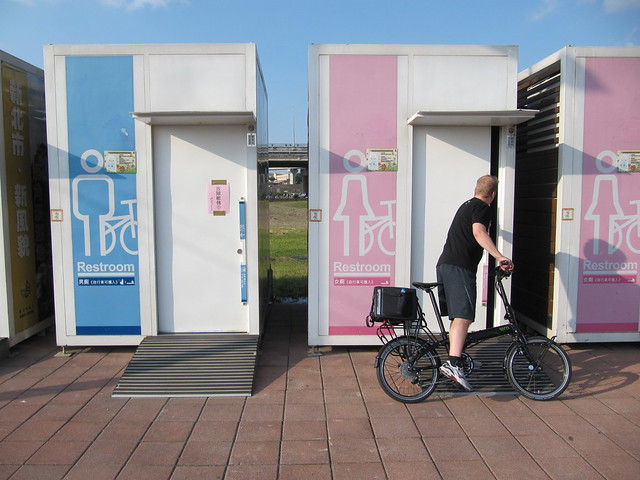 Ride-in toilets for security conscious cyclists who don't have a lock.
In Los Angeles all of the cycle hire stalls were run by the same business, meaning bikes could be dropped off at any point along the route. If people got tired of riding they could simply drop off the bike without having to ride back, or they could do a one way journey with the wind behind them without having to contemplate a strenuous return trip. The ice cream salesmen on bikes added a further level of amenity, whilst well-observed and safe cycle parking clusters were positioned at interesting points along the route meaning people could lock up their bikes with confidence.
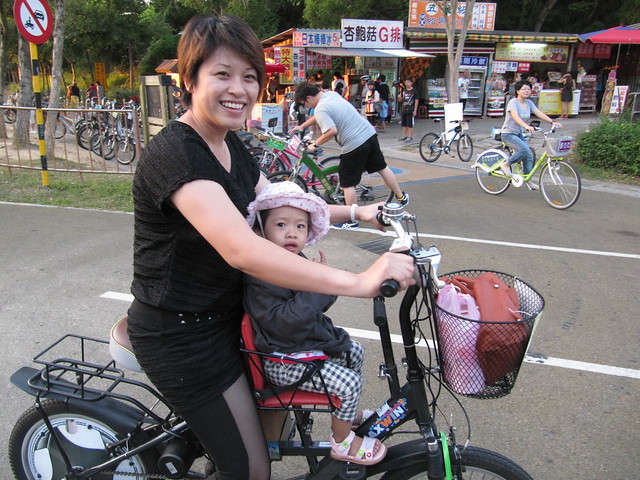 Small businesses selling food, drink and hiring out bicycles line the Taichung bike path.
 Gem Bridge, near Tavistock. Beautiful, and somewhat empty of cyclists.
In Taiwan, the bike hire was cheap and plentiful and once again right on the path itself so that the ride started in pleasure straight way. On a recent trip to Devon I cycled on the impressive Gem Bridge, a beautiful structure which fords a deep valley and connects two newly-opened sections of converted railway line. But in order to access the path from the nearest town, Tavistock, was a torturous route crossing main roads and down little alleyways. It may not have the best eco-credentials, but people need to have "park and play" access to these routes in order for them to be a success.
Of course, these successful cycle routes had all of the usual things you'd expect, such as smooth surfaces, good sign posting, and safe bike parking. But there's a role for business - such as bike hire and small cafes - in making better recreational cycle routes that we don't utilise enough in the UK. It helps to create jobs, keep money in the local economy and enable rehabilitating bicycle journeys for people who wouldn't usually ride and need their bike served up on a plate. What's not to like?
Share |
19-Jul-15
In previous discussions cycling friends of mine have denigrated these paths, describing them as "choked", "slow" and in one instance "stuffed with nodders on bike-shaped-objects." But I take a different view. The Mums and Dad you find hitting these trails in the school holidays might not ride the best bikes, or even self-define as "cyclists", but when it comes to rehabilitating the bicycle with the British public every journey counts.
In order to encourage adults to start cycling again (often for the first time since their teens) we need to make the experience as simple as possible. What's more, you shouldn't have to make a large up-front investment before deciding you'd like to try riding a bike once more. And that's where I think we are going wrong with our recreational cycle paths here in the UK. It turns out there is more to building successful cycle paths than just building cycle paths.
Fun in the sun on the Venice Beach bike track, Los Angeles.
On a recent trip to Los Angeles I was astonished to find that there - in the very heart of the world's most car-sick city - was a resoundingly popular recreational bike path. Running along the length of Venice Beach, the track itself was smooth, wide and separated from pedestrians. It passed Venice pier, Muscle Beach and other interesting spots and on the Friday afternoon I visited it was packed with people of all ages cruising up and down on bikes. Roller skaters, cycling ice cream salesmen and shady palm trees helped to lend a festive air. We turned off the path and rode for a few blocks away from the beach to see if the whole district was a cycling nirvana, but found ourselves alone. The people on bikes were stuck resolutely to cycling up and down on their safe cycle path. I watched the riders, and started to think; what made this path such a success?
A few years ago I was lucky enough to cycle in Taiwan (check out this ride from the capital, Taipei) In the city of Taichung the local government have converted a disused railway to create a cycling route which stretches for a number of miles along the river and in to the country. There I saw whole families (some on only one bike!) out enjoying themselves for the day on hired bicycles. There were tandems, and cargo bikes and bikes with baby seats. There were electric pedal-assist bikes and bikes with sound systems and bikes which looked like small family cars. The trails were packed with riders, stopping off at small track-side cafes for drinks and snacks or hiring another bike when they got bored with the other at one of the many hire shops. They even had ride-in toilets so you didn't have to worry if you'd not brought a bike lock with you! It turns out that the same amenities in Taiwan which make this path work are the same amenities you find in Los Angeles, and it's what we are lacking on our British paths.
Ride-in toilets for security conscious cyclists who don't have a lock. In Los Angeles all of the cycle hire stalls were run by the same business, meaning bikes could be dropped off at any point along the route. If people got tired of riding they could simply drop off the bike without having to ride back, or they could do a one way journey with the wind behind them without having to contemplate a strenuous return trip. The ice cream salesmen on bikes added a further level of amenity, whilst well-observed and safe cycle parking clusters were positioned at interesting points along the route meaning people could lock up their bikes with confidence.
Small businesses selling food, drink and hiring out bicycles line the Taichung bike path. Gem Bridge, near Tavistock. Beautiful, and somewhat empty of cyclists. In Taiwan, the bike hire was cheap and plentiful and once again right on the path itself so that the ride started in pleasure straight way. On a recent trip to Devon I cycled on the impressive Gem Bridge, a beautiful structure which fords a deep valley and connects two newly-opened sections of converted railway line. But in order to access the path from the nearest town, Tavistock, was a torturous route crossing main roads and down little alleyways. It may not have the best eco-credentials, but people need to have "park and play" access to these routes in order for them to be a success.
Of course, these successful cycle routes had all of the usual things you'd expect, such as smooth surfaces, good sign posting, and safe bike parking. But there's a role for business - such as bike hire and small cafes - in making better recreational cycle routes that we don't utilise enough in the UK. It helps to create jobs, keep money in the local economy and enable rehabilitating bicycle journeys for people who wouldn't usually ride and need their bike served up on a plate. What's not to like?
Share |
...and what will be left of them? [ 19-Jul-15 11:28pm ]
# [ 19-Jul-15 11:28pm ] # [ 14-Jul-15 6:25pm ]Right then, I am going to be sticking my oar in re Utopia Then and Now at AYA, and predictably enough using it partially as an opportunity to talk about neoliberalism and Film. Again. Starting with the 70's., of course. #
09-Jul-15
i b i k e l o n d o n [ 9-Jul-15 8:00am ]
Now that the Tour de France has left, what else can Utrecht teach us about cycling? [ 09-Jul-15 8:00am ]I'm on a summer trip, making a tour of Le Tour following the riders around Antwerp, Namur, and even riding with the peloton in a race car. It's been a brilliant journey and now I am on my last stage, returning to the scene of the Grand Depart, Utrecht in the Netherlands, to see what this cycling city looks like once the pro riders have passed by.
I've partnered with Ibis Hotels for this trip and all of the staff have been so friendly and helpful. Utrecht was the same; "Of course you can ride today", said the cheery receptionist "It takes more than a bit of rain to stop the Netherlands from rolling!" I looked out the window at the rain blowing in sideways and decided to fortify myself with the fantastic breakfast before I set off, grabbing the keys to a bicycle rented directly from the hotel. The Ibis in Utrecht is just a five minute ride in to the city centre along a pretty canal lined by windmills and old town houses - not a bad start to my day, despite the weather.
The clouds darkened and rain intensified, but this didn't seem to deter Dutch riders who cycled on regardless. Rain coats were pulled out of bags, hats were donned and umbrellas were lifted, making it immediately apparent I was in a totally different cycling situation to the UK. You could ride down the Tottenham Court Road in London at peak time in the rain whilst holding a big umbrella if you wanted to, of course, but I wouldn't recommend it. Here, things are different.
Hints that the Tour de France had recently been this way were everywhere. Shop windows were decorated with bicycles, flags were hung over every street and a statue of the city's most famous daughter - Miffy the bunny - had been put up in the tourism office. Naturally, she was riding her bicycle. The facade of the popular cafe Winkel van Sinkel was decked out in yellow jerseys, too.
But even though the pro riders had left, there's still a festive cycling feel to Utrecht that stems from the many thousands of people on bikes who cycle here every day. I saw small children being carried on their parent's bikes, middle-sized children riding alongside on their own, and teenagers enjoying their mobility and being totally independent.
I have no doubt that all that freedom stems directly from the excellent cycling infrastructure which you'll find all over the Netherlands, but what I was particularly impressed by was how the Dutch don't sit on their hands, but are always seeking to improve things. I went for coffee with Mark Wagenbuur from the brilliant Bicycle Dutch blog. He took me out to a junction on the edge of the city, smiling proudly all the way, that we had last visited together in 2012. Back then, he had described it to me as 'the most dangerous junction in Utrecht' and I was inclined to agree. Cyclists were forced to merge with a lane of fast-moving traffic turning right, and to ride together alongside a metal fence for about 100metres. Just three years later and the situation has entirely changed. Engineers have 'found' the space to continue the cycle track safely through the junction, and the right turning traffic simply waits in a lane of the rest of the road. Of course, it's not a question of 'finding' space at all but simply a choice of what to do with the space that you have and who to allocate it to.
The same junction, above in 2012, as it appears today, below in 2015. Notice how space has been 'found' for the new and safer cycle track without taking the pedestrian's pavement away.
I had been impressed by the new junction, but it was nothing compared to the building project which is nearing completion in the city centre. When I first visited Utrecht the space in this photo was part of a multi-lane city ring road built in the 1970s. All it did was create traffic congestion and bring more cars in to the city centre, where there was no room for them. So the city planners decided to push the ring road further out of the city - to loosen the city's belt, if you like - to create more space for people.
The move has allowed for the total redevelopment of the train station, created space for a new shopping area and offices and very soon the dirt that you see in the photo will be removed and replaced with water, re-connecting two sections of the city's ancient canals.
At the new station the city's cycle racks are being refreshed and new bicycle parking areas are being built. On Korte Jansstraat in the old town, a road which used to be clogged with two lanes of car parking has been re-surfaced in red bricks and the parking spaces moved away. Rather than harming the businesses there, the streets were busy with shoppers and restaurants had laid out new tables and chairs.
This is my third trip to Utrecht and each visit has left me with the same impression; that this is a city rapidly growing, improving itself, identifying the planning mistakes of the past and quietly getting on with rectifying them. It's lively and packed with young people and University students. Better still, it is easily connected to the rest of the Netherlands and Schipol airport by the fantastic national rail network. Utrecht proved with the Tour de France that they know how to throw a good bike party, but if the world's cycling cities were in a race Utrecht would in the break away every day. Why not make a visit to see for yourself?
Share
Tour de France Stage 4: Citadelle de Namur, Belgium [ 07-Jul-15 7:02pm ]After riding in Antwerp and spending the day with the peloton, my tour of Le Tour continues, today bringing me to the Belgian city of Namur. There was a huge gap between the break away and the main bunch, who crawled up the hot, dusty road to the summit of the Citadelle, where I captured this photo.
It was a hugely exciting stage on the cobbles and a dramatic win for Tony Martin. Tomorrow I leave the pro-riders behind and return to the Netherlands to the host city of the Grand Depart, Utrecht, to find out what happens in a cycling city after the racing cyclists have gone. Stay tuned!
Share
In the thick of it. Today I found out what it's like in the middle of the Tour de France... [ 06-Jul-15 11:40pm ]The cyclists ride at breakneck speeds whilst all around them there is ordered chaos; mechanic's cars, radio cars, official cars and of course the infamous publicity caravan. Spectators waive their picnics from the roadside as the riders tear past. Boozey kids run alongside, shouting and jumping up and down. More than a few crowd members get perilously close in the quest for a perfect snapshot to share with friends. I took a ride in the Tour de France, and here's what it's like to be right in the middle of the world's most famous cycling race.
The summers of my youth were always filled with the Tour de France, enjoyed by the whole family as much for the lingering shots of magnificent French scenery as for the riding itself. We cheered on Greg Lemond and talked endlessly about Lance Armstrong as though he were some kind of cycling superman. Looking back it seems like a cycling age of innocence, but I loved all the poetry and drama of a journey around a nation by bike. Not just a journey, but a race no less.
This was all before talk of drugs, "enabling" Doctors, self-administered transfusions and blood bags in the hotel room fridge. Doping cast a deep stain on professional cycling, and it was a long time before I allowed myself to get back in to bike racing. It's all the fault of Mark Cavendish, really. His technical prowess and sheer bravura meant I'd find myself tuning in for the sprints again. Then came Sir Bradley Wiggins. A Brit winning the tour was the stuff of dreams when I was a kid, but then it actually happened. Seeing young rider Simon Yates power to the top of Hay Tor during the Tour of Britain in 2013 meant I was roadside - along with about a million other people - to cheer him on when the Tour de France visited our shores last year.
So when official Tour partner Ibis Hotels got in touch asking if I'd be interested in spending the day right in the middle of the race, they didn't have to ask twice.
The route from Antwerp to Huy was one of the first 'real' stages after the ceremony of the Grand Depart in Utrecht (a time trial) and a flat spin across the green fields of Holland. With Quintana, Contador, Nibali and of course Chris Froome all keen to prove their metal in the initial stages there was plenty of scope for pushing, shoving and hard racing from the off - and the first real uphill finish; the short and steep Mur de Huy. Both Froome and Cavendish were out of the 2014 Tour within the initial 5 stages, so there was lots to prove.
Going to spectate at the Tour is a funny business. You'll stand on a dusty roadside for many hours, and the whole thing flashes past you in a matter of minutes. The cyclists themselves pass in mere seconds. Being stuck in the middle of it all gave me a totally different perspective. The first thing you notice is the speed at which the entire convoy clips along. These boys - all 198 of them - don't hang around. And somewhat paradoxically for cycling the centre of the convoy is a noisy place. There's no elysian wheeling through the countryside here - right behind the cyclists are roaring mechanic's cars, powerful Police motorbikes with sirens, commissaires hurriedly jabbering on their radios, helicopters and not to mention the crowds. Despite the tumult, they do a great job of cheering and shouting at the riders and its surprising how much of what they say is legible. Chris Froome must hear people telling him to cheer up all the time.
Not all of the drama in the peloton takes place at the front of the bunch, either. Domestics - the worker bees of the Tour - are always falling back to pick up supplies from their team cars (themselves zipping along at a steady 40kph or so) and relaying it forward to their team mates. Bidons are hung out of car windows and you watch as the riders grab hold, perhaps for a second more than is sportsmanlike. The team crew and the cyclists amiably chat as though riding next to a tonne of car moving at speed with a man inside shouting at you is the most natural thing in the world. No wonder Britain is doing so well in pro cycling these days.
And what of the Brits? There's Froome of course, and Cavendish who'll be relishing the absence of young German sprinter Marcel Kittel this year. There's eight other British names - compared to last year's four - and this when well-known names like Wiggins and David Millar are past their peloton prime and not in the Tour. Ian Stannard will be working hard to pull Chris Froome safely across the cobbled sections tomorrow, whilst hour-record-grabbing rider Alex Dowsett will be looking for a good ride after fracturing his collarbone earlier this year. Geraint Thomas, Luke Rowe and Peter Kennaugh will be riding for Team Sky under the tutorship of Sir David Brailsford, whilst the 22-year-old Yates twins - Simon and Adam - are racing with Australian team Orica-GreenEDGE and are the riders I'll be watching most closely. Steve Cummings, riding aged 34, will be in a lead support role in his team MTN-Qhubeka. Surely a golden age of British pro cycling if ever there was one?
Along the route, entire communities find themselves making the most of an enforced day off. Their streets, no longer enthral to the motor car, are closed down and become occupied by people again. Kids chalk drawings on to the tarmac. Families put out picnic tables and share food with friends and neighbours. In Tienan we saw a Belgian oomph band keeping a whole village entertained. There's a certain holiday atmosphere which, coupled with sunshine, makes for a wonderful day out.
Today's stage raced along at incredible speed. With nerves in plentiful supply and lead riders keen to establish their position, a crash seemed almost inevitable. When the crash came, with about 60km still to go, it was a big one, leading the race director to temporarily suspend the Tour whilst medical staff dealt with a multitude of serous injuries. Yesterday's Yellow Jersey winner, Fabian Cancellara, completed today's stage but has now withdrawn from the Tour after it became apparent he'd broken pieces of his back. White jersey-wearer and young hopeful Tom Dumoulin is also out of the rest of the Tour. Cycling is a tough sport.
The sheer scale of the entire Tour operation becomes apparent at the finish line when you finally see all those riders, all those support vehicles and all those bikes in the one place. It's like a happy cycling chaos, with riders being ushered in to trailers, pursued by journalists, fans, erstwhile bike bloggers and doping control. Masseurs swing in to action, whilst stage host Mayors beam from the podium for the cameras. I can understand why Ibis loves supporting the Tour de France - all those riders, team directors and hangers on (not to mention the spectators) have to stay somewhere. Indeed, some 1,500 hotel room beds are reserved every night of the Tour just for organisers and teams.
Ibis, who have been putting me up in their super comfortable hotels here in Belgium (I love their Sweet Beds and have been sleeping like a baby throughout my trip) decided that it wasn't enough for a cycle racing fan to be allowed in to the thick of the action and had one final surprise in store for me; a transfer to a helicopter about 20kms out from the finish line to watch the peloton from up on high. Watching the bunch snake its way around corners and up hills through the spectacular, green countryside is a memory that will stay with me forever, and I feel exceptionally lucky to have had such an opportunity. Thank you, Ibis, for your support of the Tour, for such a welcoming stay and for an incredible day of cycling I'll never forget!
Share |


