
 Jupiter smaller than thought [ 03-Feb-26 6:12pm ]
The scientific literature was wrong. The school textbooks will have to be replaced. Entire careers were built on falsehoods. New measurements overturn almost 50 years of consensus about the size and shape of the planet Jupiter, the largest in our solar system, which we now know is smaller than previously believed. — Read the rest
The post Jupiter smaller than thought appeared first on Boing Boing.
2026 plans: What's next for Startup Battlefield 200 [ 03-Feb-26 6:57pm ] Homeland Security is trying to force tech companies to hand over data about Trump critics [ 03-Feb-26 6:35pm ] Skyryse lands another $300M to make flying, even helicopters, simple and safe [ 03-Feb-26 6:21pm ]
CDC Refuses to Take Blame for Measles Spiraling out of Control [ 03-Feb-26 6:30pm ] It's Monster on Monster on Monster in the New 'Monarch' Season 2 Trailer [ 03-Feb-26 6:15pm ]
Agentic coding comes to Apple's Xcode with agents from Anthropic and OpenAI [ 03-Feb-26 6:00pm ] Gradient's heat pumps get new smarts to enable old building retrofits [ 03-Feb-26 5:56pm ]
Sit like a scoundrel: the Millennium Falcon pilot chair [ 03-Feb-26 5:11pm ]
Now you can finish those TPS reports in under 12 parsecs!
Please skip the comments about the measurement. I needed a line to open the review. This lovingly obsessive replica of the Falcon's pilot's chairs is beautiful. I do not know if they are comfortable. — Read the rest
The post Sit like a scoundrel: the Millennium Falcon pilot chair appeared first on Boing Boing.
Four months to live: The mum racing to break a world record [ 03-Feb-26 5:36pm ]
Emma Adams has around four months to live. On Saturday, 11 April, the 44-year-old from Shotley Gate, together with her friend and business partner Mandeep Birdy, are attempting to mobilise 10,000 people at Trinity Park to break a UK record.
Eight days later, her daughter Issy turns 18.
She has stage four breast cancer. Two months ago, she had a stable scan. Then everything changed. "All of a sudden, they told me that without chemotherapy, I've got about four months," Emma says.
She has made her choice. No chemotherapy. Instead, she is throwing herself into the biggest project of her life: a world record attempt that will launch Hope to Connect, a dating app born from cancer's loneliness.
"I just want to make my daughter's 18th birthday," Emma says. "I can only work to that time period."
When cancer makes you invisibleThe app Emma and Mandeep are building began with a painful realisation about dating with cancer. "As soon as you tell people you have cancer, they go AWOL," Emma explains. "Even cancer free, I was just ghosted, stood up. Why are there no dating apps for people with cancer?"
Emma met Mandeep, from Felixstowe, through a mutual friend while searching for someone to build it. "My background is in social impact work," Mandeep says. "When we met up, I thought this is something really beautiful we can make together. It was divine timing."
Together, they created Hope to Connect, a dating and friendship app designed to match people by cancer type, stage and distance.
"The app will alleviate loneliness, especially at 3am when you need it most," Emma says. "When chemo side effects are bad, when your white blood cells are low, when you don't recognise yourself any more - you can connect with someone who understands."
'Let's do something crazy'A social media post about Hope to Connect received more than 300 comments from people wishing it already existed. The demand was proven. With the app designed but not yet launched, how do you build awareness?
"When this app goes live, nobody will know about it at first," Mandeep explains. "We need a community beneath us. So we thought, let's do something crazy."
They found their crazy idea in a world record set by a princess in Saudi Arabia: 8,264 people forming a human cancer awareness ribbon. Emma and Mandeep decided to attempt 10,000.
"Imagine: a UK world record that's never been done before, and it happens here," Mandeep says. "This will put a stamp on Suffolk's legacy. It will uplift Ipswich and add to the City of Culture bid as well."

The event will take place at Trinity Park on Saturday, 11 April, with participants arriving from 14:00 for a 15:00 start time. Everyone will wear different colours representing different cancer types. A GPS company will map the ribbon using football pitch paint.
"It'll be a really beautiful, multi-coloured ribbon," Mandeep says. "We're making it into a real community event - vintage cars, motorbikes, food, craft stalls, entertainment."
Where the money goesHope to Connect Limited (company number 16350510) is registered as a for-profit company, with ticket sales funding app development rather than going directly to cancer charities.
Adults pay £9.95, children under 16 pay £4.95. Tickets are non-refundable and non-transferable.
A separate JustGiving campaign directs funds to five cancer charities, including Cancer Support Suffolk and The Harley James Reynolds Fund.
The company plans to donate 10% of future profits to cancer charities.
"We want to fundraise £500,000 for five cancer charities," Emma says. "If we get anywhere near £100,000, that would be incredible."
Can Suffolk deliver?Emma and Mandeep have sold more than 1,000 tickets so far. They need 10,000 people to break the record.
"Our last event was a bingo night with 170 people," Emma says.
They have secured support: event site design, police and ambulance coordination, cables and generators, and 13 corporate sponsors, including Fleximize, where Emma works as a relationship manager.
Emma's entire family is involved: Issy scanning tickets, her brother bringing his tractor, and her parents as marshals. Mandeep's family and friends will also be heavily supporting on the day.
"It's not just us," Emma says. "This is a community and local business event."
Emma acknowledges the uncertainty. "People are cautious - January is the longest month of the year. For people with cancer like myself, where will we be in four months?"
Emma Adams hopes to make her daughter Issy's 18th birthday(Hope To Connect)
A legacy beyond the recordEight days separate the world record attempt from Issy's 18th birthday. Four months separate Emma from what comes next.
She has made her choice about how to spend that time.
"I made the decision not to have chemo," Emma says. "I've been on chemo before - I know how poorly it makes me. I don't want to be poorly until the end.
"I'm such a workaholic - I'm throwing myself into this project."
The uncertainties hang over everything: whether she makes her daughter's birthday, whether the app launches before she passes, whether Suffolk delivers 10,000 people.
"Emotionally, it is tough, but I'm also at peace with my decisions," Emma says. "My focus now is this event. It's very important to me."
The Hope to Connect world record attempt takes place at Trinity Park, Felixstowe Road, Ipswich, on Saturday, 11 April, from 11:00-19:00. Participants must arrive by 14:00 for the 15:00 record attempt. Tickets are £9.95 for adults and £4.95 for children under 16, and are non-refundable and non-transferable.
This article by Ipswich.co.uk is republished under a Creative Commons licence (CC BY-NC-SA 4.0). Read the original here.
More from East Anglia Bylines
 Featured
The trouble with dribbles - a revealing prostate cancer journey
byEast Anglia Bylines 13 November 2025
Featured
The trouble with dribbles - a revealing prostate cancer journey
byEast Anglia Bylines 13 November 2025
 Anglia
The hospital that will change the story of cancer forever
byCraig Brierley 16 July 2024
Anglia
The hospital that will change the story of cancer forever
byCraig Brierley 16 July 2024
 Health
New research identifies early breast and ovarian cancer risk
byEast Anglia Bylines 18 September 2024
Health
New research identifies early breast and ovarian cancer risk
byEast Anglia Bylines 18 September 2024
 Health
Cancer vaccine trials could start in the autumn
byProf Justin Stebbing 13 January 2023
Health
Cancer vaccine trials could start in the autumn
byProf Justin Stebbing 13 January 2023
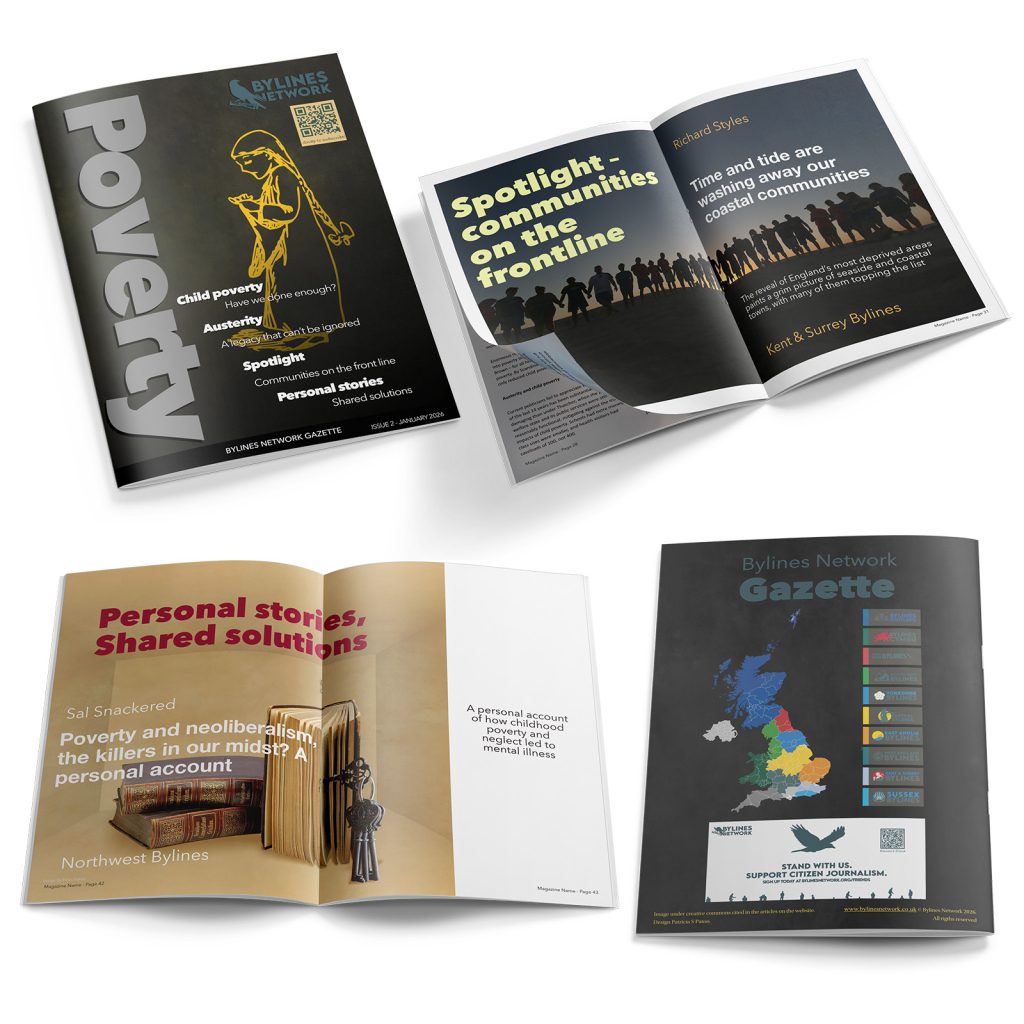 Bylines Network Gazette is back!
With a thematic issue on a vital topic - the rise child poverty, ending on a hopeful note. You will find sharp analyses on the effect of poverty on children's lives, with a spotlight on the communities that are on the front line of deprivation, with personal stories and shared solutions. Click on the image to gain access to it, or find us on Substack.
Journalism by the people, for the people.
The post Four months to live: The mum racing to break a world record first appeared on East Anglia Bylines.
Why You Shouldn't Use Google's Chrome "Auto Browse" Agentic AI, or Any Other Agentic AI From Other Firms [ 03-Feb-26 4:07pm ]Various AI firms have launched so-called "AI browsers" and in particular what are called "agentic AI" browser features. And now Google has announced they've made massive AI upgrades to their Chrome browser which is by far the most used Web browser on this planet. And these Google Gemini AI features are becoming available to different classes of users paying or not paying over time, so you may not see some of them yet but you can feel pretty confident that eventually you will.
Frankly, I don't recommend voluntarily using ANY current generative AI products from any firms. Google is indeed trying to push their Gemini AI into everything. But right now I want to warn in particular about what Google is calling Chrome "Auto Browse". This is Google's Gemini "agentic" AI system. And I'll cut right to the chase at the start here, my very strong recommendation is, even more so than with other AI features, that you do not enable Auto Browse, do not use it, do not touch it. And I have the same advice for any other agentic AI systems from other firms.
What these systems do is in various ways take over your Web browsing. The AI literally masquerades as you, using your accounts and other credentials, and clicks its way around the Web to perform actions that normally you would do yourself. The concept is that in theory you could just tell the AI to find the best deal for something on the Web or book your vacation or clean up your duplicate photos or whatever, and the AI agent would run around and do all this for you.
I'm sure you already see why this has so many experts concerned, because we all know how AI systems spout misinformation and get confused, often can be manipulated in nefarious ways by hidden prompts on their inputs and so on. A three year old has more common sense than AI, because these AI systems have NO common sense. And we've already seen stories of people devastated when using these agentic AI systems when the AI deleted all their files or took other just awful actions.
Now, here's the REALLY important part. It might be assumed that if these systems make terrible mistakes on your behalf using your accounts and credentials, that the AI firms would take responsibility. Well, think again. Google for example with their new Chrome Auto Browse pops a warning saying explicitly that actions taken by their AI on your behalf are YOUR responsibility. If the AI screws up, YOU get the shaft.
That's the WHOLE ballgame as far as I'm concerned, and why I don't recommend using agentic AI at all. These systems typically have settings that again in theory are supposed to let you control what sorts of actions they take, what files of yours they have access to and other parameters. Google's for example at this point reportedly is supposed to stop just short of letting the AI click the final BUY NOW button creating a charge on your accounts. And of course they say you should monitor the AI's actions.
This is all basically hogwash. Google must know that most people do not have the background or time to keep track of how these AIs are configured or what they're actually doing, and if you have to monitor the AI to see if it's messing up, much of the whole ostensible purpose is lost from the get go.
There's a lot more technical detail of course. For example, your private browsing activities may be uploaded to Google as part of all this, triggering an array of additional privacy issues.
But as far as I'm concerned, this is a very straightforward decision. Even if Google for example were willing to accept responsibility for errors that Auto Browse makes that could potentially cause enormous problems for users — and AGAIN they're refusing to accept that responsibility — I would not ever want these AI agents performing actions on my behalf — I won't be using them.
If you're willing to let these hallucinating Large Language AI models loose on your phone or desktop computer and let them go merrily clicking around the Web using your accounts and credentials, that's your choice of course, but being a guinea pig for Big Tech AI isn't anywhere on my personal bucket list.
-Lauren-
Is Lead Exposure Really Declining? A Century of Hair Holds the Answer [ 03-Feb-26 5:50pm ]
Sara Weiss' Journeys to the Planet Mars (1903) [ 03-Feb-26 3:28pm ]
A forgotten bridge between Spiritualism and UFO encounters.


Thousands of miles behind Waymo, whose self-driving taxi cabs are so prolific as to have already entered into the realm of public nuisance, Tesla can't even tell the truth about its "Robotaxi."
Musk recently promised investors that the Tesla self-driving taxi was entering "unsupervised" trials in Austin, Texas. — Read the rest
The post When will Tesla give up on cars? appeared first on Boing Boing.

Shartgate is a reminder that America's political media environment has two different standards, depending on who is in power and which network pretends to be concerned.
An online pearl clutch has rocked the social medias for the last few days. So much so that Snopes had to take a look into the situation. — Read the rest
The post Shartgate: Nothing to see here, please keep voting appeared first on Boing Boing.

A couple of history offerings that caught my eye, one of possible interest to RAW fans and one that might interest Robert Shea fans.
RAW was a World War II revisionist, and I recent ran across an announcement from Thaddeus Russell for an online course, "World War II: The Great Blowback," scheduled for Feb. 9-12:
"To most Americans, World War II is the only 'good war'—the one conflict you're not allowed to question without being accused of bad faith or worse.
"But over the last two decades, a growing number of of scholars has been assembling a very different narrative: that U.S. policy under Franklin Roosevelt turned regional wars into a truly global war, guaranteed the realization of the Holocaust, and was principally responsible for producing the greatest catastrophe in human history.
"This is the new history of the Second World War that I'll be presenting in a 4-part live course at Unregistered Academy."
While I am open to World War II revisionism, I admit to being cool to the "Allies made Hitler did it" school. Speaking of which, Russell's Substack also has a recent interview with Darryl Cooper.
Meanwhile, Tyler Cowen recently did a mini-review of Jack Weatherford's Emperor of the Seas: Kublai Khan and the Making of China, which covers the period of history in Robert Shea's two Shike novels. Tyler wrote, "A fun and good book, think of it as explaining how Kublai Khan beat Song China but subsequently lost to Japan. The Ainu play a role in a wide-ranging and still historically relevant story."

Without apology or ambiguity, the interim United States attorney for the District of Columbia has said that Second Amendment rights for citizens no longer apply in the nation's Capitol.
"You bring a gun into the District, you mark my words, you're going to jail.
The post Trump DOJ decides the Second Amendment only counts when they have the guns appeared first on Boing Boing.

Elon is playing a shell game; every time he screws up a company, Musk folds it into another and tells his investors this is innovation. Dumping his CSAM-generating AI company into his space ship company feels like a fairytale intended to keep valuations alive. — Read the rest
The post Elon Musk rearranges the deck chairs on his personal Titanic appeared first on Boing Boing.

TL;DR: Grab Two Dozen Long-Stem Roses for just $24.99 (reg. $98.00).
Valentine's Day is just around the corner, so flowers are simply a must. That being said… have you seen the price of roses these days?! And unfortunately, nothing screams 'lack of effort' like a sad bouquet. — Read the rest
The post Get 24 long-stem roses at 75% off appeared first on Boing Boing.

Despite the availability of the Switch 2, Nintendo's original Switch portable game console is still on offer. It's now the company's best-selling game console, according to Nintendo's own figures, having sold 155,370,000 units. The Nintendo DS, which sold 154m million units since 2004, is now in second place. — Read the rest
The post Switch becomes the best-selling Nintendo console ever appeared first on Boing Boing.

The offices of X, formerly known as Twitter, were raided this morning by police in Paris. French authorities haven't announced what they're looking for, but the officers are from a cyber-crime unit investigating "unlawful data extraction and complicity in the possession of child pornography," so it presumably concerns Elon Musk's AI chatbot Grok generating CSAM and deepfake pornography of real people for users of the platform. — Read the rest
The post Paris cops raid offices of Elon Musk's X in child porn investigation appeared first on Boing Boing.
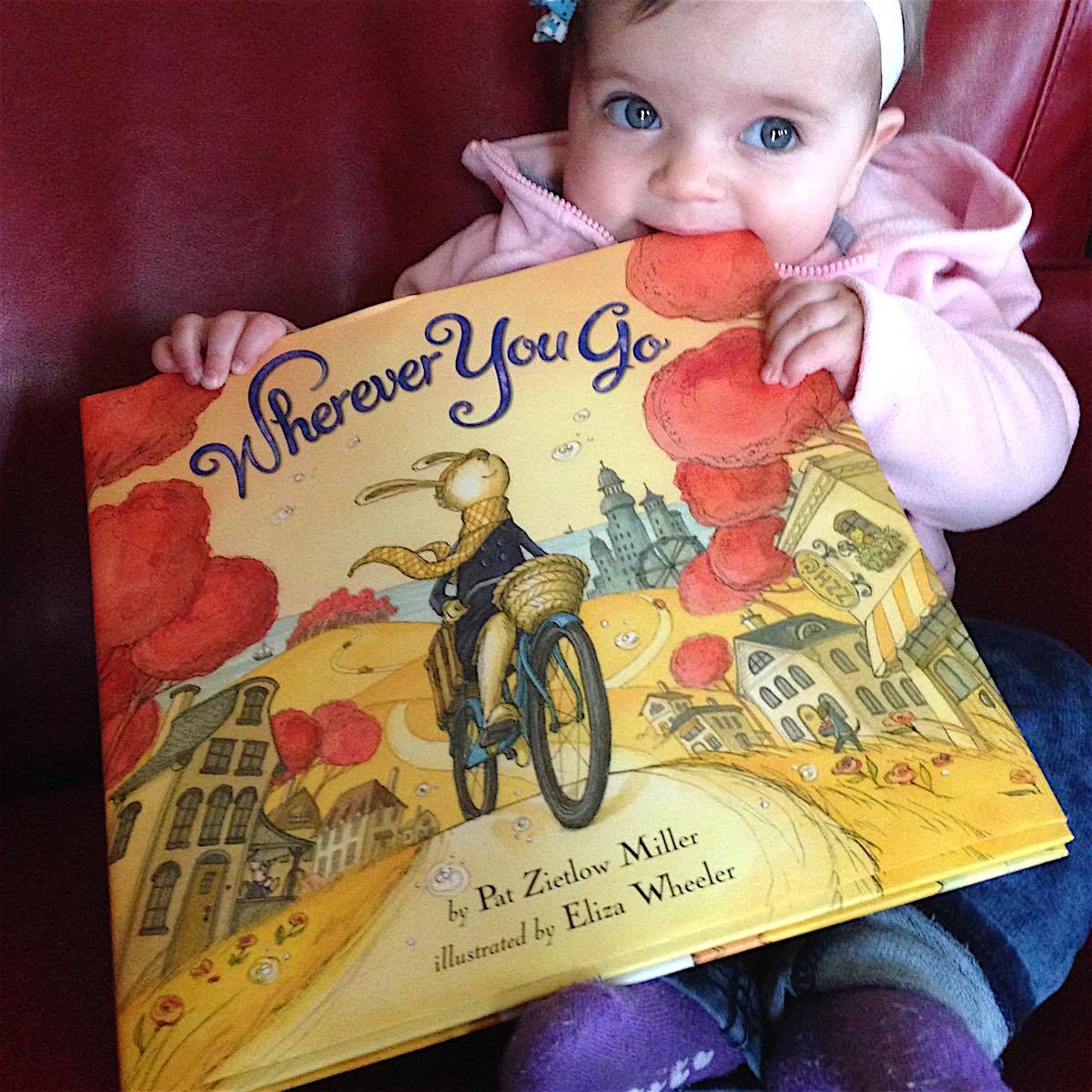
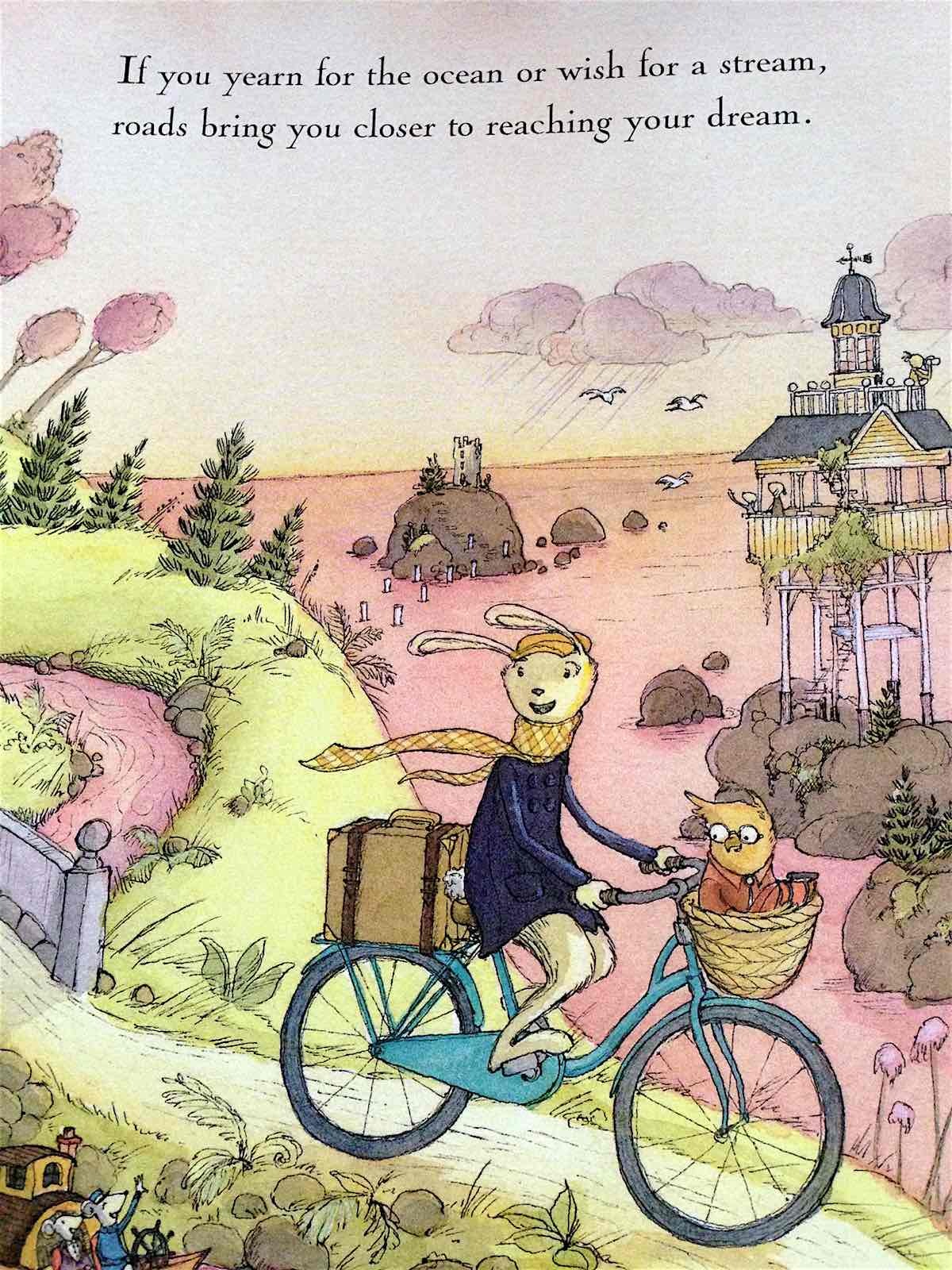
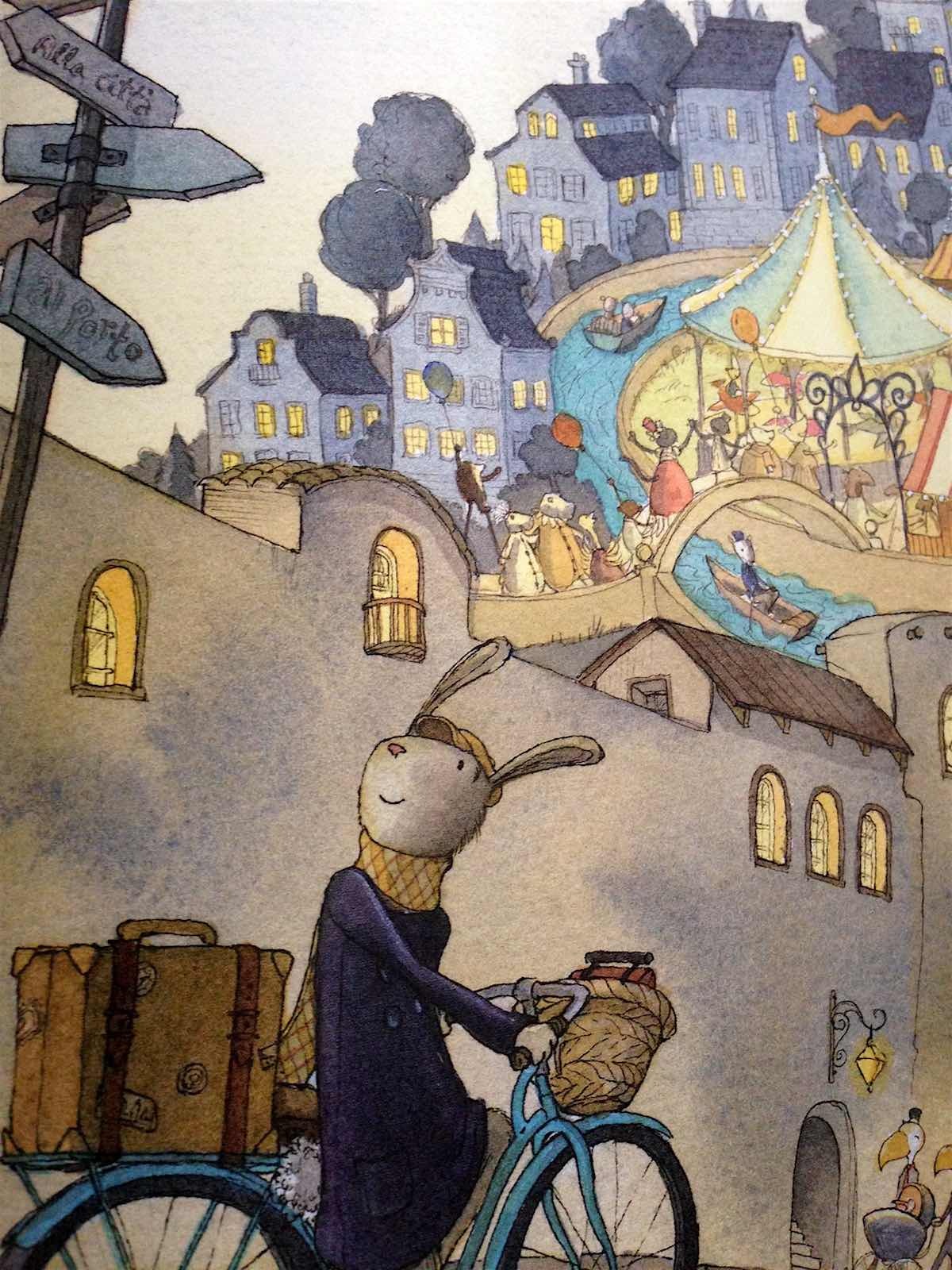
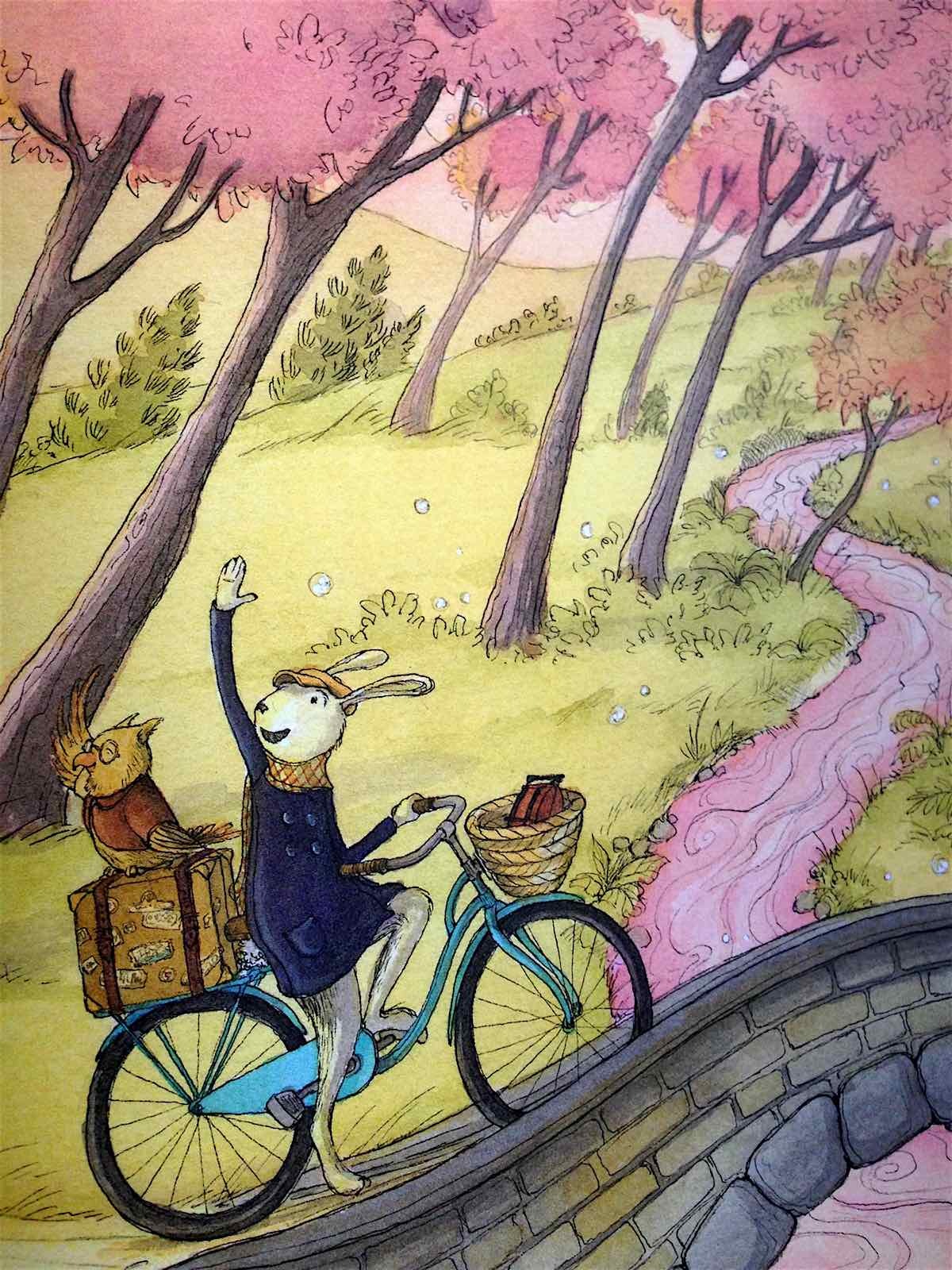
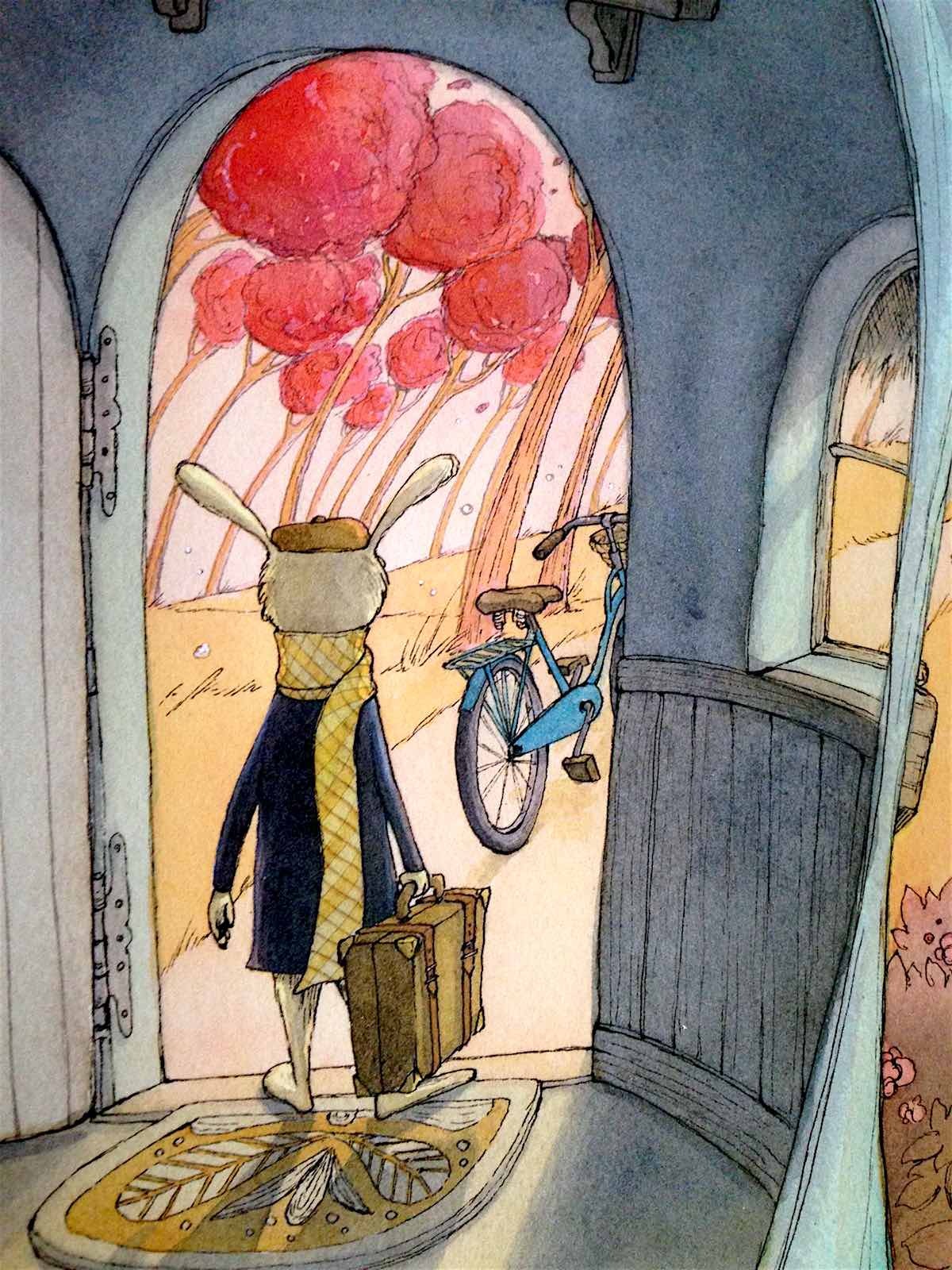
Wherever You Go
by Pat Zietlow Miller (author) and Eliza Wheeler (artist)
Little, Brown Books for Young Readers
2015, 32 pages, 10.2 x 10.2 x 0.5 inches
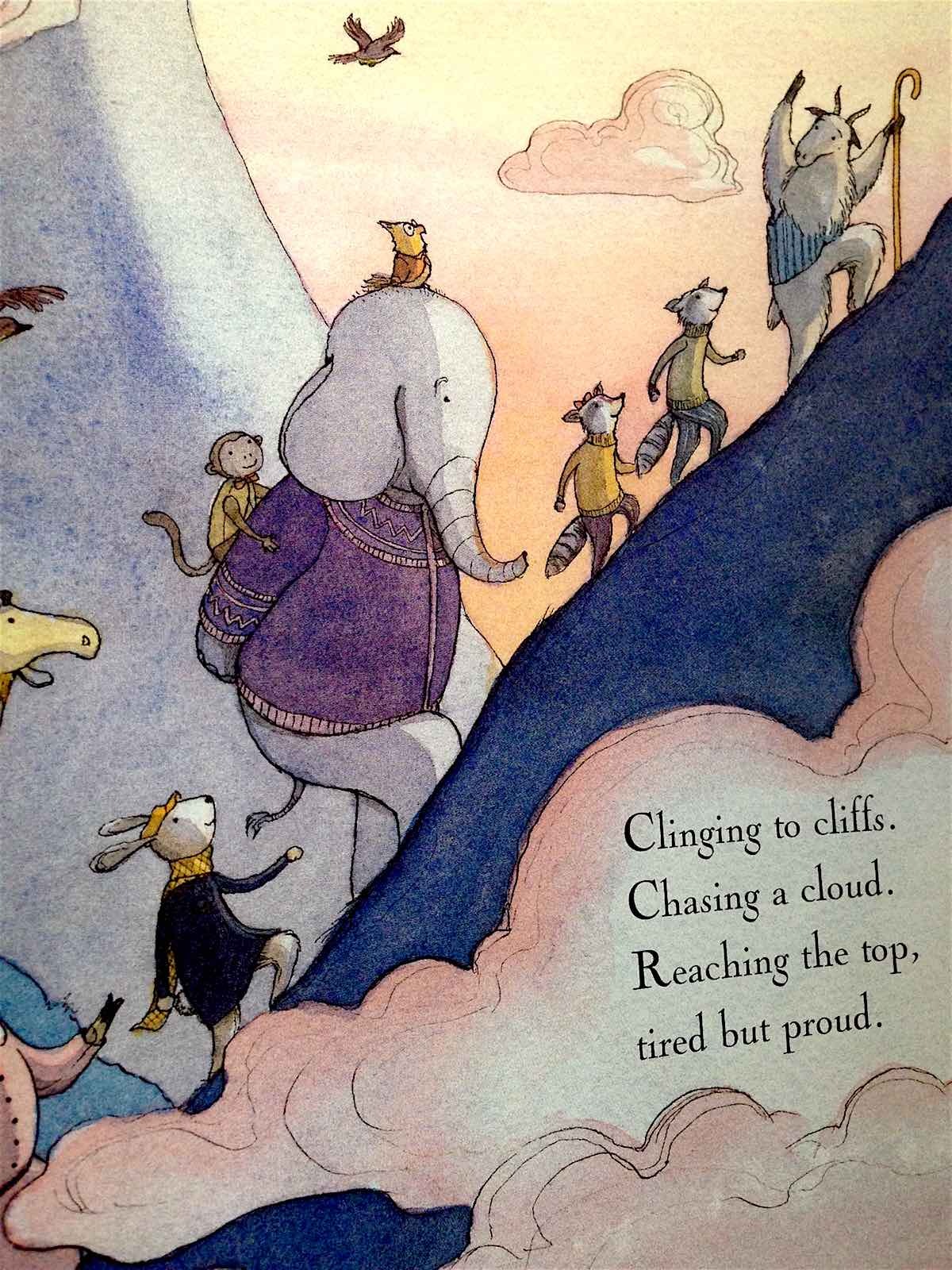
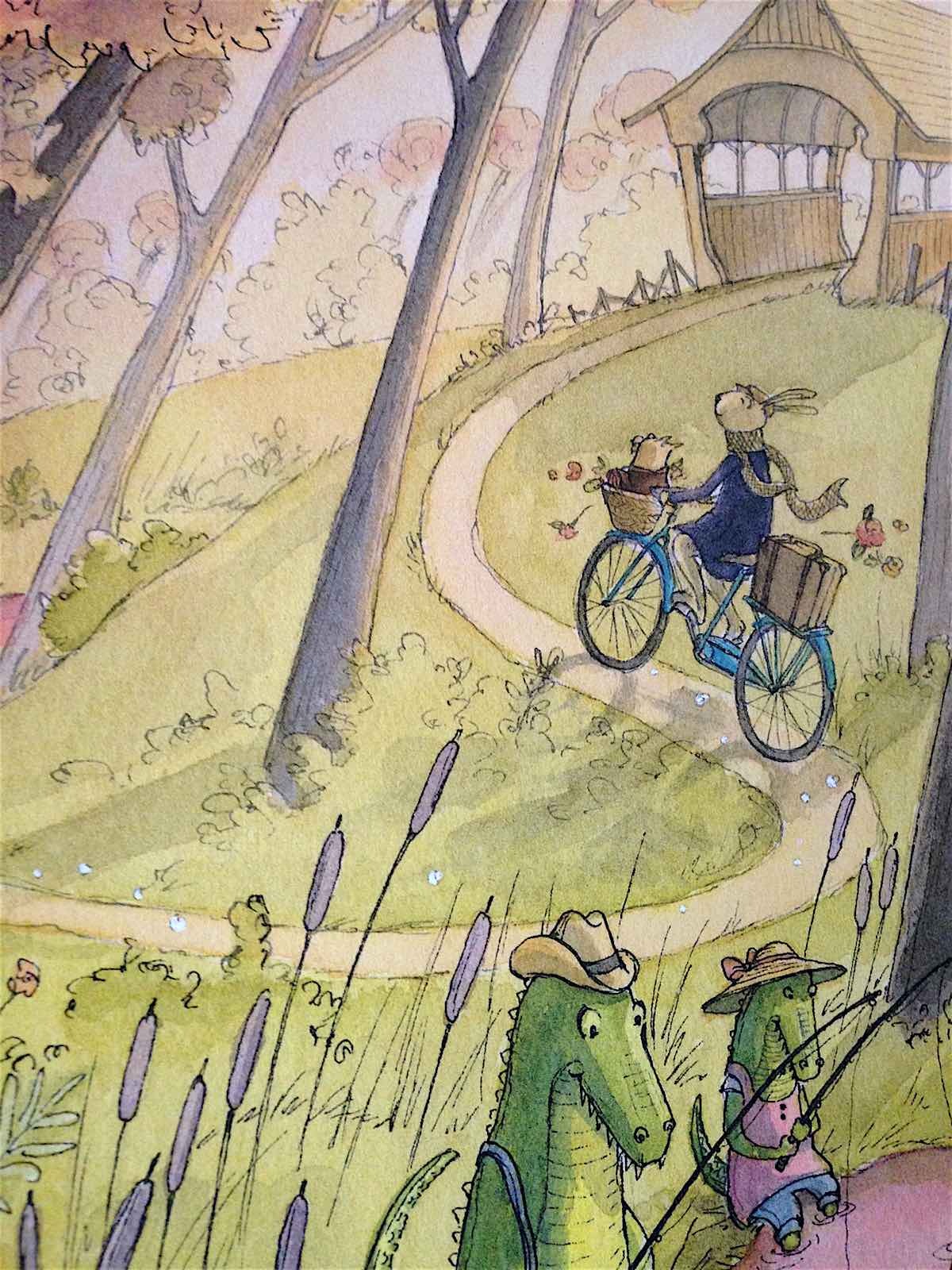
A hare packs its bags and takes a bicycle tour in this lovely rhyming picture book. Donning its jaunty chapeau and dapper pea coat, a hare cycles through forests and a covered bridge, past a paddlewheeled seaside inn, and into the evening lights of the big city. Exploring the neon-lit metropolis, it rides atop a trolley, pedals past a jolly carnival, and cruises over Seussian suspension bridges. Continuing on its way, it journeys through an arid desert, over indigo mountains, and back home again.
Utilizing pale yellows, greens, and pinks, and drawn with an incredibly thin line, Wherever You Go's deep focus art fills every page with an expansive landscape. Little eyes could get lost for hours searching out minute details. Owls ride in baskets, mice chug along on tugboats, and alligators fish near ponds, and lazy afternoons can be spent examining the intricate scenery. A liltingly poetic storyline about traveling and new experiences is a delightful metaphor for life's journey. - S. Deathrage
AFTER DINNER GAMES - 40 ICE-BREAKING GAMES TO REV UP YOUR NEXT DINNER PARTY
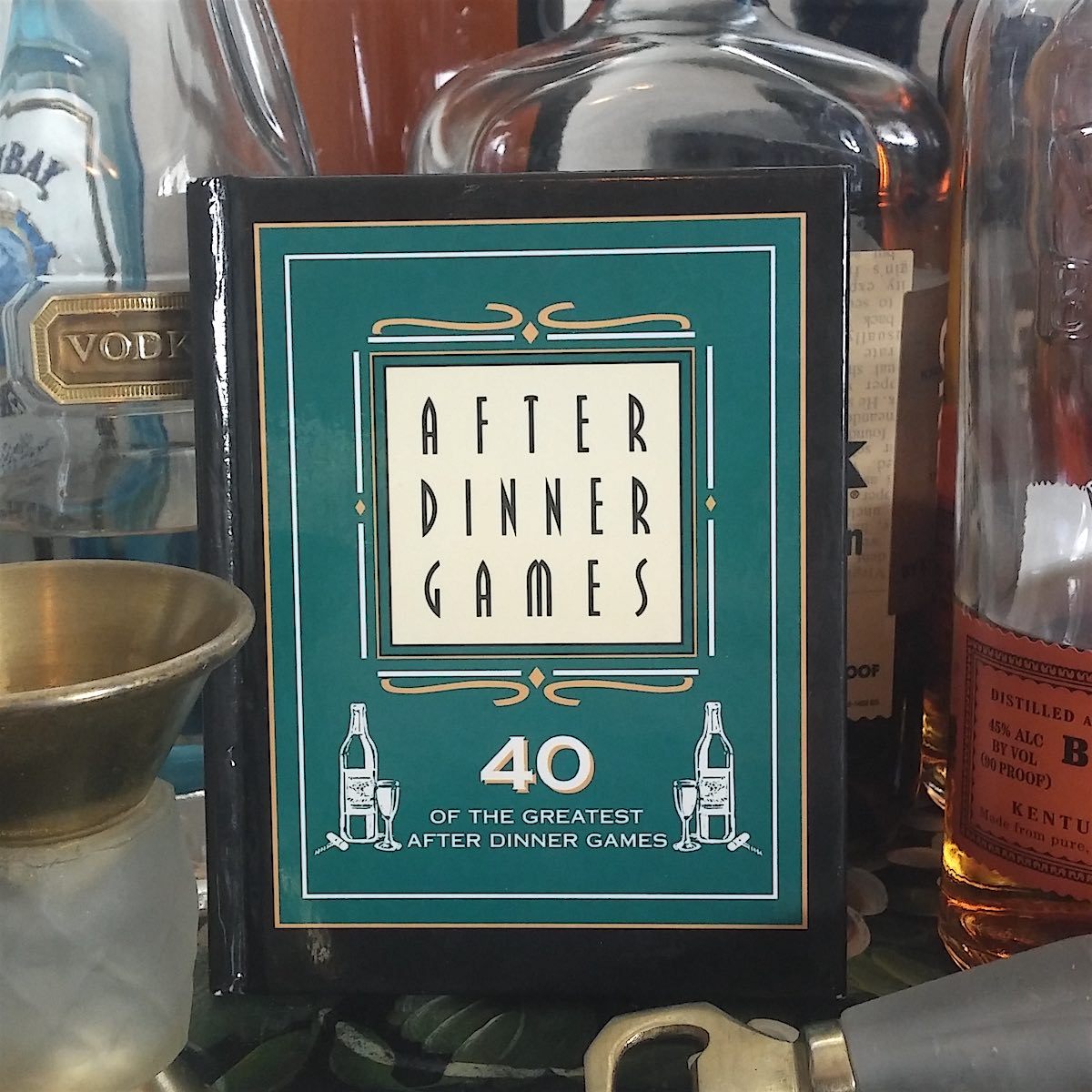

After Dinner Games: 40 of the Greatest After Dinner Games
by Jenny Lynch (editor)
Lagoon Books
1998, 96 pages, 4.8 x 6 x 0.5 inches
This pocket-sized book is for that time when things get awkward. That time when conversation has dried up. When you have new friends over for dinner and you're stuck sitting there, clearing your throat, having used up all of your conversation starters. That's when you need a book like this.
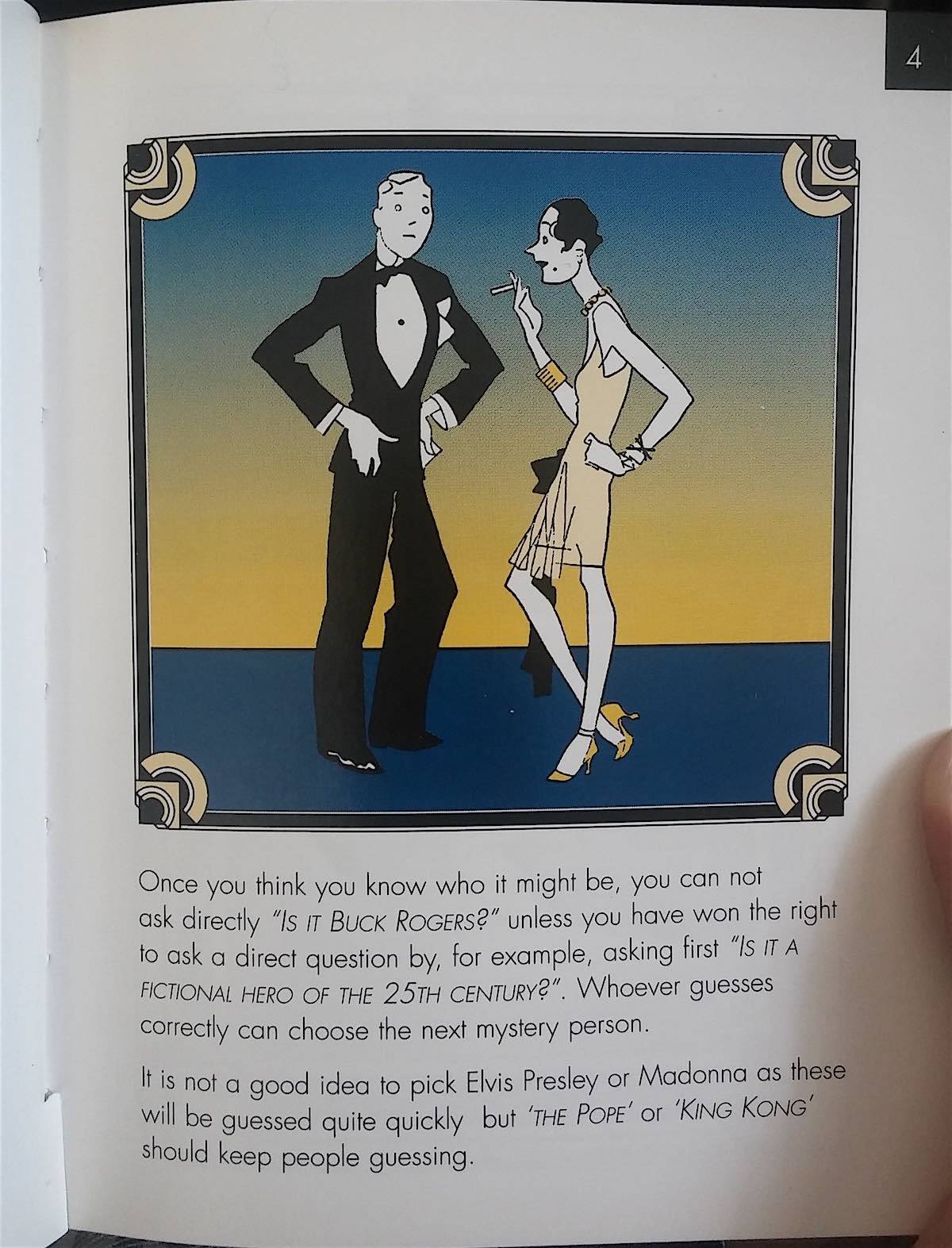
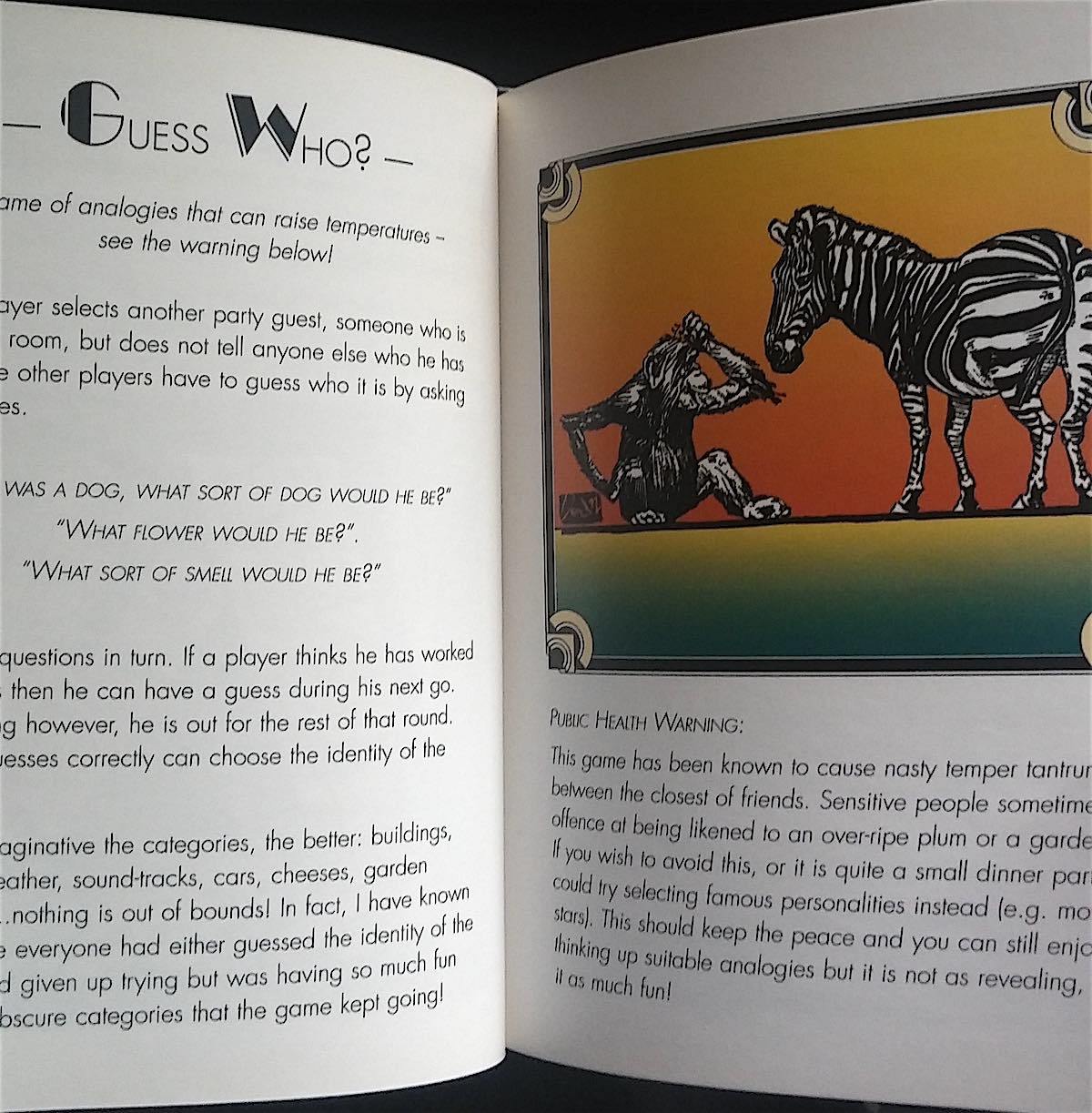
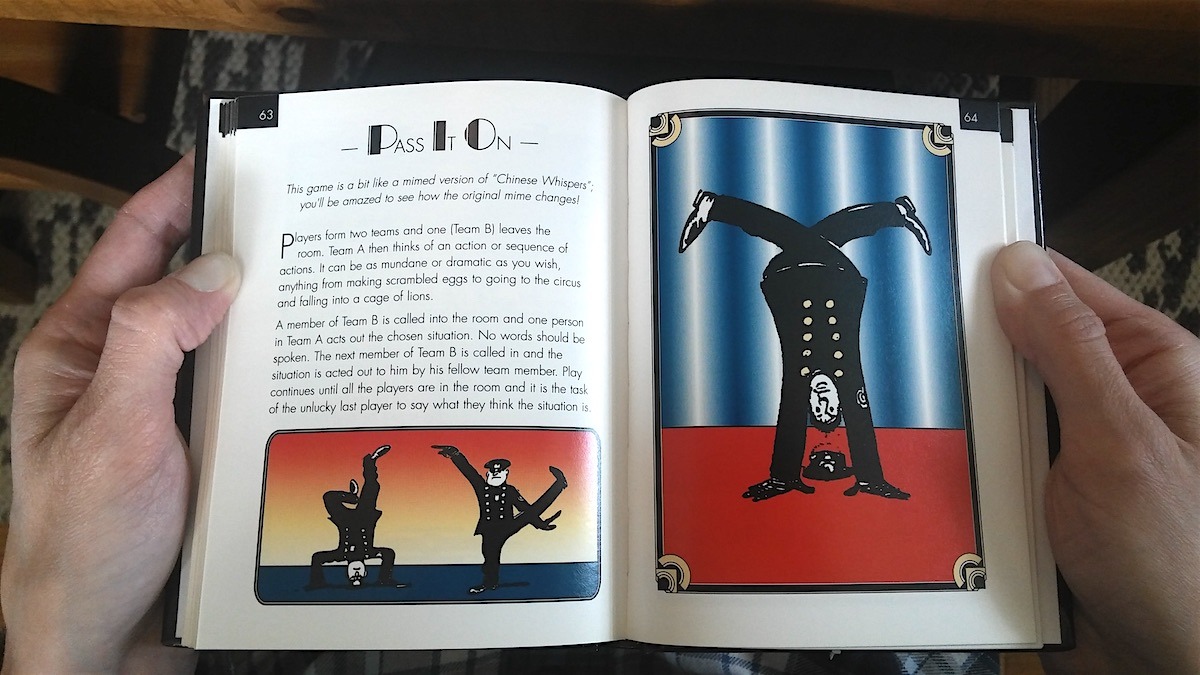
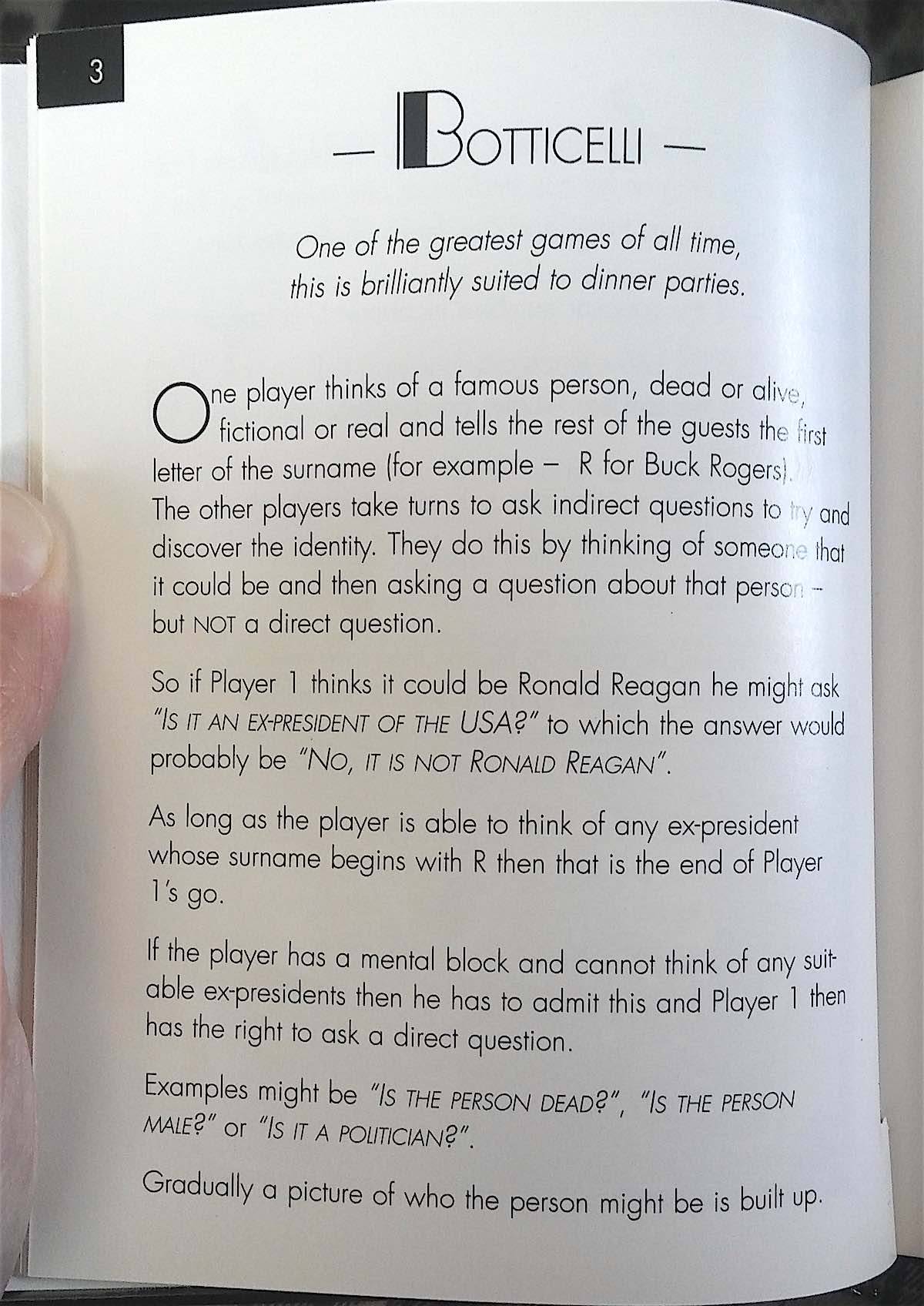
As the tagline explains, After Dinner Games offers 40 of the best games for these post-dinner situations. It's great to either break the ice or to break out with old friends! For example, if you really want to get personal with your guests, try the game Head To Head, which is when two players carry an orange placed between their foreheads. But if acquaintances are involved, you could start with the game Botticelli. Essentially, one player thinks of a famous person (dead or alive), announces the first letter of their name, and everyone else tries to guess who it is. Safe, fun, and no moving involved.
This book is packed with old-fashioned graphics that make you want to drink an Old Fashioned while playing the games. And the simple explanations of the rules allow a smooth transition from dinner to fun. To avoid a dinner party drought, keep this book handy. Not only will the ideas in this book keep your party alive, they will make it thrive. Calling all dinner partiers, this is your book! - Caleb Murphy
Books That Belong On Paper first appeared on the web as Wink Books and was edited by Carla Sinclair. Sign up here to get the issues a week early in your inbox.
The Cabinet: Sloe Gin [ 03-Feb-26 4:12pm ]
~ SLOE GIN ~
English gin-based fruit liqueur / 25-28% ABV / c£20-£32 for 700ml
Friends with: gin, naturally enough. Also Scotch, calvados, dark rum, rye. Honey is a great sweetener and Drambuie a nice partner. Apricot brandy and other stone fruits. Lemon, lime, orange. Champagne.
The blackthorn tree is a common sight across rural England — common for a particularly English reason. As the rural reformer William Cobbett noted in The Woodlands: A Treatise (1825), in addition to making fine walking sticks, flail swingles and shillelaghs, the blackthorn is an excellent hedge. It's hardy, it's spiky, and it's dense, a kind of natural barbed wire — formidable enough to discourage trespassers, be they animal, human or even machine. Blackthorns can apparently puncture tractor tyres. "Better the bramble than the blackthorn, but better the blackthorn than the devil," says the proverb. It grows fast, too, entangling in upon itself by means of voracious suckers. It's nature's way of saying: "Get the fuck off my land."
The blackthorn was therefore a popular choice among the new class of "landowners" (ponder the word for a moment) created the Enclosure Acts of the 18th and 19th century. From mediaeval times, much of our landscape had been held in common; peasant farmers had the customary right to gather firewood and graize their cows more or less where they pleased. After the enclosures, this way of life was no more: larger tenant farmers, local gentry and urban speculators acquired the legal means to keep them all out. As the great poet of the Enclosures, John Clare, wrote in The Mores:
Text within this block will maintain its original spacing when publishedMulberry-bushes where the boy would run To fill his hands with fruit are grubbed and done And hedgrow-briars - flower-lovers overjoyed Came and got flower-pots - these are all destroyed And sky-bound mores in mangled garbs are left Like mighty giants of their limbs bereft Fence now meets fence in owners' little bounds Of field and meadow large as garden grounds In little parcels little minds to please With men and flocks imprisoned ill at ease
Even with the benefit of two and a half centuries, I still don't think it's widely enough appreciated that the classic English landscape, with its little parcels of fields, its hedgerows and fences dry stone walls — the landscape that for Stevens, the butler in Kazuo Ishiguro's The Remains of the Day, "possesses a quality that the landscapes of other nations, however more superficially dramatic, inevitably fail to possess" — is not some age-old arrangement. It is the fairly recent result of internal colonisation by deed, title and Parliamentary act; avarice mandated by force; the original enshittification. Blackthorn is merely the scar tissue.

Still, nature has its ways of giving back. The blackthorn bush acknowledges its part in this war on the commons in the form of its melancholy blossom, a pretty white spray of white flowers that usually appear in the cold of late March when they're easily mistaken for snow. Hence the term "blackthorn winter"; a final reprise of coldness before the spring arrives. It's always darkest before the dawn.
And then, come Autumn, the blackthorn bush bears its bitter fruit, the sloe — a kind of plum. Indeed, the ancestor of all plums. It's not much to eat; it's no mulberry and no boys ever ran to fill their hands with them. Should you bloody your smock with its juice, it will stain for ever. But if you leave these bare-black bullets macerating in gin with sugar, you're rewarded with a lovely rich, woodsy liqueur that has been an English mainstay since, well, since the time that landowners started planting blackthorn bushes everywhere. It's dark and sweet and bitter, almost a native amaro — though from what I can make out, it seems to have been prized as a domestic alternate to port (a drupe dupe, no less!). Port would have been heavily taxed; whereas gin was cheap and sloes were just there for the scrumping. Indeed, it's really not that hard, still, to make your own sloe gin — though I'm afraid you'll have to revisit this post with the first frosts, which is the time to harvest sloes.
And I can't help wondering if sloe gin represents a small draft of compensation — however meagre — to the enclosed. The slow strangulation of the rural poor during the Enclosures created a new class of wage labourers, pushed off their native soil and forced to look for work elsewhere — either in the cities, or further away in the New World. The families whod stayed would become the new proletariat, easy prey for the owners of the new factories and mills. And it's a historical coincidence that this internal migration coincided, more or less, with the London gin craze, the mother of all moral panics (and a great episode of In Our Time). It's probably a bit ahistorical to say that the one influenced the other; but it's not such a stretch to imagine a disgruntled wage labourer arriving in London from his enshittified village and finding consolation in gin, the harsh new urban stimulant. Maybe he had a couple of sloes in his pocket; maybe the lightning zag of opportunity struck; maybe he made it taste a little more like home.
For there is a weird alchemy in the fact that this barbed wire fruit should have such an affinity with gin, the spirit of melancholy and mayhem. Indeed, what those early landowners may not have realised is the blackthorn is magic. The blackthorn was, supposedly, where the fairies lived; blackthorns were haunted by the ghosts of witches; it was a blackthorn that pricked Sleeping Beauty; blackthorn helps you see beyond negatives to opportunity; blackthorns that marked the boundaries not merely of property but of worlds.
To think! All this is there in the principle ingredient of the Alabama Slammer. But the poets have long been alive to these mysteries. Here is a poem about sloe by the Cumbrian poet and sea trout fisherman, Tom Rawling — sometimes referred to as the "John Clare of the Lakes". It's a response to Seamus Heaney's own poem about sloe gin, equally stirring — though I feel this one suits our mood a little better. I like how the blackthorn pierces the skin of the narrator; and the narrator then pierces the skin of the fruit; and I suppose in turn, the elixir of this bloody transfusion pierces the consciousness of the poet and time is distilled for a moment or two.
Sloe Gin
by Tom Rawling (1916-1996)
for Seamus Heaney
Let the first hard frost
expose the spiny twigs,
reveal the bare-black fruit.
Reach through jutting thorns
for the blue-hazed sloes,
ignore the blood on your wrist.
Needle prick to the hard stone,
watch their transfusion seep
through the gin. Each day
an agitation of the jar,
and after many days of alchemy,
decant this ruby in your glass
to taste silk-sliding fire
of frost and thorns
and bitter fruit.
The Spirits is a reader-supported publication. To receive new posts and support my work, consider becoming a free or paid subscriber.
YOU MIGHT ALSO ENJOY:
After my recent presentation at FOSDEM, someone asked a pretty reasonable question. What does it cost to run OpenBenches?
It is, thankfully, surprisingly cheap! In part, that's because it is a relatively simple tech stack - PHP, MySQL, a couple of API calls to external services. It was designed to be as low cost while also being useful. Here's the breakdown:
Hosting - £171 per yearOur biggest expense but, I think, our most reasonable. Krystal charges around £342 for a 2 year contract. That includes unlimited bandwidth and storage, as well as the domain name. We have nearly 400GB of photos and bot scraping means we can use over 900GB of bandwidth per month - so Krystal give us a rather good deal!

Use this affiliate link and code EDENT to get a small discount.
Stadia Maps - US$20 / monthGeocoding is surprisingly hard to do locally. We need to transform latitude and longitude into addresses, and then back again. Stadia Maps cost about the same as our hosting! What's rather annoying is that we only use about half the API calls in our plan. We need to find a cheaper solution.
Mapping - Free!When we used Stadia for drawing maps, we regularly ran over our quota. So we switched to OpenFreeMap which produces gorgeous interactive maps.
The service has been rock solid and very responsive to bugs on GitHub.
Logo - US$5I'm not a good designer, so we bought a logo from The Noun Project and then coloured it in. Bargain for a fiver!
Image CDN - Free!Although we have unlimited bandwidth with Krystal, we're only located in one region - the UK. WeServ. It's also pointless serving full resolution images to small screens.
So WeServ offers free image resizing and global CDNs. Personally, I'm not a fan of CloudFlare (their CDN partner) so I'm looking to change provider.
OCR - Free!People don't want to type in the inscription of the photo, so we use Google Cloud Vision.
We send less than 1,000 requests per month - so we're inside their free tier. If we get more popular, that'll get more expensive. But I don't know of a local-first OCR which is as good as Google's. Sadly, Tesseract is rubbish for extracting text from photos.
Authentication - Free!We don't want to store anyone's passwords. The free tier of Auth0 allows us to do social login for up to 25,000 monthly users. Which is more than enough for us.
Sadly, Auth0 don't support the Fediverse, so I had to build my own "Log-in with Mastodon" service.
As much as we'd like to run social login locally, we simply don't want to be responsible for securing users' details & API keys.
Software - Free!As per the OpenBenches colophon we use a lot of cool FOSS. Small JS libraries, big PHP frameworks, and everything in between.
IncomeThanks to GitHub Sponsors we make a whopping US$3 per month!
Similarly, our OpenCollective Sponsors brings in about £3 per month.
Merchandising! You can buy OpenBenches branded t-shirts, mugs, and hats. That nets us about £20 per year
Call it roughly £80 income. OK, it is better than nothing - but doesn't even cover a quarter of our costs. Sometimes people give us a higher donation privately, which is also very welcome. These people are listed on our README.
TotalOn the assumption that our time is worthless (ha!) and that we only rarely go over our providers' API limits, and we get in some revenue, the cost of running OpenBenches is less than £300 per year.
That's not bad for a fun little hobby. People certainly spend more than that on Funkopops, vaping, and mechanical keyboards!
Nevertheless, I'm always slightly worried that we'll go viral and have an unexpectedly high bill from our API providers.
I would love to be able to hire a proper designer to make the site look a bit nicer. I also want to be able to buy a modern iPhone so that I can test it in the latest Safari.
If you have any suggestions for cutting costs, or non-scummy ways to help us raise funds, please drop a comment below.


