
Take this cup of tea, for example.

I know the tea has come from the Nilgiri hills of South India because it says so on the packet. Yes it's Earl Grey what of it? The bergamot is only flavouring, not from genuine Italian oranges, so we can ignore that. I like to imagine the tea bushes being hand-trimmed by ladies in saris on hilltop terraces beneath a beating sun, but that's probably an opinion I got from a Ladybird book decades ago. A more realistic illustration would still involve fields but probably more automation, maybe shear harvesting, maybe full-on mechanical harvesting, I'm not buying top-tier tea here. Also it'll have rained a lot, ultimately retaining water from the Indian Ocean in my tea leaves, not to mention nutrients from the soil, all transported over 5000 miles from there to here.
Then the leaves get processed, I guess on site or nearby because it makes sense to trim the unwanted parts before transporting the tea any distance. The process starts with withering with warm air to dry the leaves, then rolling to release their juices, then oxidation to develop flavour, then drying with hot air to seal the deal. My tea will then have been sorted and graded so I got the medium quality leaves, not the very best, not the value dregs, and at some point chopped into small granules because we're only making teabags here. It's the sort of thing Play School would once have shown through the square window, had four year-olds been interested in tea, and which you can now watch on YouTube if you're not too busy laughing at kittens.
The back of my teabag box says 'Tea from India. Packed in the UK', so stage two happened closer to home. They could have flown it over because it's only light, but I bet it came by ship because that's much cheaper, also these are not rapidly perishable goods. These container ships depart from ports like Cochin or Nhava Sheva and take weeks to travel thousands of nautical miles from there to here, tucked away in boxes in the hold or stacked on deck. Likely they came via the Suez Canal because it's relatively safe through the Gulf of Aden at present, but given the time lag they might have rounded the Cape of Good Hope instead. The tea that I drink is ridiculously better travelled than I am, perhaps having crossed the equator twice or cruised the Mediterranean which is more than I have.

It'll have arrived here at a huge coastal terminal like Tilbury, Felixstowe or maybe Thames Gateway Port. Somewhere inside a huge stack of containers, amid the fridges and lawnmowers and Temu hoodies, was the stash of tea that ultimately brewed my mug of tea. I suspect it was transported next by road, not rail, perhaps thundering down the A12 or A13 on the back of a great big articulated lorry. Most UK supermarket retailers don't do their own packing, they use external suppliers, so maybe the raw materials went to Tetley at Eaglescliffe, Typhoo in Gloucester or PG Tips in Trafford. It's quite possible these tea leaves came round the M25 a dozen miles from where I'd eventually drink them before whizzing far away for manufacture.
The bagging process is another mechanised wonder worthy of Play School, inserting precisely the right amount of tea leaves (about 2g) inside a permeable pouch of something resembling paper. These days it's all plant-based and biodegradable, usually polylactic acid but also potentially woodpulp or cotton, replacing the former plastic evils of polypropylene or nylon. Then the right number of bags has to be placed in the right sized box and a stash is dispatched to the distribution centre, which could again be a considerable distance away. My tea likely spent hours or days in huge sheds at Waltham Cross, Rainham or Purfleet, these being the three Tesco distribution centres closest to where I live. At some point a delivery will have been made to the supermarket at Bromley-by-Bow, then one of those gentlemen I regularly see wheeling pallets will have stacked a shelf in aisle 7 where I eventually picked it up. Of the incredibly long journey these tea leaves made to my home, I was only responsible for the supply chain's last half mile.
Then there's the milk. Who's to say precisely where this came from but it'll be from one or more dairies, each of which supplied a blend from dozens or hundreds of cows. The dash of milk that finished off my cuppa will thus have originated as blades of grass in an unknown number of fields, could be six, could be sixty, and been responsible for a finite amount of methane entering the atmosphere. I might even have walked through one of those fields, if not for this particular brew then for one I've drunk in the past. Thankfully I don't have sugar in my tea else that'd be another lengthy global story, so I think I've dodged at least three more paragraphs there. And of course the vast majority of what's in the mug is water, all heated by my kettle, so I could at this point launch into a lengthy retrospective on where water and electricity come from but let's not go there.

After brewing I dispose of the tea bag via the usual route. We don't have food waste collections here in Tower Hamlets, not yet, although they are finally on the brink of introducing them. I also don't have a compost heap because I live in a flat, so all my used teabags end up in general waste and are carted away by the municipal dustcart. If I lived in a neighbouring borough I might have a food caddy and my used leaves would end their lives in a recycling facility where they'd be turned into fertiliser or biogas used to power homes - apparently 6 teabags can create enough electricity to boil a kettle. Instead they end up on some landfill site somewhere, likely down the estuary, meaning the tea leaves that started out in the beautiful hills of Kerala end their days under a stinking heap in Thurrock.
As for the tea itself, I'll have urinated most of that out. From my toilet it'll have made its way under the streets of Bow and down the Northern Outfall Sewer, ultimately finding its way to Beckton Treatment works (or, if I go to the toilet elsewhere, some similar facility). But some of my mugful of tea will have been absorbed into my body instead, not just the water but stimulants and nutrients from the tea leaves and the milk. A lot of these molecules don't hang around but some will have been converted into energy or broken down into something else my body needs, meaning there are cells in my body that contain compounds that originated on the Indian subcontinent. At an atomic level I am part tea, but also part milk, apple, tuna, Club biscuit, Riesling, aspirin, grass pollen, diesel and microplastic.
It's amazing how all these compounds originate in such diverse locations across the globe and ultimately end up in our homes, in our food and in our bodies. We barely notice where it comes from, we never stop to think, and yet an enormous supply chain operation is required to bring these things to us and every day it does, such is humanity's economic excellence. Of course not everyone is so fortunate as those of us with a supermarket around the corner, but hurrah for global logistics and its impressive ability to bring nourishment from across the planet. Every mug of tea is a freight distribution triumph, at least so long as fragile international systems permit, and how we'd miss them if disruption ever intervened. We are all made of where we live, but also half a world away.

We've got some good news to share. Bylines Network, which East Anglia Bylines is part of, has been awarded two grants from the government's Local News Fund, worth a combined £266,221. That's a lot of money for an independent publishing organisation run largely by volunteers, and we're thrilled to have secured it. It gives us the chance to tackle some of the challenges that come with producing independent journalism on very limited resources, and to make improvements that should benefit our readers for years to come.
Since East Anglia Bylines launched in July 2021, we've published thousands of articles, investigated decisions made by those in power and given people with something important to say a chance to be heard as citizen journalists. Across Bylines Network's ten publications, volunteers have achieved an enormous amount with remarkably little money. But we're still building the organisation we need for the future, and these grants will help us do that.
The funding will pay for a number of staff on six-month fixed-term contracts to strengthen our volunteer teams, develop training and build technology that will help independent publishers reach more readers. The funded work must be completed by March 2027, but what we put in place should continue benefiting our publications long afterwards.
Stronger teams, more opportunitiesOne of the most important parts of the project is helping our volunteer teams grow. At East Anglia Bylines alone, our volunteer writers range in age from 12 to their late 80s, bringing a remarkable range of interests, experiences and abilities. Across the Bylines Network, we want to welcome more volunteers into our editorial teams, help them develop their skills and give them opportunities to take on new responsibilities. Some of our writers have already gone on to become editors and even editors-in-chief. We want to help more people follow in their footsteps and build bigger, stronger teams that aren't so dependent on a handful of individuals.

I'm swapping my East Anglia Bylines editor-in-chief's hat for another one a couple of days a week, sharing responsibility for this work across the Network with my Sussex Bylines colleague Ginny Smith. We'll be working with publication teams to find out what support they need, help them bring in and develop new volunteers and make sure more people have the skills and confidence to keep the publications running.
We're also setting up a Citizen Journalism Academy, offering free training to our volunteers, including people who'd like to get involved in journalism but have no previous experience. That could mean learning to research and write articles, interview people, check facts or understand the legal responsibilities that come with publishing. We're interested in developing properly researched and edited video journalism too, so there may be opportunities for people who prefer telling stories in other ways.
And you don't necessarily have to write or produce anything yourself to contribute. Perhaps you know about something happening in your community or workplace that deserves investigating, or have information that could help us uncover a story. You might want to work with one of our journalists, or need to share information in confidence. Citizen journalism takes many forms, but whatever the format, it needs to meet proper editorial standards. Our work is checked and edited, and Bylines Network is regulated by Impress, the UK's only press regulator officially recognised under the post-Leveson system.
Helping independent journalism reach more readersThe second grant will help us tackle another problem facing smaller news organisations: getting our stories in front of people. We produce journalism that matters, but reaching readers can be difficult when so much depends on search engines and social media platforms.
Bylines Network is leading a project with the Newsmast Foundation and Greater Community Media to develop technology that will make independent journalism easier to find. This includes a shared platform and apps that individual publishers can offer under their own names. Bylines Network will help test the system, but the aim is much wider: to give smaller independent publishers access to technology they couldn't easily develop or afford on their own, while allowing them to keep their own identity and editorial independence.
 Image by Rawpixel (CC0).
For readers, that should mean an easier way to find reliable independent reporting about the places and issues that matter to them, including stories from publications they might otherwise never discover.
There's a lot to get done in six months, and work has already begun. Our managing director, Ben Dickenson, has done an incredible job bringing together the people and partnerships needed to make all this happen.
Do we still need our Friends?Actually, we do, more than ever. These two grants will pay for six months of intensive work to give us a stronger foundation for the future, but they don't cover our everyday publishing costs, either now or after the projects end in March. And as Bylines Network grows, so does the amount of ongoing support we need to keep everything running.
Some of the funding will help us improve our Friends of Bylines programme, bringing in a specialist to help us reach even more supporters as well as look after those we already have. But that doesn't replace the regular donations that help keep our journalism free to read, free from advertising and independent of wealthy proprietors. We're enormously grateful to everyone who already supports us, and if you value what we do, we'd be very pleased to welcome you as a Friend too.
These grants give us six months to build on what our volunteers have achieved across the Bylines Network over the past six years. With stronger teams, more opportunities for people to get involved and better ways to reach readers, we'll be in a much better position to keep doing the journalism that East Anglia needs.
More from East Anglia Bylines
 Community
Five years of fighting the bad guys: join us for year six
by East Anglia Bylines 22 July 2026
 Anglia
Five years of East Anglia Bylines: Our region
by East Anglia Bylines 26 July 2026
 Anglia
Five years of East Anglia Bylines: Changing times
by East Anglia Bylines 26 July 2026
 Friends of Bylines Network
There has never been a greater need for grassroots journalism that investigates the stories that really matter, holds power to account and champions the voices of everyday citizens. We are proudly powered by volunteers but what we do isn't free.
STAND WITH US for independent, citizen-led journalism that makes democracy stronger, and you will even get some exclusive benefits.
BECOME A FRIENDThe post Good news for independent journalism in East Anglia - and for you first appeared on East Anglia Bylines.
I mentioned in issue 227 that I bought a French Press for my five weeks in Peninsular Malaysia, but I left it behind when it was time to get on a plane again. Now in Chiang Mai, I bought some disposable pour-over coffee packets that come ready to use. They work well because they adjust to any size mug and only require hot water. They are made of paper and cardboard and open up from a flat packet. I found these that are similar on Amazon, but some other brands end up costing $2 - $3 per cup, which seems excessive. Bring that down by buying your own coffee to put in empty filters that pack up flat ($5 for 50) or pack a reusable collapsible version that will work for larger tumblers.
Priciest Travel SpotsYou can probably guess a few countries that are vacation budget-busters, but travel insurance company Squaremouth crunched some numbers to find out for real which ones really will drain your wallet the most. The airfare part of the score is from the USA, so keep that in mind, but the top 6 were Greenland, British Virgin Islands, French Polynesia, Antarctica, and Switzerland. Some of the others might surprise you though since the people living there are far from rich, like four countries in Africa where tourists are paying a bundle for safaris. (Average daily trip cost in Botswana: $1,526.)
Worldwide Wi-Fi on Delta AirlinesThe first airline to offer Wi-Fi worldwide to its loyalty members is Delta, as it just completed the project to get its Asia-Pacific flights connected, the last ones on their list. The only planes where you won't be able to log on for free if you're a SkyMiles member are the 5% that are narrow-body regional planes, though they will be included eventually as well. See the details here.
The History of ReligionsHow It Evolved is a project dedicated to showing the evolution of the world's major religions, with audio chapters you can listen to in depth or a timeline chart showing one or all of them stacked up in parallel. The timeline is especially enlightening when you consider the game of Broken Telephone or Chinese Whispers, when one person says something in the ear of another and it goes down the line. (The end result from the last person is usually comically different from the original.) How much changed in the 300+ years of oral storytelling between when Jesus died and the New Testament books were published for the first time? Or in the 500 years between the death of Buddha and the first recorded teachings? That's before all the divergent changes and branch-offs still going on today.
A weekly newsletter with four quick bites, edited by Tim Leffel, author of A Better Life for Half the Price and The World's Cheapest Destinations. See past editions here, where your like-minded friends can subscribe and join you.
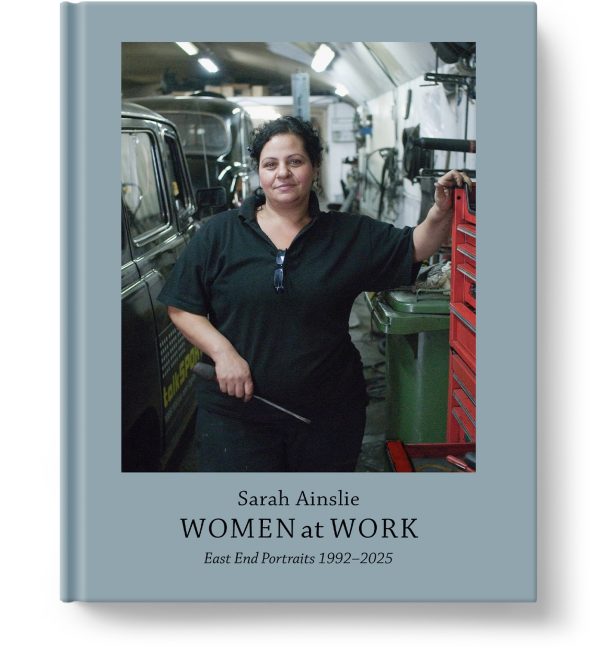
You are invited to the book launch and exhibition opening for WOMEN AT WORK on Thursday 19th November from 6:30pm at Four Corners Gallery, 121 Roman Rd, E2 0QN (a five minute walk from Bethnal Green tube).
CLICK HERE TO REGISTER FOR THE LAUNCH PARTY & EXHIBITION OPENING
A few tickets remain for Sarah's illustrated lecture in which she will be showing her pictures and telling the stories behind her photographs at this year's Bloomsbury Jamboree on Saturday 14th November at the Art Workers' Guild, 6 Queen Sq, London WC1N 3AT.
CLICK HERE TO BOOK FOR SARAH'S LECTURE
Sarah celebrates the contribution of female labour in exuberant portraits that capture the passion and struggle of the working life. Drawn from Sarah's personal archive and her sixteen years as Spitalfields Life Contributing Photographer, this is a panoramic survey of social change over four decades.
CLICK HERE TO BUY A SIGNED COPY FOR £20
Today we preview a small selection of Sarah's portraits.
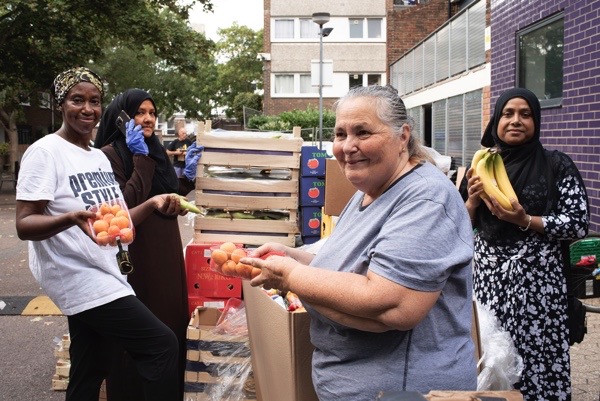
Merle Curtis, Sultana Begum, Armagan Middlemast & Husna Begum, Tower Hamlets Food Bank
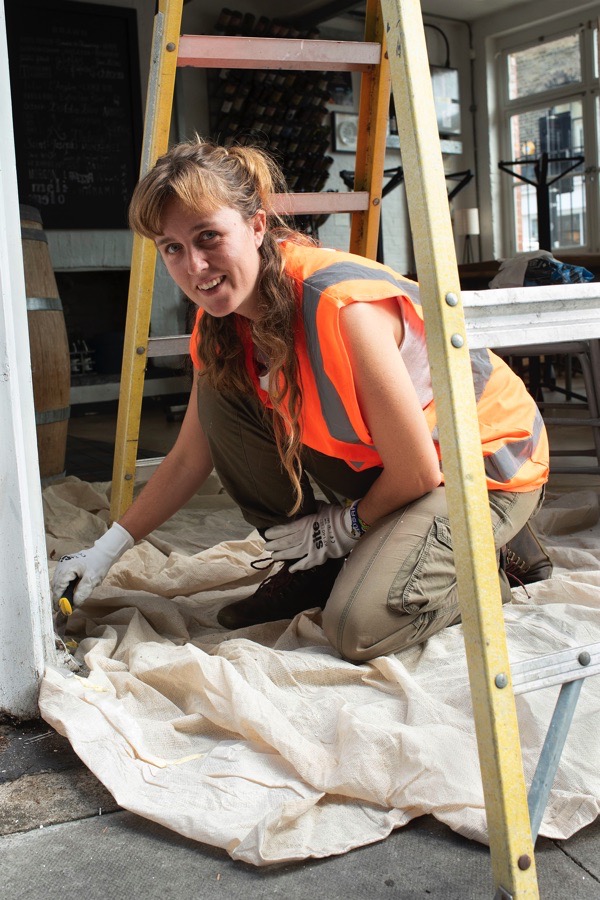
Afa Simpson, Painter, Decorator & Clown
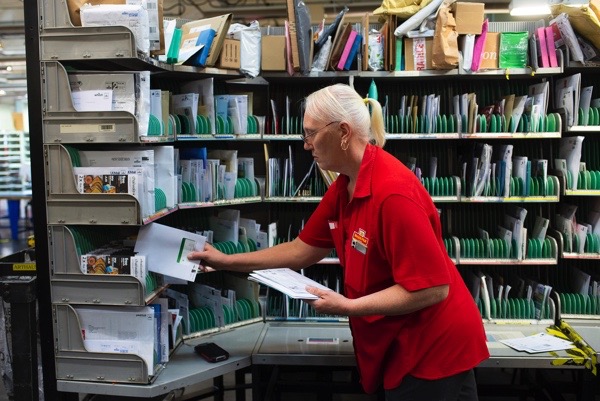
Donna Wood, Postwoman, Royal Mail
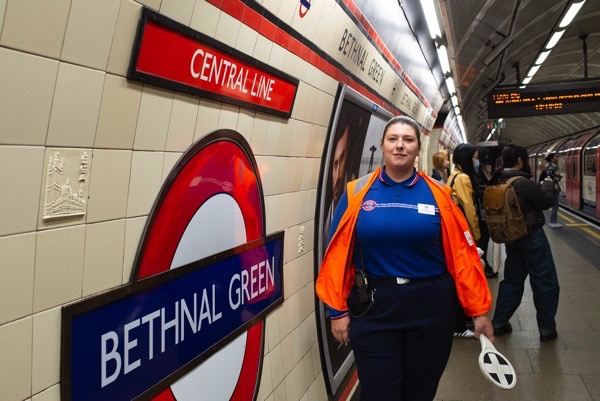
Claire Carmelo, Customer Service Assistant, Bethnal Green Station
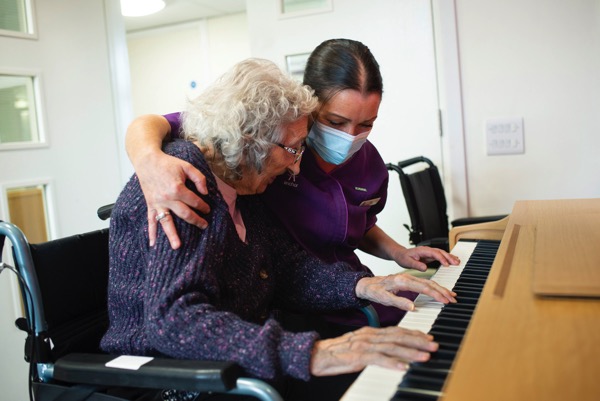
Kelly Wood, Carer, Silk Court Care Home
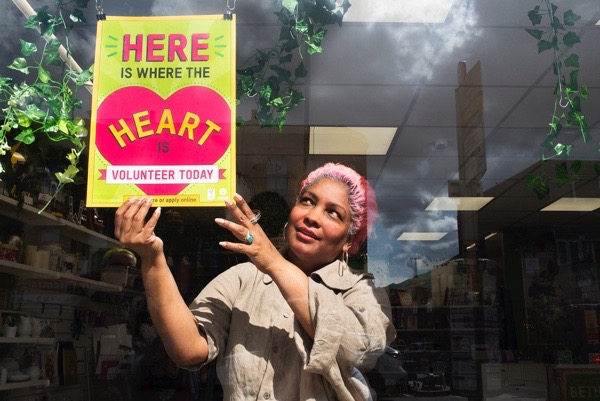
Kellyan Saunders, Manager, Oxfam Shop
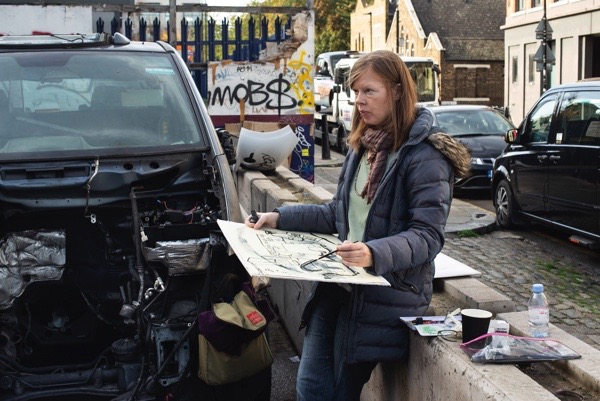
Lucinda Rogers, Artist
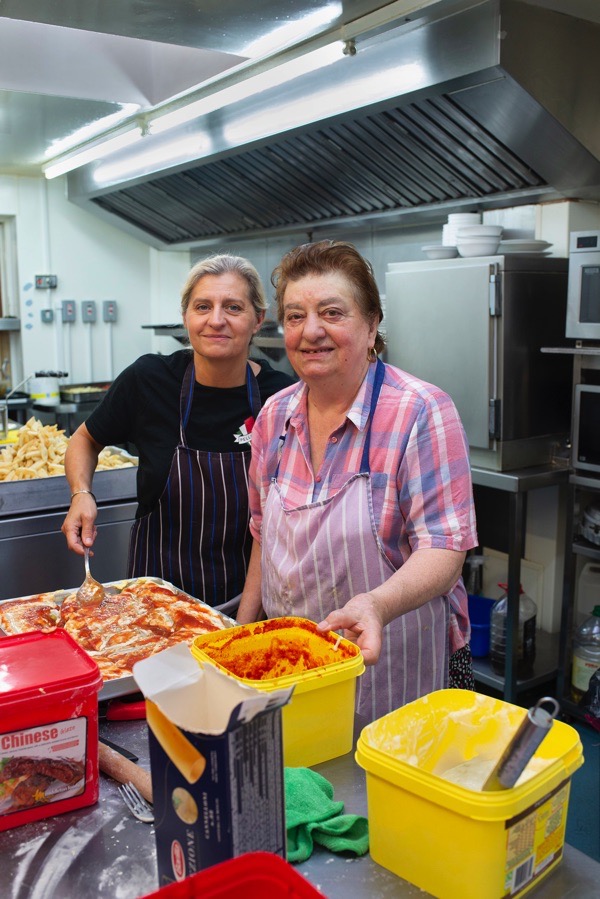
Maria & Anna Pellicci, E Pellicci
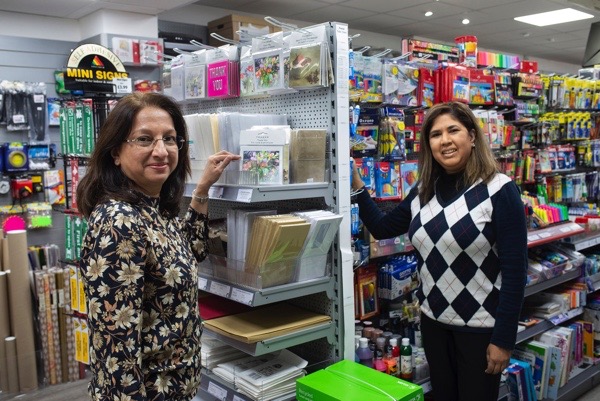
Nafisa & Marlene, Newmans' Stationery
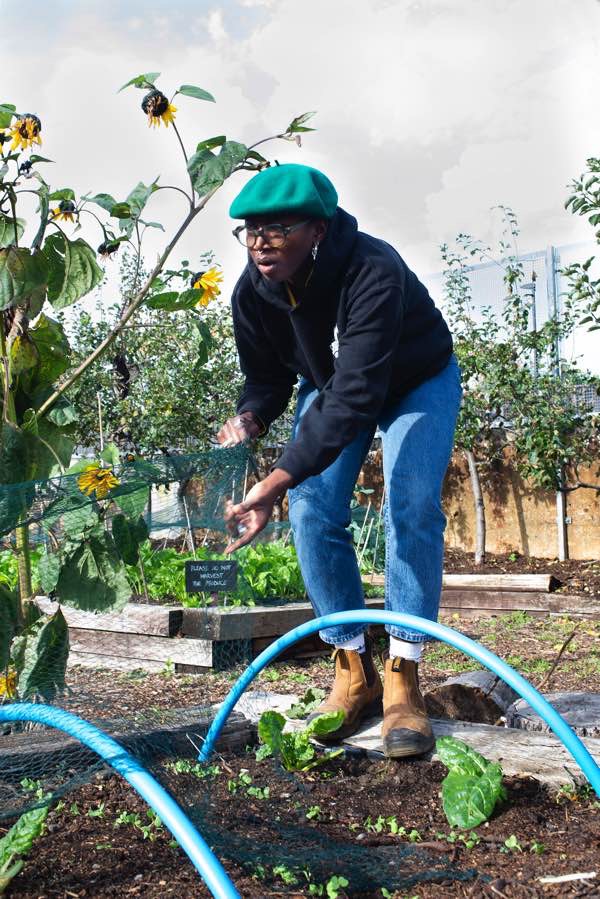
Rachel Hippolyte, Education Manager, Spitalfields City Farm
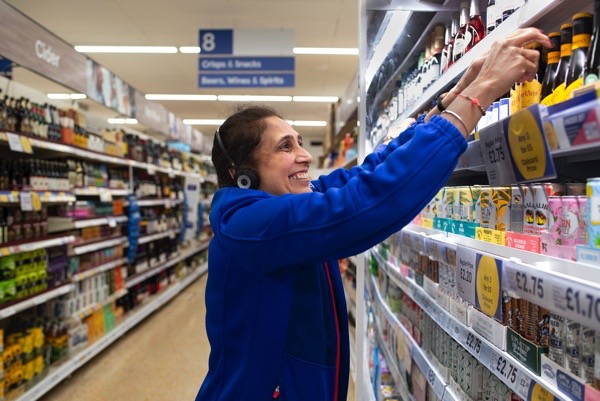
Anita Patel, Tesco

Sue Venning, Proprietor, G Kelly Pie & Mash, Roman Rd
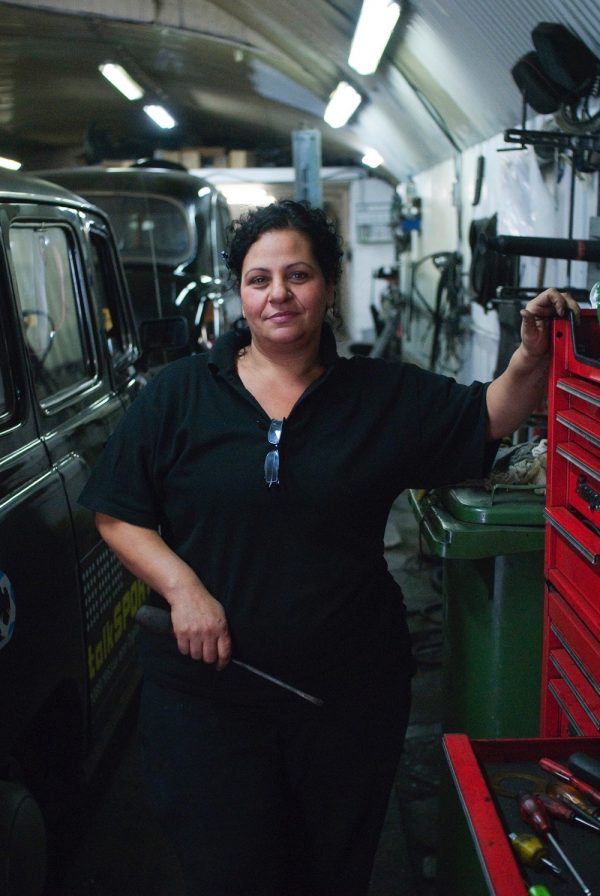
Iflet, Garage Mechanic, Three Colts Lane
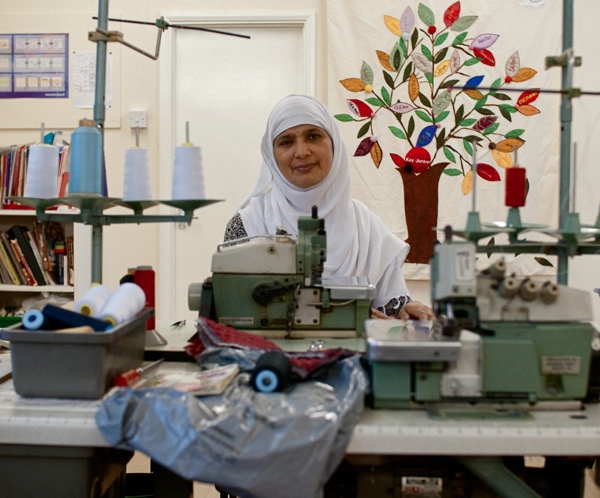
Anjum Ishtaq, Heba Women's Project, Brick Lane
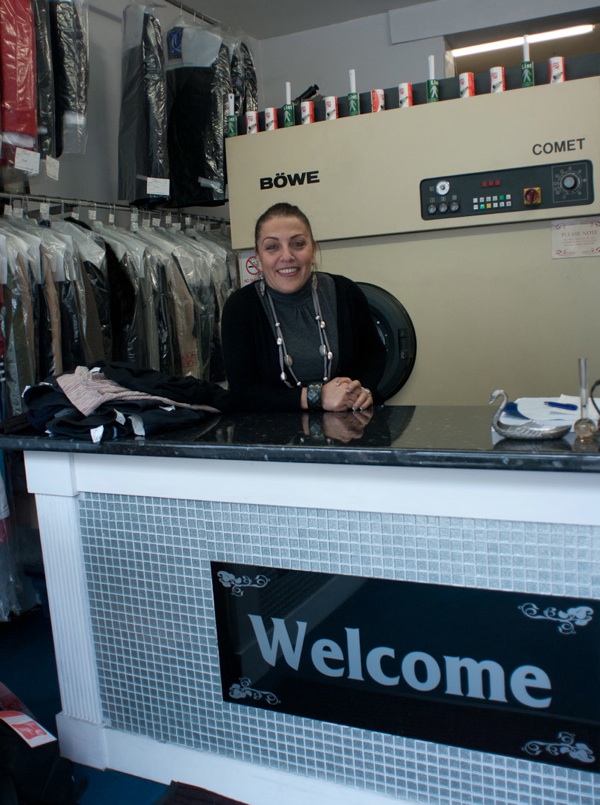
Mrs Mustapha, Nazal Dry Cleaners, Hackney Rd
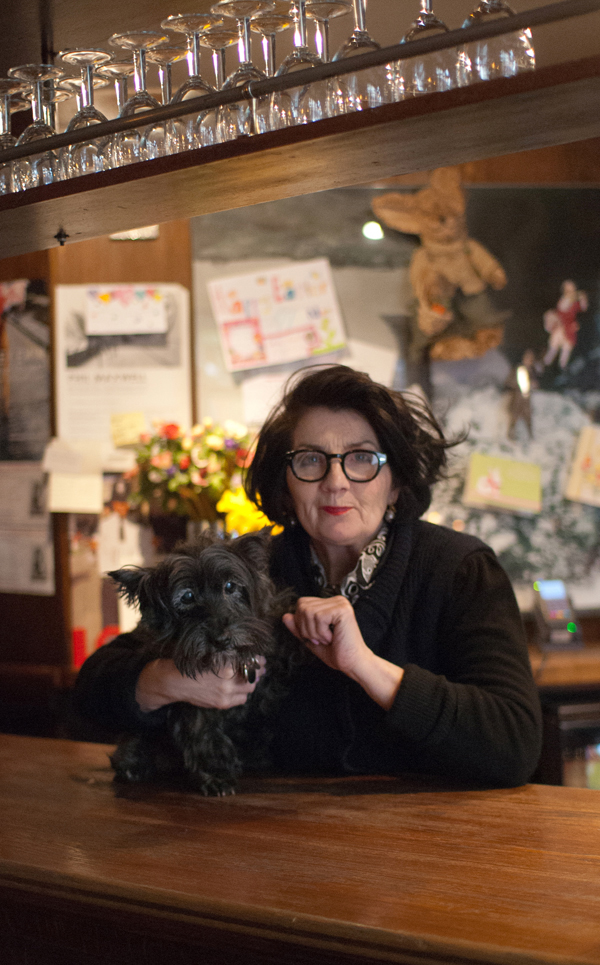
Sandra Esqulant, Publican at The Golden Heart, Spitalfields, and Molly

Shakala, Customer Assistant at Favorite Fried Chicken

Fatima Chowdury, Jumara Noor Eli and Sumsun Nahar Shirna at Mahir Sarees in Bethnal Green
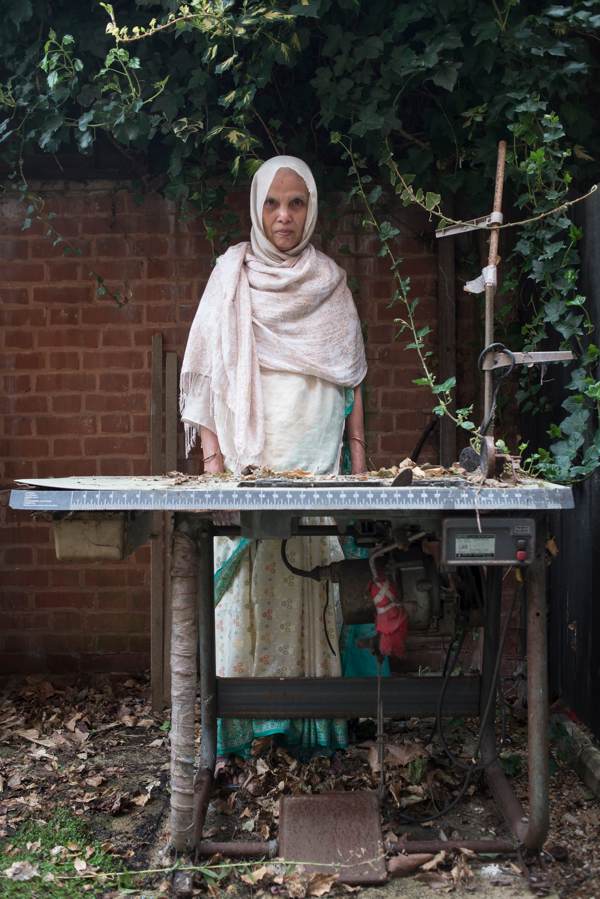
Arful Nessa, Home Machinist, Spitalfields
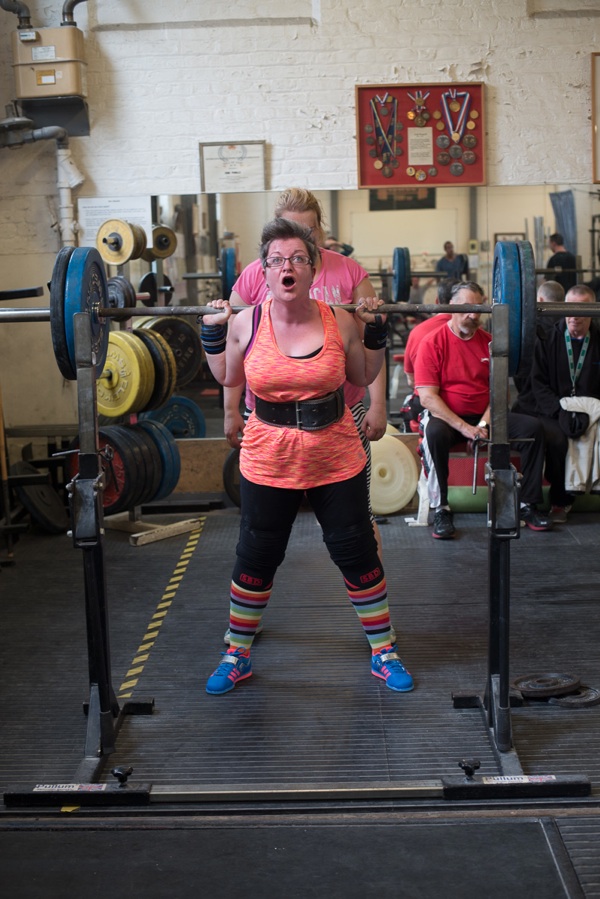
Laura Porter, Powerlifter, Bethnal Green
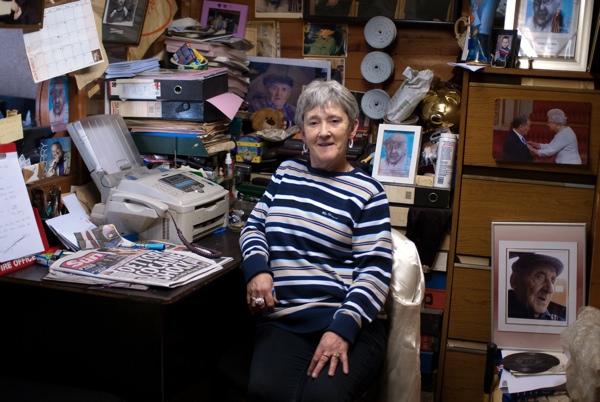
Carol Burns, Manager, C.E. Burns Waste Paper Merchants, Spitalfields
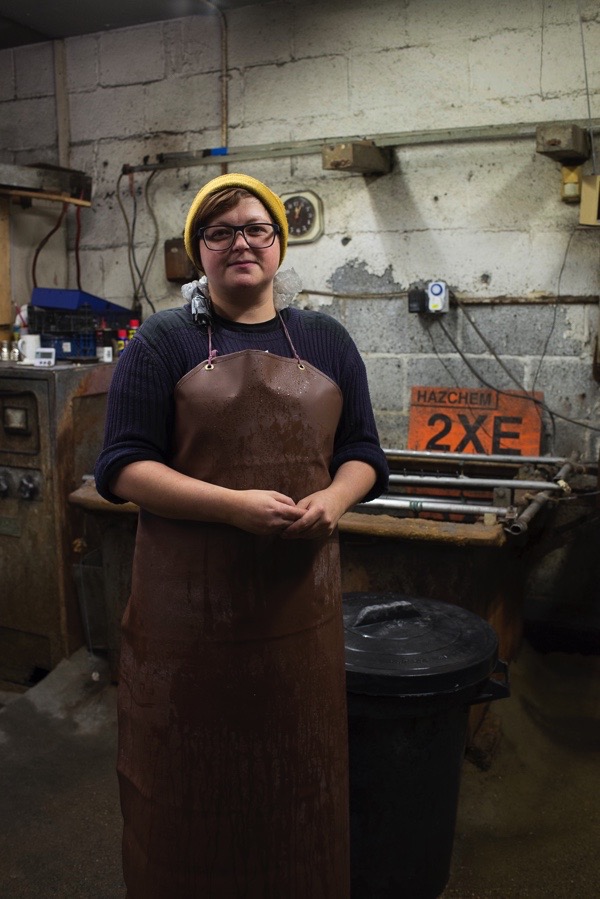
Chloe Robertson, Electroplater at Margolis Silver, London Fields
Photographs copyright © Sarah Ainslie

TL;DR: Get a 12-in-1 USB-C hub with a built-in laptop stand for $54.97 (reg. $99.99) plus free shipping.
Thin laptops usually come with a couple of USB-C ports, and every monitor, drive, and memory card after that needs its own adapter. — Read the rest
The post Give your laptop 12 more ports and enjoy better posture with this $54.97 USB-C hub appeared first on Boing Boing.

The Checkmate Retro Styled IPS Upgradeable Display is a flat-screen monitor that looks and works like a 1980s computer monitor. It's a Kickstarter project for people who want to play retro games on their old consoles and computers.
If you've ever tried to connect your old console to a modern TV, you might have learned that the picture is less than perfect. — Read the rest
The post This new flat-screen monitor looks like a 1980s computer monitor and has all the old sockets built in appeared first on Boing Boing.

I bought Charles Burns' Big Baby in 1986. RAW Books (run by Maus creator Art Spiegelman and New Yorker cover editor Françoise Mouly) published it as a hardbound book that resembles a kids' picture book. The interior pages are black-and-white comic book panels telling the story of a normal boy named Big Baby, who solves a neighborhood mystery. — Read the rest
The post Charles Burns' original Big Baby cover art sells for $81,250 appeared first on Boing Boing.

While convicted felon and repeatedly accused of sexual misconduct Donald J. Trump was happily admiring other men's posteriors, bragging about pools, arches, and ballrooms, the GOP could not get him to say anything that would help their cause. He did apparently pause to shelve Stephen Miller, however, at Melania's request. — Read the rest
The post Only Melania's complaints could get Trump to look away from his ballroom appeared first on Boing Boing.

Soon-to-be former Senator from Maine, Susan Collins got one thing right: voters are the reason she won't be in office anymore.
A scandal alleging Collins was on the take, a terrible record of standing against human rights and voting for terrible justices on invented premises are among the many, many reasons Maine voters walked away from Susan Collins. — Read the rest
The post A bitter Susan Collins correctly identifies voters as the reason she lost appeared first on Boing Boing.

TL;DR: Get a Microsoft Visual Studio Professional 2026 license for $29.97 (reg. $499.99), paid once.
Visual Studio Professional is typically a paid Microsoft subscription that incurs a recurring fee. To keep the IDE without the renewals, consider a Microsoft Visual Studio Professional 2026 license for $29.97 (reg. — Read the rest
The post Premier IDE: Visual Studio Professional 2026 is $29.97, one-time, with no renewal notices appeared first on Boing Boing.


